
Multi-OS Android TV Box OEM Solutions
Multi-OS Android TV Box OEM Solutions: Architecting Hardware for Enterprise Scale
Hardware fragmentation remains the primary bottleneck for enterprise system integrators. Deploying a standard, consumer-grade Android TV Box into a 24/7 commercial environment inevitably yields thermal throttling, firmware memory leaks, and restricted root access. The industry shift toward hybrid edge-computing architectures requires hardware capable of executing multiple operating systems—such as Android AOSP, Ubuntu, or Debian—from a single, unified printed circuit board assembly (PCBA).
For B2B buyers and digital signage network operators, resolving this requires abandoning generic retail hardware in favor of deep OEM/ODM customization. True deployment scale relies on foundational engineering at both the silicon and kernel levels.
Overcoming SoC Architecture Constraints
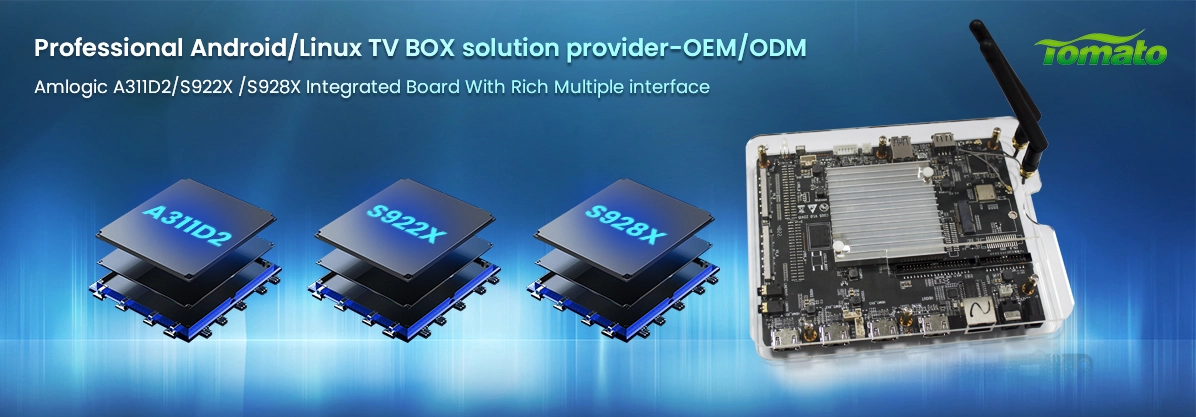
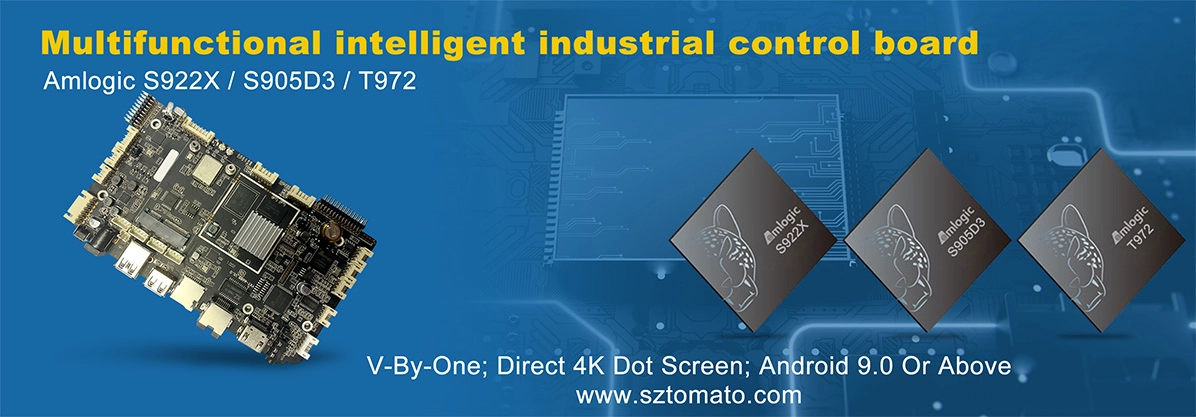
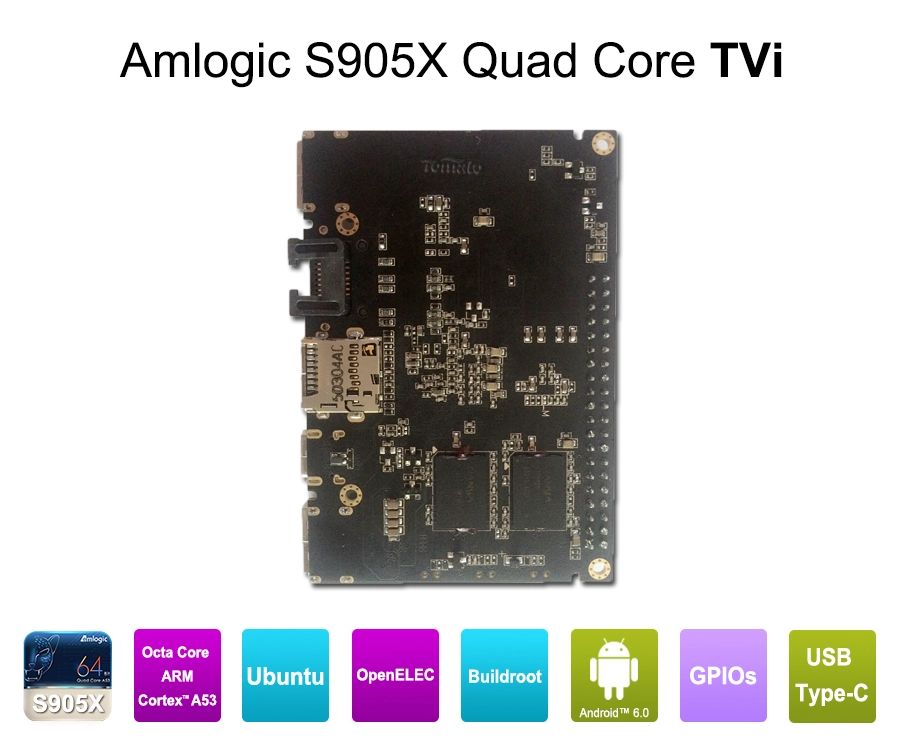
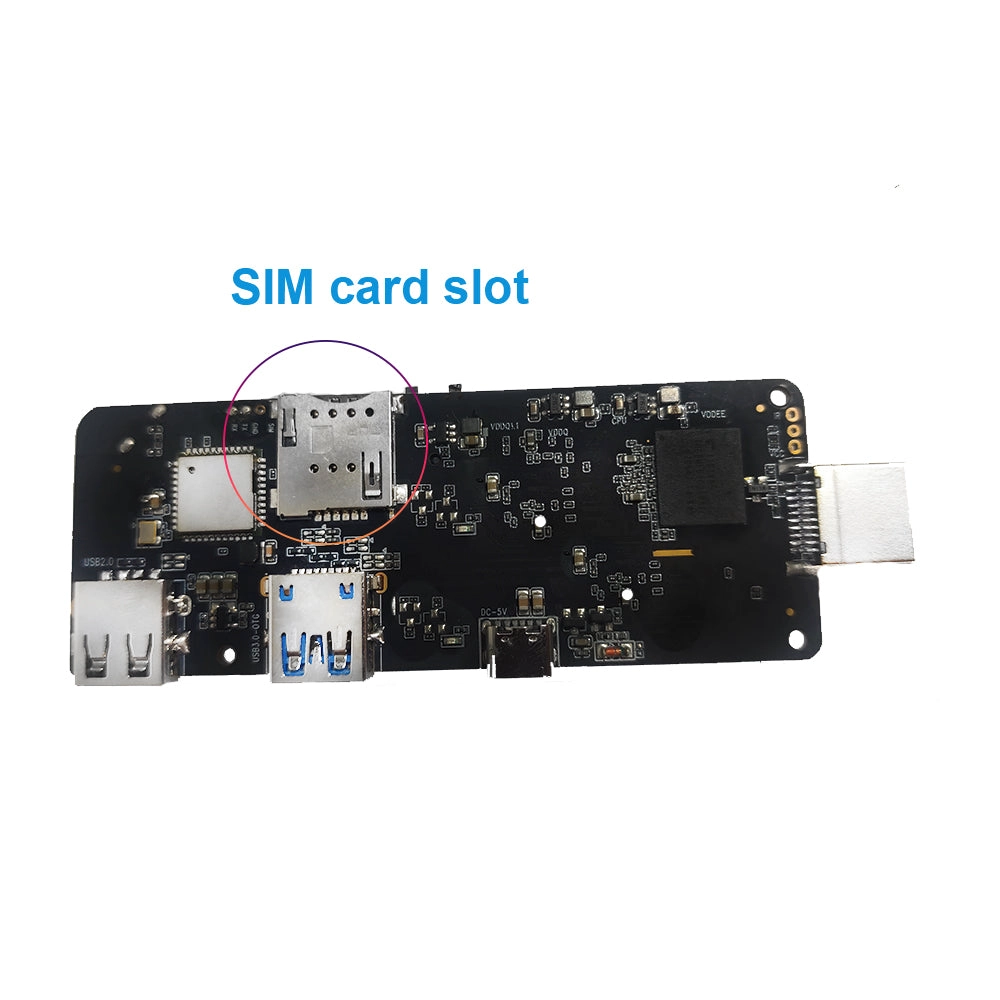
Integrating a Multi-OS framework into a single device dictates rigorous silicon selection and bootloader configuration. Standard System on Chips (SoCs) from manufacturers like Amlogic or Rockchip are heavily optimized for single-OS multimedia playback. Repurposing these chipsets for dual-boot or Linux-based environments requires custom bootloader partitioning to allocate precise eMMC storage parameters for parallel operating systems.
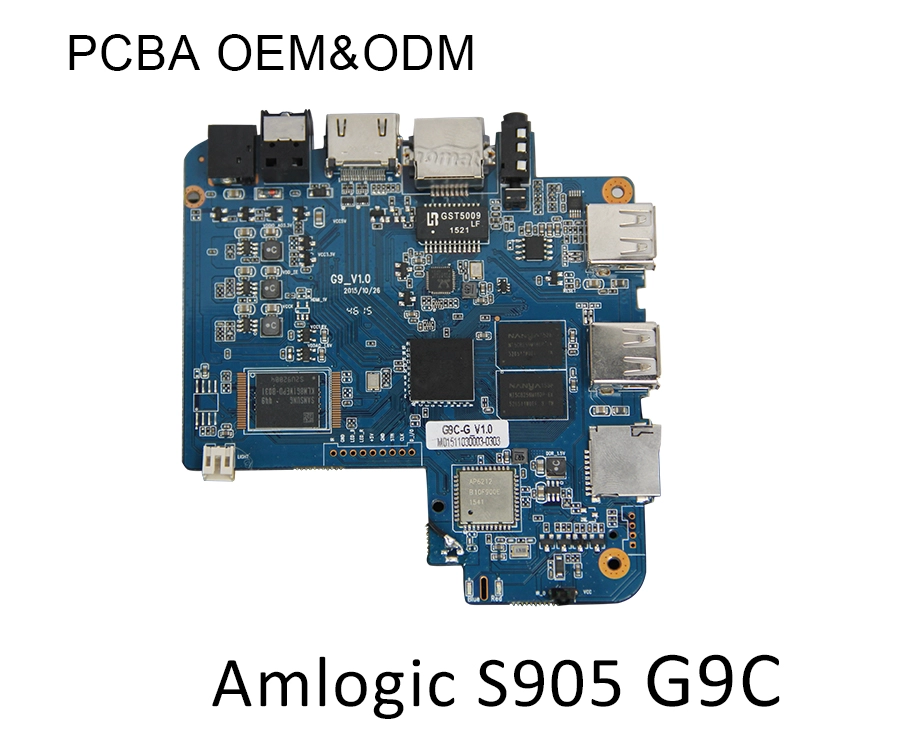
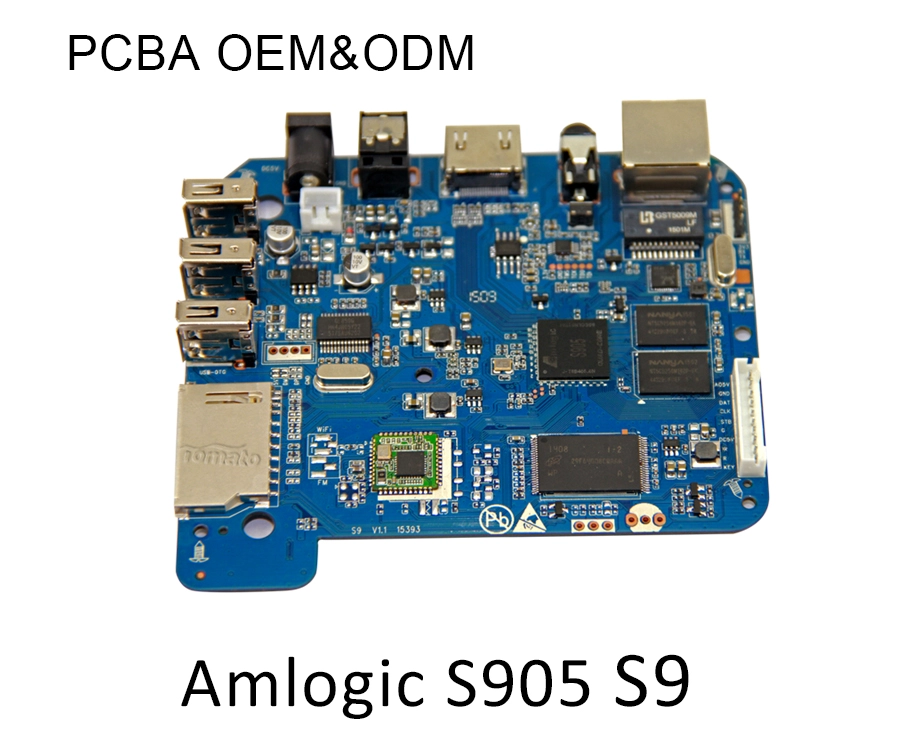
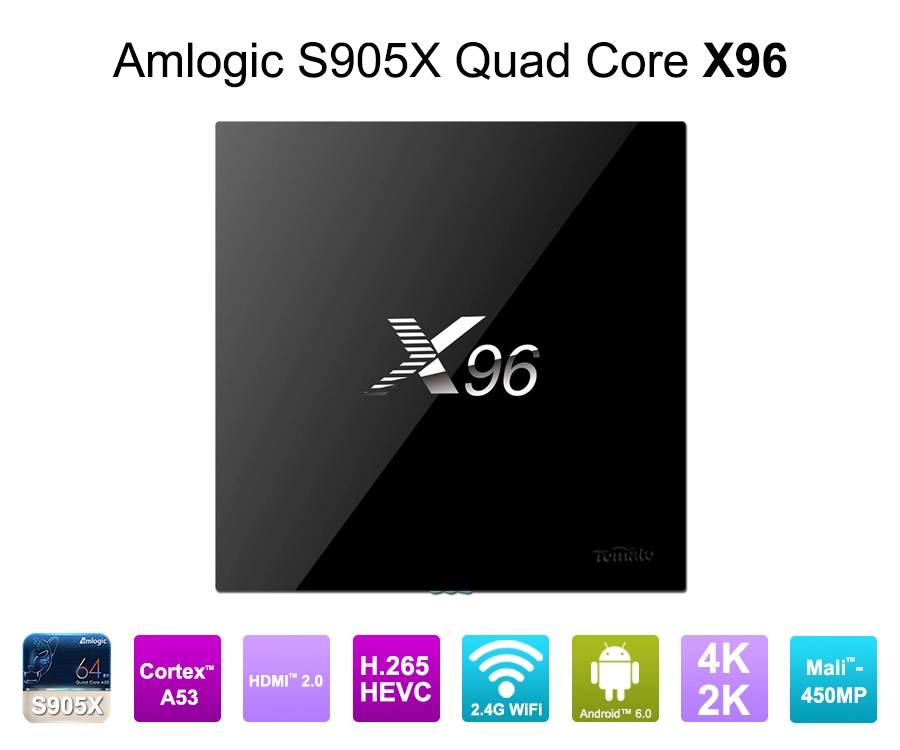
Furthermore, thermal dynamics change drastically when operating systems handle varied computational loads. A generic Android TV Box enclosure lacks the thermal dissipation capacity for an Ubuntu-driven machine learning algorithm or continuous 4K digital signage decoding. Engineering a customized PCBA requires integrating industrial-grade heat sinks, optimizing component placement to prevent localized overheating, and specifying capacitors rated for 105°C continuous operation.
Firmware-Level Engineering vs. Generic White-Labeling
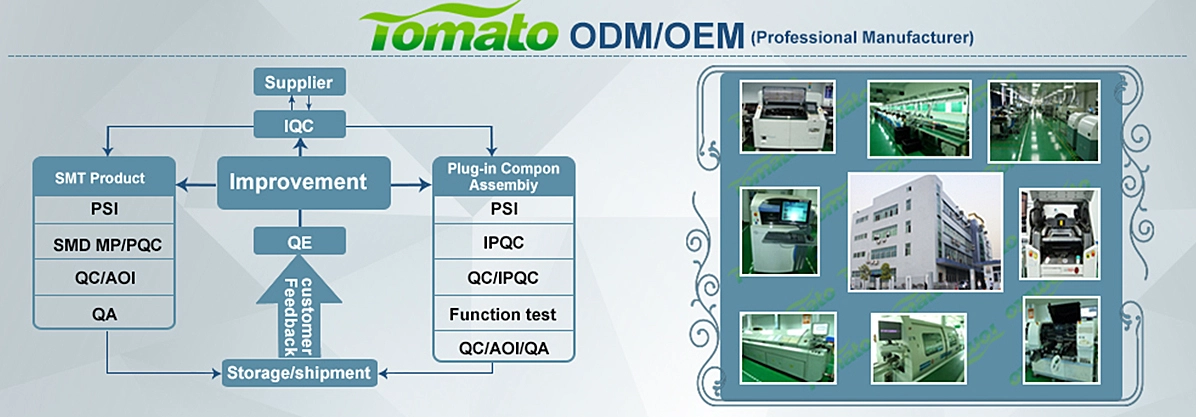
Many buyers confuse surface-level white-labeling—swapping a logo on a plastic casing—with actual OEM/ODM manufacturing. Commercial deployments require complete control over the device ecosystem, which can only be achieved through firmware-level engineering.
A specialized manufacturing partner provides:
-
Kernel Modification & Root Access Management: Enabling necessary root permissions for proprietary applications while locking down peripheral access to secure the endpoint against unauthorized tampering.
-
Custom OTA (Over-The-Air) Infrastructure: Decoupling from public update servers to host localized, encrypted OTA firmware updates, ensuring devices only receive validated patches that do not break custom software integrations.
-
Bloatware Elimination: Compiling bare-metal AOSP or Linux builds free of consumer applications, freeing up RAM and reducing potential attack vectors.
Hardware Modifications for Digital Signage and Commercial IoT
An Android TV Box utilized for digital signage or interactive kiosks must feature hardware redundancies absent in consumer models. Engineering an enterprise-ready board necessitates specific hardware integrations.
-
Hardware Watchdog Timers (WDT): Integrated at the micro-controller level to automatically reboot the system upon detecting an OS freeze or application crash, ensuring zero-touch recovery for remote deployments.
-
RTC (Real-Time Clock) Batteries: Maintaining system time synchronization during power loss, critical for scheduled media playback and cryptographic certificate validations.
-
Auto Power-On Circuitry: Modifying the power delivery network so the device boots immediately upon receiving AC power, bypassing software-level power toggles.
-
I/O Expansion: Incorporating RS232, RS485, and GPIO pins directly into the PCBA to interface with external sensors, industrial controllers, or legacy POS systems.
Initiating Your Custom Hardware Pipeline
Transitioning from generic hardware sourcing to a fully realized Multi-OS OEM deployment fundamentally alters project economics. By addressing hardware redundancies and firmware vulnerabilities during the engineering phase, B2B operators drastically reduce remote maintenance costs and hardware replacement cycles.
At SZTomato, our engineering framework bypasses consumer retail limitations, providing direct access to custom PCBA design, deep SoC integration, and bespoke firmware compilation. If your project parameters demand hardware tailored to precise enterprise specifications, contact our engineering team to outline your technical requirements and initiate the prototyping phase.
