
New RK3588 AI Box Brings 6 TOPS Edge AI Performance to Market
New RK3588 AI Box Brings 6 TOPS Edge AI Performance to Market
The latency, bandwidth costs, and security risks associated with cloud-based machine learning have forced a permanent shift in digital signage and industrial IoT network architecture. Real-time data processing—whether executing object detection algorithms for retail analytics or operating automated quality control vision systems—now requires localized, on-device compute. The integration of the Rockchip RK3588, equipped with a hybrid INT4/INT8/INT16/FP16 NPU capable of 6 Tera Operations Per Second (TOPS), establishes a new baseline for the commercial AI Box.
For B-Suite decision-makers, procuring an RK3588-based device is not a standard hardware acquisition. The sustained execution of neural network inference models demands rigorous thermal management, specialized input/output (I/O) configurations, and unrestricted software control that retail-grade set-top boxes cannot provide.
The Thermal Physics of Continuous Neural Processing
Operating an NPU at peak capacity to process multiple high-resolution video streams generates intense localized heat. Retail hardware, designed around compact, cost-optimized Printed Circuit Board Assemblies (PCBAs) and passive foil heatsinks, suffers rapid thermal saturation under these continuous workloads. The resultant thermal throttling reduces NPU clock speeds, introducing critical latency into the AI inference pipeline and ultimately accelerating logic board failure.
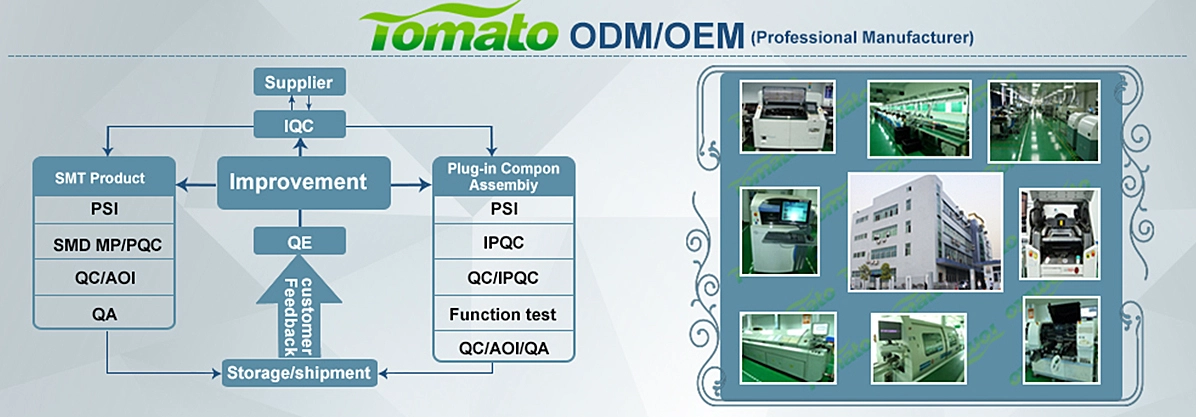
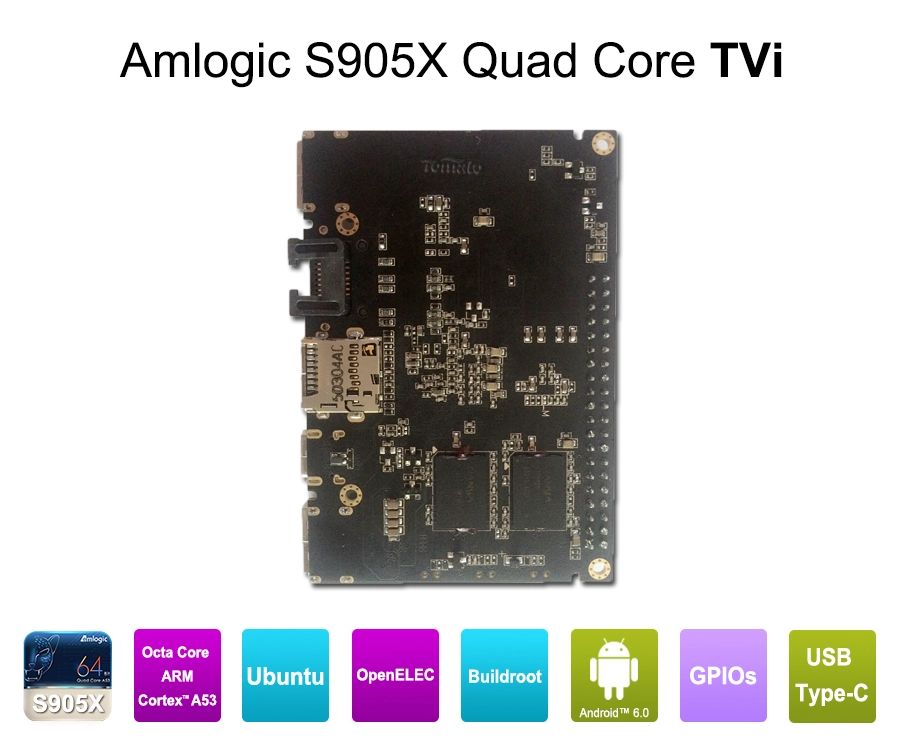
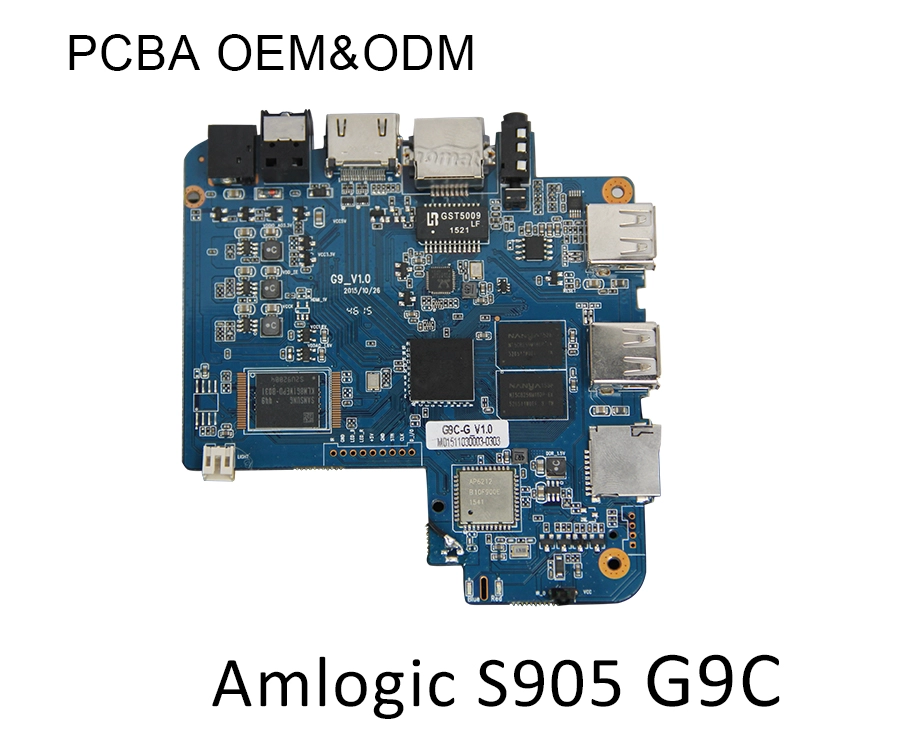
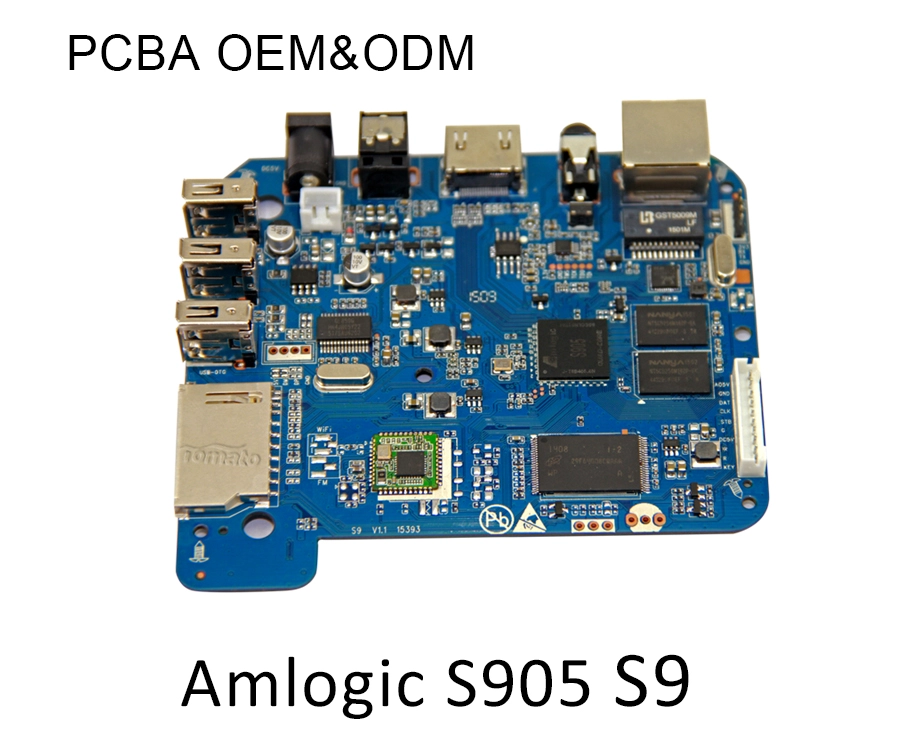
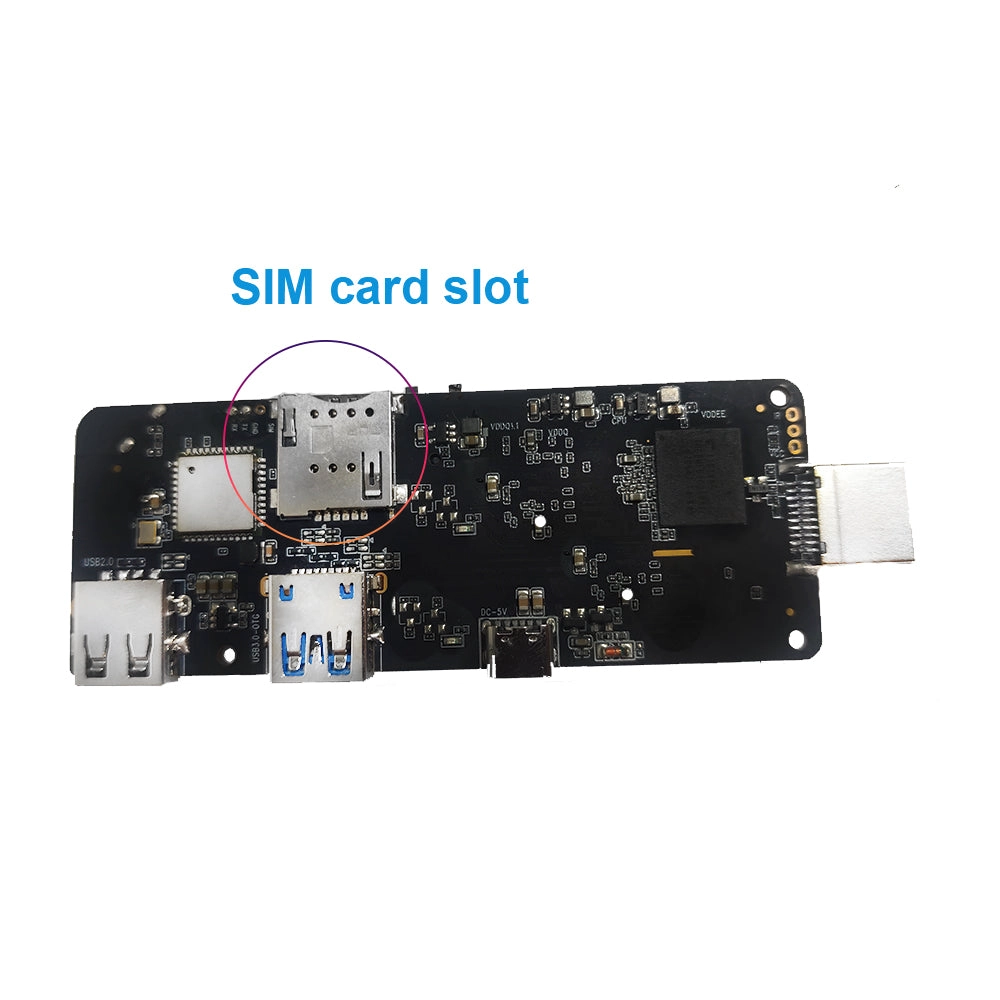
To deploy a 6 TOPS AI Box in 24/7 commercial environments, hardware intervention at the manufacturing stage is mandatory. SZTomato engineers address this physics constraint through specific PCBA modifications. We separate the Power Management Unit (PMU) and heavy draw components from the main RK3588 SoC to prevent heat stacking. Furthermore, these commercial units utilize high-mass extruded aluminum chassis integrations, strategic venting algorithms, and industrial-grade thermal interface materials. This customized thermal architecture ensures the silicon operates well within its safe temperature parameters, maintaining continuous inference speeds without frame drops or system instability.
Firmware Engineering: Bypassing the Retail OS Sandbox
An AI Box is fundamentally an edge server; deploying one running a generic, consumer-facing Android operating system introduces severe operational drag. Background retail services consume vital RAM, while locked bootloaders prevent developers from efficiently deploying proprietary AI models via frameworks like TensorFlow or PyTorch using Rockchip's RKNN toolkit.
Enterprise applications require a stripped-down, highly efficient OS environment. SZTomato provides absolute firmware autonomy through direct Linux (Ubuntu/Debian) and Android kernel optimization. By stripping unnecessary consumer bloatware and granting root-level access, system integrators can allocate maximum system resources directly to the AI payload. This deep access also facilitates custom UI/UX firmware creation, ensuring that devices deployed in public-facing or institutional settings remain locked into secure, proprietary operational modes.
Peripheral Integration and Secure Deployment Architecture
Edge computing ecosystems rely heavily on sensor input and networked coordination. Standard HDMI and USB configurations are insufficient for complex industrial setups. The architecture of the AI Box must physically support the specific deployment parameters.
-
Custom I/O Expansion: Through our OEM/ODM manufacturing infrastructure, SZTomato modifies the PCBA to expose necessary industrial interfaces. This includes integrating RS232/RS485 for legacy serial control, GPIO pins for hardware-level triggers, and MIPI-CSI inputs for direct integration with industrial machine-vision cameras.
-
SDK/API Integration: Firmware engineers provide custom SDK hooks, allowing a proprietary Central Management System (CMS) to pull telemetry data, adjust inference parameters, and monitor hardware health in real-time.
-
Secure OTA Updates: Machine learning models require frequent refinement. We implement secure, encrypted Over-The-Air (OTA) update systems that allow network administrators to push updated algorithms and firmware patches to a global fleet without relying on public, unsecured update servers.
Procurement Directive: Sourcing Commercial Edge AI
The capabilities of the RK3588 SoC are wasted if encased in inadequate hardware. For system integrators, attempting to force consumer electronics into enterprise edge computing roles guarantees a negative ROI through field failures and software bottlenecks.
Securing a reliable AI Box requires partnering with an Original Design Manufacturer capable of executing deep technical customizations. We invite B2B procurement managers and technical directors to contact SZTomato’s engineering team. Discuss your specific PCBA layout requirements, neural network deployment constraints, and OEM/ODM manufacturing solutions to ensure your next edge intelligence network is built on a stable, scalable foundation.
