
What is an AI Box?
What is an AI Box? Engineering Edge Computing for Industrial Autonomy
The integration of dedicated Neural Processing Units (NPUs) into next-generation SoCs has fundamentally altered data inference architecture. Industrial operators are abandoning cloud-based machine learning for localized, real-time data processing to eliminate network latency during automated optical inspection (AOI) and spatial computing tasks. This architectural shift requires a specific hardware node: the AI Box.
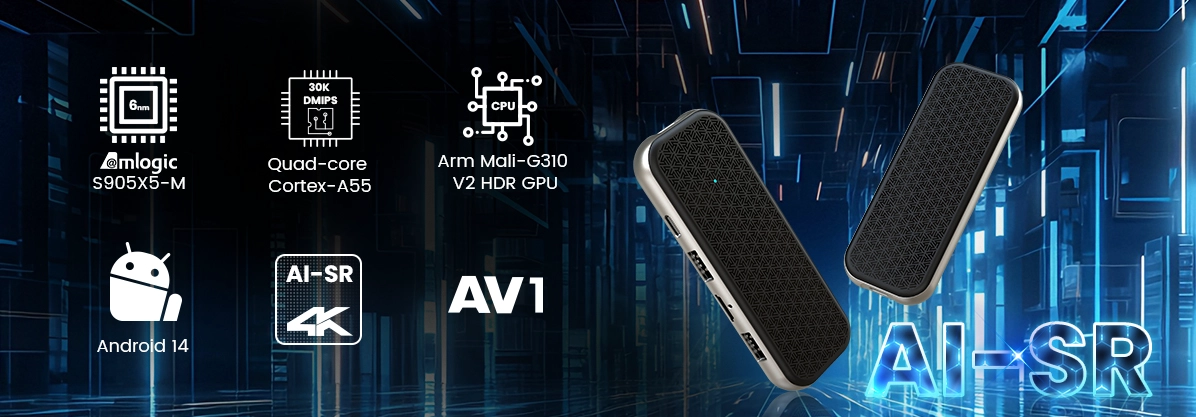
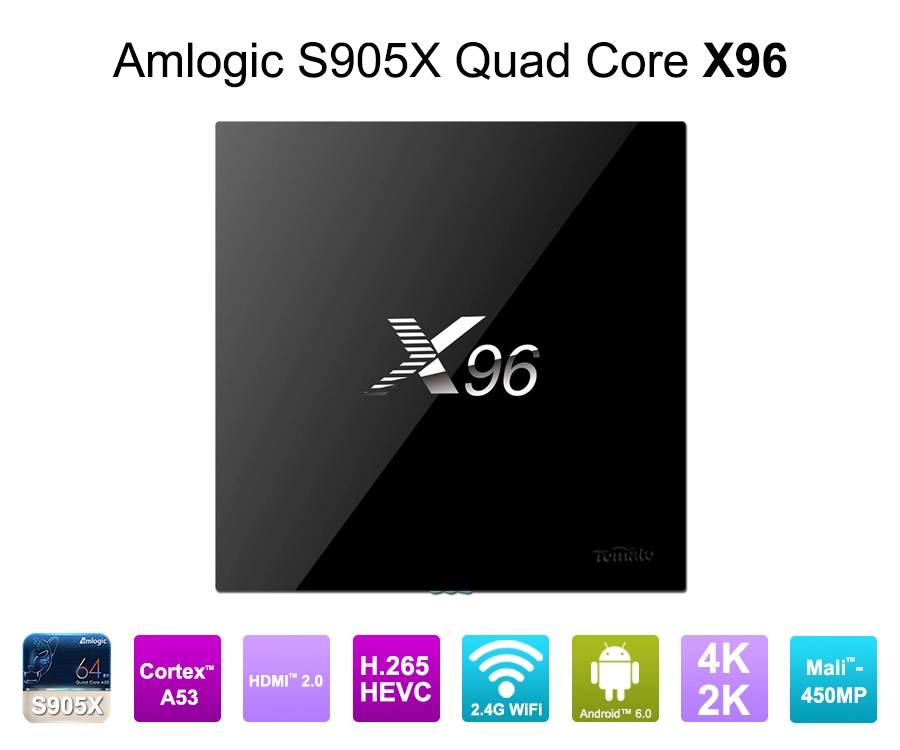
Fundamentally, an AI Box is a decentralized edge-computing terminal engineered to execute complex machine learning algorithms natively. Unlike standard media players or generic mini-PCs, a true industrial AI Box pairs high-compute NPUs (often scaling from 2 to 6 TOPS) with deep hardware and software modifications designed to sustain continuous, multi-threaded neural workloads without thermal throttling or data bottlenecks.
Bypassing Thermal Limitations via Custom PCBA Architecture
Processing heavy telemetry or AV1-encoded video feeds at the edge generates substantial thermal output. When an NPU operates at peak capacity, standard retail enclosures fail. Consumer-grade cooling mechanisms, such as mechanical active fans, introduce unacceptable points of mechanical failure in dust-heavy factory environments.
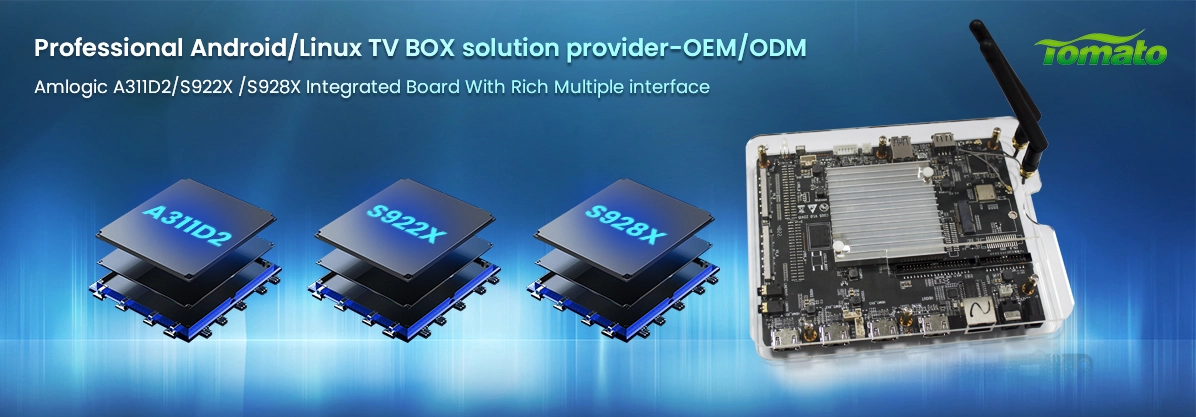
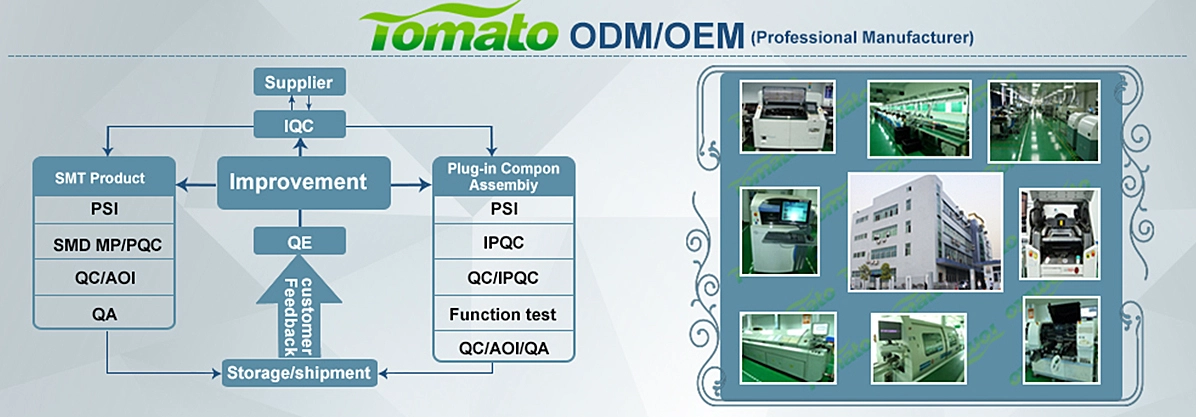
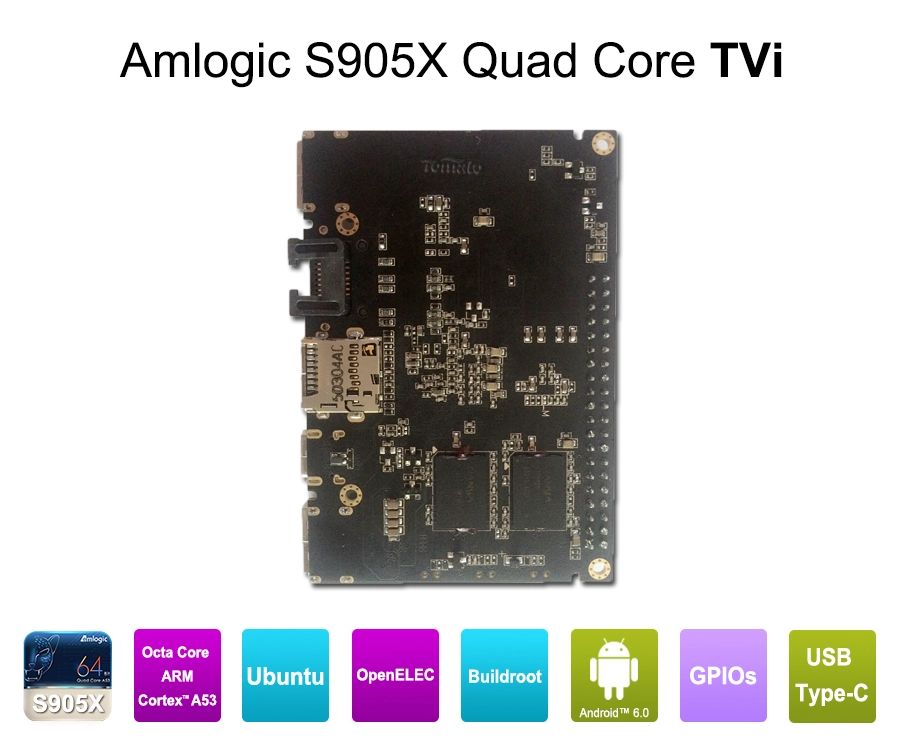
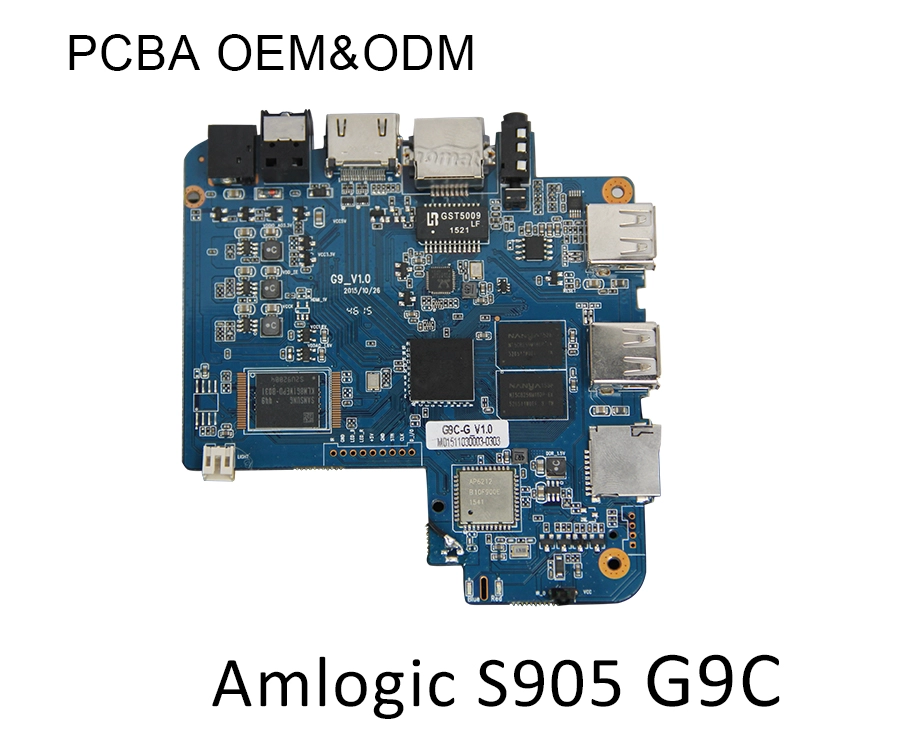
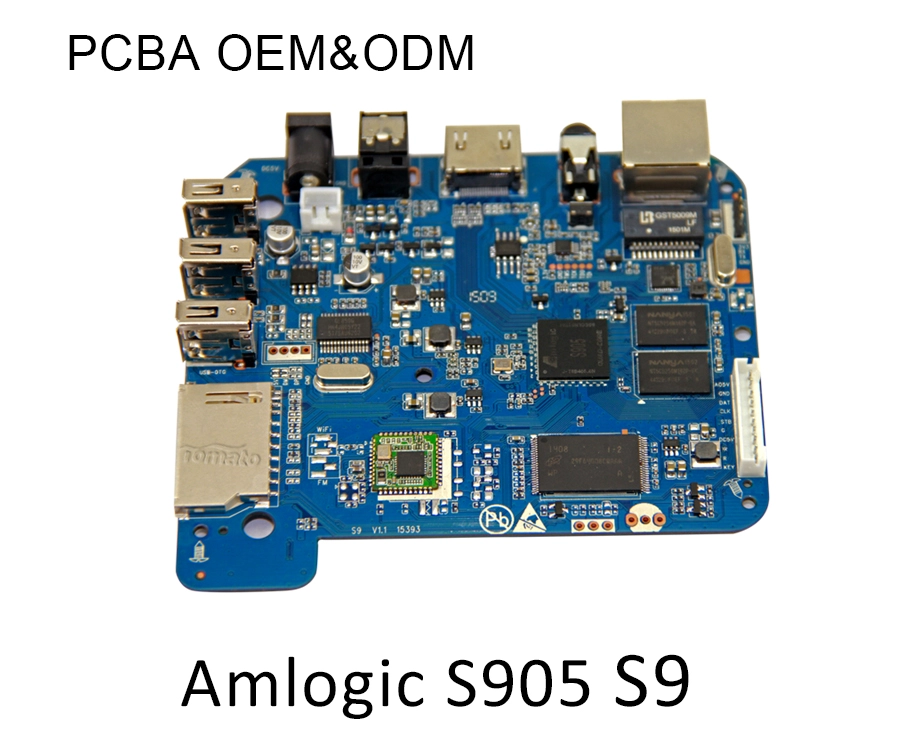
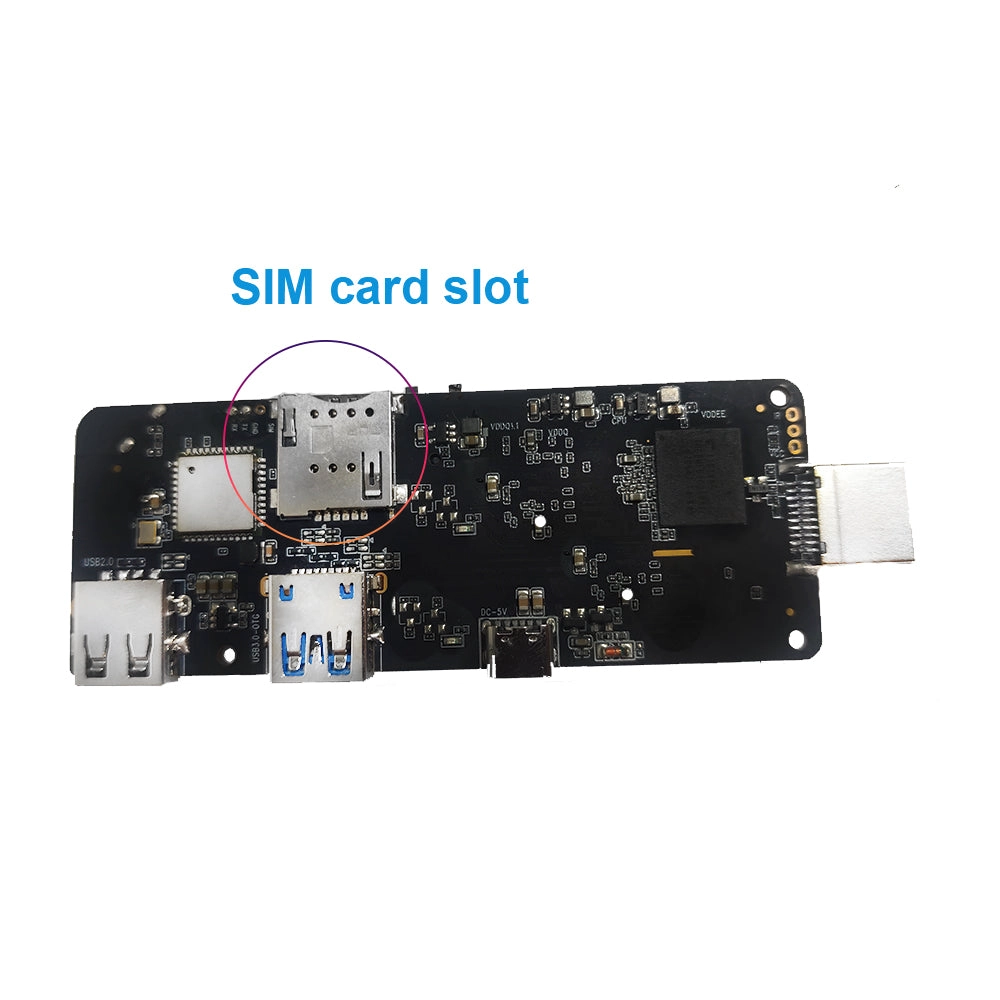
Deploying an AI Box in hostile industrial settings mandates direct intervention at the motherboard level. SZTomato addresses these thermal constraints through targeted PCBA hardware modification. Our engineering teams redesign the native PCBA layout to maximize surface area for industrial-grade heat sinks and thermal pads. This passive cooling infrastructure ensures the SoC maintains optimal operating temperatures under 24/7 continuous load.
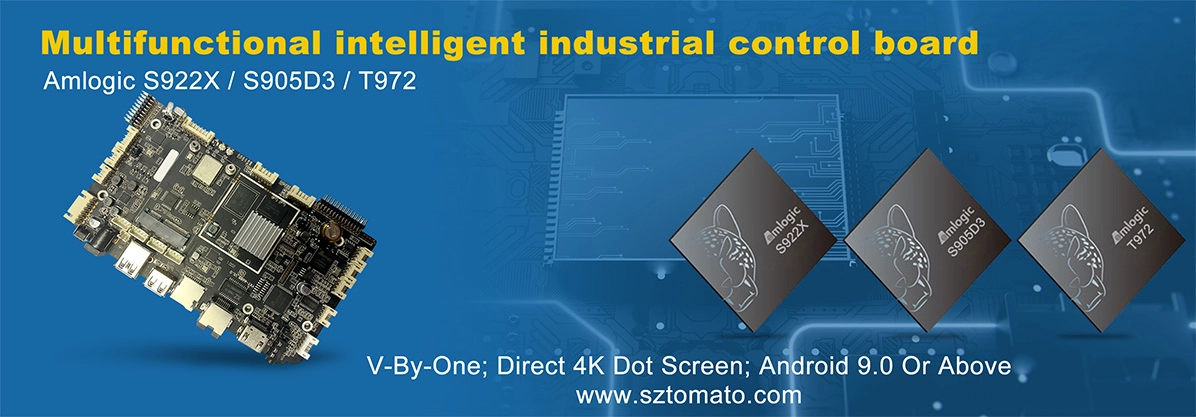
Furthermore, standard HDMI and USB inputs cannot interface with legacy factory equipment. We modify the board schematic to integrate RS232, RS485, and specific GPIO configurations directly into the hardware layer, enabling native handshake protocols with Programmable Logic Controllers (PLCs) and automated assembly sensors.
Firmware Authority: Kernel Optimization and Application Control
Hardware acts only as the baseline conduit; edge automation demands exact software execution. Off-the-shelf Linux or Android operating systems arrive saturated with consumer bloatware that consumes background RAM, occupies critical CPU cycles, and introduces unmanaged security vulnerabilities.
A functional AI Box requires absolute environment control. A core component of the SZTomato OEM/ODM model is firmware-level engineering. We execute deep Linux and Android kernel optimization to strip away non-essential binaries, dedicating maximum memory allocation to the client’s proprietary machine learning algorithms.
For enterprise system integrators, we deliver complete SDK/API integration. This framework grants proprietary management platforms root-level access to hardware controls. Whether the deployment requires specific HDCP encryption protocols for secure digital signage feeds or custom UI/UX firmware locked into a strict kiosk mode, the software environment operates exactly to client specifications.
Fleet Sustainability and Secure OTA Infrastructure
Managing decentralized AI hardware across multiple manufacturing facilities necessitates a robust remote management protocol. Manual, on-site device flashing is mathematically unviable for cross-border operations.
To maintain system integrity, an industrial AI Box must utilize secure, customized OTA (Over-The-Air) update systems. This localized infrastructure allows enterprise managers to push kernel patches, custom UI updates, and revised AI models directly to the authorized fleet. By locking the OTA pipeline to the client’s specific firmware build, we prevent unauthorized rollbacks and ensure strict version control across all network endpoints, eliminating the risk of bricked devices during routine maintenance.
Procurement Directives for Enterprise Integrators
Transitioning to edge-based machine learning requires a manufacturing partner operating natively within the hardware and software engineering stack. Procuring unmodified retail silicon for industrial automation guarantees systemic bottlenecks and eventual hardware failure.
SZTomato operates strictly on an OEM/ODM business model. From initial thermal analysis and PCBA routing to deep kernel optimization and secure API integration, we engineer the AI Box to match your specific deployment variables. We invite B2B procurement managers and system integrators to engage our engineering team to define specific SoC requirements, custom I/O matrices, and proprietary firmware parameters.
