
RK3588 AI Box Designed for Flexible OEM and ODM Customization
RK3588 AI Box Designed for Flexible OEM and ODM Customization
The deployment of complex machine vision and predictive maintenance models at the edge exposes the architectural limits of legacy ARM processors. The transition to the Rockchip RK3588 architecture—featuring quad-core Cortex-A76, quad-core Cortex-A55, and a dedicated 6 TOPS NPU—provides the computational baseline required for localized data inference. However, integrating this 8K-capable, AV1-hardware-accelerated SoC into high-uptime industrial environments requires abandoning generic retail hardware. Sustained edge computing mandates rigorous hardware modification and firmware-level control to prevent system failure under continuous operational loads.
Thermal Mitigation and Custom PCBA Architecture
Extracting peak performance from an RK3588 AI Box requires direct intervention at the hardware level. When the 6 TOPS NPU operates continuously for automated optical inspection (AOI) or spatial computing, standard retail enclosures fail due to rapid thermal throttling.
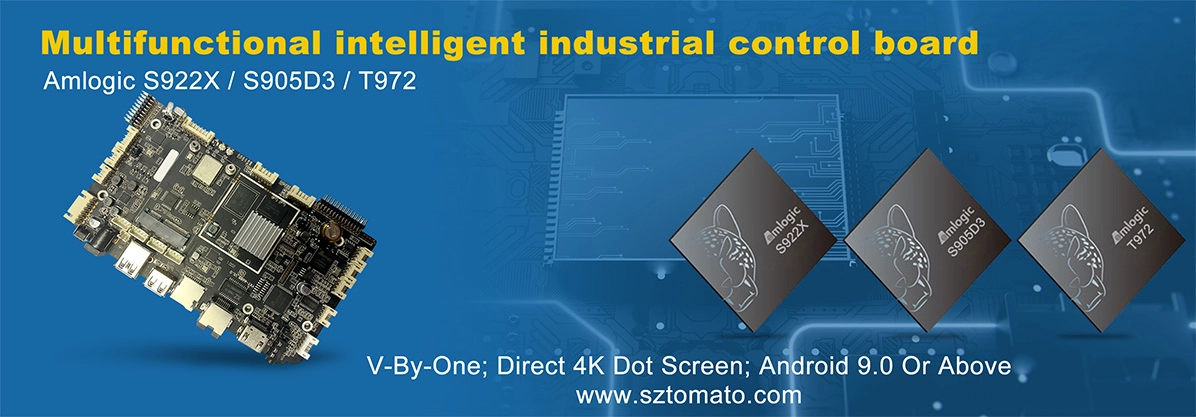
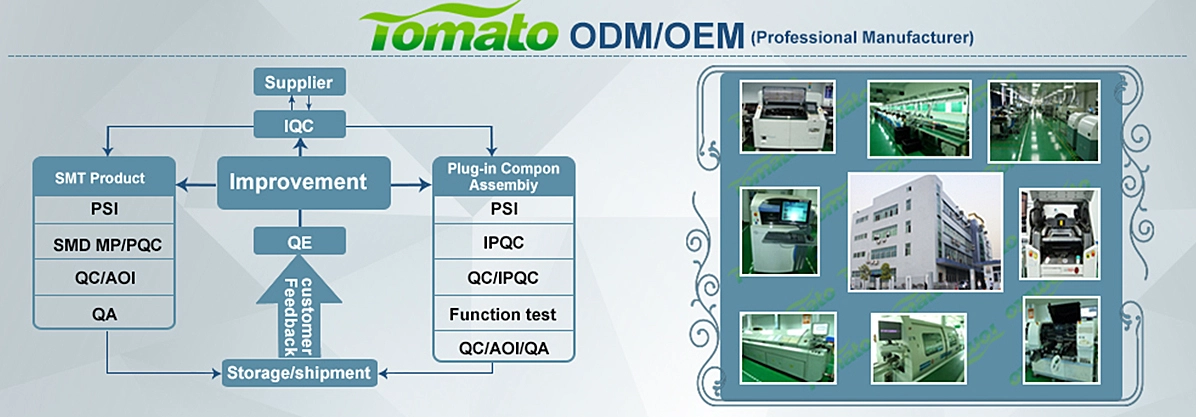
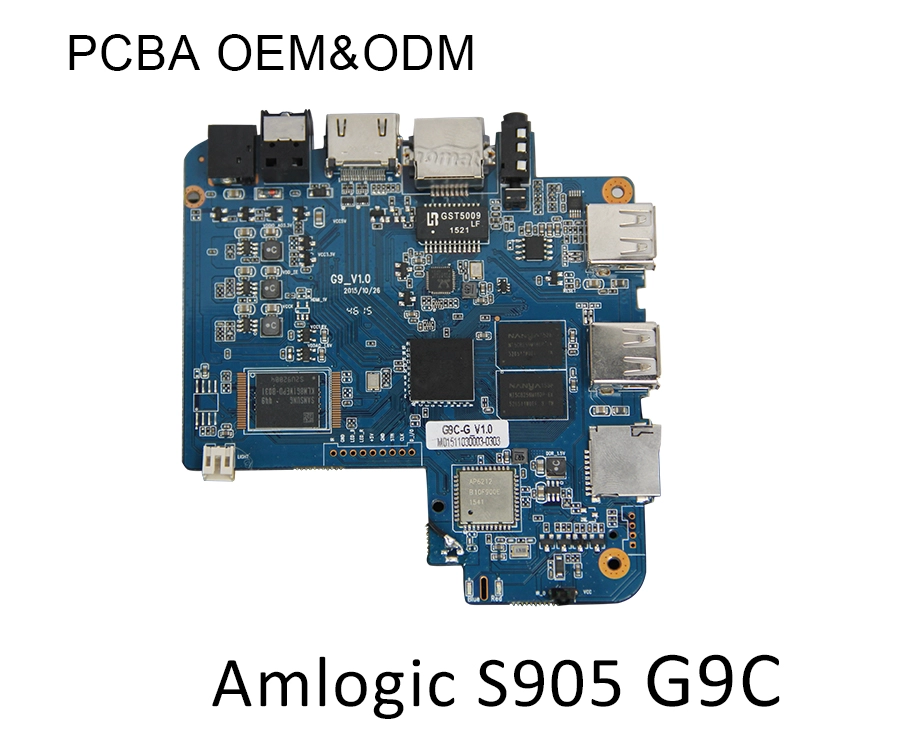
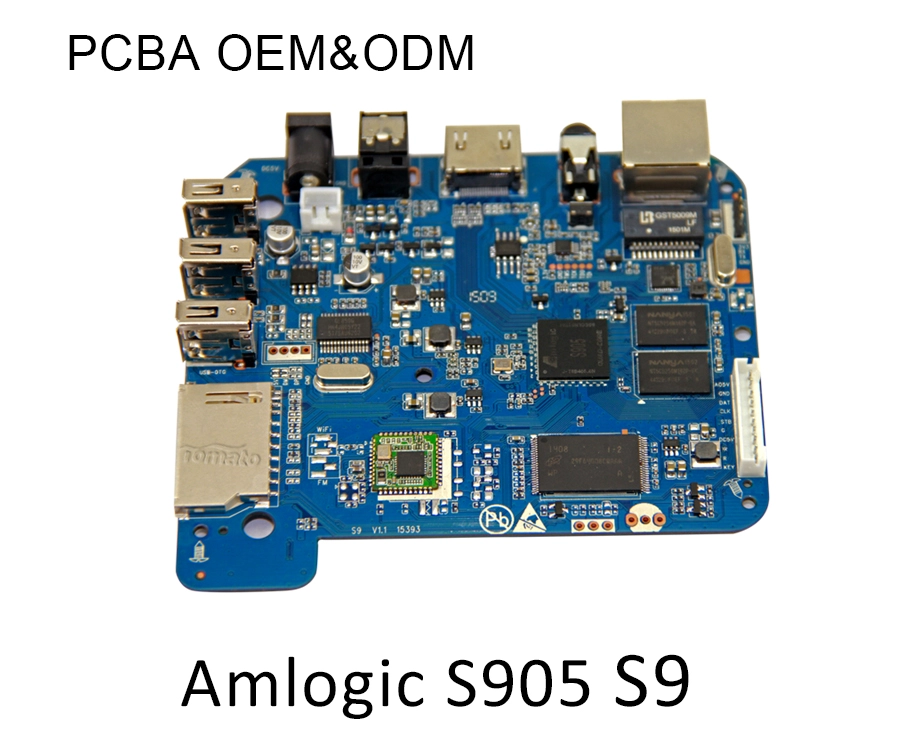
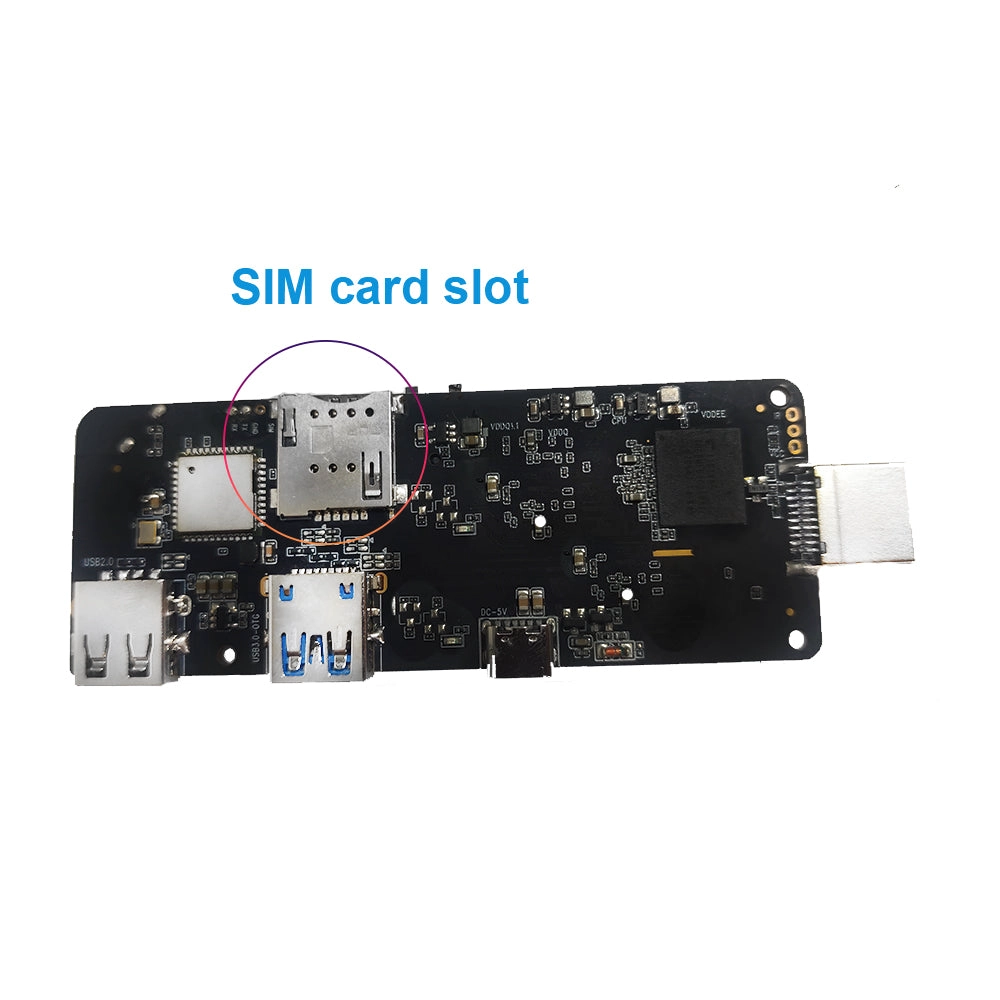
Industrial stability requires a ground-up approach to heat dissipation. SZTomato addresses this constraint through precise PCBA hardware modification. Our engineering teams redesign the standard PCBA layout, maximizing internal board real estate to accommodate industrial-grade heat sinks and engineered thermal pads. This specialized cooling infrastructure ensures the SoC maintains target operating temperatures in hostile factory environments without relying on mechanical, failure-prone active cooling fans.
Simultaneously, we address the strict I/O requirements of industrial deployments. Standard connectivity is insufficient for legacy machinery. We modify the board schematic to integrate RS232, RS485, and specific GPIO configurations directly into the hardware, enabling native communication with Programmable Logic Controllers (PLCs) and automated assembly sensors.
Firmware-Level Engineering: From Kernel to Application Layer
Deploying raw hardware without optimized software results in inefficient resource allocation. Off-the-shelf Linux or Android operating systems retain consumer-focused background services that consume RAM, occupy CPU cycles, and introduce security vulnerabilities.
A functional B2B edge deployment requires complete environment control. SZTomato executes deep Linux and Android kernel optimization tailored specifically for the RK3588 architecture. We strip non-essential binaries and configure the kernel to prioritize the client’s proprietary machine learning algorithms.
Beyond core optimization, we deliver custom UI/UX firmware. This ranges from customized enterprise boot animations to locked-down kiosk modes that restrict end-user interference. For digital signage and secure video transmission, we build specific HDCP encryption protocols directly into the firmware architecture to ensure compliance with digital rights management and secure corporate broadcast standards.
API Integration and Secure Fleet Infrastructure
For system integrators deploying thousands of units across an enterprise network, the AI Box must act as a seamless extension of the central control software. SZTomato provides comprehensive SDK/API integration, granting enterprise management platforms root-level access to hardware telemetry, remote reboot capabilities, and peripheral control.
Managing this hardware lifecycle requires robust remote infrastructure. Manual on-site updates are mathematically unviable for cross-border deployments. To solve this, we engineer secure OTA (Over-The-Air) update systems. This localized infrastructure pushes kernel patches, firmware revisions, and updated AI models exclusively to the authorized device fleet. The OTA pipeline is cryptographically secured to prevent unauthorized firmware rollbacks, ensuring fleet-wide version control and eliminating the risk of bricked endpoints during routine maintenance.
Procurement Directives for Enterprise Integrators
The transition to RK3588 edge computing requires a manufacturing partner that operates natively within the engineering stack. Purchasing unmodified retail units for industrial automation guarantees systemic bottlenecks.
SZTomato functions strictly on an OEM/ODM business model. From initial thermal analysis and PCBA routing to deep kernel optimization and secure OTA deployment, we engineer the AI Box to mirror your exact deployment variables. We invite B2B procurement managers and system integrators to engage our engineering team to outline specific SoC requirements, custom I/O matrices, and proprietary firmware parameters.
