
OEM/ODM Consumer Electronics Manufacturing: From Hardware Engineering to Production
A consumer electronics product can pass an initial functional test and still fail after months of continuous operation. Unstable power delivery, insufficient heat dissipation, incompatible firmware, and poorly optimized network interfaces often become visible only after deployment at scale. For procurement managers and system integrators, these failures translate into warranty costs, field maintenance, delayed projects, and damage to brand reputation.
Choosing an OEM/ODM consumer electronics manufacturer in Shenzhen, China, therefore requires an engineering-led evaluation process. Manufacturing capacity matters, but the supplier must also understand the relationship between PCBA design, system software, component selection, and the product's actual operating environment.
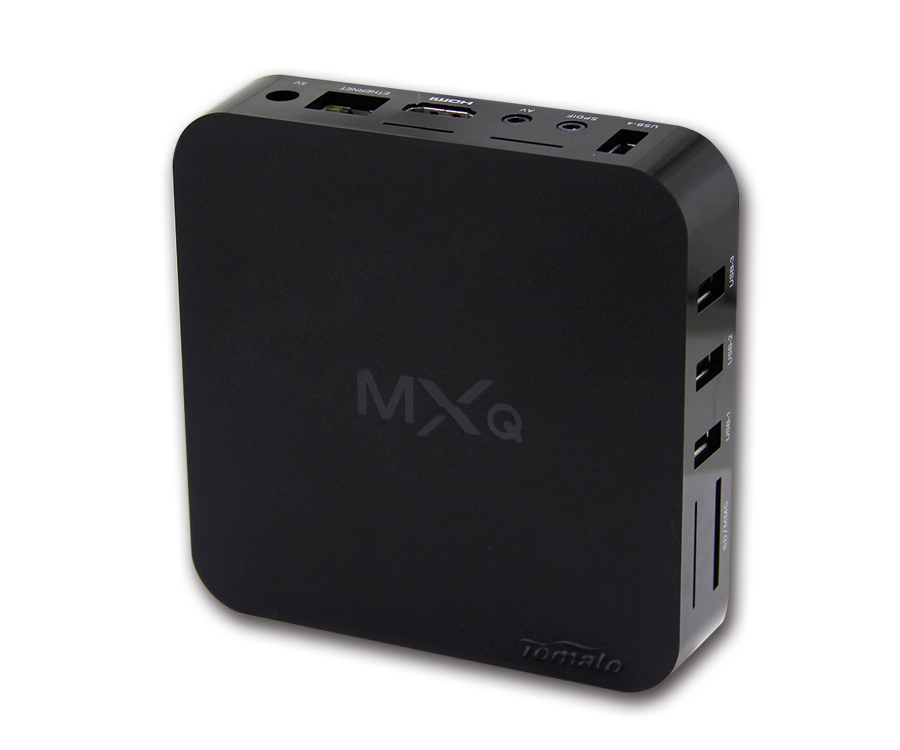
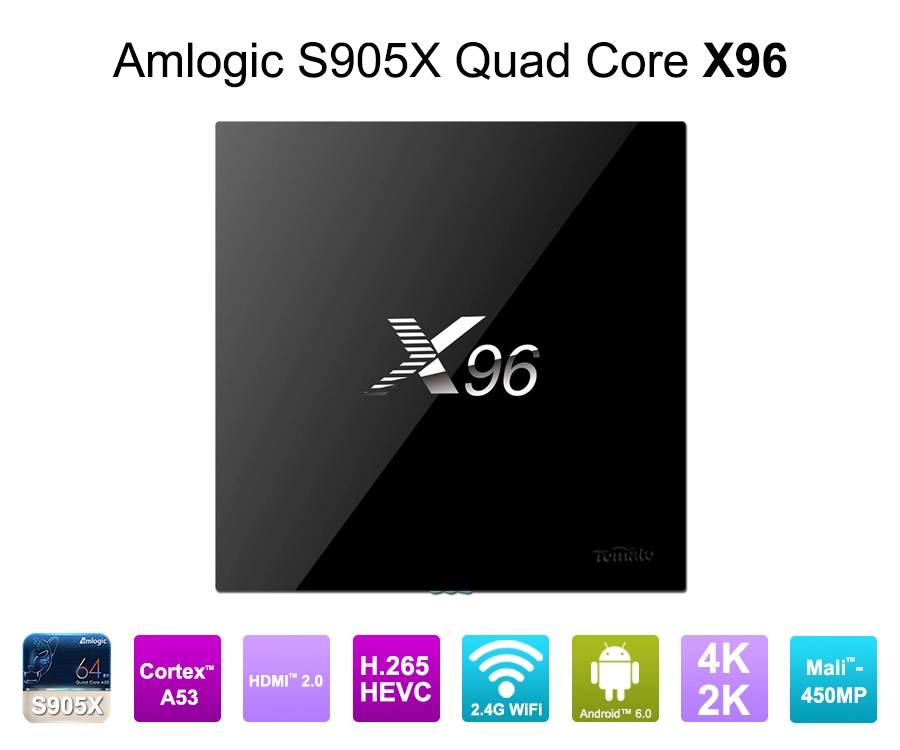
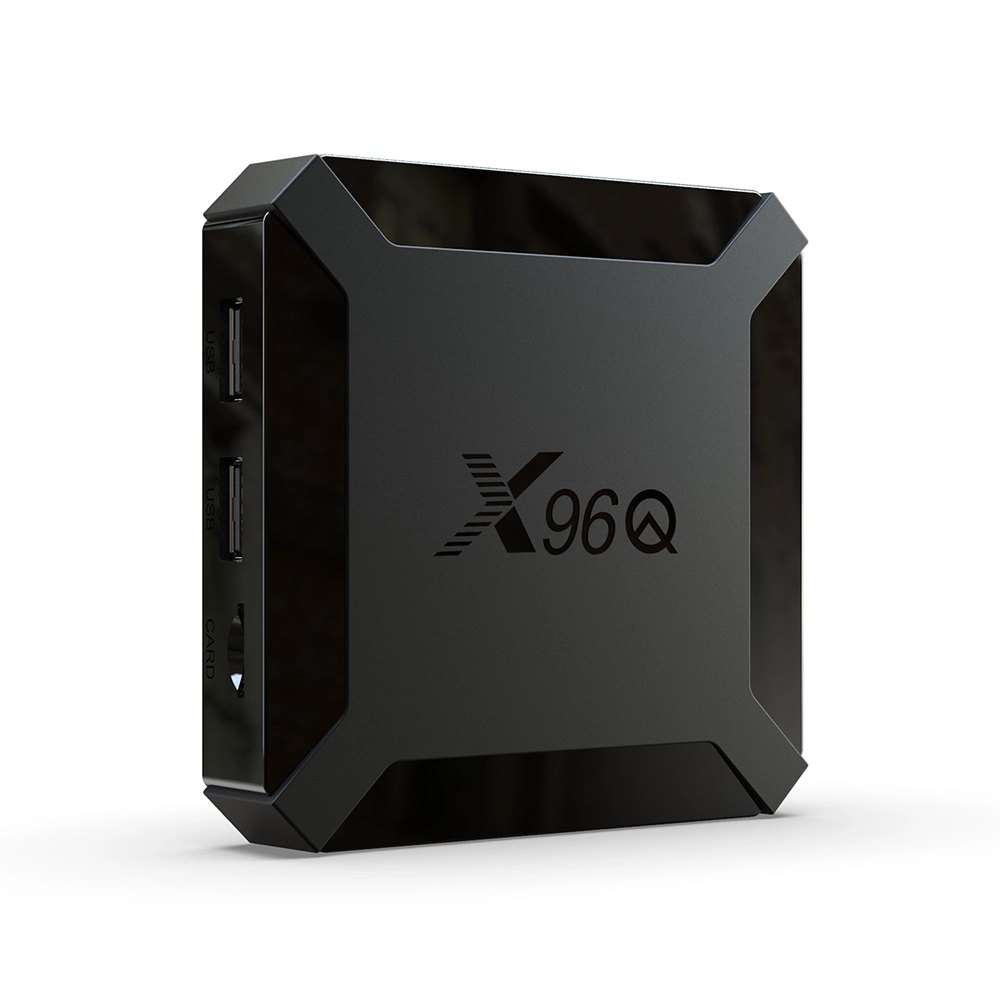
SZTomato, established in 2011, serves B2B customers seeking customized consumer electronics hardware and software solutions. Its manufacturing focus includes Android TV Boxes, IPTV Set-Top Boxes, Streaming Media Players, Digital Signage systems, and Android Mini PCs, with OEM/ODM support for businesses that need more than an off-the-shelf reference design.
1. How to Evaluate an OEM/ODM Manufacturer Beyond Unit Price
The first step in supplier qualification is to distinguish assembly capability from product engineering capability.
A factory working exclusively from an existing reference design may offer a competitive quotation, but its ability to address application-specific requirements can be limited. A project involving continuous IPTV streaming, commercial digital signage, or edge computing may require modifications to the original hardware and software architecture.
A qualified OEM/ODM partner should be able to evaluate several engineering areas.
Chipset and platform selection
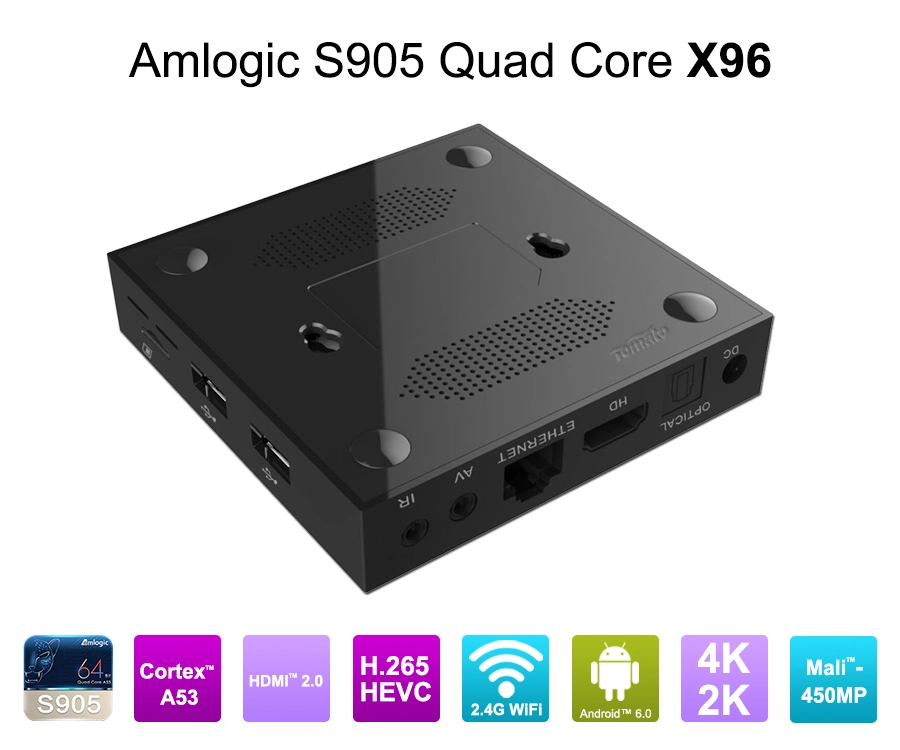
The System-on-Chip (SoC) determines available CPU performance, GPU capabilities, video codecs, memory interfaces, and peripheral support. An Amlogic-based Android TV Box intended for 4K streaming has different requirements from a Rockchip-based Android Mini PC designed for multitasking or edge computing.
Buyers should establish the target workload before finalizing the chipset. Important considerations include hardware decoding support, supported output resolutions, memory bandwidth, network connectivity, operating-system compatibility, and expected product lifecycle.
PCBA design and hardware modification
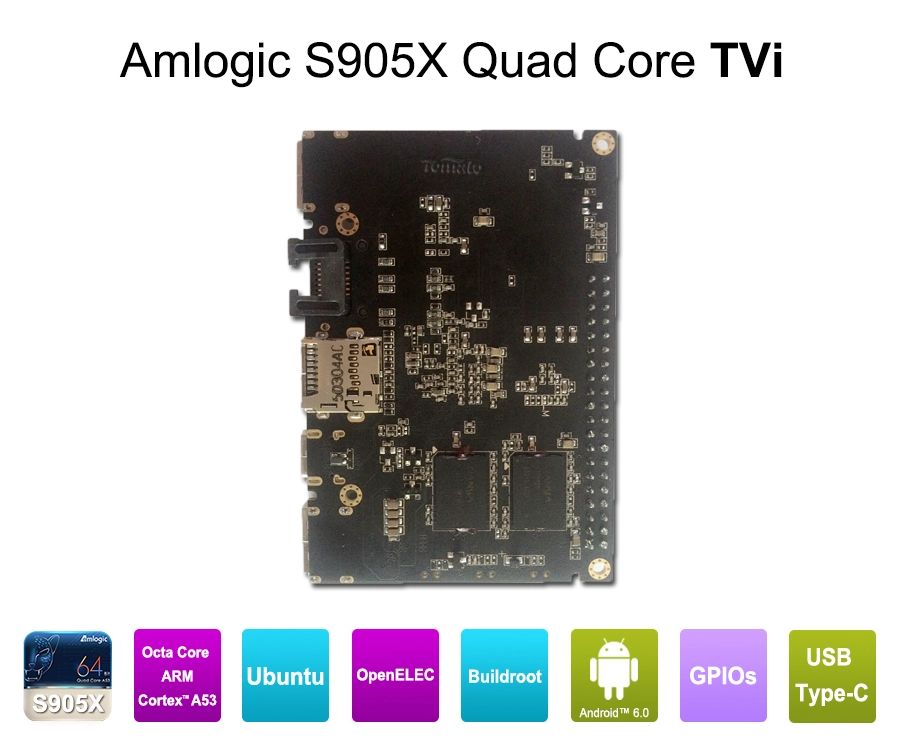
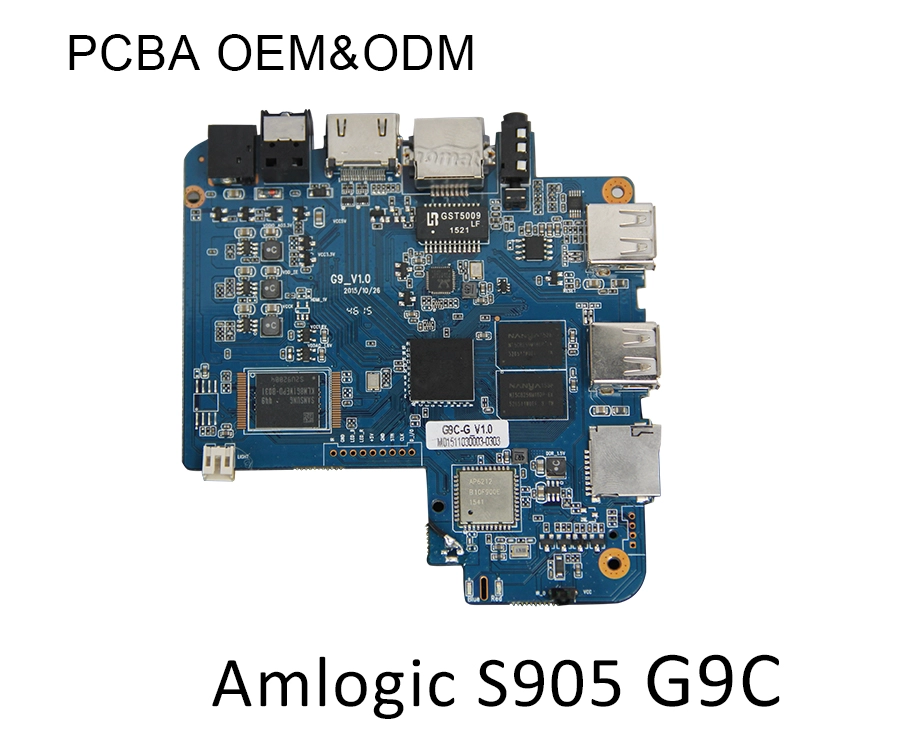
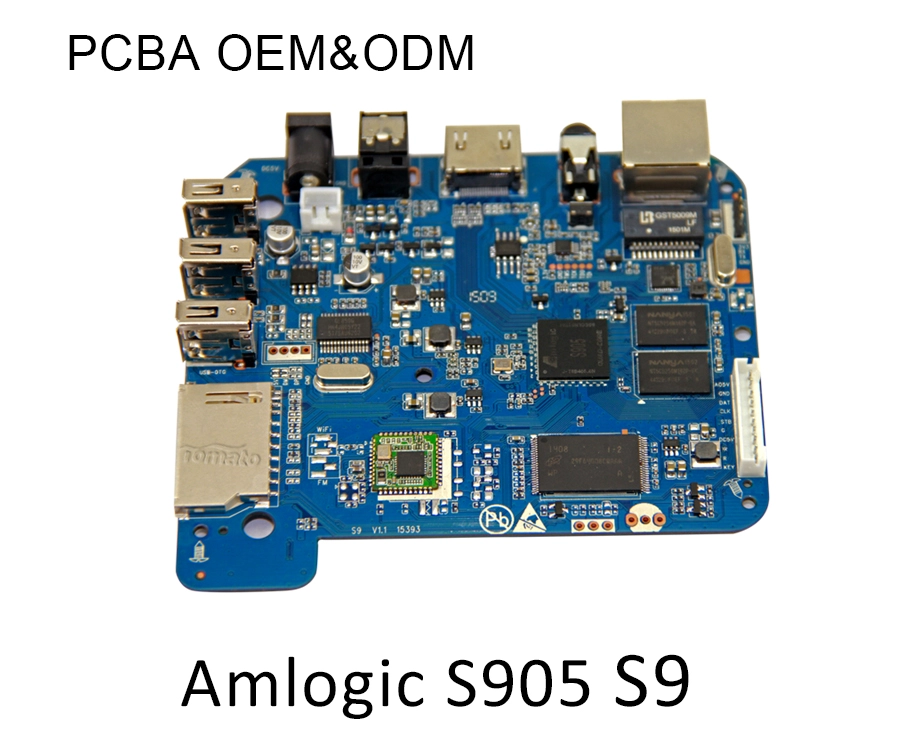
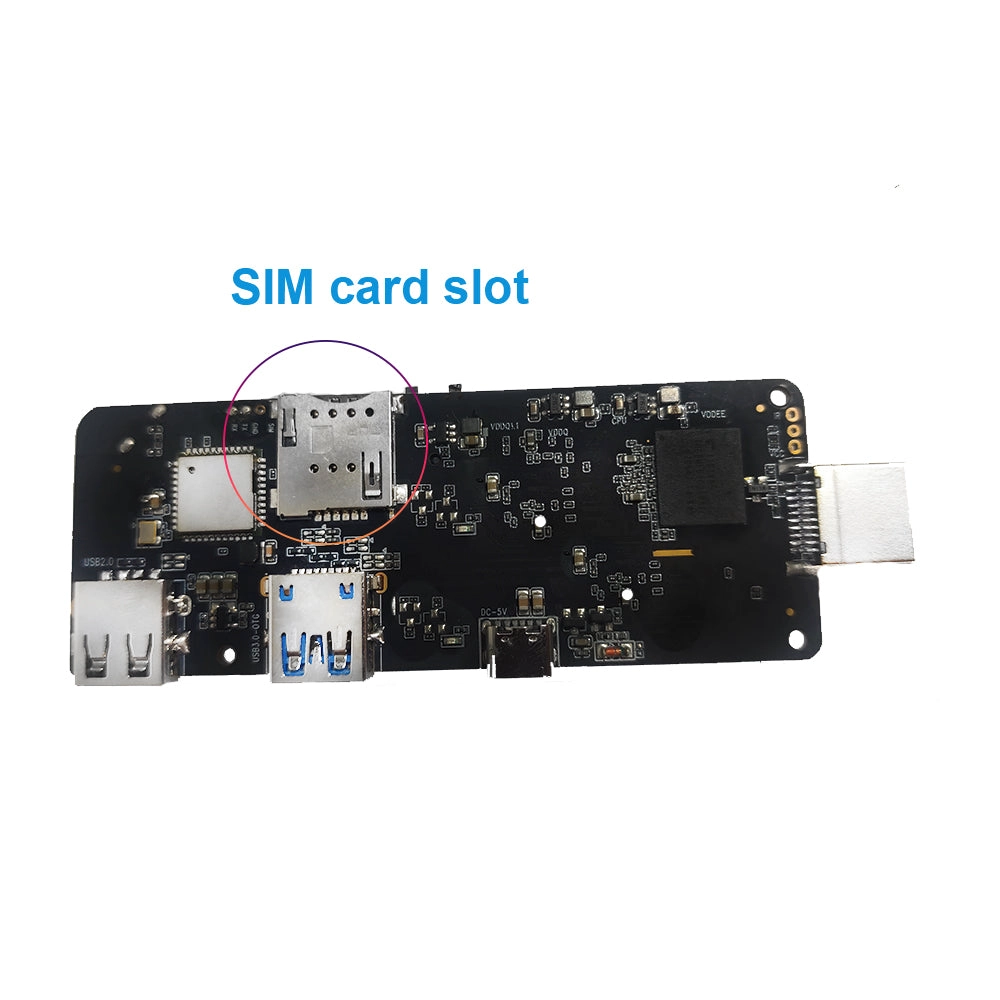
The printed circuit board assembly (PCBA) affects signal integrity, power stability, electromagnetic compatibility, and thermal behavior. Customization may involve component substitution, power regulation, connector placement, antenna layout, memory configuration, or additional industrial interfaces.
For example, a Digital Signage deployment may require serial communication, additional USB ports, wired Ethernet, or integration with external control equipment. These requirements should be assessed before the board layout is finalized.
SZTomato supports PCBA-level hardware customization for projects requiring adjustments beyond standard product configurations. The specific feasibility of each modification depends on the selected platform, available interfaces, engineering resources, and production volume.
Manufacturing and quality control
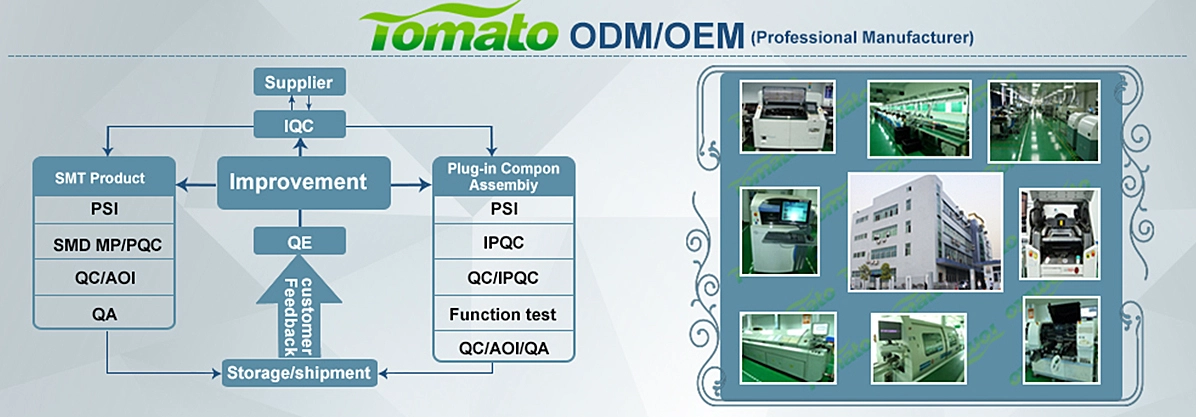
Procurement teams should also evaluate component traceability, incoming inspection, assembly consistency, functional testing, and production change management. For products deployed across multiple regions, documentation and configuration control help maintain consistency between production batches.
The objective is not simply to obtain a lower purchase price. It is to reduce the total cost of ownership by controlling defects, service requirements, and unexpected engineering changes.
2. Why Firmware and System Integration Determine Product Reliability
Hardware specifications alone do not guarantee a reliable end product. Firmware quality determines how effectively the device uses its hardware and integrates with the customer's application environment.
For Android-based devices, the software stack may include the bootloader, Linux kernel, hardware abstraction layers, Android framework, system applications, and device-specific drivers. Each layer can introduce compatibility or performance problems if it is not properly configured and tested.
Custom Android firmware and UI/UX
Commercial customers often need a device that behaves differently from a retail consumer product. Common requirements include a branded startup screen, custom launcher, restricted application access, automatic application launch, remote device management, and unattended recovery after a system failure.
Custom UI/UX firmware can align the interface with a customer's brand and operating workflow. Depending on the platform and project scope, customization may also cover preinstalled applications, system permissions, boot behavior, and configuration settings.
These requirements should be documented early because some modifications depend on system privileges, vendor software access, and chipset-specific implementation.
SDK/API integration
System integrators frequently need the device to communicate with a content management system, IPTV middleware, digital signage platform, or proprietary business application.
SDK/API integration can connect hardware capabilities with the customer's software infrastructure. Depending on the platform, this may include application interfaces, device-control commands, serial communication, network services, or integration with third-party management systems.
Before development begins, the buyer should define the API documentation, supported commands, authentication method, error handling, and acceptance criteria. A clear interface specification reduces integration delays and makes later software maintenance more manageable.
OTA update systems and lifecycle management
Over-the-air (OTA) updates allow deployed devices to receive firmware improvements without requiring technicians to access every installation physically. However, an update mechanism must account for interrupted downloads, power loss, version compatibility, recovery procedures, and deployment authorization.
For commercial deployments, a controlled OTA strategy should include version tracking, staged releases, rollback or recovery provisions where supported, and a defined process for validating updates before mass distribution.
HDCP encryption and protected video output also require attention in streaming projects. The implementation must match the content provider's licensing conditions, the chipset platform, the operating system, and the selected HDMI output path. Compatibility should be verified through testing rather than assumed from a product specification.
For SZTomato customers, firmware customization and integration requirements should be reviewed alongside hardware selection. This approach helps avoid the cost of discovering platform limitations after tooling, production, or software deployment has already started.
3. Thermal Management, Connectivity, and Industrial-Grade Operation
Consumer electronics products used in commercial environments often operate under conditions that differ from typical home use. Digital Signage players may run continuously, IPTV devices may stream for extended periods, and Android Mini PCs may support multiple applications simultaneously.
Under these conditions, thermal design and power stability directly affect operational reliability.
Thermal engineering for sustained workloads
Heat generation depends on the SoC, memory, power-management components, workload, enclosure, and ambient temperature. A compact enclosure may reduce manufacturing cost, but restricted airflow can increase internal temperatures and contribute to thermal throttling or component degradation.
An effective thermal assessment should consider:
-
SoC and power-regulator temperature under sustained workloads.
-
Enclosure material, internal airflow, and heat-transfer paths.
-
Ambient operating temperature and installation orientation.
-
Fanless versus active cooling requirements.
-
Long-duration stability testing under representative workloads.
Specialized cooling solutions for industrial use may involve revised heatsinks, improved thermal interfaces, enclosure modifications, or active cooling where appropriate. The design must balance thermal performance, acoustic requirements, dust exposure, maintenance needs, and cost.
Thermal validation should use defined test conditions and measurable acceptance limits. A short boot test cannot establish whether a device will remain stable during weeks of continuous operation.
Network performance and 4K streaming
High-resolution streaming depends on more than the advertised Wi-Fi standard or Ethernet link speed. Actual performance is influenced by signal quality, network congestion, router configuration, buffer management, decoder capability, and the delivery platform.
For IPTV and OTT applications, Gigabit Ethernet may be appropriate when predictable wired connectivity is required. Wi-Fi 6 can improve network efficiency in supported environments, but it does not eliminate interference or guarantee a specific streaming bitrate.
Engineering validation should include sustained playback, simultaneous network traffic, recovery after connection loss, and testing with the intended streaming services and content formats.
AV1, HEVC/H.265, and other video codecs should also be evaluated against the actual content pipeline. Hardware decoding support can reduce CPU load, but the complete playback path—including software compatibility, output resolution, frame rate, and protected-content requirements—must be verified.
For commercial projects, the objective is consistent performance under expected operating conditions, not simply a high specification on a datasheet.
4. How to Build a Successful OEM/ODM Project from Specification to Mass Production
A structured development process reduces the risk of miscommunication between the buyer, engineering team, and production facility.
Step 1: Define the application and acceptance criteria
Document the target market, operating environment, performance requirements, connectivity, supported applications, enclosure dimensions, and expected service life.
For an IPTV Set-Top Box, this may include middleware compatibility, remote-control behavior, protected video playback, and network recovery. A Digital Signage player may require scheduled playback, peripheral interfaces, centralized management, and automatic application startup.
Step 2: Confirm hardware and software feasibility
Review the SoC, memory, storage, PCBA layout, power supply, wireless module, operating system, and peripheral interfaces. Identify requirements that need hardware changes, custom drivers, SDK/API integration, or firmware modifications.
Any dependency on third-party software, chipset vendor support, content licensing, or proprietary SDK access should be identified before committing to a development schedule.
Step 3: Validate prototypes before production
Prototype testing should cover functional performance, sustained workloads, thermal behavior, interface compatibility, network stability, and software recovery.
Acceptance criteria should be measurable. Instead of specifying only that a device must be stable, define the intended test duration, ambient conditions, playback workload, interface behavior, and acceptable failure rate.
Step 4: Establish production controls
Before mass production, finalize the approved hardware revision, firmware version, bill of materials, labeling, packaging, and test procedures. Define how engineering changes will be approved and how firmware updates will be managed across production batches.
For OEM/ODM buyers, these controls are especially important when the same product must support multiple customer configurations or regional variants.
Step 5: Plan long-term technical support
Commercial deployments can continue for years after the initial order. Buyers should discuss firmware maintenance, component availability, defect analysis, replacement procedures, and the handling of future software or hardware revisions.
A reliable manufacturing relationship should support the product throughout its commercial lifecycle rather than end when the initial shipment leaves the factory.
Conclusion: Choose an Engineering Partner for Long-Term Product Value
The right OEM/ODM consumer electronics manufacturer combines production capability with the engineering resources required to develop, validate, and maintain a product. Chipset selection, PCBA design, firmware architecture, thermal management, interface integration, and manufacturing controls all contribute to the final result.
Since 2011, SZTomato has focused on consumer electronics manufacturing and OEM/ODM solutions for international B2B customers. Its product categories include Android TV Boxes, IPTV Set-Top Boxes, Streaming Media Players, Digital Signage devices, and Android Mini PCs. Available customization may include PCBA hardware modification, custom Android firmware, SDK/API integration, and specialized thermal solutions, subject to platform feasibility and project requirements.
For procurement managers, brand owners, distributors, telecom operators, and system integrators, the next step is to prepare a clear technical brief covering the target application, chipset preferences, hardware interfaces, firmware requirements, operating environment, estimated order volume, and expected product lifecycle.
Contact SZTomato through www.sztomato.com to discuss OEM/ODM feasibility, product customization, and manufacturing requirements for your next consumer electronics project.
