
Seamless Set-Top Box Integration for IPTV Middleware and Streaming Applications
A Set-Top Box built around a modern Amlogic or Rockchip system-on-chip can decode high-resolution video while running a complex Android application stack. However, successful video decoding does not guarantee compatibility with an IPTV middleware platform, Netflix, YouTube, or an operator's conditional-access system. Each service introduces its own software, security, performance, and distribution requirements.
For B2B buyers, the engineering challenge is to create a device in which the middleware, streaming applications, remote-control interface, hardware acceleration, and update infrastructure operate as a coordinated system. A prototype that works in a laboratory can still fail during mass deployment because of memory pressure, DRM provisioning, firmware fragmentation, unstable Wi-Fi, or an OTA update that disrupts a customized application environment.
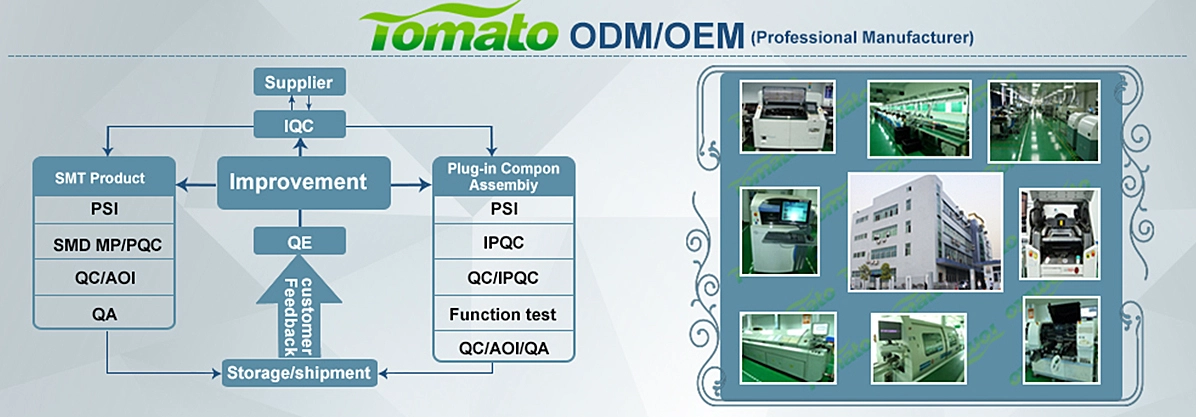
SZTomato approaches Set-Top Box projects from an OEM/ODM engineering perspective. Hardware selection, PCBA design, firmware configuration, application integration, and deployment requirements need to be evaluated together before production specifications are finalized.
1. Build a Compatible Architecture for IPTV Middleware and Streaming Apps
The first integration decision is the software and hardware architecture. IPTV middleware may provide live television, electronic program guides, subscriber authentication, video-on-demand catalogs, account management, and remote device administration. Streaming applications such as Netflix and YouTube introduce separate application compatibility and content-protection requirements.
Android versus Linux: Select the Right Platform
Android is often appropriate when a project requires a broad application ecosystem, familiar remote-control navigation, and established media frameworks. Linux may suit specialized IPTV appliances with a controlled application stack, specific middleware dependencies, or tightly managed system resources.
The correct choice depends on the service provider's software requirements rather than on operating system preference alone.
Before selecting a platform, procurement and engineering teams should verify:
-
Middleware compatibility: Supported Android or Linux versions, system libraries, APIs, device interfaces, and authentication methods.
-
SoC and media framework support: Hardware-accelerated video decoding, audio passthrough, codec support, and secure media paths.
-
Memory and storage capacity: Available RAM, flash storage, application footprint, and headroom for background services.
-
Peripheral integration: HDMI output, Ethernet, Wi-Fi, Bluetooth, USB, remote controls, and any operator-specific interfaces.
-
Lifecycle requirements: Security patch availability, SDK support, firmware maintenance, and the expected product support period.
Kernel-level changes should be driven by a documented compatibility or performance requirement. Linux or Android kernel optimization can improve device behavior, but unnecessary modifications increase maintenance costs and may complicate future platform updates.
Integrate Middleware Through Defined Interfaces
A maintainable integration separates the middleware client from device-specific functions. Where the platform permits, SDKs and APIs should handle subscriber authentication, entitlement checks, channel information, playback requests, and service configuration.
The integration team should establish clear interfaces for:
-
Subscriber login and token refresh.
-
Live TV, catch-up TV, and video-on-demand playback.
-
Electronic program guide data and channel switching.
-
Error reporting, session recovery, and playback diagnostics.
-
Device registration and remote management.
Middleware vendors differ in architecture and licensing. Some provide a complete client application, while others supply SDKs, APIs, or reference implementations. The integration scope should be confirmed with the middleware provider before firmware development begins.
SZTomato can support SDK/API integration and customized firmware development for compatible project requirements, helping align the device software with the operator's application and service architecture.
2. Resolve Netflix, YouTube, DRM, and Certification Requirements Early
Third-party streaming applications are not interchangeable software packages. An application may install successfully but still fail to deliver the expected resolution, secure playback, remote-control behavior, or commercial deployment experience.
Application Compatibility Is Not the Same as Certification
YouTube integration generally requires validation of the intended application version, playback framework, codec support, account behavior, and remote-control navigation. The actual requirements depend on the distribution channel and target platform.
Netflix requires particular attention to device eligibility, supported software and hardware configurations, content protection, and any applicable certification or commercial approval process. A compatible chipset alone does not establish that a Set-Top Box is authorized to provide Netflix at a particular resolution.
B2B buyers should distinguish among three milestones:
-
Application installation: The application launches on the target firmware.
-
Functional compatibility: Login, navigation, playback, audio, and recovery work under defined test conditions.
-
Approved commercial deployment: The device satisfies the relevant service-provider, licensing, certification, and distribution requirements.
These milestones should be recorded separately in the project acceptance criteria. A factory should not promise Netflix certification, a specific streaming resolution, or unrestricted application distribution without confirming the applicable approvals.
DRM and HDCP Must Be Designed Into the Product
Digital rights management (DRM) and High-bandwidth Digital Content Protection (HDCP) address different parts of the protected media chain.
DRM systems, such as Widevine where supported and authorized, govern protected content access and playback security. HDCP protects eligible digital audiovisual links between the source device and a compatible display.
A robust design review should verify:
-
Supported DRM security level and the target service's requirements.
-
Secure key provisioning, trusted execution support, and device-specific provisioning procedures.
-
HDCP version compatibility across the SoC, HDMI output path, and intended display environment.
-
Resolution and playback restrictions associated with the actual service and device configuration.
-
Behavior when authentication, license acquisition, or secure playback fails.
DRM credentials and device provisioning must follow the applicable vendor procedures. They cannot be replaced by ordinary application installation or a firmware setting.
SZTomato's hardware and firmware engineering scope can be aligned with the selected SoC, platform, and approved integration path. Third-party certification, DRM licensing, and streaming-service authorization remain subject to the relevant rights holders and platform providers.
3. Optimize PCBA Design, Playback Performance, and Thermal Stability
An application integration problem is sometimes a hardware design problem in disguise. Excessive memory consumption, thermal throttling, poor wireless performance, and unstable power delivery can all present as playback freezes or application crashes.
Match the SoC, RAM, Storage, and Network Interface to the Workload
A Set-Top Box specification should be based on the actual application stack and expected usage conditions.
The engineering review should consider:
-
SoC capability: Hardware decoding for the required codecs and resolutions, media framework maturity, and driver availability.
-
RAM capacity: Concurrent middleware services, background processes, EPG caching, application switching, and system overhead.
-
Flash storage: Firmware partitions, application updates, recovery images, logging, and reserved space for future releases.
-
Network performance: Gigabit Ethernet where required, Wi-Fi stability, router interoperability, packet loss, and sustained throughput.
-
Power integrity: Stable voltage rails during startup, wireless transmission, decoding, and peripheral activity.
-
Thermal design: Enclosure ventilation, heat-spreader placement, component temperature, and sustained-load performance.
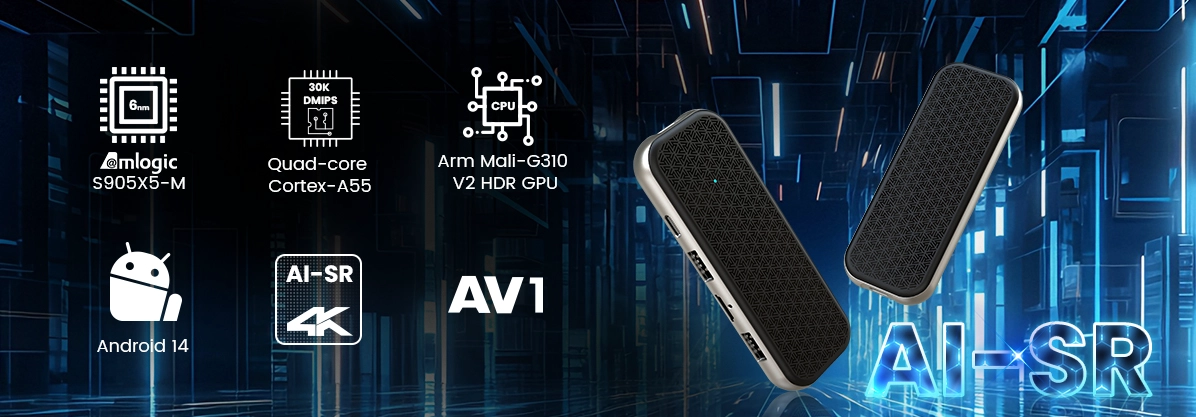
AV1 support is increasingly relevant to streaming device planning, but its practical value depends on the target service's codec delivery, the SoC's hardware decoding capability, firmware support, and actual content profiles. A codec listed on a chipset specification does not automatically mean that every application will use it.
Use PCBA Modification to Address Project-Specific Constraints
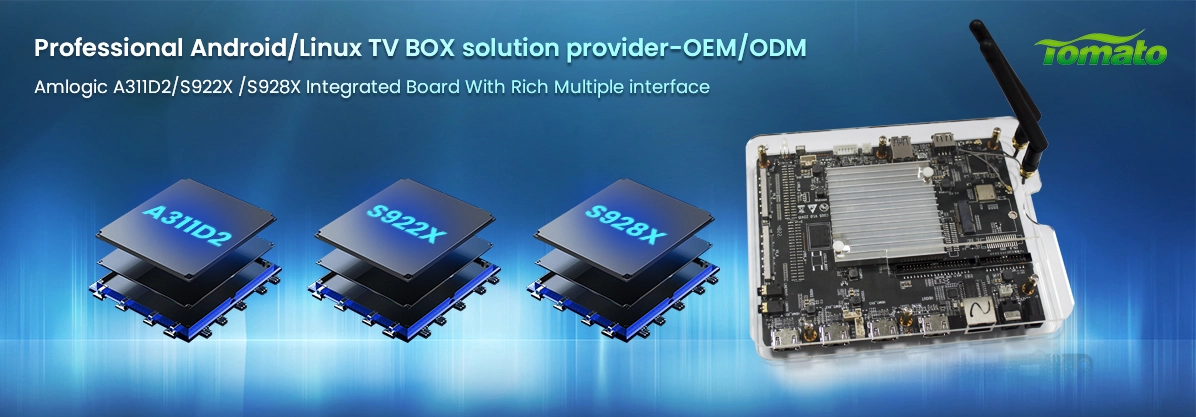
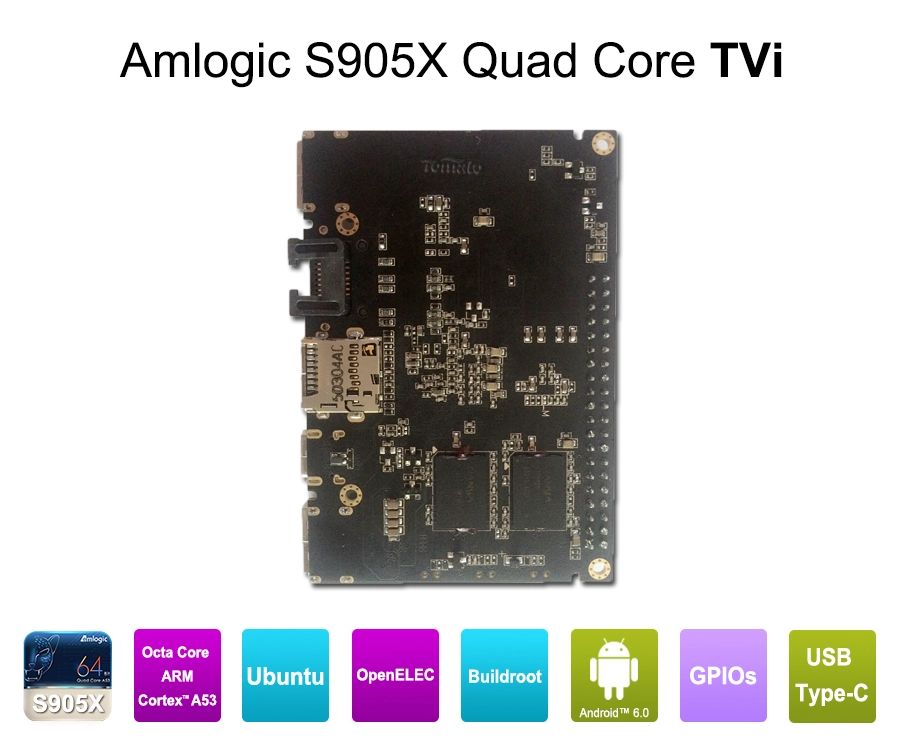
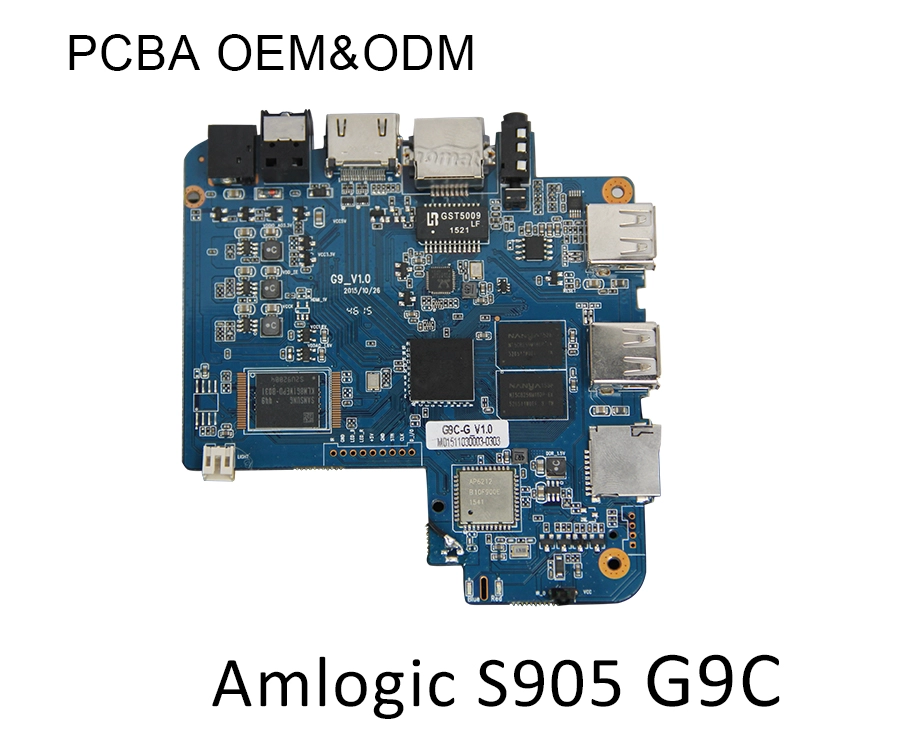
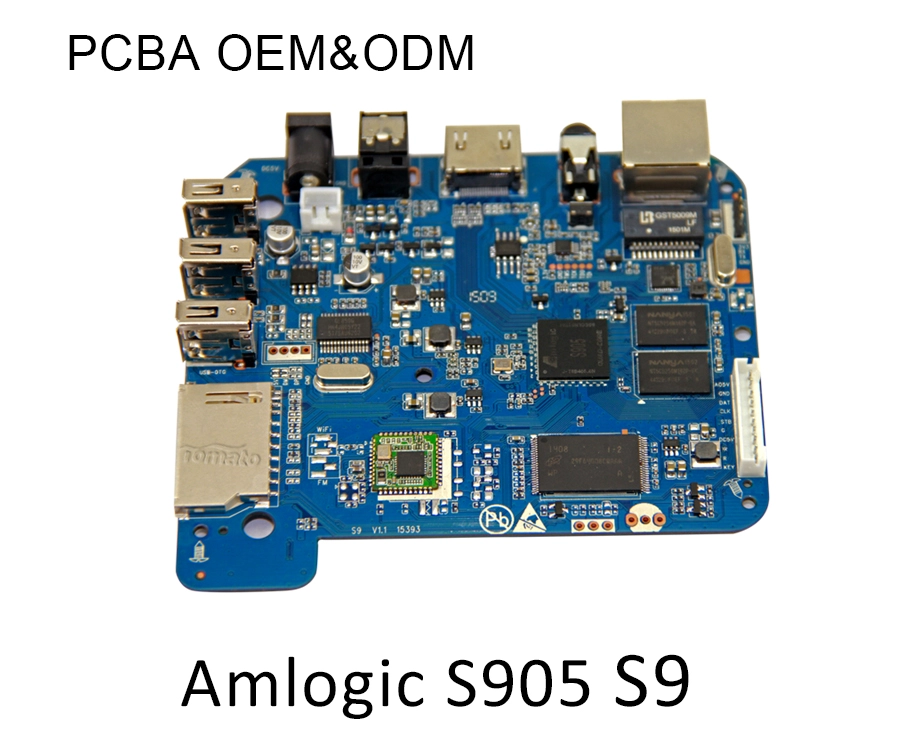
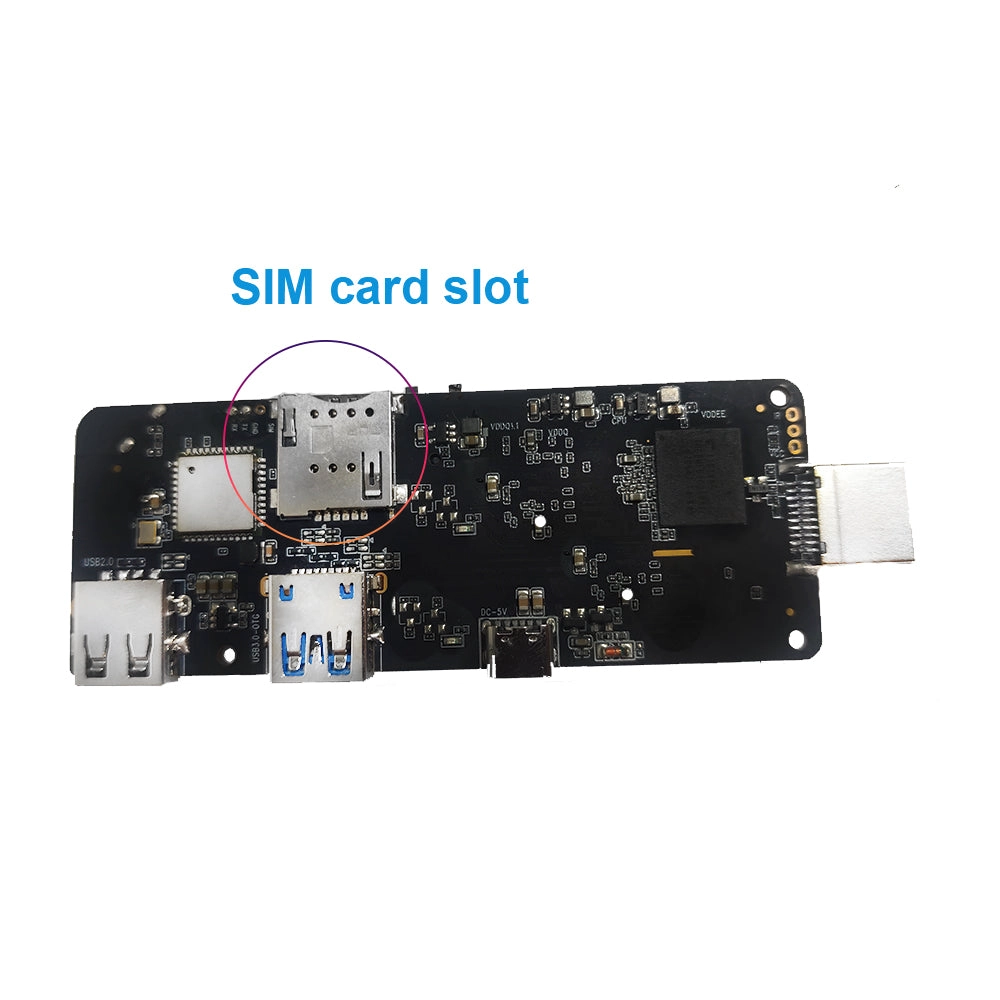
A reference board can accelerate early development, but a commercial deployment may require changes to component placement, interface configuration, power delivery, antenna layout, or thermal management.
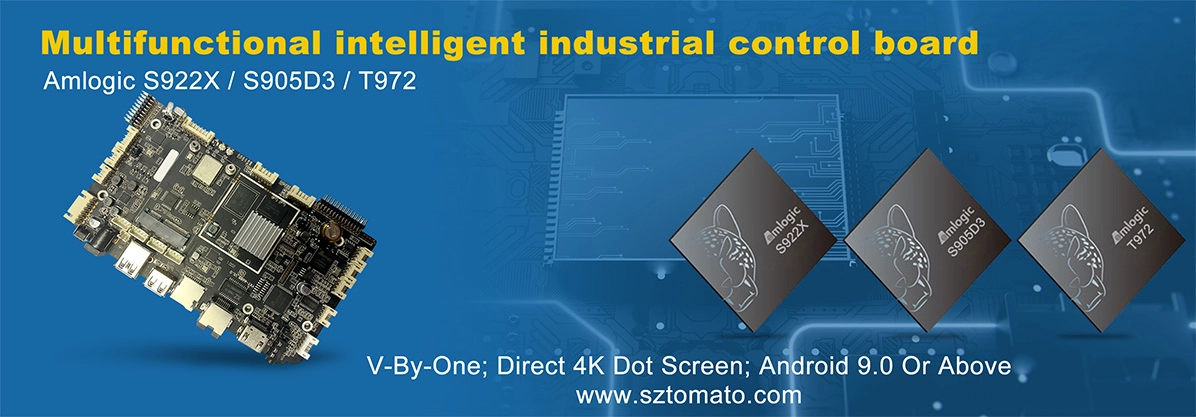
SZTomato can evaluate PCBA hardware modifications against project requirements, including customized interfaces, wireless configurations, and industrial deployment constraints. Specialized cooling solutions may also be considered for equipment operating continuously in enclosed cabinets or demanding ambient conditions.
Thermal validation should measure sustained playback and system load rather than relying on a short boot test. Engineers should monitor SoC temperature, clock-frequency behavior, power consumption, frame stability, and application responsiveness throughout the test period.
The objective is not simply to achieve a high benchmark score. It is to maintain predictable playback performance under the operating conditions expected after installation.
4. Engineer OTA Updates, Integration Testing, and Long-Term Support
A Set-Top Box deployed across thousands of subscribers becomes a managed device fleet. Firmware architecture must therefore account for maintenance, rollback, diagnostics, and compatibility across product revisions.
Protect the Update Process
An over-the-air (OTA) update system should support authenticated update packages, integrity verification, version control, recovery procedures, and a defined release strategy. Where supported by the platform, A/B system partitions or equivalent rollback mechanisms can reduce the risk of devices becoming unusable after a failed update.
The update plan should specify:
-
Firmware signing and package verification.
-
Compatibility checks for hardware revisions and device configurations.
-
Staged rollout and failure-rate monitoring.
-
Recovery procedures for interrupted updates.
-
Coordination between system firmware, middleware, and application versions.
-
Security patches and a documented maintenance window.
Application updates and system firmware updates should not be treated as identical operations. Their release schedules, dependencies, permissions, and rollback behavior may differ.
Establish a Repeatable Integration Test Plan
Testing should reflect the complete service environment, not just the device's ability to launch an application.
A production-readiness test matrix should cover:
| Test area | Required validation |
|---|---|
| Middleware | Login, entitlement, EPG, channel changes, VOD, and session recovery |
| Streaming apps | Launch, navigation, playback, audio, and supported resolution |
| Content protection | Authorized DRM playback, license errors, and HDCP output behavior |
| Network | Ethernet and Wi-Fi stability, packet loss, congestion, and reconnect behavior |
| Performance | RAM consumption, CPU load, decoding stability, and thermal throttling |
| OTA updates | Package verification, interrupted updates, recovery, and version compatibility |
| Reliability | Long-duration playback, repeated power cycles, and application restart behavior |
For projects involving live television, testing should also cover channel-switching latency, stream recovery, multicast or unicast behavior where applicable, and the operator's actual network configuration.
Acceptance thresholds should be agreed before testing. For example, the project may define a maximum channel-switching time, a sustained playback duration, an acceptable crash rate, or a recovery time after network interruption. These values should come from the operator's service requirements rather than being presented as universal industry benchmarks.
SZTomato can support the OEM/ODM development workflow through firmware customization, SDK/API integration, PCBA modification, and project-specific validation planning. The exact scope depends on the target platform, third-party software access, licensing conditions, and agreed engineering specifications.
Conclusion: Specify the Integration Before You Specify the Hardware
Successful IPTV and streaming integration depends on a compatible software stack, approved application distribution, correctly provisioned content protection, adequate hardware resources, and a maintainable firmware lifecycle. Choosing a Set-Top Box solely by processor specifications or a list of preinstalled applications leaves critical deployment risks unresolved.
For procurement managers, IPTV operators, brand owners, and system integrators, the most effective approach is to define middleware compatibility, streaming-service requirements, interfaces, network conditions, update policies, and acceptance tests before freezing the hardware design.
SZTomato supports B2B OEM/ODM projects that require customized Set-Top Box hardware and firmware, PCBA-level engineering, SDK/API integration, tailored UI/UX, and industrial thermal design. Share your middleware platform, target applications, preferred SoC, interface requirements, and deployment environment to establish a realistic integration scope and a production-ready development plan.
