
Reliable Chinese Manufacturer Offering Turnkey OEM/ODM Hardware Customization
A media player that passes a short demonstration can still fail during continuous commercial operation. A poorly optimized PCBA may develop thermal instability under sustained video decoding, an unsuitable firmware build may prevent integration with an operator's middleware, and a retail-oriented Android image may lack the system controls required for enterprise device management.
These problems rarely originate from a single component. They emerge when hardware, operating-system software, peripherals, thermal performance and deployment requirements are developed independently.
For B2B buyers, selecting a Chinese OEM/ODM manufacturer should therefore involve more than comparing unit prices, processor specifications and enclosure designs. The right partner must understand how to translate a product specification into a validated, manufacturable and maintainable hardware platform.
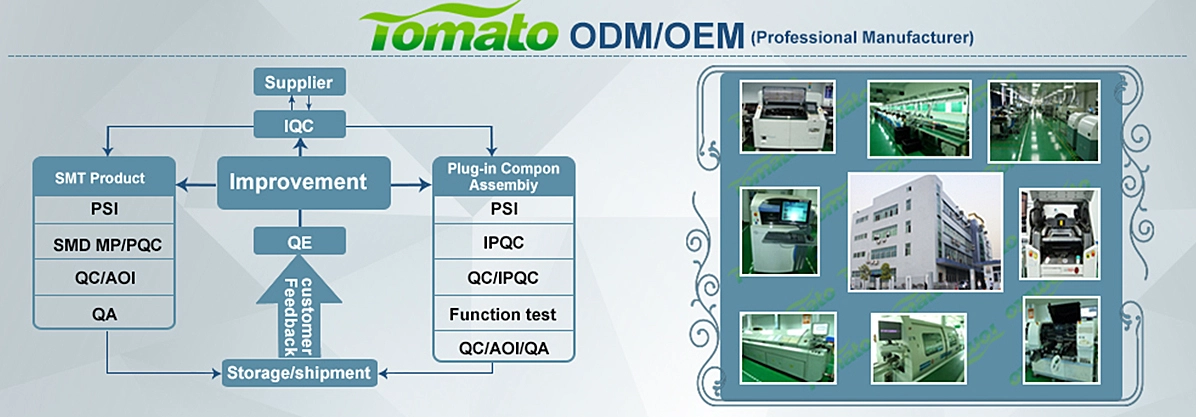
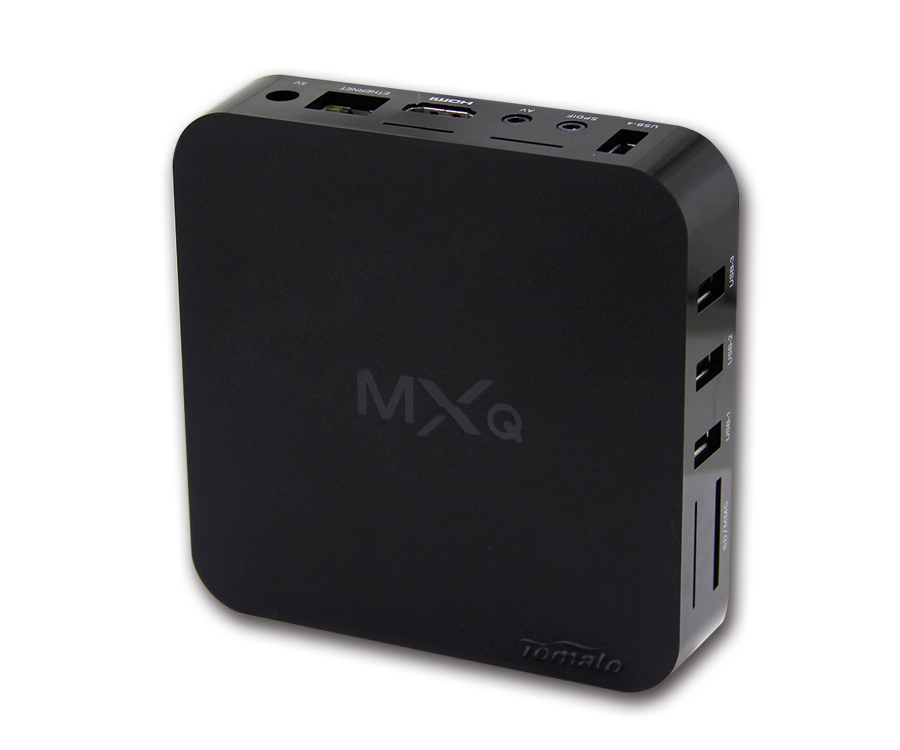
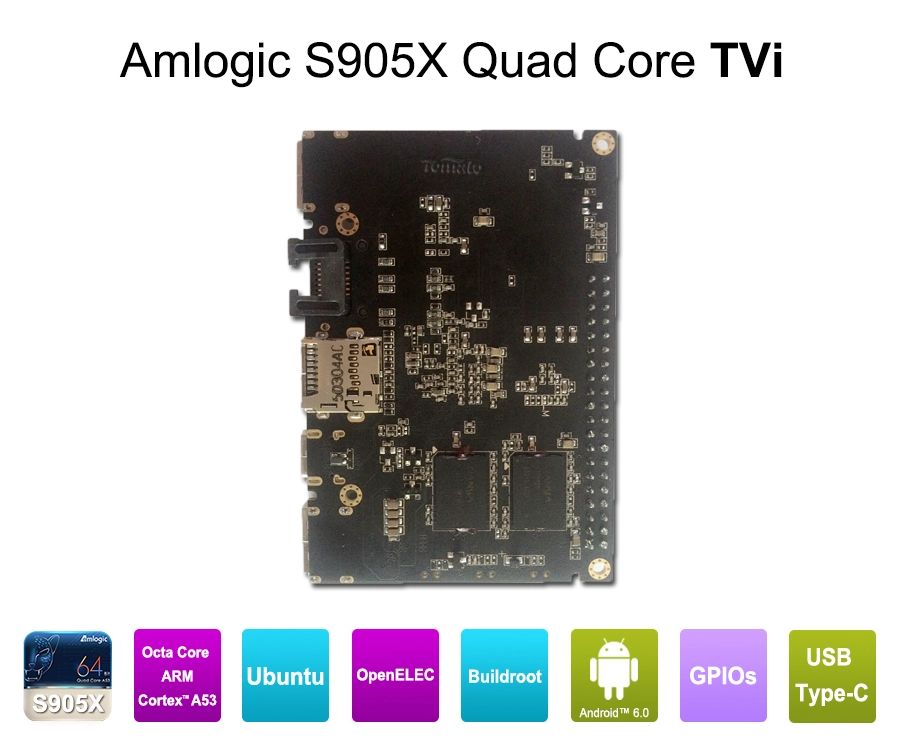
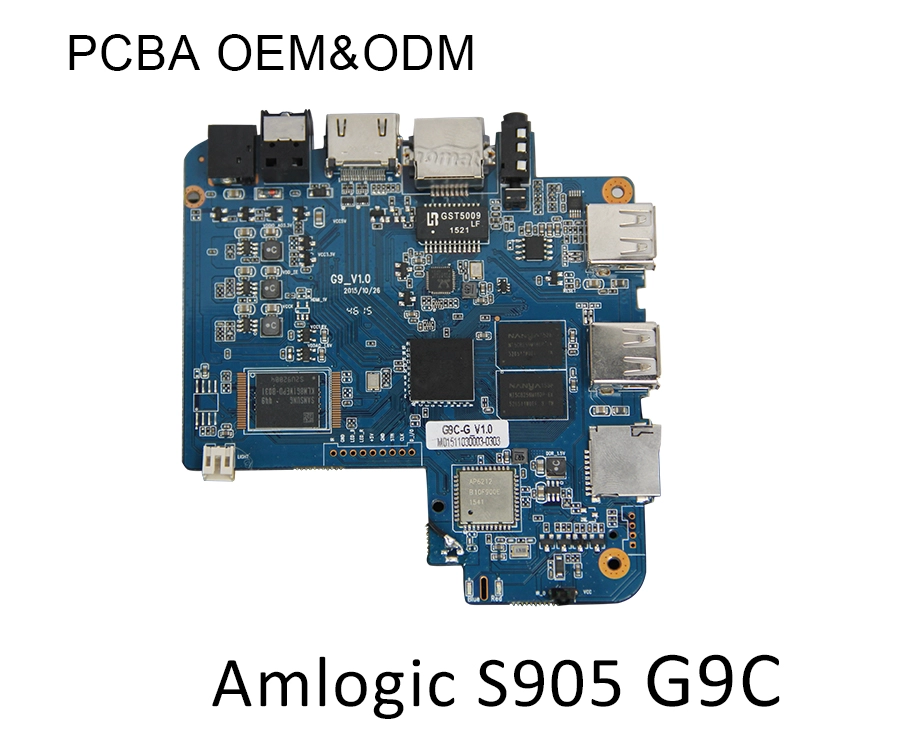
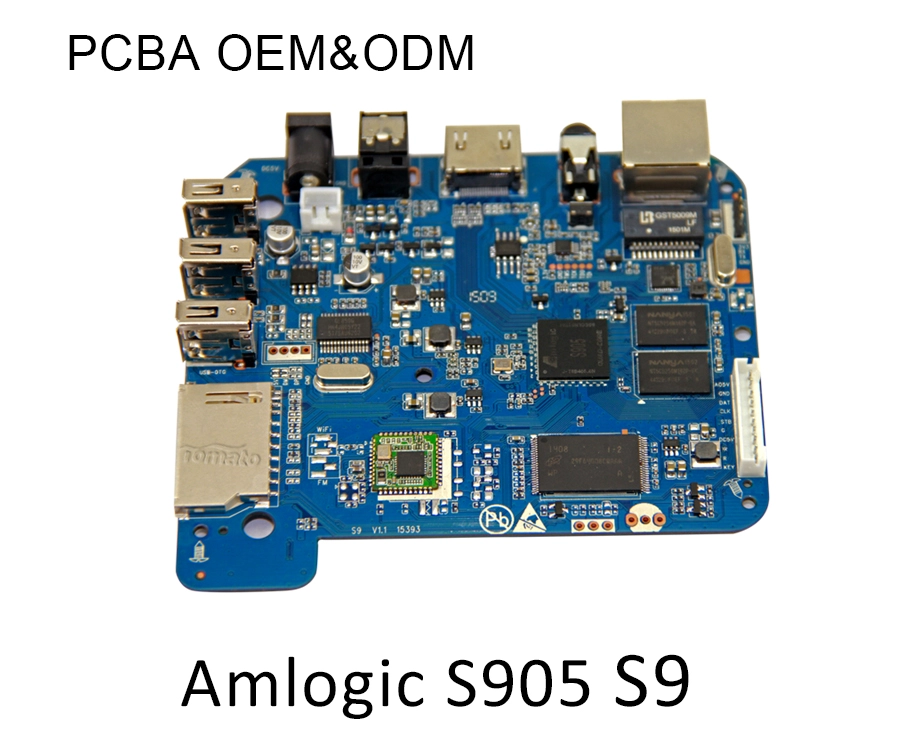
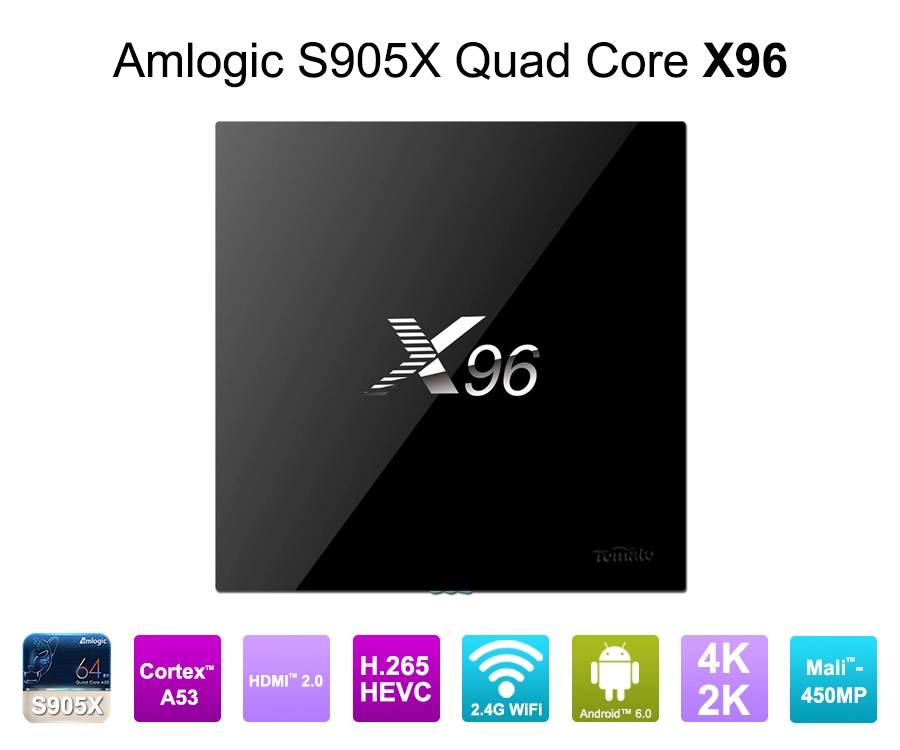
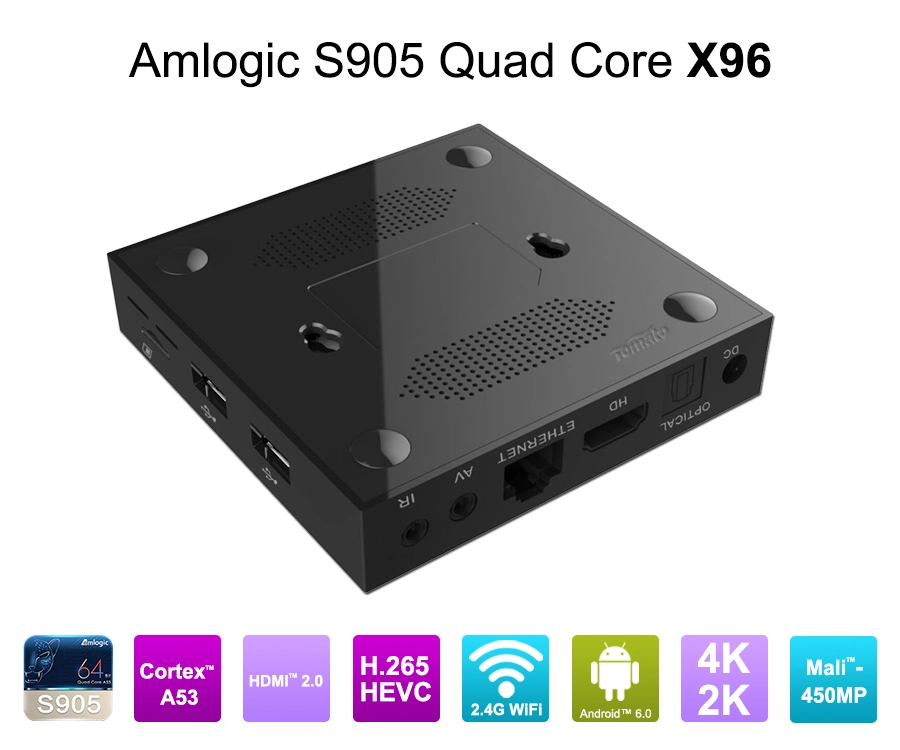
Shenzhen Tomato Technology Co., Ltd. (SZTomato), established in 2011, focuses on OEM/ODM development for Android TV Boxes, IPTV Set-Top Boxes, streaming media players and related multimedia solutions. Its customization scope includes PCBA hardware modification, firmware engineering, UI/UX customization, SDK/API integration and thermal optimization.
For procurement managers, telecom operators, brand owners and system integrators, the objective is straightforward: establish one engineering workflow from initial requirements through mass production, rather than coordinating separate suppliers for each technical layer.
1. Why Turnkey OEM/ODM Requires More Than Standard Hardware Customization
Many suppliers describe logo printing, packaging changes and application preinstallation as OEM/ODM services. These options are appropriate for straightforward private-label products, but they do not address the engineering requirements of specialized commercial deployments.
A custom IPTV terminal, for example, may need to communicate with proprietary middleware, expose specific peripheral interfaces, restrict access to Android settings and support controlled firmware updates across a distributed device fleet. A digital signage player may require reliable playback throughout extended operating hours, automatic application recovery and an interface designed for unattended installation.
The hardware and software must support those requirements from the beginning.
Match the SoC, Memory and Interfaces to the Application
The system-on-chip (SoC) determines more than CPU performance. Its video decoding and encoding capabilities, GPU architecture, available interfaces, supported display resolutions and software support package influence the entire product design.
A suitable platform should be selected against measurable requirements, including:
-
Compute and multimedia performance: Identify the required resolution, frame rate, codecs, HDR formats and concurrent workloads.
-
Memory and storage: Define RAM capacity, eMMC or other storage requirements, application footprint and expected firmware update size.
-
Connectivity and peripherals: Specify Ethernet, Wi-Fi, Bluetooth, USB, HDMI, UART, GPIO or RS232 according to the installation environment.
-
Operating system and application support: Confirm Android or Linux compatibility, available board support packages (BSPs), drivers and software interfaces.
-
Product lifecycle: Assess component availability, firmware maintenance requirements and the feasibility of future revisions.
Support for a standard interface in an SoC datasheet does not automatically mean that the finished product exposes that interface or supports it in the required software configuration. The board layout, connector selection, driver availability and firmware integration must all be checked.
For this reason, SZTomato's are relevant to buyers who need to evaluate customization beyond external branding.
Treat PCBA Modification as an Engineering Discipline
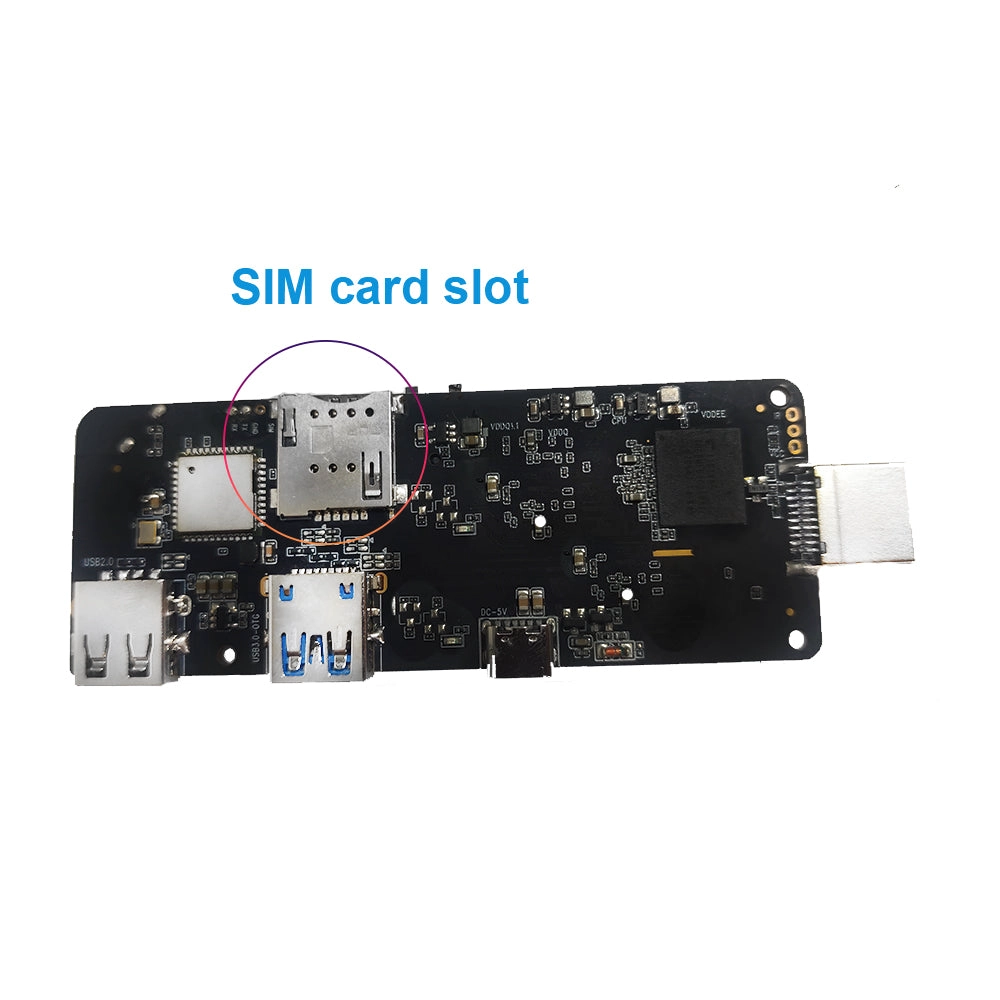
A change to the printed circuit board assembly (PCBA) can affect power delivery, signal integrity, electromagnetic compatibility, mechanical clearance and thermal behavior.
Adding an RS232 connector or GPIO header, for instance, may appear to be a minor modification. In practice, the engineering team must confirm that the selected SoC exposes the required signals, that the relevant pins are not assigned to other functions, and that the layout and firmware support the intended use.
Similarly, changing the enclosure dimensions can affect antenna placement, heat dissipation, connector access and manufacturing tolerances.
A capable ODM partner should distinguish between changes that can be implemented on an existing board and those that require a new PCB layout, revised tooling or a different hardware platform. That distinction helps procurement teams estimate non-recurring engineering costs, development time and validation requirements before approving a project.
The best starting point is not a generic product catalogue. It is a documented specification covering the intended application, interfaces, operating environment and production target.
2. Integrate Firmware, SDKs and APIs Before Mass Production
Hardware compatibility alone does not deliver a deployable product. The operating system, drivers, application layer and management architecture must work together.
This is particularly important for IPTV services, hospitality systems, operator-managed Android devices and digital signage networks. These customers often require a controlled software environment rather than a consumer interface designed for general-purpose entertainment.
Customize the Operating System and User Experience
Firmware customization can include branded boot animations, a dedicated launcher, preinstalled system applications, restricted settings, automatic application startup and customized system behavior.
For managed deployments, these functions should be designed around the application's operational requirements.
A hospitality provider may need the device to launch a hotel application automatically. A signage integrator may require a locked-down kiosk interface that prevents unauthorized navigation. An IPTV operator may need specific middleware, authentication processes and remote service-management functions.
SZTomato supports custom UI/UX firmware and Android/Linux customization according to the selected platform and project scope. For deeper work, the engineering assessment may include BSP modifications, kernel configuration, device drivers, system services and application integration.
The critical consideration is compatibility. A customization that works on one Android build may not transfer directly to another operating-system version or SoC family. Existing vendor BSPs, bootloader restrictions and proprietary dependencies can determine how much engineering work is required.
Define SDK/API Integration Requirements Early
SDK and API integration should begin with a review of the system interfaces and dependencies that the finished product must support.
The engineering team should identify the middleware interfaces, authentication methods, peripheral protocols, application lifecycle requirements and system permissions involved. Where third-party software is required, the buyer should provide current documentation, test credentials and access to the appropriate integration environment.
Integration testing should cover both normal operation and failure conditions. Examples include network disconnection, service restart, application crashes, power interruption and recovery after a firmware upgrade.
Content protection requires additional attention. HDCP compatibility, DRM frameworks and associated certification or licensing requirements must be assessed against the selected hardware platform and the content provider's requirements. These capabilities cannot be guaranteed merely by changing the user interface or installing an application; some depend on licensed components, approved device configurations and platform-specific implementation.
Defining these dependencies early reduces the risk of receiving production hardware that cannot enter the customer's software ecosystem.
Design an OTA Strategy for Devices Already in the Field
Over-the-air (OTA) updates are important when a customer manages devices installed across multiple locations. A practical update strategy must address firmware distribution, integrity verification, version control, installation failures and recovery.
Android's describes the mechanisms available for updating the operating system and its system components. The implementation for a particular OEM device must still be evaluated against its Android version, partition configuration, available storage and update requirements.
Before production, buyers should establish:
-
Whether updates are scheduled, manually approved or centrally deployed.
-
How the device verifies update packages and handles interrupted installations.
-
How firmware versions are tracked across different hardware revisions.
-
Whether failed updates trigger a defined recovery procedure.
-
Who operates the OTA infrastructure and maintains released firmware.
For enterprise deployments, an OTA system is not simply a download function. It is part of the product's lifecycle architecture.
SZTomato can assess OTA and firmware-management requirements as part of a broader customization project, subject to the chosen platform and agreed integration scope.
3. Engineer for Continuous Operation, Thermal Stability and Product Reliability
A board that operates correctly in a controlled office environment may perform differently inside a restricted enclosure, behind a commercial display or in a location exposed to high ambient temperatures.
Thermal management must therefore be considered during hardware design rather than added after a performance problem appears.
Select Cooling Solutions Based on Measured Workloads
Processor temperature depends on the SoC's workload, power consumption, heat-transfer path, enclosure geometry, ventilation and ambient conditions.
In a compact media player, sustained 4K decoding, AI processing or multiple concurrent services may produce a different thermal profile from ordinary menu navigation. If the heat cannot dissipate efficiently, the system may reduce processor frequency, affecting responsiveness or sustained multimedia performance.
A suitable cooling strategy may involve a redesigned heatsink, thermal interface materials, a metal heat spreader, improved enclosure contact or active cooling where the application justifies it.
The correct solution should be selected through measurement. A supplier should evaluate temperatures under representative workloads, identify potential thermal throttling and verify the design under the customer's expected environmental conditions.
For industrial or commercial applications, validation should also consider installation orientation, airflow restrictions, duty cycle and the consequences of fan failure where active cooling is used.
SZTomato's thermal customization can be incorporated into the wider hardware design process so that cooling, enclosure dimensions and PCBA layout are evaluated together.
Establish a Validation Plan Before Approving Production
Reliable manufacturing depends on repeatable tests and clearly defined acceptance criteria. Visual inspection alone cannot confirm that a customized media player will remain stable during continuous operation.
A project-specific validation plan should consider the following areas.
|
Validation area |
What the engineering team should verify |
|---|---|
|
Hardware functionality |
Power stability, interface operation, connectivity and peripheral compatibility |
|
Multimedia performance |
Resolution, frame rate, codec support, audio output and sustained playback |
|
Firmware stability |
Boot behavior, application startup, error recovery and long-duration operation |
|
Thermal performance |
Temperature under representative workloads and behavior under expected ambient conditions |
|
Network and OTA |
Reconnection, update integrity, interrupted updates and recovery behavior |
|
Production consistency |
Component verification, firmware version control and end-of-line functional testing |
The tests should reflect the real deployment scenario. A digital signage player may need extended playback testing and recovery after power interruption. An IPTV device may require repeated channel switching, authentication checks and sustained network streaming. An industrial gateway may need additional peripheral, environmental and communications testing.
Where the project scope warrants it, the manufacturer and customer can organize development through engineering validation, design validation and production validation stages.
The goal is to identify defects before they affect a large shipment, not to discover system-level incompatibilities after deployment.
4. Qualify a Chinese OEM/ODM Manufacturer for Long-Term Supply
A competitive quotation is useful only when it reflects the actual engineering scope. Two manufacturers may quote the same processor and memory configuration while offering substantially different levels of PCBA access, firmware customization, validation and after-sales support.
Procurement teams should evaluate the supplier's engineering process alongside unit cost.
Confirm the Scope, Deliverables and Responsibilities
Before requesting a final quotation, prepare a requirements package that identifies the target application, hardware configuration, operating system, connectivity, enclosure requirements, user interface, third-party integrations and expected production volume.
The supplier should then clarify which requirements can be met with an existing platform and which require new development.
The project agreement should distinguish between included engineering work and additional charges for PCB redesign, tooling, software integration, special testing or certification. It should also define who supplies the SDKs, middleware documentation, DRM credentials and other third-party resources.
A clear division of responsibilities reduces the risk of disputes during integration.
Assess Manufacturing Control and Firmware Traceability
Product development is only one part of turnkey delivery. A manufacturer must also maintain consistency between the approved sample and production units.
Important controls include component and BOM revision management, inspection procedures, firmware release identification, functional testing and documentation of approved hardware changes.
For products deployed over several years, buyers should also ask how engineering changes are communicated, how obsolete components are handled and whether replacement production can use the approved hardware and firmware configuration.
These details directly affect field maintenance, customer support and the cost of scaling an established product line.
SZTomato's OEM/ODM offering covers customized multimedia products, including Android TV Boxes, IPTV Set-Top Boxes and related media platforms. Buyers can use its to begin reviewing its manufacturing and development focus, then confirm the specific engineering capabilities, quality controls and deliverables applicable to their project.
The most suitable manufacturer is the one that can explain the technical trade-offs, document the customization scope and support a controlled transition from prototype to production.
Turn Your Product Requirements into a Production-Ready OEM/ODM Solution
For B2B procurement managers, telecom operators, brand owners and system integrators, turnkey OEM/ODM hardware customization is a method of reducing the gap between a product concept and a commercially deployable device.
The process begins with the right SoC and PCBA architecture, continues through firmware development and SDK/API integration, and concludes with thermal validation, production controls and a defined update strategy.
Choosing a manufacturer solely on price or standard hardware availability can leave important engineering risks unresolved. Choosing a partner that can assess the complete hardware-software system creates a clearer path to product differentiation, stable deployment and long-term supply.
Shenzhen Tomato Technology Co., Ltd. supports customization projects involving Android TV Boxes, IPTV Set-Top Boxes, streaming media players and related multimedia hardware. Its engineering scope can include PCBA modification, custom firmware, UI/UX development, SDK/API integration and thermal optimization, according to the project's technical requirements.
For your next OEM/ODM project, prepare the target SoC or performance requirements, desired interfaces, operating-system version, application and middleware specifications, thermal conditions and estimated order volume.
Contact SZTomato through its to discuss your hardware requirements, evaluate the appropriate platform and establish a customization scope before tooling and production commitments.
