Set-Top Box (STB) Buying Guide
Set-Top Box (STB) Buying Guide: How to Select the Right Platform for IPTV and Commercial Projects
The specification of a Set-Top Box (STB) can no longer be reduced to CPU frequency, RAM and storage. The adoption of AV1 decoding, higher-resolution video pipelines, stronger network connectivity and application-specific software has changed how operators and project buyers should evaluate an STB platform.
For a B2B buyer, the more important question is whether the STB can support the required application, network architecture, content protection, interfaces and deployment environment for several years.
A low-cost reference design may satisfy a basic streaming requirement. It may not support proprietary middleware, customized applications, industrial interfaces, remote device management or continuous operation.
A proper STB buying process therefore starts with the system requirements and works backward to the SoC, PCBA, firmware and production architecture.
1. Select the STB Platform According to the Application
The first decision is not the enclosure. It is the computing and multimedia platform.
An STB for a residential IPTV service has different requirements from a hotel IPTV system, telecom deployment, digital signage network or commercial media terminal.
A technical specification should define at least the following:
-
CPU architecture and core configuration
-
GPU performance
-
NPU capability where AI functions are required
-
4K or 8K video decoding
-
AV1, H.265, VP9 and H.264 codec support
-
Video encoding requirements
-
HDMI output and HDCP support
-
Ethernet bandwidth
-
Wi-Fi and Bluetooth configuration
-
RAM capacity and memory technology
-
eMMC storage capacity
-
USB and other peripheral interfaces
-
Android, Linux or another operating system
-
Operating temperature
-
Power consumption
-
Long-term firmware support
For example, an IPTV operator may prioritize stable 4K decoding, Ethernet performance, DRM/content-protection compatibility and remote OTA management. A commercial project may place more emphasis on GPIO, RS-232, additional Ethernet, USB, MIPI, PCIe or other interfaces.
This difference matters because an STB designed around a consumer reference board may have limited options for later hardware modification.
An OEM/ODM project should therefore evaluate the SoC together with its complete peripheral architecture.
SoC Selection: Performance Is Only One Variable
Modern STB platforms may use ARM Cortex CPU cores combined with dedicated GPU and video-processing hardware.
For multimedia applications, dedicated video decoding hardware is often more relevant than raw CPU frequency. A platform supporting hardware-accelerated AV1, H.265 and VP9 decoding can reduce CPU workload during high-resolution playback and provide a more appropriate foundation for newer content ecosystems.
The SoC should also be evaluated against its software ecosystem.
A technically powerful chip is not automatically the right choice if the required Android/Linux version, SDK, drivers, codec stack or peripheral support is unavailable.
2. Check PCBA Flexibility Before Placing an OEM/ODM Order
One of the most common mistakes in STB procurement is treating OEM as a logo-and-enclosure customization service.
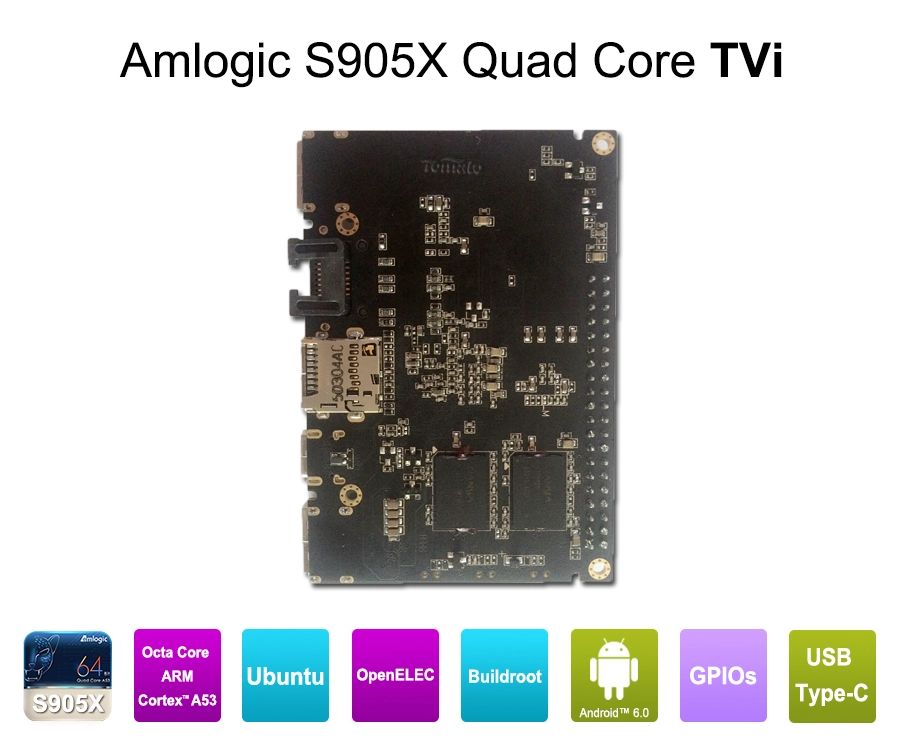
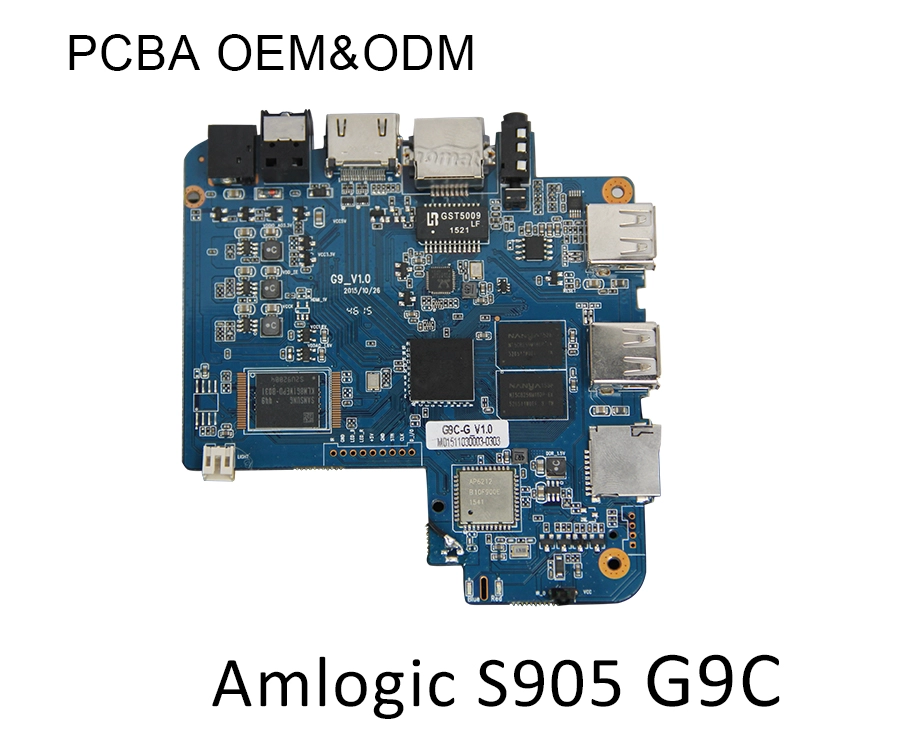
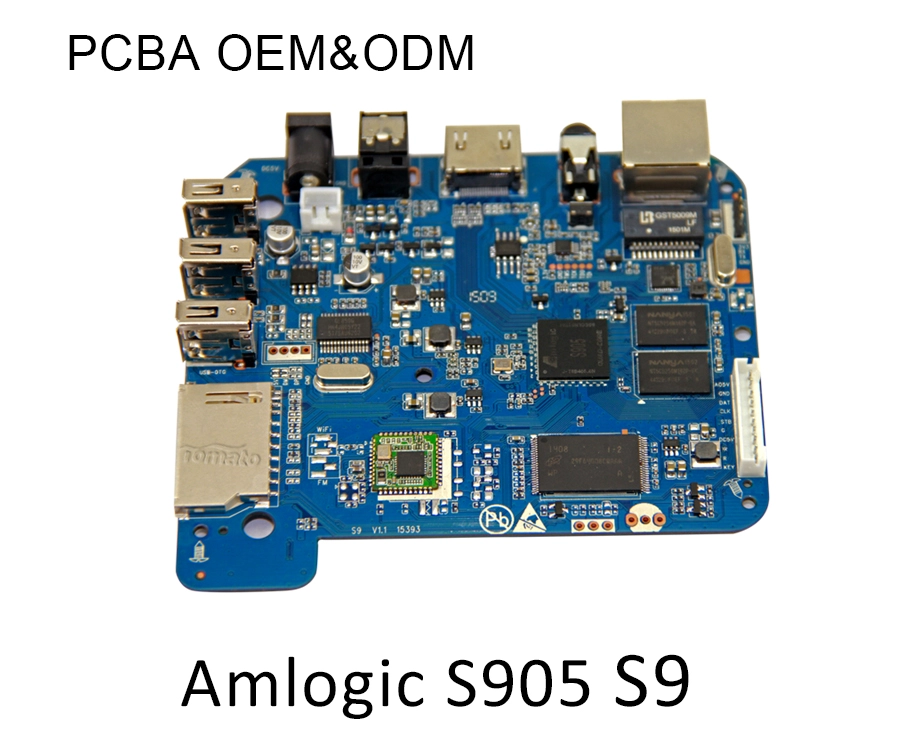
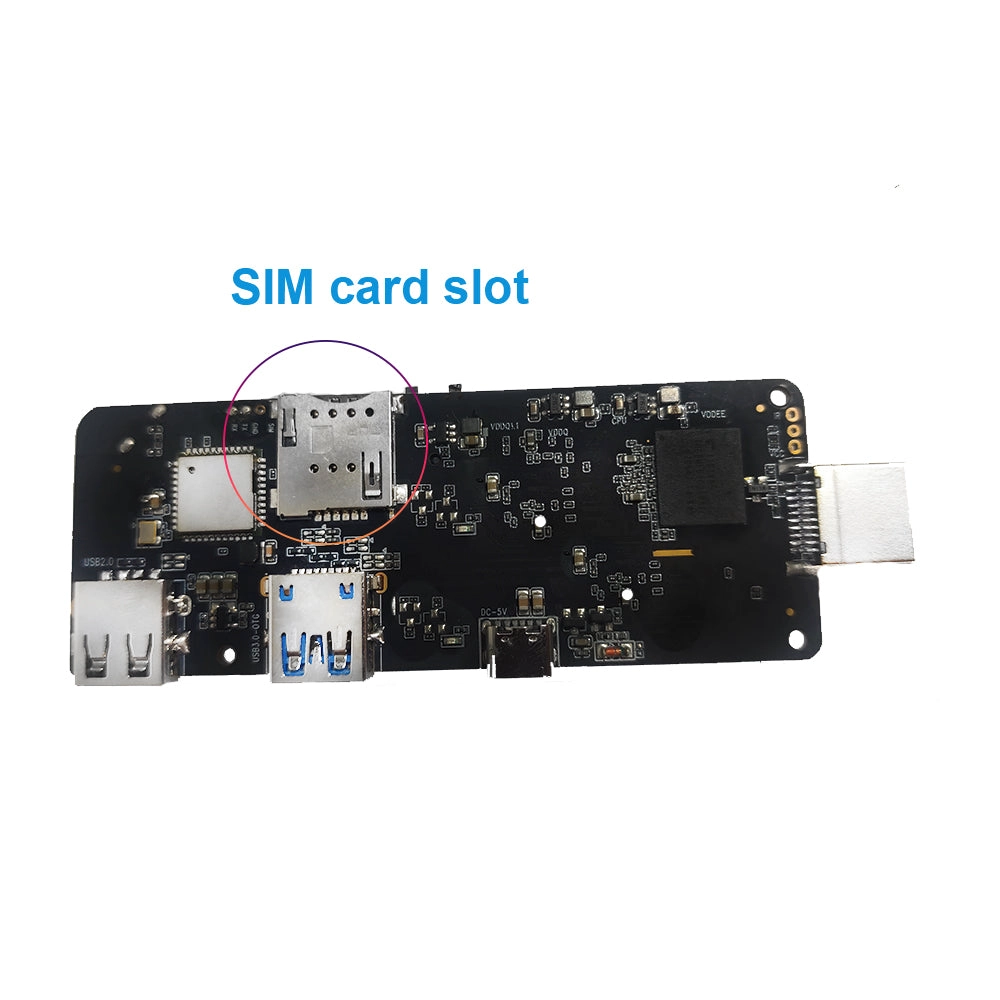
For project-based deployments, the PCBA may need significant changes.
Possible requirements include:
-
Different HDMI or USB configurations
-
Additional Ethernet ports
-
RS-232 or RS-485
-
GPIO expansion
-
MIPI interfaces
-
PCIe or M.2 connectivity
-
Alternative Wi-Fi/Bluetooth modules
-
Different RAM or eMMC configurations
-
Customized power-management circuits
-
Project-specific connectors
-
Additional sensors or peripheral modules
These changes affect PCB routing, signal integrity, power distribution, EMI considerations, thermal characteristics and firmware.
A supplier that only provides a fixed reference board may not be able to accommodate such requirements without introducing another engineering company into the project.
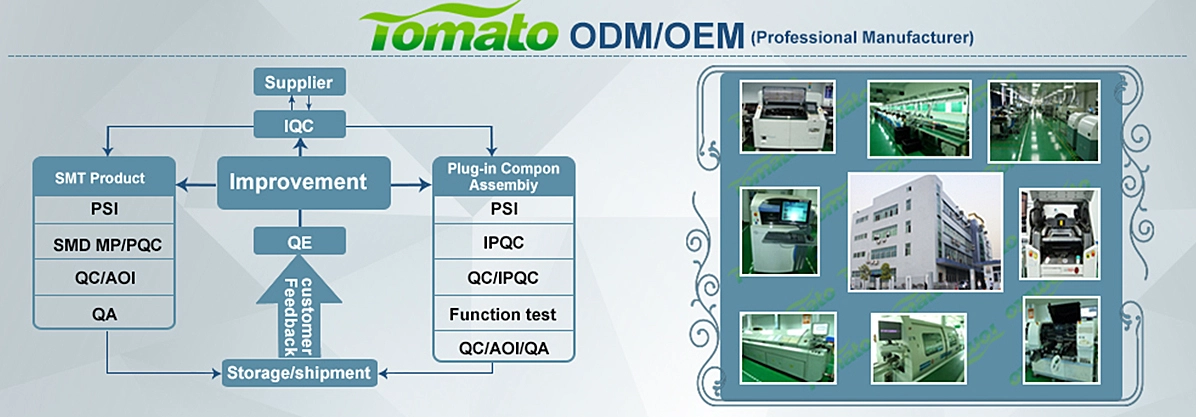
SZTomato supports PCBA hardware modification for customized STB projects, allowing hardware architecture to be aligned with the actual application instead of forcing the project to use a fixed consumer configuration.
For system integrators, this capability can reduce the gap between the STB hardware and the overall system architecture.
3. Evaluate Firmware and Middleware as Part of the STB
The hardware specification tells only part of the story.
For IPTV operators, telecom companies, hotel groups and branded STB suppliers, firmware determines how the device behaves after deployment.
A commercial STB may require:
-
Custom launcher
-
Branded boot sequence
-
Customized UI/UX
-
Pre-installed applications
-
Remote-control configuration
-
Kiosk or restricted-user mode
-
Network configuration
-
Device provisioning
-
OTA firmware updates
-
Remote diagnostics
-
Application API integration
-
Customized system permissions
-
DRM or content-protection integration
Some requirements can be implemented at the application layer. Others require modifications deeper in the Android or Linux software stack.
Android and Linux Kernel Optimization
When an STB uses non-standard hardware interfaces, kernel-level development may be required.
Typical engineering tasks can include:
-
Kernel configuration
-
Device-driver integration
-
Hardware abstraction
-
Bootloader configuration
-
Power-management optimization
-
Display configuration
-
USB and network-driver integration
-
Peripheral communication
-
System-service modification
For Android-based STBs, the development scope can also extend into the Android framework and system applications.
This is particularly important when the customer's application depends on system-level permissions or hardware functions that cannot be exposed through a standard retail firmware image.
SZTomato provides SDK/API integration and custom UI/UX firmware development for projects that require a controlled software environment.
The objective is to deliver an STB that behaves as part of the customer's platform rather than as an isolated consumer device.
4. HDCP, OTA and Network Management Need Early Validation
Content protection and remote management should not be treated as final-stage testing items.
HDCP and HDMI
If an STB is used for commercial video distribution, HDMI output must be tested with the target display infrastructure.
Compatibility can involve:
-
HDMI version
-
HDCP requirements
-
Display resolution
-
Refresh rate
-
EDID behavior
-
CEC functionality
-
AV synchronization
-
HDR requirements
A device that outputs 4K in a laboratory test may still encounter compatibility issues with specific displays, AV receivers or commercial installations.
Testing should therefore use representative display equipment rather than relying only on a specification sheet.
OTA Update Architecture
For a deployment involving hundreds or thousands of STBs, firmware maintenance becomes a system-management issue.
A production-grade OTA system should consider:
-
Firmware version control
-
Secure update packages
-
Device authentication
-
Incremental updates
-
Update scheduling
-
Failed-update recovery
-
Rollback mechanisms
-
Regional or batch deployment
-
Update logs
-
Remote diagnostics
The cost of a weak OTA architecture appears after deployment. Field technicians may have to physically access devices that should have been manageable remotely.
For operators and system integrators, OTA capability should therefore be evaluated during supplier selection rather than added after mass production.
5. Thermal Design Determines Long-Term STB Stability
A higher-performance SoC increases processing capability, but it also increases thermal design requirements.
An STB used for occasional home streaming has a different thermal profile from one running 4K video, AI workloads, digital signage applications or commercial software continuously.
Thermal engineering should account for:
-
SoC power consumption
-
Sustained CPU/GPU load
-
Video-processing workload
-
Ambient temperature
-
Heatsink structure
-
Thermal interface material
-
Enclosure ventilation
-
PCB component placement
-
Continuous operating time
A poorly designed enclosure can cause thermal throttling even when the underlying SoC has sufficient performance.
For industrial or 24/7 applications, SZTomato can develop specialized cooling solutions based on the selected platform, enclosure and workload.
The engineering target should be sustained system stability rather than a short benchmark result.
6. STB Buying Checklist for B2B Procurement
Before approving an STB supplier, procurement managers and system integrators should request technical answers rather than relying on a product brochure.
| Evaluation Area | What to Verify |
|---|---|
| SoC | CPU, GPU, NPU and video codec capabilities |
| Video | 4K/8K decoding, encoding and AV1 support |
| HDMI | Resolution, refresh rate, HDCP and CEC |
| Network | Ethernet, Wi-Fi and Bluetooth specifications |
| Memory | RAM type/capacity and eMMC options |
| PCBA | Ability to modify layout and interfaces |
| Firmware | Android/Linux version and customization scope |
| SDK/API | Integration capability for proprietary software |
| OTA | Update, rollback and remote-management architecture |
| Thermal | Sustained workload and operating-temperature design |
| Testing | Hardware, firmware and long-duration validation |
| Production | Firmware flashing, device tracking and QC process |
| Support | Engineering support after mass production |
The supplier's answer to these questions is often more valuable than a lower unit quotation.
7. Where the Set-Top Box Market Is Moving
The STB market is becoming more application-specific.
Traditional IPTV and pay-TV deployments remain important, but STB platforms are also being adapted for hospitality, digital signage, enterprise media, education, retail and edge computing.
Three trends are particularly relevant to B2B buyers.
Higher Video Processing Requirements
4K has become a baseline requirement for many new deployments, while AV1 support is becoming increasingly relevant to newer content distribution architectures.
For projects with long deployment cycles, codec support should be considered against the expected lifetime of the product rather than only current content requirements.
More Software-Controlled Devices
An STB is increasingly part of a managed device fleet.
Remote provisioning, application control, OTA updates, diagnostics and centralized configuration can have a greater operational impact than a small difference in processor specifications.
Convergence of STB and Edge Computing
Some commercial STBs are moving beyond media playback.
With stronger CPU/GPU/NPU resources, the same compact platform can support AI analytics, local content processing, digital signage and specialized enterprise applications.
This creates demand for hardware platforms that can accommodate customized interfaces, larger memory configurations, additional storage and project-specific software.
Conclusion: Choose the STB Around the Deployment, Not the Catalog
A Set-Top Box (STB) should be selected as a complete hardware-software platform.
The correct procurement process starts with the application's video, network, interface, operating-system and management requirements. The SoC is then selected according to those requirements, followed by PCBA architecture, firmware development, thermal engineering, validation and mass production.
For B2B projects, the supplier's engineering capability matters as much as its manufacturing capacity.
SZTomato supports customized STB development through PCBA hardware modification, SDK/API integration, custom UI/UX firmware, Android/Linux system optimization and specialized cooling solutions for demanding commercial and industrial deployments.
For procurement managers, IPTV operators, distributors, brand owners and system integrators, the practical approach is to provide the supplier with a complete project specification before requesting a quotation.
If your project requires a customized Set-Top Box rather than a standard catalog model, evaluate the supplier's ability to modify the complete platform—from PCBA and firmware to thermal design and OTA management—before committing to mass production.