
Set-Top Box (STB) for operators
Set-Top Box (STB) for Operators: Build a Scalable TV Platform
AV1 adoption, 4K distribution, cloud-based middleware, and multi-screen services are changing the hardware requirements for operator-grade Set-Top Box (STB) platforms. Operators can no longer evaluate an STB by CPU cores, RAM, or HDMI output alone. The critical engineering questions are whether the device can support the operator's video stack, conditional-access or DRM architecture, remote provisioning, OTA lifecycle, and future service upgrades without replacing deployed hardware.
For telecom operators, IPTV providers, cable operators, OTT platforms, and system integrators, an STB is infrastructure at the customer edge. Its hardware and firmware directly affect installation costs, subscriber experience, support workload, and the operator's ability to introduce new services.
Why Operators Need a Different STB Architecture
A consumer TV Box is designed around individual users. An operator STB is designed around a managed device fleet.
That distinction affects almost every subsystem.
An operator-grade Set-Top Box (STB) may need to support:
-
4K UHD video output
-
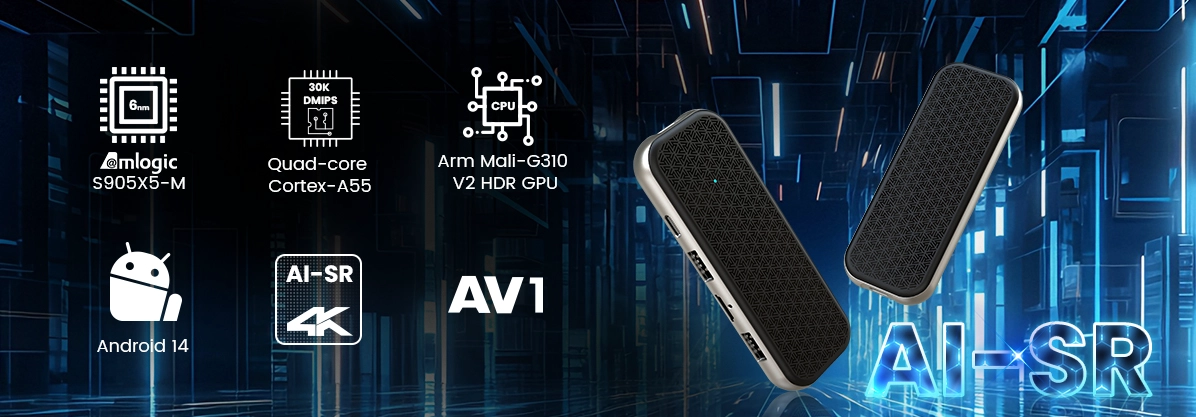
H.265/HEVC, VP9, and AV1 hardware decoding
-
HDMI-CEC and HDCP
-
OTT and IPTV applications
-
DRM or conditional-access integration
-
IPTV middleware
-
EPG and channel management
-
Multicast and unicast streaming
-
Adaptive bitrate streaming
-
Custom operator UI
-
Remote configuration
-
Secure OTA firmware updates
-
Device diagnostics and telemetry
-
Application lifecycle management
-
WiFi and Gigabit Ethernet
-
Bluetooth remote control
-
Long-term hardware availability
The architecture must also accommodate the operator's business model.
An IPTV operator may prioritize multicast performance and middleware integration. An OTT operator may place greater emphasis on DRM, application certification, and streaming performance. A telecom operator may require TR-069 or another CPE management architecture. A hospitality provider may need PMS integration, branded UI, and kiosk restrictions.
There is no single "best" STB specification. There is a best architecture for a defined service model.
How to Select the Right STB Hardware
1. Select the SoC for the Service Roadmap
The SoC should be selected based on the expected video formats, applications, UI complexity, and service roadmap rather than benchmark numbers.
For mainstream IPTV and OTT deployments, the platform should be evaluated for:
-
ARM CPU architecture
-
GPU performance
-
Hardware video decoding
-
H.265/HEVC support
-
VP9 support
-
AV1 support where required
-
4K@60fps decoding/output
-
HDR capabilities
-
DDR memory bandwidth
-
eMMC storage
-
HDMI interface
-
Gigabit Ethernet
-
WiFi capability
-
USB expansion
AV1 deserves particular attention in new platform designs. If the operator expects to expand its content delivery infrastructure over several years, codec flexibility can extend the usable life of the STB.
Higher-performance SoCs may also make sense when the STB is expected to handle advanced UI rendering, multiple applications, local AI functions, digital signage, or edge-computing workloads.
The important point is to match compute resources with the service roadmap. Over-specification raises BOM cost without improving subscriber value. Under-specification creates firmware limitations that are difficult to correct after mass deployment.
2. Design the PCBA Around the Operator's Interfaces
Operator deployments frequently require interfaces that are not present on consumer devices.
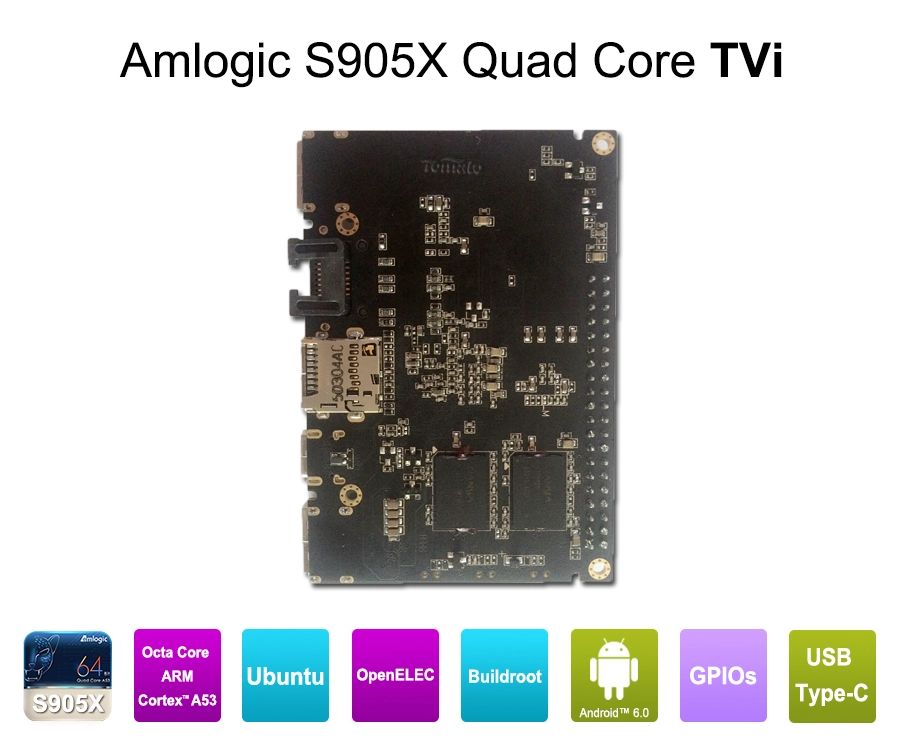
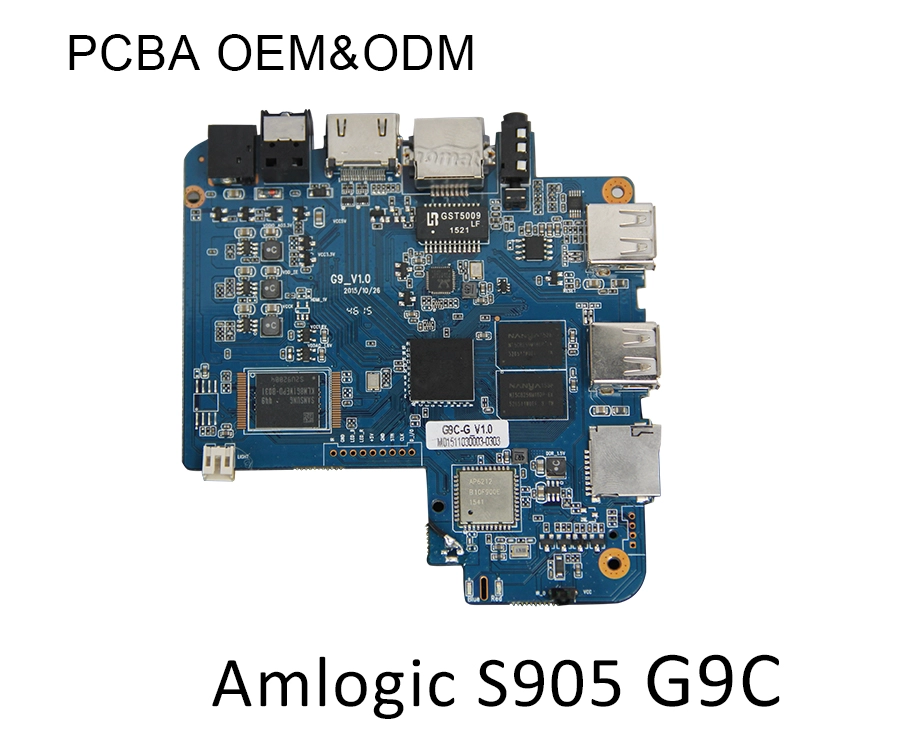
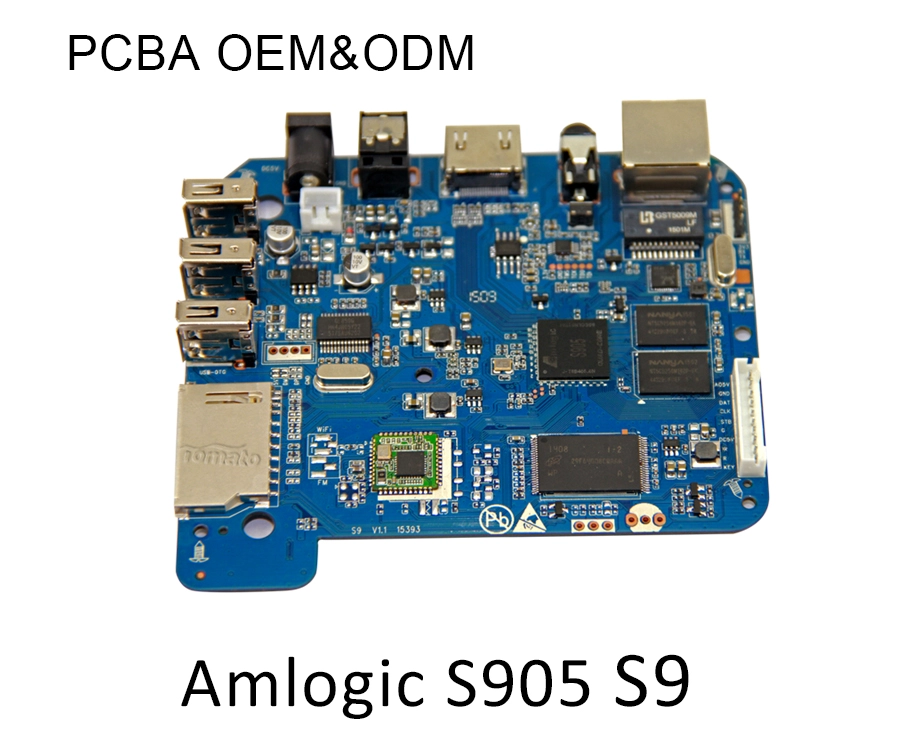
PCBA customization can address:
-
Ethernet configuration
-
USB port quantity and placement
-
WiFi/Bluetooth module selection
-
Antenna configuration
-
HDMI routing
-
IR receiver positioning
-
GPIO interfaces
-
Serial interfaces
-
Storage configuration
-
Memory configuration
-
Power architecture
-
EMI/EMC requirements
PCBA layout is particularly important when high-speed interfaces, RF circuitry, power components, and HDMI signals share a compact board.
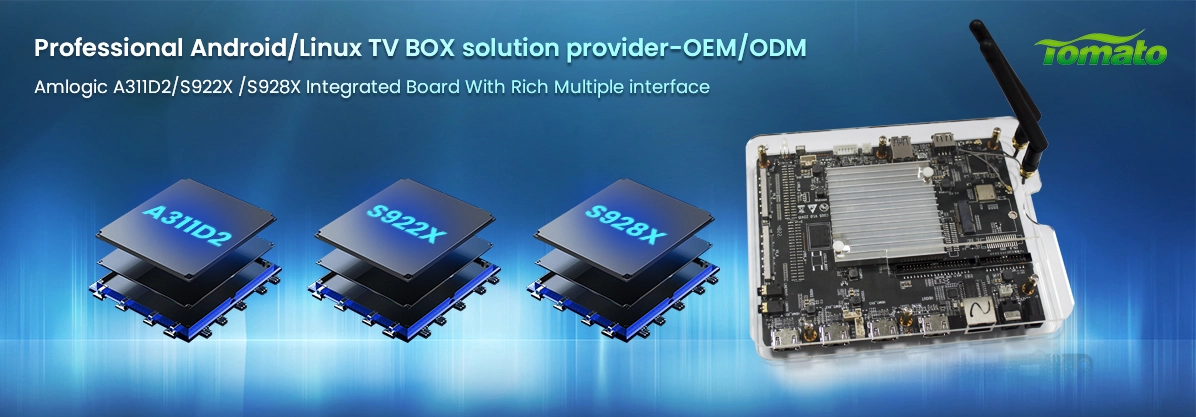
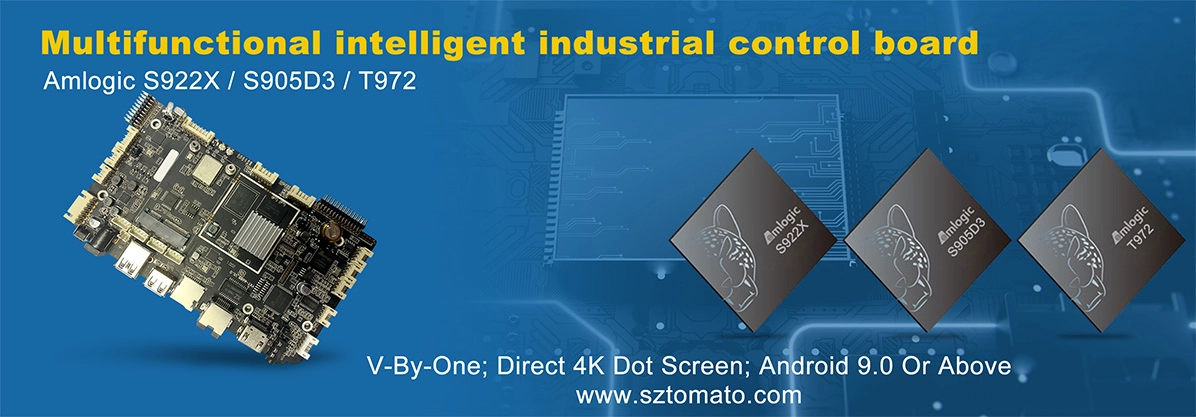
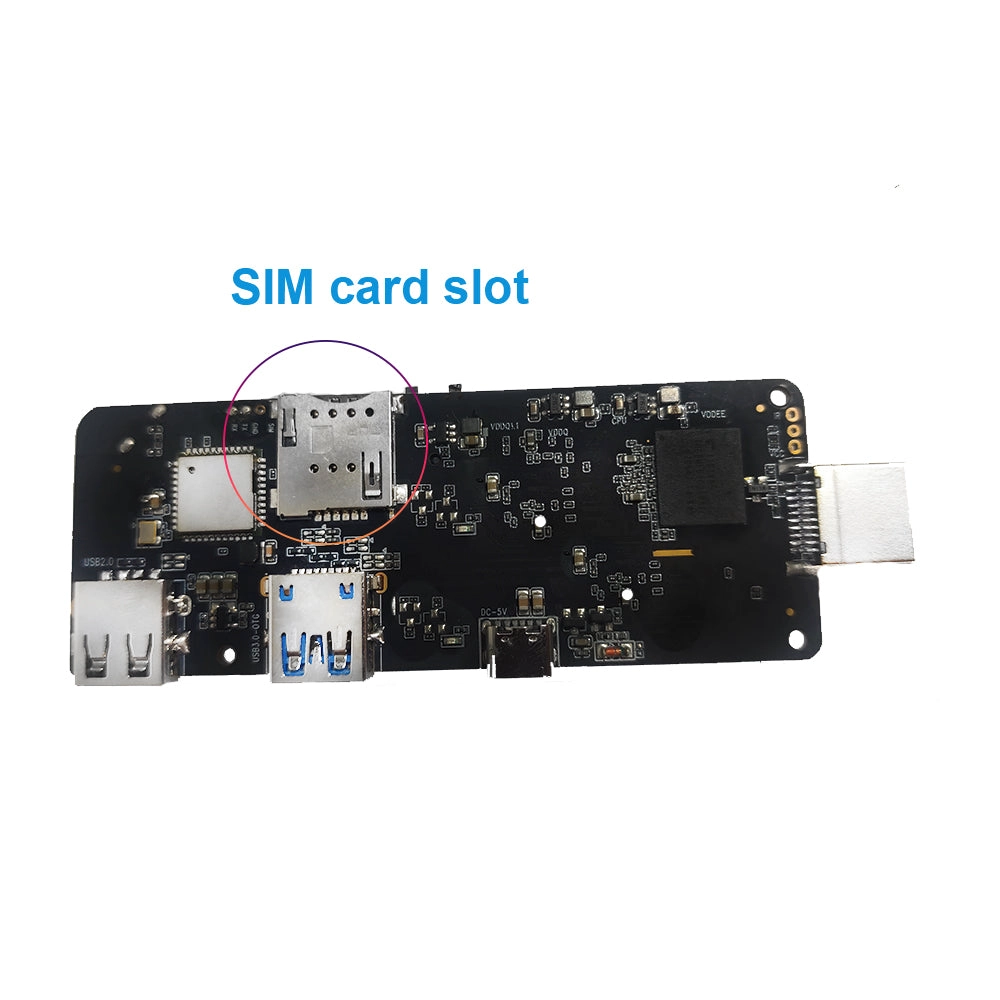
SZTomato supports PCBA hardware modification for OEM/ODM STB projects, allowing the board to be adapted to the operator's enclosure, interface requirements, connectivity architecture, and production targets.
This is more practical than selecting a retail STB and attempting to work around fixed hardware limitations.
Firmware Is the Operator's Real Control Layer
Hardware establishes the platform's capability. Firmware determines how the operator controls it.
Custom UI/UX and Launcher
An operator's interface should reflect its commercial service structure rather than a generic Android home screen.
A custom launcher can provide:
-
Operator branding
-
Channel navigation
-
EPG integration
-
VOD categories
-
OTT applications
-
Search
-
Subscription services
-
Advertising areas
-
Recommended content
-
Parental controls
-
System diagnostics
The UI can be tightly integrated with the middleware and backend platform through SDK/API development.
Android Firmware Engineering
Android-based STBs can provide a broad application ecosystem, but operators need control over the system image.
Typical requirements include:
-
Custom AOSP builds
-
System application integration
-
Default launcher configuration
-
Device Owner policies
-
Kiosk or restricted modes
-
Silent APK installation
-
Application whitelisting
-
Boot animation customization
-
System-level network configuration
-
Secure OTA updates
-
Recovery mechanisms
Kernel optimization can also improve boot performance, network behavior, peripheral stability, thermal management, and power consumption.
For long-term operator deployments, firmware source control and engineering access are strategically important. Depending entirely on a generic factory image can create a serious dependency on the original hardware supplier.
Linux-Based STB Platforms
Linux remains relevant where operators require a lightweight, tightly controlled embedded environment.
Linux-based STBs can be engineered around customized middleware, media frameworks, network stacks, and operator applications.
The appropriate architecture depends on:
-
Middleware requirements
-
DRM model
-
Application framework
-
Hardware decoder support
-
Remote management
-
Security requirements
-
Operator development resources
-
Expected product lifecycle
The choice between Android and Linux should be made at the architecture stage, not after hardware procurement.
Network Architecture Determines Real-World STB Performance
An STB can have a powerful SoC and still provide a poor subscriber experience if the network implementation is weak.
Operators should evaluate both wired and wireless connectivity.
Gigabit Ethernet
For fixed IPTV installations, Gigabit Ethernet provides predictable bandwidth and low latency. It is particularly valuable for households with multiple simultaneous streams or high-bitrate 4K content.
WiFi 6
WiFi 6 is useful for wireless STB deployments, especially in environments with multiple connected devices. However, radio performance depends on antenna design, RF layout, firmware drivers, access-point compatibility, and enclosure construction.
The specification should therefore include real-world RF validation rather than simply "WiFi 6" on the datasheet.
Multicast and IPTV
IPTV operators should also examine IGMP behavior, multicast packet handling, VLAN compatibility, QoS, buffer management, and network recovery.
These details can have a greater impact on channel switching and playback stability than raw CPU performance.
DRM, HDCP and Content Security Must Be Designed In
Content protection cannot be added as a cosmetic software feature after production.
An operator STB may need to support DRM technologies, secure media paths, HDCP encryption, secure boot, trusted execution environments, and other platform-security mechanisms depending on the content provider and service architecture.
The complete chain must be validated:
Content Platform → DRM → STB Firmware → SoC Media Pipeline → HDMI → HDCP → TV
A failure at any stage can result in playback restrictions, black screens, resolution limitations, or application incompatibility.
Operators should define these requirements before selecting the SoC and Android/Linux platform.
Certification and licensing requirements should also be reviewed early because they can affect hardware selection, firmware architecture, and commercial timelines.
OTA Management Is Essential for Large STB Fleets
Deploying an STB is only the beginning of its lifecycle.
An operator may manage thousands or millions of devices distributed across different regions, network environments, and hardware revisions. Manual updates are not a viable operating model.
A production OTA system should support:
-
Device identification
-
Firmware version tracking
-
Regional or customer segmentation
-
Staged releases
-
Automatic downloads
-
Scheduled installation
-
Update verification
-
Rollback
-
Failure recovery
-
Remote diagnostics
A practical deployment strategy is to release new firmware to a small test group first, monitor stability, then progressively expand deployment.
This reduces the risk of introducing a firmware defect across the entire subscriber base.
For CPE management, protocols such as TR-069 can also be incorporated where appropriate to provide centralized device provisioning and management.
Thermal Engineering Matters in Continuous-Use STBs
Operator STBs often run for extended periods, sometimes continuously.
4K decoding, WiFi traffic, application execution, and background services can create sustained thermal loads. Compact enclosures can make heat dissipation more difficult.
Thermal design should evaluate:
-
SoC heat output
-
Heatsink size
-
Thermal interface material
-
PCB component placement
-
Enclosure airflow
-
Ambient temperature
-
CPU/GPU throttling
-
Long-duration 4K playback
-
Sustained network traffic
SZTomato can provide specialized cooling solutions for commercial and industrial STB applications, including customized heatsinks and thermal structures matched to the PCBA and enclosure.
The target should be stable performance over the expected product lifecycle, not maximum performance during a short laboratory test.
Market Trend: STB Is Becoming an Operator Edge Platform
The modern Set-Top Box (STB) is increasingly more than a channel decoder.
The same hardware platform can support:
IPTV + OTT + VOD + Advertising + Digital Signage + Smart Home + Local AI + Edge Applications
This creates a stronger reason to select a platform with sufficient compute headroom and software flexibility.
For example, an operator could use a customized Android STB to provide traditional IPTV services while adding OTT applications, targeted advertising, hotel services, smart-home controls, or local edge applications through software updates.
That capability changes the economics of the hardware investment.
Instead of replacing the STB when a new service appears, the operator can extend the platform through firmware and application updates—provided the original hardware was specified with sufficient resources.
Why OEM/ODM Is More Important for Operators
For an operator, the STB is part of the service infrastructure and customer relationship.
A generic retail device creates limitations in:
-
Hardware interfaces
-
Firmware control
-
UI customization
-
Middleware integration
-
OTA architecture
-
Device management
-
Product lifecycle
-
Supply-chain continuity
An OEM/ODM platform provides greater control over these variables.
SZTomato's engineering model covers PCBA modification, custom Android/Linux firmware, UI/UX development, SDK/API integration, OTA systems, thermal engineering, and production customization.
This allows an operator or system integrator to define the platform around its own network and service architecture.
For example, an IPTV operator can specify its middleware and multicast requirements before the hardware design is finalized. A telecom operator can define remote-management requirements at the firmware level. A hospitality integrator can combine IPTV, hotel applications, digital signage, and custom UI in one platform.
That is the practical value of OEM/ODM: the hardware becomes an implementation of the service architecture rather than an external constraint.
STB Procurement Checklist for Operators
Before approving an STB supplier, procurement and engineering teams should verify five areas.
Hardware
SoC roadmap, 4K decoding, AV1/H.265/VP9, DDR, eMMC, HDMI, HDCP, Ethernet, WiFi, Bluetooth, USB, PCBA design, and thermal performance.
Software
Android or Linux version, kernel support, AOSP access, middleware integration, custom launcher, SDK/API capability, application management, and system-level customization.
Network
IGMP, multicast, unicast, adaptive streaming, VLAN, QoS, WiFi performance, Ethernet throughput, and network recovery.
Security
Secure boot, DRM, trusted execution environment, HDCP, firmware signing, OTA security, and content-protection requirements.
Lifecycle
OTA infrastructure, remote diagnostics, hardware revision control, component availability, firmware maintenance, certification support, production capacity, and long-term technical support.
This framework gives B2B buyers a more accurate picture of total deployment risk than comparing CPU specifications or unit prices alone.
Conclusion: The Best STB Is the One That Fits the Operator's Architecture
A Set-Top Box (STB) for operators should be treated as a managed edge platform, not a commodity consumer electronics product.
The hardware must support the operator's video roadmap. The PCBA must match the required interfaces and RF architecture. The firmware must provide control over applications, UI, security, OTA updates, and device management. The thermal design must support continuous operation. The entire platform must remain maintainable for the duration of the commercial lifecycle.
For IPTV operators, telecom companies, OTT providers, cable operators, hospitality platforms, and system integrators, the procurement decision should therefore start with the service architecture and work backward toward the hardware specification.
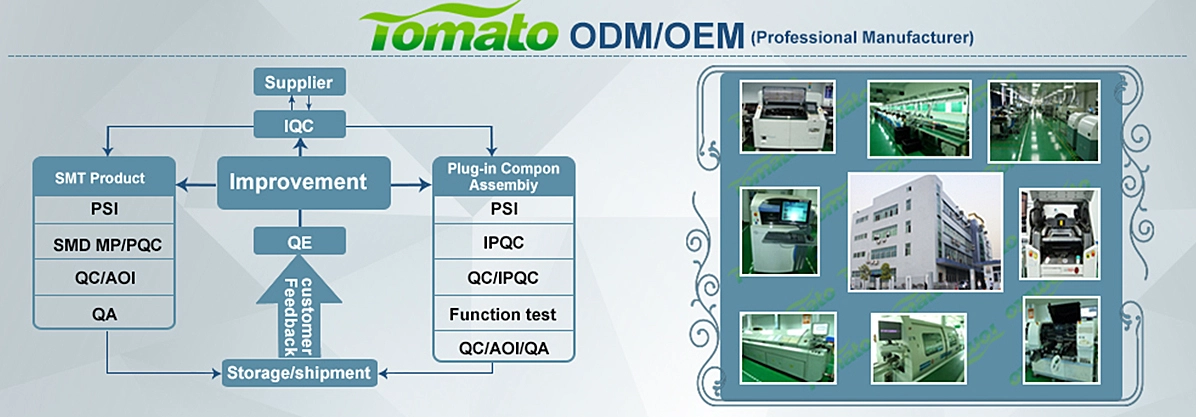
SZTomato provides OEM/ODM development for operator-grade Set-Top Box (STB) platforms, including PCBA hardware modification, Android/Linux firmware engineering, custom UI/UX, SDK/API integration, OTA update systems, and specialized cooling solutions.
For B2B procurement teams, the next step is to define the target SoC, video codecs, middleware, DRM requirements, network architecture, management protocol, deployment scale, and expected lifecycle. Those parameters provide the engineering foundation for a production-ready STB rather than another generic box.
