
Smart TV Box OEM/ODM Guide
The Smart TV Box OEM/ODM Guide: Architecting Custom Hardware and Firmware for Enterprise Scale
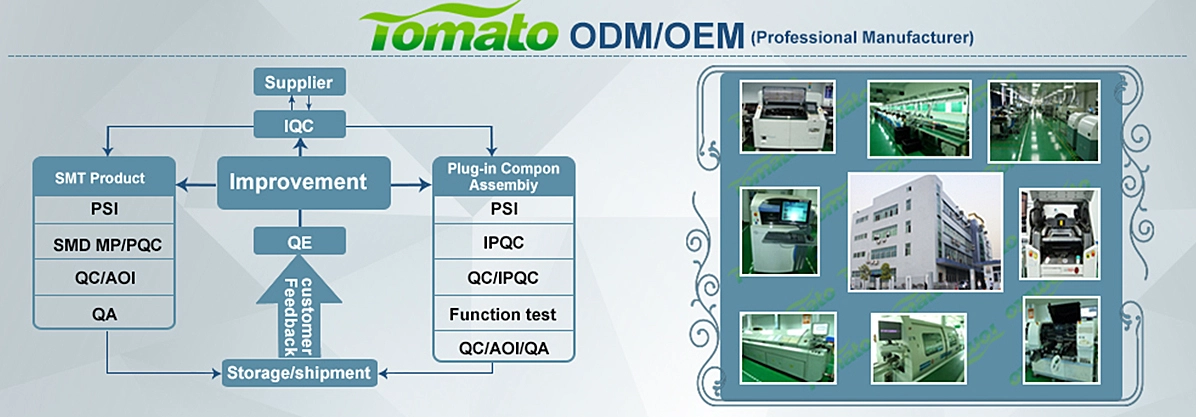
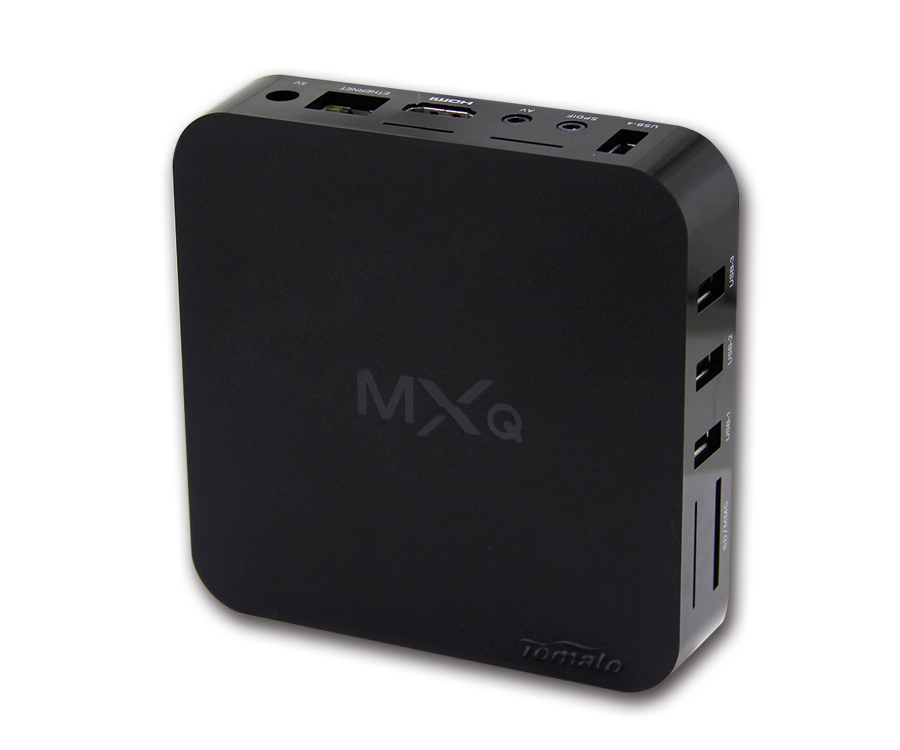
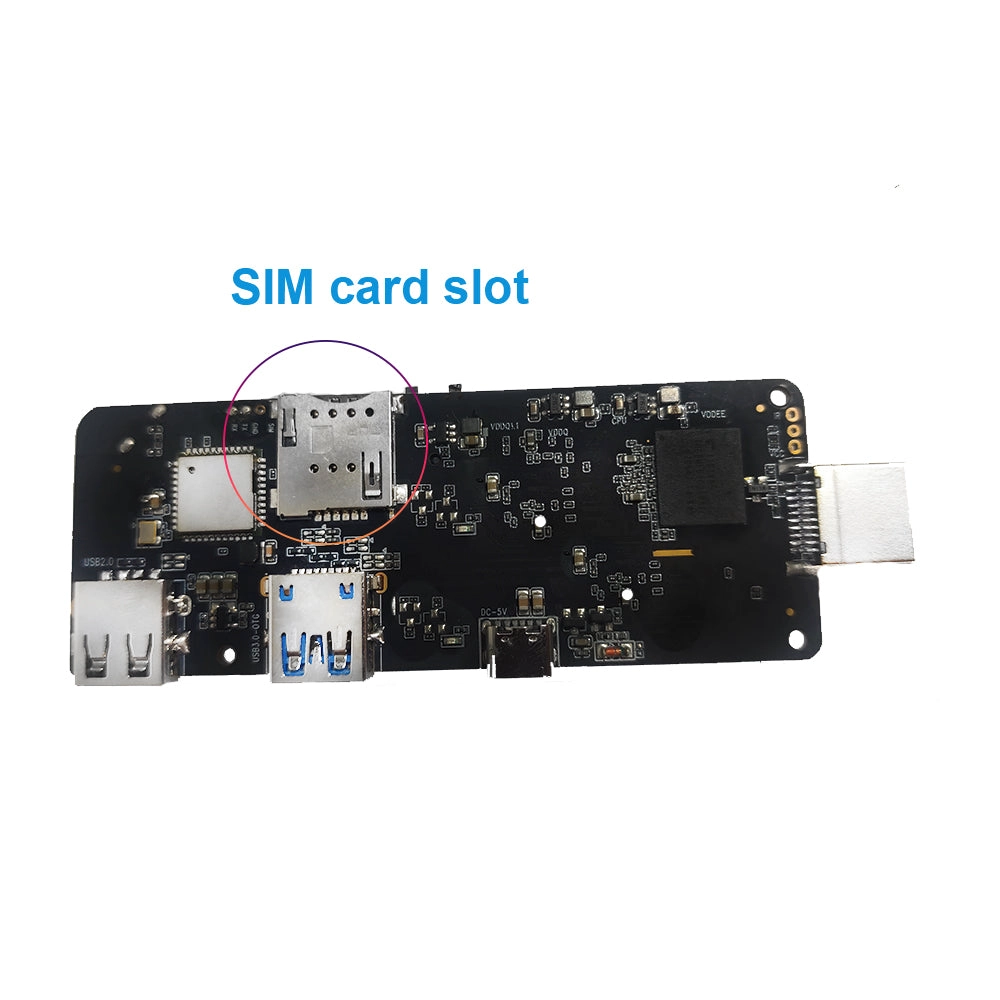
Relying on off-the-shelf retail hardware for enterprise digital signage, hospitality, or localized IPTV deployments inevitably leads to systemic failure. When B2B operators attempt to scale consumer-grade media players, they face immediate bottlenecks: thermal throttling under continuous loads, locked bootloaders preventing mobile device management (MDM) integration, and restricted I/O ports. True scalability requires abandoning generic retail acquisitions in favor of ground-up OEM/ODM customization. Procurement must transition from specifying casing aesthetics to demanding firmware-level engineering and precise Printed Circuit Board Assembly (PCBA) modifications.
Overcoming the Limits of Generic PCBA Topology
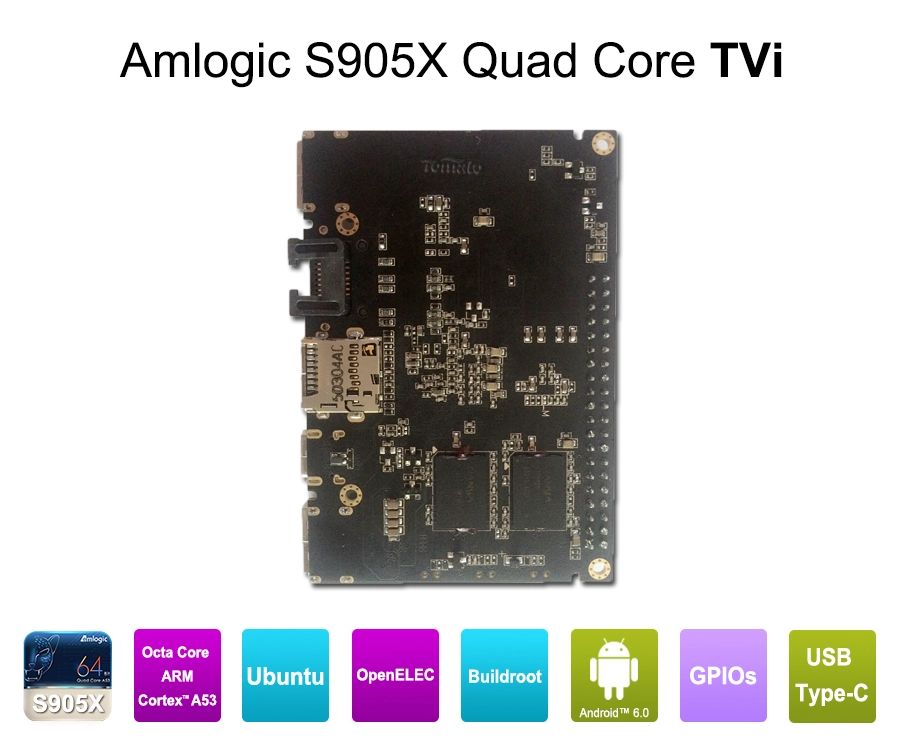
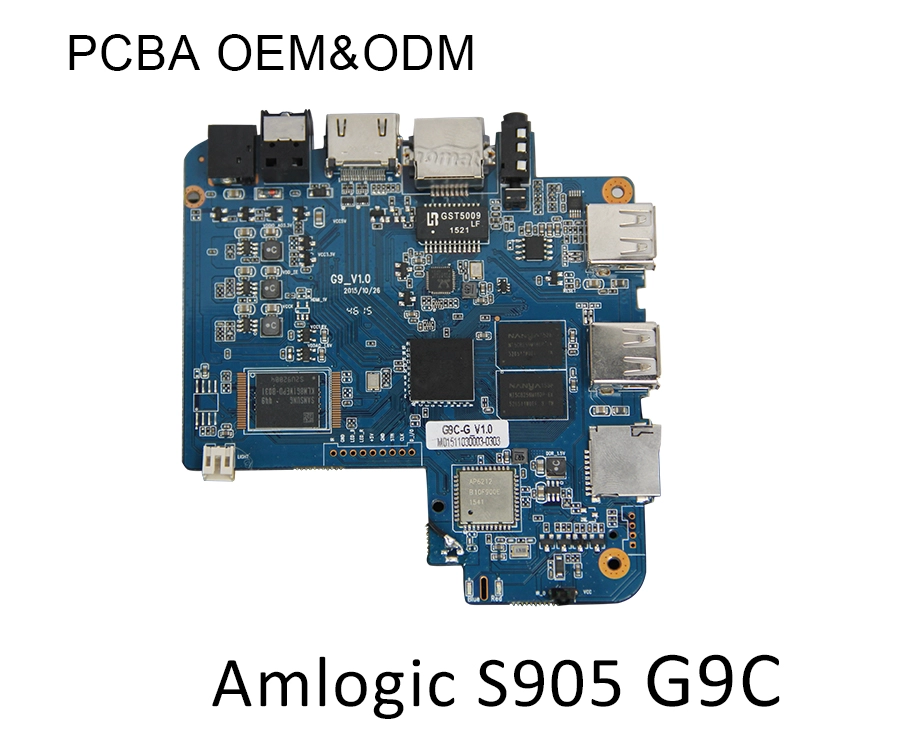
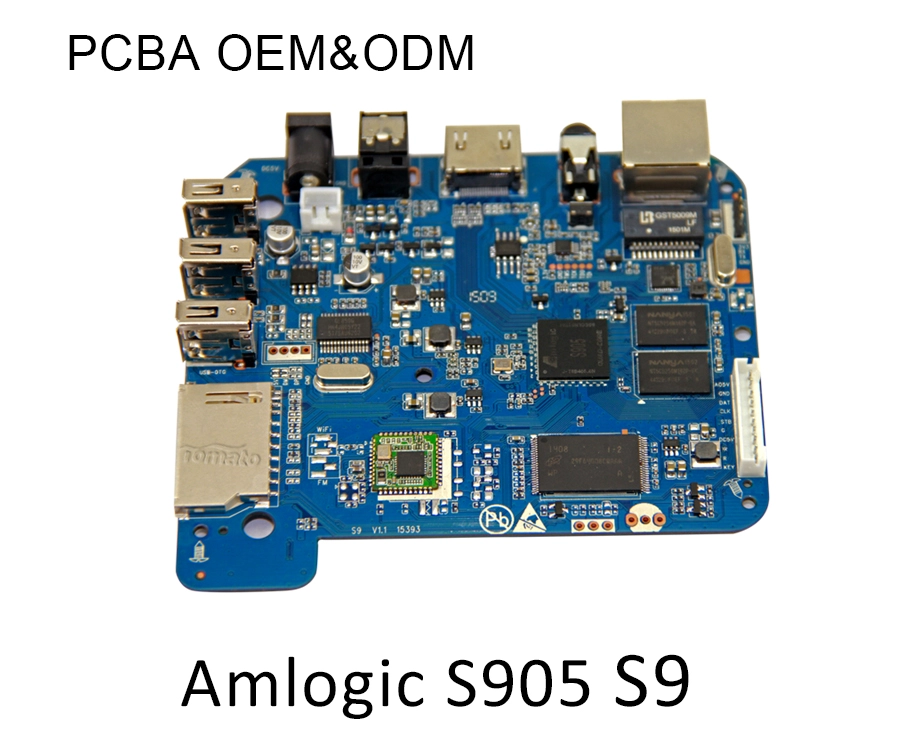
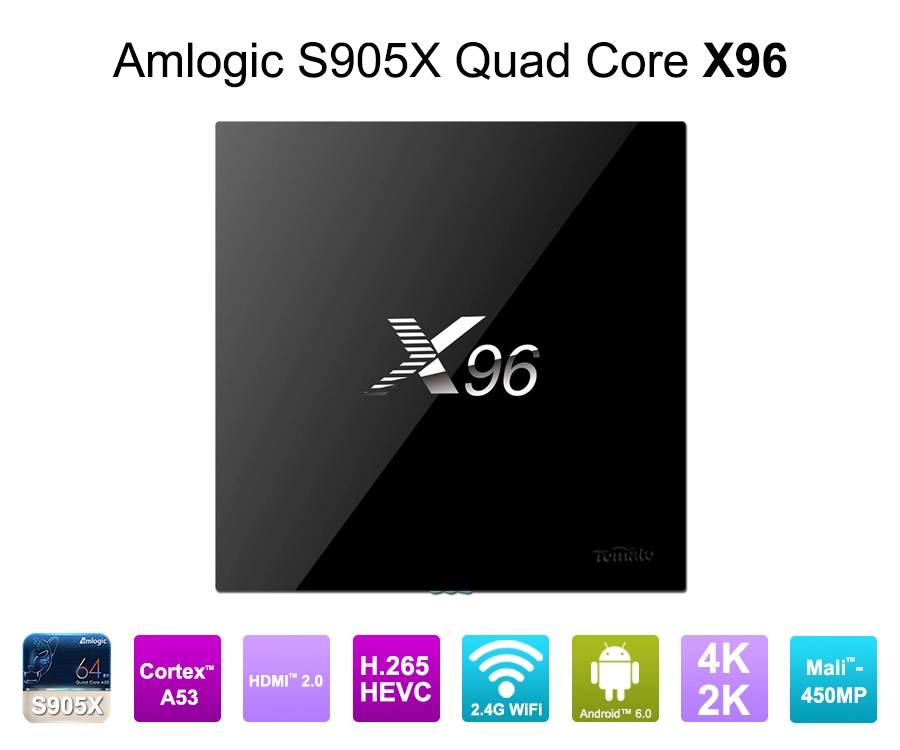
Procurement managers often mistake exterior silk-screening for true ODM capability. However, enterprise reliability originates at the baseboard level. Standard retail smart TV boxes utilize highly integrated, miniaturized PCBAs designed to minimize production costs, which compromises long-term thermal dissipation and hardware durability.
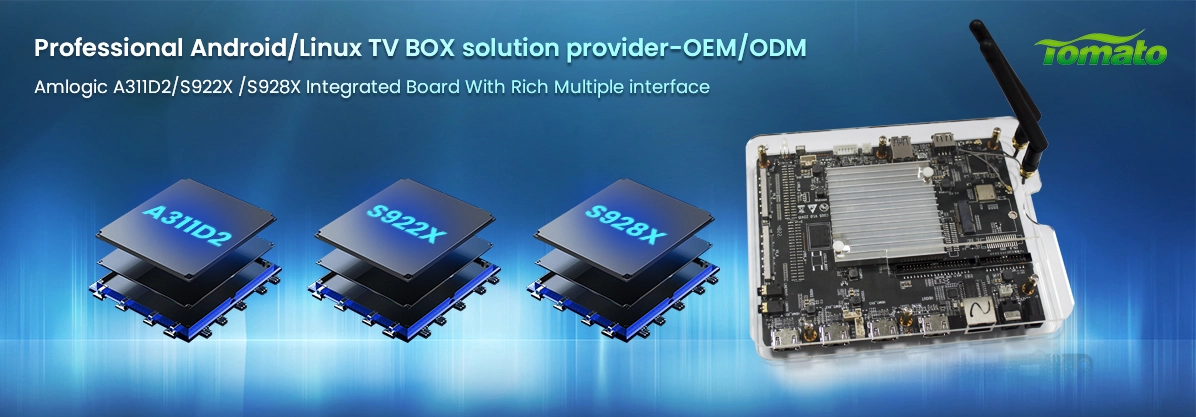
For high-demand B2B applications, hardware architects must redesign the PCBA topology to accommodate specific enterprise requirements:
-
Industrial-Grade Components: Replacing standard capacitors and flash memory modules with industrial-grade eMMC and LPDDR4 to ensure high write-cycle endurance.
-
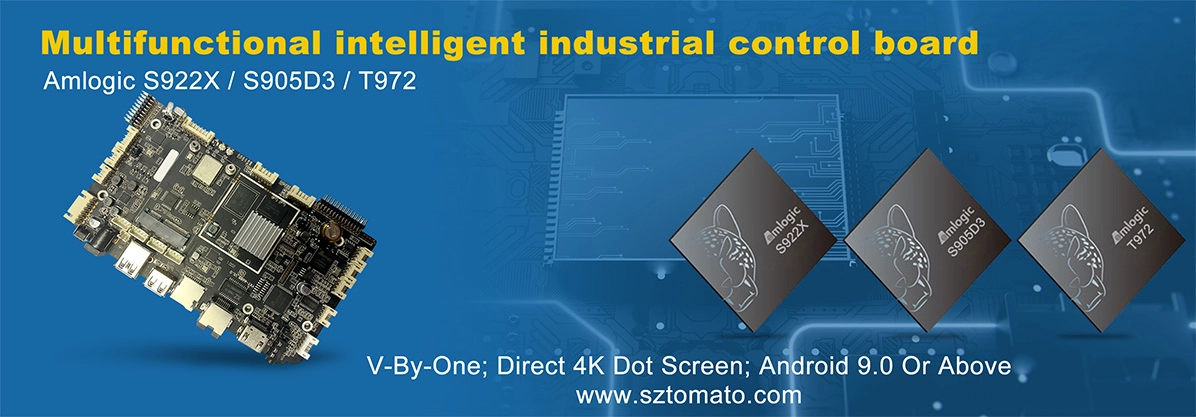
Custom I/O Configurations: Modifying the board to support legacy and specialized interfaces, such as RS232 for serial control, dual Gigabit Ethernet for network redundancy, or multiple independent HDMI outputs for multi-screen digital signage arrays.
-
Thermal Architecture: Integrating custom aluminum heat sinks directly bonded to the System on Chip (SoC) and Power Management IC (PMIC) to prevent throttling during 24/7 continuous operation.
SoC Specification: Balancing Compute, Decode, and Edge AI
Selecting the right silicon dictates the performance ceiling of the entire deployment. The choice between leading architectures, predominantly Amlogic and Rockchip, must align with the specific use case rather than raw benchmark scores.
-
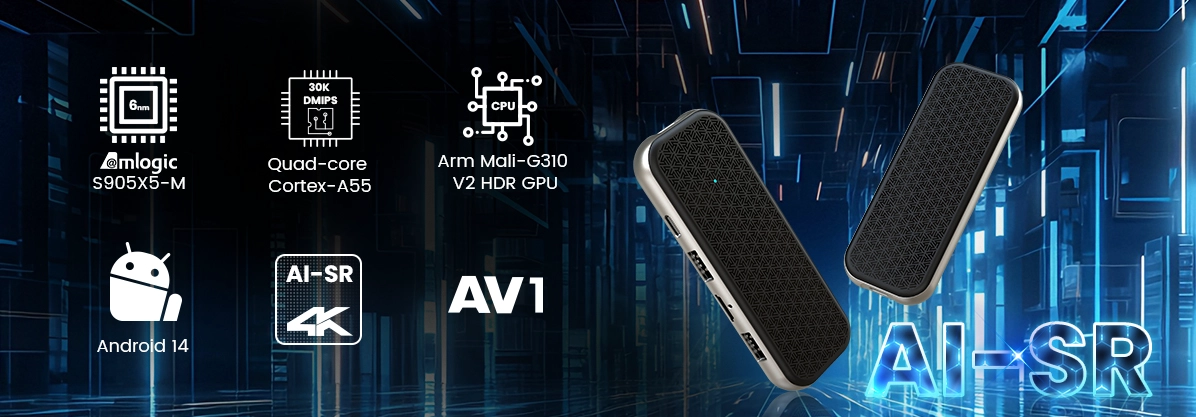
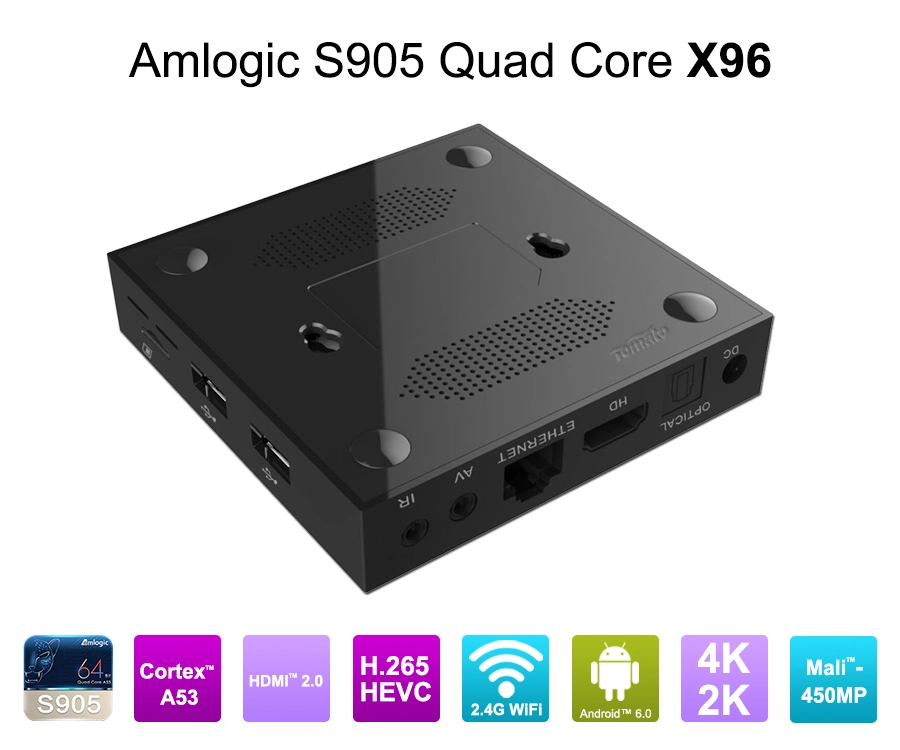
Amlogic SoCs (e.g., S905X4, S928X): The definitive choice for media-heavy IPTV and hospitality deployments. These chipsets provide superior hardware decoding for AV1 and HEVC (H.265), ensuring low-bandwidth, high-fidelity video streams. Furthermore, Amlogic's mature SDK allows for extensive DRM integration (Widevine L1, PlayReady), essential for commercial content distribution.
-
Rockchip SoCs (e.g., RK3568, RK3588): Designed for heavy compute and digital signage. These processors feature robust Neural Processing Units (NPUs), enabling edge AI tasks such as real-time audience analytics and facial recognition without requiring cloud offloading. Their architecture also natively supports complex multi-display outputs.
Firmware-Level Engineering: The Core ODM Differentiator
Hardware dictates potential; firmware dictates execution. Deploying standard Android OS variants leads to unauthorized user modifications, background application crashes, and security vulnerabilities. A genuine ODM partner provides root-level engineering to strip away consumer bloatware and lock down the operating environment.
Key firmware modifications include:
-
Custom Bootloaders & Splash Screens: Flashing the kernel to boot directly into a proprietary application (Kiosk Mode), bypassing the standard Android launcher entirely to ensure the end-user cannot access system settings.
-
SDK & API Customization: Exposing specific low-level hardware controls—such as CEC (Consumer Electronics Control) for automated display power management or watchdog timers to force hardware reboots upon software hangs.
-
Root Access Management: Implementing strict permission controls to allow remote administrative access for MDM platforms while restricting local user tampering.
Continuous Deployment: Secure OTA Architecture
Enterprise networks require controlled, phased rollouts of security patches and feature updates. Relying on public OTA (Over-The-Air) servers introduces unacceptable risk.
Custom ODM deployments must include private OTA server infrastructure. This allows administrators to test firmware patches on a staging group of devices before pushing updates to the entire global fleet. The firmware must support A/B seamless system updates, ensuring that if a critical failure occurs during flashing, the smart TV box automatically reverts to the previous working partition, eliminating costly physical maintenance dispatch.
Secure Your Enterprise Infrastructure
Transitioning from retail purchasing to true hardware engineering is the only sustainable strategy for B2B deployments. By demanding precise PCBA design, rigorous SoC selection, and customized firmware architecture, organizations protect their operational margins and ensure 24/7 reliability. Connect with our engineering team at SZTomato to architect your next high-performance, enterprise-grade deployment.
