
Streaming Media Player in retail
Commercial Streaming Media Player in Retail: Maximizing Uptime via Enterprise-Grade Hardware
Brick-and-mortar commercial spaces face a critical operational vulnerability: the systemic failure of retail display networks due to consumer-grade hardware deployment. When standard retail streaming sticks or low-cost media boxes are repurposed for commercial store environments, they consistently fail under the demands of 24/7 playback loops, poor ventilation within structural enclosures, and unstable Wi-Fi environments. For retail brand managers and system integrators, mitigating these localized network crashes requires shifting from consumer hardware to specialized, firmware-hardened commercial hardware. Maximizing display uptime and protecting network security demands hardware built with specialized system-level engineering.
Resolving Thermal and Power Congestion in High-Density Retail Environments
Retail media setups typically hide hardware within wall cavities, display kiosks, or ceiling mounts. These environments lock in ambient heat, causing standard consumer streaming media players to experience thermal throttling, drop output frame rates, or undergo abrupt hardware shutdowns.
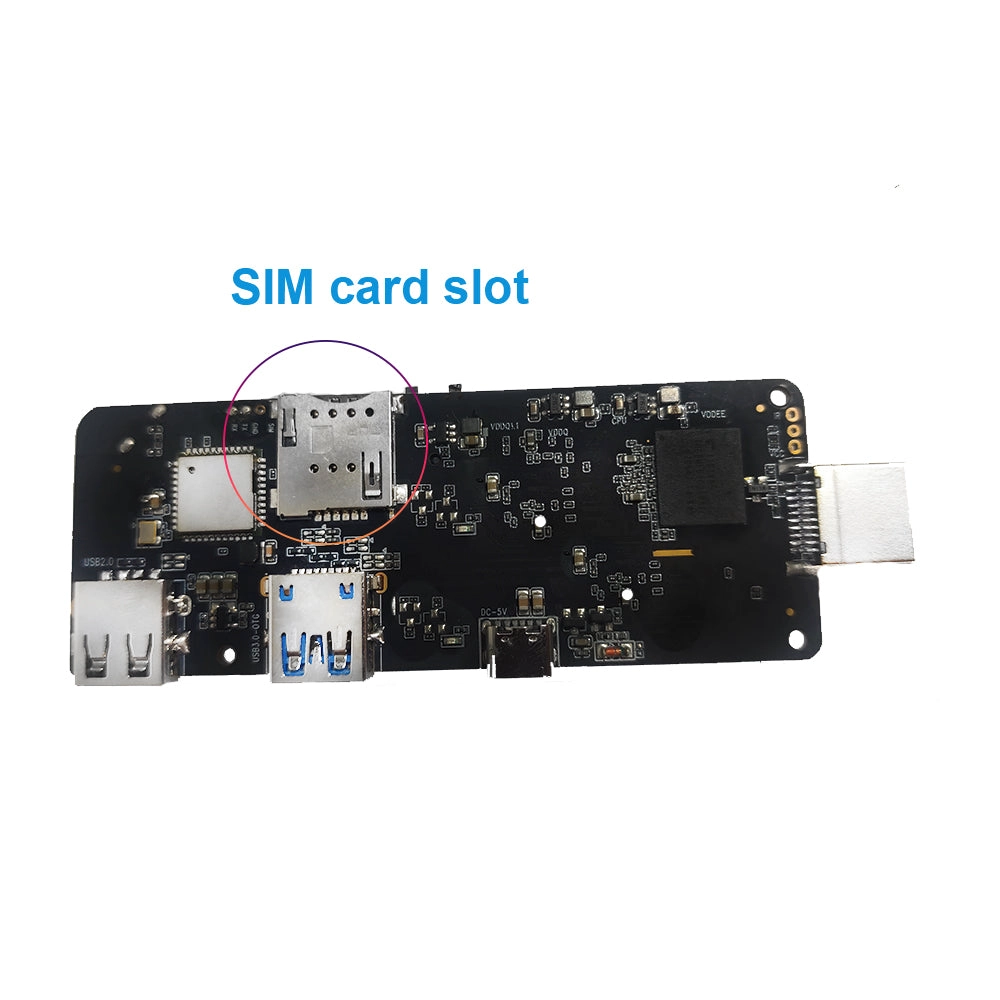
Engineering a high-uptime streaming media player in retail environments requires specific PCBA structural enhancements:
-
Passive Thermal Management: Replacing small internal heat sinks with a broad aluminum or magnesium alloy chassis block that acts as a direct-contact thermal sink for the main CPU and RAM components.
-
Power-over-Ethernet (PoE+ / 802.3at) Integration: Eliminating separate DC power bricks or fragile Micro-USB/USB-C power linkages. Integrating PoE+ onto the PCBA allows a single Cat6 line to deliver both gigabit data stability and up to 25.5W of stable power over long distances directly from the core network switch.
-
Electrostatic Discharge (ESD) Protection: Adding industrial-grade ESD protection diodes across all HDMI, USB, and RJ45 ports to counter the high static electricity typical in areas with heavy customer foot traffic and synthetic flooring.
Silicon Optimization: Ensuring Smooth Video Playback and Longevity
The internal system architecture must handle multi-layered asset rendering—such as running a native 4K video loop alongside live RSS feeds and HTML5 interactive product elements—without dropping frames.
| Feature | Consumer-Grade Media Stick | Commercial-Grade Streaming Player |
|---|---|---|
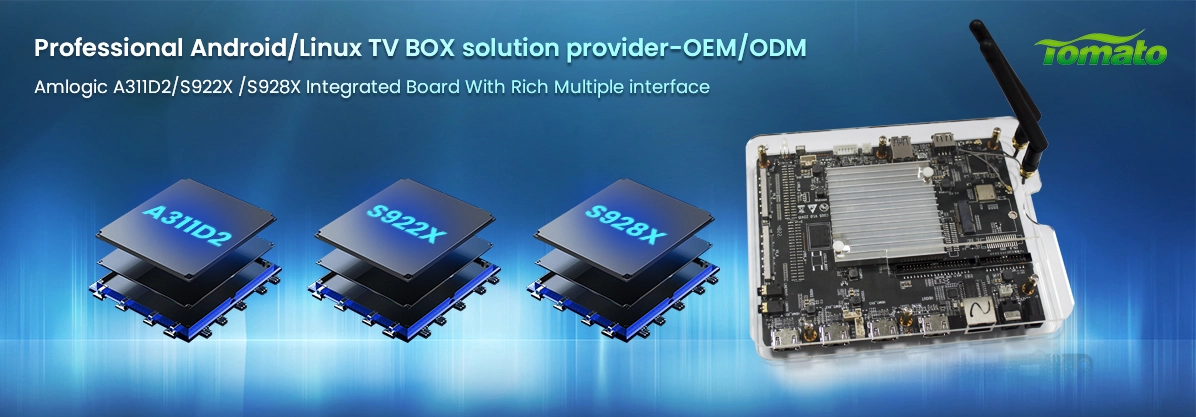
| SoC Architecture | Low-cost Quad-Core (e.g., Allwinner / low-tier Amlogic) | High-reliability application processors (e.g., Amlogic S905X4 / Rockchip RK3568) |
| Storage Technology | Consumer-grade eMMC 5.0 / 5.1 (limited write cycles) | Industrial-grade eMMC with advanced wear-leveling algorithms |
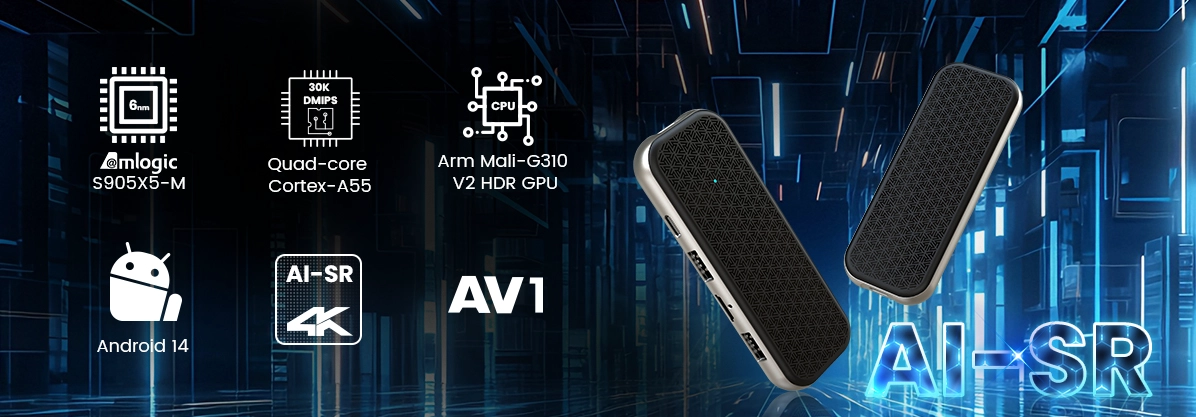
| Decode Capabilities | Standard H.264 / H.265 up to 60fps | Hardware-level AV1, VP9 Profile-2, and H.265 decoding |
| Operational Lifespan | Intended for 4-6 hours of daily intermittent use | Engineered for continuous 24/7/365 active deployment |
By selecting specialized commercial silicon architectures, retail brands prevent visual stuttering and artifacting on high-brightness panels, preserving brand presentation at the point of sale.
Firmware Hardening: Eliminating Local Tampering and App Crashes
A significant vulnerability of standard streaming devices in public retail settings is the risk of local user tampering or unexpected system pop-ups (such as OS update prompts, volume sliders, or system errors). Enterprise-grade Android ODM customization resolves this by altering the operating system at the root kernel level.
[System Boot] ---> [Custom Bootloader Checks Partition] ---> [Launches Dedicated Retail App Directly] | v [Locks Out System Navigation & I/O Ports]
To secure the environment, the custom firmware must implement three core safeguards:
-
Hardware Watchdog Timer (WDT): A dedicated hardware physical circuit on the PCBA that continuously counts down. The signage application must periodically reset this timer. If the application crashes or freezes, the software fails to reset the counter, causing the WDT to trigger a hard system reboot at the electrical level within seconds.
-
True Kiosk Mode Lockdown: Removing the Android status bar, navigation gestures, and physical hardware button inputs. This ensures that even if a consumer accesses an exposed USB port or structural power button, they cannot exit the loop or access underlying system menus.
-
HDMI CEC Automation: Exposing customized Consumer Electronics Control (CEC) commands within the OS kernel. This enables the streaming media player to programmatically send power-on, power-off, and source-switching signals to the connected commercial displays based on store operating hours, reducing energy costs and panel burn-in.
Provisioning and Scaling Nationwide Retail Deployments
Deploying hundreds or thousands of media players across a nationwide retail footprint makes manual onboarding impossible. Commercial streaming platforms must utilize zero-touch provisioning systems built into the custom system partition.
Upon initial boot and network connection, the device contacts a private provisioning server via a secure API, authenticates its unique MAC address or hardware ID, and automatically pulls down the correct local content profile, system configuration, and MDM client certificates. This architecture ensures that field technicians only need to mount the unit and attach the Ethernet line, moving complex software provisioning to automated remote deployment tools.
Architect Your Commercial Display Infrastructure
Relying on standard retail media players introduces unnecessary operational risk to your display networks. True retail network stability requires specialized, hardened hardware architectures designed for industrial longevity, continuous power management, and complete software isolation. Contact our engineering team at SZTomato to discuss your custom PCBA specifications and firmware requirements for large-scale retail deployments.
