
Ways to control OTT TV Box
Enterprise Input Architecture: Professional Ways to Control OTT TV Box Fleets
The deployment of Over-The-Top (OTT) operators and commercial network infrastructure reveals a persistent engineering vulnerability: the dependency on consumer-grade infrared (IR) line-of-sight communication. When telecom operators, hotel system integrators, or interactive kiosk vendors scale an OTT TV Box deployment, relying solely on standard IR remotes introduces high operational risks, including peripheral signal interference, high hardware replacement costs, and an inability to perform remote troubleshooting. For B2B architects, maximizing subscriber retention and system longevity requires designing multiple input channels into the device stack. True operational control demands a combination of specialized local wireless profiles, hardwired physical interfaces, and remote kernel-level command injections.
1. Bluetooth Low Energy (BLE) HID Profile Customization
Moving beyond standard infrared requires modifying the Android Open Source Project (AOSP) or Android TV input subsystem to handle custom Bluetooth Low Energy (BLE) Human Interface Device (HID) profiles. Unlike legacy IR, BLE eliminates line-of-sight restrictions and allows for bidirectional data transport between the input peripheral and the main System on Chip (SoC).
To optimize a BLE control matrix for enterprise-grade deployment, hardware engineers must modify specific layers of the system stack:
-
Custom Keylayout (.kl) Mapping: Forcing the Android kernel to interpret specific non-standard vendor scancodes. This maps dedicated application shortcuts, channel hooks, or emergency alert responses directly onto physical hardware buttons on the custom remote control.
-
Voice Search and Audio over BLE (HoV/AoA): Implementing advanced voice codecs (such as Opus or mSBC) within the Bluetooth stack of the OTT TV Box. This allows low-latency, low-bandwidth voice command transmission directly into localized middle-tier application layers without sacrificing battery lifespan on the peripheral device.
-
Automated Background Pairing: Modifying the bootloader or system UI initialization sequence to automatically pair specific remote identifiers based on proximity or signal strength, eliminating manual pairing menus during field installation.
2. Hardwired Serial Buses: RS-232 and UART Integration
For hotel automation systems, industrial control panels, and medical facility setups, wireless input methods are often prohibited due to RF interference constraints. In these closed topologies, hardwired physical buses provide the only acceptable method for controlling the device ecosystem.
[Master Control Unit / Crestron] ---> (RS-232 / UART Command) ---> [OTT TV Box Line Driver] ---> [Linux Kernel Input Subsystem]
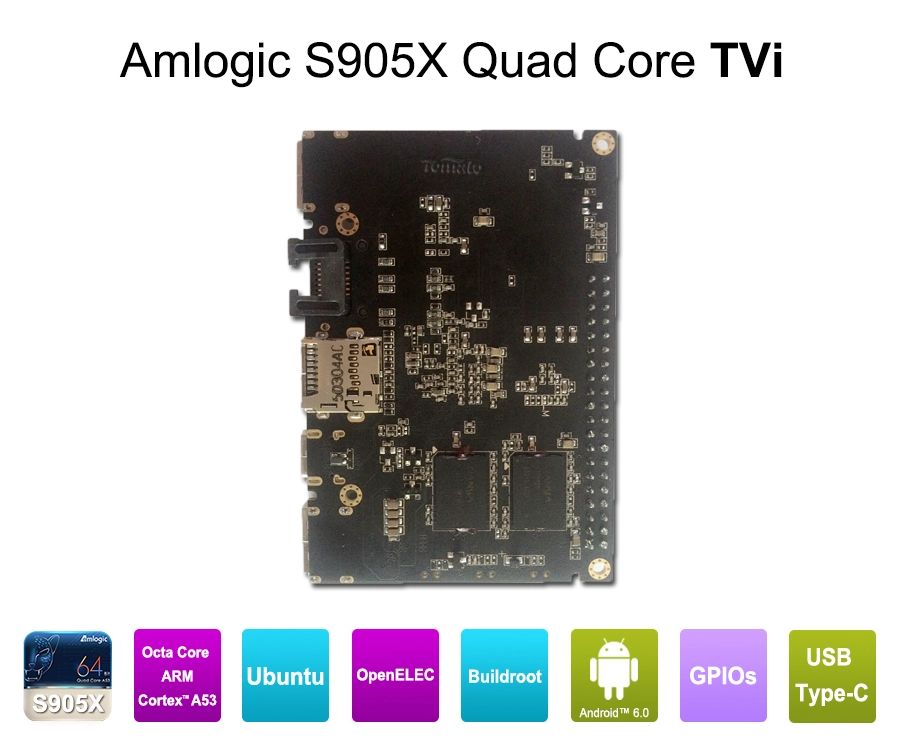
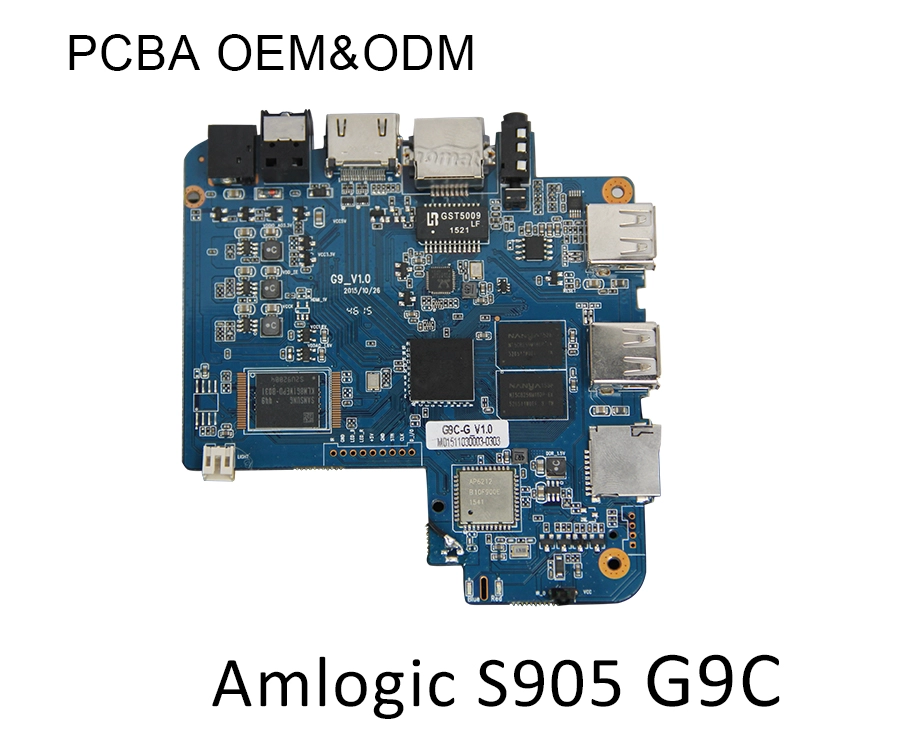
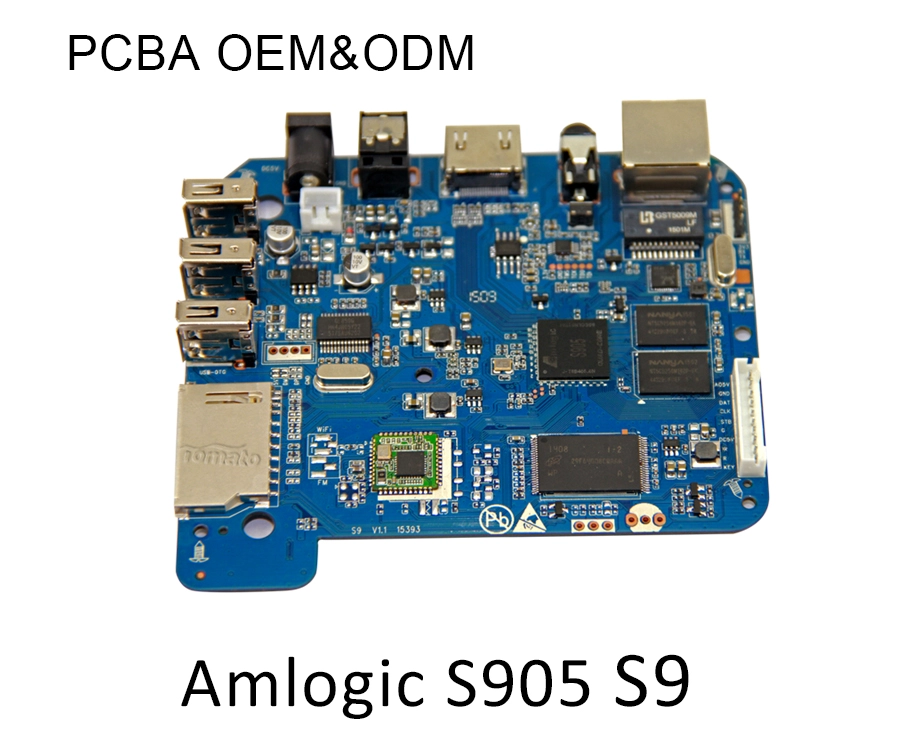
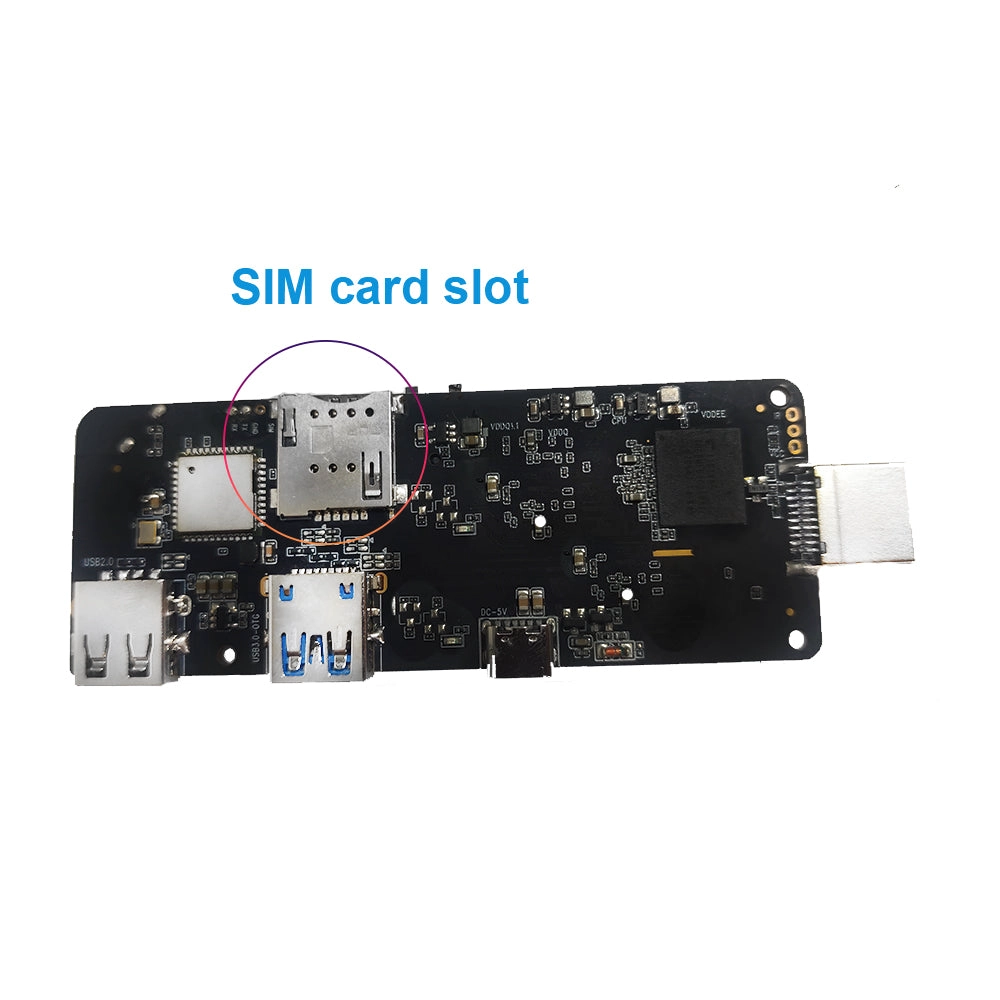
Integrating a physical serial bus onto an OEM/ODM OTT TV Box PCBA requires two primary modifications:
-
Level Shifter Transceivers: Integrating an internal line driver (such as a MAX232 or equivalent chip) directly onto the PCBA layout. This safely converts the high-voltage RS-232 signals (-12V to +12V) coming from industrial control systems down to the 3.3V Transistor-Transistor Logic (TTL) levels required by modern Amlogic or Rockchip application processors.
-
Kernel TTY Driver Configuration: Mapping the internal hardware UART port to a persistent virtual serial device (e.g., /dev/ttyS1) within the Linux kernel configuration files. The system middleware can then listen continuously on this port for specific hexadecimal control strings to trigger instantaneous system state changes, power down sequences, or content changes.
3. Remote Command Injection via MDM and ADB Over Wi-Fi
When thousands of set-top boxes are deployed across a sprawling regional footprint, manual interface troubleshooting is cost-prohibitive. System administrators require remote ways to control OTT TV Box states, simulate user actions, and resolve application hangs without physical intervention.
| Input Interface | Primary Application | Control Topology | Security Profile |
|---|---|---|---|
| BLE HID | Consumer & Hospitality UI | Local Wireless (2.4 GHz) | AES-128 Encrypted Link |
| RS-232 Serial | Industrial / Automation | Hardwired Physical Bus | Air-Gapped Local Loop |
| MDM Injection | Nationwide Fleet Operations | Cloud / WAN IP Network | TLS 1.3 with Token Auth |
Implementing enterprise-grade remote injection requires embedding a custom Mobile Device Management (MDM) client daemon directly into the system image partition (/system/priv-app/). By granting this daemon root-level permissions, remote network administrators can inject raw keyevents (such as inputting text, triggering home navigation, or clearing app caches) directly into the Android input system service via secure JSON-RPC or WebSocket connections. This eliminates the dependency on local peripherals during remote diagnostic sessions.
4. HDMI CEC Implementation for Unified Screen Management
To minimize the number of control devices provided to the end-user, commercial operators leverage Consumer Electronics Control (CEC) extensions over the physical HDMI cable.
[Single Remote Control]
|
v
[Commercial Display Panel] <--- (HDMI CEC Bus) ---> [OTT TV Box]
By utilizing the physical CEC wire (Pin 13 on a standard HDMI Type-A connector), the OTT TV Box acts as both a transmitter and receiver of control frames. When the device kernel is properly flashed with custom CEC vendor commands, pressing a power button on the TV remote transmits a
Architect Your Fleet Control Topology
Relying on legacy consumer IR inputs leaves commercial OTT networks vulnerable to communication bottlenecks and high maintenance overhead. Enterprise stability requires deploying a comprehensive, multi-layered control architecture—combining BLE HID customization, hardwired serial line interfaces, and secure MDM injection capabilities. Contact our senior engineering team at SZTomato to define the optimal hardware and firmware input paths for your next large-scale OTT TV Box deployment.
