
Streaming Media Player OEM/ODM Full Guide
Designing High-Performance Streaming Media Player Fleets: The B2B OEM/ODM Engineering Blueprint
The global commercial video sector is facing an architectural transition. Hardware-accelerated AV1 decoding has transitioned from a future-proof feature to a deployment prerequisite, while Google and silicon vendors continue to tighten secure boot and cryptographic handshake structures. For B2B system integrators and telecom operators, off-the-shelf consumer streaming devices are entirely unviable. They lack the necessary physical ports, carry restricted stock launchers, and quickly succumb to thermal throttling under continuous, high-bitrate playback cycles.
A commercial-grade Streaming Media Player must be built on custom-tailored silicon, rugged hardware engineering, and a hardened operating system. This guide breaks down the precise hardware, firmware, and manufacturing processes required to build high-reliability media players through dedicated OEM/ODM engineering.
1. Deconstructing the PCBA: Customizing Hardware Beyond the Chassis
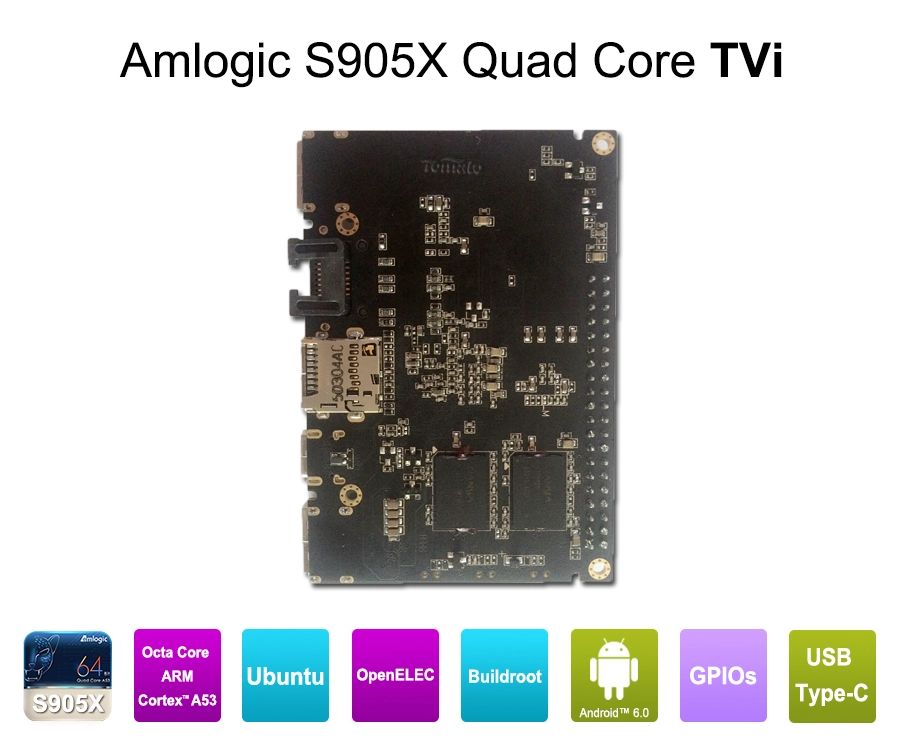
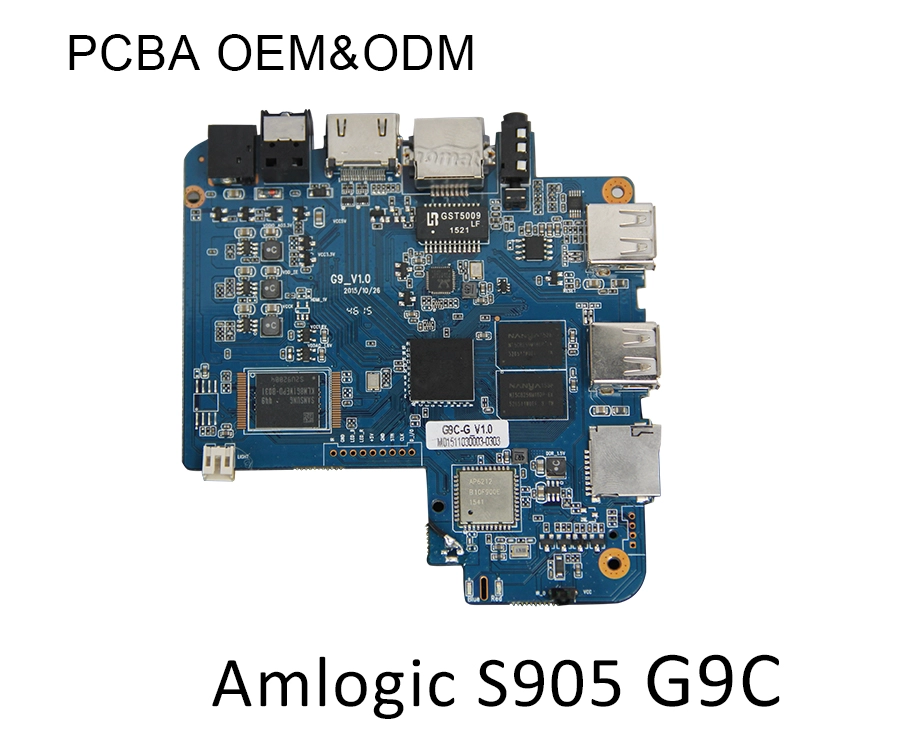
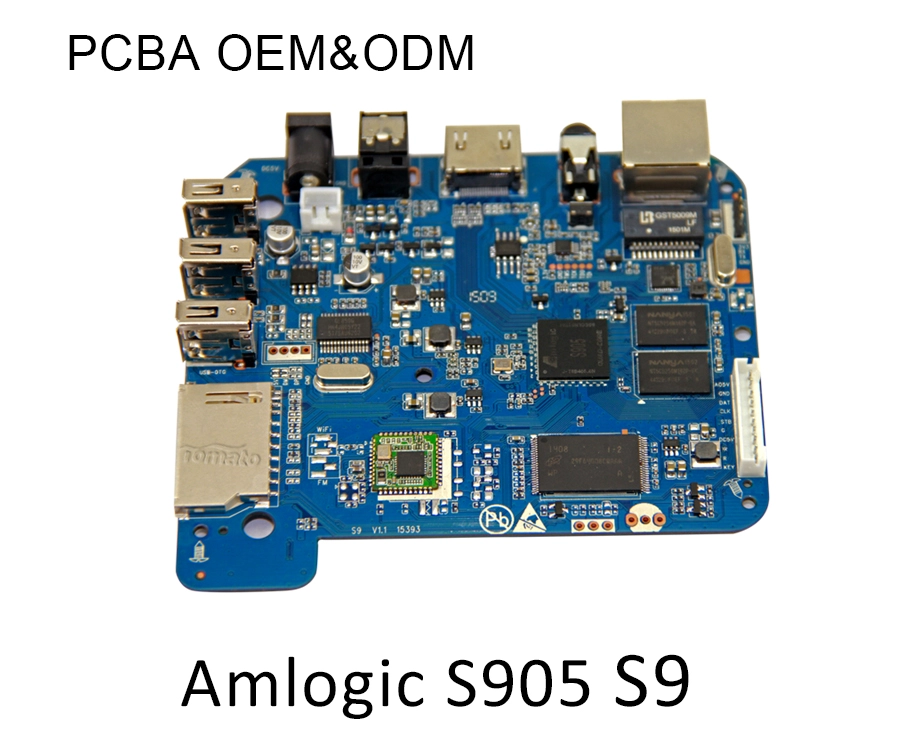
True OEM/ODM engineering begins at the silicon and circuit board level, bypassing reference designs to match the precise demands of the target commercial environment.
Component-Level Optimization and Memory Binning
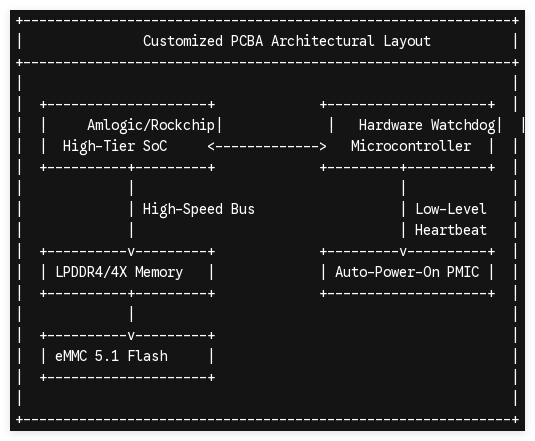
Consumer devices prioritize lowest-cost-per-unit metrics, leading to cheap, low-tier eMMC storage that quickly degrades under the pressure of continuous logging and local video caching. To ensure long-term physical reliability, enterprise-grade boards must deploy binned, high-endurance eMMC 5.1 or UFS flash storage paired with highly resilient LPDDR4/4X RAM channels.
Tailoring the Physical Port Matrix
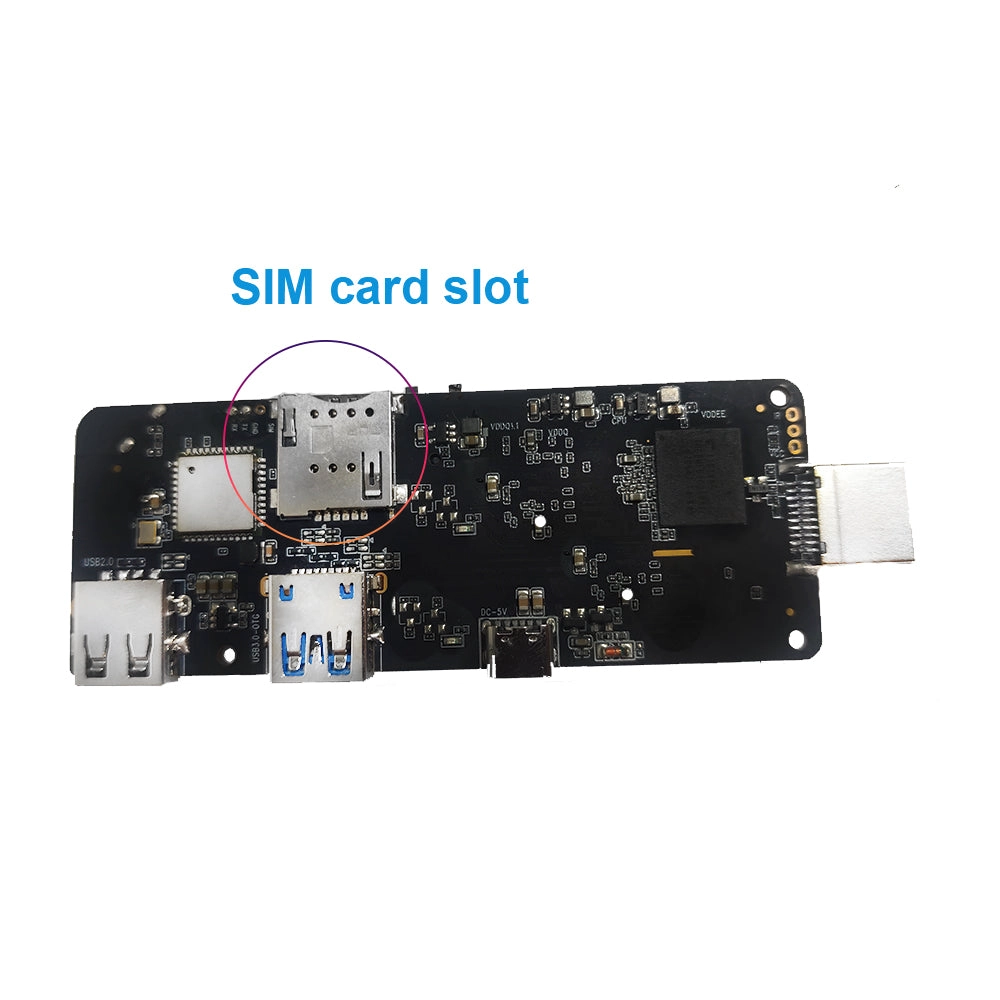
Commercial integrations require custom connection interfaces absent from retail designs. True ODM PCBA modification allows for:
- Power over Ethernet (PoE/PoE+): Injecting power directly through the RJ45 LAN pipeline to eliminate external AC adapters in hard-to-reach digital signage or ceiling mounts.
- Industrial Control Headers: Populating the board with physical RS-232 serial links, UART interfaces, or customizable GPIO pins to control the power state, volume, and input selections of connected commercial displays.
- Hardware Watchdog Timers: Integrating a dedicated on-board microcontroller that actively monitors the main operating system's heartbeat. If a system freeze is detected, the watchdog forces a cold hardware reset, restoring device uptime without field technician intervention.
2. Firmware Engineering: Kernel Tuning & System Lockdown
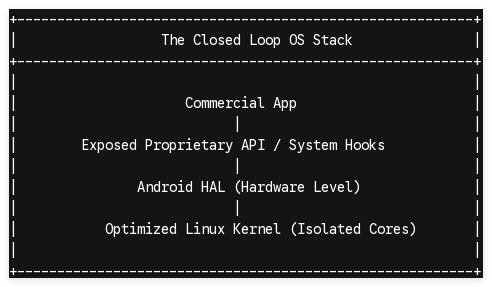
Deploying a custom application on a stock Android operating system inevitably leads to system resource depletion, background app termination, and security vulnerabilities. Overcoming these failures requires custom, low-level OS builds.
Linux and Android Kernel Optimization
By stripping out consumer bloatware, heavy telemetry pipelines, and superfluous system services, the storage and RAM footprint of the OS is drastically reduced. Low-level kernel optimization parameters—specifically tuning the Low Memory Killer (LMK) and isolating a dedicated CPU core exclusively for your primary media execution thread—guarantees stable, ultra-low-latency decoding pipelines.
Deep System-Level Lockdown Features
To turn a generic OS into a locked commercial appliance, the firmware must support:
- Persistent Kiosk Mode: Hard-locking the system to execute only a single target application. It completely disables standard navigation bars, gesture sweeps, and system notification overlays, ensuring end-users cannot exit the proprietary software loop.
- Securing Boot & DRM Provisioning: Baking cryptographic keys (such as Widevine L1 and PlayReady) directly into the secure bootloader partition during assembly to facilitate secure, high-definition HDCP decryption.
-
Private OTA Update Platforms: Establishing secure, localized Over-the-Air (OTA) servers. This allows silent background system updates and app upgrades without ever needing to register devices through standard public app stores.
3. High-Efficiency Thermal Management & Environmental Hardening
High-bitrate 4K or 8K stream processing produces continuous, dense thermal loads. Under-engineered cooling configurations lead to thermal throttling, visible frame drops, and premature failure of surrounding capacitors.
| Thermal Variable | Generic Consumer Device | SZTomato Industrial ODM Design |
|---|---|---|
| Heatsink Composition | Thin, stamped aluminum foil (~1.0 W/mK) | Thick, high-conductivity passive blocks (up to 3.0 W/mK+) |
| Chassis Dynamics | Sealed plastic housing traps ambient heat | Structural alloy enclosures optimized for external thermal dissipation |
| Operational Threshold | Designed for casual, intermittent domestic use | Engineered to sustain 24/7/365 continuous heavy workloads |
| Junction Temperature | Rapidly climbs to 85°C+, triggering CPU downclocking | Maintained far below critical limits, preventing video stuttering |
4. The End-to-End OEM/ODM Production Lifecycle
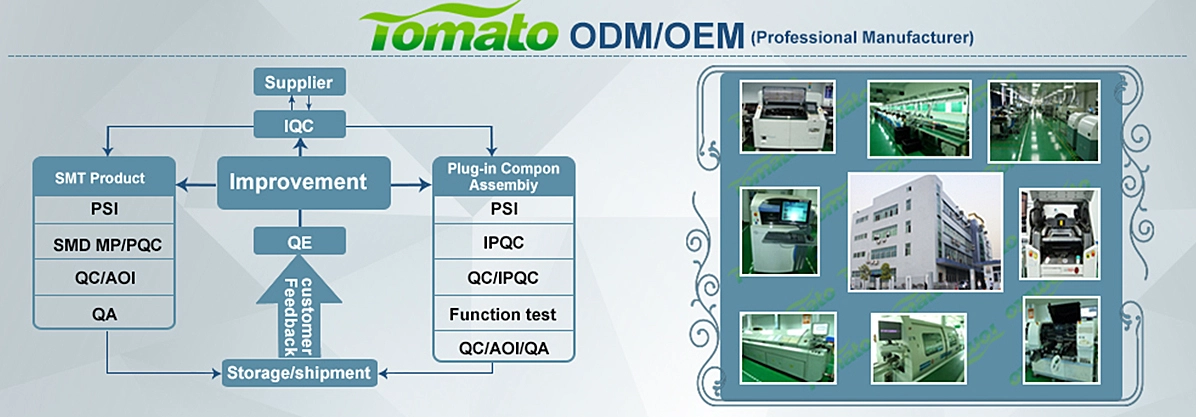
Successfully taking a customized Streaming Media Player from conceptualization to mass production requires a structured, multi-phase developmental timeline.
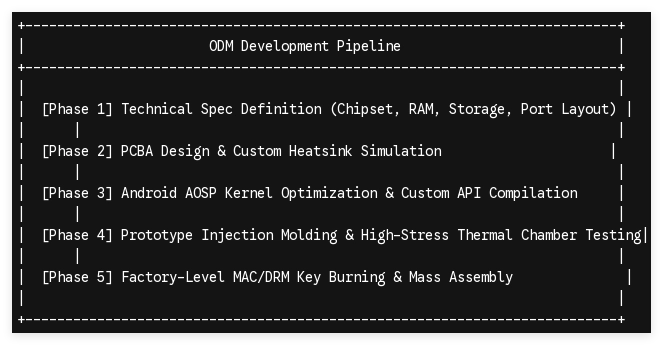
Choosing an engineering partner with mature, in-house technical capabilities is the single most important factor in a device's field lifespan. Operators must look beyond superficial shell customizations and choose a partner capable of executing deep-level, structural changes to both hardware and operating systems.
Partner with SZTomato for Your Enterprise Hardware
Deploying high-performance streaming media gateways requires hardware engineered for extreme reliability and absolute software control.
At SZTomato, we leverage 16 years of specialized B2B cross-border electronics expertise to engineer custom-tailored Android TV and digital signage media systems. From modifying advanced Amlogic and Rockchip PCBA designs to developing bespoke AOSP kernels, creating active/passive cooling platforms, and provisioning secure private OTA services, we deliver hardened solutions built to perform in the field.
Connect with Our Engineering Team: Contact us today at www.sztomato.com to share your software requirements, interface needs, and performance parameters, and let our senior architectural team build a robust custom hardware platform for your deployment fleet.
