
Streaming Media Player OEM/ODM Guide
Streaming Media Player OEM/ODM Guide: From Reference Board to Scalable Product
AV1 decoding, higher-resolution video pipelines, Wi-Fi 6, Gigabit Ethernet, and increasingly capable ARM SoCs are raising the baseline for commercial streaming hardware. But for an OEM/ODM project, codec support is only the starting point.
A Streaming Media Player that performs well in a laboratory can still fail commercially because of thermal throttling, unstable BSPs, insufficient RAM, poor OTA recovery, incompatible DRM requirements, weak peripheral support, or firmware that cannot accommodate the customer's middleware.
A successful OEM/ODM program therefore starts with system architecture—not a finished retail box.
For B2B buyers, the objective is to turn a reference platform into a controlled, branded, maintainable product with the required hardware, firmware, software, thermal characteristics, connectivity, and lifecycle support.
What Should Be Customized in a Streaming Media Player OEM/ODM Project?
The first mistake in an OEM project is treating customization as logo printing and enclosure changes.
A serious Streaming Media Player OEM/ODM program can involve changes at five levels:
-
SoC and PCBA architecture
-
Memory, storage, connectivity, and interfaces
-
Android/Linux BSP and kernel
-
Application framework and UI/UX
-
Manufacturing, OTA, security, and lifecycle management
The deeper the required customization, the more important it becomes to work with a manufacturer that controls hardware and firmware engineering rather than simply sourcing finished boxes.
1. PCBA and SoC Customization
SoC selection should follow the application workload.
A platform intended for 4K OTT playback has different requirements from one handling multi-screen digital signage, AI inference, hospitality applications, or industrial media processing.
Evaluation should include:
-
CPU architecture and sustained performance
-
GPU capability
-
Video decoder and encoder blocks
-
AV1, H.265/HEVC and VP9 support
-
HDR and display pipeline
-
HDMI output capability
-
RAM bandwidth and capacity
-
eMMC or other storage options
-
Ethernet controller
-
Wi-Fi/Bluetooth chipset
-
USB and serial interfaces
-
GPIO requirements
-
Power-management architecture
-
Thermal characteristics
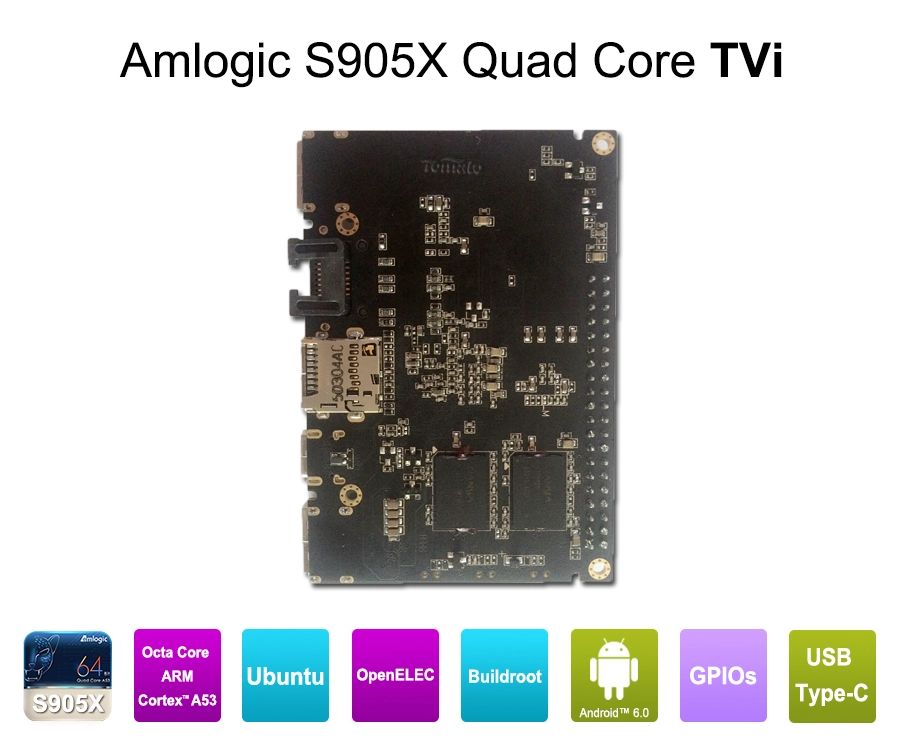
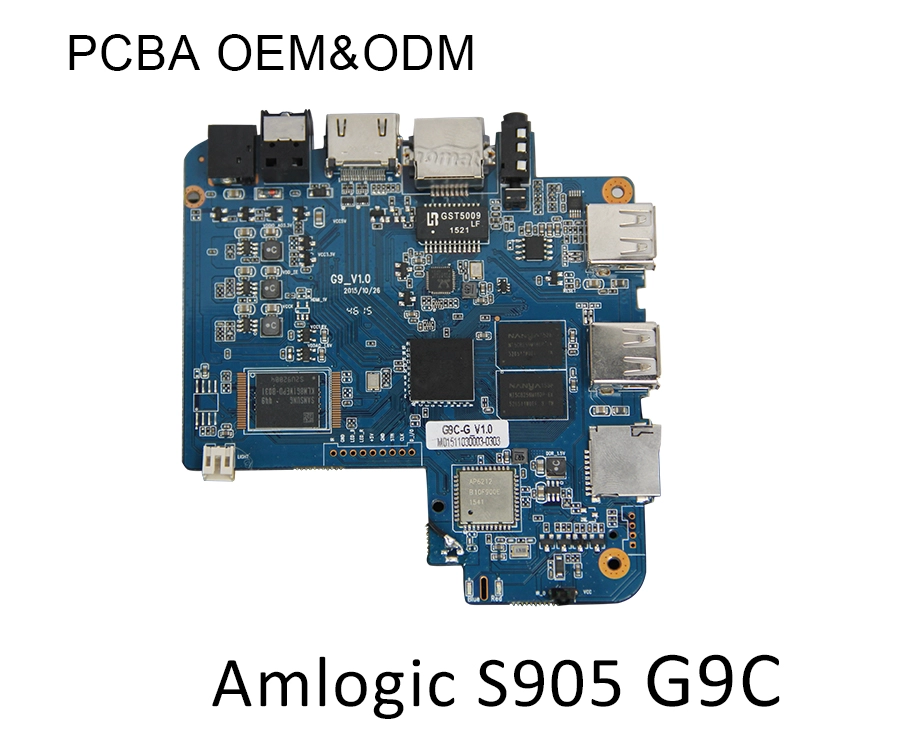
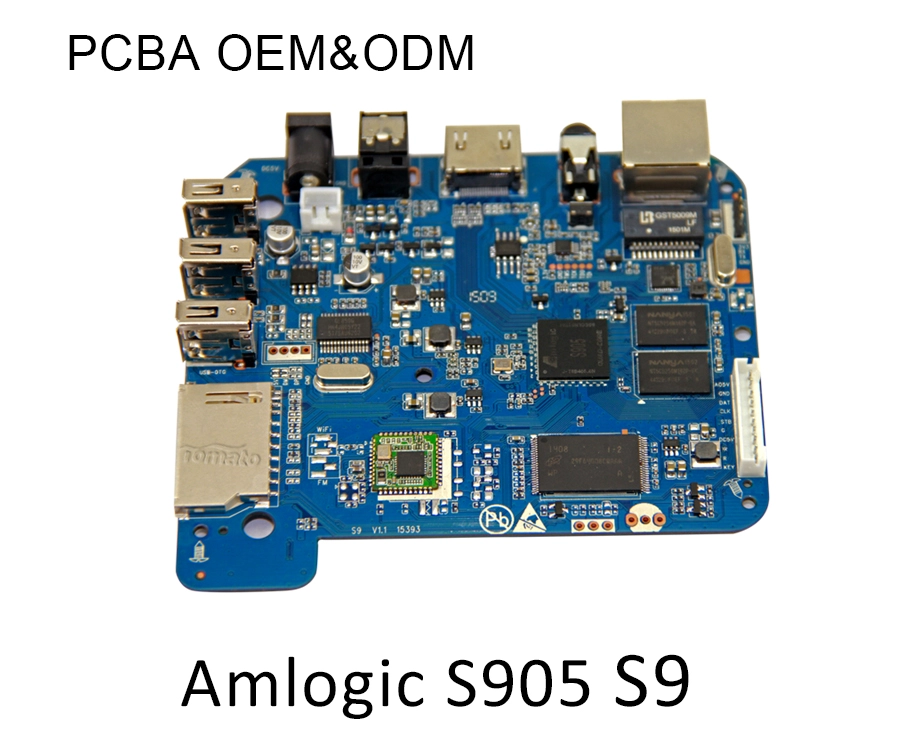
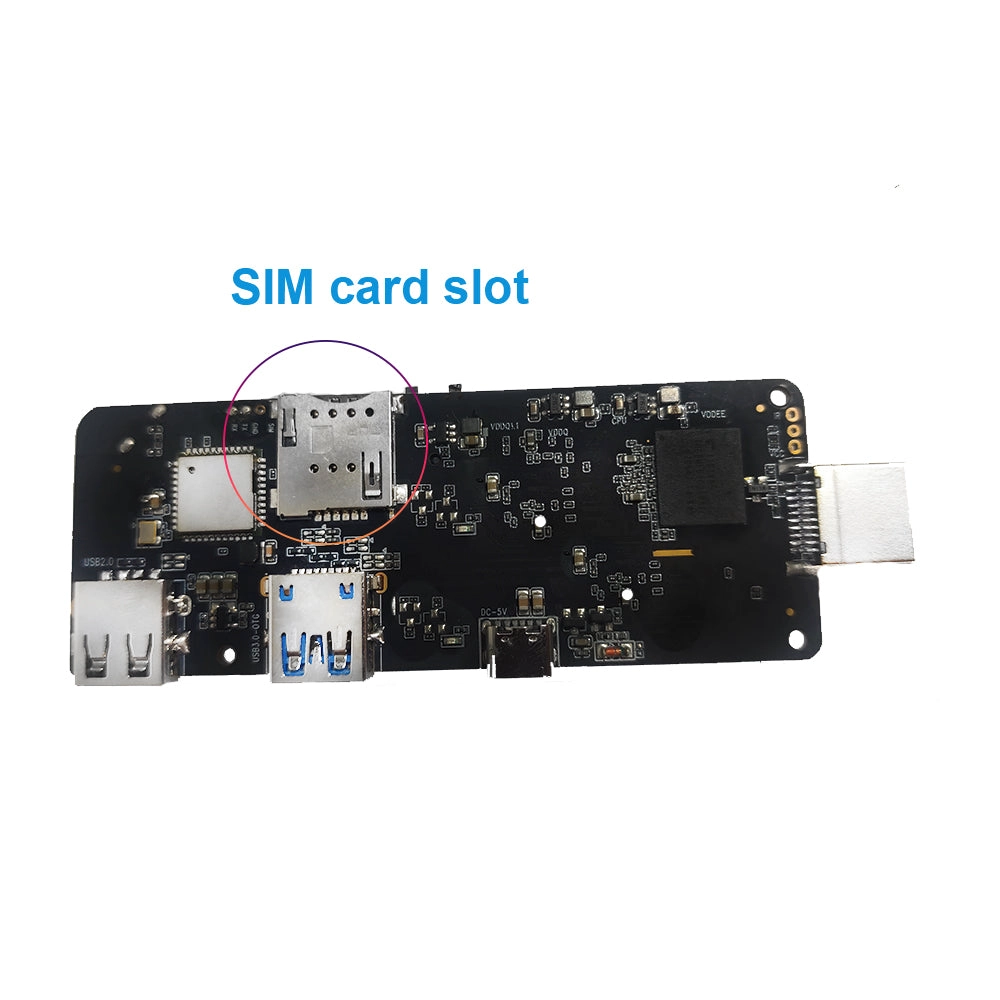
PCBA modification becomes necessary when the standard reference design does not match the deployment.
For example, an OEM customer may require additional USB ports, Gigabit Ethernet, a different wireless module, RS-232, custom GPIO, increased storage, a modified power circuit, or a different connector configuration.
These changes affect the PCBA layout, signal integrity, power distribution, EMI performance, thermal path, and enclosure design. They should be engineered together rather than treated as independent modifications.
2. Thermal Engineering for Continuous Operation
Consumer streaming devices are often designed around intermittent residential usage. Commercial equipment can operate continuously for extended periods.
This changes the thermal design requirement.
An OEM Streaming Media Player may need to support sustained 4K decoding, network traffic, local storage access, advertising playback, AI inference, or multiple applications while operating inside a confined installation space.
SZTomato can customize specialized cooling solutions based on the target workload, including heatsink dimensions, thermal interfaces, component placement, heat dissipation paths, and enclosure airflow.
The goal is not simply a lower surface temperature. The engineering target is stable SoC performance without unnecessary thermal throttling.
A practical validation program should measure:
-
SoC temperature under sustained load
-
CPU/GPU utilization
-
Video decoder utilization
-
Thermal throttling behavior
-
Power consumption
-
Ambient-temperature performance
-
Long-duration playback stability
Thermal validation is particularly important for hospitality, digital signage, transportation, industrial displays, and other installations where replacing a failed player requires a technician.
How to Build the Firmware Architecture
Hardware customization creates the platform. Firmware customization determines whether the platform actually fits the customer's ecosystem.
A standard consumer image is rarely sufficient for a large OEM deployment.
Android, AOSP, or Linux?
The operating system should be selected according to the application.
Android TV can be suitable when the project requires a TV-oriented user experience and compatible application ecosystem.
AOSP provides greater control over system behavior and is often more appropriate for branded commercial products that need customized launchers, system applications, Device Owner control, or controlled application environments.
Linux, Debian, or Ubuntu can be preferable for industrial applications, edge computing, digital signage, specialized middleware, or projects where Linux-level system control is a priority.
The important factor is not which operating system is fashionable. It is whether the BSP, kernel, drivers, middleware, applications, update mechanism, and hardware interfaces can be maintained as one product architecture.
Linux/Android Kernel Optimization
The kernel layer becomes important when the standard SDK/BSP does not provide the required behavior.
Depending on the project, engineering may involve:
-
Ethernet and Wi-Fi drivers
-
USB configuration
-
Display and HDMI behavior
-
Audio interfaces
-
GPIO
-
Serial communication
-
Power management
-
Thermal policies
-
Storage configuration
-
Boot optimization
-
System permissions
-
Hardware acceleration
Kernel optimization should be driven by measurable product requirements.
A device that boots quickly but loses network connectivity after extended operation is not optimized. A player that decodes 4K video but overheats after several hours is not optimized either.
The objective is predictable system behavior under the actual workload.
Custom UI/UX and Application Layer
The user interface is another major OEM differentiation point.
A customized launcher can replace the standard Android home screen with an operator-controlled environment containing:
-
Brand identity
-
Custom navigation
-
Service shortcuts
-
Recommended content
-
Advertising areas
-
Hospitality services
-
Digital signage controls
-
Restricted system access
For managed applications, Device Owner APIs and kiosk/lock-task mechanisms can restrict user access to approved applications and system functions.
This is particularly valuable for hotel TV systems, commercial displays, IPTV services, education deployments, and public-facing terminals.
SDK/API Integration: Connecting the Player to the Business System
A Streaming Media Player becomes substantially more valuable when it integrates with the customer's existing infrastructure.
The OEM/ODM supplier may need to expose or integrate APIs for:
-
IPTV middleware
-
OTT platforms
-
CMS platforms
-
Digital signage systems
-
Subscriber management
-
Advertising systems
-
Analytics platforms
-
Device provisioning
-
Remote monitoring
-
Content management
-
Enterprise authentication
This is where SDK/API integration becomes more important than the physical enclosure.
For example, a system integrator may need a player that automatically registers itself after deployment, retrieves configuration from a cloud platform, installs approved applications, downloads content, reports device health, and receives OTA updates without physical intervention.
That workflow must be considered during firmware architecture—not added as an afterthought.
OTA Update Systems and Long-Term Product Control
OEM buyers should evaluate the firmware lifecycle before signing a production agreement.
A product may ship with excellent hardware and still become expensive to operate if firmware updates require manual servicing.
A robust OTA architecture should address:
-
Firmware version management
-
Incremental or full-image updates
-
Device groups
-
Staged deployment
-
Automatic update policies
-
Update verification
-
Failed-update recovery
-
Rollback
-
Remote diagnostics
-
Application updates
-
Configuration management
For large deployments, staged OTA deployment is particularly important.
A sensible process is to release new firmware to a controlled test group first. After stability verification, the update can be expanded to larger device populations.
This reduces the risk of a single firmware defect affecting the entire installed base.
Security, DRM, and HDCP Must Be Designed Into the Platform
Streaming hardware increasingly operates within protected content ecosystems.
Depending on the service and content-provider requirements, the platform may need support for DRM frameworks, secure boot, encrypted communications, application authentication, HDCP-protected HDMI output, and hardware-backed security functions.
DRM and HDCP requirements should be defined before the SoC and firmware architecture are finalized.
This is an important OEM consideration because security capabilities are not always interchangeable between chipsets. A software modification cannot compensate for a hardware platform that lacks a required security feature.
For commercial deployments, the engineering team should therefore establish the content-protection requirements at the beginning of the project.
A Practical Streaming Media Player OEM/ODM Development Process
A controlled OEM program should follow a defined engineering sequence.
Phase 1: Requirements Definition
Document:
-
Target market
-
Application scenario
-
Video resolution
-
Required codecs
-
Display interfaces
-
Network interfaces
-
Operating system
-
RAM/storage
-
Application requirements
-
DRM requirements
-
OTA requirements
-
Environmental conditions
-
Target production volume
This document becomes the baseline for platform selection.
Phase 2: Platform and PCBA Selection
Select the SoC and reference architecture according to the workload.
Then determine which components can remain standard and which require modification.
This reduces unnecessary NRE and avoids redesigning stable parts of the platform without a business reason.
Phase 3: Firmware and SDK Development
Build the required BSP, kernel configuration, drivers, system services, applications, launcher, UI/UX, APIs, and OTA framework.
The firmware should be tested against the actual production hardware rather than only a development board.
Phase 4: EVT, DVT, and Production Validation
Engineering Validation Testing should identify hardware and firmware problems early.
Design Validation Testing should then verify the complete product under expected operating conditions.
Testing should include:
-
Long-duration video playback
-
Network interruption and recovery
-
HDMI hot-plug behavior
-
Wi-Fi stability
-
Ethernet throughput
-
OTA interruption recovery
-
Power-cycle testing
-
Thermal stress
-
Storage reliability
-
Application stability
-
Remote-management functions
Only after these areas are validated should the project move toward mass production.
Why OEM/ODM Engineering Capability Matters More Than the Box Specification
Two Streaming Media Players can use the same SoC and deliver completely different commercial results.
The difference often comes from the implementation.
PCB layout, memory selection, thermal design, power regulation, BSP quality, kernel configuration, driver stability, launcher architecture, application integration, OTA design, and manufacturing quality all affect the final product.
This is why procurement teams should evaluate an OEM/ODM supplier at the engineering level.
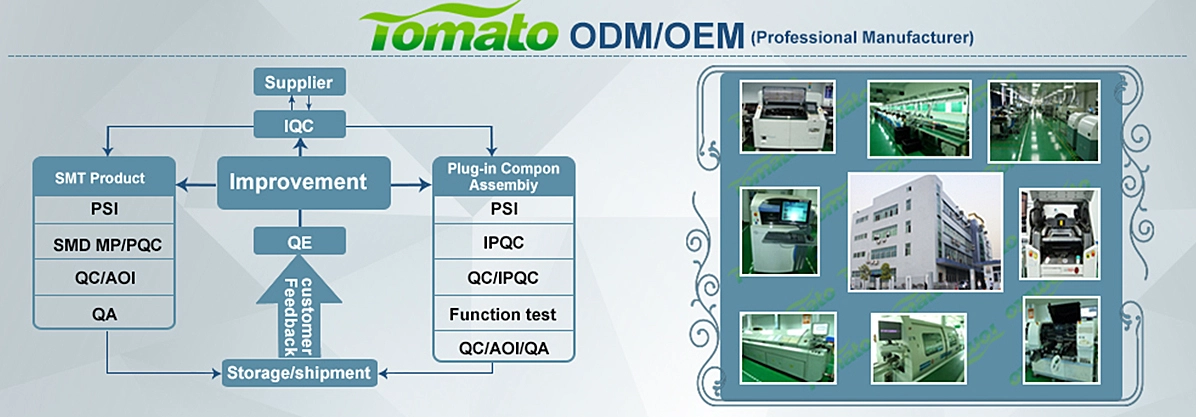
SZTomato's approach is based on controlling these layers rather than treating OEM as a cosmetic customization service. Its capabilities cover PCBA hardware modification, SoC platform development, custom firmware, Android/Linux optimization, SDK/API integration, custom UI/UX, OTA systems, and specialized thermal solutions.
This model is suited to projects where the customer needs a differentiated Streaming Media Player rather than another generic retail box.
The same architecture can be adapted for IPTV operators, OTT service providers, telecom projects, hospitality groups, digital signage companies, system integrators, and industrial applications.
OEM/ODM Checklist for B2B Procurement Managers
Before selecting a Streaming Media Player manufacturer, ask these questions:
Hardware
-
Can the PCBA be modified?
-
Can RAM and storage configurations be customized?
-
Can Ethernet, Wi-Fi, USB, RS-232, GPIO, or other interfaces be changed?
-
Does the manufacturer control the thermal design?
Firmware
-
Can Android/AOSP/Linux firmware be customized?
-
Can the Linux/Android kernel be modified?
-
Can the boot process and system services be changed?
-
Can a custom launcher and UI/UX be developed?
Integration
-
Can the supplier integrate SDKs and APIs?
-
Can Device Owner and kiosk functions be implemented?
-
Can middleware and CMS platforms be integrated?
-
Can remote-management systems be supported?
Security and Lifecycle
-
What DRM and HDCP requirements can the platform support?
-
Is OTA update infrastructure available?
-
Is rollback supported?
-
How are production firmware versions controlled?
-
Who maintains the BSP after mass production?
Manufacturing
-
Is there an engineering team behind the factory?
-
Can EVT/DVT testing be performed?
-
Can the supplier support NRE and tooling?
-
Can the same hardware and firmware configuration be maintained at scale?
These questions separate a genuine OEM/ODM program from a private-label purchase.
Conclusion: Select an Engineering Partner, Not Just a Hardware Supplier
A Streaming Media Player OEM/ODM project succeeds when hardware, firmware, software integration, thermal design, security, and manufacturing are engineered as one system.
The strongest platform is not necessarily the one with the highest CPU frequency or the largest number of advertised features. It is the platform that meets the required video workload, remains thermally stable, integrates with the customer's software stack, supports controlled OTA updates, protects content, and can be manufactured consistently at scale.
For B2B procurement managers and system integrators, the next step should be a technical requirements review covering SoC, PCBA, operating system, interfaces, firmware, UI/UX, SDK/API integration, DRM/HDCP, thermal conditions, OTA architecture, and production volume.
If the project requires more than a logo and a custom carton, choose an OEM/ODM manufacturer with the engineering capability to modify the platform at the hardware, kernel, firmware, and application levels.
SZTomato provides Streaming Media Player OEM/ODM development for businesses that need a configurable platform engineered around their own service, middleware, and deployment requirements.
