
Do I need a Google TV Box with a Smart TV?
Do I Need a Google TV Box with a Smart TV?
A modern Smart TV can already provide streaming apps, 4K playback, HDR, Wi-Fi connectivity, and voice control. Adding a Google TV Box therefore does not automatically improve the viewing experience. The real question is whether the external device provides capabilities that the television's integrated platform cannot deliver reliably.
This distinction matters because Google TV is a software experience running on compatible TV devices, while a Google TV Box is dedicated external hardware connected through HDMI. Google's current Google TV Streamer, for example, supports up to 4K HDR at 60 FPS, Dolby Vision, HDR10+, HLG, Dolby Atmos, 4GB memory, 32GB storage, Gigabit Ethernet, and Android TV OS.
For consumers, the decision depends on performance and features. For B2B buyers, operators, hospitality providers, and system integrators, the question expands to firmware control, hardware customization, application integration, OTA management, and lifecycle support.
When a Smart TV Is Already Enough
If your Smart TV has a current operating system, sufficient processing performance, reliable Wi-Fi or Ethernet, the required streaming applications, and the correct HDR/audio support, a separate Google TV Box may add little value.
A built-in Smart TV platform can already handle common use cases such as:
-
Netflix and other major streaming applications
-
YouTube
-
4K video playback
-
HDR content
-
Bluetooth accessories
-
Voice search
-
Screen casting
-
Smart-home integration
Google TV itself is designed to consolidate content and applications into a unified interface. Depending on the device and region, users can access apps, personalized recommendations, libraries, and live-content functions from the Google TV interface.
There is also no universal requirement for an external box to obtain Google TV functionality. Google supports both dedicated Google TV devices and televisions powered by Google TV.
A separate box may be unnecessary when:
-
The TV's Smart TV interface is responsive.
-
Required applications are available.
-
The TV receives adequate software updates.
-
The TV supports the required resolution and HDR formats.
-
Network performance is sufficient.
-
There is no requirement for additional storage or processing.
-
You do not need a different operating environment.
In this scenario, buying another streaming device primarily duplicates functionality.
When a Google TV Box Makes More Sense
The situation changes when the television's built-in platform becomes the limiting factor.
A Google TV Box separates the streaming platform from the television panel. This has an important engineering advantage: the display can remain unchanged while the computing platform is replaced or upgraded.
1. The Smart TV Platform Is Slow
Television manufacturers often prioritize panel quality, industrial design, power consumption, and cost. The processor and memory allocated to the Smart TV operating system may not be comparable to a dedicated streaming device.
Limited RAM can affect:
-
Application switching
-
Launcher responsiveness
-
Multitasking
-
Large application installations
-
System background services
-
Long-term UI performance
A dedicated Google TV Box can provide a more capable CPU/GPU platform, additional memory, faster storage, and a more controlled software environment.
Google's current Google TV Streamer, for example, provides 4GB RAM and 32GB storage, compared with the previous Chromecast with Google TV's 2GB RAM and 8GB storage. Google also states that the newer device uses a processor that is 22% faster than the previous Chromecast device.
The lesson for B2B buyers is straightforward: do not evaluate a Google TV Box only by the TV panel it connects to. Evaluate the computing platform independently.
2. The TV Does Not Support the Applications You Need
Application availability varies by operating system, manufacturer, model, country, and licensing arrangement.
An external Google TV platform can provide a different application environment without replacing the television.
This is particularly useful when a company operates mixed TV fleets from different manufacturers.
Instead of developing and maintaining different software solutions for every television platform, a standardized external device can create a common execution environment.
That approach can simplify:
-
Application deployment
-
UI consistency
-
Middleware integration
-
Device provisioning
-
Remote management
-
Firmware maintenance
-
Technical support
For commercial deployments, standardization can be more valuable than raw processing performance.
3. You Need Better Network Connectivity
Network architecture is often overlooked when comparing Smart TVs with external streaming hardware.
A television may depend primarily on Wi-Fi. A dedicated Google TV Box can provide Ethernet, allowing the device to connect directly to a wired network.
Google's current Google TV Streamer includes a 10/100/1000 Mbps Ethernet interface in addition to dual-band 802.11ac Wi-Fi.
For hospitality, IPTV, corporate, education, and managed entertainment environments, wired Ethernet can provide more predictable network performance than relying on the TV's internal wireless chipset.
This becomes particularly relevant when many devices operate within the same network.
Google TV Box vs Smart TV: A Practical Decision Framework
The decision should be based on the actual technical requirement rather than the assumption that external hardware is always better.
| Requirement | Smart TV Only | Add Google TV Box |
|---|---|---|
| Basic streaming | Usually sufficient | Usually unnecessary |
| Modern 4K TV platform | Often sufficient | Optional |
| Slow Smart TV interface | Limited by TV hardware | Strong candidate |
| More RAM/storage | Limited by TV | Strong candidate |
| Standardized platform across TV brands | Difficult | Strong candidate |
| Wired Ethernet | Model dependent | Useful |
| Different application environment | Limited | Strong candidate |
| Custom launcher | Manufacturer dependent | More controllable |
| Enterprise middleware | Model/platform dependent | Better suited |
| Remote fleet management | Often limited | Better suited |
| Custom firmware | Usually restricted | OEM/ODM option |
| Long-term hardware lifecycle | Tied to TV | Platform can be replaced independently |
The most important distinction is control.
A consumer deciding whether to buy a Google TV Box may care primarily about application access and responsiveness. An operator or system integrator must also consider device provisioning, software updates, fleet management, application security, and product lifecycle.
Why Google TV Boxes Are Valuable for Commercial Deployments
The external-device model becomes particularly attractive in hospitality, IPTV, OTT, digital signage, education, and commercial entertainment.
Consider a hotel with hundreds or thousands of televisions.
If every television uses its manufacturer's native Smart TV platform, the software team may need to support different operating systems, chipsets, UI structures, application versions, and update schedules.
A standardized Google TV Box can create a common hardware and software layer.
The television becomes primarily a display endpoint.
The external box becomes the managed computing platform.
This architecture can simplify system integration and allow the service provider to control the software environment more consistently.
Google TV also supports features beyond basic video playback. For example, compatible Google TV devices can integrate with Google Home and control supported smart-home devices through the TV interface.
However, B2B buyers should distinguish between Google-certified consumer functionality and custom OEM/ODM functionality. A commercial deployment may require capabilities that are not available through a standard retail device.
What to Look for in an OEM Google TV Box
For a commercial project, processor specifications are only one part of the selection process.
Hardware and PCBA
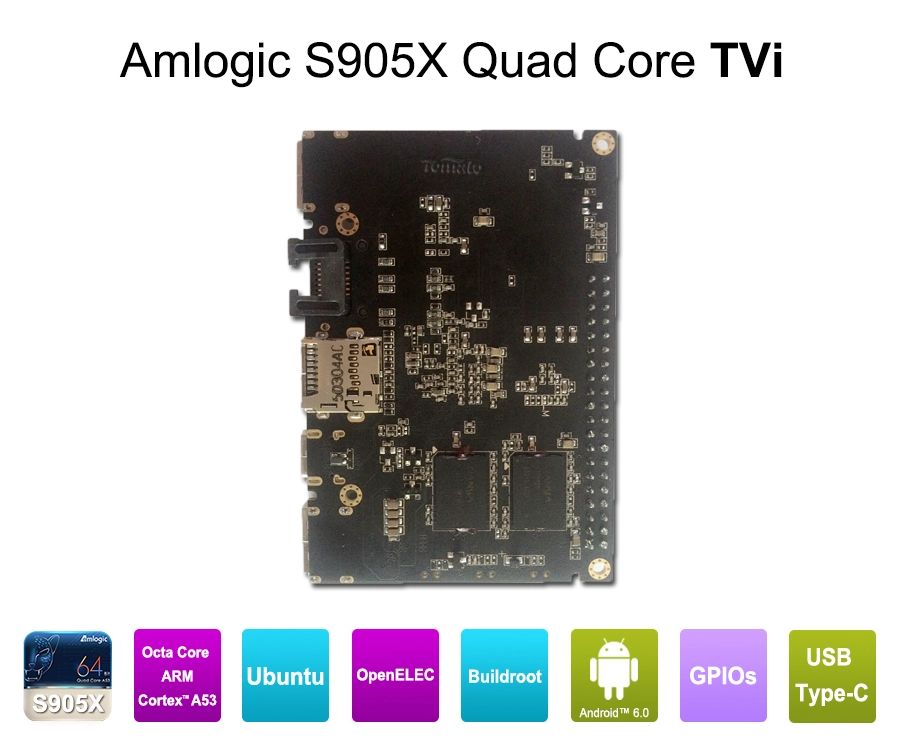
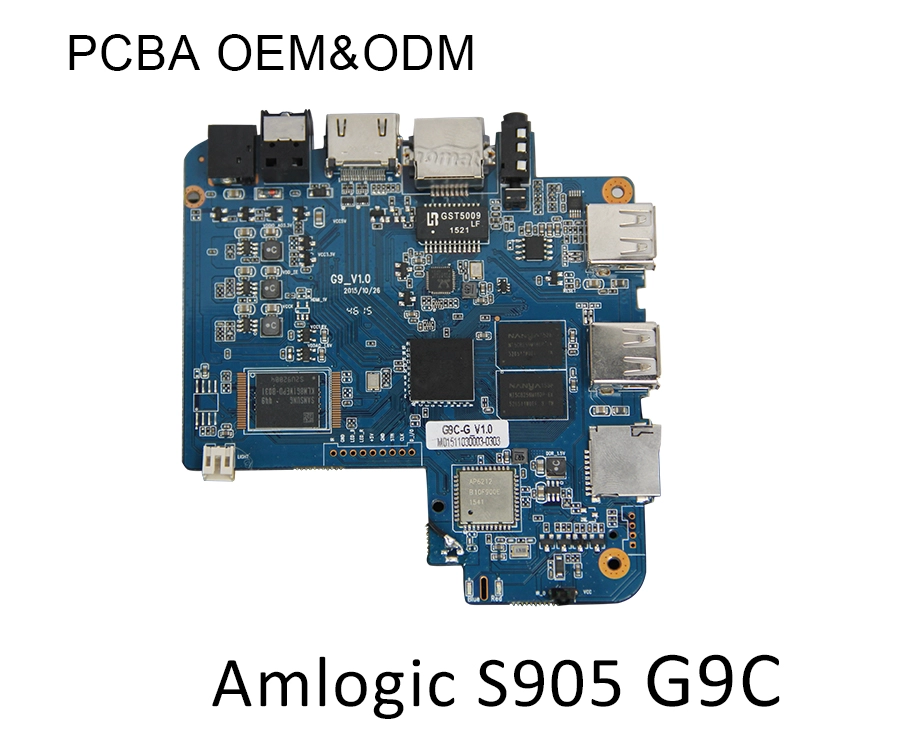
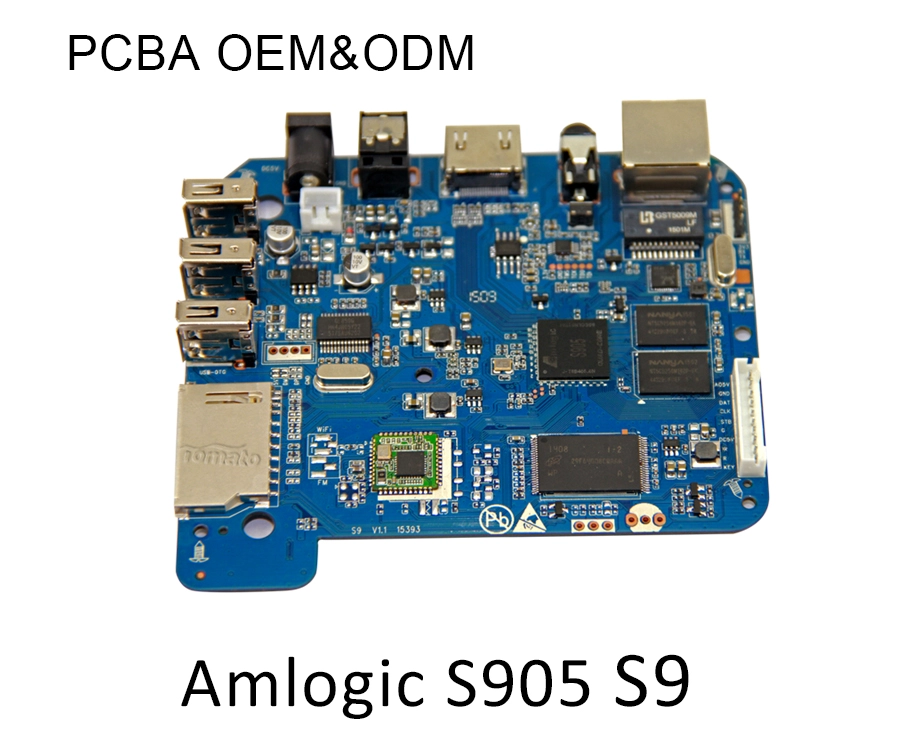
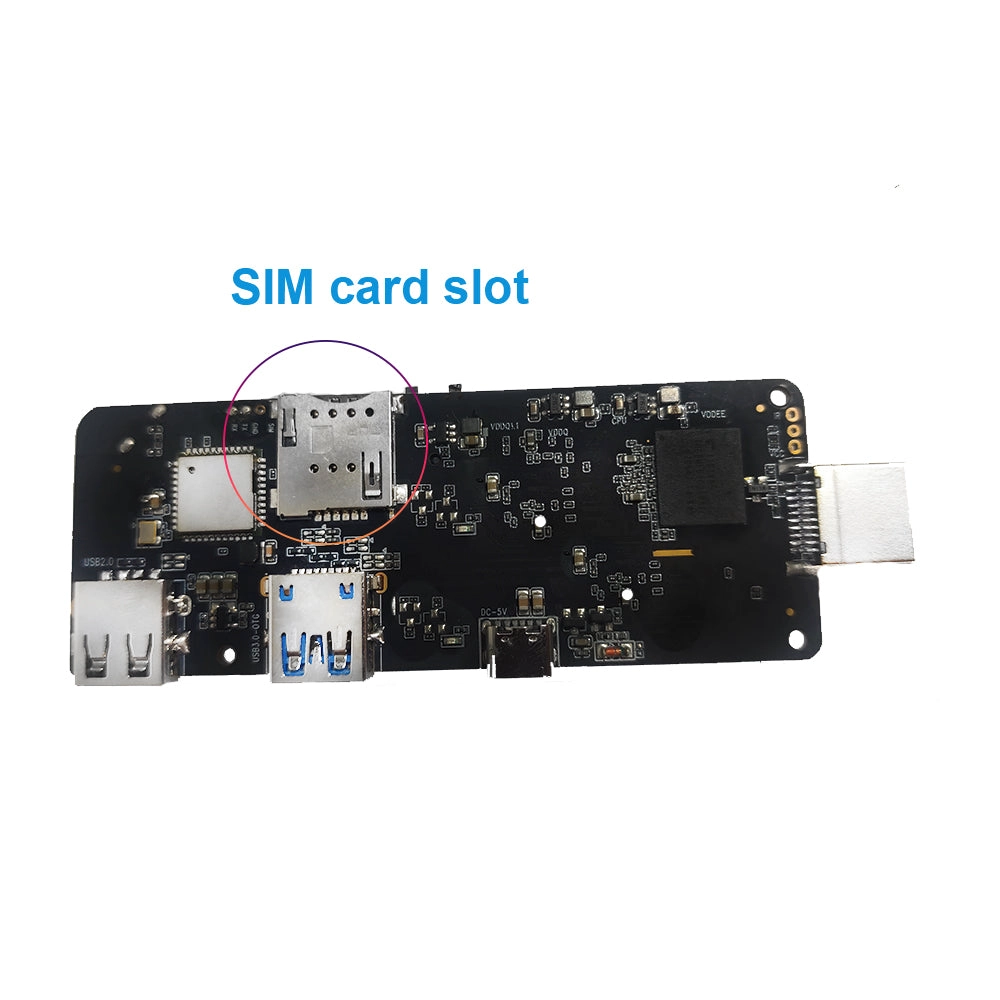
The OEM/ODM manufacturer should be capable of modifying the PCBA when the project requires different interfaces, memory, storage, networking components, power architecture, or enclosure dimensions.
Important evaluation points include:
-
SoC generation
-
CPU/GPU architecture
-
Video decoder
-
AV1/HEVC/VP9 support
-
RAM capacity
-
eMMC/storage configuration
-
Wi-Fi generation
-
Bluetooth
-
Ethernet
-
HDMI interface
-
USB configuration
-
Power management
-
Thermal design
PCBA layout should also account for signal integrity, EMI, power distribution, and thermal paths.
Firmware and Operating System
A commercial Google TV Box may require more than a standard factory image.
OEM engineering can involve:
-
AOSP or Android TV firmware
-
Linux/Android kernel optimization
-
Custom boot animation
-
Custom launcher
-
Custom UI/UX
-
System application integration
-
Device Owner configuration
-
Kiosk/lock-task functionality
-
Silent APK installation
-
OTA update systems
-
Remote diagnostics
This is where the difference between a box assembler and an engineering-focused OEM becomes significant.
SDK/API Integration
A B2B Google TV Box may need to communicate with:
-
IPTV middleware
-
OTT platforms
-
Hotel management systems
-
Digital signage CMS
-
Advertising platforms
-
Cloud device-management systems
-
Subscriber-management platforms
-
Enterprise authentication systems
SDK/API integration should be designed around the customer's existing architecture rather than forcing the customer to rebuild its platform around a generic device.
Thermal Design Still Matters
A Google TV Box that performs well for a 30-minute consumer session may face a very different workload in a commercial installation.
A hotel room, digital signage installation, or IPTV deployment may keep the device powered for long periods.
Continuous video decoding, network traffic, application processing, storage activity, and background services increase sustained thermal load.
SZTomato can customize specialized cooling solutions through heatsink selection, thermal interface materials, PCB component placement, enclosure airflow, and thermal-path optimization.
The objective is stable performance under continuous load rather than simply achieving a high benchmark score.
For industrial and commercial applications, thermal validation should include long-duration playback and elevated ambient-temperature testing.
When You Should Not Buy a Google TV Box
There are also situations where adding a box is unnecessary.
Do not add external hardware simply because the TV already has an acceptable streaming platform.
A separate device may create:
-
Another remote control
-
Another power adapter
-
Additional cabling
-
Additional network configuration
-
Another firmware lifecycle
-
Additional points of failure
-
Extra cost
If the Smart TV already meets the application's requirements, the external box may provide little measurable benefit.
The correct strategy is to identify the limitation first.
If the limitation is processing performance, application availability, storage, connectivity, platform standardization, or software control, then an external Google TV Box becomes easier to justify.
The B2B Perspective: A Google TV Box Is More Than a Streaming Accessory
For commercial buyers, the more important question is not simply:
“Do I need a Google TV Box with my Smart TV?”
It is:
“Do I need an independent, controllable computing platform between my service and the television?”
If the answer is yes, an external Google TV Box can provide significant architectural advantages.
The device can become the standardized endpoint for the service while the television functions primarily as the display.
This model is especially relevant when deploying mixed TV brands, replacing aging Smart TV platforms, integrating proprietary applications, or building a managed IPTV/OTT environment.
Conclusion
For a modern home user with a capable Smart TV, a Google TV Box is often optional. If the built-in platform already provides the required applications, performance, network connectivity, HDR support, and software experience, there may be little reason to add another device.
For users with slow or outdated Smart TVs, unsupported applications, limited storage, weak networking, or a need for a standardized platform, a Google TV Box can be a practical upgrade.
For B2B operators and system integrators, the decision is more strategic. An external device can create an independent hardware and software layer that is easier to standardize, customize, manage, and replace.
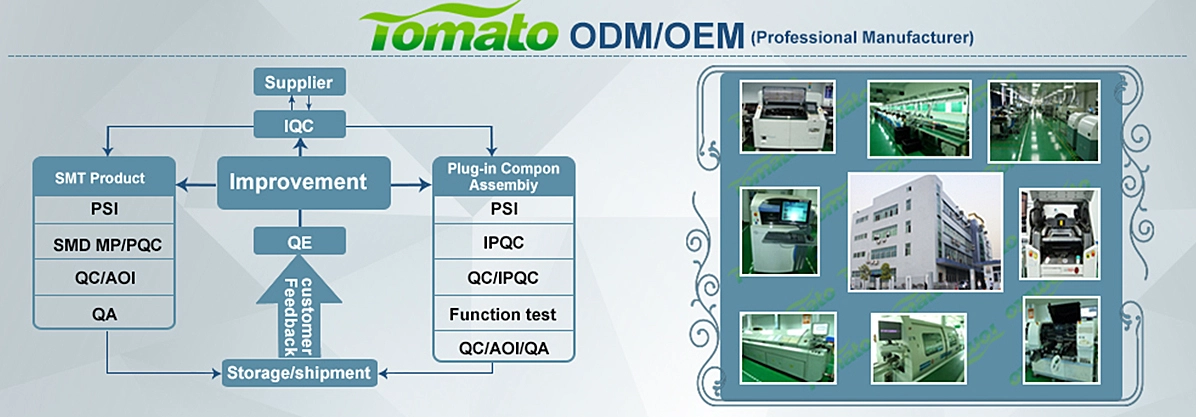
SZTomato approaches Google TV Box development from the OEM/ODM engineering side, supporting PCBA hardware modification, firmware customization, SDK/API integration, custom UI/UX, Android/Linux optimization, OTA systems, and specialized thermal solutions.
If your project requires a Google TV Box that must fit a specific IPTV, OTT, hospitality, digital signage, or enterprise deployment, evaluate the complete platform—not just the retail specification sheet.
For procurement managers and system integrators, the best next step is to define the required SoC, memory, connectivity, operating environment, firmware functions, application integrations, OTA architecture, thermal conditions, and production volume before selecting the final Google TV Box platform.
