
What is the spec of Streaming Media Player?
What Is the Spec of a Streaming Media Player? A B2B Technical Guide
The specification of a Streaming Media Player is no longer defined by processor speed and maximum video resolution alone. With AV1 adoption expanding, 4K becoming standard for commercial deployments, and edge AI moving into media hardware, buyers need to evaluate the complete platform: SoC, decoder and encoder capabilities, memory architecture, connectivity, operating system, DRM, firmware, thermal design, and long-term device management.
For OEM buyers and system integrators, the more important question is not simply “How powerful is this Streaming Media Player?” It is whether the hardware and firmware architecture can support the required workload, software stack, deployment environment, and lifecycle.
What Specifications Matter Most in a Streaming Media Player?
A professional Streaming Media Player should be evaluated as an integrated computing platform rather than a basic video playback device.
1. SoC and CPU Architecture
The SoC determines much of the device's real-world capability. Current platforms commonly use ARM-based multi-core processors, with higher-end designs combining performance and efficiency cores.
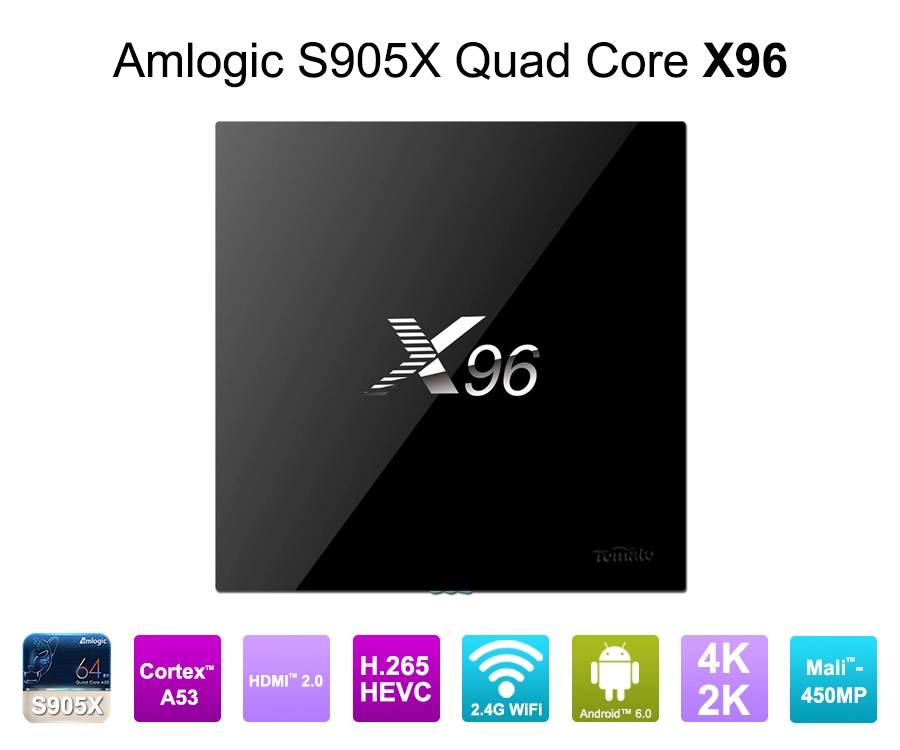
For commercial 4K applications, an octa-core ARM processor can provide sufficient headroom for simultaneous video playback, application execution, network communication, browser workloads, and background device management.
The key specifications include:
-
CPU architecture and core configuration
-
Manufacturing process
-
Maximum operating frequency
-
GPU architecture
-
Dedicated video decoding hardware
-
Video encoding capability
-
AI/NPU acceleration where required
-
Memory and storage interface
-
Hardware security capabilities
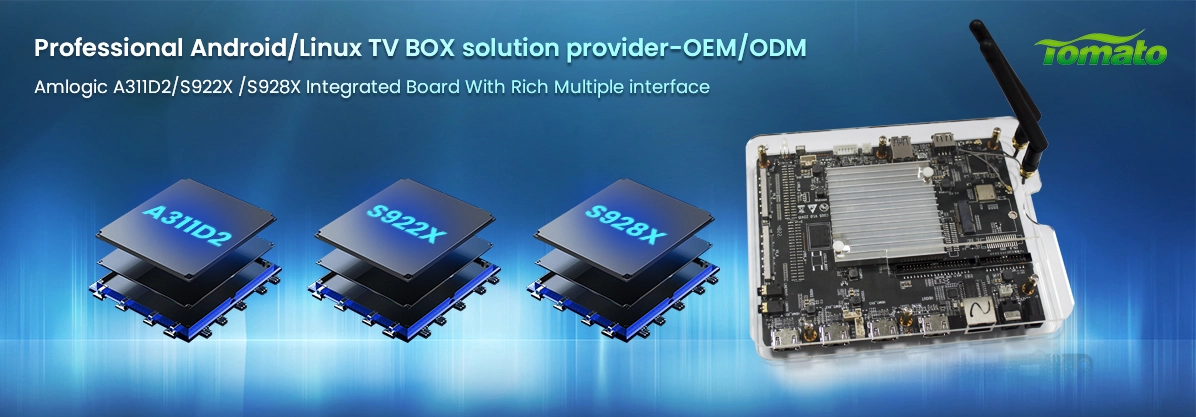
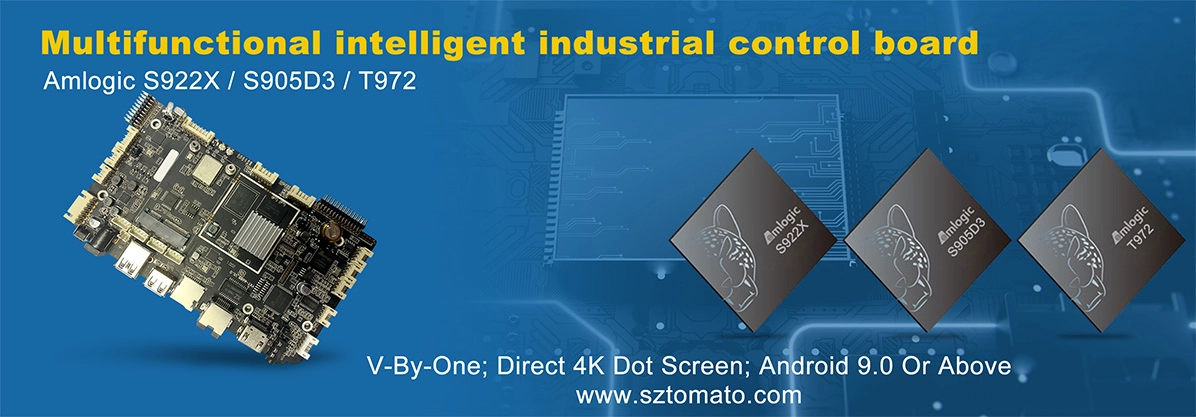
For example, platforms based on Amlogic, Rockchip, and Allwinner SoCs can be configured for different combinations of Android, Linux, multimedia decoding, AI processing, and industrial applications.
For B2B projects, selecting the SoC according to workload is more important than choosing the highest benchmark score. A hotel IPTV terminal, digital signage player, AI vision terminal, and consumer OTT box have very different processor requirements.
2. Video Decoder and Codec Support
Video decoding is one of the most important specifications of a Streaming Media Player.
A serious specification sheet should identify supported codecs, resolution, frame rate, bit depth, and hardware acceleration instead of simply stating “4K support.”
Typical codec requirements include:
-
H.264/AVC
-
H.265/HEVC
-
VP9
-
AV1
-
MPEG-2
-
MPEG-4
-
AVS/AVS2 on selected platforms
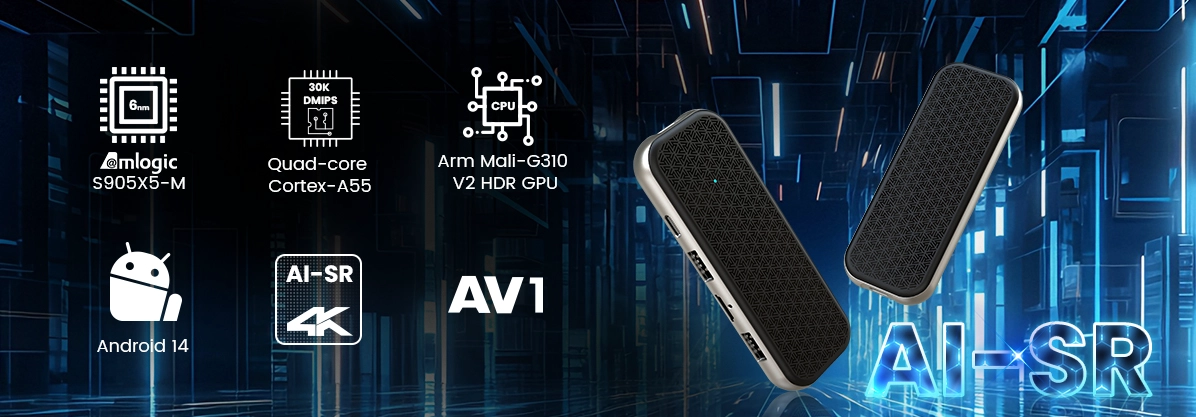
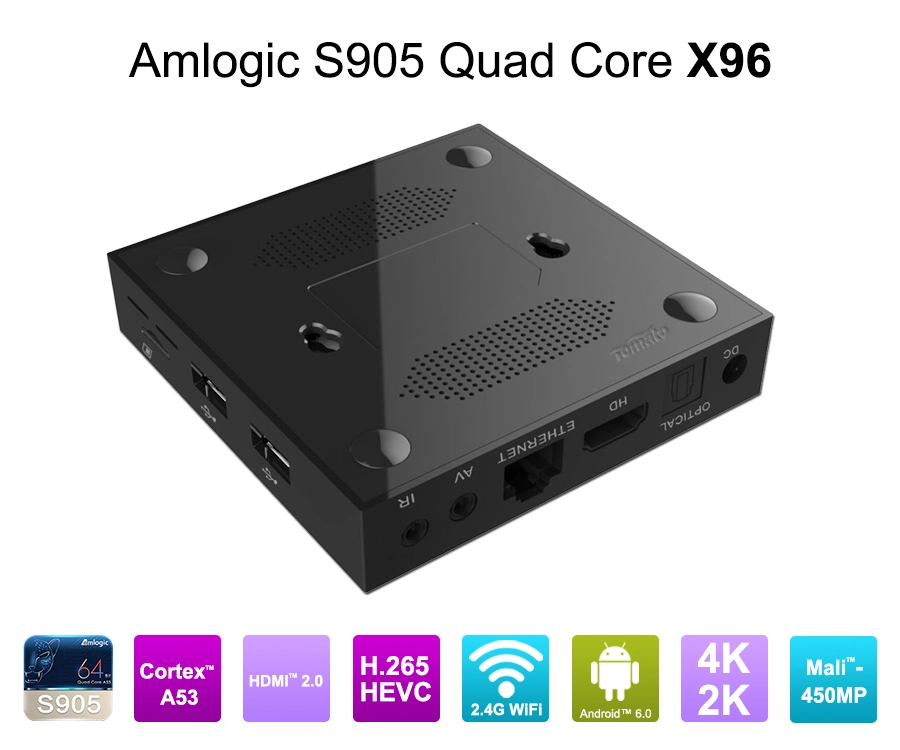
AV1 is particularly important for new product development because it can reduce bitrate requirements while maintaining competitive visual quality. However, AV1 support must be verified at the hardware decoder level. Software decoding on an insufficient CPU is not equivalent to dedicated hardware acceleration.
A useful specification should therefore state something similar to:
AV1 hardware decoding: up to 4K@60Hz
rather than simply listing “AV1 supported.”
For 4K commercial systems, buyers should also verify HDR formats, 10-bit decoding, color depth, chroma subsampling, HDMI output capability, and compatibility with the intended display.
3. RAM and Storage
Memory configuration directly affects application stability and multitasking performance.
Typical configurations include:
-
2GB RAM for basic playback terminals
-
4GB RAM for more demanding Android applications
-
8GB or higher for AI, browser, multitasking, or edge-computing workloads
Storage commonly ranges from 16GB to 128GB or more depending on the application.
The correct configuration depends on the firmware image, application package size, cache requirements, local media storage, database requirements, and OTA update strategy.
For example, a controlled IPTV terminal with a lightweight custom launcher may operate efficiently with a relatively modest memory configuration. A digital signage platform running Chromium-based applications, local caching, remote management software, and multiple services may require substantially more.
How Should You Evaluate Connectivity and I/O?
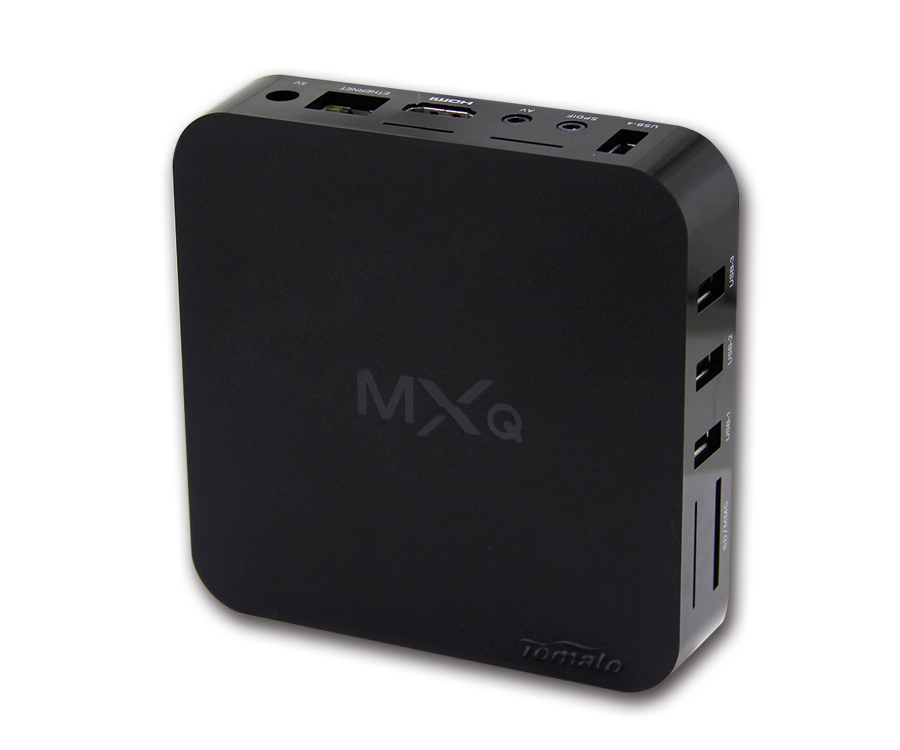
A Streaming Media Player is often deployed as part of a larger networked system. Connectivity therefore has a direct impact on system integration.
Network Interfaces
Common connectivity options include:
-
Gigabit Ethernet
-
100M Ethernet for entry-level applications
-
Wi-Fi 5
-
Wi-Fi 6
-
Bluetooth
-
USB
-
HDMI
-
AV output on selected designs
-
TF/microSD
-
GPIO or serial interfaces for specialized applications
For IPTV, hospitality, and enterprise deployments, Ethernet can be preferable because it provides predictable network performance and easier centralized infrastructure management.
Wi-Fi is more flexible for consumer and smart-home applications, but the antenna layout, RF design, enclosure material, and firmware configuration all affect actual performance.
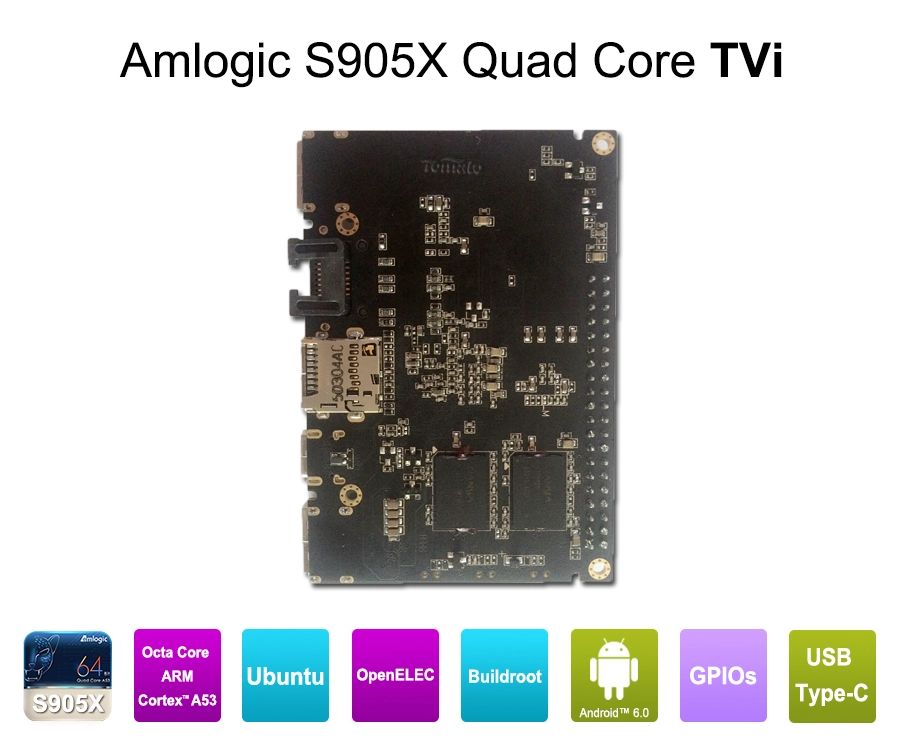
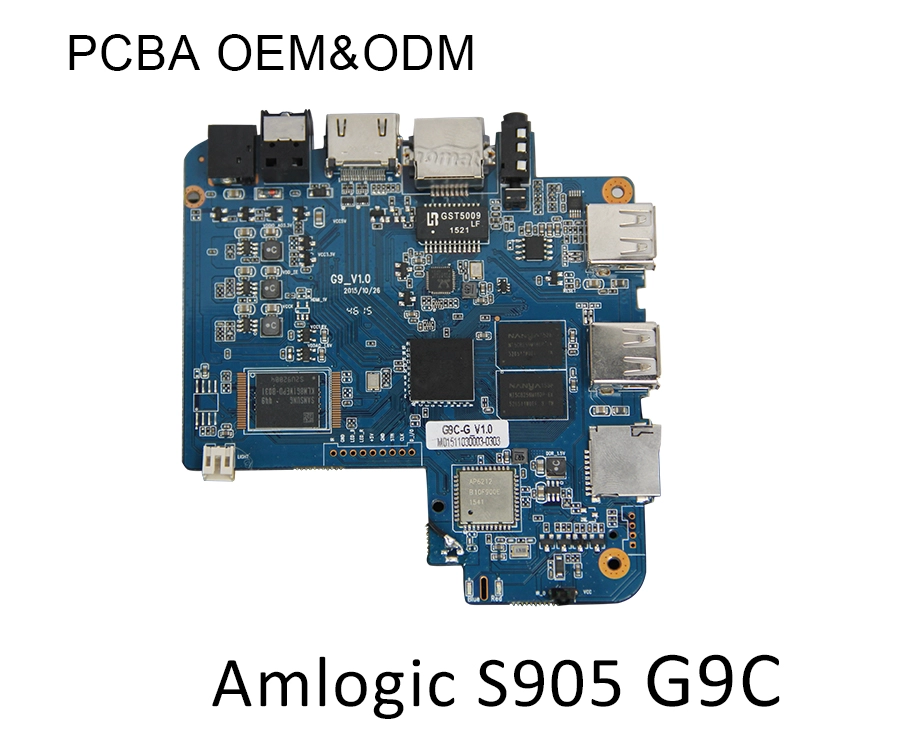
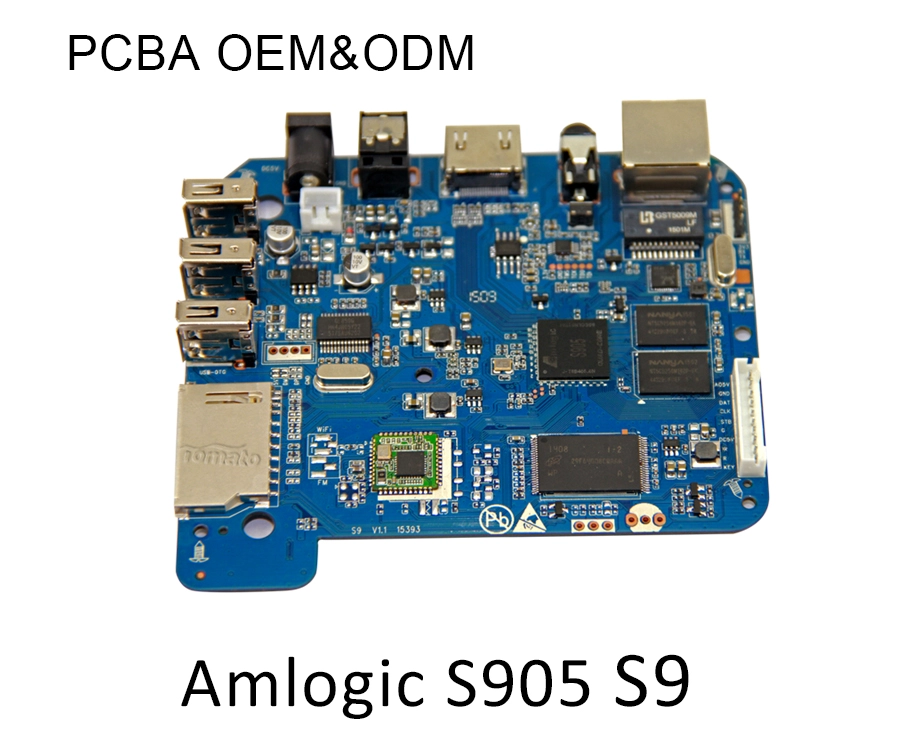
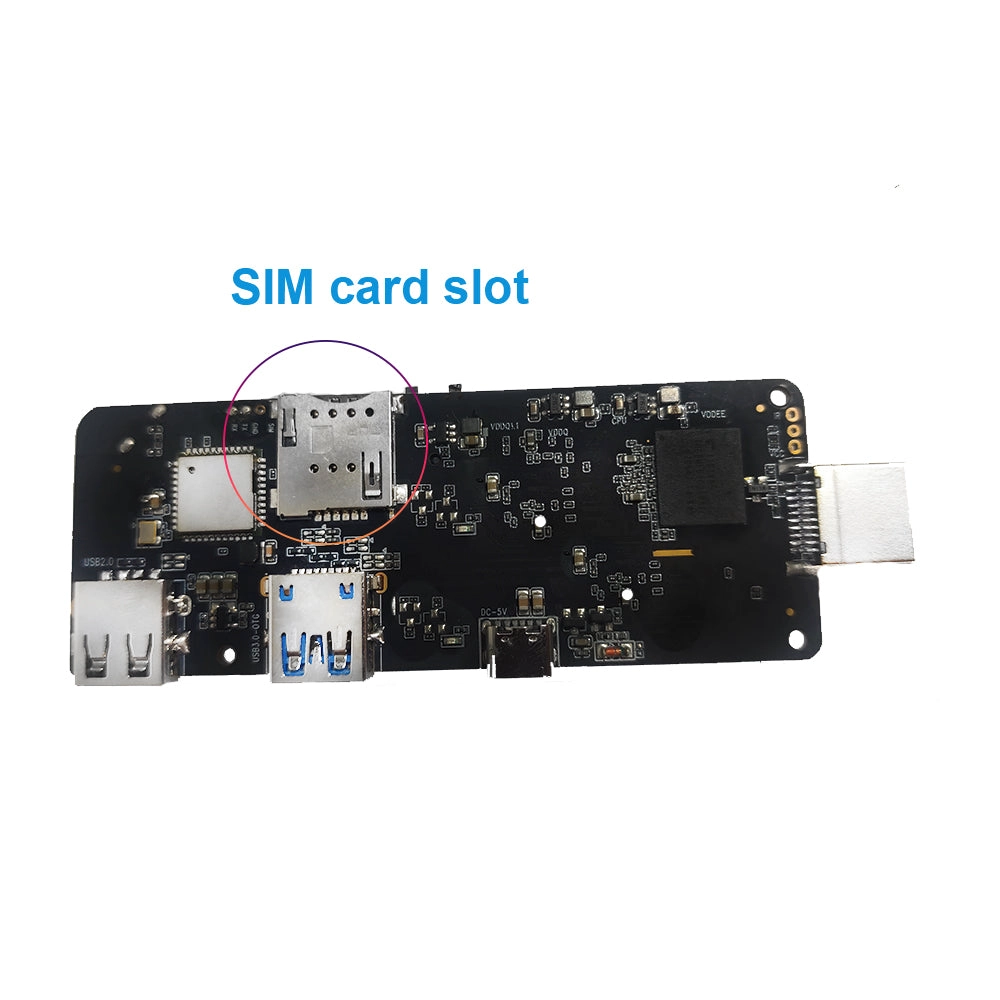
This is where PCBA engineering becomes important. Two Streaming Media Players using the same SoC can have significantly different network performance because of differences in PCB stack-up, antenna placement, power design, RF routing, memory layout, and thermal architecture.
HDMI and Display Output
HDMI output specifications should be evaluated according to the complete signal chain.
Important parameters include:
-
HDMI version
-
Maximum resolution
-
Maximum refresh rate
-
HDR capability
-
HDCP support
-
CEC support
-
Multi-display requirements
For commercial signage and hospitality applications, HDCP compatibility can also affect content protection and interoperability with displays and content platforms.
A player advertised as “4K” should not automatically be considered a complete 4K commercial solution. The buyer should confirm whether the platform supports the required codec, frame rate, HDR mode, HDMI output, DRM, and display configuration simultaneously.
Why Firmware Is as Important as Hardware
Hardware specifications tell only part of the story.
A Streaming Media Player used in a commercial environment may need a customized Android or Linux software stack, application integration, remote management, automatic updates, security policies, and controlled user access.
Android and Linux Platform Options
Depending on the project, a manufacturer may provide:
-
Android TV
-
Android Open Source Project (AOSP)
-
Customized Android
-
Debian
-
Ubuntu
-
Armbian
-
Embedded Linux
AOSP provides greater control over the production image and system behavior than a standard retail firmware package.
For enterprise deployments, manufacturers can customize:
-
Boot animation
-
System launcher
-
UI/UX
-
Default applications
-
System settings
-
Device permissions
-
Kiosk mode
-
Device Owner configuration
-
OTA update mechanisms
-
Application auto-start
-
Silent APK installation
-
Remote diagnostics
-
Network configuration
-
Hardware key behavior
Linux-based Streaming Media Players can be particularly useful when customers need lightweight systems, customized middleware, industrial applications, or open-source development environments.
OTA and Remote Device Management
For a deployment involving hundreds or thousands of devices, firmware maintenance becomes a major operational issue.
A professional OTA system should support controlled firmware distribution, version management, rollback mechanisms, and staged deployment where appropriate.
Enterprise projects may also require TR-069 or another remote management architecture for device monitoring and configuration.
This changes the procurement decision. The buyer is not purchasing a box; the buyer is deploying a fleet of managed computing devices.
How Do Thermal and Hardware Design Affect Streaming Media Player Reliability?
Thermal engineering is frequently underestimated during product selection.
A Streaming Media Player running 4K decoding, AI inference, browser applications, or continuous digital signage workloads generates considerably more heat than a device used for occasional home streaming.
The hardware design should therefore consider:
-
SoC thermal characteristics
-
Heatsink dimensions
-
Thermal interface materials
-
Enclosure ventilation
-
PCB component placement
-
Power-management efficiency
-
Ambient operating temperature
-
Continuous-load stability
Passive cooling may be adequate for low-power OTT devices. Industrial installations may require a larger heatsink, optimized airflow, or other specialized cooling solutions.
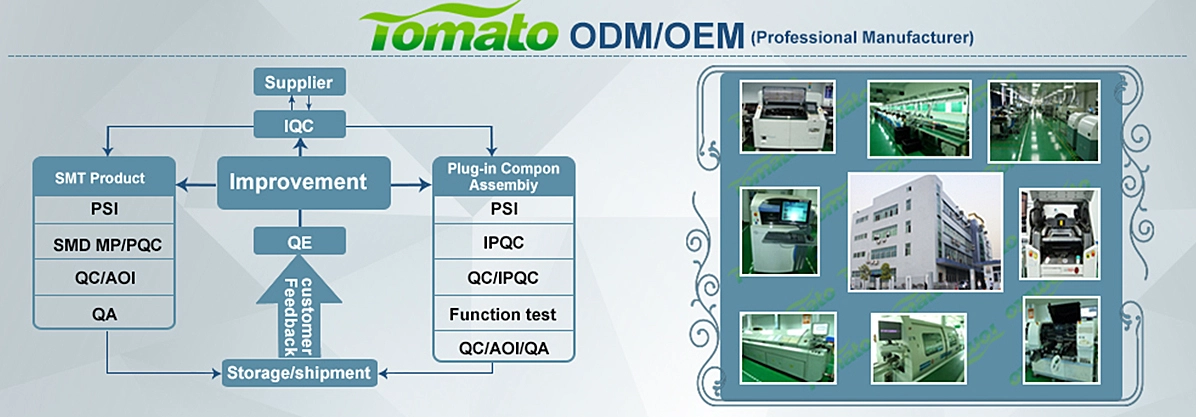
SZTomato approaches this at the PCBA and enclosure level rather than treating cooling as an afterthought. PCBA layout can be modified to improve component placement, power distribution, signal integrity, and thermal behavior. For high-load applications, the mechanical structure and cooling solution can also be customized around the target operating environment.
Streaming Media Player Specifications for Different B2B Applications
There is no universal “best” Streaming Media Player specification.
| Application | Typical Priority |
|---|---|
| OTT Streaming | 4K decoding, DRM, Wi-Fi, HDMI, Android TV |
| IPTV | Ethernet, middleware integration, OTA, remote management |
| Hotel TV | Custom UI, casting, centralized management, security |
| Digital Signage | 4K playback, 24/7 stability, remote management, thermal design |
| AI Edge Device | NPU, RAM, camera interfaces, Linux/Android support |
| Industrial Media Player | Extended temperature, cooling, customized I/O, long-term firmware |
| Smart Home | Wi-Fi, Bluetooth, voice/app integration, compact design |
This is why B2B buyers should start with the application architecture rather than a generic product catalog.
When Standard Hardware Is Not Enough
Many projects reach a point where an off-the-shelf Streaming Media Player creates more constraints than advantages.
Typical customization requirements include:
PCBA hardware modification: Adjust RAM, storage, networking, USB, HDMI, GPIO, power architecture, or other interfaces around the customer's system requirements.
SDK/API integration: Integrate IPTV middleware, CMS platforms, device-management systems, cloud services, AI frameworks, or proprietary applications.
Custom UI/UX firmware: Build branded launchers, controlled menus, kiosk interfaces, hospitality portals, or signage interfaces.
Kernel optimization: Optimize Android or Linux kernel configuration, drivers, boot performance, peripheral support, and power management.
OTA infrastructure: Establish controlled firmware update mechanisms for deployed device fleets.
Thermal engineering: Design heatsinks, enclosure airflow, and thermal interfaces for continuous industrial workloads.
This is where an experienced OEM/ODM manufacturer has a structural advantage over a retail-focused supplier.
SZTomato supports hardware and firmware customization across Android and Linux-based platforms, allowing a Streaming Media Player to be developed around the customer's deployment architecture rather than forcing the project into a fixed consumer specification.
What Should Procurement Managers Ask Before Ordering?
Before selecting a Streaming Media Player supplier, procurement teams should request more than a product datasheet.
Ask for:
-
Exact SoC model and CPU/GPU architecture
-
Hardware codec capabilities and maximum decoding parameters
-
RAM and eMMC/storage options
-
HDMI and HDCP specifications
-
Wi-Fi and Ethernet chipset information
-
Android/Linux version and SDK availability
-
Kernel and driver customization capability
-
OTA update architecture
-
Remote device-management support
-
API/SDK integration options
-
PCBA modification capability
-
Thermal design for continuous operation
-
Production testing and firmware flashing process
-
OEM branding and enclosure customization
-
Long-term firmware maintenance policy
The supplier's engineering response to these questions is often more valuable than the lowest unit price.
Conclusion: Specify the Platform, Not Just the Box
The specification of a Streaming Media Player should be treated as a combination of compute performance, video capability, connectivity, operating system, firmware architecture, security, thermal design, and lifecycle management.
For simple home streaming, a standard 4K Android player may be sufficient. For IPTV, hotel TV, digital signage, industrial media, or AI edge applications, the specification needs to be designed around the deployment requirements.
For B2B procurement managers and system integrators, the better question is not “Which Streaming Media Player has the highest specifications?” It is:
Which platform can be engineered, deployed, managed, and maintained for the entire project lifecycle?
SZTomato provides OEM/ODM development covering PCBA modification, SoC platform selection, Android/Linux firmware, SDK/API integration, custom UI/UX, OTA systems, and specialized thermal solutions. For projects requiring a Streaming Media Player beyond standard retail hardware, the engineering architecture should be defined before the purchase order—not after production begins.
