
TV Box OEM/ODM Solutions
TV Box OEM/ODM Solutions: Engineering High-Availability Edge Hardware for Enterprise Networks
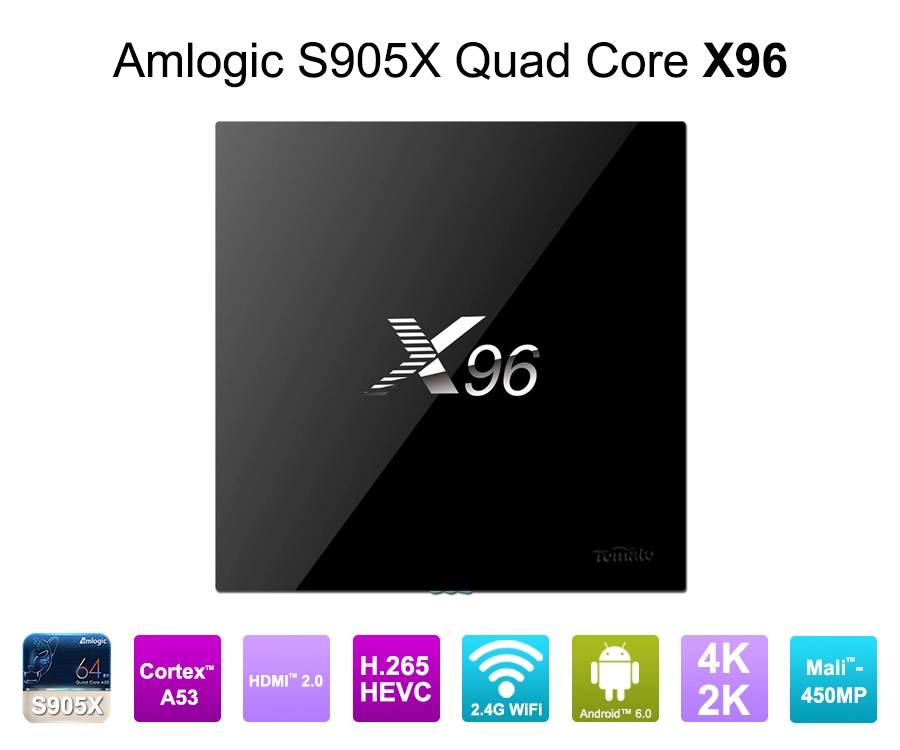
The commercial viability of large-scale IPTV, hospitality, and digital signage deployments is fundamentally determined by hardware and firmware architecture. When an enterprise deploys thousands of terminal nodes across decentralized locations, using stock retail media players introduces unmanageable technical liabilities. Consumer-grade devices lack the necessary thermal tolerances for continuous 24/7 operation, fail to offer granular control over root access, and rely on external, unmanaged software updates that can break proprietary application layers.
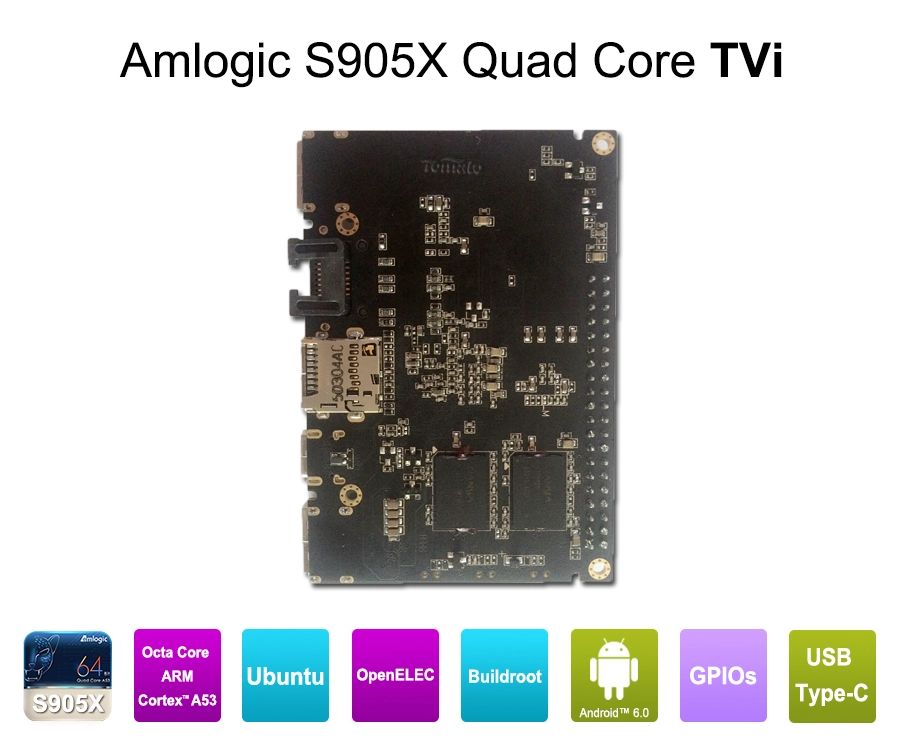
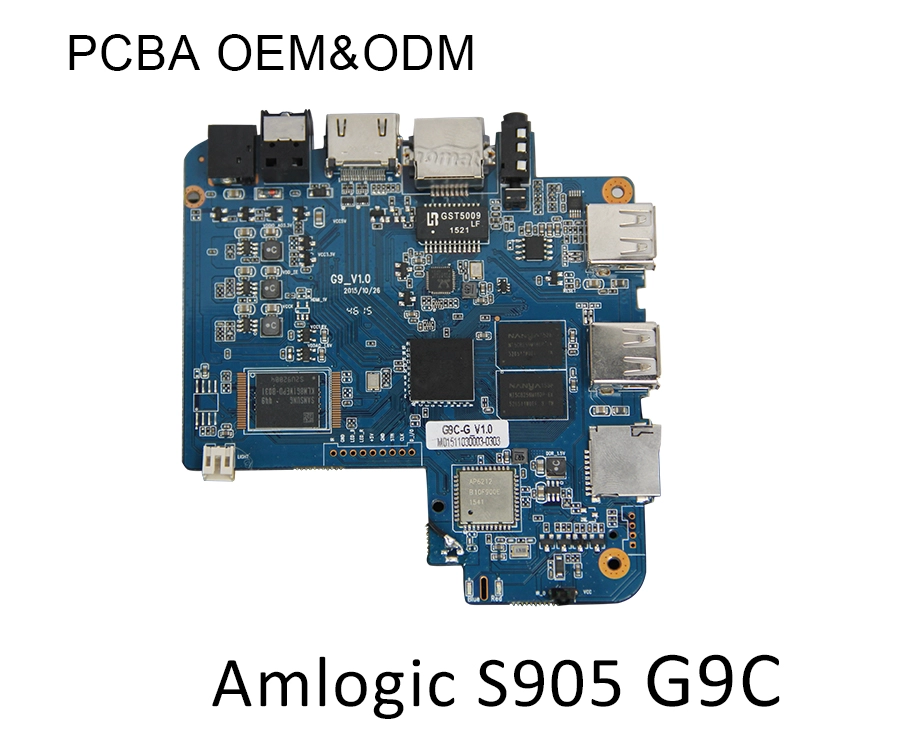
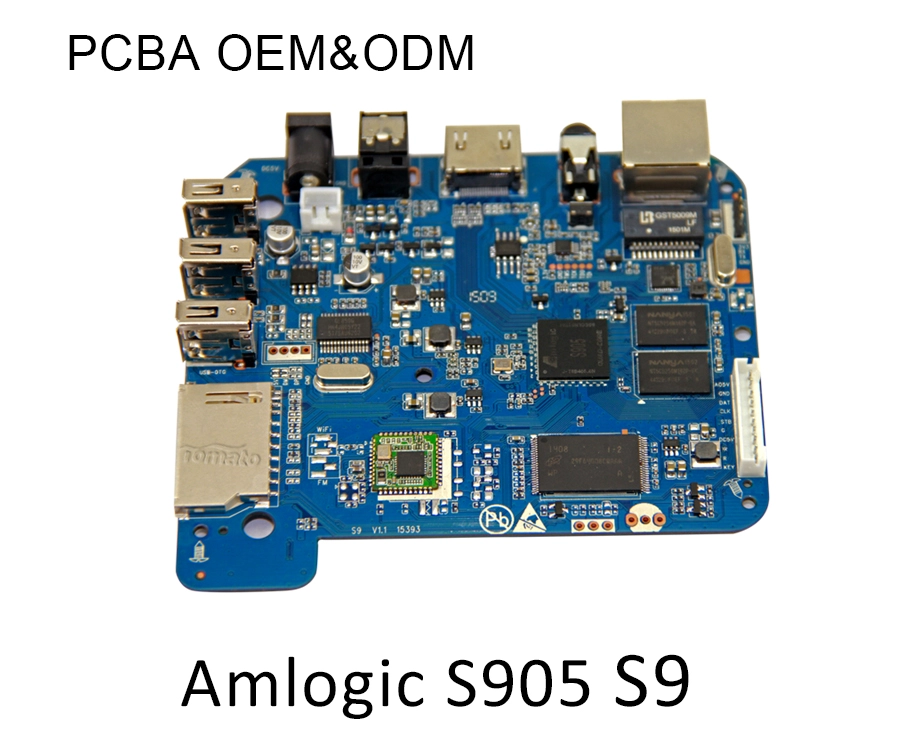
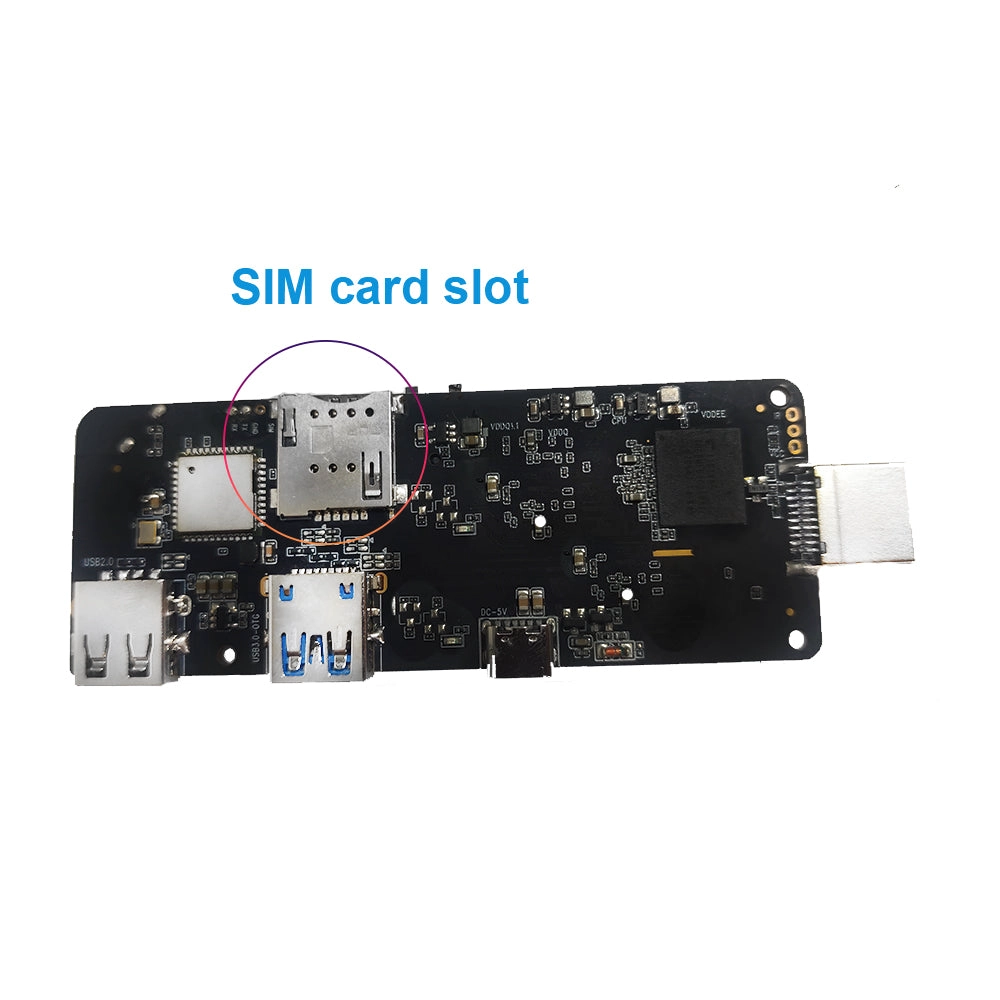
To mitigate these risks and secure long-term operational stability, enterprise buyers require specialized TV Box OEM/ODM solutions. Moving past generic retail hardware allows organizations to control the entire hardware stack—from chip-down PCBA (Printed Circuit Board Assembly) layout design to deeply customized kernel-level operating systems.
1. Chip-Down PCBA Engineering: Designing for 24/7 Operational Uptime
Commercial environments demand completely different hardware specifications than residential living rooms. Industrial digital signage enclosures, back-of-house hospitality frameworks, and outdoor kiosks expose electronics to elevated thermal loads, power fluctuations, and continuous processing demands.
Standard High-Availability PCBA Architecture:
| Enhanced Thermal Interface (Die-Cast Aluminum Heatsink) |
| Silicon Layer (Amlogic S905X4 / Rockchip RK3588 SoC) |
| Storage & Memory (eMMC 5.1 Flash + LPDDR4 RAM Stack) |
| Hardware Subsystems (Watchdog IC, ESD Protection, PMIC) |
Advanced System-on-Chip (SoC) Integration
An effective ODM engagement begins with selecting a silicon architecture tailored to the target processing workload:
-
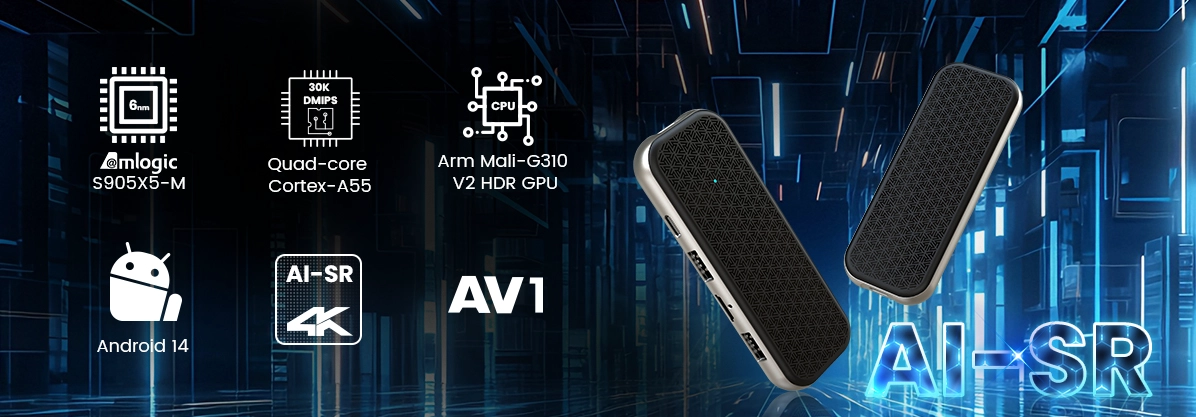
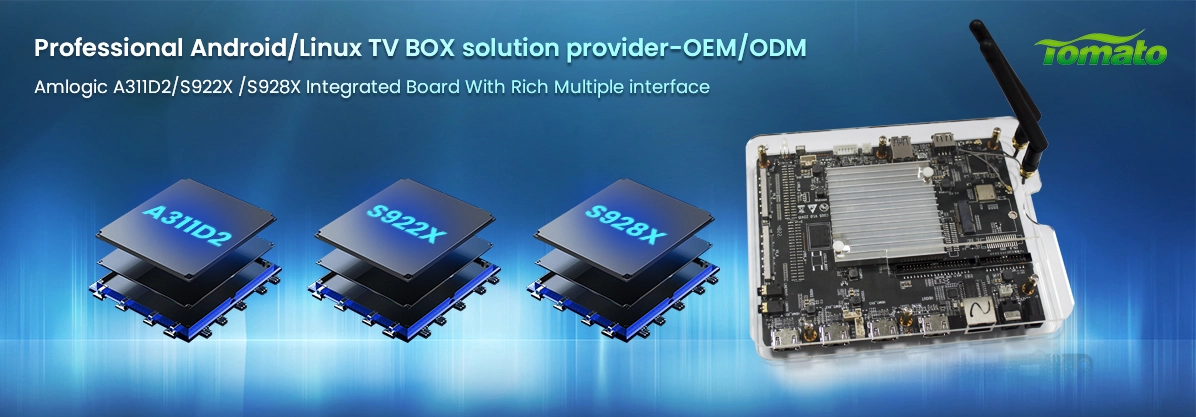
Amlogic S905X4 / S928X: Optimized for high-throughput video streaming ecosystems. These chipsets feature dedicated hardware decoding for AV1, HEVC, and VP9 codecs, along with native support for multi-channel audio pass-through and enterprise-grade DRM (Digital Rights Management) systems like Widevine L1.
-
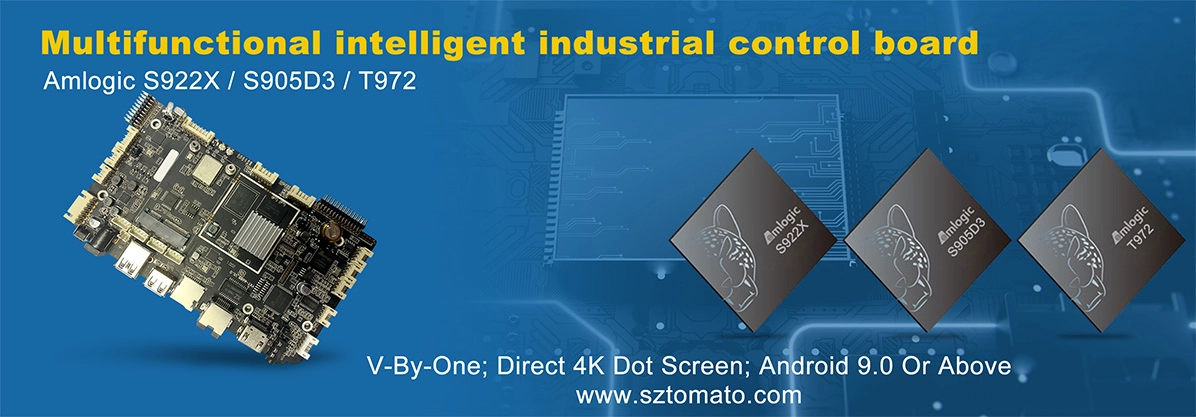
Rockchip RK3568 / RK3588: Engineered for deployments requiring edge computing capabilities, multi-display outputs (HDMI dual-output configurations), and complex peripheral integration via PCIe interfaces or built-in Neural Processing Units (NPUs).
Hardware-Level Recovery and Failure Mitigation
To eliminate manual truck rolls for device hard-resets, custom PCBA layouts incorporate specialized fail-safe circuitry:
-
Dedicated Hardware Watchdog Timers: A separate Integrated Circuit (IC) continually monitors the operating system's pulse. If the main CPU freezes due to a memory leak or kernel panic, the watchdog timer cuts and restores power at the hardware level, executing a clean reboot without user intervention.
-
Power Management IC (PMIC) Hardening: Commercial boards are engineered with over-voltage and Electrostatic Discharge (ESD) protection circuits. This structural hardening safeguards the eMMC flash memory against corruption during abrupt power losses or localized grid fluctuations.
2. AOSP Kernel and OS Hardening: Building Deterministic System Software
Securing the operating system is just as critical as engineering the physical board. Standard consumer TV boxes ship with generic Android user interfaces, unhardened root states, and bloated background services that consume valuable RAM and CPU cycles. Enterprise TV Box OEM/ODM solutions solve this by stripping the operating system down to a dedicated, predictable corporate platform.
| Client Enterprise Application (Proprietary APK) |
| Modified Android Framework (SystemUI Disabled, No Bars) |
| Custom AOSP Kernel Layer (Granular Root, GPIO Drivers) |
| Secure Bootloader (Cryptographically Signed Boot Image) |
Custom Launcher Integration and Kiosk Locking
For true brand consistency and operational control, the user interface must be completely locked down at the code level:
-
Boot-to-App Execution: By modifying the Android initialization scripts (init.rc), the OS bypasses the standard Android launcher entirely. The client's proprietary application initializes as a privileged system application directly during the boot sequence.
-
System UI Disabling: The status bar, navigation buttons, and global settings panels are compiled out of the OS build. This structural restriction prevents end-users from connecting unauthorized Bluetooth devices, changing Wi-Fi networks, or exiting the core commercial application.
Security and Root Management
Enterprise applications often require low-level system permissions to perform remote diagnostics, clear local caches, or execute silent software updates. Instead of fully rooting a device—which creates massive security vulnerabilities—OEM firmware engineering maps out a granular permission architecture. Access to system-level commands is granted exclusively to the client's cryptographically signed application package (APK), keeping the remainder of the operating system fully locked down against external threats.
3. Product Customization and Localization for B2B Importers
| Customization Vector | Engineering Realization | Strategic Commercial Value |
|---|---|---|
| I/O Reconfiguration | Swapping standard ports for specialized dual LAN, optical audio, or industrial RS232 interfaces. | Direct integration into legacy building automation systems and complex commercial AV racks. |
| Power Input Adaptability | Modifying the power delivery architecture to support direct 12V/24V DC inputs or Power over Ethernet (PoE). | Eliminates external AC adapters in commercial installations, lowering electrical infrastructure costs. |
| Structural Enclosure Tooling | Designing custom aluminum alloy chassis with integrated mount brackets and anti-theft port covers. | Maximizes physical lifespan in public high-traffic areas while optimizing passive heat dissipation. |
4. Supply Chain Quality Control and Lifecycle Management
The true value of a B2B ODM partner extends beyond initial product delivery into long-term lifecycle management. Industrial and enterprise projects frequently require product lifetimes spanning three to five years, meaning components must remain consistent across future production lots.
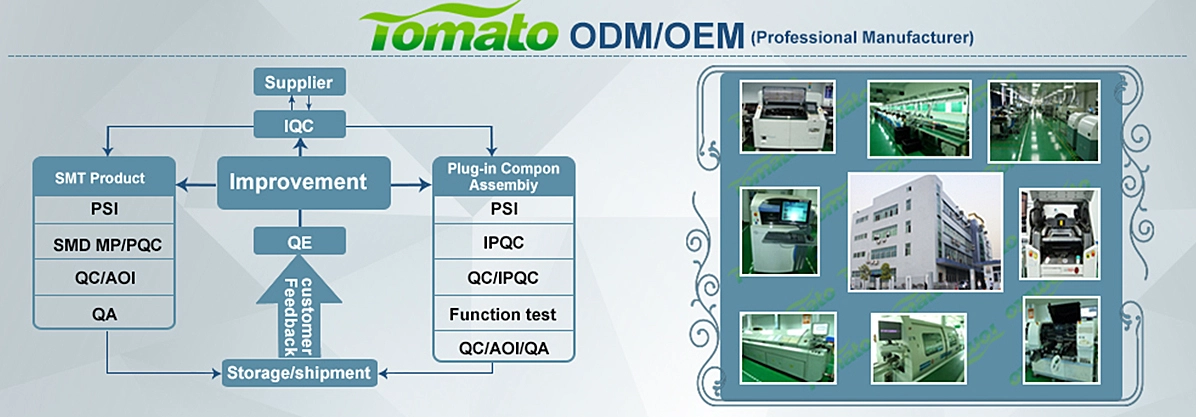
[ Incoming Component Testing (IQC) ] ---> [ SMT Assembly & Automated Optical Inspection (AOI) ]
                                                                                                       |
                                                                                                      v
[ Final Logistics & Shipping ] <--- [ 48-Hour Full-Load Burn-In ] <--- [ System Firmware Flashing ]
Strict Bill of Materials (BOM) Pinning
In the retail TV box market, components like Wi-Fi modules or flash memory chips are frequently changed based on short-term market prices. For enterprise deployments, this practice can break software compatibility. Professional ODM solutions utilize a pinned Bill of Materials (BOM). This guarantee ensures that every production run uses the exact same silicon components, firmware revisions, and board traces, allowing for predictable software testing and uniform field performance.
Rigorous Burn-In and Quality Testing
To minimize Out-of-Box Failures (OBF), industrial manufacturing protocols dictate comprehensive stress testing. Assembled PCBAs undergo Automated Optical Inspection (AOI) to verify soldering precision, followed by an intensive 48-hour continuous burn-in test inside environmental chambers under full processing load. This process identifies and eliminates weak components before the finished units are packaged and shipped.
5. Maximizing ROI with Enterprise Hardware Architecture
Transitioning from consumer-grade product sourcing to structured TV Box OEM/ODM solutions is a critical strategy for mitigating operational risk. By controlling the underlying silicon, optimizing the firmware for a single dedicated task, and sealing the hardware with enterprise security protocols, organizations protect their software investments and eliminate field maintenance friction. Partnering with a dedicated manufacturer ensures that your edge hardware network functions as a reliable, predictable asset built specifically to meet the demands of commercial operation.
Consult with Our Hardware Engineering Team
Ready to develop a customized TV box solution built for your specific enterprise application? Contact our technical engineering team at SZTomato to evaluate your hardware requirements, review custom AOSP kernel configurations, and request an initial prototype sample. Let’s construct a stable, high-performance hardware foundation for your commercial network.
