

Top Advantages of Digital Signage for Business: Real-Time Updates, Targeted Messaging, and Cost Efficiency
When businesses look to upgrade their visual communications systems, digital signage presents a powerful alternative. At SZTomato Technology Co., Ltd, we offer fully customized digital signage solutions tailored to your specific needs—hardware, software and content management all integrated to deliver dynamic, interactive and precise messaging. In this article, we explore how digital signage delivers real-time updates, precise audience targeting and long-term cost savings, and why it is rapidly replacing static display media across multiple sectors.
What Is Digital Signage?
Digital signage (sometimes called electronic signage or a digital display system) uses digital display devices—like LCD screens, LED walls or projection systems—to deliver information, advertising and entertainment to target audiences. Unlike traditional static posters or light-boxes, digital signage emphasizes dynamic, interactive and precise content delivery across commercial, public service, transportation and educational environments.
1. Core Components of a Digital Signage System
A successful digital signage installation comprises three interlocking layers: hardware + software + content. Each has a distinct role but they work together as a complete ecosystem.
Hardware Layer
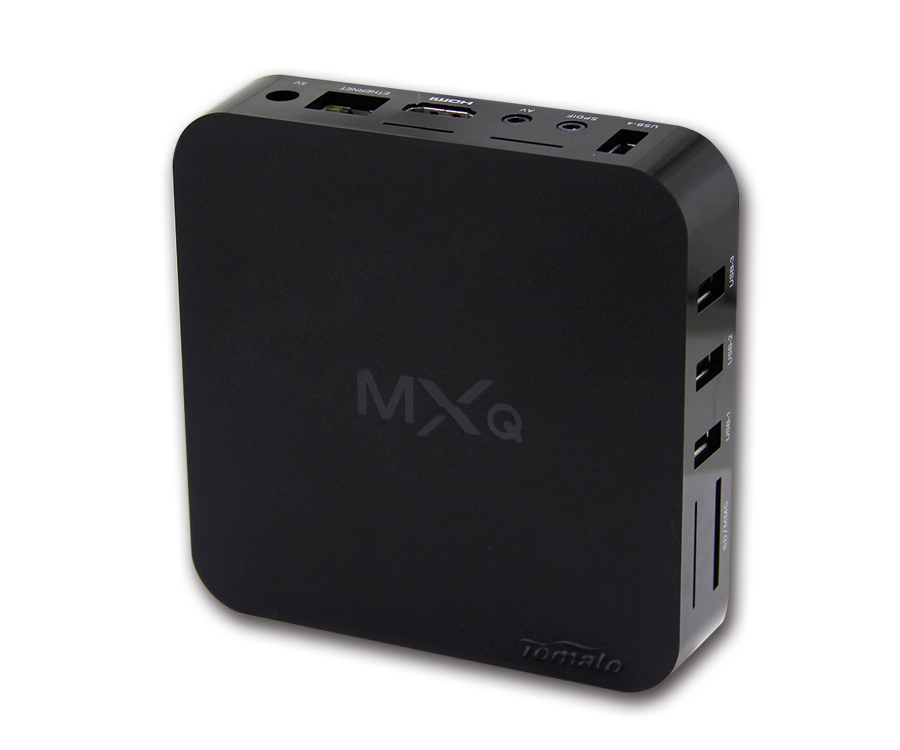
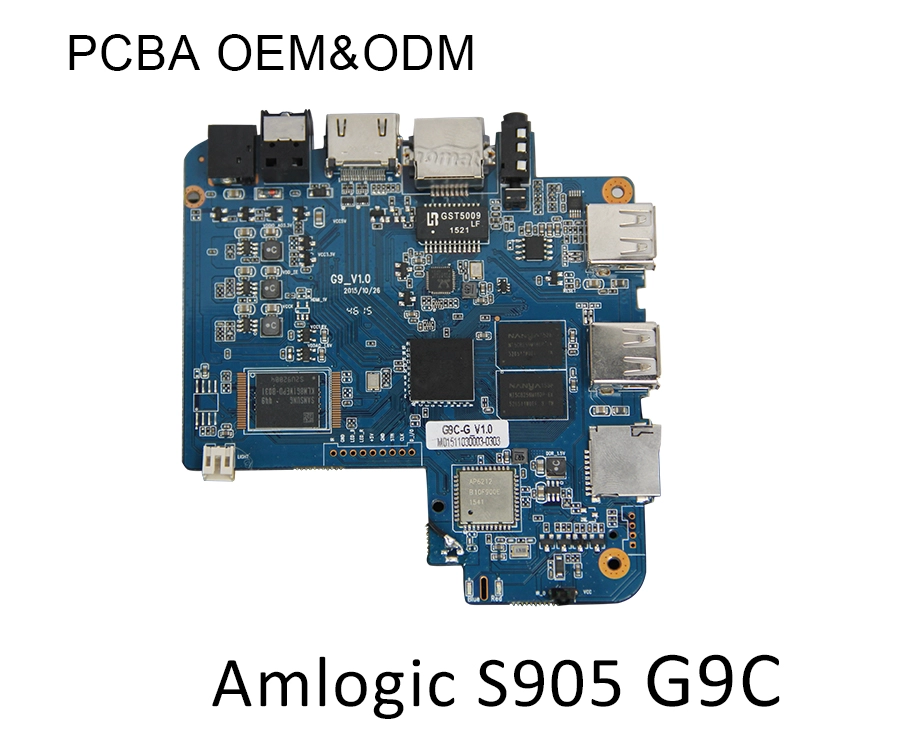
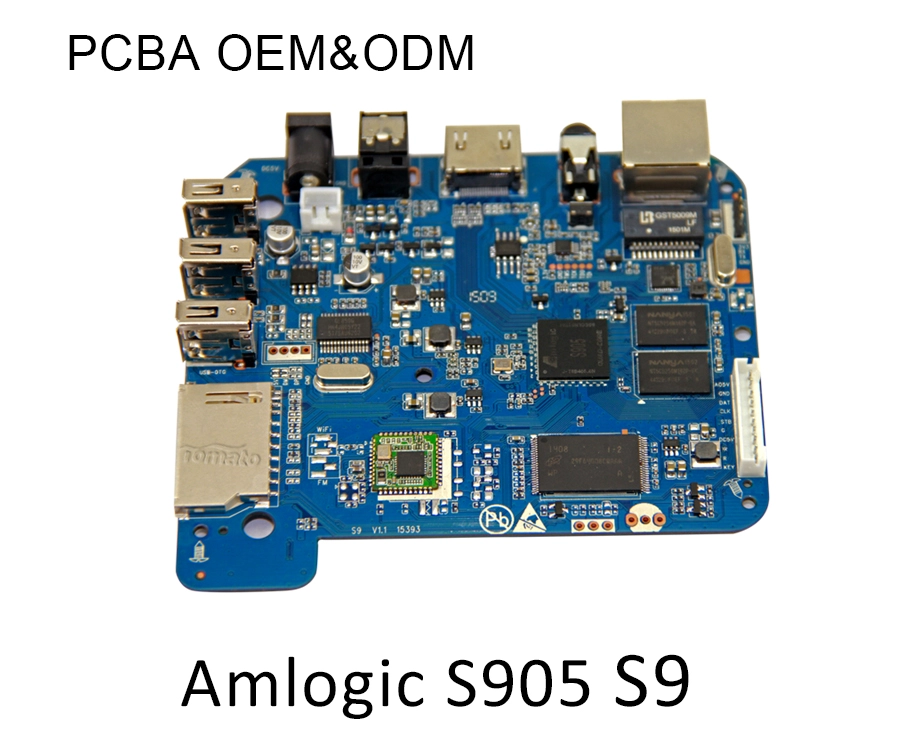
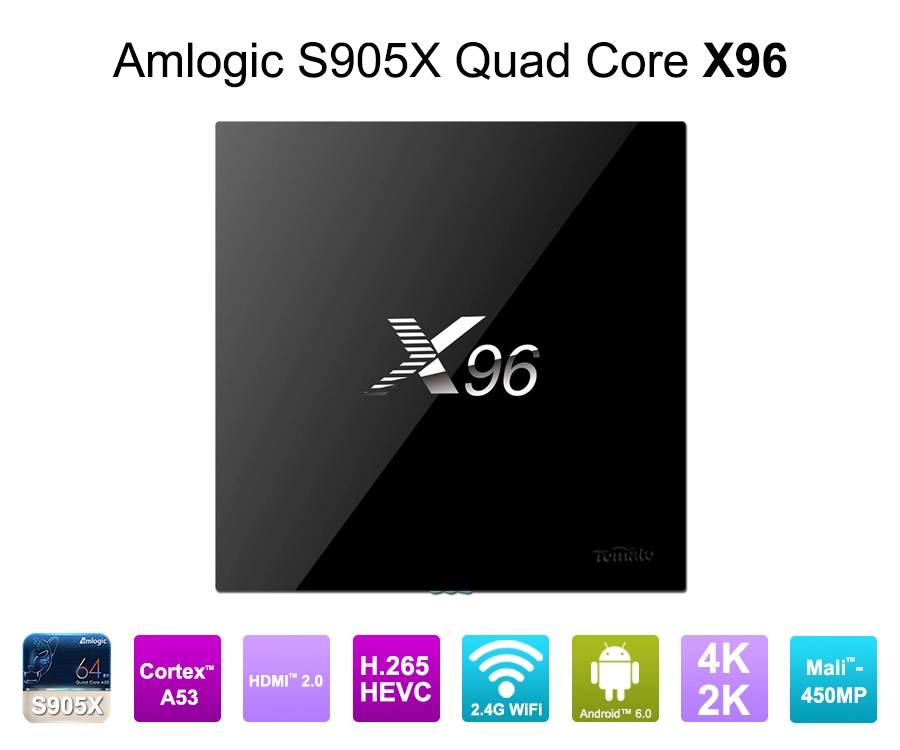
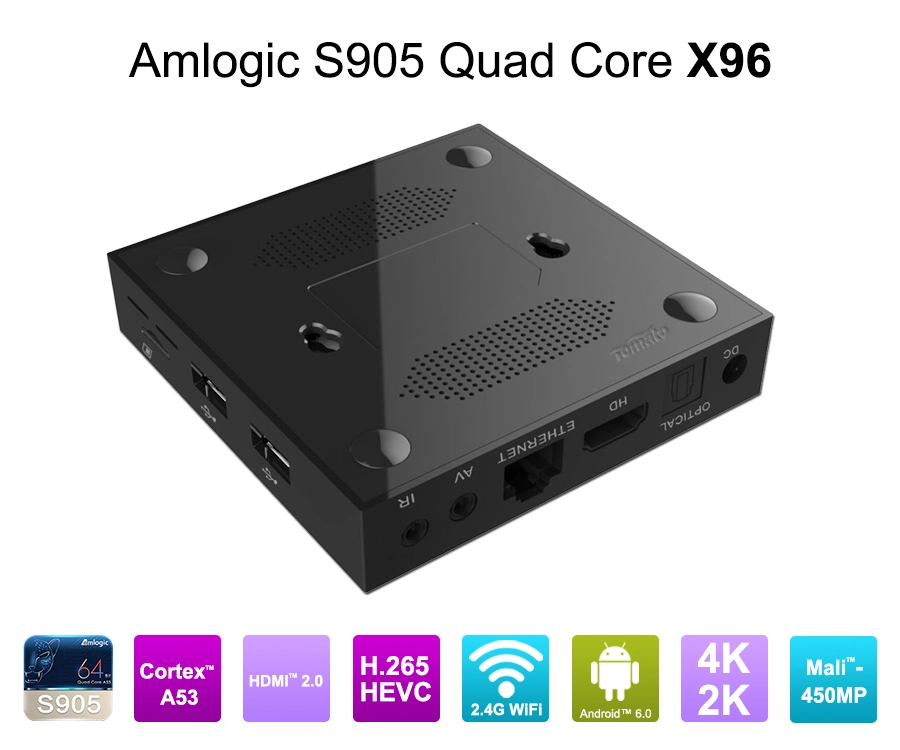
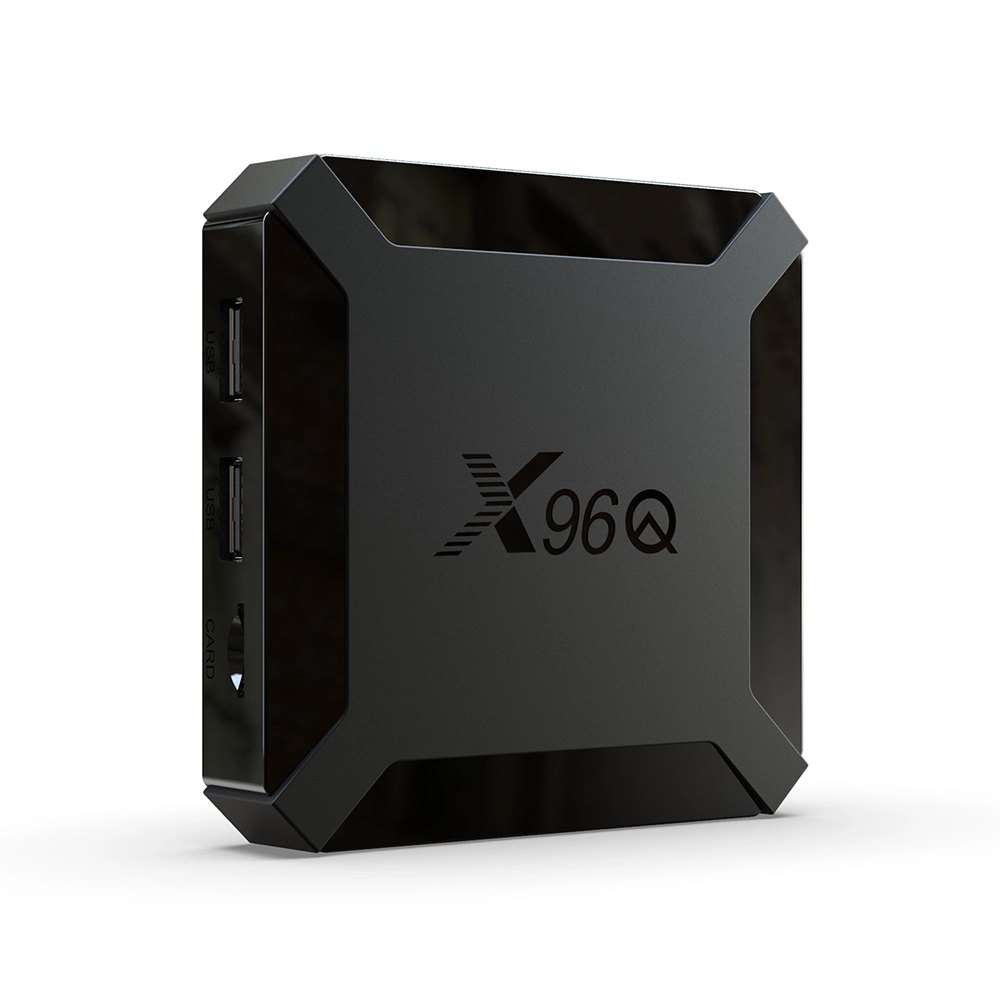
This includes the display terminal—such as LCD panels, LED video walls, transparent screens or outdoor high-brightness displays—and the playback device such as a digital signage media-player (Android-based box, PC host, or dedicated player). Auxiliary devices like cameras (for interaction or sensing), sensors, audio systems and touch-screens may also be included. The hardware renders and interacts with content, with the playback terminal functioning as the “brain” that decodes and pushes content.
Software Layer
On the software side you’ll have a content management system (CMS) for remote creation, editing, scheduling and publishing of media, a terminal-management system to monitor display status (for example, whether the screen is online, brightness levels, fault alerts), and interactive control software supporting touch, gesture or voice input. This remote management layer enables substantial operational savings and scale; for example, a CMS might simultaneously control 100 screens in different cities.
Content Layer
Content itself includes multimedia (images, videos, audio, animations), live data (weather, news, stock quotes, flight or train schedules), and interactive content (touch-query screens, QR-code interactions, feedback forms). This layer is the core value carrier of digital signage—the richer, more relevant and timely the content, the better the communication effect. Unlike print, the display content can be updated instantly.
2. Key Features of Digital Signage vs Traditional Static Signage
When compared side by side, digital signage out-performs traditional static signage across multiple dimensions:
| Dimension | Digital Signage | Traditional Static Signage |
|---|---|---|
| Content Update | Remote, real-time updates often within minutes (e.g., flash promotions) | Manual replacement required—time and labor intensive |
| Format | Supports video, animation, live data streams and interactive elements | Limited to static image or text, lower engagement |
| Precision | Targeted by time (e.g., rush-hour message), scenario (e.g., menu board video) | Fixed content, cannot adapt dynamically to time or audience |
| Interactivity | Supports touch, QR-scan, analytics of audience behaviour | No built-in interaction or feedback loop |
| Long-term Costs | Higher upfront cost but lower ongoing material/printing and operational costs | Lower initial cost but repeated printing, installation and labour required |
These advantages are widely acknowledged in industry reviews and case studies.
3. Typical Application Scenarios
Digital signage is increasingly widespread across many environments thanks to its flexibility and capabilities:
-
Retail & Commercial: In malls and supermarkets the entrance display may show promotional videos; shelf-side screens can show product details or cooking demonstrations. High-end brand stores may deploy LED walls to deliver immersive brand story-telling.
-
Public Services: In hospital lobbies or government service halls digital signage can show queue numbers, window status, or touch-query terminals with departmental information. Schools and libraries use screens to publish schedules, new-book recommendations and event alerts.
-
Transportation Hubs: Airports and train stations employ real-time flight or train schedule screens, delay alerts, and way-finding displays. Subways and bus stations show next-arrival times, news tickers or advertisements.
-
F&B & Entertainment: Restaurants and cafés may use tabletop touch-screens for self-ordering, while wall screens show food preparation videos. Cinemas or karaoke venues use hallway screens for session information or interactive song rankings.
-
Outdoor Advertising: Large-scale LED displays in city centres or at fuel-stations communicate brand messages, live pricing, promotions and dynamic content.
4. What Digital Signage Delivers for Businesses
Efficient Information Delivery
With digital signage you can push video, live data and interactive content, updating remotely in real time to suit time of day, location or audience. For example, a travel hub can show delayed flights instantly.
Enhanced User Experience
Interactive touch-screens and QR-scan functions offer self-service, way-finding or coupon redemptions. In high-wait environments such as hospitals or service centres, digital signage reduces perceived wait times.
Boosts Business Conversion
By showing product details, promotions or culinary videos in-store, digital signage can influence impulse purchases and elevate brand perception. It also frees businesses from repeatedly printing new material, saving operational cost over time.
Simplifies Operations
Remote management across multiple screens enables real-time monitoring of screen status (online/offline/fault), playlist scheduling and analytics (for example, dwell times, interaction metrics). This lowers maintenance cost and enables data-driven decisions.
5. Future Trends in Digital Signage
Looking ahead, digital signage is evolving toward greater intelligence, interactivity and integration:
-
AI + Digital Signage: Using artificial intelligence to deliver personalised content based on audience segments (“one-to-many” becomes “one-to-one”).
-
Transparent Displays: Transparent OLED screens in retail windows allow video overlays while letting product display remain visible behind.
-
5G + Edge Computing: Enables large-scale deployments with minimal latency, supporting live data feeds (e.g., sports arenas, live voting).
-
Green & Energy-Efficient Displays: Adoption of low-power Mini-LED or OLED, ambient light sensors for brightness adjustment, reducing electricity cost and enhancing sustainability.
6. Choosing Hardware: SZTomato’s Digital Signage Media Player Solutions
At SZTomato Technology Co., Ltd, we supply high-performing digital signage hardware options customized for different scenarios and budgets. Here are three featured solutions:
-
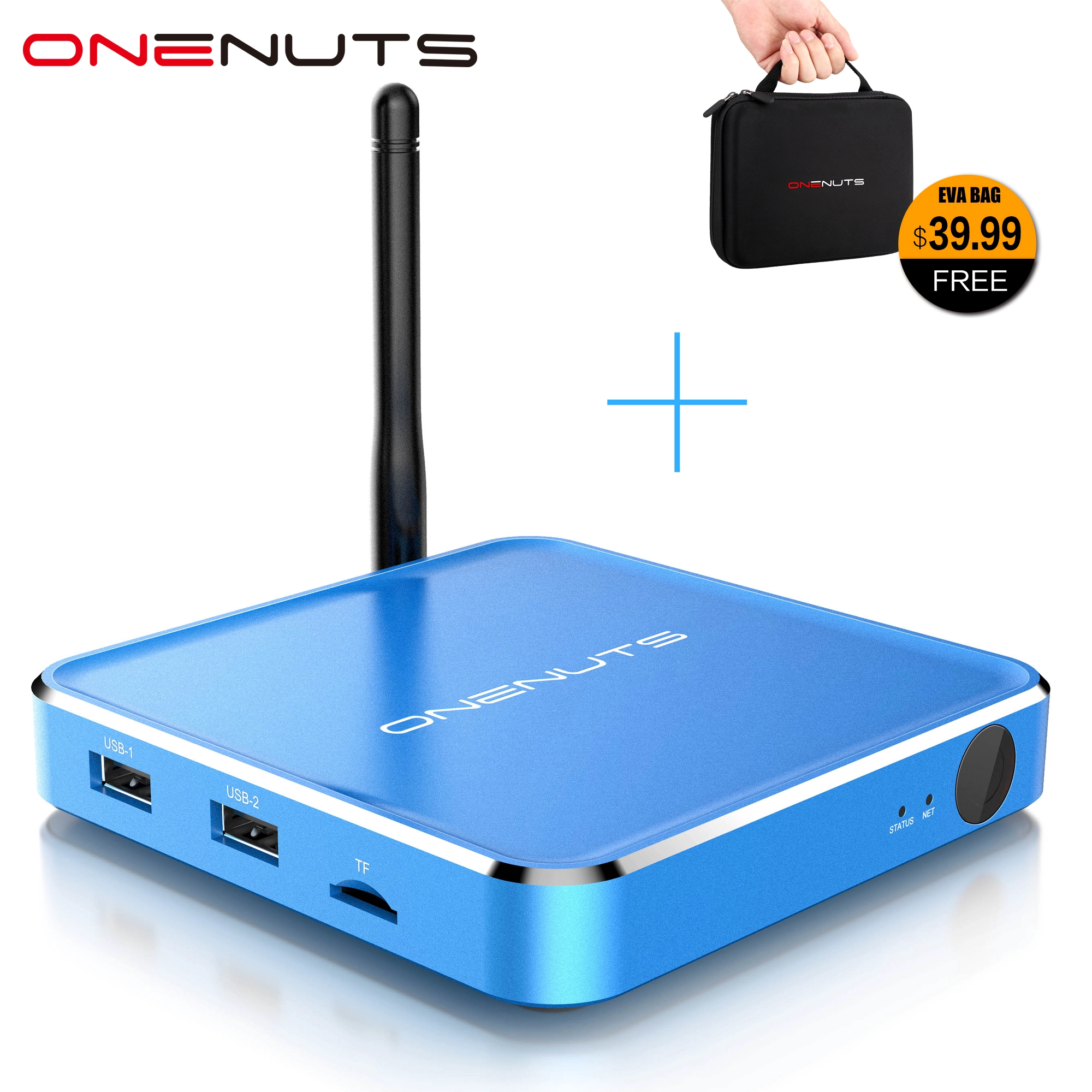
Digital Advertising Publish Box: Built-in RTC for scheduled on/off, API support for custom applications, supports wired and wireless connectivity (2.4/5GHz WiFi, BT5.0), dual USB2.0 ports for data input—tailored for multi-screen, interactive deployment.
-
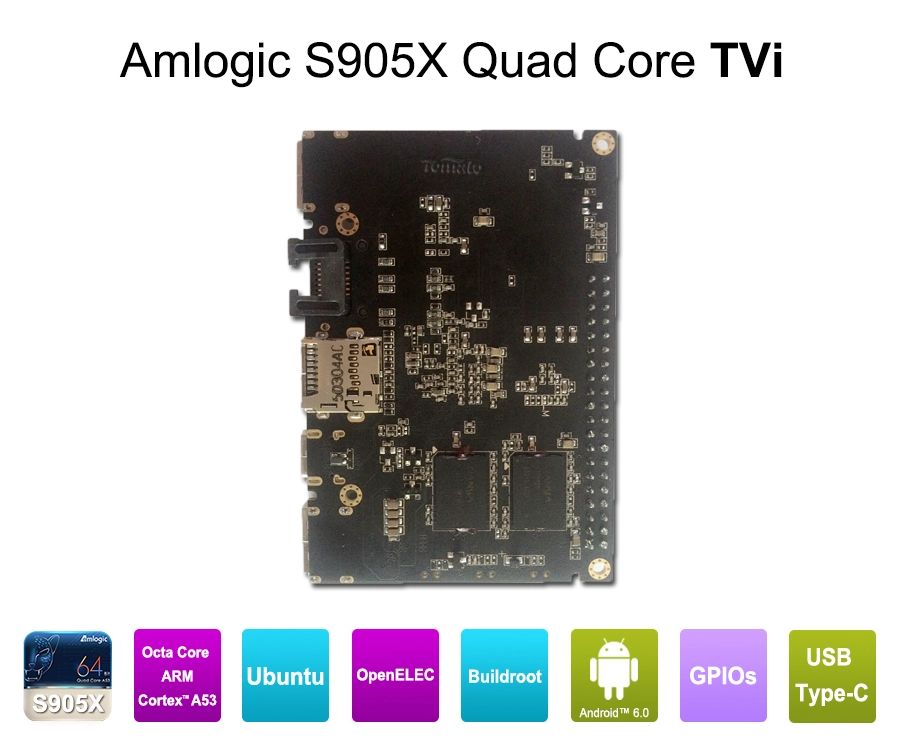
Linux-based Network Set-top Box: Supports CoreELEC, Debian and Ubuntu systems for applications such as 4K video playback, lightweight servers or full desktop integration; stable for continuous operation and offers OEM/ODM customization for industry-specific needs.
-
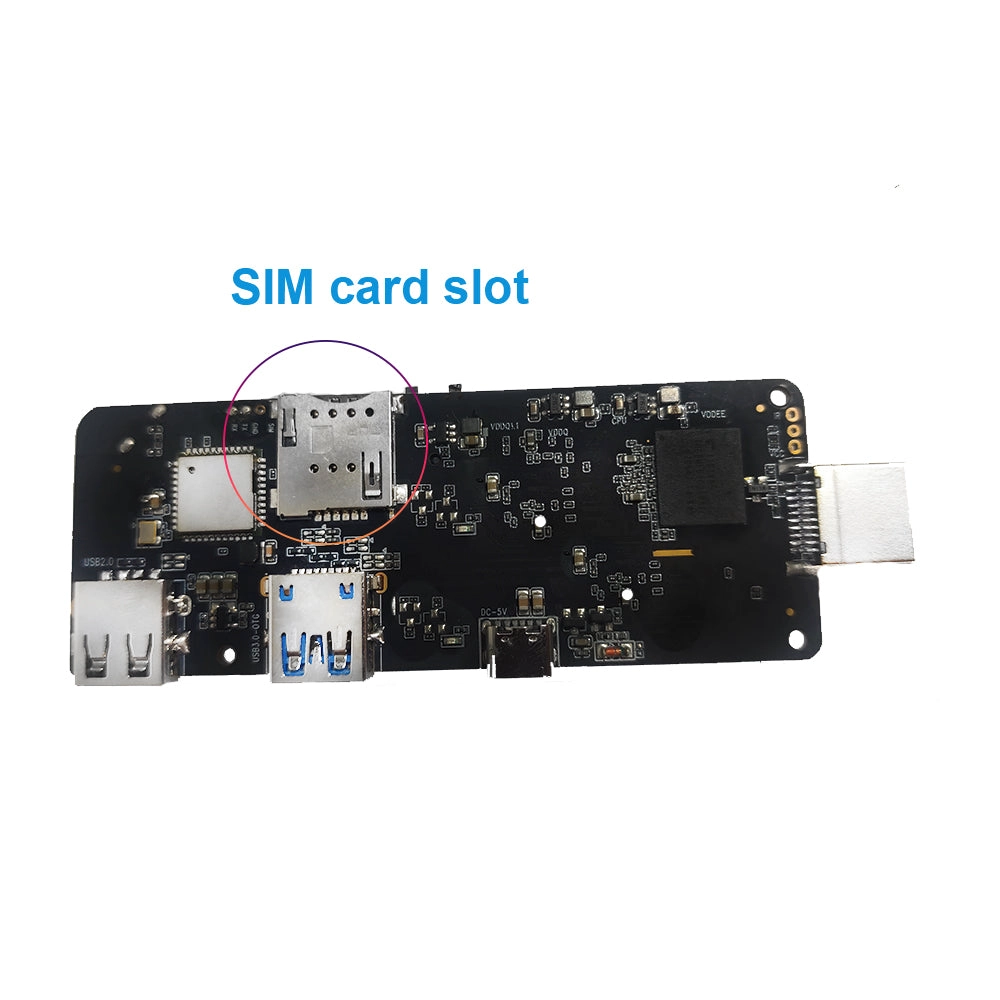
Network Information Publish Box: Global 4G LTE support (multiple bands), decodes high-definition formats (VP9, H.265, AVS2) at up to 4K×2K@60fps, rich I/O (USB3.0, USB2.0, HDMI2.1a, CVBS, 1000 Mb Ethernet, TF and SIM slots), Android 9 OS, multilingual UI—ideal for remote, plug-and-play outdoor/indoor signage.
No matter which hardware route you choose, SZTomato remains committed to customer-centric service, offering design consultation, firmware integration, UI customization and global logistics.
