
ATV vs AOSP: Which Android TV Box Is the Better Choice for Your Business?
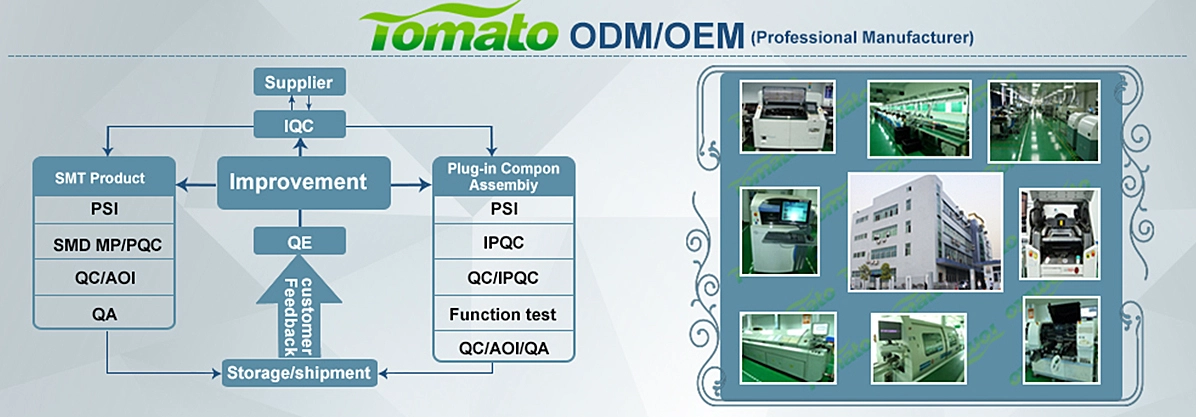
When your business is planning to launch or expand a product line of network TV boxes, the choice between an AOSP network TV box and an ATV (Android TV) network TV box becomes a strategic decision. At SZTomato Technology Co., Ltd, we support full OEM/ODM customization of both system types—and in this article we unpack their differences, so you can determine which platform best aligns with your market goals, operational needs and branding ambitions.
What Is an AOSP Network TV Box?
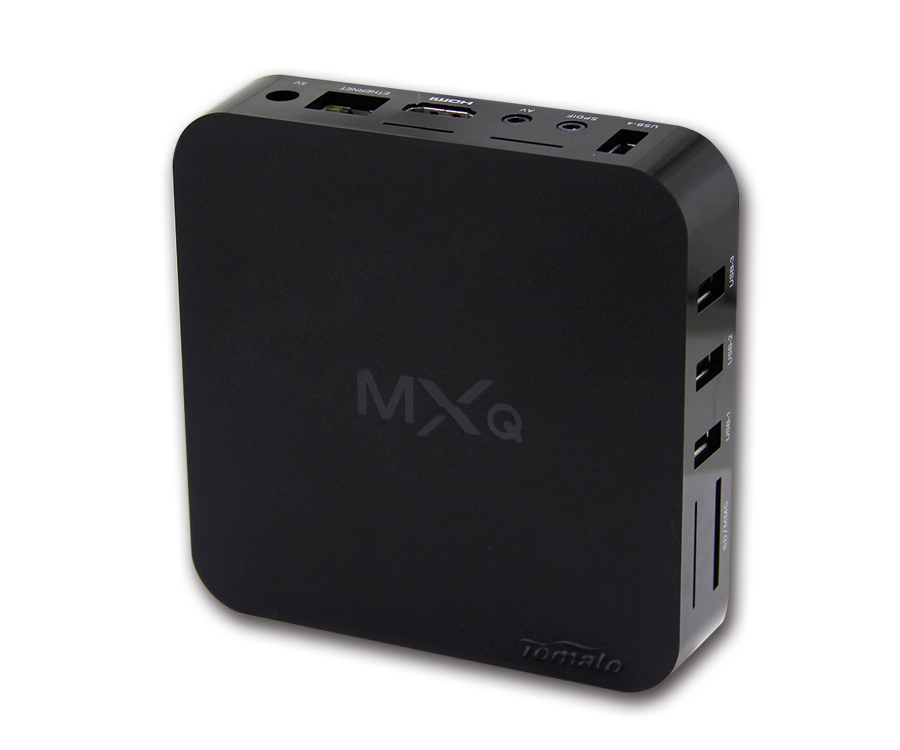
An AOSP (Android Open Source Project) network TV box is built upon the open-source Android code base. Because the AOSP project is freely available for modification, manufacturers can adapt, optimize or entirely redesign both UI and functionality to fit their distribution strategy.
This flexibility extends into hardware: with no mandatory hardware certification from Google, the AOSP network TV box can span entry-level to premium models, with widely varying performance, memory, storage and connectivity. On the flip side: the lack of built-in Google services means the device may not fully support apps that depend on Google Play services, or the user may need to install alternate app-stores or frameworks.
From a user-experience perspective: performance and stability depend heavily on the manufacturer’s optimization. Some brands deliver a smooth experience; others may struggle with app compatibility, firmware updates and UI consistency.
What Is an ATV (Android TV) Network TV Box?
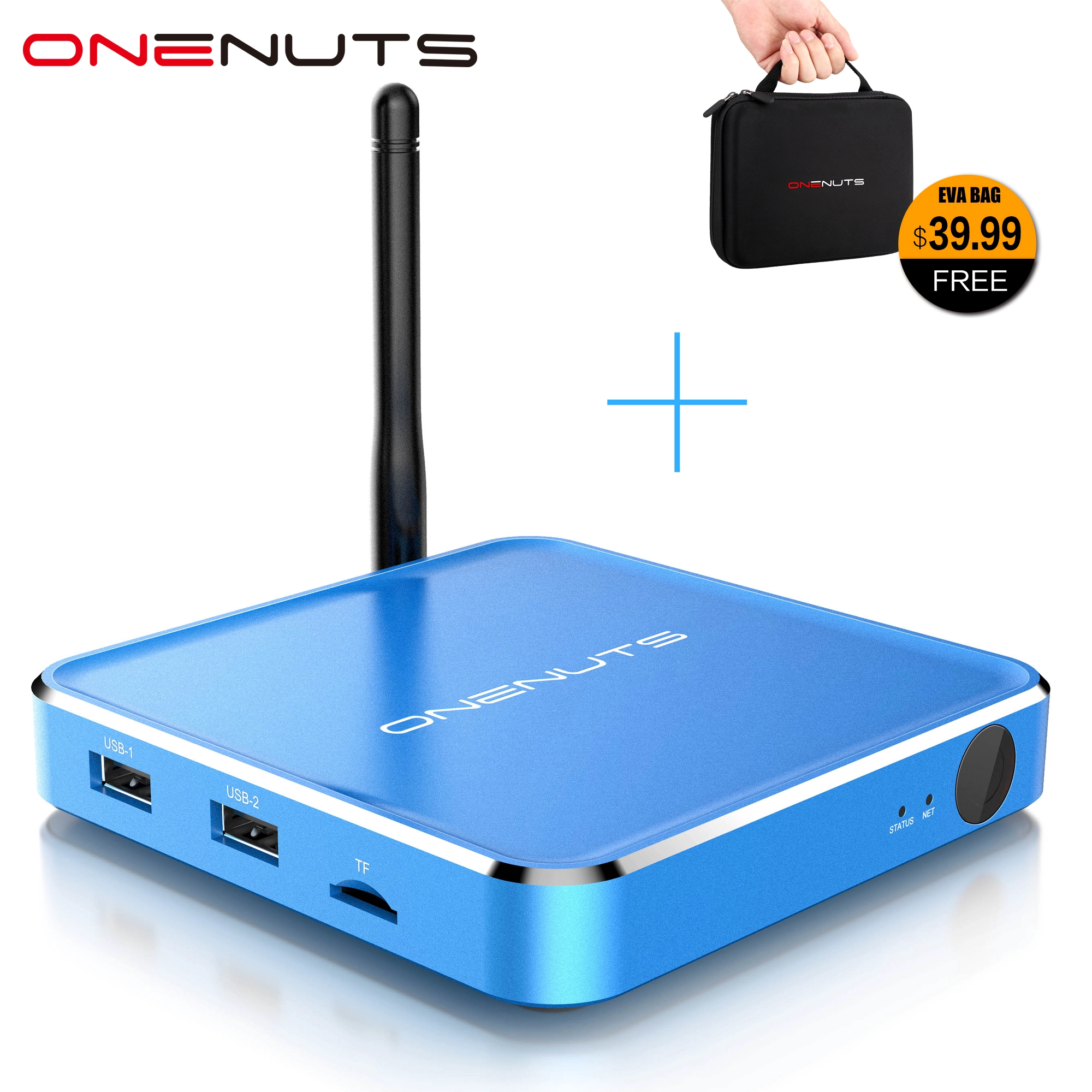
An ATV network TV box refers to a set-top box or streaming device running the officially certified Android TV platform from Google. The device connects to a large display via HDMI and offers full smart-TV functionality: internet streaming, app installation, multi-device content casting, voice search, and more.
The UI is designed for “lean-back” use: card-based layout, remote with voice-search, Chromecast built-in, large-screen optimised apps and a marketplace via Google Play. Because the platform is certified, OEMs must meet Google’s hardware and software standards—this typically results in better compatibility, consistent updates and strong user experience.
From a hardware perspective, ATV network TV boxes often include higher-end chipsets, larger memory/storage options, dual-band WiFi or Ethernet and support for 4K/8K decoding. The certification also means quicker integration of Google-centric features and ecosystems.
Core Differences Between ATV and AOSP Network TV Boxes
System Origin & Certification
-
ATV: Built on Android TV, derived from AOSP but licensed, certified and enhanced by Google.
-
AOSP: Fully open-source Android code base; no requirement for Google certification.
Feature and Ecosystem Support
-
ATV: Full access to Google Play, large-screen optimised apps, voice assistant, Chromecast, certified UI. This means higher out-of-box readiness and fewer compatibility issues.
-
AOSP: Core OS only – Google Play and other services are optional or must be integrated manually. This gives flexibility, but may impose extra work and risk.
UI Design & User Experience
-
ATV: Uniform UI standardised for TV use (remote navigation, voice search, content cards) – easier for everyday users.
-
AOSP: UI varies by vendor. Some may deliver highly tailored experiences; others may deliver fragmented or inconsistent ones due to lack of standards.
Support & Updates
-
ATV: As part of Google-certified ecosystem, update frequency, compatibility and security tend to be stronger.
-
AOSP: Updates depend on vendor or community; for smaller manufacturers this may mean slower support or inconsistent firmware.
Which Should You Choose for Your Business?
Choosing the right platform for your Android TV box product line depends on your market, brand positioning and operational strategy.
-
If you prioritise ease of use, broad consumer compatibility and strong brand trust, then an ATV network TV box is the better option. The certified ecosystem means less risk, fewer compatibility issues, and better readiness for global markets.
-
If your strategy emphasises customisation, cost-control, regional markets or alternative ecosystems, then an AOSP network TV box may be the right path. With full flexibility in UI, hardware and app ecosystem, you can build tailored solutions—but you must be prepared for additional development, optimisation and potential compatibility work.
-
In regions where Google services may be restricted or non-critical, AOSP offers a practical route: you can integrate local app stores, local video providers, and design for the regional consumer behaviour without licensing constraints.
-
From an OEM/ODM perspective, having both platforms in your product portfolio gives maximum flexibility. At SZTomato we help you evaluate which platform fits your project, support hardware Chinese suppliers, firmware development, certification (for ATV) and branding/custom UI for AOSP.
Why SZTomato Technology Co., Ltd?
At SZTomato, we specialise in streaming media players, Android TV boxes, mini PCs and digital signage solutions. Whether you need an ATV network TV box with Google licensing and high-end hardware, or an AOSP network TV box fully customised for your brand and regional ecosystem—we deliver. Our services include hardware selection, firmware development, custom UI/launcher, certification support and global logistics. Choose us to bring your next-generation network TV box to market with confidence.
