
Ways to control Streaming Media Player
In commercial deployments, asking about the ways to control a Streaming Media Player is a question of fleet management, network infrastructure, and user restriction. Whether you are an ISP delivering IPTV or an integrator managing a digital signage network, your profitability depends on centralized, remote, and hardware-level command. Here is the technical breakdown of how enterprise operators control a Streaming Media Player in 2026, and how SZTomato engineers these capabilities directly into the silicon.
1. Fleet-Wide Telemetry: TR-069 and MQTT Protocols
You cannot manage what you cannot see. The primary way an ISP or hospital IT director must control a Streaming Media Player is through remote network protocols, bypassing the physical location of the device entirely.
-
The Enterprise Standard: Relying on basic Android OTA (Over-The-Air) updates is a liability. Professional deployments utilize TR-069 (CWMP) or MQTT protocols. These allow a central Network Operations Center (NOC) to push silent background updates, pull thermal diagnostic logs, and execute batch factory resets.
-
SZTomato Firmware Integration: Off-the-shelf devices do not support these protocols. Our Software and Firmware Development team embeds TR-069 clients directly into the kernel of your Streaming Media Player. We build the secure pipeline that allows your middleware servers to dictate the operational state of your entire hardware fleet simultaneously.
2. Hardware-Level AV Command: RS232 and API Integration
In professional AV setups—such as corporate boardrooms or stadium VIP suites—the Streaming Media Player is rarely a standalone device. It is part of a complex ecosystem governed by central controllers like Crestron or Control4.
-
Legacy and Serial Control: You cannot reliably control a Streaming Media Player via Wi-Fi in an RF-congested stadium. Integrators require physical RS232 (serial) ports to send hardcoded hex commands for power state, volume, and input switching.
-
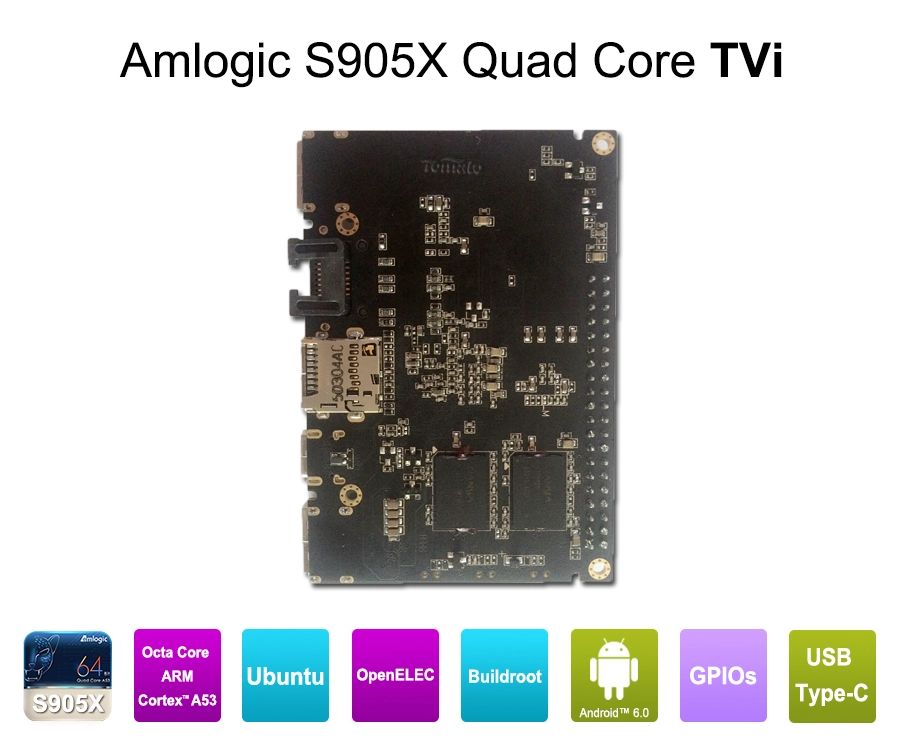
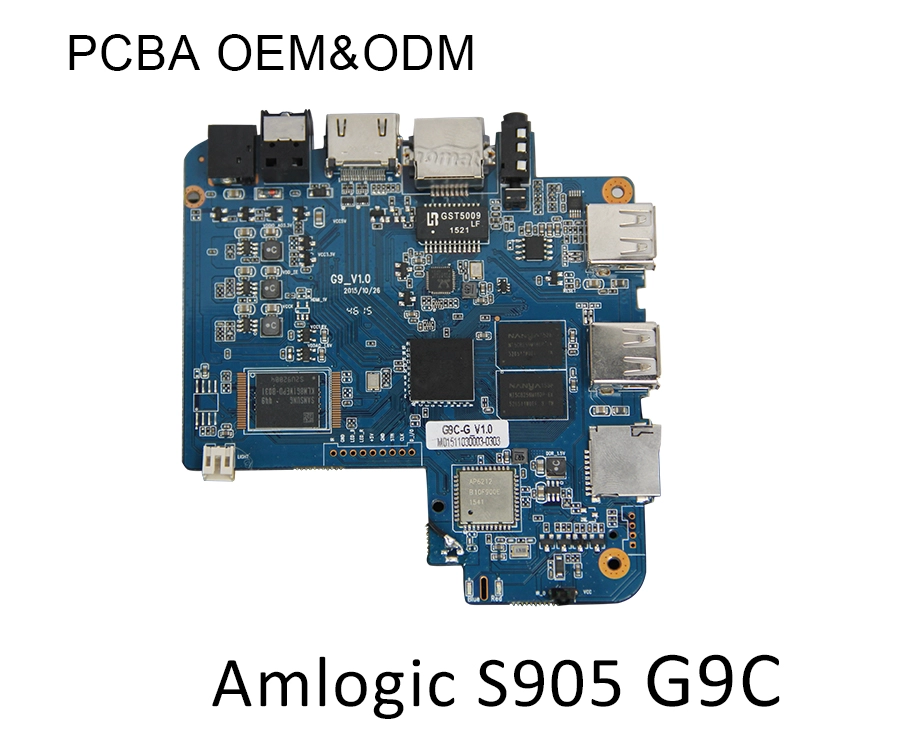
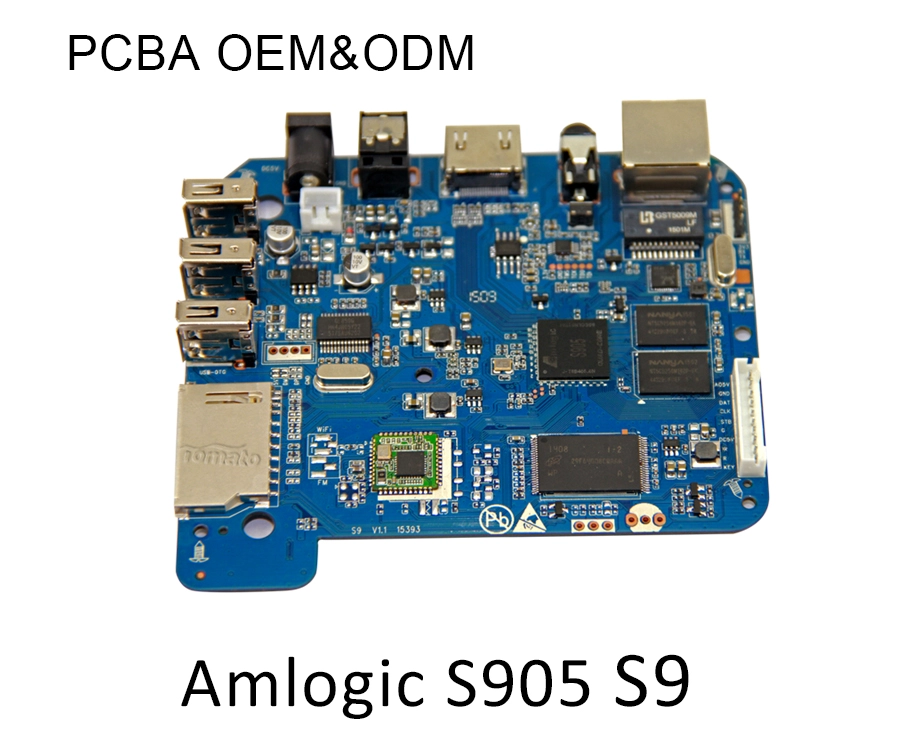
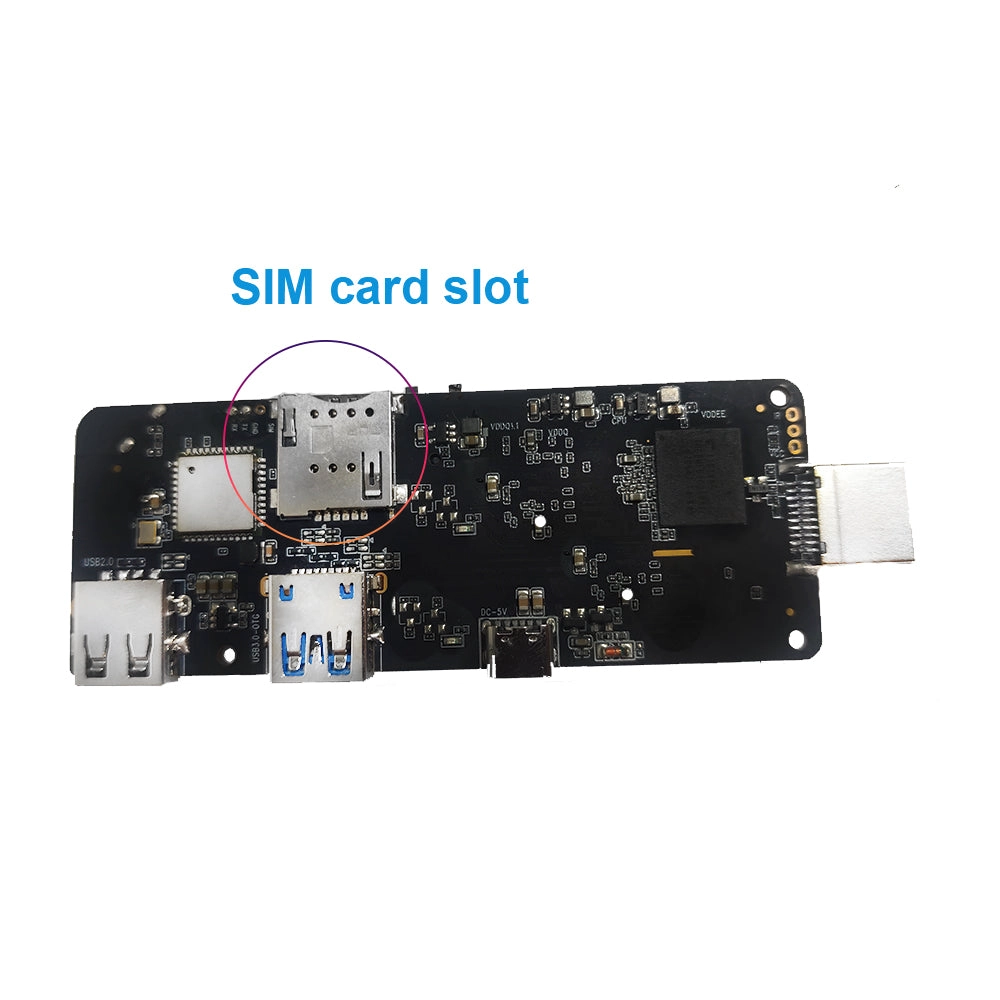
Custom PCBA Engineering: Standard retail boards strip out serial ports to save on BOM (Bill of Materials) costs. Through our OEM Hardware Modification services, SZTomato redesigns the PCBA (Printed Circuit Board Assembly). We integrate physical RS232 headers, RJ45 Gigabit Ethernet for IP control, and hardware watchdog timers that force an automatic reboot at the hardware level if the OS hangs.
3. Restricting the End-User: Kiosk Mode
Sometimes, the most critical way to control a Streaming Media Player is limiting what the end-user can do with it. If a hotel guest can access the Google Play Store or change network IP settings, your endpoint is compromised.
-
Firmware Sovereignty: Our software engineers compile custom Android ROMs that enforce strict "Kiosk Mode." When the Streaming Media Player boots up, it bypasses the standard Android desktop entirely and launches directly into your proprietary CMS (Content Management System) or IPTV application.
-
Locking the Ecosystem: We disable the settings menu, block third-party app sideloading, and remove consumer bloatware. By controlling the software environment at the root level, we drastically reduce software-related support tickets and ensure 100% brand visibility.
4. The Branded Physical Interface: Custom OEM Remotes
When a user does need to physically interact with the Streaming Media Player—such as an IPTV subscriber in their living room—the remote control is the only physical representation of your brand.
-
Beyond Infrared: Line-of-sight IR remotes fail when the box is mounted behind a TV. Modern deployments require Bluetooth Low Energy (BLE) remotes with integrated voice control arrays for seamless content discovery.
-
SZTomato ID Design: As part of our comprehensive Packaging Customization and industrial design services, we custom-mold BLE voice remotes. We map dedicated, hardcoded hotkeys that link directly to your VOD (Video on Demand) portal or billing service. From the tactile feedback of the D-pad to the silk-screened logo on the chassis, we ensure the physical control mechanism reinforces your brand authority.
Conclusion: Control the Hardware, Secure the Revenue
Exploring ways to control a Streaming Media Player ultimately leads to one conclusion: you must own the hardware architecture. If you rely on closed retail ecosystems, you surrender control to third-party updates and consumer limitations. True B2B control requires custom PCBA design, embedded remote management protocols, and locked-down firmware.
