
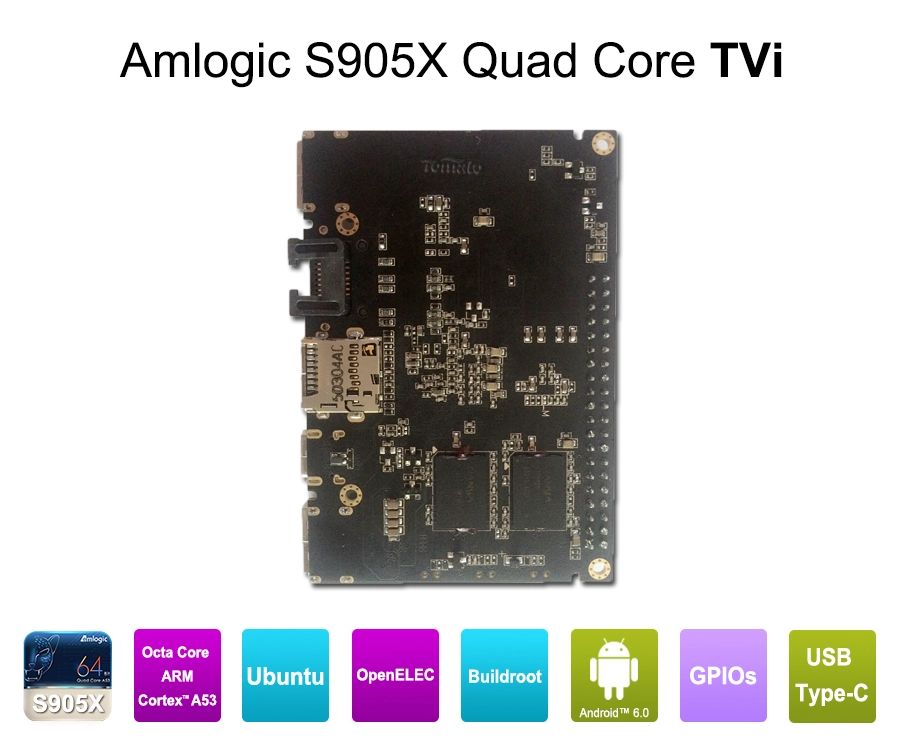
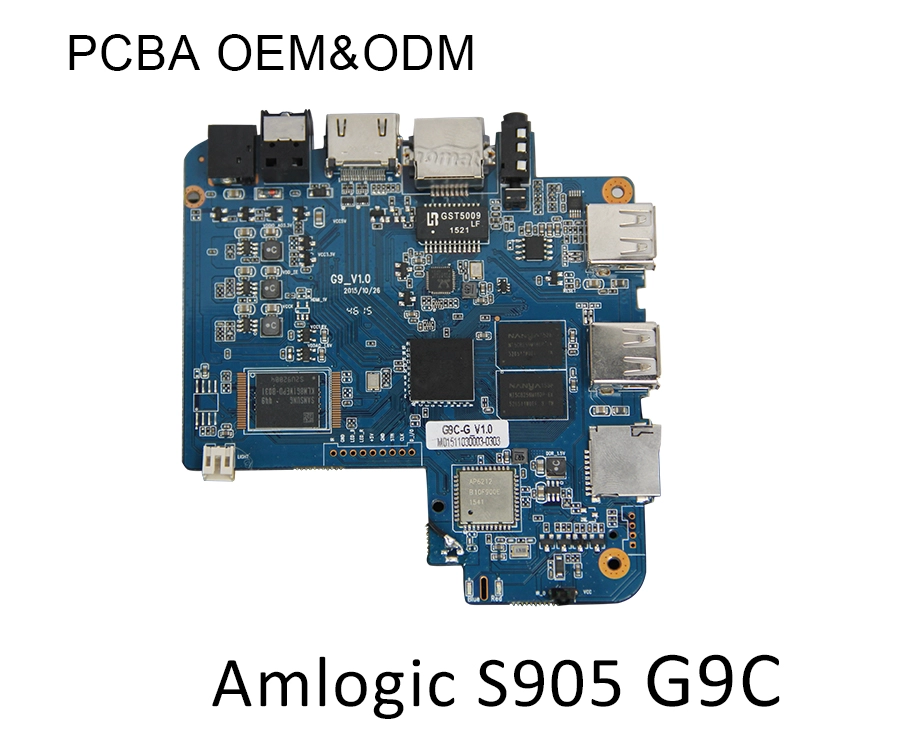
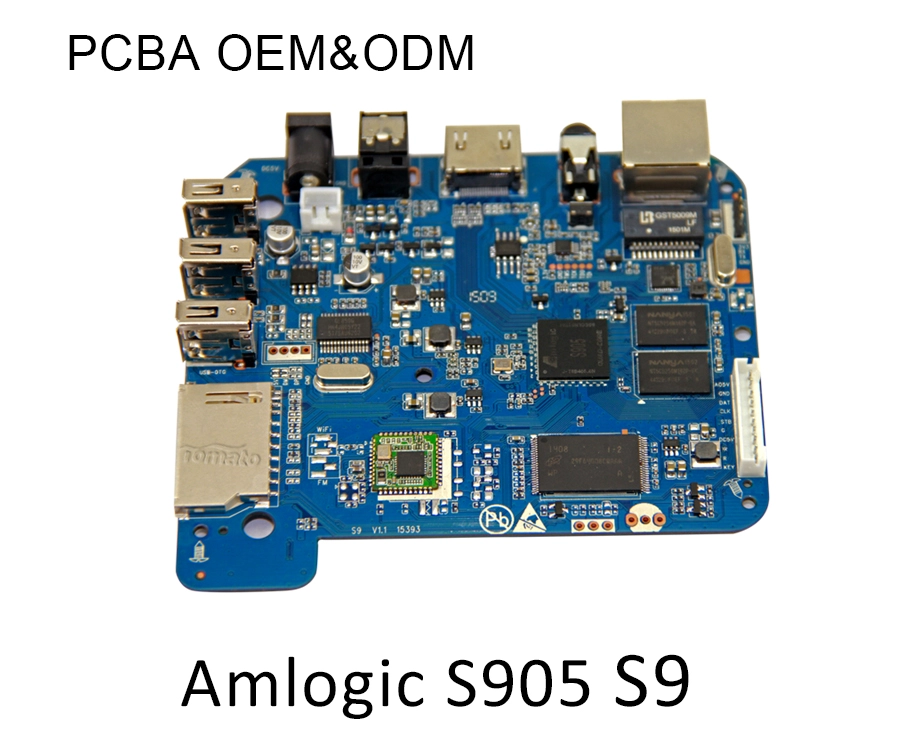
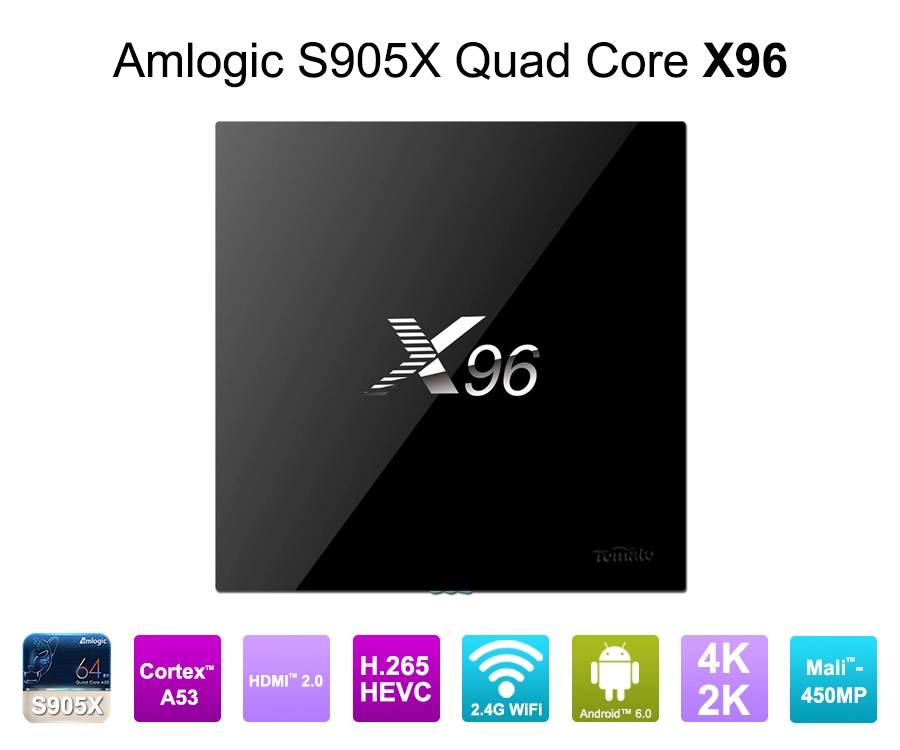
What is the best TV Box?
When an ISP executive, a digital signage integrator, or a hospitality procurement officer asks, "What is the best TV Box?", the answer cannot be found on a consumer retail shelf. A retail buyer measures a device by its ability to stream Netflix or play casual games. An enterprise operator measures a TV Box by its Total Cost of Ownership (TCO), network bandwidth efficiency, and Mean Time Between Failures (MTBF) under 24/7 commercial load.
Deploying off-the-shelf consumer hardware for industrial applications guarantees thermal throttling, broken fleet updates, and compromised user interfaces. In 2026, the absolute best TV Box is not a generic product; it is a proprietary endpoint engineered specifically for your deployment. Here is the technical blueprint of what defines top-tier enterprise hardware today, and how mastering its architecture secures your operational ROI.
1. Silicon Architecture and the AV1 Codec Mandate
Processor speed is secondary to codec efficiency. The most expensive recurring cost for any OTT or IPTV operator is Content Delivery Network (CDN) bandwidth.
-
The Bandwidth Math: The best TV Box must feature native AV1 hardware decoding. Compared to legacy H.265 (HEVC), the AV1 codec yields a 30% reduction in bandwidth consumption for 4K streams.
-
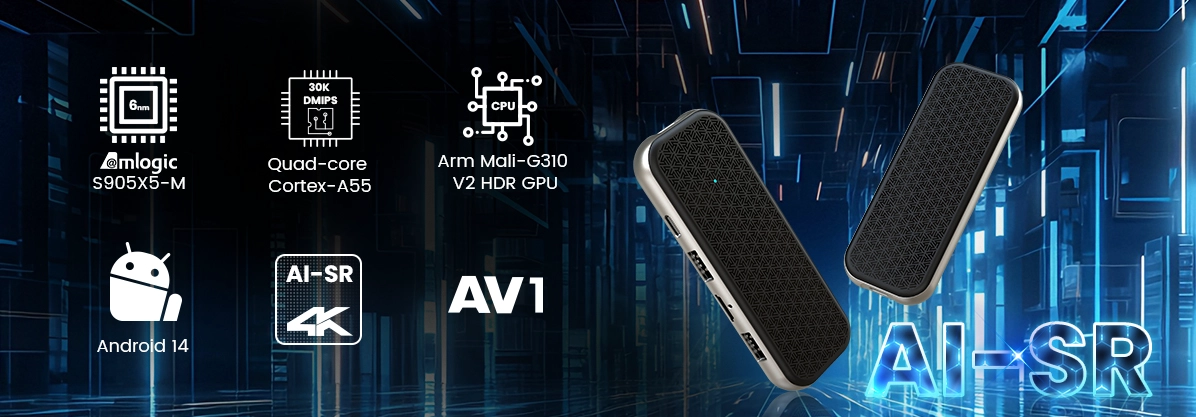
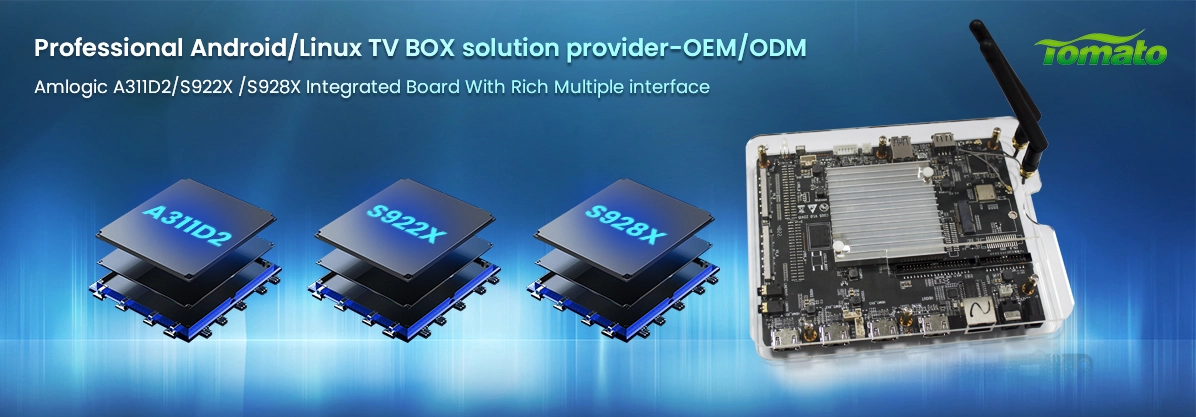
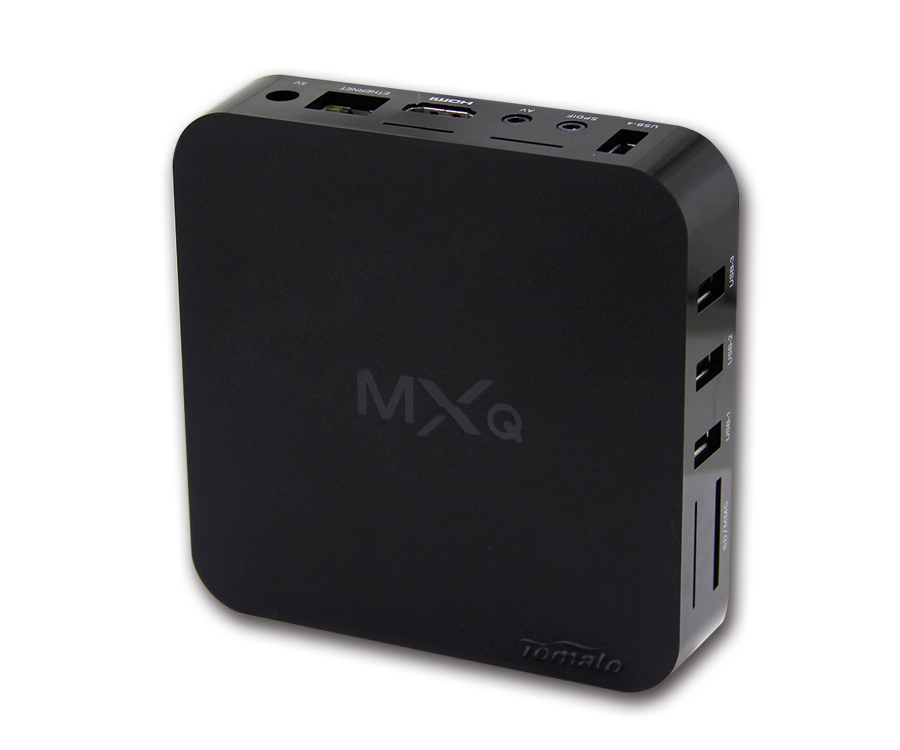
Hardware Execution: Relying on software to decode AV1 will max out CPU usage, causing immediate thermal failure. A commercial TV Box requires industrial-grade chipsets like the Amlogic S905X4 or the penta-core S928X. These SoCs process AV1 at the silicon level, allowing ISPs to deliver pristine 4K video over constrained network environments without dropping frames.
2. Thermal Endurance: The 24/7 Uptime Requirement
A specification sheet might boast a 2.0GHz CPU, but that speed is irrelevant if the device overheats and downclocks after four hours. Consumer units utilize stamped sheet metal for cooling, which traps heat inside the plastic chassis.
-
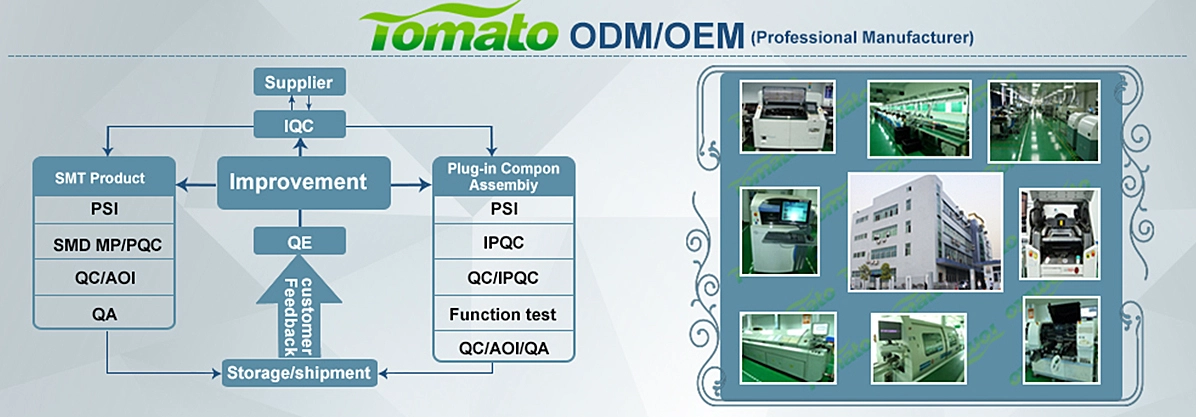
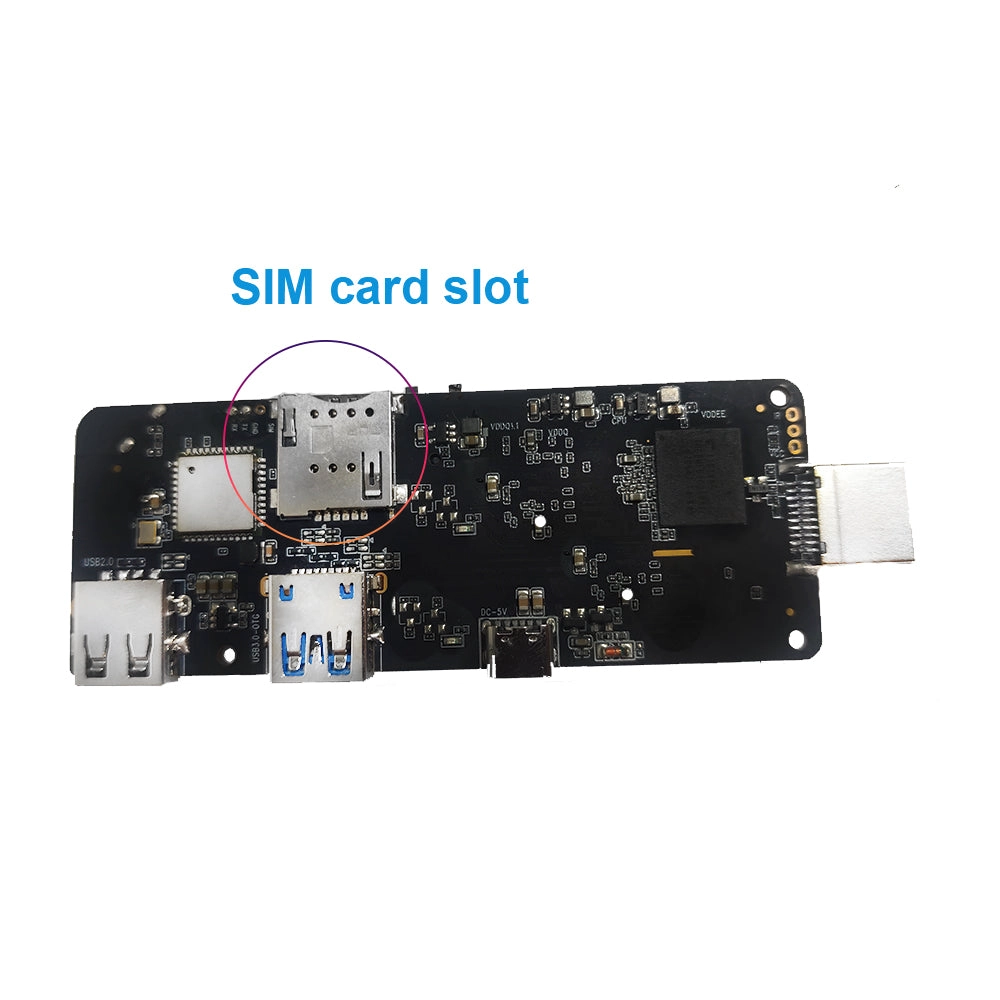
The SZTomato Engineering Standard: For digital signage and hospitality deployments operating 24/7, we bypass standard cooling mechanisms. Our Hardware Modification team redesigns the PCBA (Printed Circuit Board Assembly) to integrate custom extruded aluminum heatsinks bonded directly to the processor with 3.0 W/mK thermal pads.
-
The Result: This structural modification guarantees that your TV Box sustains peak clock speeds continuously, even when sealed inside unventilated outdoor digital kiosks operating at 45°C ambient temperatures.
3. Firmware Sovereignty: Locking the Ecosystem
The best TV Box is one the end-user cannot break. Standard Android interfaces are open systems, allowing users to access the Google Play Store, change network configurations, or exit your proprietary application, leading to a surge in support tickets.
-
Kiosk Mode Integration: At SZTomato, our Software and Firmware Development pipeline strips out consumer bloatware. We compile custom ROMs that enforce kernel-level "Kiosk Mode."
-
Brand Protection: When the TV Box boots, it completely bypasses the standard OS desktop, launching directly into your proprietary IPTV middleware or CMS playlist. We replace default boot animations with your corporate logo, ensuring the hardware acts as an invisible conduit for your service rather than a billboard for a third-party operating system.
4. I/O Versatility and White-Label Deployment
A premium TV Box must adapt to the physical realities of the installation site, not the other way around.
-
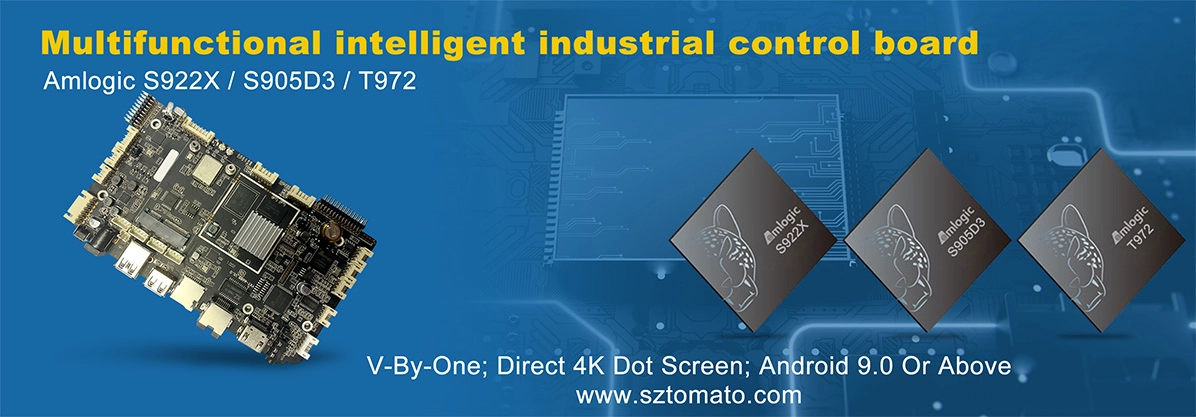
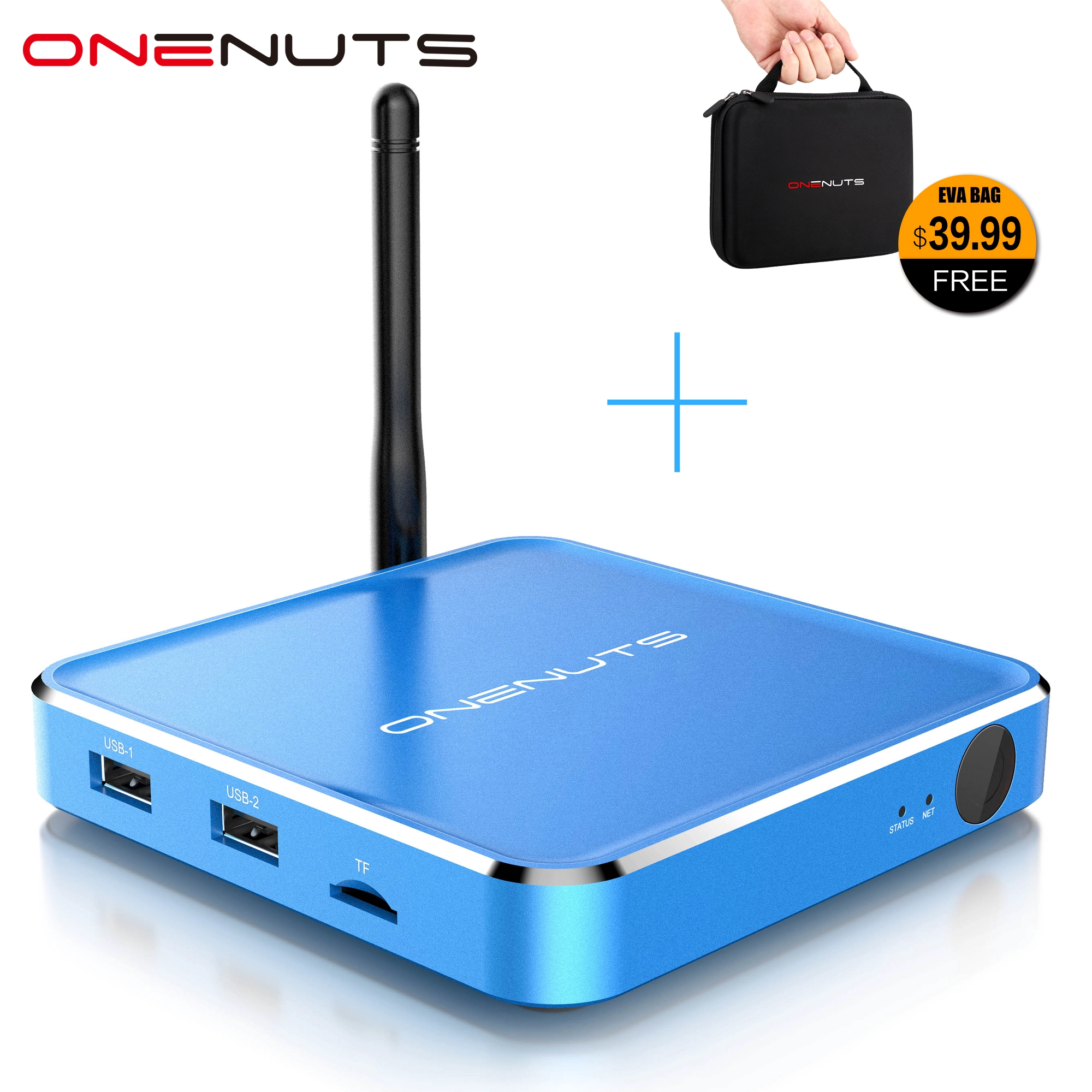
Custom Connectivity: If your hotel deployment suffers from 2.4GHz RF congestion, we modify the board to include Wi-Fi 6E. If you need to power the unit without AC outlets, we integrate active Power over Ethernet (PoE).
-
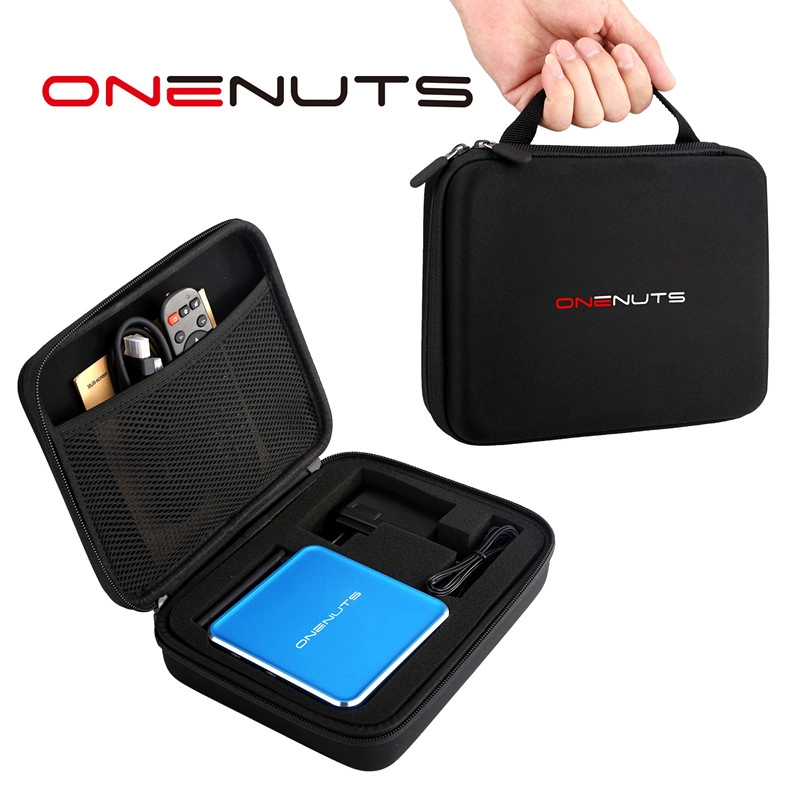
The Physical Touchpoint: We execute end-to-end Packaging Customization. From eco-friendly, high-density bulk shipping cartons that reduce your freight costs, to custom-molded Bluetooth voice remotes featuring hardcoded hotkeys mapped to your specific app.
Conclusion: The Best Box is Built, Not Bought
What is the best TV Box? It is the one that lowers your CDN costs, survives continuous industrial use, and strictly delivers your proprietary user experience. Generic retail hardware is a liability. True operational stability requires custom thermal engineering, locked-down firmware, and industrial connectivity.
