

What Exactly Does a Streaming Media Player Do?
What Exactly Does a Streaming Media Player Do?
In large-scale commercial deployments—whether powering thousands of interactive hospitality displays, IPTV hotel networks, or multi-screen digital signage arrays—a streaming media player is fundamentally misunderstood.
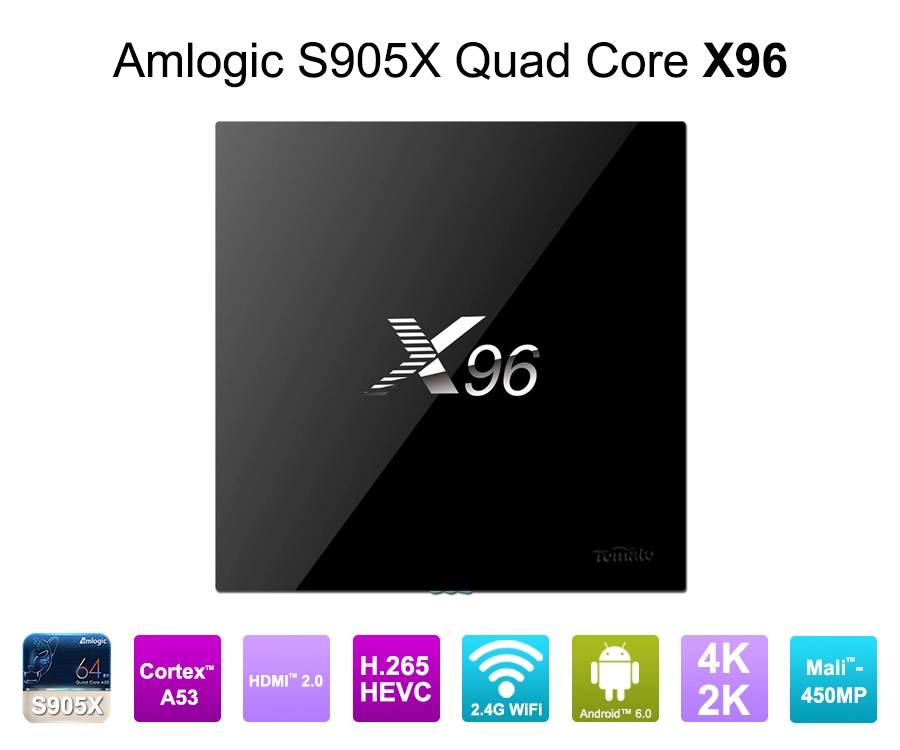
To the consumer, it is a convenient dongle used to access retail applications. To an enterprise network architect or system integrator, it is a dedicated, specialized edge-computing node designed to ingest highly compressed network data streams, decrypt them using hardware-level security protocols, and output uncompressed, zero-latency video signals to commercial displays.
Treating this hardware as a commoditized retail asset introduces significant failure points into enterprise environments. Deploying consumer-grade streaming hardware at scale frequently leads to hardware fragmentation, thermal throttling, and forced software update loops that break proprietary software.
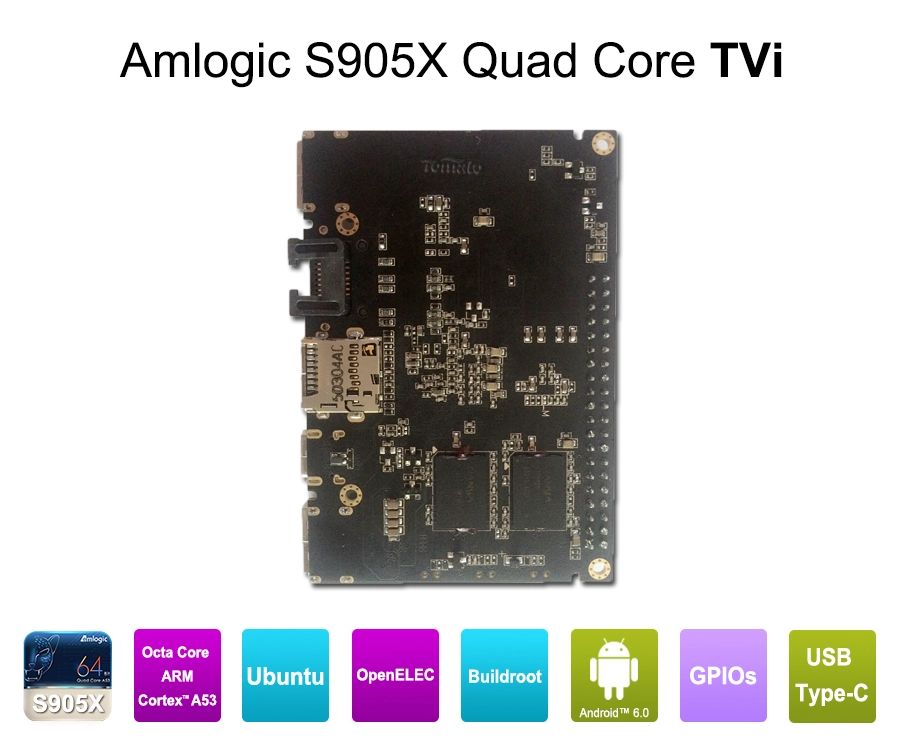
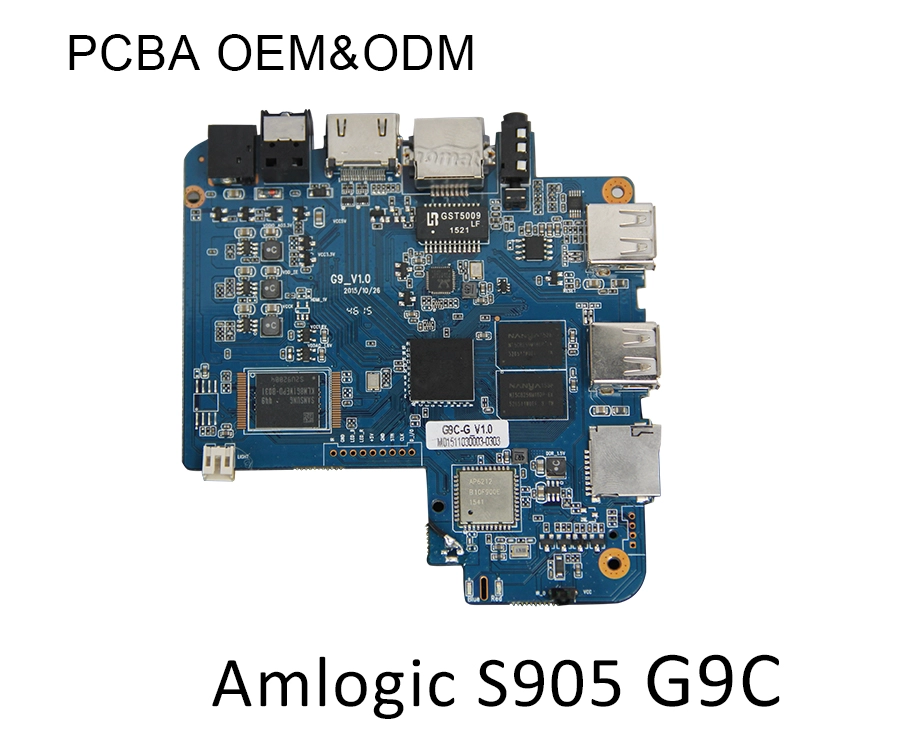
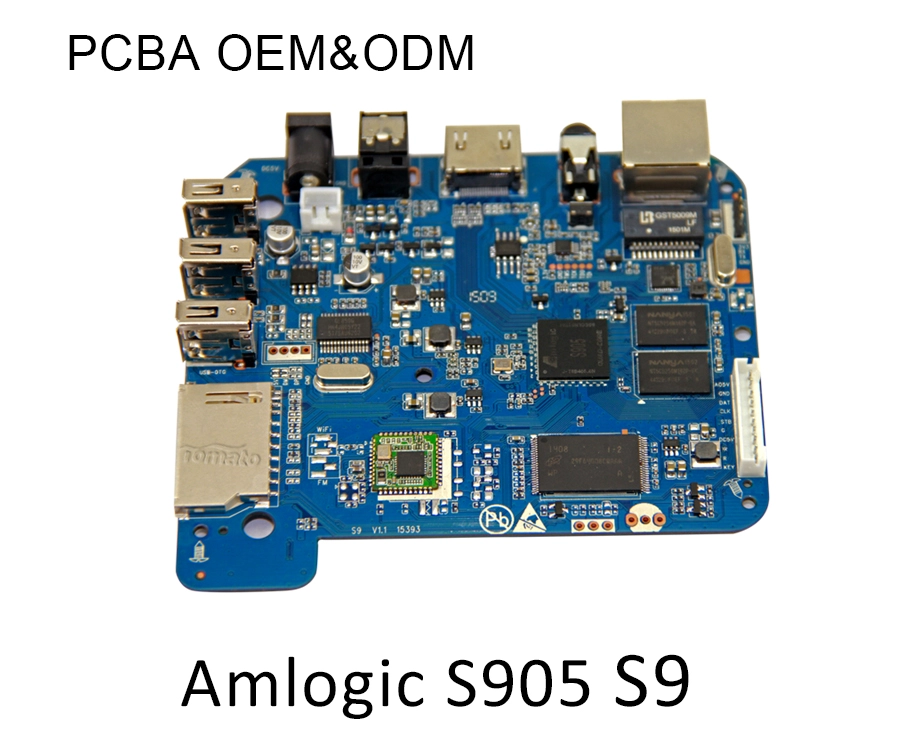
Understanding what a commercial streaming media player truly does requires moving past superficial user interfaces and looking closely at its underlying silicon, kernel layer, and printed circuit board assembly (PCBA).
1. Data Ingestion, Demuxing, and Hardware-Accelerated Decoding
At its core, a streaming media player acts as a real-time mathematical translator. It receives fragmented data packets over a local area network (LAN), wide area network (WAN), or cellular network via protocols like HLS, RTSP, or MPEG-TS. The device must ingest these packets, reconstruct them, and decode them into a raw video frame buffer at speeds up to 60 frames per second.
[Network Stream: HLS / RTSP] ➔ [Demuxing (Separates Audio/Video)] ➔ [Hardware SoC ASIC Decoders (AV1 / H.265)] ➔ [Uncompressed Frame Buffer] ➔ [HDMI Out: 4K / 8K]
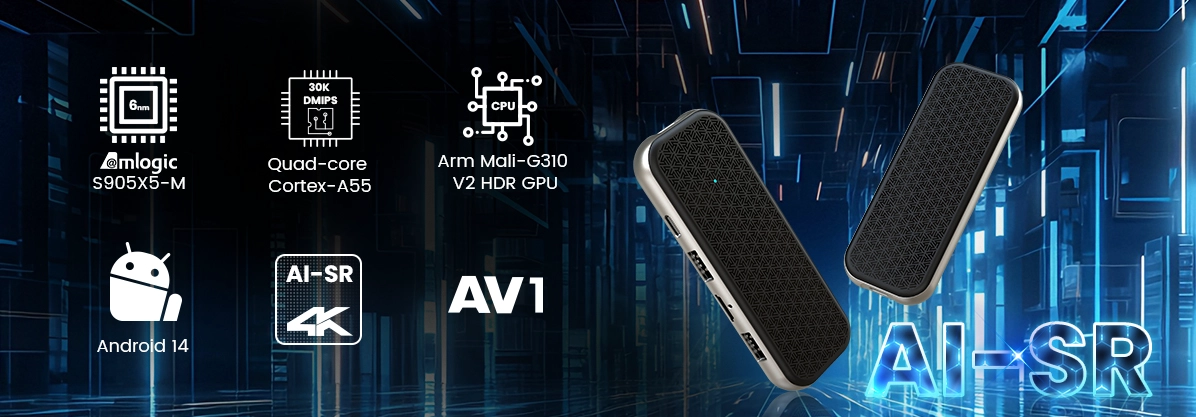
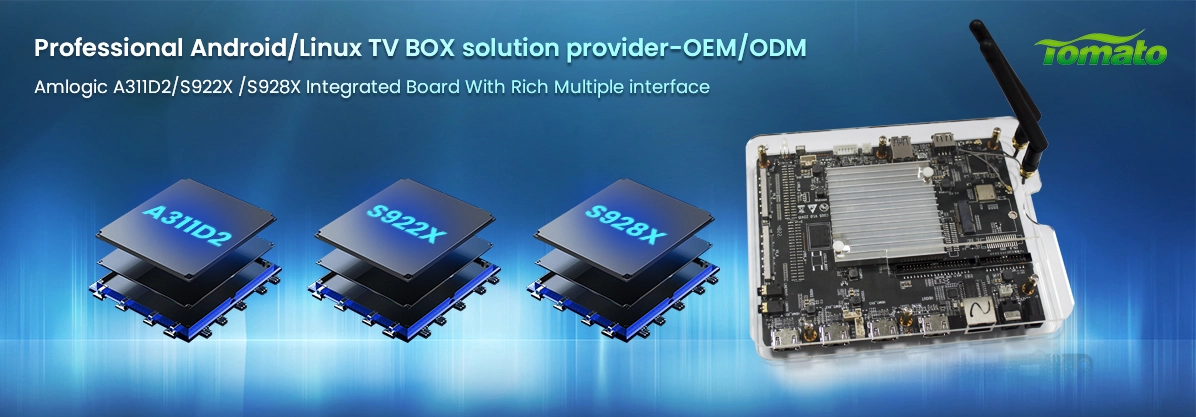
Standard hardware components handle this through software emulation, which strains the CPU, spikes core temperatures, and causes visible frame drops. A professional-grade streaming media player uses specialized application-specific integrated circuits (ASICs) embedded directly within high-performance System on Chips (SoCs), such as the Amlogic S928X or Rockchip RK3588.
-
Hardware Demuxing: The processor separates incoming multiplexed streams into distinct audio, video, and metadata tracks at the hardware layer, avoiding software-processing latency.
-
Multi-Codec ASIC Processing: The SoC features hardwired decoding blocks optimized for compute-heavy, high-efficiency compression profiles like AV1, HEVC (H.265), and VP9.
-
Bandwidth Efficiency: By utilizing native AV1 hardware decoding, commercial media players reduce network bandwidth consumption by up to 30% compared to legacy H.264 devices. This enables operators to deploy high-density 4K and 8K video streams over legacy network infrastructures without bottlenecking local switches.
2. Firmware Sovereignty and Kernel-Level Resource Control
While consumer media players run proprietary operating systems packed with data-tracking processes and advertising widgets, an enterprise streaming media player requires a stripped-down, optimized software layer.
A standard retail operating system routinely throttles background services to favor the foreground consumer application. For independent software vendors (ISVs) or system integrators running specialized content management systems (CMS) or proprietary IPTV applications, this unmanaged OS behavior causes random software crashes and unresponsiveness.
┌────────────────────────────────────────────────────────┐
│               Consumer OS (Walled Garden)              │
│  - Forced Public Updates    - Background Tracker Bloat │
│  - No Root / API Restrictions - Consumer App Overhead  │
└────────────────────────────────────────────────────────┘
VS.
┌────────────────────────────────────────────────────────┐
│               B2B AOSP Custom Firmware                 │
│  - Locked Private OTA Server - Dedicated RAM / CPU Block│
│  - Elevated App Permissions - Factory Kiosk Mode       │
└────────────────────────────────────────────────────────┘
By developing customized firmware using the Android Open Source Project (AOSP) or lightweight Linux distributions (such as Ubuntu or Debian), OEM/ODM engineers can eliminate consumer bloatware. This frees up vital RAM and CPU cycles exclusively for the client’s media player software.
Furthermore, true firmware-level customization allows for essential B2B control mechanisms:
- Elevated Root Permissions: Integrators can grant specific system-level APIs the permissions required to perform silent application updates, remote system reboots, and deep diagnostic testing without displaying user-facing prompts.
- Private OTA Update Infrastructure: Instead of risking public, uncoordinated OS rollouts that can break application compatibility across thousands of active endpoints, devices are hardcoded to point to a private, secure Over-The-Air (OTA) update server. This gives administrators total control over when and how patches are deployed.
- Firmware Kiosk Lockdowns: System engineers lock the user interface at the kernel layer. This ensures the custom application boots instantly when power is applied and prevents end-users from tampering with network properties or exiting the primary loop.
3. Custom PCBA Architecture and Thermal Management
A streaming media player deployed behind a commercial digital signage display panel or enclosed inside an outdoor kiosk faces harsh operating conditions. Consumer hardware housed in thin plastic enclosures traps heat, causing severe thermal throttling—where the CPU aggressively drops its clock speed to prevent structural failure, resulting in dropped frames, stuttering, or frozen displays.
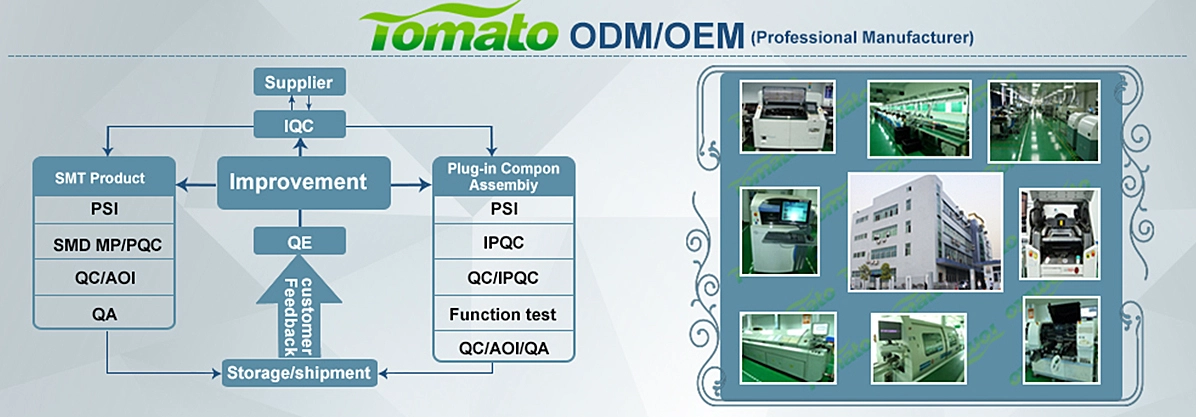
Commercial hardware design shifts the focus entirely to continuous 24/7 reliability. B2B OEM manufacturing requires precise, application-specific Printed Circuit Board Assembly (PCBA) modifications:
| Hardware Component | Consumer Streaming Device | Enterprise OEM Media Player |
|---|---|---|
| Enclosure & Thermal Strategy | Sealed plastic housing; small, basic heatsinks. Prone to thermal breakdown. | Machined aluminum extrusion chassis; direct passive thermal convection pads. |
| BOM (Bill of Materials) Stability | Fragmented; components are swapped between production runs to cut retail costs. | Strictly locked BOM; industrial-grade capacitors and flash memory rated for high heat. |
| Hardware Failure Recovery | Requires manual power cycling or on-site physical interaction if the OS freezes. | Hardware Watchdog Timer (WDT); automatically reboots the system upon detecting an app freeze. |
| I/O Connectivity Options | Minimalist; restricted to basic Wi-Fi and a single power/HDMI connector. | Custom configurations: Gigabit Ethernet (RJ45), RS232 controllers, and GPIO pins. |
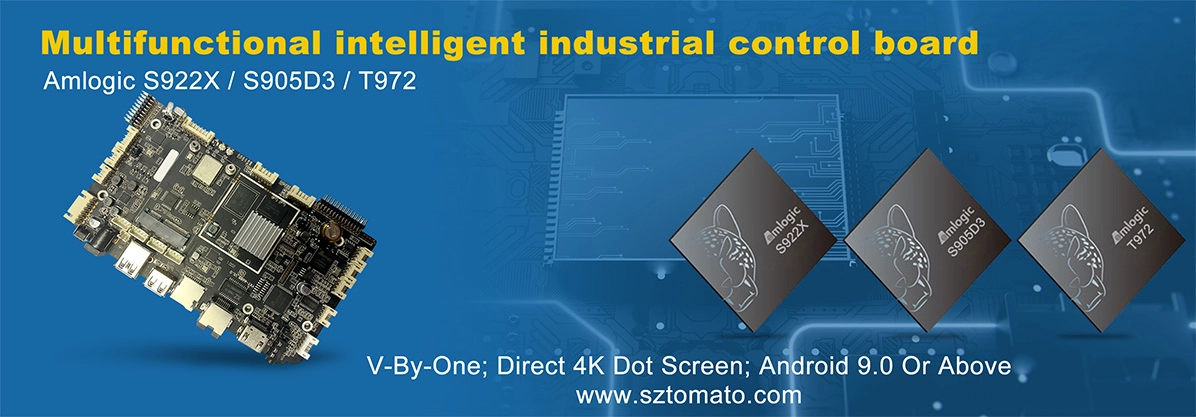
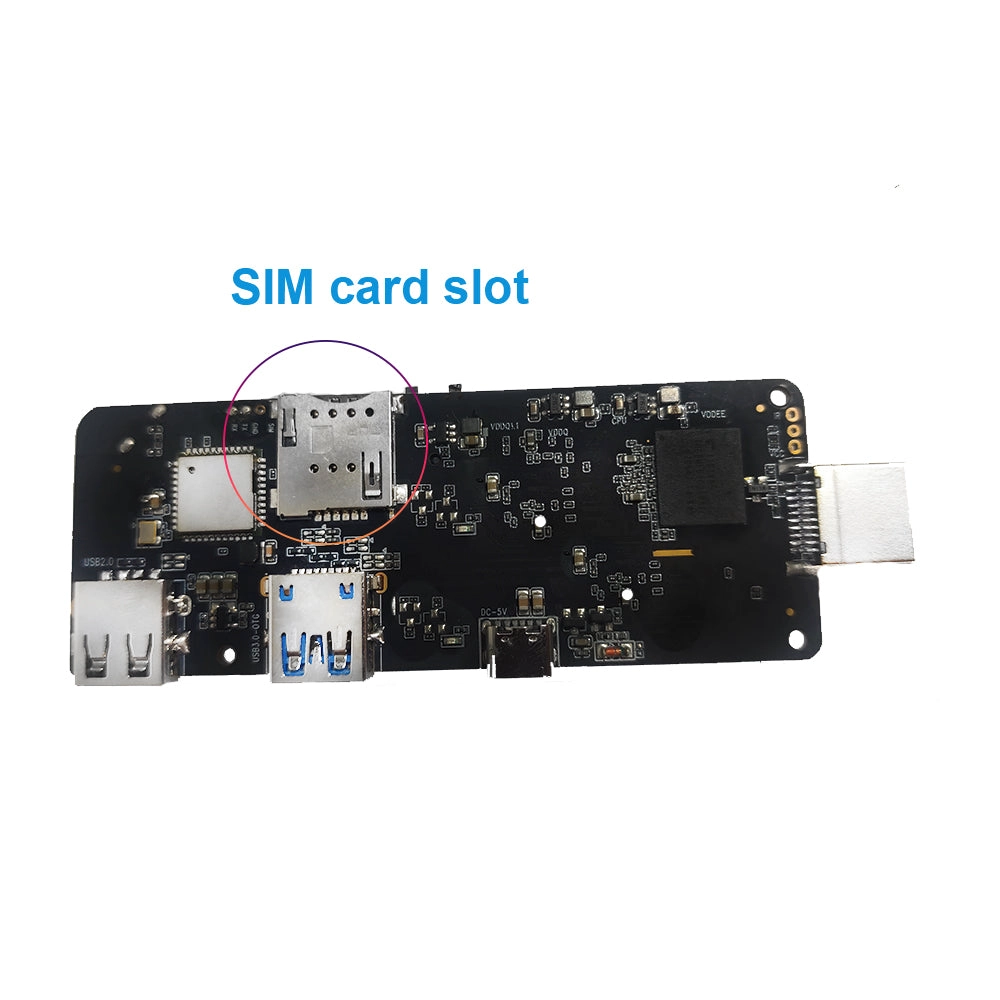
By modifying the PCBA layout, an experienced manufacturer can integrate critical physical interfaces—such as Power over Ethernet (PoE) modules to eliminate secondary power bricks, or real-time clock (RTC) batteries to maintain system time synchronization during sudden power grid failures.
Future-Proof Your Media Deployment Infrastructure
When architecting a media network, a streaming media player should not be evaluated as an off-the-shelf commodity. It is the critical hardware foundation that directly determines the uptime, security, and rendering quality of your entire system. Deploying consumer devices introduces significant long-term technical liabilities to your infrastructure.
To discuss custom PCBA modifications, advanced AOSP firmware development, or high-volume OEM/ODM manufacturing engineered for your specific enterprise application, consult the technical team at SZTomato.
