

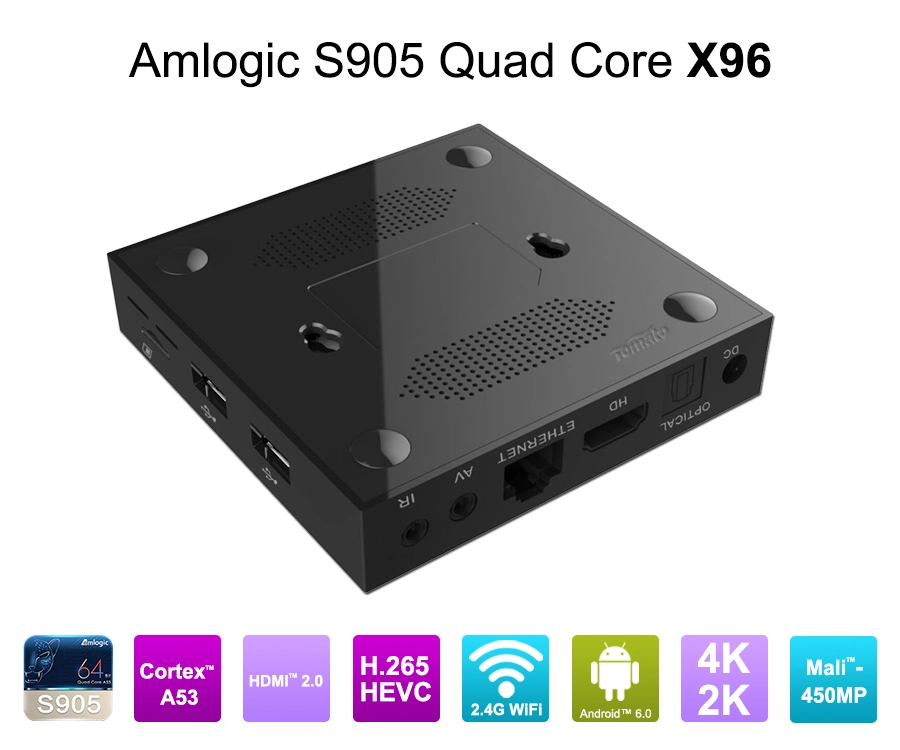
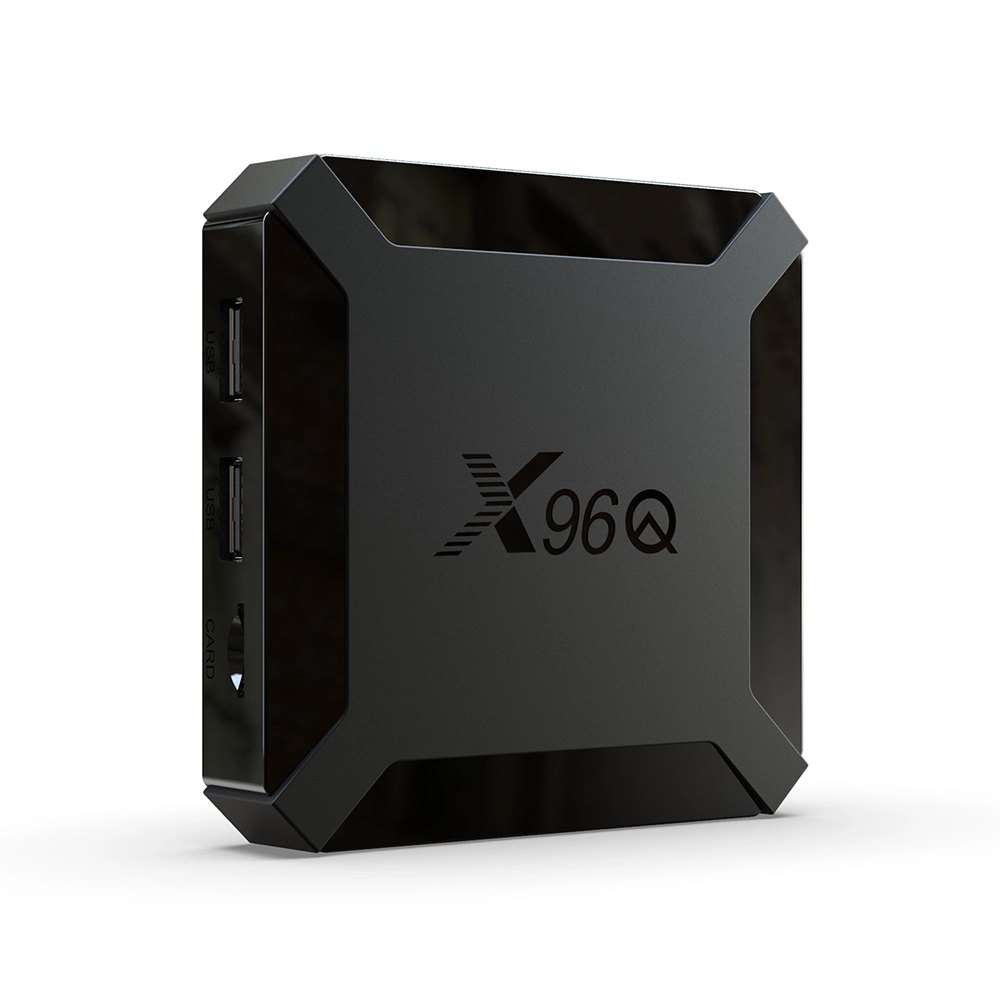
What is the Smart TV Box that gets all the channels?
What Is the Smart TV Box That Gets All Channels?
For global telecom operators, hospitality providers, and OTT (Over-the-Top) platform integrators, the consumer quest for a device that "gets all channels" highlights a complex technical challenge: managing fragmented Digital Rights Management (DRM) schemes, disparate video compression standards, and secure transport middleware across millions of endpoints.
In commercial media deployment, there is no magic retail stick that natively unlocks legal, global content. Relying on consumer-grade streaming hardware or generic Android boxes leads directly to dropped streams, decoding failures, and catastrophic security breaches.
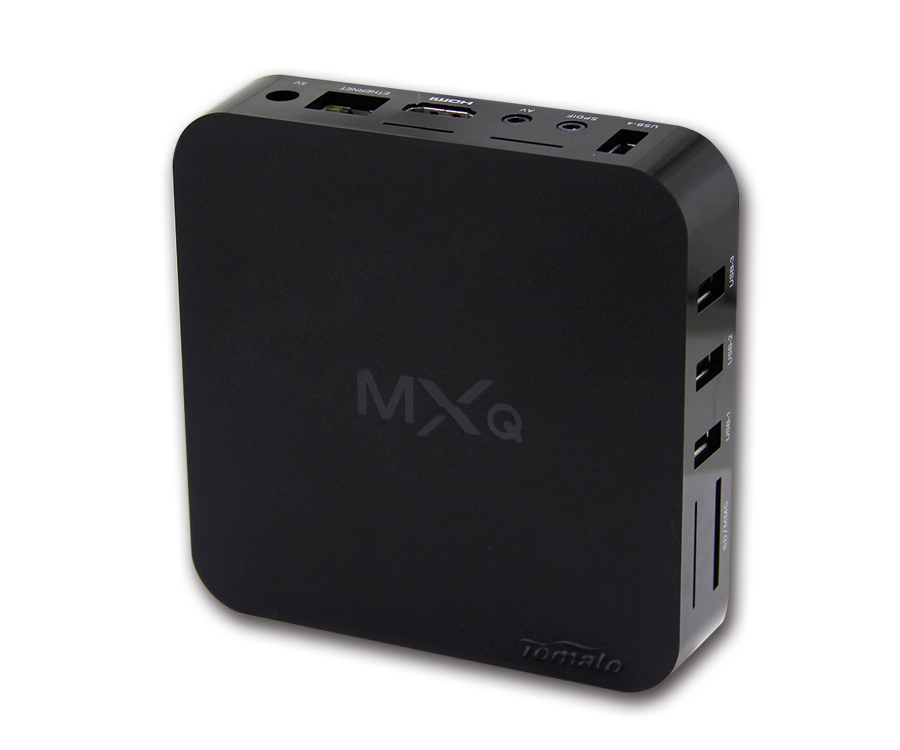
Achieving a truly comprehensive content distribution architecture requires looking past retail applications and focusing on hardware-level engineering. The definitive solution is a purpose-built, open-architecture Smart TV Box optimized for systematic decryption, multi-codec processing, and secure middleware integration.
Hardware-Level Decryption vs. Application-Layer Bottlenecks
Consumer devices handle channel aggregation at the application layer, forcing users through siloed, subscription-heavy apps that frequently clash over geographic licensing and software compatibility. For a B2B network engineer deploying hardware across thousands of hotel rooms or enterprise screens, this fragmented approach is a operational failure.
A commercial-grade Smart TV Box overcomes this limitation by integrating robust Digital Rights Management directly into the silicon during assembly.
The Compliance Threshold: True channel delivery requires hardware-enforced trusted execution environments (TEEs). Without silicon-level integration of Widevine L1 and Microsoft PlayReady, high-definition (HD) and ultra-high-definition (UHD) streams are throttled down to standard definition (SD) or blocked entirely by premium content delivery networks (CDNs).
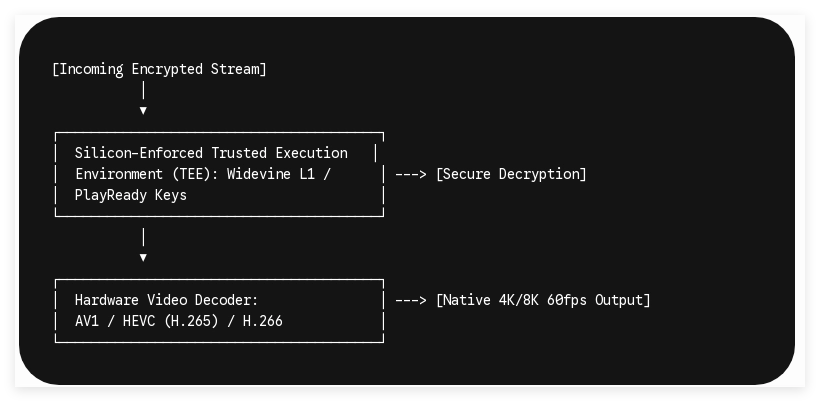
By provisioning security keys at the factory level, an enterprise-grade player ensures that whatever middleware or IPTV application your network deploys—whether it utilizes secure XC API, Stalker, or customized HLS feeds—the underlying hardware seamlessly decrypts premium content without performance drops.
Multi-Codec Hardware Decoding Architecture
Unlocking a vast matrix of international, local, and live satellite channels requires hardware that can process diverse and evolving video compression profiles simultaneously. Consumer sticks often lack broad format compatibility, resulting in high CPU usage and rapid thermal degradation when forced to decode unfamiliar formats via software.
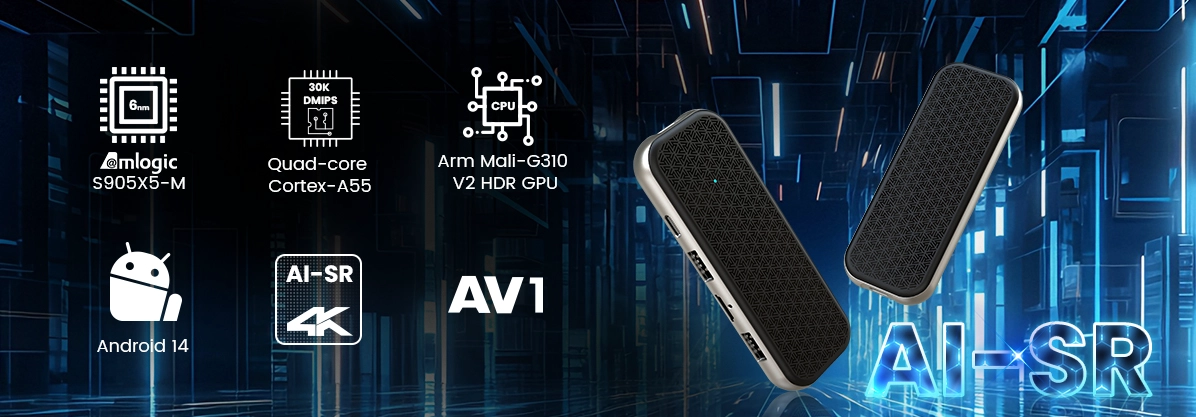
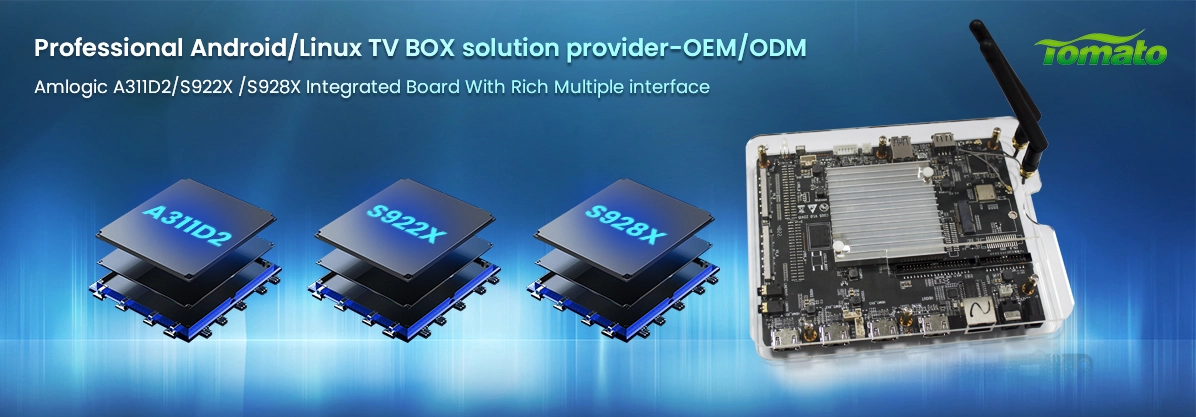
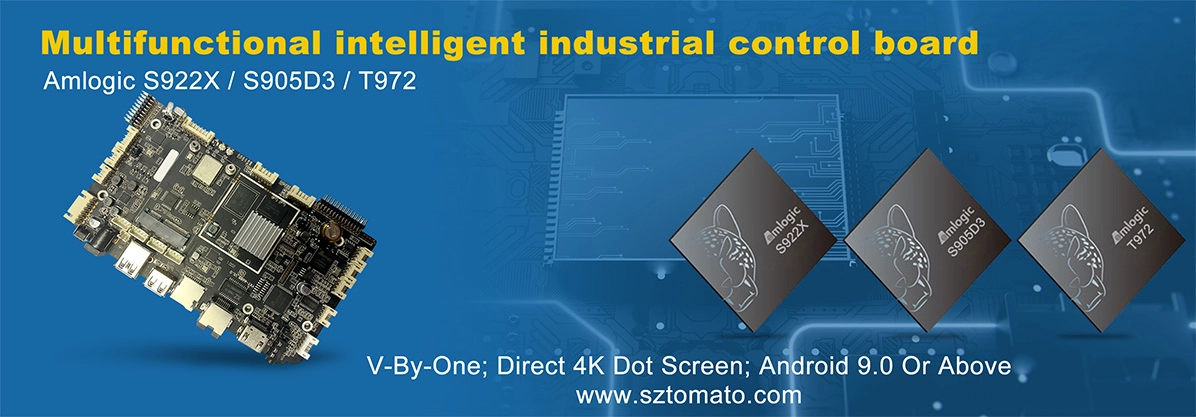
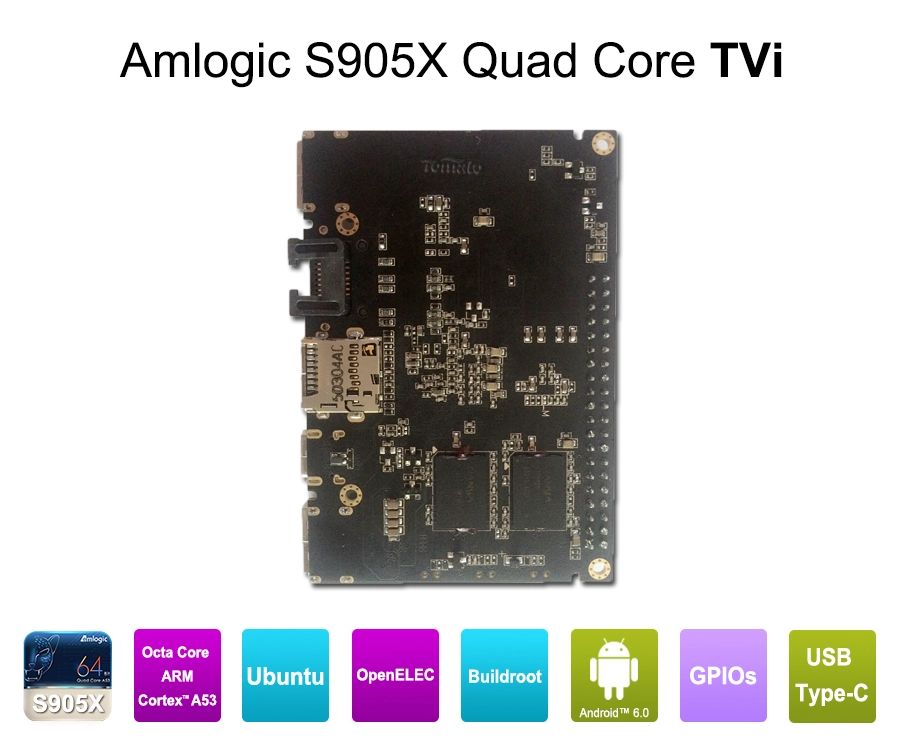
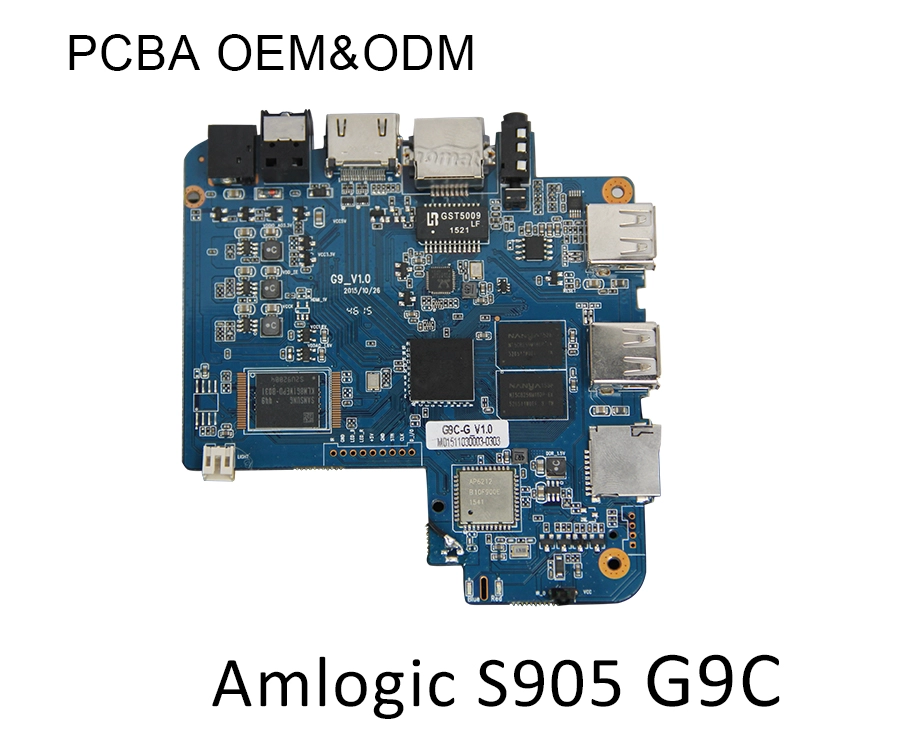
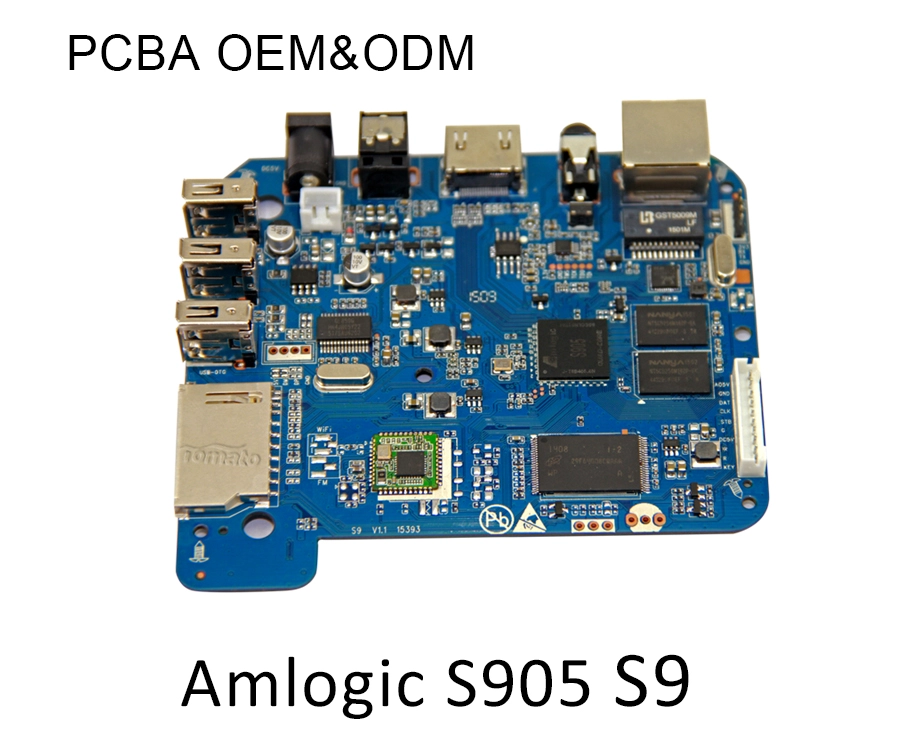
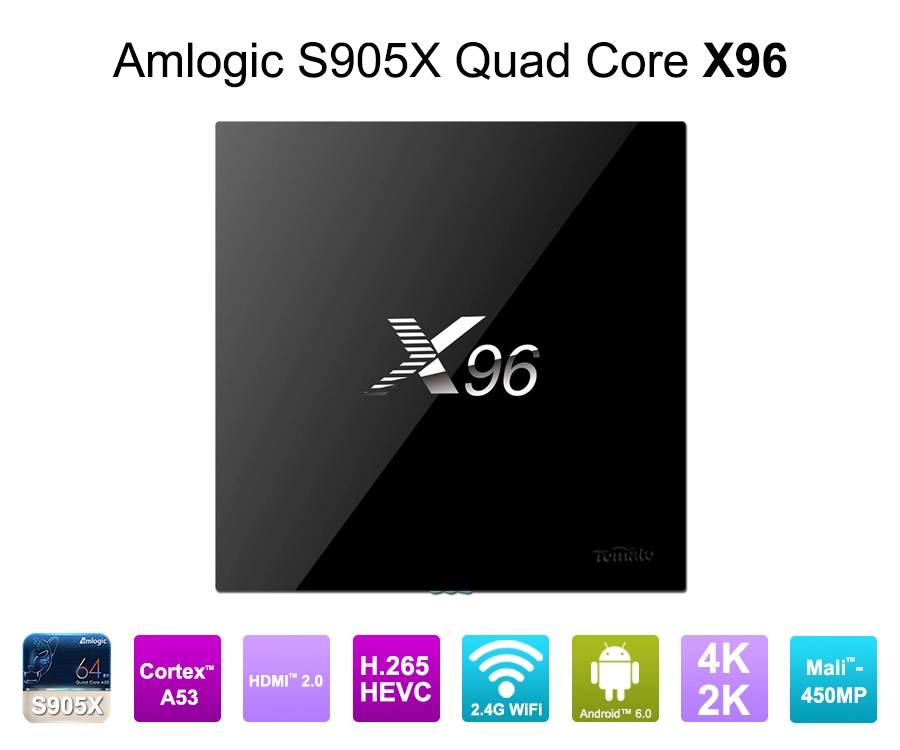
Commercial B2B Smart TV Boxes use advanced system-on-chip (SoC) architectures, such as the Amlogic S905X5M or the Rockchip RK3588. These chips feature dedicated, hardwired decoding engines that support a wide array of formats:
-
AV1 Decoding: Reduces streaming bandwidth overhead by up to 30% compared to legacy H.264 profiles, allowing networks to deliver high-density channel arrays over constrained commercial pipe architectures.
-
HEVC (H.265) & VVC (H.266): Vital for handling 4K and 8K ultra-high-definition live sports broadcasts and premium cinematic channels.
-
TS Stream Optimization: Native hardware handling of MPEG-Transport Streams (MPEG-TS), the foundational protocol for professional IPTV headends and digital broadcast infrastructure.
By offloading these intensive mathematical tasks to dedicated ASIC blocks within the SoC, the main processor runs efficiently. This keeps the physical core temperature low and ensures stable, stutter-free video playback even during 24/7 continuous operation.
Open AOSP Middleware Integration
The ultimate limitation of proprietary consumer operating systems is the complete lockdown of the network stack. System integrators cannot dictate how content caches, how multicast streams clear, or how the user interface boots.
A professional AOSP (Android Open Source Project) Smart TV Box gives operators absolute control over the platform's software environment. This allows for deep engineering modifications:
-
Custom IPTV Middleware Hardcoding: System integrators can flash their proprietary IPTV application directly into the /system/priv-app/ directory, preventing users from closing the platform or altering channel configurations.
-
UDP Multicast & IGMP Snooping Support: Essential for campus and hospitality networks to broadcast live television across thousands of rooms simultaneously without overwhelming internal network switches.
-
Private Over-The-Air (OTA) Control: Ensures that channel lists, security certificates, and application updates are securely pushed from the operator's private server, bypassing the public app store infrastructure entirely.
Engineer a Sovereign Content Infrastructure
Relying on retail devices to deliver broad, secure content streams creates immediate security risks and operational vulnerabilities. True channel coverage across an enterprise network requires customized hardware built from the ground up to support your specific streaming architecture.
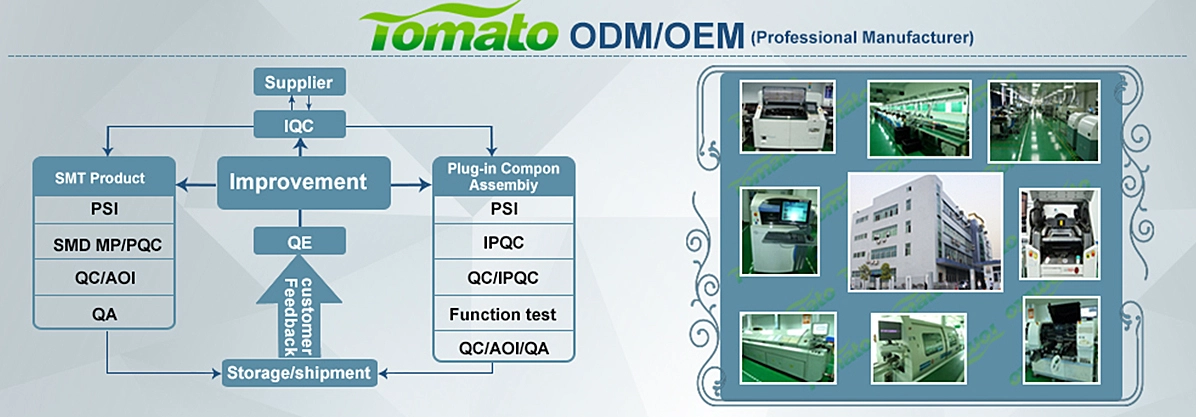
To eliminate technical bottlenecks, implement custom hardware-level DRM, or develop bespoke AOSP firmware for high-volume deployments, consult the engineering and manufacturing team at SZTomato.
