
What is better Set-Top Box (STB) than roku for tv?
What is a Better Set-Top Box (STB) Than Roku for TV?
Deploying consumer-grade streaming sticks across a 500-endpoint commercial network exposes a critical engineering flaw: proprietary operating systems prioritize ad revenue over architectural sovereignty.
When operators evaluate hardware for hospitality, digital signage, or corporate AV systems, comparing a Roku stick to a commercial Set-Top Box (STB) requires moving past raw CPU benchmarks. The friction point in large-scale media deployments is the "walled garden." While Roku OS excels in residential simplicity, it presents a functional dead-end for B2B system integrators who require unrestricted firmware-level control, continuous thermal stability, and deep API integration.
Here is the technical breakdown of why an open-architecture, OEM-customized Set-Top Box fundamentally outperforms off-the-shelf Roku hardware in enterprise environments.
The Bottleneck of Proprietary Ecosystems
Roku devices are built for content consumption, heavily restricting how the hardware interacts with third-party network infrastructure. For an enterprise operator, the inability to control the boot sequence, modify the launcher, or disable automatic OS updates leads to network synchronization failures.
Proprietary middleware dictates forced OTA (Over-the-Air) updates. A single unprompted firmware update from a consumer manufacturer can break custom-built hospitality channels or digital signage applications without warning. Furthermore, consumer OS environments lack native Kiosk Mode capabilities, leaving the device vulnerable to end-user tampering.
A superior Set-Top Box utilizes the Android Open Source Project (AOSP). By leveraging AOSP, OEM engineers can strip away consumer-centric bloatware, dedicating the device's CPU and RAM entirely to the intended enterprise application. This lean OS approach reduces thermal overhead and significantly extends the hardware's Mean Time Between Failures (MTBF).
Firmware-Level Sovereignty and MDM Integration
The standard metric for B2B hardware viability is remote manageability. A commercial Set-Top Box allows for deep-level integration at the firmware layer, a capability entirely absent in consumer dongles.
A competent OEM partner modifies the firmware to support Mobile Device Management (MDM) platforms. This requires root-level hardware access to execute specific industrial functions:
-
Custom Boot Animations & Pre-installed APKs: Hard-coding proprietary software directly into the /system/app/ directory ensures enterprise applications survive a factory reset.
-
Auto-Power On: Configuring the PCBA to force the device to boot and launch a specific application immediately upon receiving power, eliminating manual intervention after grid outages.
-
HDMI-CEC Customization: Tailoring the Consumer Electronics Control protocol so the Set-Top Box directly manages the power state of professional-grade monitors.
These modifications transform a media player into a dedicated edge-computing node.
PCBA Modification and Hardware Architecture
Consumer sticks prioritize a discrete form factor, which inherently compromises thermal management and I/O connectivity. Sustained 4K playback or continuous digital signage rendering causes aggressive CPU throttling in small, enclosed plastic housings.
An enterprise-grade Set-Top Box requires specific architectural advantages:
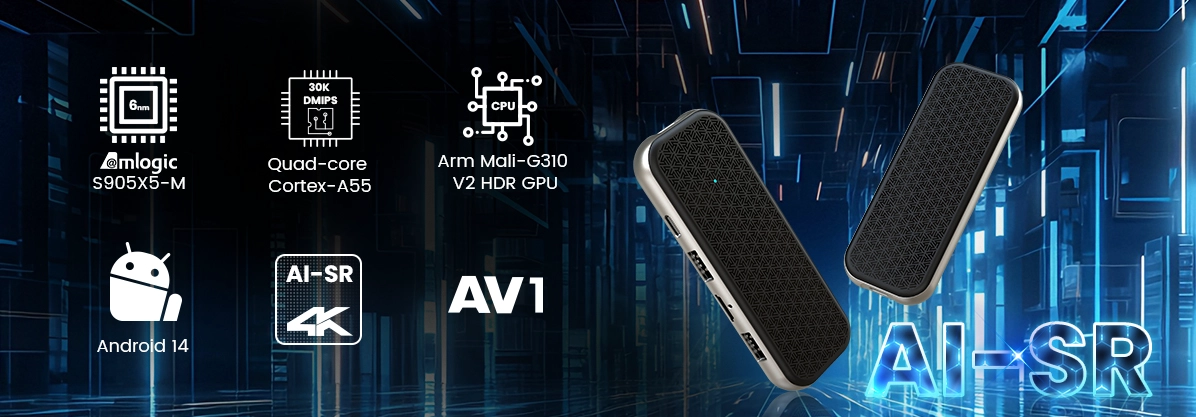
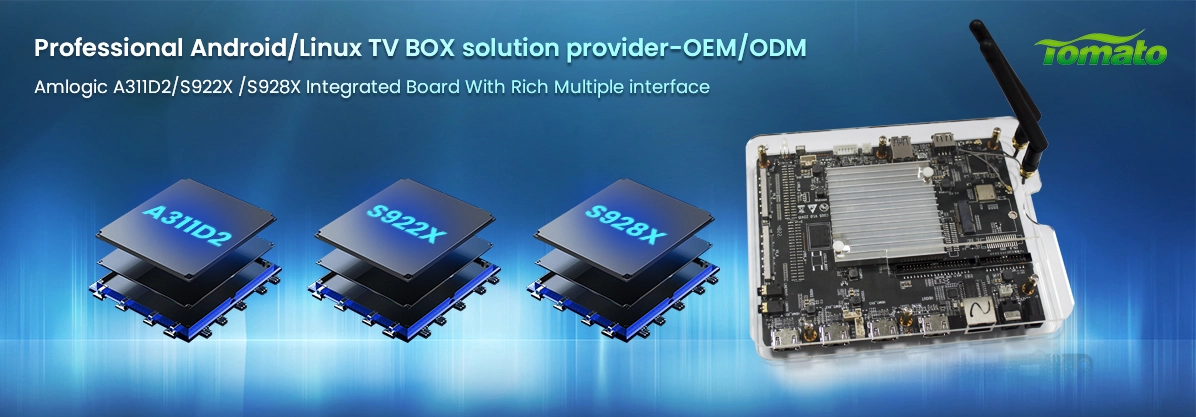
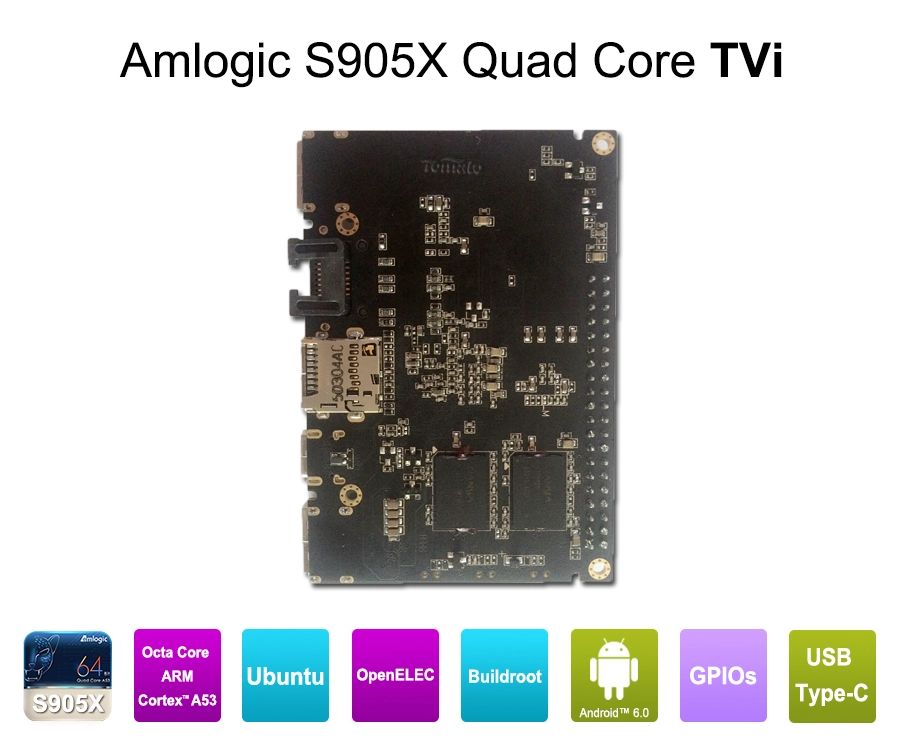
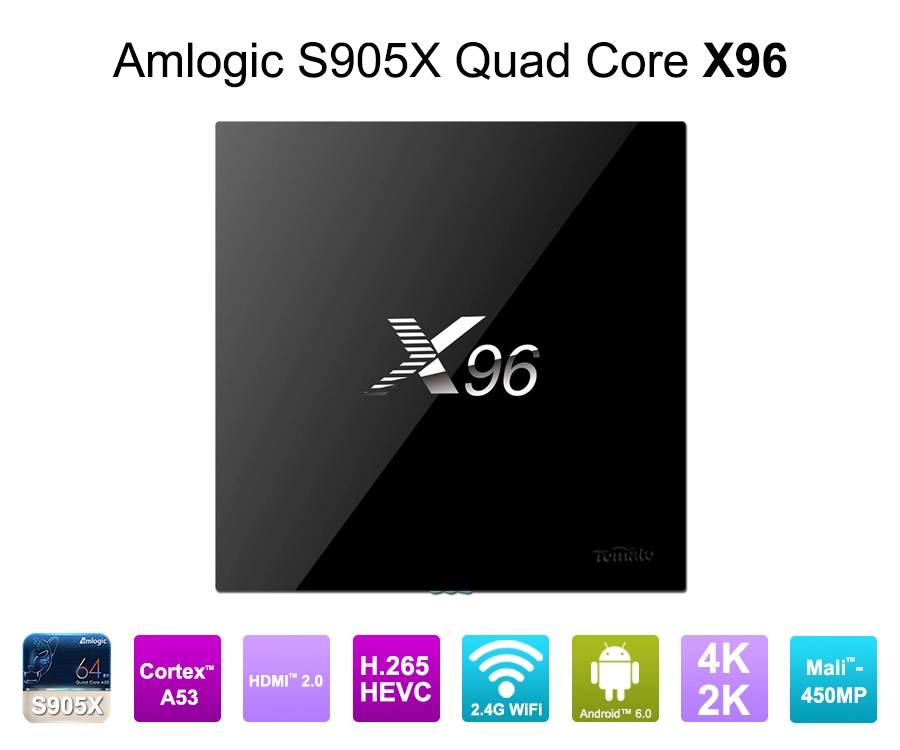
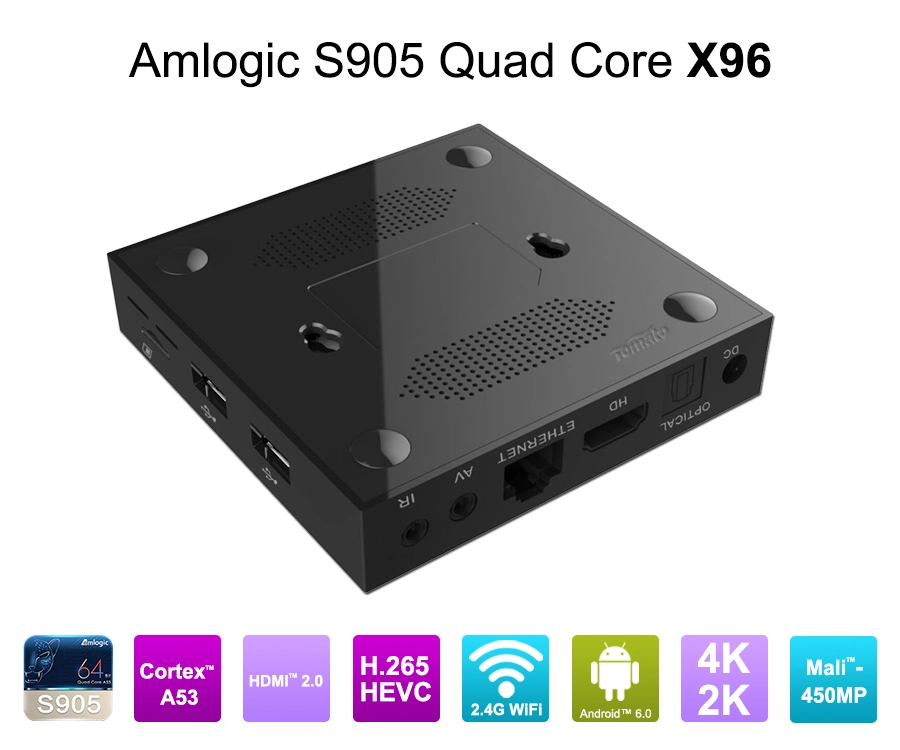
- SoC Superiority: Commercial units leverage high-performance chipsets like the Amlogic S905X4 or S928X. These processors feature native hardware decoding for AV1 and HEVC (H.265), maximizing bandwidth efficiency across heavy enterprise networks.
- Memory and Storage Ratios: While retail sticks operate on narrow memory margins, a B2B Set-Top Box utilizes 4GB LPDDR4 RAM and 32GB/64GB of industrial eMMC storage, preventing write-cycle degradation over a multi-year deployment.
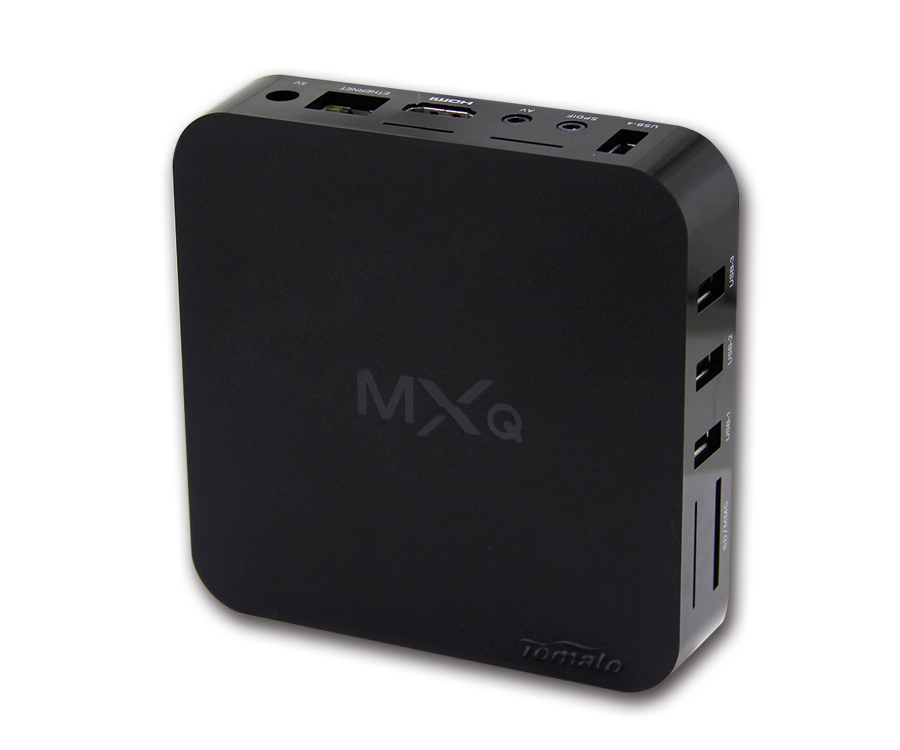
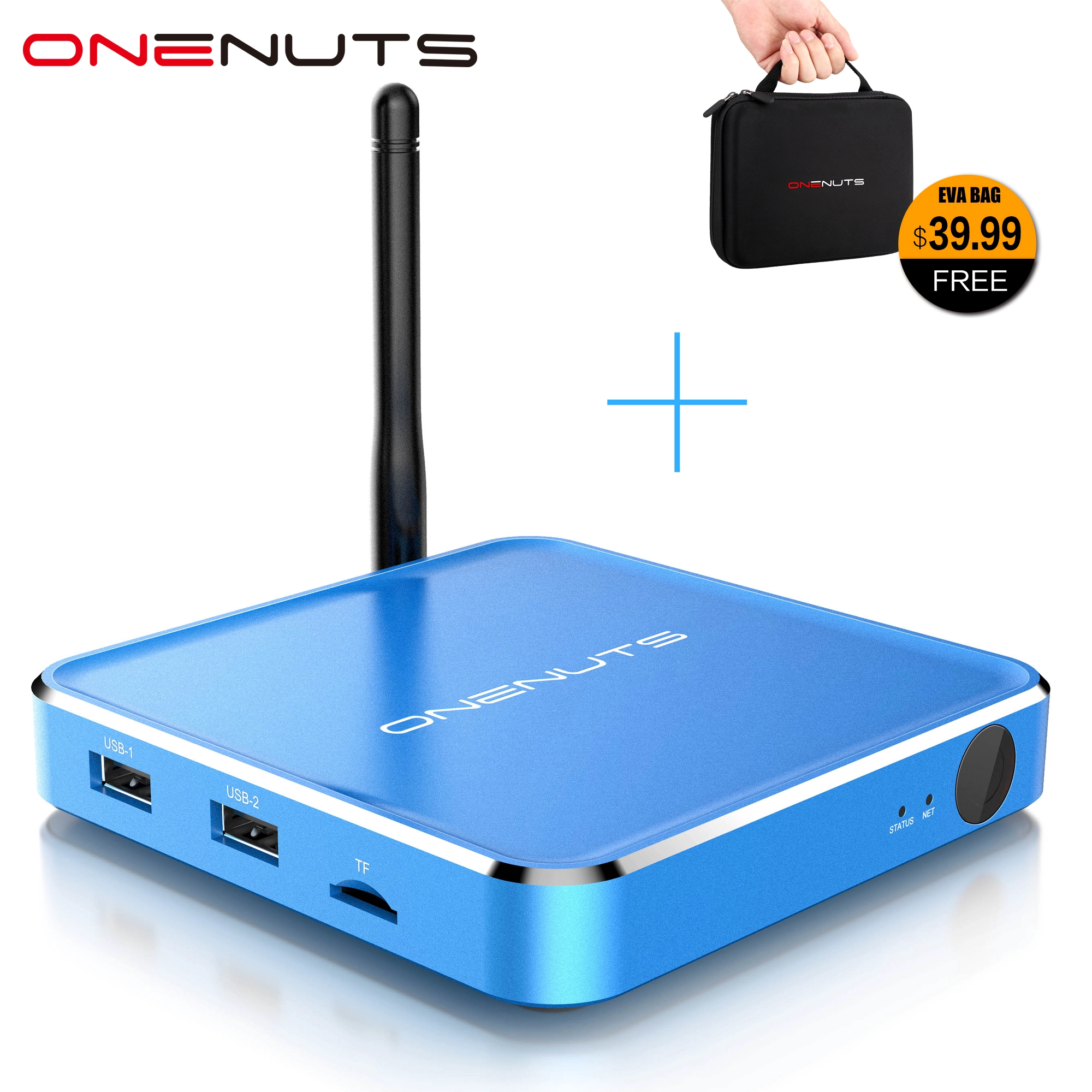
- Physical Connectivity: RF-congested environments—such as hotels or trade floors—cause Wi-Fi throughput collapse. A commercial STB includes physical Gigabit Ethernet (RJ45), USB 3.0 ports for peripheral integration (touchscreens, barcode scanners), and external high-gain Wi-Fi antennas.
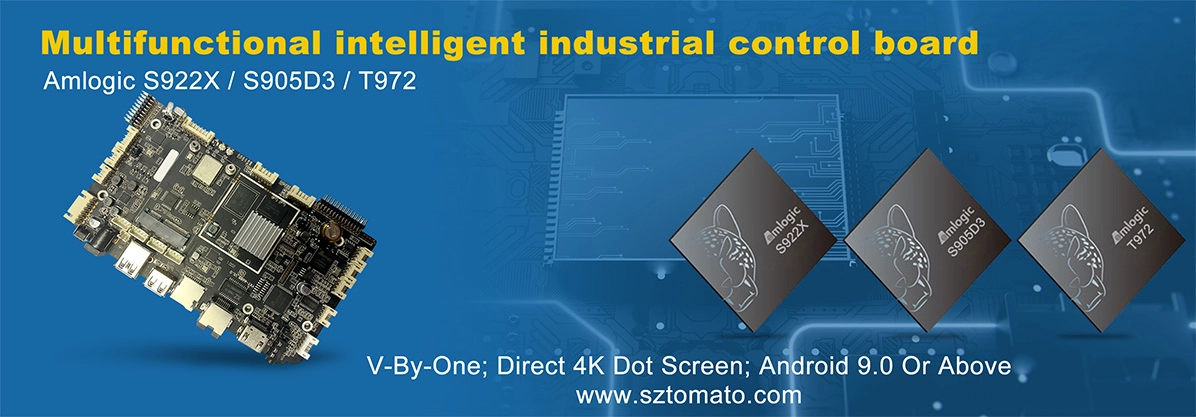
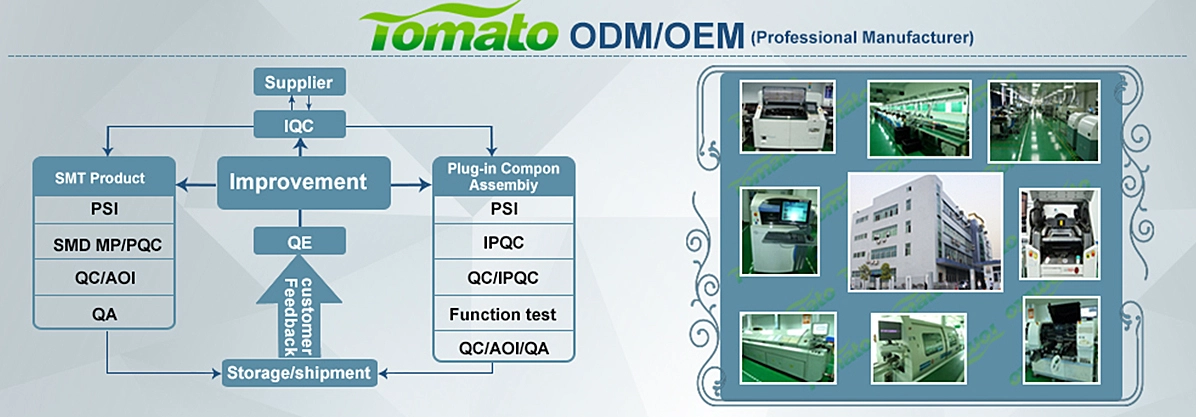
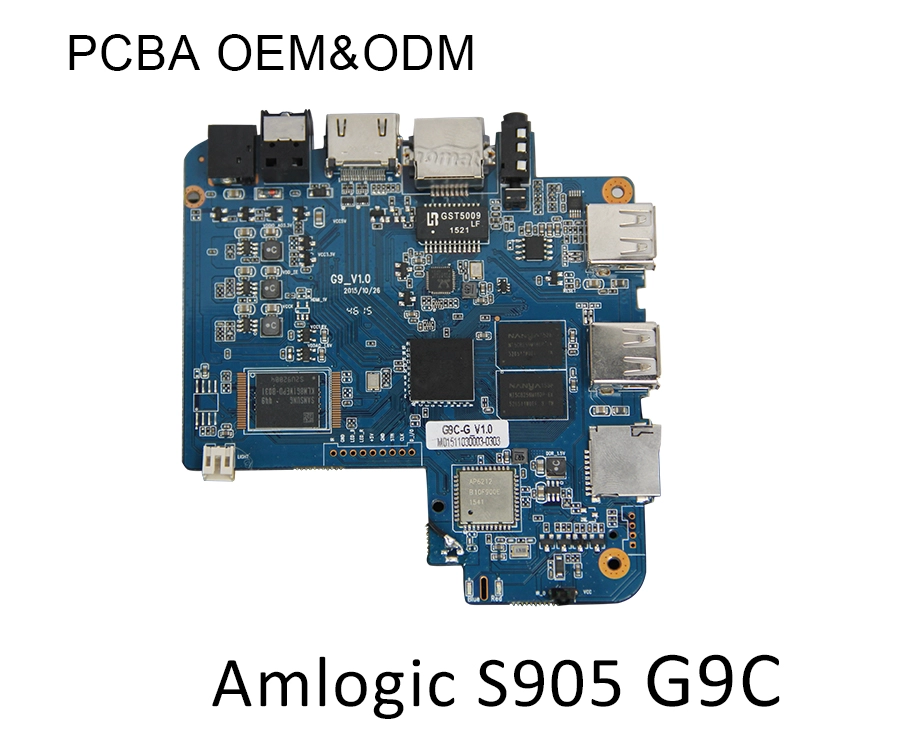
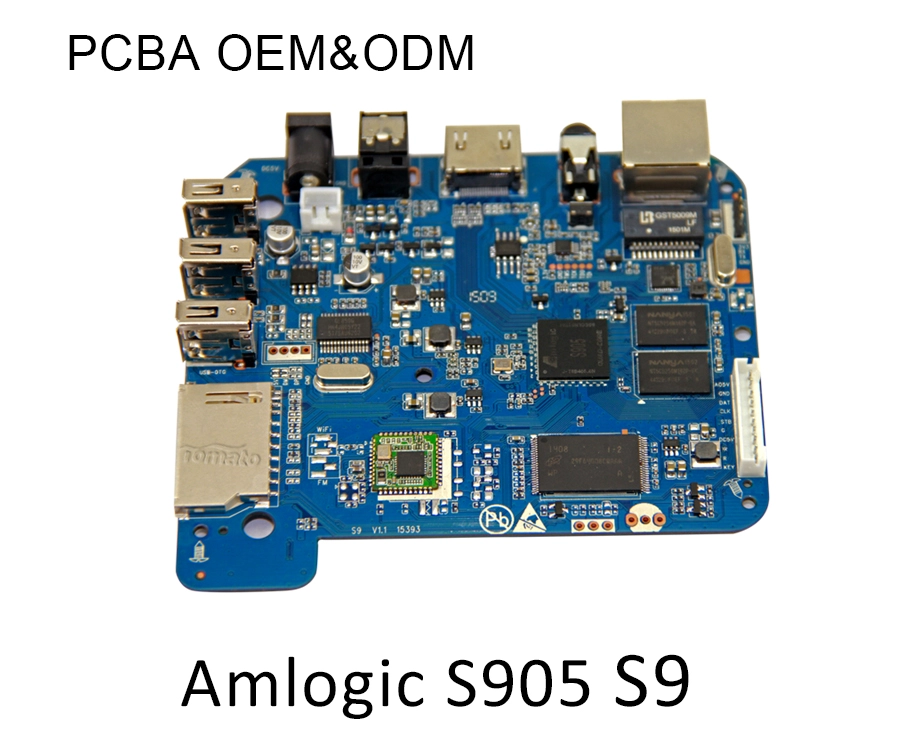
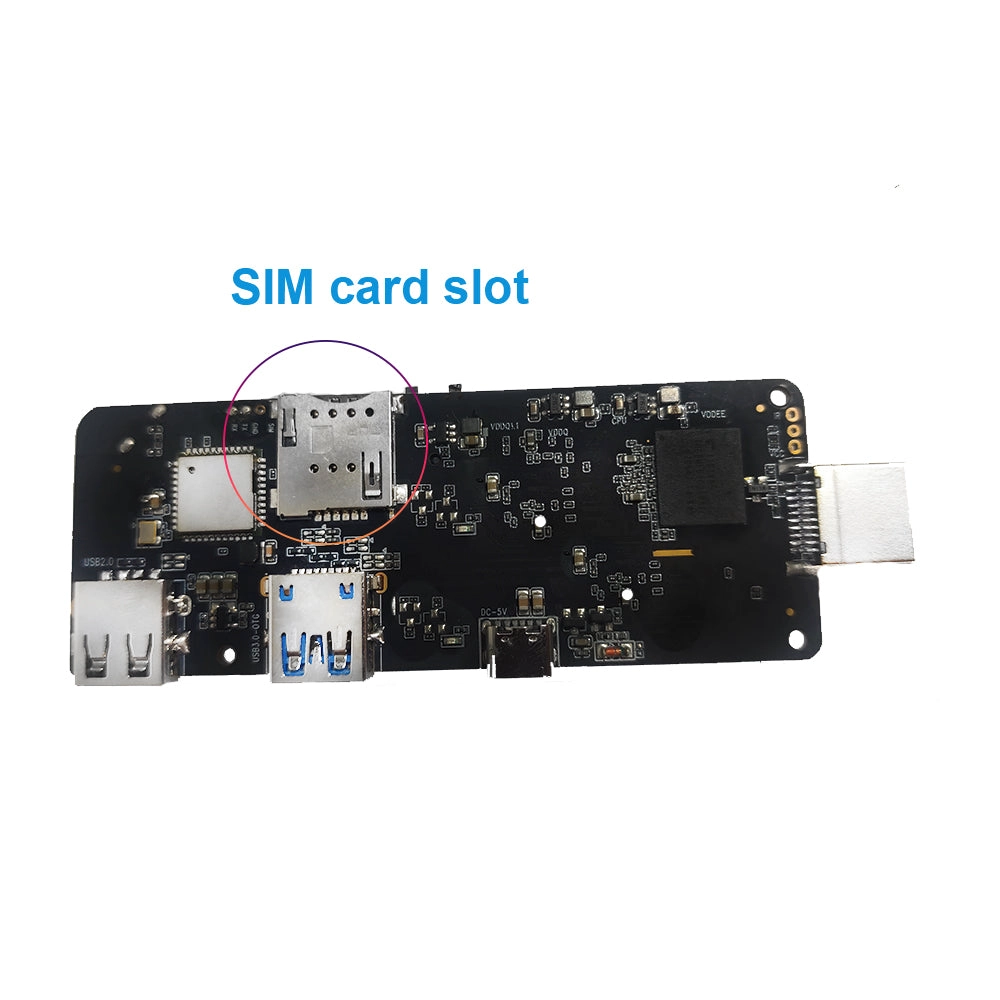
OEM manufacturers like SZTomato provide direct PCBA (Printed Circuit Board Assembly) modifications, allowing integrators to add physical RS232 ports for legacy system integration or GPIO pins for external trigger mechanisms.
Mitigating Hardware Obsolescence in B2B Deployments
Hardware decay is a strict financial liability. Consumer endpoints degrade within 18 to 24 months due to thermal stress and bloated software updates. In contrast, an OEM Set-Top Box minimizes Total Cost of Ownership (TCO) through superior component selection and version-locked firmware.
By defining the exact bill of materials (BOM) and retaining control over the OTA update server, enterprise buyers ensure the hardware functions identically on day 1,000 as it did on day one.
Secure Your Deployment Infrastructure
If your project requires stable edge computing, robust thermal management, and a hardened OS, consumer retail hardware introduces unacceptable risk. Scale your infrastructure with hardware designed for the specific demands of your network.
To discuss PCBA-level modifications, AOSP firmware engineering, and custom OEM/ODM manufacturing for your next deployment, consult the technical team at SZTomato.
