
What Is the Difference Between a Smart TV Box and a Google TV Box?
When a TV Box manufacturer claims support for 4K streaming, Android applications, and Google services, buyers need to examine the software platform behind those claims. Two devices with similar processors and memory configurations can deliver very different user experiences because their operating systems, application compatibility, content protection, and software licensing differ.
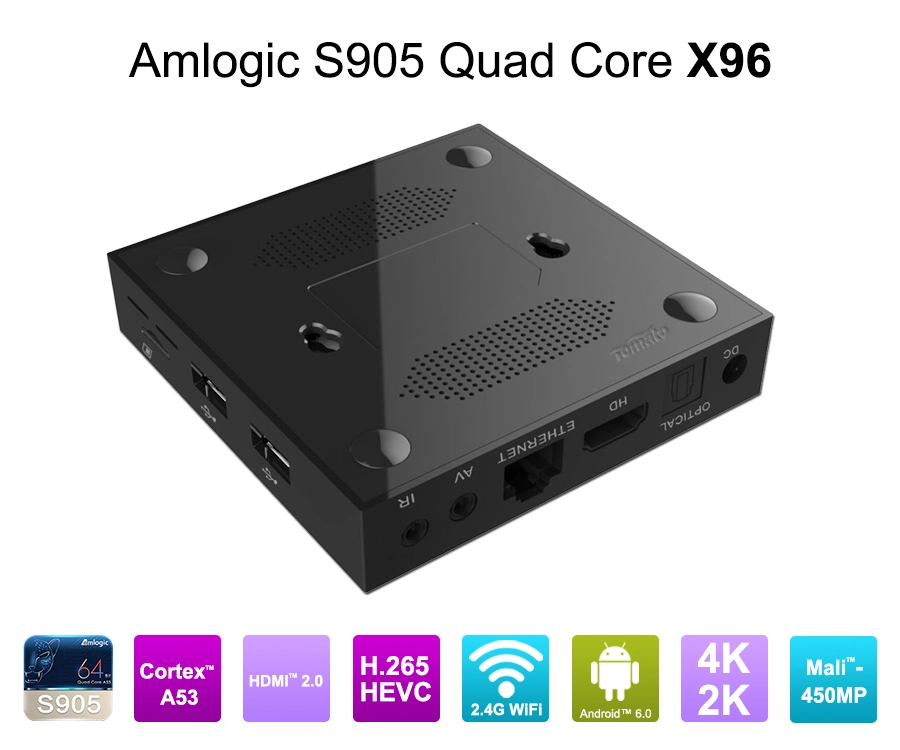
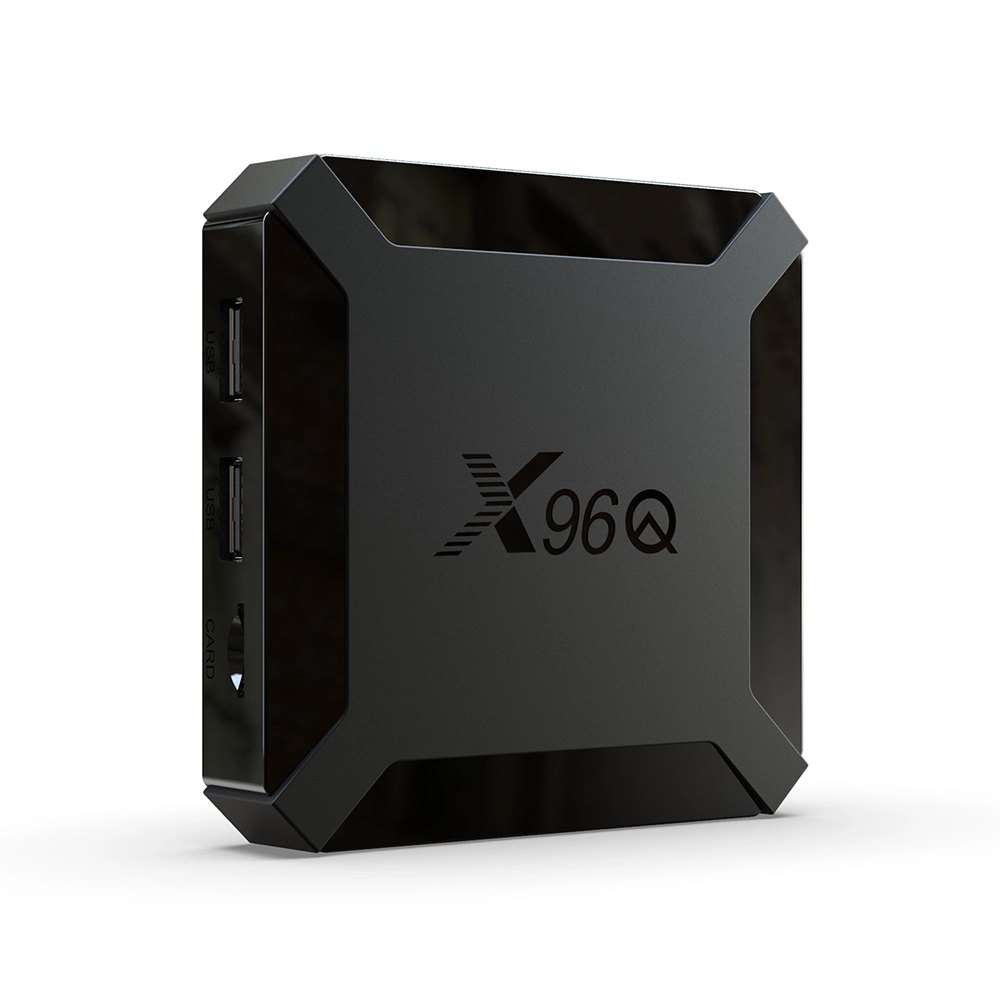
A Smart TV Box is a general product category. It describes a compact computing device that connects to a television or commercial display to deliver streaming, multimedia playback, applications, or other smart functions. Depending on its intended market, it might use standard Android derived from the Android Open Source Project (AOSP), Android TV OS, Linux, or another embedded operating system.
A Google TV Box is generally understood to be a streaming device that provides Google's Google TV experience. Google TV runs on the underlying Android TV OS, but not every device running Android TV OS uses the Google TV interface. Google explains this distinction in its official Google TV platform guide.
The difference is therefore not simply whether a box runs Android. It is whether the device supports the intended software experience, ecosystem, and associated requirements.
| Comparison factor | General Smart TV Box | Google TV Box |
|---|---|---|
| Product definition | Broad category covering different hardware and software platforms | Device intended to provide the Google TV experience |
| Operating system | May use AOSP-based Android, Android TV OS, Linux, or another platform | Runs on Android TV OS |
| User interface | Often customizable according to firmware and project requirements | Uses the Google TV experience and applicable platform requirements |
| App installation | Depends on the OS, app distribution method, and compatibility | Supports compatible TV applications through its supported ecosystem |
| Google Play and services | Availability depends on compatibility and licensing | Depends on the device's actual platform eligibility and licensing |
| DRM and protected playback | Must be verified against each target service and playback requirement | Still requires the relevant device, service, and content-protection compatibility |
| OEM/ODM flexibility | Can offer extensive hardware and software customization, depending on the platform | Customization must respect Google TV platform requirements and applicable agreements |
| Common applications | Branded streaming devices, IPTV systems, hospitality, digital signage, and embedded multimedia | Consumer streaming products and deployments requiring the Google TV experience |
One distinction deserves particular attention: Android compatibility does not automatically guarantee Google Play access or Google licensing. Google's Android compatibility documentation explains that compatibility is a prerequisite, not an automatic entitlement to Google Play and Google Mobile Services.
For importers, distributors, and brand owners, this distinction affects product positioning, application availability, customer expectations, and the feasibility of launching a device under a particular software brand.
Why App Compatibility, DRM, and Hardware Matter More Than the Interface
A familiar home screen does not prove that a TV Box can support every commercial streaming service or sustain reliable 4K playback. Buyers must evaluate the complete playback pipeline, from the system-on-chip (SoC) through the firmware and HDMI output to the display.
1. SoC capability and video decoding
The processor determines which codecs, resolutions, frame rates, and graphics workloads the device can handle in hardware.
When evaluating a Smart TV Box, check whether the selected SoC supports the required combinations of H.264, H.265/HEVC, VP9, AV1, and applicable HDR formats. Do not assume that a chipset supporting 4K output can decode every 4K format efficiently.
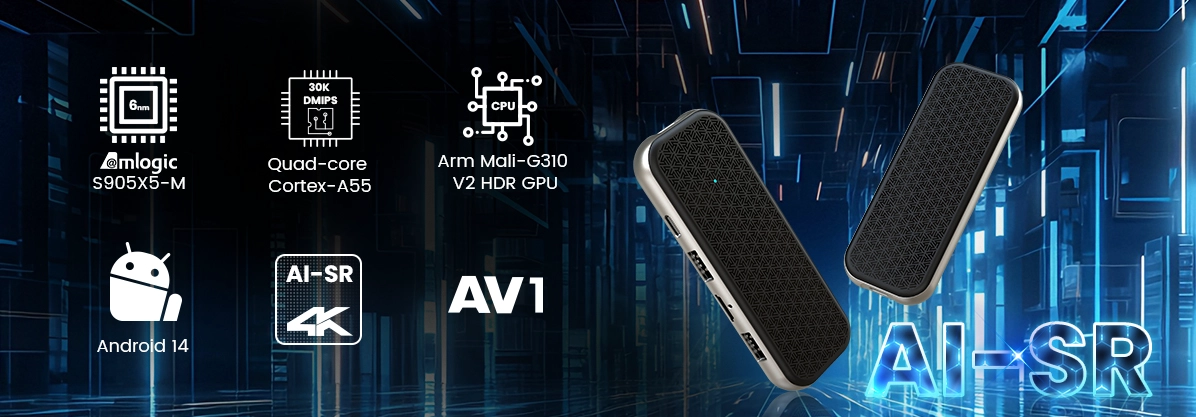
For example, a project targeting AV1-based streaming needs a verified hardware decoding path where required, suitable firmware integration, and sufficient memory bandwidth. A box designed for basic Full HD playback may not be an appropriate substitute for a device built around a newer multimedia SoC.
For Google TV projects, SoC selection must also account for the intended Android TV OS release, platform requirements, peripheral drivers, and certification pathway.
2. DRM, HDCP, and application requirements
Digital rights management (DRM) and High-bandwidth Digital Content Protection (HDCP) address different parts of the playback chain.
Widevine DRM can be relevant to protected streaming within supported applications, while HDCP protects compatible digital content connections over interfaces such as HDMI. The required implementation depends on the target service, output resolution, content, and device configuration.
A specification sheet stating “4K supported” is not enough. Buyers should verify:
-
Whether the required streaming applications officially support the target device.
-
Whether the device meets the applicable DRM security and service certification requirements.
-
Whether the HDMI output, HDCP implementation, and connected display support the required protected playback mode.
-
Whether the specific combination of firmware, SoC, and software passes real-world playback tests.
Widevine support alone does not guarantee 4K access to a particular streaming service. Likewise, a device advertising Google Play does not necessarily have approval for every third-party application or streaming service.
For telecom operators and IPTV providers, these checks should occur before a production order is approved, not after deployment.
3. RAM, storage, connectivity, and thermal design
Application loading, interface responsiveness, background services, and firmware updates all place demands on system memory and storage. Network stability also affects streaming performance.
A procurement specification should define the required RAM and eMMC capacity, Wi-Fi standard, Ethernet speed, Bluetooth features, USB interfaces, HDMI capabilities, and peripheral support. These requirements should follow actual deployment workloads rather than a generic preference for higher specifications.
Thermal design is equally important. A TV Box installed behind a commercial display, inside a hospitality cabinet, or in a continuously operating signage enclosure may experience higher ambient temperatures and restricted airflow.
A poor PCBA layout, inadequate heat transfer, or an unsuitable enclosure can lead to thermal throttling, instability, or premature component degradation. Engineering validation should therefore consider the expected operating temperature, enclosure ventilation, SoC thermal limits, and sustained workloads.
For industrial and commercial deployments, component selection and cooling design need to be treated as part of product engineering rather than as optional cosmetic adjustments.
How OEM/ODM Customization Changes the Smart TV Box Decision
For brand owners, distributors, IPTV operators, and system integrators, selecting the right software platform is only the first step. The next decision is how closely the hardware and firmware need to match the target application.
A general-purpose Smart TV Box can be a strong option when the project requires customized software, controlled application deployment, integration with proprietary systems, or a branded user experience. A Google TV device is more appropriate when the project specifically requires Google's interface and compatible ecosystem.
The right choice depends on the business requirement, not simply which product has the more recognizable interface.
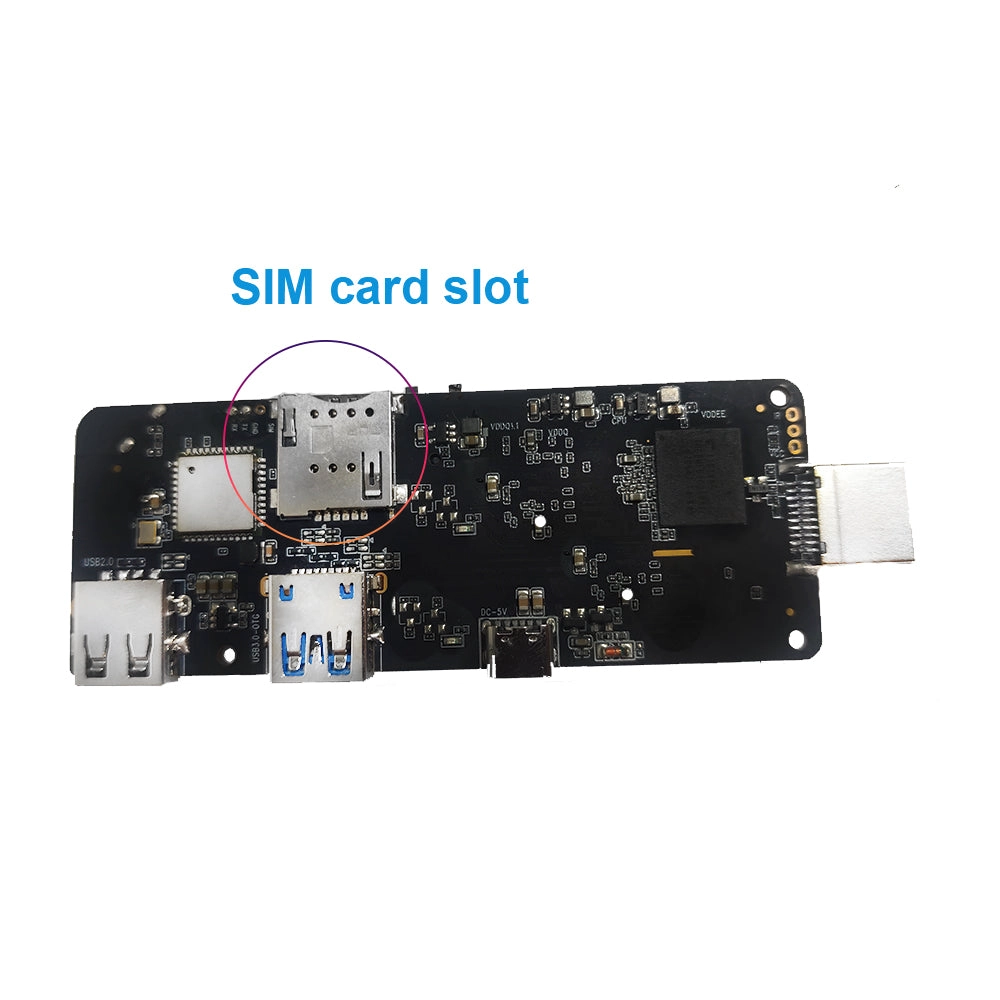
Custom PCBA and hardware engineering
Standard reference designs can shorten development, but they may not provide the correct interfaces, connectivity, or thermal characteristics for a specialized deployment.
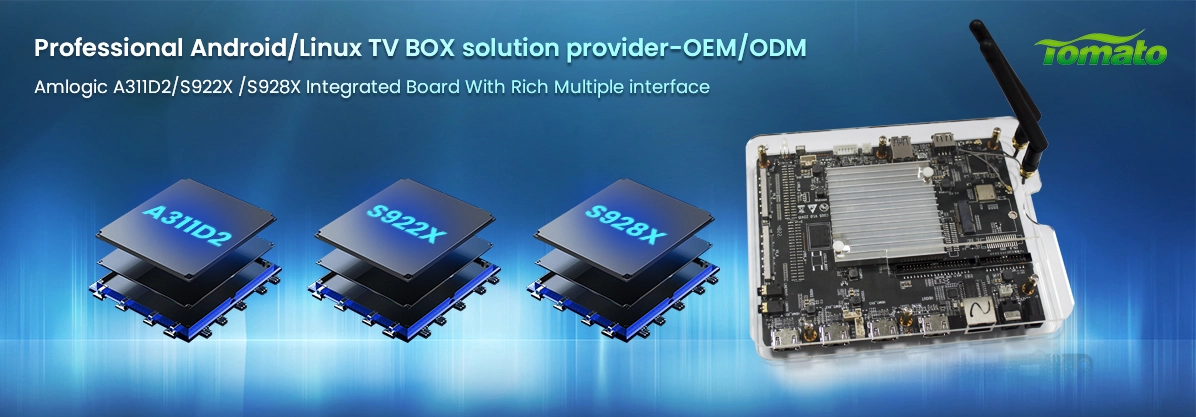
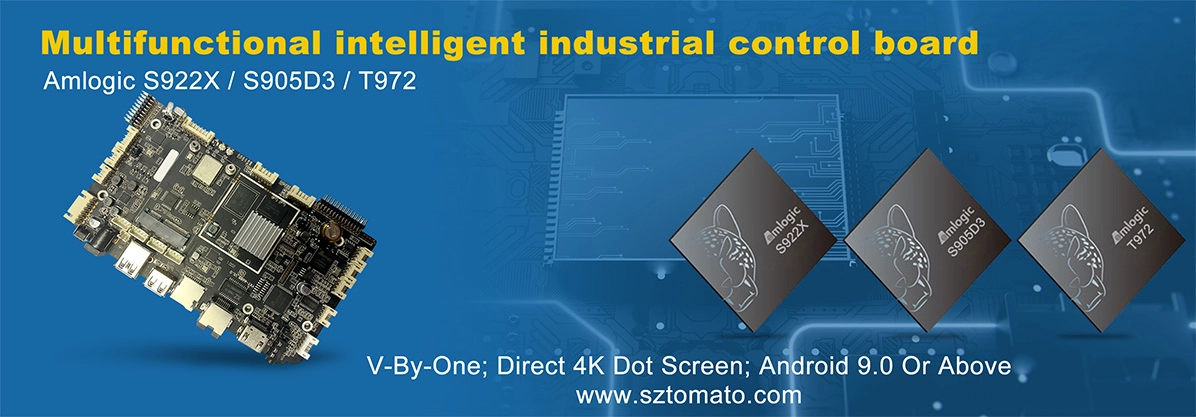
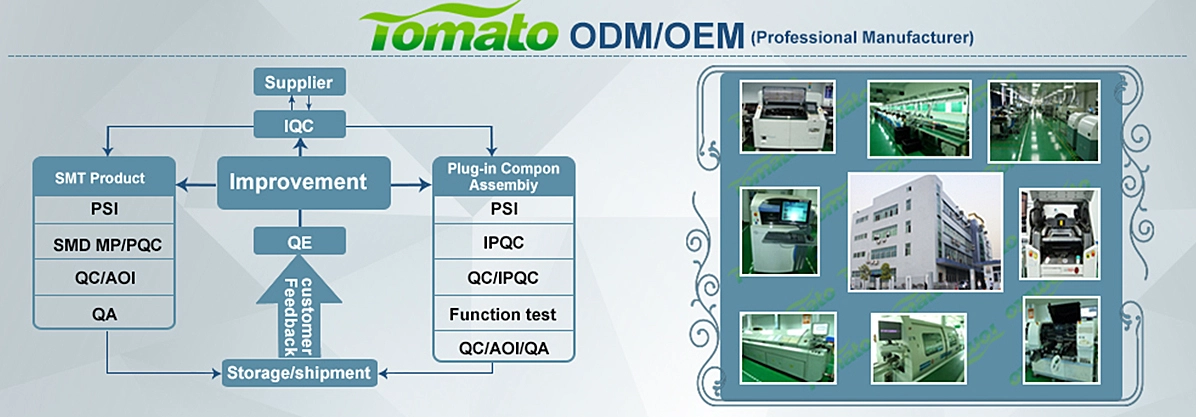
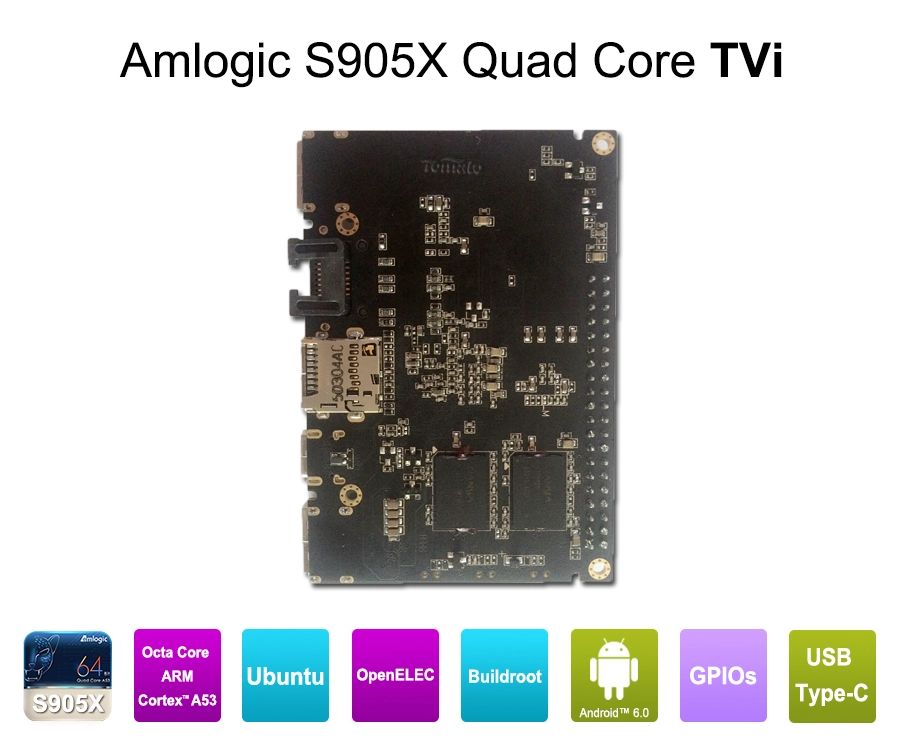
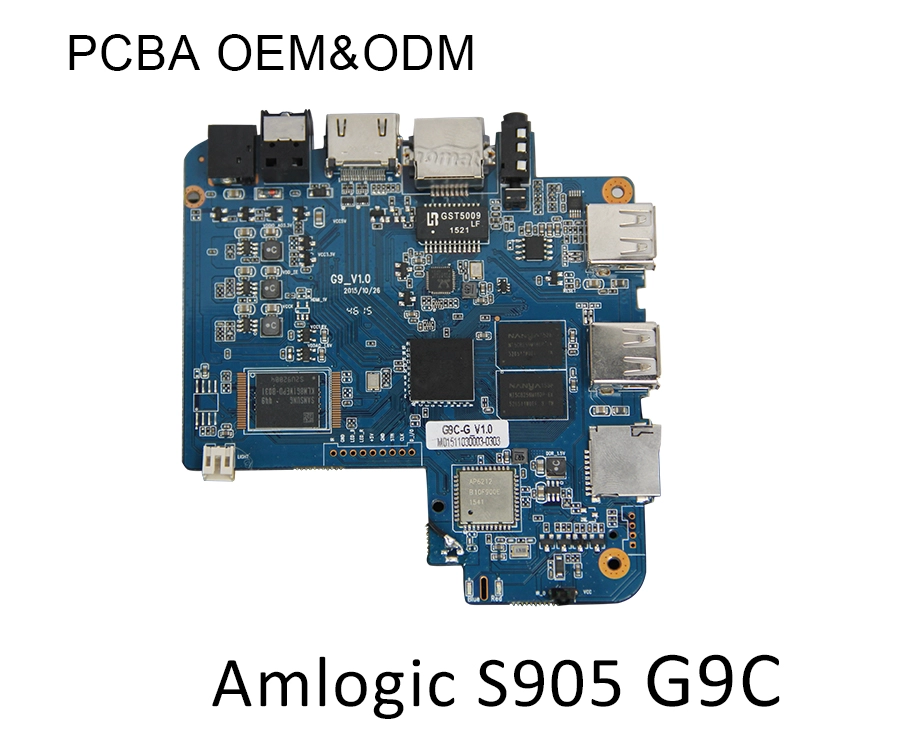
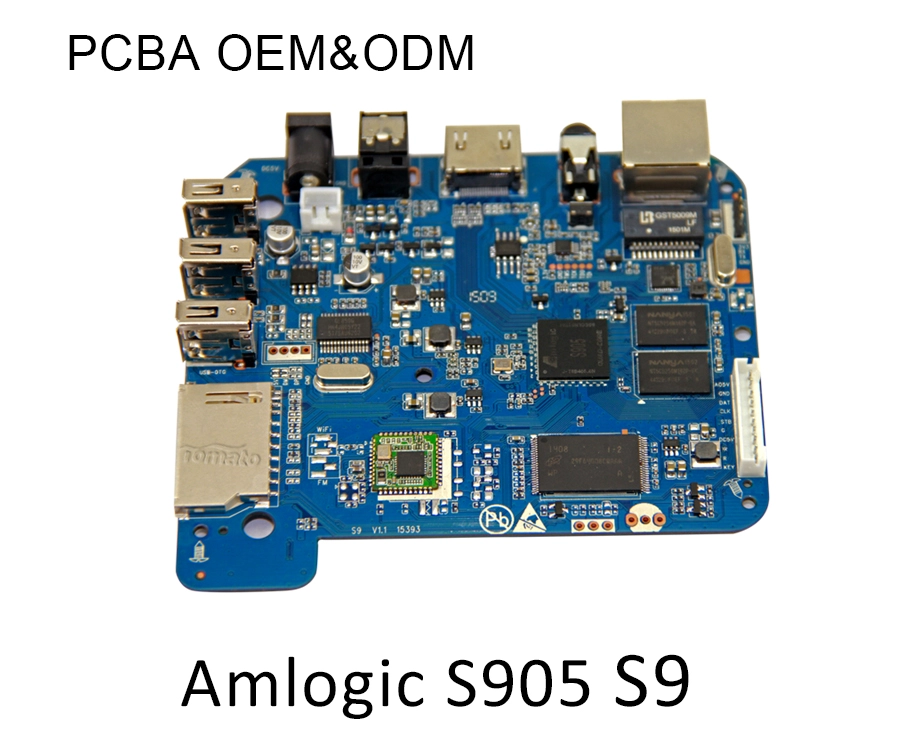
SZTomato supports OEM/ODM development involving PCBA hardware modification, component selection, interface configuration, and specialized cooling solutions for industrial applications.
For example, a commercial project might require a different Ethernet configuration, additional USB connectivity, tailored wireless performance, or improved heat dissipation for continuous operation. These changes should be assessed against the selected SoC, board layout, power budget, enclosure, and production requirements.
The objective is to align the device with the deployment environment instead of forcing the application to work around a generic reference design.
Custom firmware, UI/UX, and SDK/API integration
A generic Android-based Smart TV Box may allow greater control over the launcher, startup sequence, preloaded applications, remote-control behavior, background services, and branding.
SZTomato can support custom UI/UX firmware, SDK/API integration, and firmware-level engineering according to the selected platform and project requirements. Integration work may include application provisioning, communication with external systems, device management functions, and adjustments to Android or Linux software components.
However, the platform matters. AOSP-based firmware, Android TV OS, and Google TV do not offer identical customization rights or technical flexibility. Google TV branding and functionality cannot be obtained merely by installing a launcher that looks similar to the official interface.
Projects requiring Google TV should confirm the applicable licensing, platform access, certification scope, and permitted customizations before selecting the hardware architecture. Customization must remain within the requirements of the actual software platform.
OTA updates and long-term maintenance
Firmware delivery is a lifecycle responsibility, not just a development task.
A reliable over-the-air (OTA) update strategy should account for signed firmware packages, staged deployment, version tracking, recovery procedures, and rollback where supported by the system architecture. Updates also need regression testing for application compatibility, hardware drivers, video decoding, HDMI behavior, and network connectivity.
Kernel-level optimization, Android framework changes, and peripheral driver adjustments can improve system stability, but they must be validated against the target hardware and operating system version.
For operators managing thousands of devices, an update failure can become a field-service expense. A defined firmware maintenance plan helps reduce that risk and establishes a clearer process for handling security fixes, application changes, and future product revisions.
How B2B Buyers Should Choose the Right TV Box Before Ordering
The purchase decision should begin with a deployment specification rather than a model number.
Choose a general Smart TV Box when the priority is a controlled, branded device for IPTV, hospitality, digital signage, kiosk applications, or a specialized multimedia system, and the selected platform provides the required application support and customization flexibility.
Choose a Google TV Box when the product specifically requires the Google TV user experience and its compatible ecosystem. Confirm the exact platform and licensing status rather than relying on a supplier's product description.
Before issuing a purchase order, procurement managers should validate five areas:
-
Software requirements: Confirm the intended operating system, supported applications, Google service requirements, update policy, and permitted customization scope.
-
Multimedia performance: Verify codec support, resolution, frame rate, HDR requirements, audio formats, DRM, and HDCP against the intended services and display hardware.
-
Hardware suitability: Check RAM, storage, network interfaces, PCB layout, thermal performance, power supply, and peripheral compatibility.
-
Production readiness: Establish sample validation criteria, reliability testing, quality-control procedures, and the process for approving hardware or firmware revisions.
-
Lifecycle support: Define responsibilities for OTA updates, bug fixes, SDK/API integration, application changes, and technical support after delivery.
These requirements should be documented before mass production. A sample that works under laboratory conditions does not necessarily prove that the final product will remain stable under continuous operation, congested networks, or restricted ventilation.
For a Google TV project, the buyer should also request clear evidence of the exact device's applicable platform status and approved capabilities. Certification or compatibility claims should be traceable to the actual model and configuration.
SZTomato works with B2B customers developing Smart TV Box, Android TV Box, IPTV set-top box, and streaming media player products. Its OEM/ODM approach brings together hardware modification, firmware customization, SDK/API integration, and application-specific engineering.
For procurement managers and system integrators, the priority is to select a platform that meets the real deployment requirements and can be maintained throughout its service life. Share your target applications, SoC preferences, connectivity requirements, operating environment, branding objectives, and volume expectations with SZTomato to establish the appropriate hardware and firmware solution before moving into production.
