
What Is the Difference Between a Smart TV Box and an OTT TV Box?
1. Smart TV Box vs. OTT TV Box: Understanding the Technical Difference
When an operator deploys thousands of streaming devices, the main challenge is rarely whether a box can play video. The real issue is whether the hardware, operating system, content delivery platform, and security architecture can work together reliably across a large installed base.
The terms Smart TV Box and OTT TV Box are frequently used interchangeably in product catalogs. However, they emphasize different functions.
A Smart TV Box generally describes a device that extends a conventional television into a connected entertainment or computing platform. An OTT TV Box focuses more specifically on delivering internet-based video and audio services to a television.
These are overlapping product categories, not mutually exclusive hardware standards. A single Android-based device can function as both a Smart TV Box and an OTT TV Box.
What is a Smart TV Box?
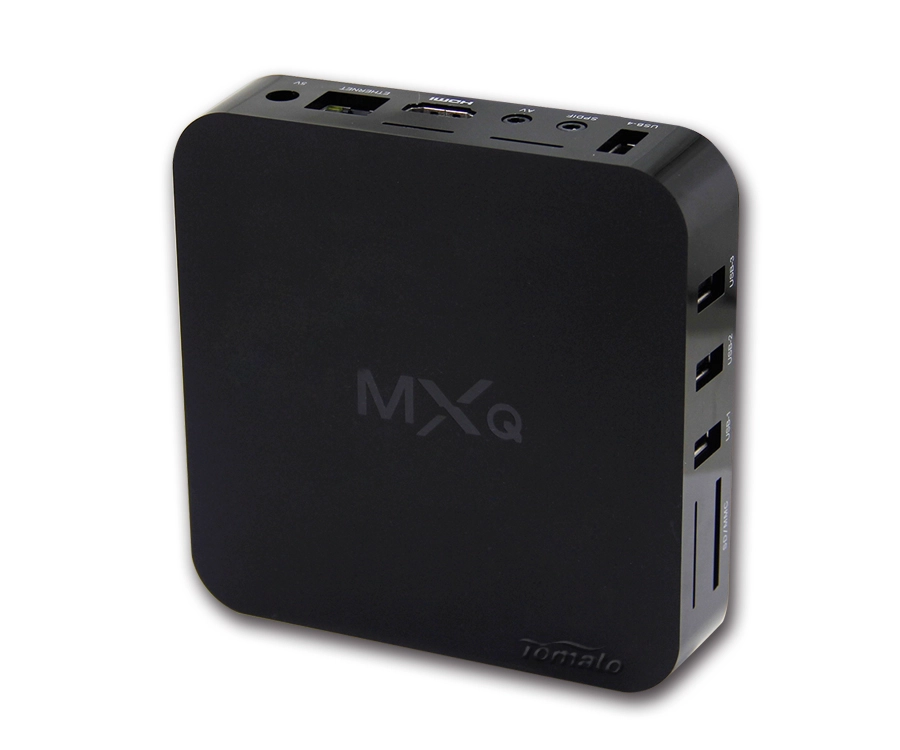
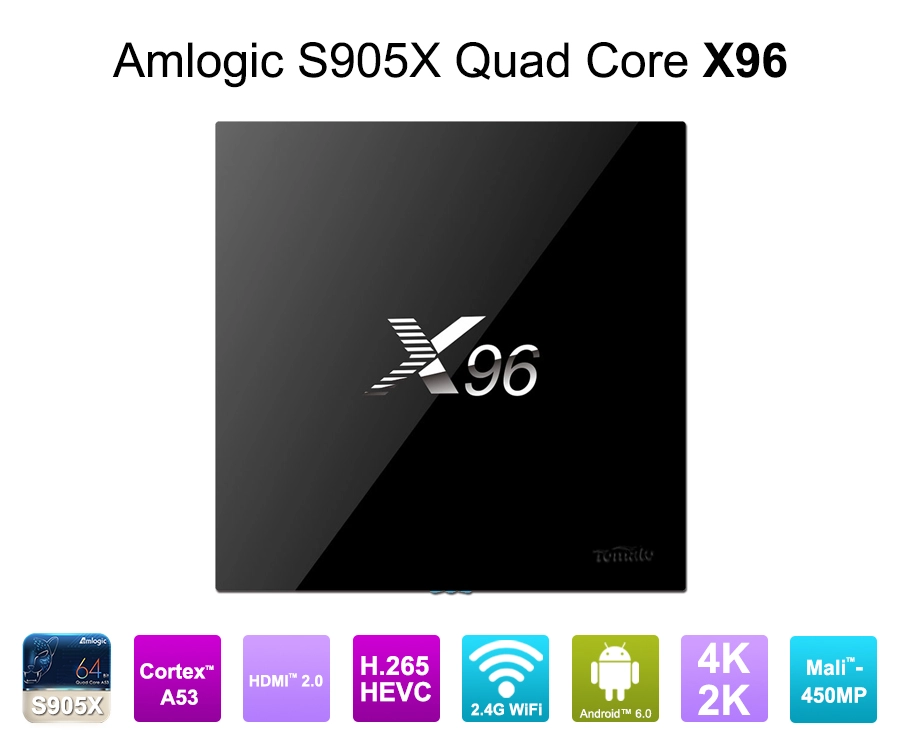
A Smart TV Box connects to a television, typically through HDMI, and adds an operating system, network connectivity, application support, and media playback capabilities.
Depending on its hardware and software configuration, it may support:
-
Android applications and customized launchers.
-
4K video decoding, HDR output, and local media playback.
-
Wi-Fi, Ethernet, Bluetooth, and USB peripherals.
-
Web-based applications, video conferencing, or cloud services.
-
Digital signage, interactive displays, and enterprise multimedia applications.
For commercial deployments, the Smart TV Box category can extend beyond home entertainment. Integrators can configure devices for hotel information systems, corporate displays, education platforms, and managed multimedia terminals.
What is an OTT TV Box?
OTT stands for over-the-top. An OTT TV Box delivers streaming content through an IP network rather than relying exclusively on traditional broadcast or cable delivery infrastructure.
Typical applications include subscription video platforms, operator-provided IPTV/OTT services, live streaming, video-on-demand libraries, and branded streaming applications.
The technical requirements depend on the service provider. An OTT deployment may require adaptive bitrate streaming, MPEG-DASH or HLS support, DRM integration, secure HDMI output, account authentication, and remote device management.
For example, a device that decodes 4K video locally may still fail to deliver a premium streaming service if it lacks the required DRM provisioning, application compatibility, or output protection.
Key differences at a glance
| Comparison | Smart TV Box | OTT TV Box |
|---|---|---|
| Primary focus | Broader smart-TV functionality | Internet-delivered media services |
| Applications | Streaming, local media, business apps, and other supported applications | Streaming and operator service applications |
| Network requirements | Depend on the application and use case | Reliable IP delivery is central to the service |
| Hardware priorities | CPU/GPU, memory, interfaces, and application workload | Video decoding, network performance, DRM, and output protection |
| Software priorities | OS integration, launcher customization, peripherals, and application compatibility | Streaming middleware, playback integration, security, and service lifecycle |
| Typical customers | Brands, distributors, system integrators, and enterprise solution providers | OTT operators, ISPs, telecom providers, and streaming service brands |
The distinction should guide product requirements, not dictate the purchase by itself. Buyers should evaluate the actual application stack and deployment environment before selecting a device.
2. Which Technical Specifications Matter Most for a Smart TV Box or OTT TV Box?
For B2B procurement managers, comparing devices by RAM, storage, or advertised resolution alone can produce misleading results. A suitable platform must match the complete workload, including video processing, network conditions, software maintenance, and content protection.
SoC and hardware video decoding
The system-on-chip determines much of the device's multimedia capability, including CPU performance, GPU acceleration, video decoding, display output, and peripheral connectivity.
When comparing Smart TV Box and OTT TV Box platforms, verify the following:
-
Video codecs: H.264, H.265/HEVC, VP9, and AV1, according to the target content library.
-
Resolution and frame rate: Confirm the exact supported profiles, bit depth, frame rate, and simultaneous processing requirements.
-
Memory and storage: Size RAM and eMMC or other storage for the operating system, applications, caches, and OTA update packages.
-
Display output: Check HDMI version, supported resolution, HDR formats, refresh-rate handling, and audio passthrough where required.
-
Thermal performance: Test sustained decoding and application workloads under the intended ambient temperature.
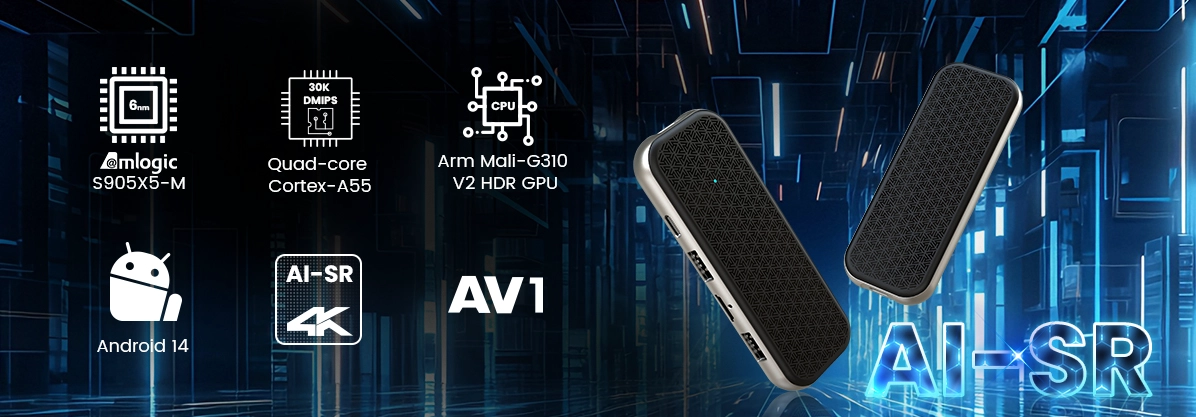
AV1 support is particularly relevant when a content platform uses AV1 streams to reduce delivery bandwidth. However, codec support must be confirmed at the hardware and software levels. A specification listing AV1 does not automatically guarantee that every application, profile, or resolution is supported.
A lower-cost SoC may be sufficient for a single-purpose 1080p streaming terminal. A 4K commercial deployment with multiple applications, complex UI rendering, and long operating hours may require a different performance and thermal budget.
DRM, HDCP, and content-service compatibility
Content protection is one of the most important differences between a basic multimedia player and a production-ready OTT platform.
Three areas deserve particular attention:
Digital rights management (DRM). Premium streaming services may require Widevine or another approved DRM system. Buyers should confirm the required security level, provisioning process, application compatibility, and content-provider authorization. Widevine support is not a universal guarantee of access to every streaming service.
High-bandwidth Digital Content Protection (HDCP). HDCP protects supported digital video and audio output over interfaces such as HDMI. The required version depends on the target content, resolution, device implementation, and service requirements.
Application and platform approval. A device may have sufficient decoding performance yet remain incompatible with a particular commercial service because of certification, DRM, firmware, or contractual requirements.
For example, Google's Widevine documentation explains how protected playback relies on an integrated DRM implementation, while Android's media documentation describes the relevant DRM playback interfaces and format requirements. These dependencies must be validated before mass production.
Reference documentation:
-
Google Widevine: https://developers.google.com/widevine/drm/overview
-
Android DRM playback: https://developer.android.com/media/media3/exoplayer/drm
Network stability and playback quality
OTT performance depends on more than the maximum advertised Wi-Fi speed. Packet loss, jitter, congestion, router compatibility, and the streaming application's buffer strategy all affect playback.
For commercial projects, consider dual-band Wi-Fi, Ethernet where available, and network testing under realistic deployment conditions. Gigabit Ethernet may be appropriate for selected high-bitrate, multi-service, or enterprise applications, but it should not be specified automatically for every streaming box.
The correct configuration is the one that meets the service's measured throughput and reliability requirements without unnecessary hardware cost.
3. How Firmware, PCBA Design, and Thermal Engineering Affect Deployment
A Smart TV Box or OTT TV Box may perform well during a short demonstration but become unstable after months of continuous operation. Common causes include memory pressure, poor thermal design, driver incompatibility, storage limitations, and incomplete OTA update procedures.
These issues are especially important for telecom operators, IPTV service providers, hotel groups, and digital signage integrators managing devices across multiple locations.
Firmware architecture and system optimization
Firmware determines how the hardware behaves in the real deployment environment.
On Android platforms, the engineering scope may include system services, device drivers, application permissions, launcher behavior, background-process management, and integration with remote management systems.
On Linux-based platforms, work may involve kernel configuration, driver integration, media pipeline optimization, boot-time reduction, and process supervision.
A customized firmware package can also include:
-
A branded UI/UX and application launcher.
-
Preinstalled and configured business applications.
-
Automatic startup and kiosk-mode behavior.
-
Remote configuration and device enrollment.
-
Logging, diagnostics, and recovery mechanisms.
-
OTA update systems with staged rollout and rollback support.
OTA design deserves particular attention. An update process should account for interrupted downloads, power loss, version compatibility, recovery behavior, and fleet-level deployment controls. For large installations, staged updates can reduce the risk of deploying a defective build to the entire device population.
PCBA customization and peripheral integration
Off-the-shelf reference designs do not always match the requirements of commercial projects.
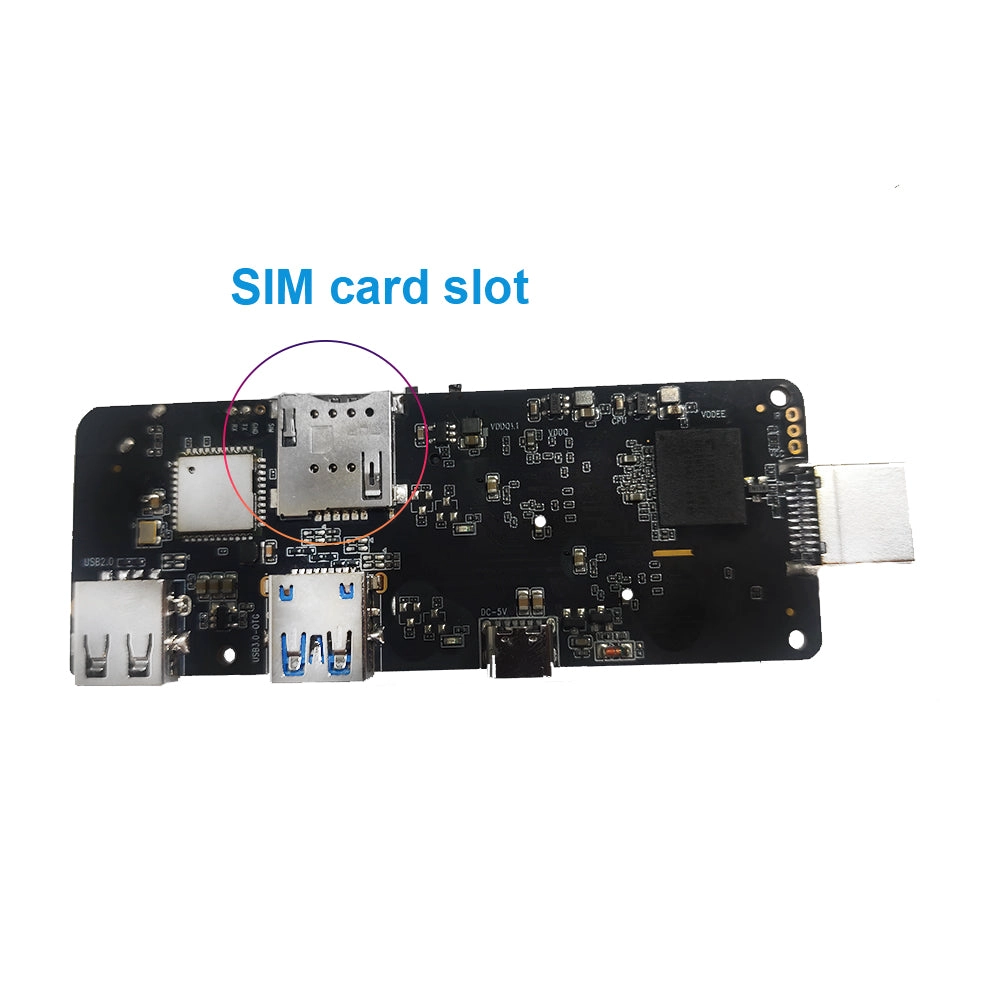
A project may need additional USB ports, a different Ethernet controller, a revised antenna arrangement, specific GPIO connections, serial communication, or integration with external control equipment.
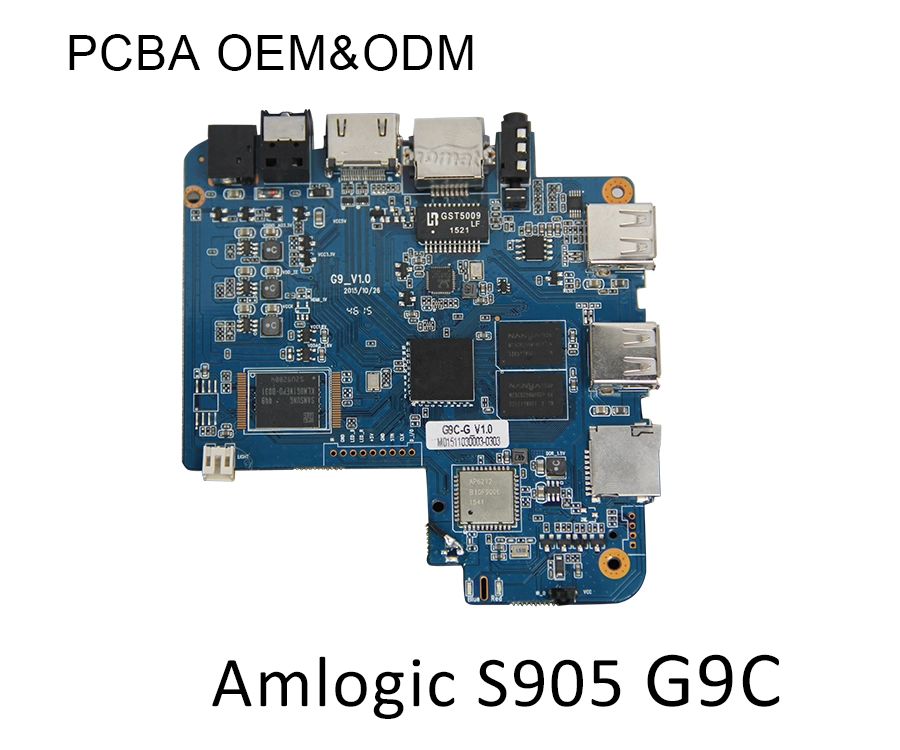
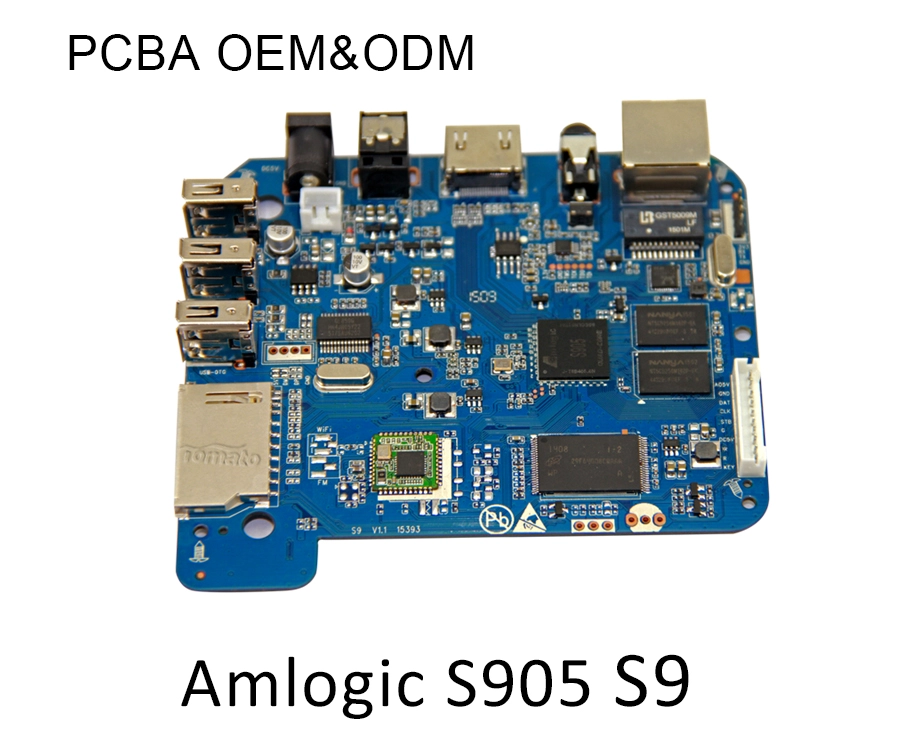
PCBA hardware modification can address these requirements, but each change must be checked against the SoC platform, power budget, PCB layout, signal integrity, electromagnetic compatibility, thermal characteristics, and production test strategy.
For example, adding an interface is not simply a matter of routing the relevant signals. Engineers must confirm that the interface is supported by the SoC, exposed correctly in the board design, and implemented in the firmware with suitable drivers and permissions.
This is where an OEM/ODM engineering partner provides more value than a supplier offering only standard retail configurations.
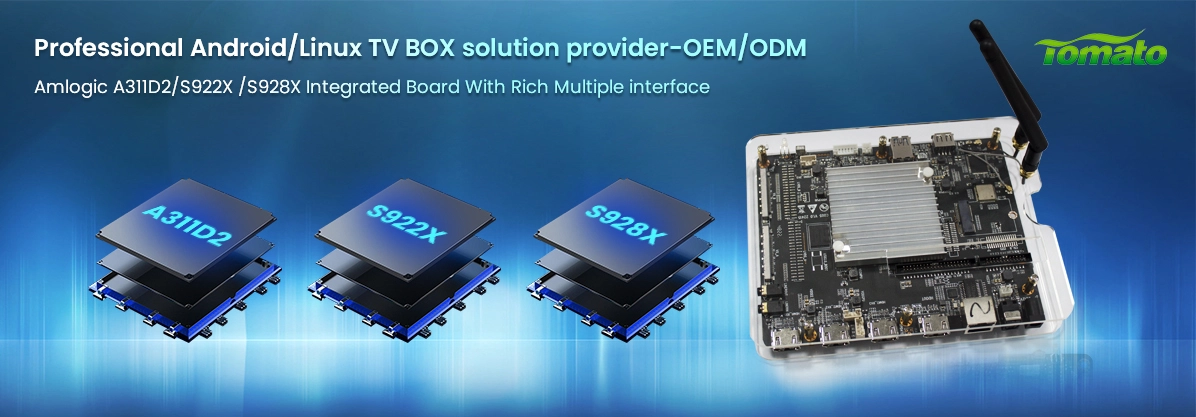
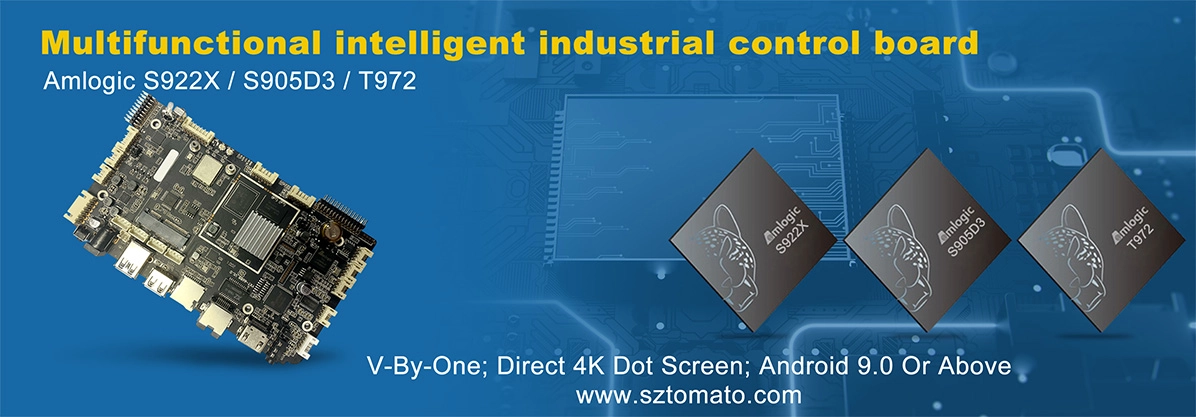
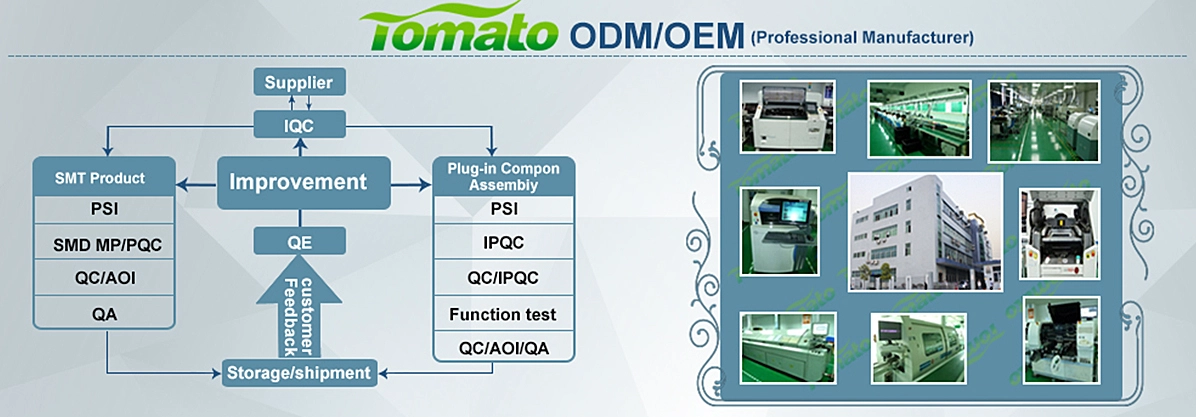
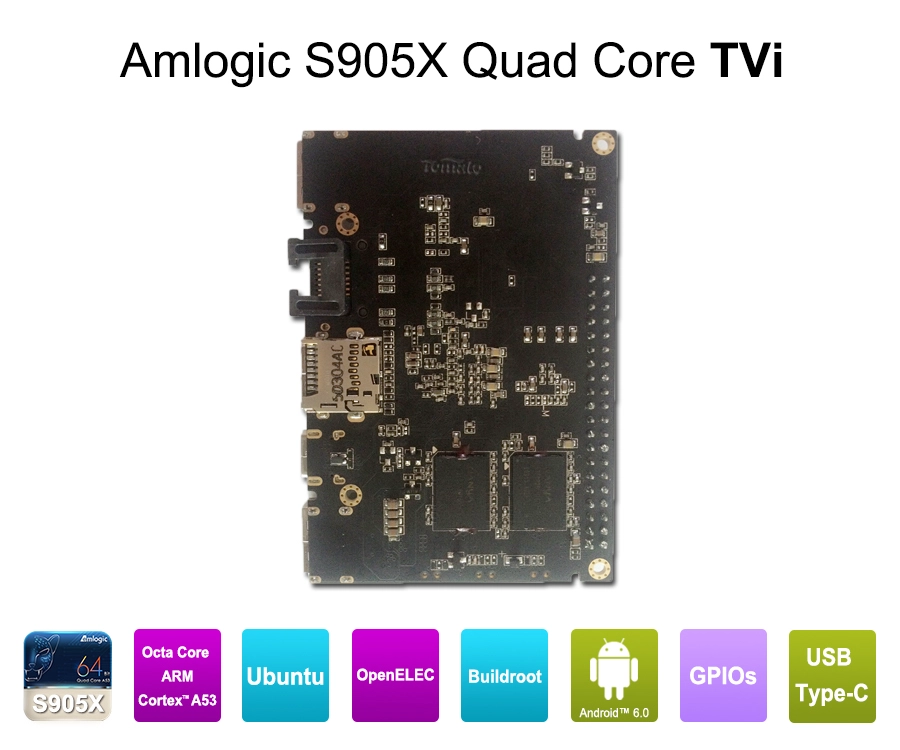
SZTomato supports OEM/ODM customization for Smart TV Box and related multimedia platforms, including PCBA hardware modification, SDK/API integration, custom UI/UX firmware, and application-specific configurations. The appropriate scope depends on the selected hardware platform and the project's technical requirements.
Thermal design for continuous operation
A streaming device installed behind a television, inside a cabinet, or within a digital signage enclosure may experience restricted airflow. Under sustained load, excessive temperature can reduce performance, increase instability, and shorten component service life.
Thermal design should consider SoC power consumption, PCB copper distribution, enclosure materials, ventilation, heatsink contact, and the expected ambient temperature.
Specialized cooling solutions may be necessary for industrial or commercial applications with extended operating hours. These could include improved passive heatsinks, enclosure redesign, optimized airflow, or other application-specific measures.
Validation should use sustained workload tests rather than brief playback demonstrations. Temperature, clock behavior, reboot frequency, and application stability should be monitored under representative operating conditions.
4. How B2B Buyers Should Select the Right Smart TV Box or OTT TV Box
The best purchasing decision begins with the deployment model rather than the product label.
Match the device to the business application
For consumer entertainment brands: Prioritize application compatibility, remote-control usability, supported video formats, wireless performance, and a maintainable software platform.
For OTT operators and ISPs: Prioritize streaming middleware integration, DRM requirements, device provisioning, operator branding, remote diagnostics, and long-term firmware maintenance.
For digital signage integrators: Prioritize unattended startup, remote management, kiosk behavior, reliable connectivity, thermal stability, and compatibility with the content management system.
For hospitality and enterprise deployments: Evaluate centralized configuration, user-interface customization, access control, network isolation, and the ability to maintain consistent software versions across multiple sites.
Evaluate the total cost of ownership
The purchase price is only one component of the total cost.
A lower-cost device may create additional expenses through firmware defects, repeated field visits, inconsistent application behavior, or premature replacement. Conversely, selecting a high-end SoC without a clear workload requirement can increase cost without improving the user experience.
A more useful evaluation model considers:
-
Hardware cost and availability over the planned product lifecycle.
-
Engineering and customization costs.
-
Certification and content-service integration requirements.
-
Firmware maintenance and OTA update responsibilities.
-
Reliability testing, warranty coverage, and after-sales support.
-
Spare-part availability and production continuity.
Before placing a mass-production order, buyers should define acceptance criteria for startup time, video playback, network recovery, peripheral compatibility, temperature, and OTA behavior. The criteria should reflect the actual deployment environment.
Why OEM/ODM engineering matters
A standard Smart TV Box can be sufficient when the application is straightforward and the default configuration meets all requirements. A customized platform becomes more valuable when the project needs specific interfaces, branded firmware, service integration, industrial thermal design, or a managed device lifecycle.
SZTomato works with B2B customers seeking configurable multimedia hardware and OEM/ODM solutions. Depending on project scope and platform feasibility, the engineering process can cover hardware adaptation, PCBA modifications, SDK/API integration, customized firmware, and production-oriented validation.
For procurement teams, the key question is not whether a supplier offers the largest specification sheet. It is whether the supplier can deliver a stable, testable, maintainable device that meets the requirements of the intended service.
Conclusion: Select the Platform That Fits Your Deployment
A Smart TV Box emphasizes a broad connected-TV experience, while an OTT TV Box emphasizes internet-based content delivery. In practice, the two categories overlap, and their suitability depends on hardware capability, operating-system integration, content protection, network reliability, and long-term software support.
For B2B buyers, these engineering factors should carry more weight than the product name alone.
If your project requires a branded streaming platform, customized PCBA, SDK/API integration, tailored firmware, or specialized cooling for commercial deployment, SZTomato can help evaluate the hardware and software requirements for an OEM/ODM solution.
Contact SZTomato through https://www.sztomato.com to discuss your target SoC, application environment, interface requirements, streaming platform, customization scope, and production plan. A clearly defined technical specification is the best starting point for a reliable product and a sustainable supply relationship.
