
What are the connectivity options for a Streaming Media Player?
Physical, Wireless, and System-Level Connectivity Options for Enterprise Streaming Media Players
The shift toward native AV1 codec acceleration and strict HDCP 2.3 DRM standards has fundamentally changed hardware constraints for commercial media endpoints. Consumer-grade streaming sticks and off-the-shelf set-top boxes routinely fail in enterprise environments because their I/O topologies are optimized for low-cost home Wi-Fi—not continuous, high-bitrate multi-stream routing or automated industrial display control.
For B2B procurement managers, system integrators, and IPTV operators, connectivity must be evaluated beyond simple Wi-Fi range or HDMI revisions. Hardware architecture, PCB-level signal integrity, and firmware stack controls dictate whether a deployment handles packet loss or causes unexpected downtime.
1. Physical Video & Audio Interfaces: Signal Integrity and Control
Commercial visual networks require continuous, uncompressed data transmission alongside physical display control loops.
HDMI 2.1a and Native HDCP 2.3 Pipeline
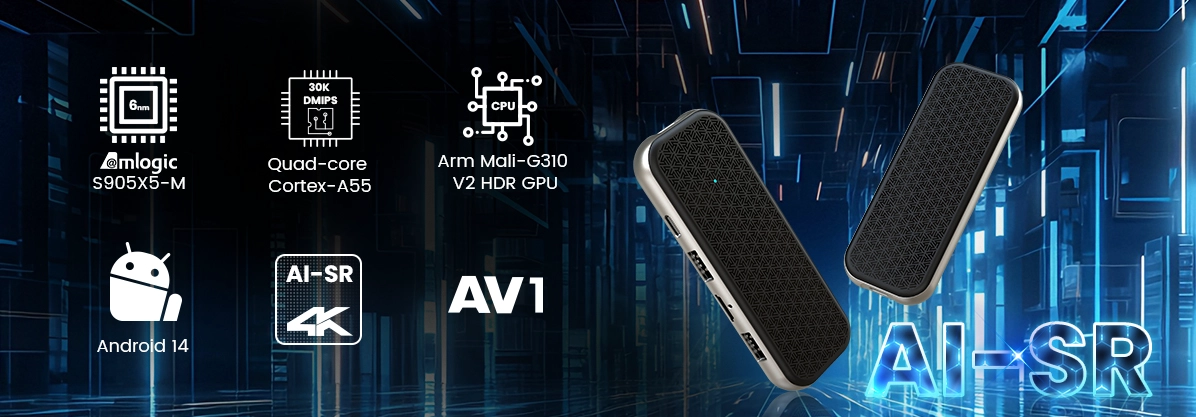
At the display connection layer, modern SoCs like the Amlogic S905X5M (built on a 6nm process) and the Rockchip RK3588 drive 4K@60fps and 8K@60fps streams with HDR10+ and Dolby Vision metadata pass-through.
-
HDCP Handshake Integrity: Enterprise applications require hardware-enforced HDCP 2.2 / 2.3 key storage inside secure TrustZone execution environments (TEE) to prevent signal dropping during display hot-plugging or power-cycling.
-
HDMI Input & Pass-Through: Specialized commercial players incorporate HDMI IN interfaces, allowing the streaming media player to ingest external legacy feeds (e.g., local TV tuners or emergency broadcast feeds) and overlay digital messaging via hardware-accelerated picture-in-picture (PiP).
Industrial Serial Protocols: RS232 and GPIO
Unlike consumer TV boxes that rely entirely on CEC over HDMI, enterprise displays depend on explicit hardware control:
-
RS232 Serial Interfaces: Dedicated DB9 or RJ45-to-RS232 ports enable direct, two-way communication between the streaming media player's OS and commercial panels (e.g., NEC, LG, Samsung) to query display metrics, adjust backlight levels, or send power-state commands.
-
General Purpose Input/Output (GPIO): Multi-pin GPIO blocks allow the player to interface directly with physical switches, motion sensors, or emergency lighting arrays, triggering hardware-level content shifts without cloud dependency.
2. Enterprise Network Architecture: Wired, Wireless, and Cellular Redundancy
A commercial streaming media player functions as a critical network endpoint. Relying on consumer-grade Wi-Fi chips leads to buffer stalls, elevated latency, and dropped connections.
| Connectivity Option | Standard Specifications | Key B2B Use Case | Engineering Consideration |
|---|---|---|---|
| Gigabit Ethernet | 10/100/1000M RJ45, IEEE 802.3af (PoE) option | Unicast IPTV, 24/7 Digital Signage | Requires dedicated PHY IC with ESD diode protection. |
| Wi-Fi 6 / 6E | Dual-band 2x2 MIMO 802.11ax | Dense indoor venues, high-throughput wireless video | Requires explicit channel bonding support in Linux kernel. |
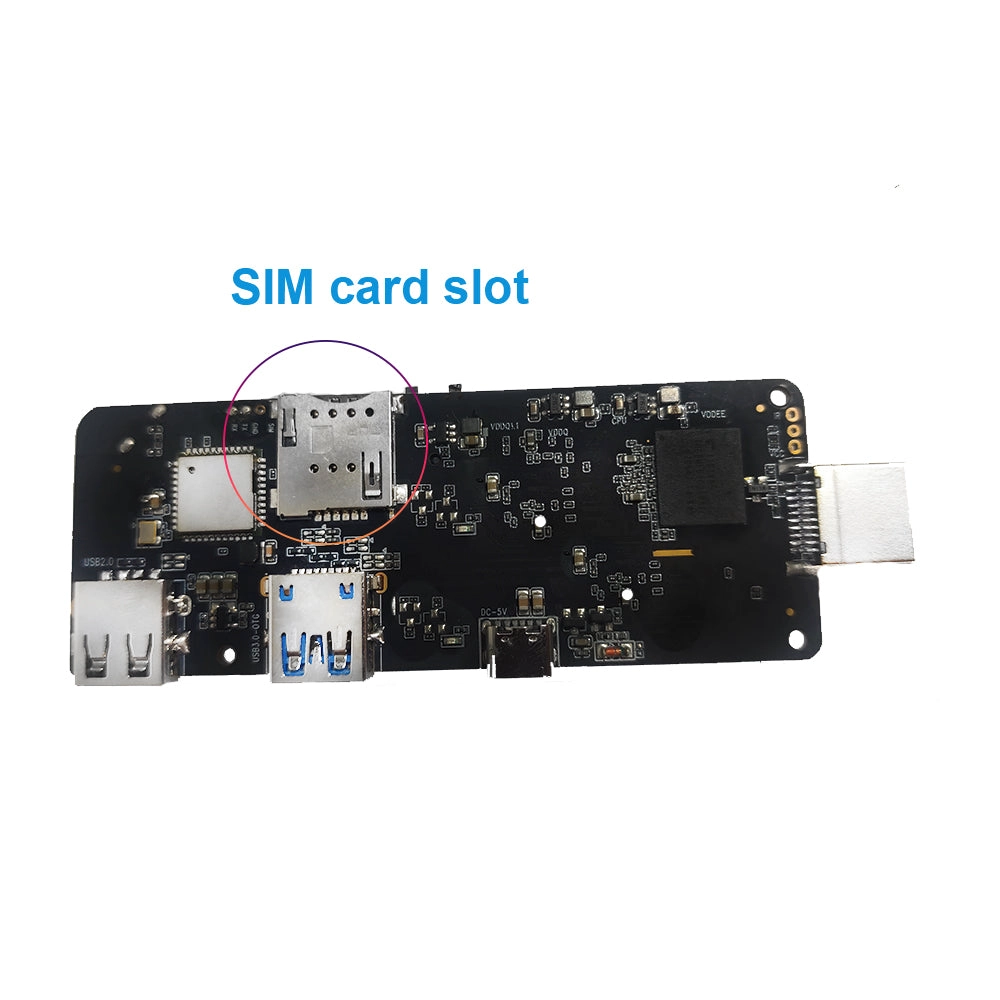
| 4G-LTE / 5G | M.2 or mini-PCIe module with SIM slot | Outdoor billboards, transit displays, mobile setups | Demands watchdog-driven auto-dialing firmware. |
| Bluetooth 5.2/5.3 | BLE, Long Range (LE Coded PHY) | Beacon tracking, peripheral integration | Must operate on isolated antenna traces to avoid Wi-Fi co-channel interference. |
Wired RJ45 Connectivity & PoE Integration
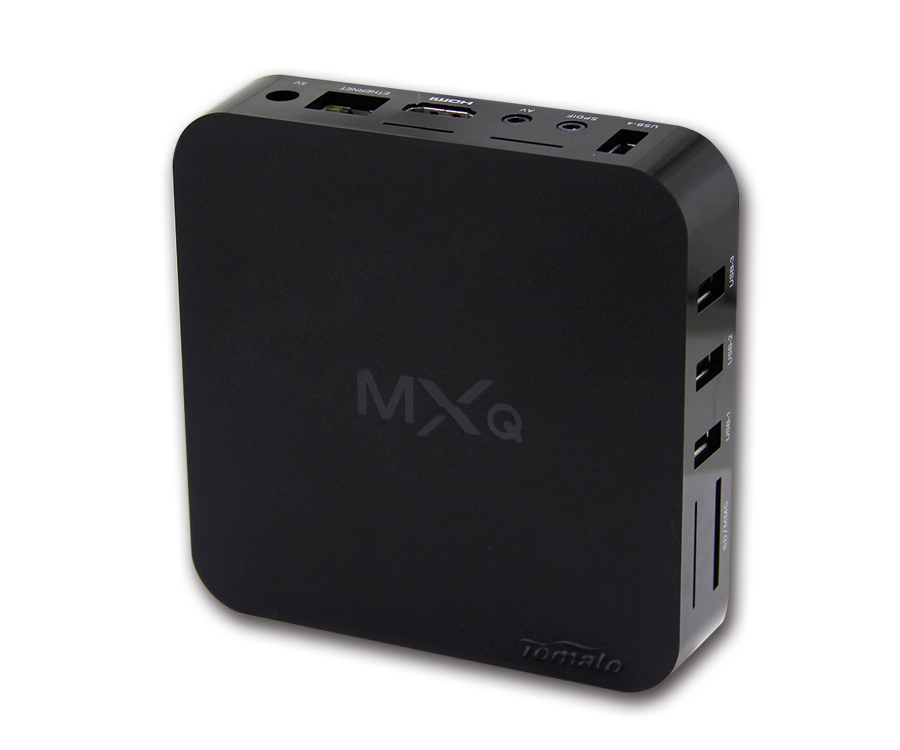
For zero-latency requirements, physical Gigabit Ethernet (10/100/1000M) remains the benchmark. In deployments where external power runs are expensive or impractical, custom PCBA layouts integrate Power over Ethernet (PoE / IEEE 802.3af/at) modules. This delivers up to 25.5W of power and Gigabit data over a single CAT6 run, simplifying installations in airport terminals or retail environments.
Wi-Fi 6 (802.11ax) vs. LTE Redundancy
When cabling isn't an option, modern SoCs support Wi-Fi 6 2x2 MIMO modules capable of achieving speeds up to 1200Mbps. Wi-Fi 6 mitigates network congestion via OFDMA (Orthogonal Frequency-Division Multiple Access), allowing hundreds of media endpoints to stream concurrently off shared access points without buffer bloat.
For mission-critical outdoor media, boards featuring integrated mini-PCIe or M.2 sockets accept 4G-LTE or 5G modems. When the primary Ethernet or Wi-Fi network experiences signal degradation, custom kernel routing protocols execute seamless failover to cellular data, ensuring uninterrupted stream playback.
3. Peripheral Connectivity & Edge Expansion
Modern B2B streaming devices often handle localized data ingestion, caching, and peripheral processing at the network edge.
USB 3.0 & High-Speed Expansion
-
USB 3.0 Host Ports: Delivering transfer rates up to 5Gbps, USB 3.0 interfaces support local 4K content caching, external camera inputs for audience demographic analytics, or multi-channel touchscreen integration.
- PCIe 3.0 Lanes & NVMe Storage: High-performance platforms like the Amlogic S905X5 natively support PCIe 3.0, allowing system integrators to attach high-speed M.2 NVMe SSDs. This transforms the media player into an edge media server capable of caching hundreds of gigabytes of uncompressed assets locally.
4. Hardware Customization & Firmware-Level Control
Commercial deployments often reveal the limitations of off-the-shelf streaming hardware. Delivering long-term reliability requires tailoring hardware engineering and system software directly to the target environment.
PCBA Layout & Industrial Thermal Engineering
Consumer media devices use minimal passive heatsinks designed for intermittent viewing, causing thermal throttling during continuous 24/7 playback.
At SZTomato, hardware design focuses on industrial-grade durability:
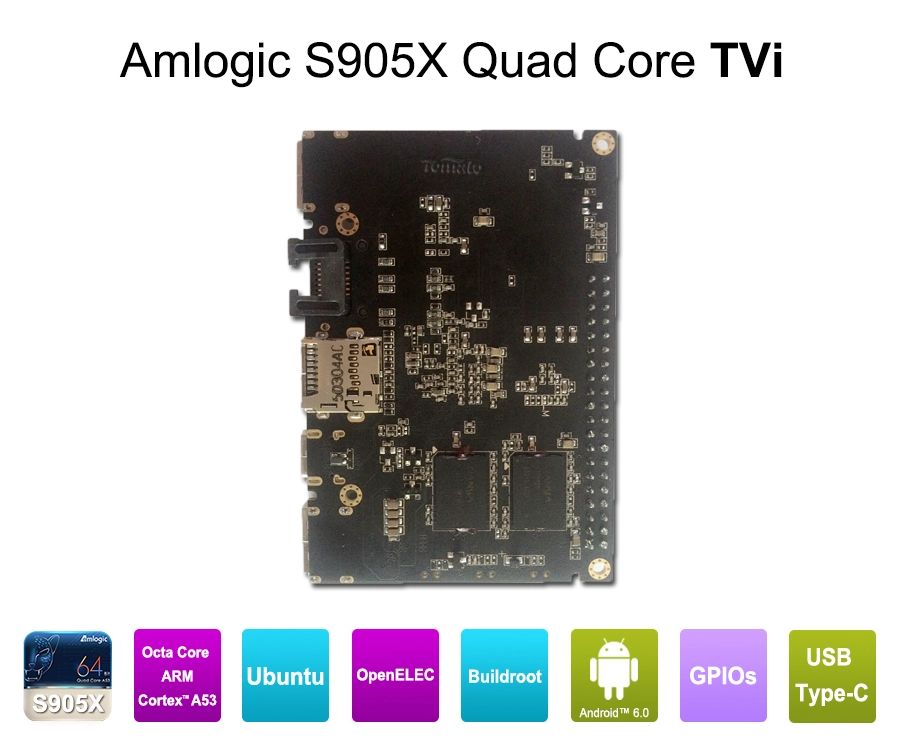
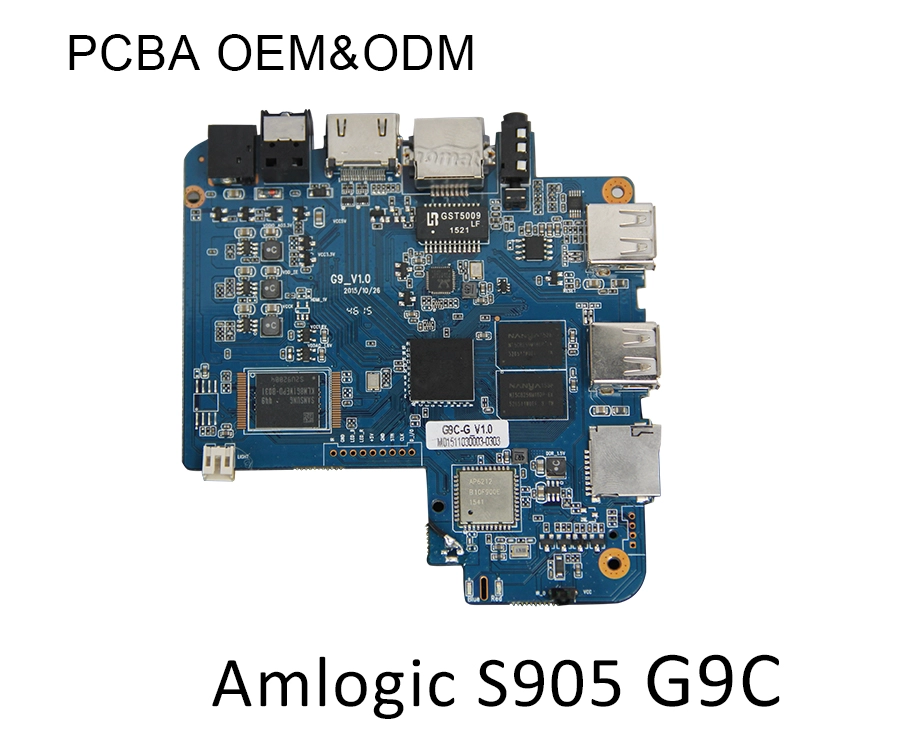
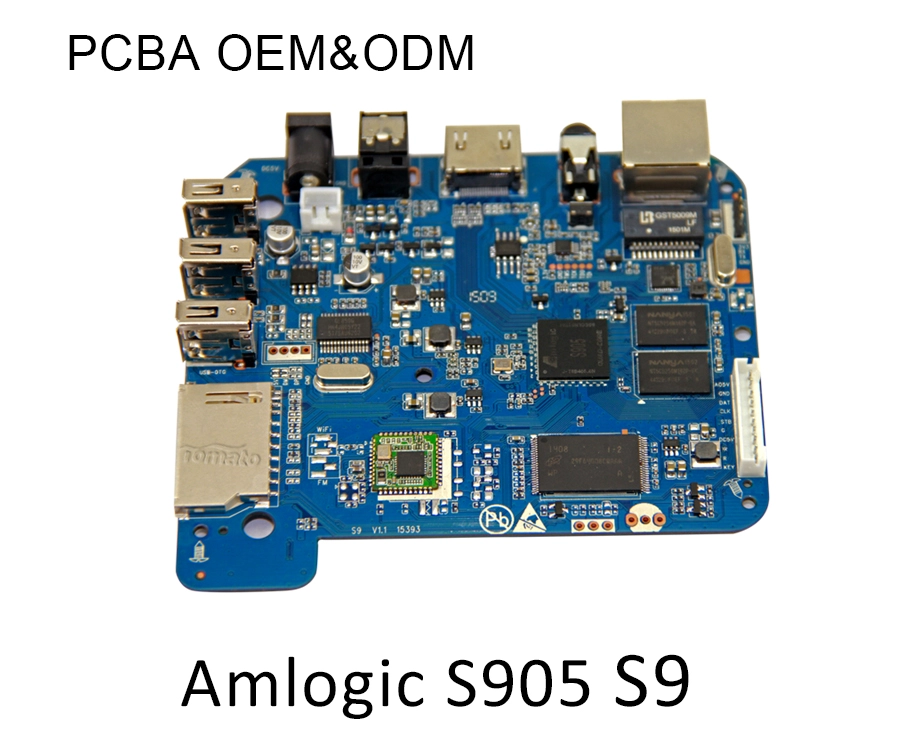
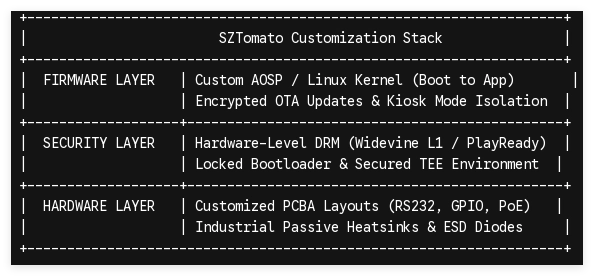
- Custom PCBA Component Placement: Multilayer PCBs feature thick copper planes, industrial-grade solid capacitors, and dedicated TVS/ESD protection diodes across all physical ports to withstand electrostatic discharge and voltage spikes.
-
Specialized Thermal Architecture: Custom-engineered passive aluminum heatsinks and optional thermal-chassis contact pads lower operating temperatures under full load, preventing CPU/GPU frequency throttling in non-climate-controlled environments.
Standard Consumer Dongle (Throttles under load)
[ Core Temp: 85°C+ ] ---> CPU Downclocking ---> Frame Drops / Buffer Stalls
SZTomato Industrial PCBA (Sustained Performance)
[ Core Temp: <60°C ] ---> 100% Clock Rate ---> Continuous 4K Playback
Firmware, SDK/API, and Kernel-Level Optimization
Physical ports depend on firmware to operate reliably. SZTomato’s engineering team provides deep Android Open Source Project (AOSP) and Linux kernel customization:
- Hardened Kiosk Mode & Custom Launchers: Eliminate commercial bloatware and lock down system settings, forcing the device to boot directly into your proprietary launcher or CMS application within seconds.
-
System API & SDK Access: Grant developers root-level APIs to control silent OTA update schedules, toggle display power states via RS232, program GPIO triggers, and monitor real-time hardware diagnostics (temperature, memory, network throughput).
-
DRM & Crypto Integration: Deep integration of Widevine L1, PlayReady, and Verimatrix CAS ensures compliance with strict content distribution requirements.
Technical Architectural Specs Overview
| Hardware Module | Specification / Feature Set | Commercial Benefit |
|---|---|---|
| Main Processing Core | Amlogic S905X4 / S905X5M / Rockchip RK3588 | Efficient 4K/8K AV1 hardware decoding with minimal power draw. |
| Memory / Storage | Up to 8GB LPDDR4/LPDDR5 + eMMC 5.1 / NVMe SSD | Fast app execution and low-latency asset caching. |
| Network Interfaces | Gigabit RJ45, Wi-Fi 6 (802.11ax), 4G-LTE / 5G SIM Slot | Multi-path network availability with automated failover routing. |
| Control I/O | RS232 (DB9/RJ45), GPIO blocks, HDMI IN / OUT | Direct serial display management and local sensor trigger integration. |
| OS / Firmware | Android 11/14 AOSP / Linux (Ubuntu/Debian) | Hardened OS stack with custom launcher and silent OTA updates. |
Engineer Your Hardware Solution with SZTomato
Standard off-the-shelf media players introduce unacceptable operational risks for enterprise streaming platforms, digital signage networks, and telecom operators. Matching your processing cores, physical ports, and firmware options to your precise operational environment is critical for deployment success.
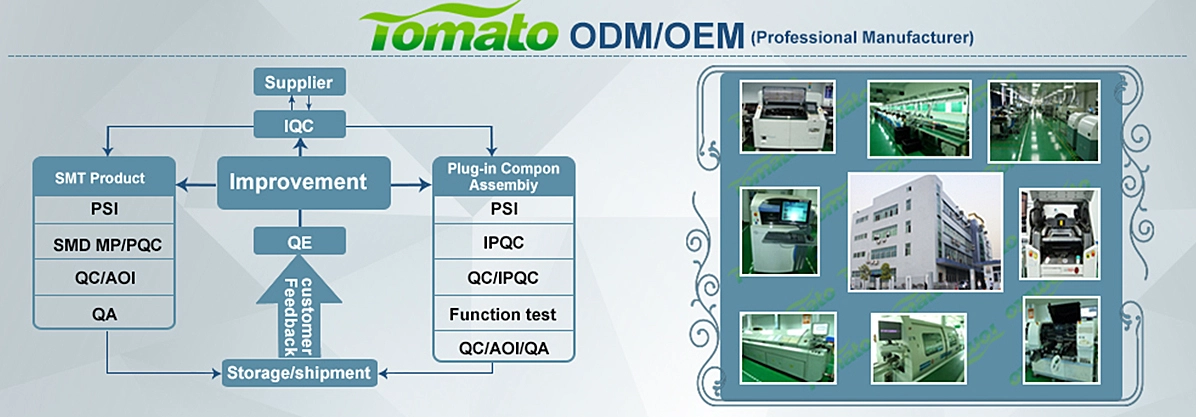
As a B2B manufacturer specializing in OEM/ODM customizations for over 16 years, SZTomato helps you skip the limitations of consumer hardware. From PCBA modification and custom port layout design to kernel-level firmware optimization and secure OTA infrastructure, our engineering team brings your hardware vision to life.
Partner with SZTomato Engineering
Contact our hardware specialists today to review your project specs, request sample development boards, or schedule a technical evaluation with our engineering team.
- Website: www.sztomato.com
- Email: sales@sztomato.com
-
OEM/ODM Customization Services: Hardware Board Redesign | Custom Enclosures | AOSP Kernel Hardening | SDK/API Integration
Would you like a customized streaming media player PCBA layout comparison matrix for your deployment?
