
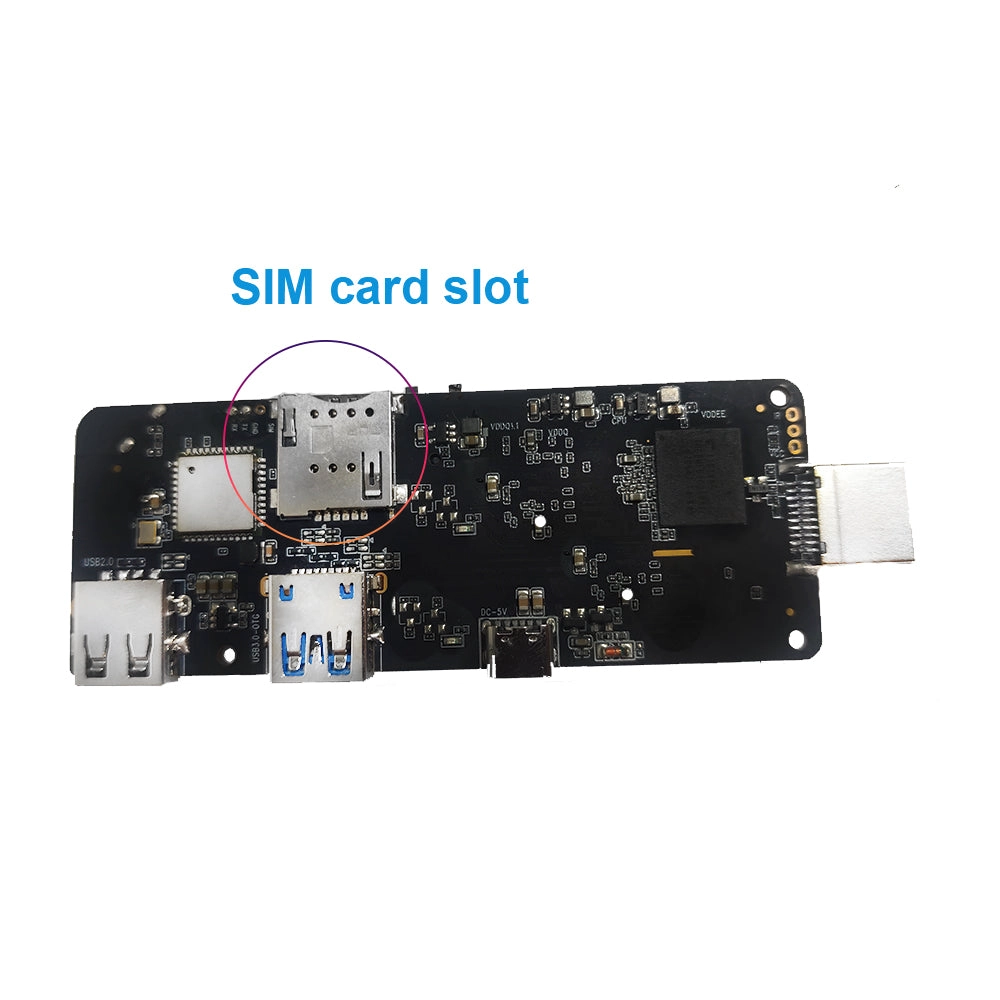
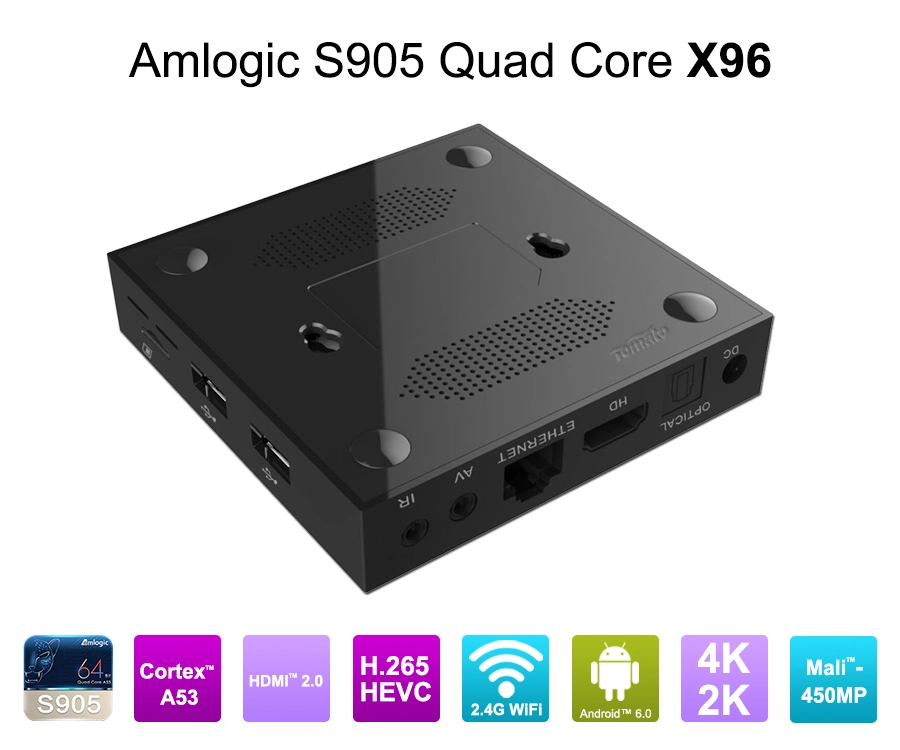
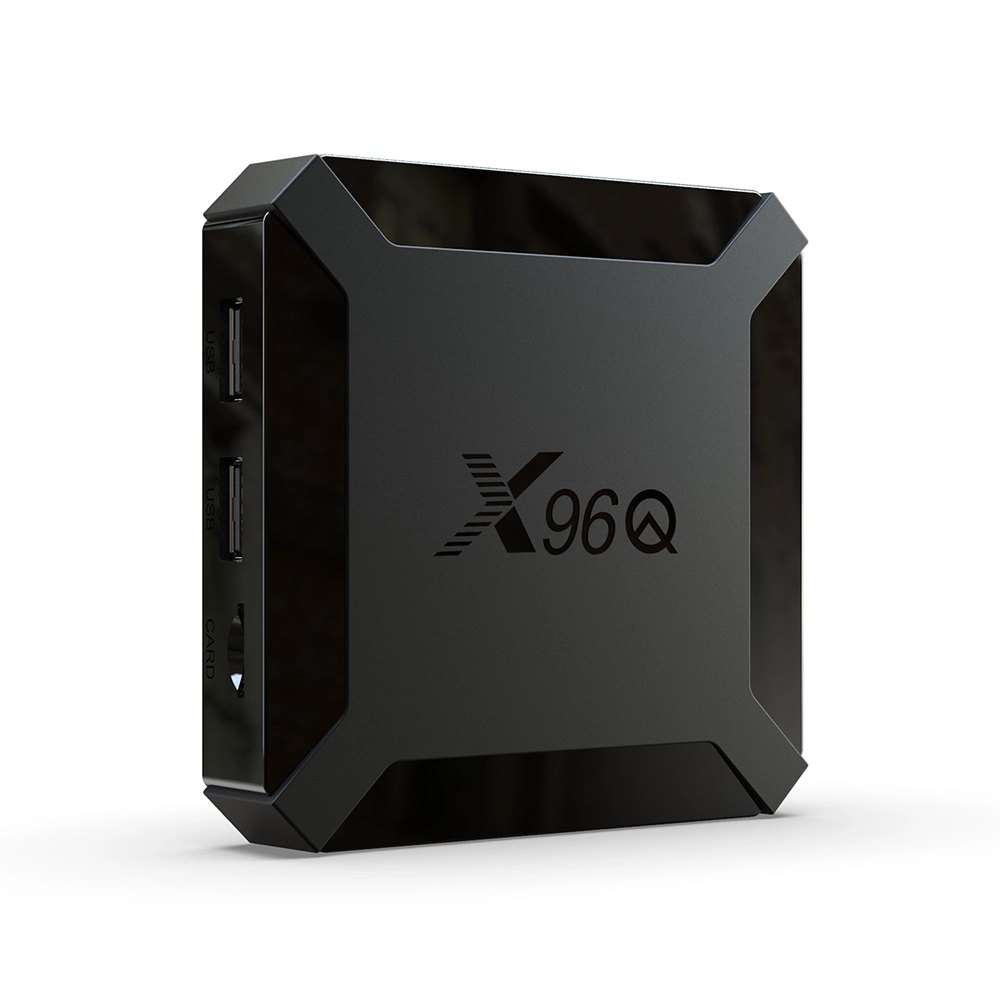
What exactly does a Set-Top Box (STB)?
What Exactly Does a Set-Top Box (STB) Do? An Enterprise Hardware & Firmware Architecture Breakdown
The shift toward resource-intensive AV1 codec adoption and VP9 profile demands has changed how enterprise video distribution systems are built. In commercial IPTV, OTT, and digital signage environments, a Set-Top Box (STB) is no longer just a passive media renderer. It acts as an active signal processing and security hub operating between raw network streams and displays.
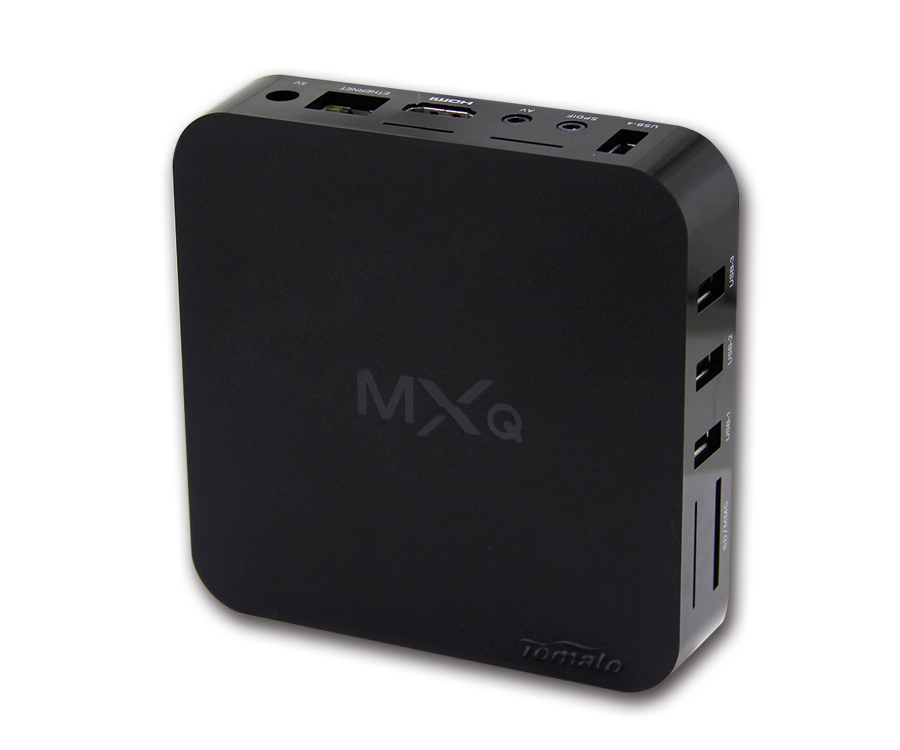
At its core, an Set-Top Box (STB) ingests IP-based or digital broadcast data, decrypts encrypted content streams, decodes raw video and audio bitstreams via dynamic hardware acceleration, and outputs pixel-perfect signals via digital interfaces like HDMI 2.1.
For system integrators, solution providers, and procurement managers, understanding what an Set-Top Box (STB) does requires examining the interactions between silicon platforms, kernel optimizations, and custom hardware configurations.
1. Core Hardware Architecture: From Raw Signal Ingestion to Display Output
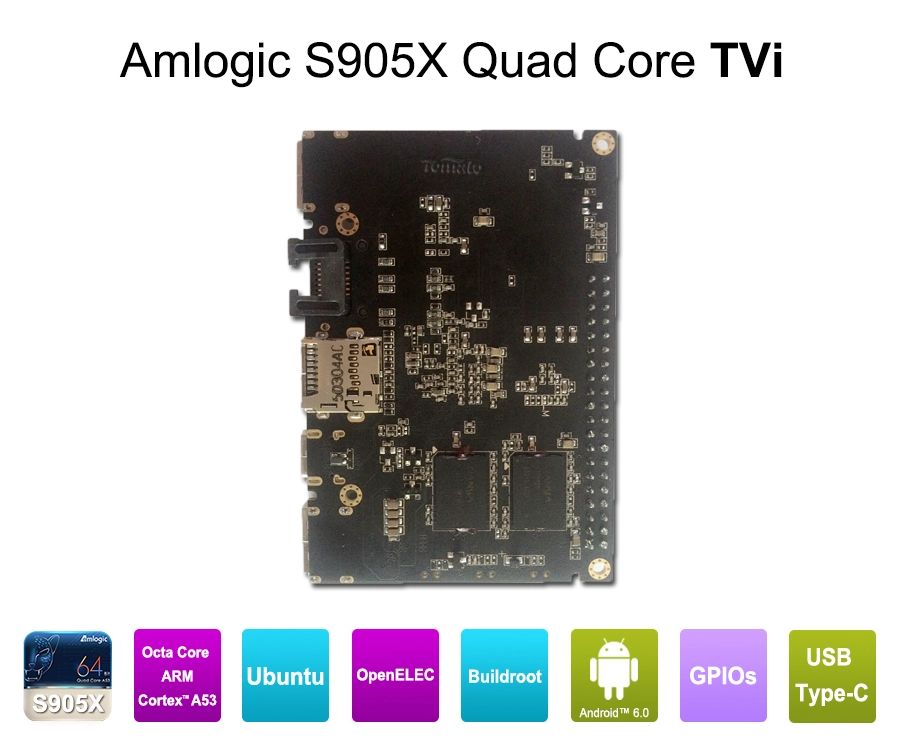
To understand how an Set-Top Box (STB) functions, it helps to look at the signal flow within the System on Chip (SoC) architecture, such as modern Amlogic, Rockchip, or Realtek platforms.
[ IP / Tuner Input ] ➔ [ Hardware Demux & DRM Decryption ] ➔ [ VPU Hardware Decoding (AV1/HEVC) ] ➔ [ Display Controller / HDMI 2.1 ]
Signal Demuxing & Hardware Acceleration
When data packets enter the Set-Top Box (STB) via Gigabit Ethernet or Wi-Fi 6 modules, the onboard SoC's Demux unit splits transport streams into independent elementary video, audio, and metadata tracks.
Instead of relying on software processing—which burns CPU cycles and causes thermal throttling—enterprise Set-Top Box (STB)s use dedicated Video Processing Units (VPUs). Modern VPUs handle multi-format decoding natively up to 4K@60fps or 8K@60fps:
-
AV1 Codec Decoding: Reduces bandwidth consumption by 30% compared to HEVC/H.265 at equivalent visual quality.
-
HDR Color Processing: Real-time tone mapping across HDR10+, Dolby Vision, and HLG standards.
-
Color Space Conversion: Translates YUV video data into RGB signals suitable for commercial displays.
Digital Rights Management (DRM) & Security Enclaves
Commercial content distribution relies heavily on hardware-level security. High-definition streams require hardware-based Trusted Execution Environments (TEEs). Within the SoC, isolated security enclaves process cryptographic keys to handle Widevine L1, PlayReady, or Verimatrix DRM decryption entirely inside protected memory spaces, preventing unauthorized stream interception.
2. Firmware-Level Engineering: Why Stock OS Fails Enterprise Deployments
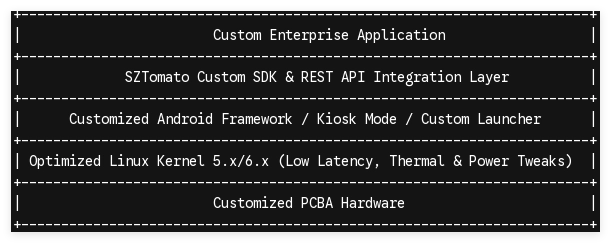
Commercial environments demand uninterrupted operation, remote system management, and absolute software control. Standard consumer Android or Linux builds fall short in these areas because they lack the necessary low-level optimizations.
Kernel Optimization & Kiosk Hardening
Enterprise Set-Top Box (STB) run on modified Linux kernel foundations tailored for low latency and high stability:
-
Custom Boot Sequence: Direct-to-app booting circumvents standard OS launcher environments, launching the target digital signage or IPTV client application within seconds.
-
Hardware Kiosk Mode: System APIs disable home key navigation, status bar overlays, and system settings access to maintain a secure, locked-down environment.
-
Peripheral Bus Control: Direct SDK/API access exposes internal UART, RS232, GPIO, and I2C buses directly to software developers, enabling seamless integration with external sensors, touch layers, and automated triggers.
Remote Fleet Management via Custom OTA Systems
Managing large deployments across thousands of locations requires central control over firmware updates. Custom Over-The-Air (OTA) update servers allow administrators to push silent, delta-level firmware updates without user intervention. Features like dual-bank (A/B) partition setups ensure automatic rollbacks if an update fails, preventing hardware bricking across deployed units.
3. Beyond Standard Specs: OEM/ODM Customization for Specialized Deployments
Off-the-shelf consumer TV boxes frequently fail in commercial environments due to thermal stress, limited I/O layouts, and inflexible component choices. Industrial deployments require hardware designed specifically for continuous 24/7 operation.
| Deployment Challenge | Generic Retail STB | Enterprise OEM/ODM Solution (e.g., SZTomato) |
| Operating Environment | standard indoor, light usage | Continuous 24/7 operation in high-heat or enclosed spaces |
| Thermal Dissipation | Small passive heatsinks; high risk of throttling | Customized heavy-duty aluminum heatsinks & thermal pads |
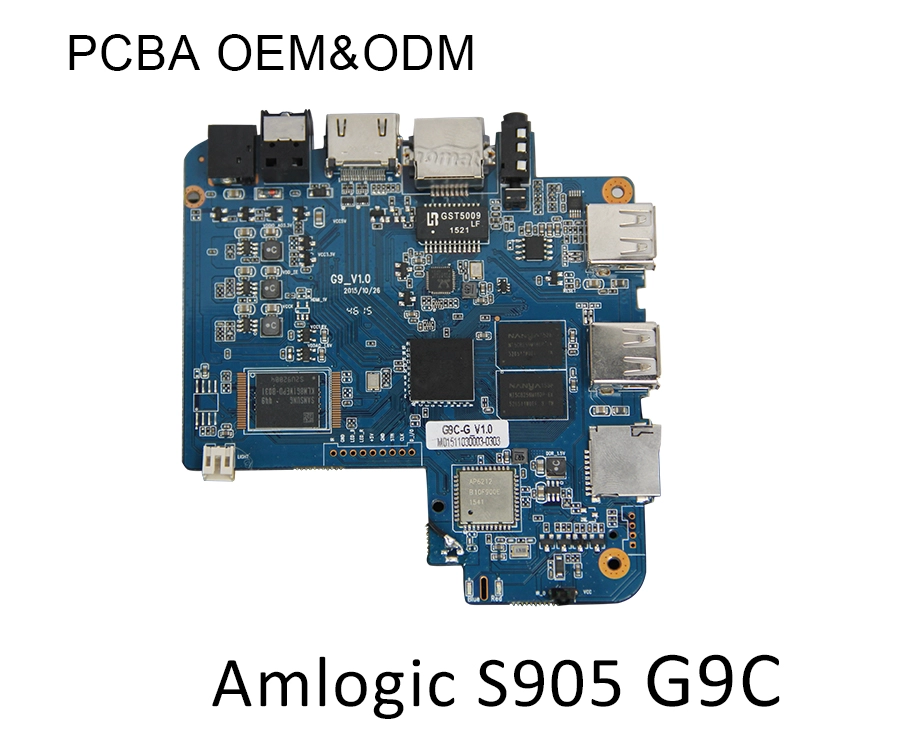
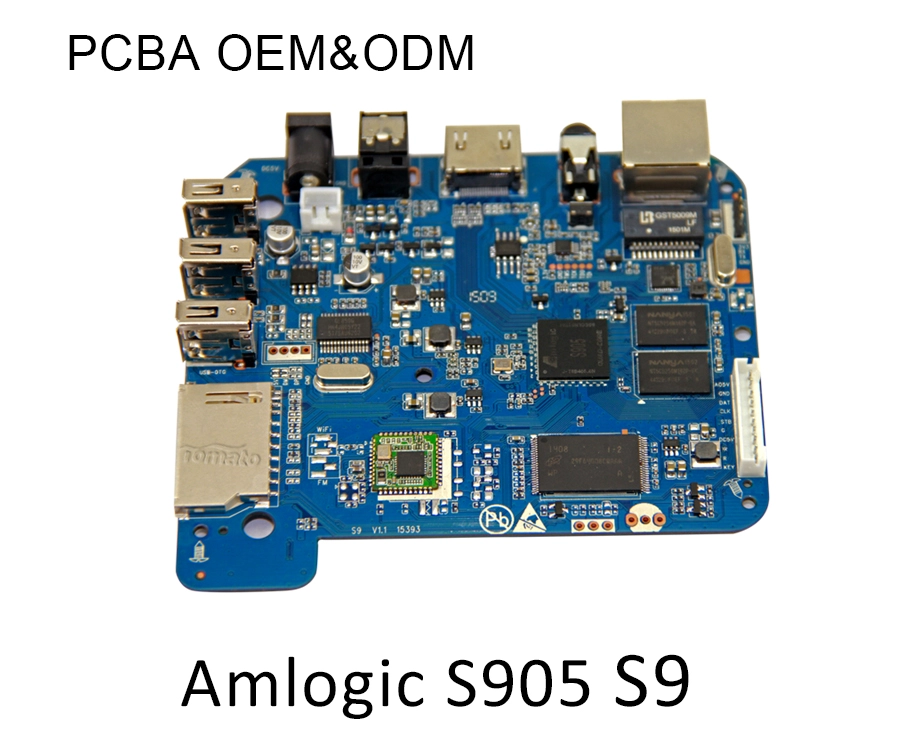
| PCBA Board Layout | Fixed consumer ports (Standard USB, single HDMI out) | Custom PCBA with Power over Ethernet (PoE), RS232, Dual HDMI |
| Firmware Flexibility | Locked bootloader; generic UI | Custom launcher, pre-rooted/unrooted options, custom SDKs |
| Lifecycle & Supply Chain | 6–12 month product lifespan | Extended component availability (3–5 years guarantees) |
Engineering for Thermal Stability
Commercial enclosures and outdoor signage housings generate significant heat. Standard passive cooling setups often lead to CPU throttling, dropped frames, and hardware degradation. Customized PCBA layouts incorporate enlarged aluminum heat sinks, thermal interface materials engineered for high heat transfer, and vented industrial enclosures to maintain optimal operating temperatures under constant load.
Tailored PCBA Interfaces & Power Options
Enterprise deployment scenarios demand specific hardware interfaces:
-
Power over Ethernet (PoE / IEEE 802.3at): Delivers power and gigabit network data over a single Cat6 cable, streamlining installation and reducing electrician costs.
-
Multi-Display Output: Customized PCBAs can feature dual HDMI outputs for driving independent displays from a single SoC.
-
Legacy & Serial Expansion: RS232/RS485 ports enable communication with commercial display controllers, automation hubs, and legacy infrastructure.
Partnering for Scale: Secure Your Tailored Hardware Infrastructure
A Set-Top Box is far more than a media player—it is the hardware anchor of your content delivery network. Generic consumer devices introduce security risks, high failure rates, and unpredictable software updates that can derail enterprise operations.
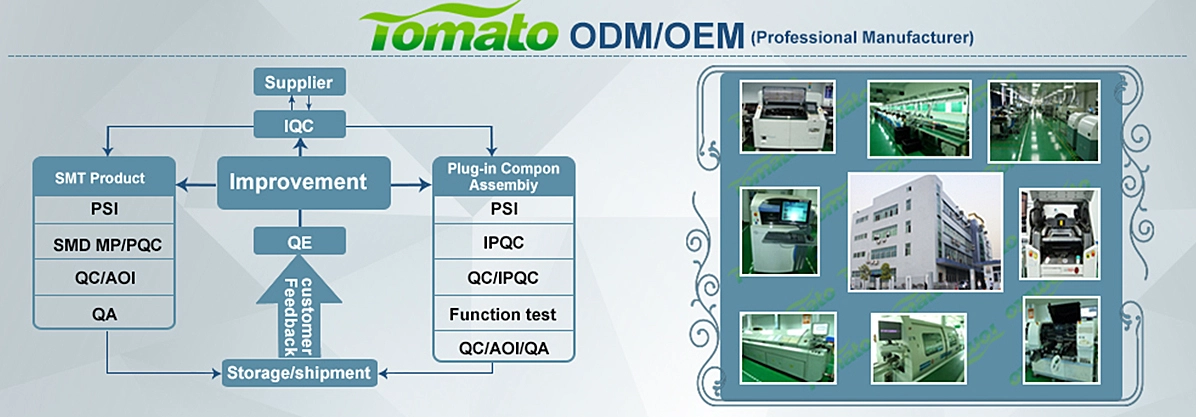
At SZTomato (Shenzhen Tomato Technology Co., Ltd.), we specialize in bridging the gap between raw silicon capabilities and complete hardware-firmware integration. With over 16 years of expertise as a B2B OEM/ODM manufacturer, we deliver end-to-end customization for project-based deployments worldwide:
-
Custom PCBA Design & Layout: Tailored port configurations, PoE integration, industrial thermal designs, and custom board footprints.
-
Firmware & Kernel Development: OS customization, root permissions management, custom boot animations, locked-down launchers, and API integration.
-
OTA Deployment Architecture: Dedicated server setup for silent, secure fleet update management.
Planning a commercial IPTV, digital signage, or enterprise media rollout? Contact the engineering and sales team at SZTomato today to discuss your project requirements, request sample units, or schedule a technical evaluation.
