
What are the features of a Google TV Box?
Key Features of a Google TV Box: A B2B Hardware & Firmware Architecture Guide
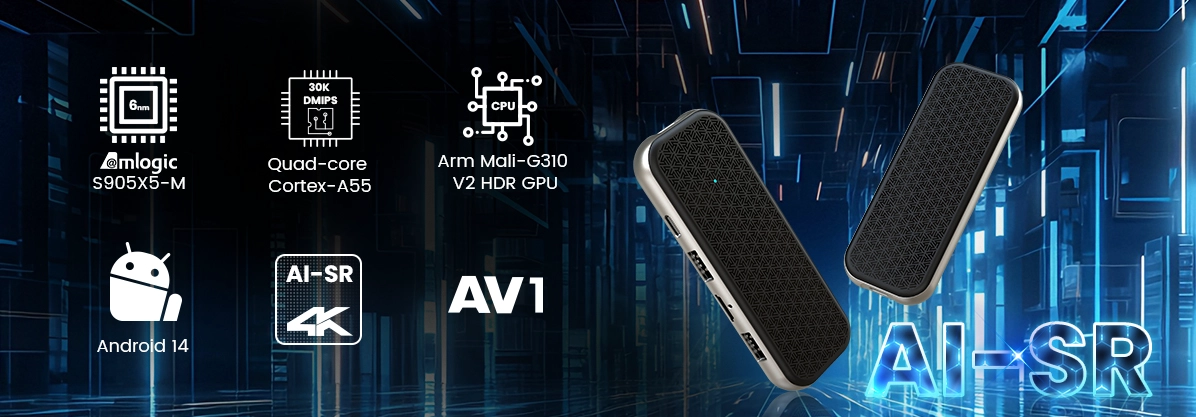
The shift toward resource-intensive AV1 codec adoption, coupled with the migration from legacy Amlogic S905X4 nodes to 6nm Armv9 process architectures (such as the Amlogic S905X5 series), has transformed how B2B operators deploy connected media devices. In enterprise OTT, commercial IPTV, and managed digital signage networks, a Google TV Box serves as a standardized, Google-certified hardware platform operating under strict security and media rendering standards.
At its technical core, a Google TV Box combines Google’s recommendation-centric UI layer (built on Android TV OS) with specialized silicon capabilities: multi-format VPUs, dedicated neural processing units (NPUs) for AI-driven upscaling, and hardware-enforced DRM pipelines.
For system integrators and procurement managers, evaluating what a Google TV Box offers requires examining both standard platform features and deep hardware/firmware customization options.
1. Core Platform Capabilities: Certification, Security, and Codec Standards
A certified Google TV Box provides a baseline of standardized software features, hardware security enclaves, and streaming protocols required by global content providers.
[ IP Data Stream ] ➔ [ Hardware DRM / Widevine L1 ] ➔ [ VPU Hardware Decoder (AV1/HEVC) ] ➔ [ HDMI 2.1 Display Output ]
│
[ NPU AI-Super Resolution (AI-SR) ]
Hardware-Accelerated Video Decoding & AI Upscaling
Modern Google TV platforms utilize hard-macro Video Processing Units (VPUs) to handle heavy media workloads without overloading CPU cores:
- AV1 Codec Processing: Decodes 4K@60fps or 8K@60fps streams natively, achieving a ~30% reduction in bandwidth overhead compared to HEVC/H.265 at equal visual quality.
- AI-Super Resolution (AI-SR): Integrated 3.2 to 4 TOPS NPUs execute real-time upscaling algorithms to enhance 1080p source feeds to 4K output.
- Dynamic HDR Processing: Native color mapping across HDR10+, Dolby Vision, and HLG formats.
Multi-Layer DRM & Security Enclaves
To stream premium HD and 4K content, the SoC must execute cryptographic tasks inside a Trusted Execution Environment (TEE). Hardware-level Widevine L1 and PlayReady DRM implementations process keys directly within protected memory blocks, preventing unencrypted frame buffers from leaking over bus lines.
Google Ecosystem Integration
-
Google Cast (Chromecast Built-in): Allows seamless wireless media casting from mobile or desktop endpoints over local IP networks.
-
Google Assistant & Voice Control: Integrates Far-Field and Near-Field voice control routines via Bluetooth Low Energy (BLE) remotes or built-in mic arrays.
2. Firmware-Level Customization: Modifying Google TV for Commercial Deployments
While stock Google TV interfaces serve consumer home entertainment, commercial operators require strict control over app lifecycle, boot behaviors, and remote administration.
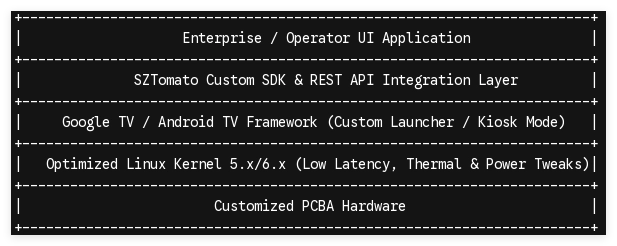
Kernel Optimization & Kiosk Hardening
Commercial deployments require modifying the Android framework to create dedicated, tamper-proof environments:
-
Custom Boot Animations & Autostart: Direct-to-app launch logic circumvents the default Google TV home screen, launching custom signage or IPTV applications immediately upon power application.
-
Kiosk & UI Lockdown: System APIs disable home button navigation, status bar overlays, notification popups, and device settings access to prevent end-user tampering.
- Low-Level SDK/API Integration: Exposes hardware buses—including UART, RS232, GPIO, and I2C—directly to custom software layers, enabling external sensor triggers and display power synchronization.
Enterprise OTA & Fleet Management Systems
Managing thousands of deployed units requires secure, automated software lifecycle management. Custom Over-The-Air (OTA) infrastructure allows administrators to push delta updates, schedule maintenance windows, and manage dual-bank (A/B) system partitions to prevent device bricking during power interruptions.
3. Industrial PCBA & Hardware Tailoring: OEM/ODM Capabilities
Standard consumer Google TV dongles and budget boxes are engineered for intermittent consumer use, making them prone to overheating, throttling, and premature hardware failure when subjected to 24/7 commercial duty cycles. Enterprise deployments require specialized board engineering.
| Hardware Feature | Standard Consumer Box | Industrial B2B OEM Solution (e.g., SZTomato) |
|---|---|---|
| Duty Cycle | Intermittent home use | Continuous 24/7/365 operational rating |
| PCBA Board Design | 2-layer or standard 4-layer FR-4 | 6-layer FR-4 with dedicated ground & power planes |
| Thermal Dissipation | Small stamped aluminum pad | Phase-change TIMs & heavy aluminum chassis contact |
| I/O Connectivity | Standard HDMI + 1x USB 2.0 | HDMI 2.1, Gigabit Ethernet, RS232, GPIO, USB 3.0 |
| Power Input | 5V/2A Micro-USB / Type-C adapter | Power over Ethernet (PoE 802.3at) or 12V DC Phoenix terminals |
| Component Lifecycle | 6–12 months consumer lifecycle | 3–5 year guaranteed component availability |
Advanced Thermal Management for Fanless Operation
Enclosed digital signage housings and ceiling-mounted hardware environments experience high ambient temperatures. To maintain full clock speeds on multi-core Arm Cortex CPUs and VPUs without thermal throttling, custom hardware builds incorporate CNC-machined aluminum enclosures as active heat-sink elements, high-conductivity phase-change thermal interface materials (TIM), and optimized airflow layouts.
Tailored Expansion Ports & Power Configurations
Custom PCBAs accommodate specialized commercial needs:
-
Power over Ethernet (PoE): IEEE 802.3at support delivers up to 25.5W of power alongside gigabit data over a single Cat6 run, eliminating the need for AC outlets at mounting locations.
-
RS232 Serial & GPIO Control: Direct hardware communication lines to control screen power state, switch display inputs, or interface with external presence sensors.
-
Custom Storage Interfaces: High-speed eMMC 5.1 or UFS flash with integrated wear-leveling algorithms to prevent memory degradation from constant log writes and video caching.
Scalable B2B Deployment: Custom Google TV & Android Hardware
While the Google TV operating system provides a strong foundation for media playback, enterprise success depends on the hardware and firmware engineering beneath the casing. Consumer-grade hardware introduces thermal bottlenecks, limited I/O options, and uncontrollable software updates that disrupt commercial operations.
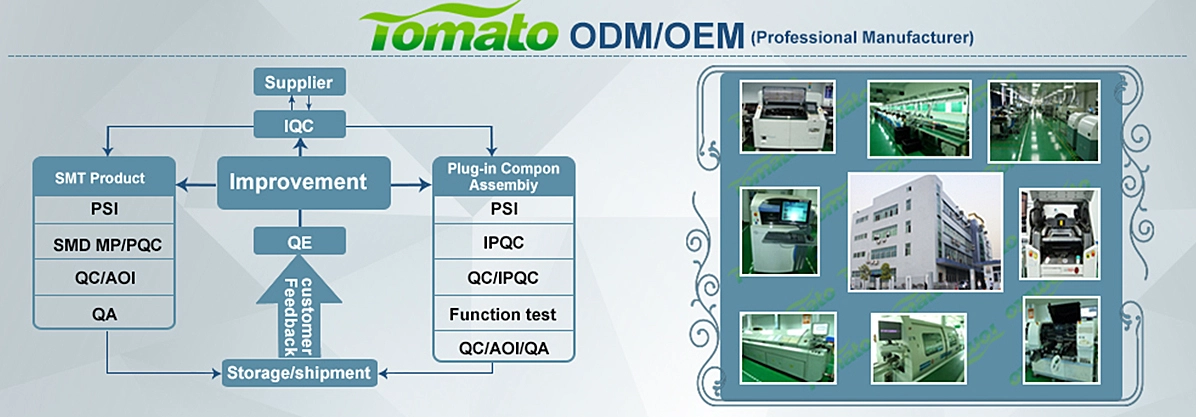
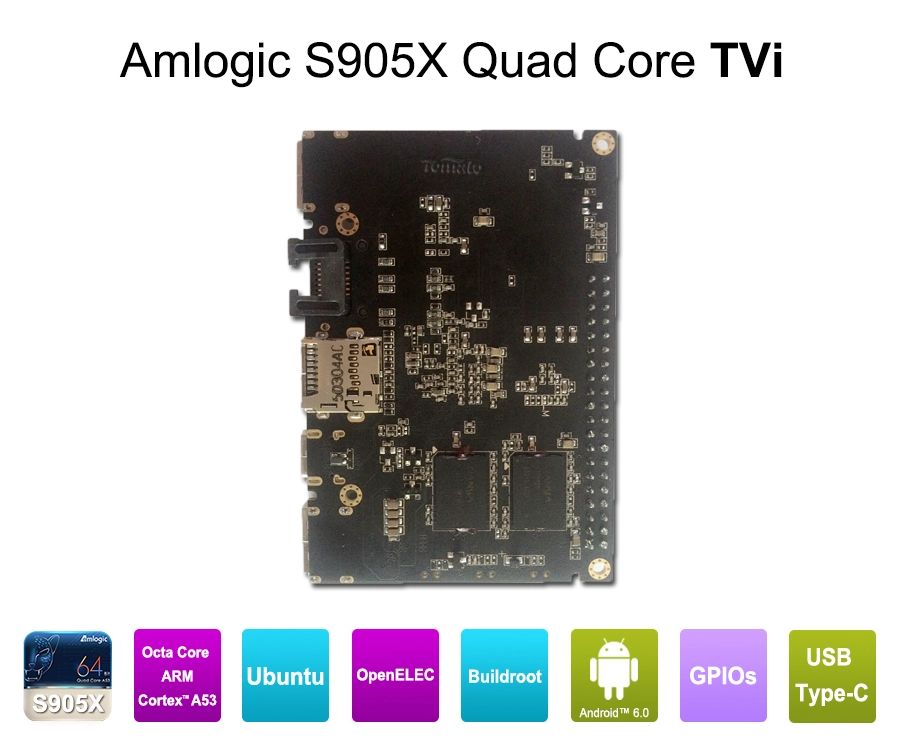
At SZTomato (Shenzhen Tomato Technology Co., Ltd.), we specialize in engineering high-performance Android and Google TV hardware platforms designed specifically for B2B requirements. With 16 years of expertise in OEM/ODM electronics manufacturing, we provide complete, end-to-end customization:
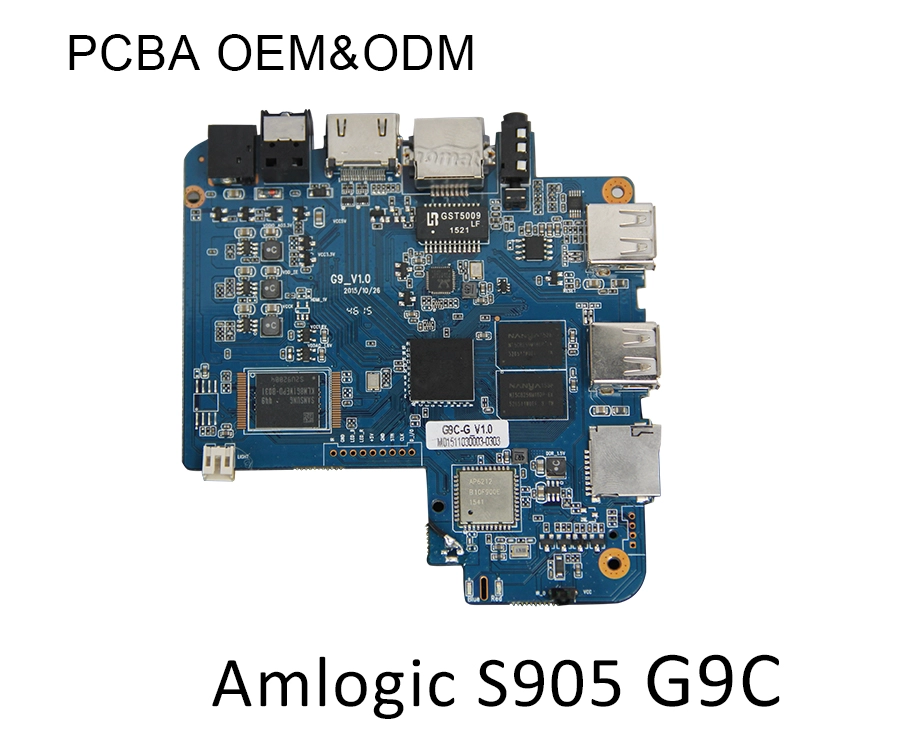
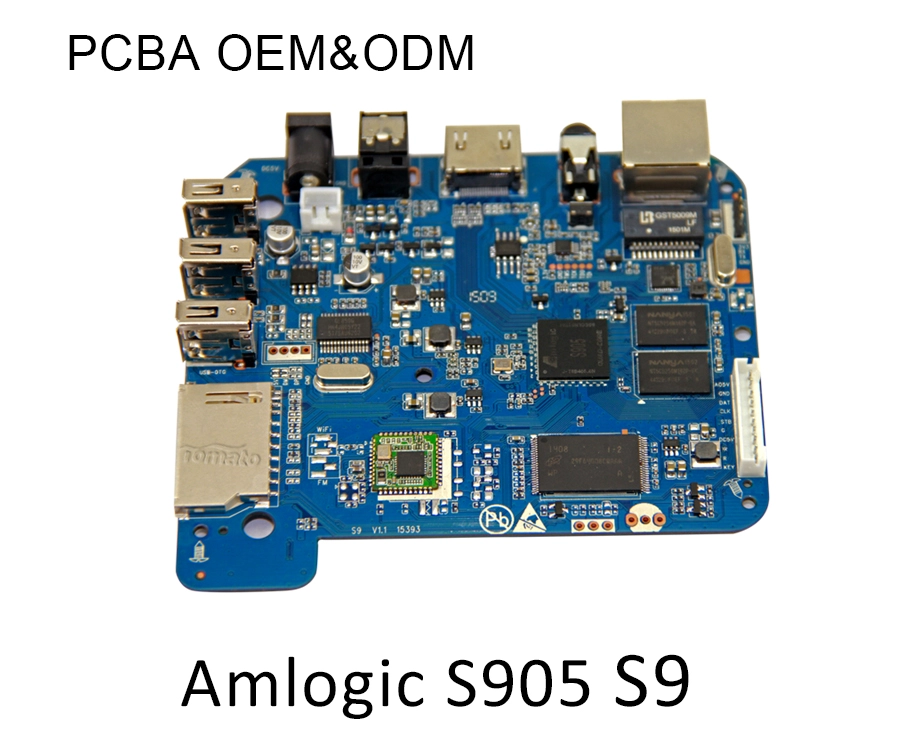
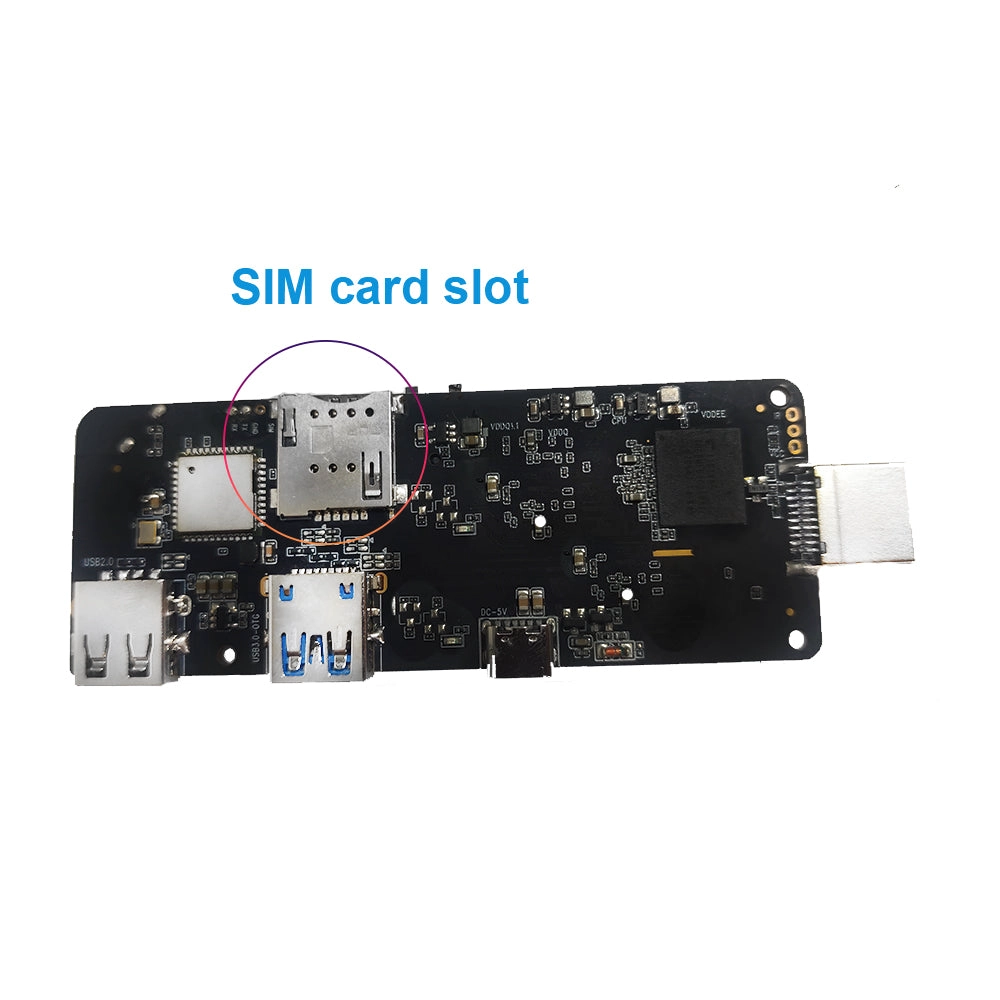
- Custom PCBA Engineering: Layout modifications, PoE integration, dual-HDMI output configurations, RS232/GPIO routing, and specialized thermal heatsinks.
-
Firmware & OS Customization: Deep kernel tuning, custom launchers, kiosk lockdown, boot logo/animation customization, and SDK/API integration.
- Private OTA System Setup: Secure, dedicated update servers for silent, controlled fleet management.
Looking to scale your IPTV, OTT, or Digital Signage infrastructure with custom-engineered Google TV hardware? Contact the technical engineering team at SZTomato today to discuss your project specifications, request developer samples, or evaluate customized board architectures.
