
What are the connectivity options for an Internet TV Box?
What Is the Absolute Best OTT TV Box? A B2B Technical Buying Guide
The answer to “What is the absolute best OTT TV Box?” is no longer determined by RAM, storage, or a 4K logo printed on the specification sheet. Modern OTT deployments increasingly depend on SoC video engines, AV1 decoding, DRM security, HDMI/HDCP behavior, sustained thermal performance, OTA infrastructure, and the ability to customize Android at the system level.
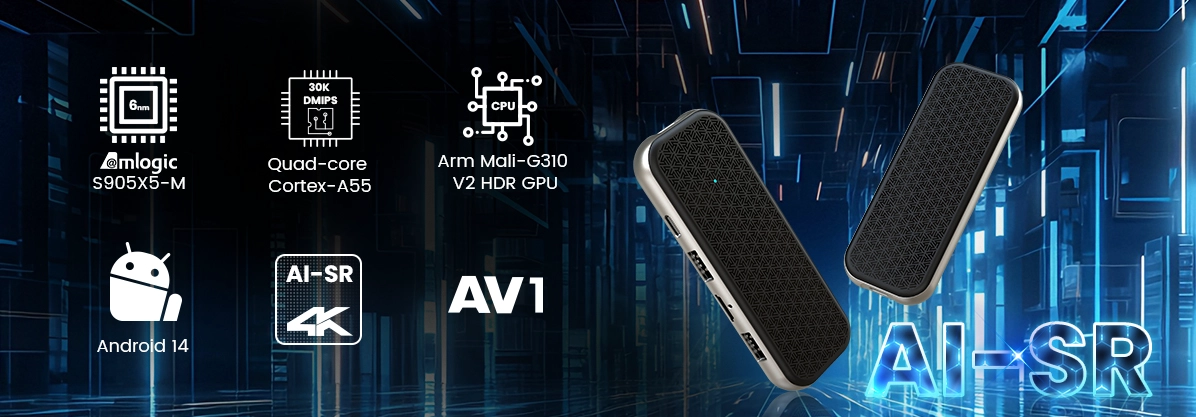
Amlogic’s current portfolio, for example, includes the S905X5 as a 6nm platform positioned for next-generation 4K UHD set-top boxes, while its S928X targets higher-end 8K applications with hardware support for mainstream codecs including AV1 and H.265.
For B2B buyers, therefore, the best OTT TV Box is not the device with the highest headline specification. It is the platform that delivers the right combination of video performance, security, software control, thermal stability, lifecycle support, and OEM/ODM flexibility.
What Makes an OTT TV Box the Best?
The first mistake in OTT procurement is treating all TV Boxes as equivalent.
An OTT TV Box is essentially an embedded computing platform that receives IP-based content and processes it for display on a television or monitor. Depending on the deployment, it may support OTT streaming applications, IPTV middleware, VOD, live television, advertising, digital signage, interactive applications, or proprietary operator software.
A serious evaluation should begin with five layers:
SoC → Video Pipeline → Security/DRM → Operating System → Device Management
If any one of these layers is poorly matched to the application, the specification sheet becomes irrelevant.
1. SoC Architecture Comes First
The processor determines far more than application speed.
A modern OTT platform may combine:
-
ARM CPU
-
GPU
-
Hardware video decoder
-
Video post-processing engine
-
Memory controller
-
Display controller
-
HDMI subsystem
-
Security engine
-
AI/NPU acceleration on selected platforms
-
High-speed network and peripheral interfaces
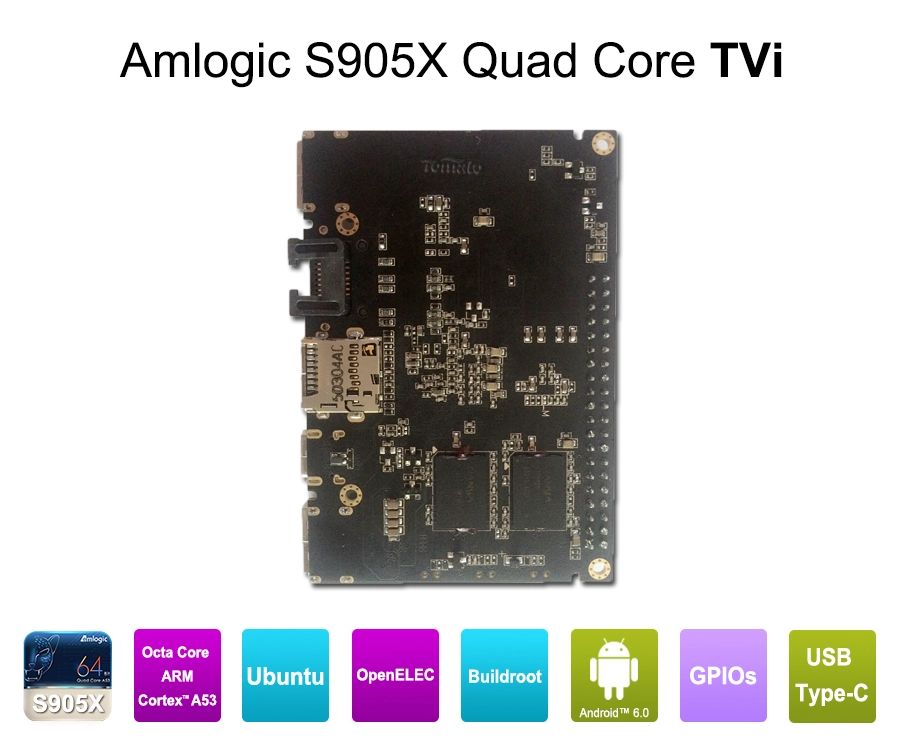
For mainstream 4K OTT applications, a platform such as the Amlogic S905X5 is particularly relevant because Amlogic positions it as a 6nm flagship SoC for next-generation 4K UHD set-top boxes.
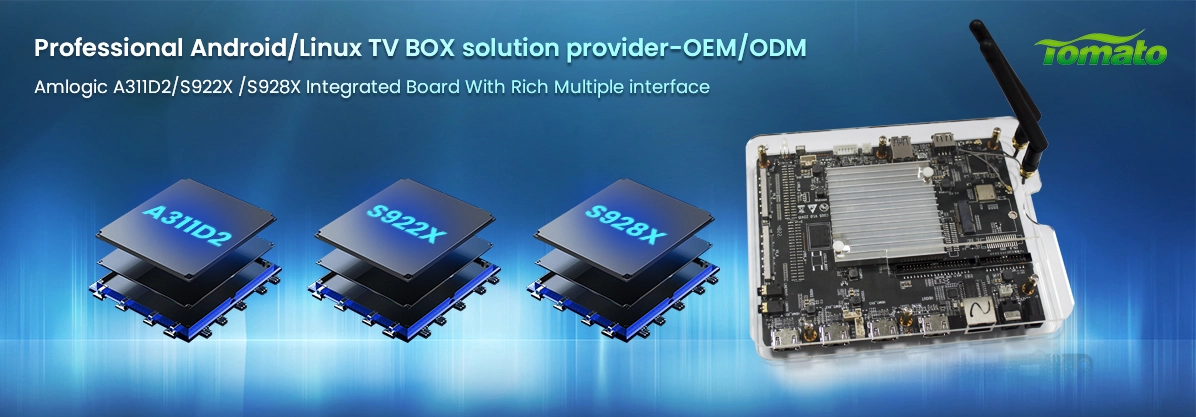
For higher-end applications, the S928X represents a different performance class, with Amlogic describing it as an 8K UHD smart STB SoC supporting AV1, H.265, VP9, AVS3 and AVS2 decoding.
The conclusion is straightforward:
Do not choose the SoC based on CPU frequency alone.
Evaluate the complete media architecture.
2. AV1 Support Is Becoming a Procurement Variable
AV1 is particularly relevant for OTT because codec efficiency affects bandwidth consumption and content delivery costs.
A device that supports hardware AV1 decoding can process AV1 streams without forcing the CPU to perform software decoding.
That distinction matters in sustained playback.
For an OTT operator managing large volumes of 4K content, the objective is not simply to decode a video file. The platform must maintain:
-
Stable frame output
-
Correct color processing
-
Hardware-accelerated decoding
-
Low CPU utilization
-
Acceptable thermal load
-
Reliable HDMI output
This is why codec support should be evaluated together with the SoC's hardware video engine rather than as a standalone checkbox.
The Best OTT TV Box Must Handle DRM and HDCP Correctly
A powerful processor does not guarantee access to premium OTT content.
Commercial OTT platforms often involve a combination of:
Application + DRM + Secure Decoder + Secure Video Path + HDMI/HDCP
The security chain must remain intact from content acquisition to display output.
Android's compatibility requirements illustrate the importance of this layer. Current Android TV compatibility documentation specifies HDCP 2.2 support for television implementations using external HDMI displays in relevant configurations.
This has practical implications for B2B buyers.
If a project requires premium protected content, procurement should investigate:
-
DRM framework compatibility
-
Secure video path
-
HDCP version
-
Secure boot requirements
-
Key provisioning
-
Widevine requirements where applicable
-
Operator-specific security requirements
-
HDMI behavior
-
Content-provider certification requirements
HDCP Is Not a Marketing Checkbox
HDCP problems can appear as:
-
Black screen
-
Playback failure
-
Resolution downgrade
-
Intermittent playback
-
HDMI authentication failure
A box may successfully display locally stored 4K video while failing to play protected OTT content.
That is why a B2B acceptance test should include the actual content ecosystem rather than relying on a generic 4K demonstration file.
Android's HDMI-CEC architecture also identifies OTT/set-top boxes as HDMI source devices and provides a system-level HDMI control service. Manufacturer-specific CEC behavior may require system-level modification rather than a simple application-level adjustment.
For hotel, IPTV, and operator deployments, HDMI behavior should therefore be tested with the target TV models before mass production.
OTT TV Box vs. Android TV Box: Which Is Better?
The terms are often used interchangeably, but they represent different procurement considerations.
An Android TV Box generally describes the hardware category.
An OTT TV Box describes the broader application and content-delivery function.
An OTT box may run:
-
Android TV
-
AOSP
-
Customized Android
-
Linux
-
Operator-specific middleware
-
Hybrid OTT/IPTV software
The correct choice depends on the project.
Consumer OTT Deployment
For a consumer-oriented product, the priorities may be:
-
Certified ecosystem
-
Streaming application compatibility
-
DRM
-
Voice control
-
Wi-Fi
-
HDMI
-
Remote control
-
Low retail cost
IPTV Operator Deployment
An operator may instead prioritize:
-
Middleware integration
-
Conditional access
-
DRM
-
Ethernet
-
Remote device management
-
Custom launcher
-
OTA
-
Application control
-
Long-term SoC availability
Hotel Deployment
A hotel may require:
-
Custom UI
-
Room-specific configuration
-
Guest information
-
IPTV
-
VOD
-
Advertising
-
Centralized OTA
-
Kiosk restrictions
-
Peripheral integration
-
Stable 24/7 operation
The “best” OTT TV Box changes because the technical definition of success changes.
Why Firmware Is More Important Than Another 2 GB of RAM
This is where many B2B procurement projects go wrong.
Hardware specifications are easy to compare.
Firmware capability is not.
A commercial OTT TV Box may need:
-
Custom boot animation
-
Custom launcher
-
Preinstalled applications
-
Hidden system settings
-
Device Owner configuration
-
Kiosk mode
-
Lock Task Mode
-
Automatic application startup
-
Silent APK installation
-
Custom system APIs
-
Remote configuration
-
OTA firmware updates
-
Log collection
-
Network provisioning
These functions often require system-level Android development.
An AOSP-based architecture can provide significantly greater control than a generic retail firmware image when the customer owns the application and deployment environment.
SDK and API Integration
An operator's middleware should not be treated as an afterthought.
The Android platform may need to communicate with:
-
IPTV middleware
-
CMS platforms
-
OTT applications
-
Device management systems
-
Payment systems
-
Smart-home platforms
-
Hotel management systems
-
Advertising platforms
-
Peripheral devices
This requires SDK/API integration at the appropriate layer.
If the customer requires a specific boot workflow, application privilege, system setting, or hardware interface, modifying the Android framework may be more reliable than trying to force the requirement through a standard APK.
The Hardware Design Behind a Reliable OTT TV Box
The enclosure is visible.
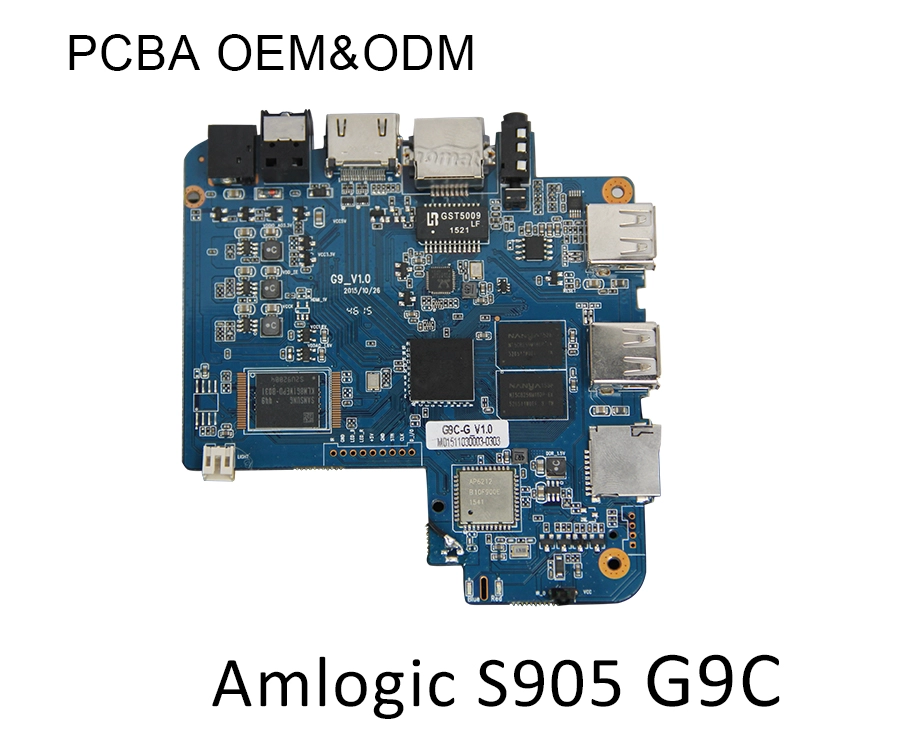
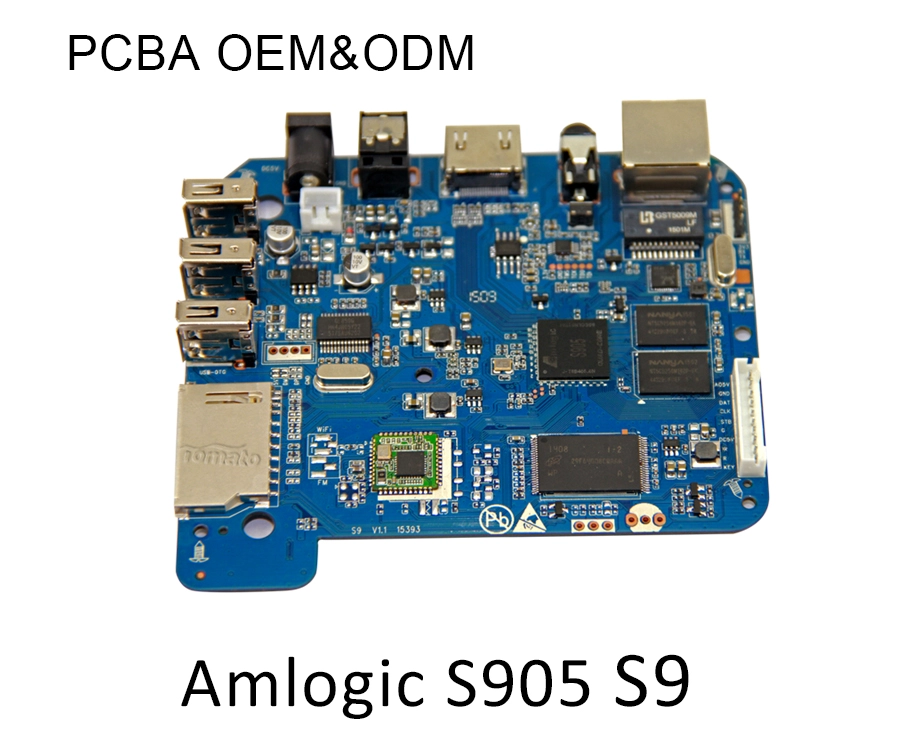
The PCBA is where the reliability is determined.
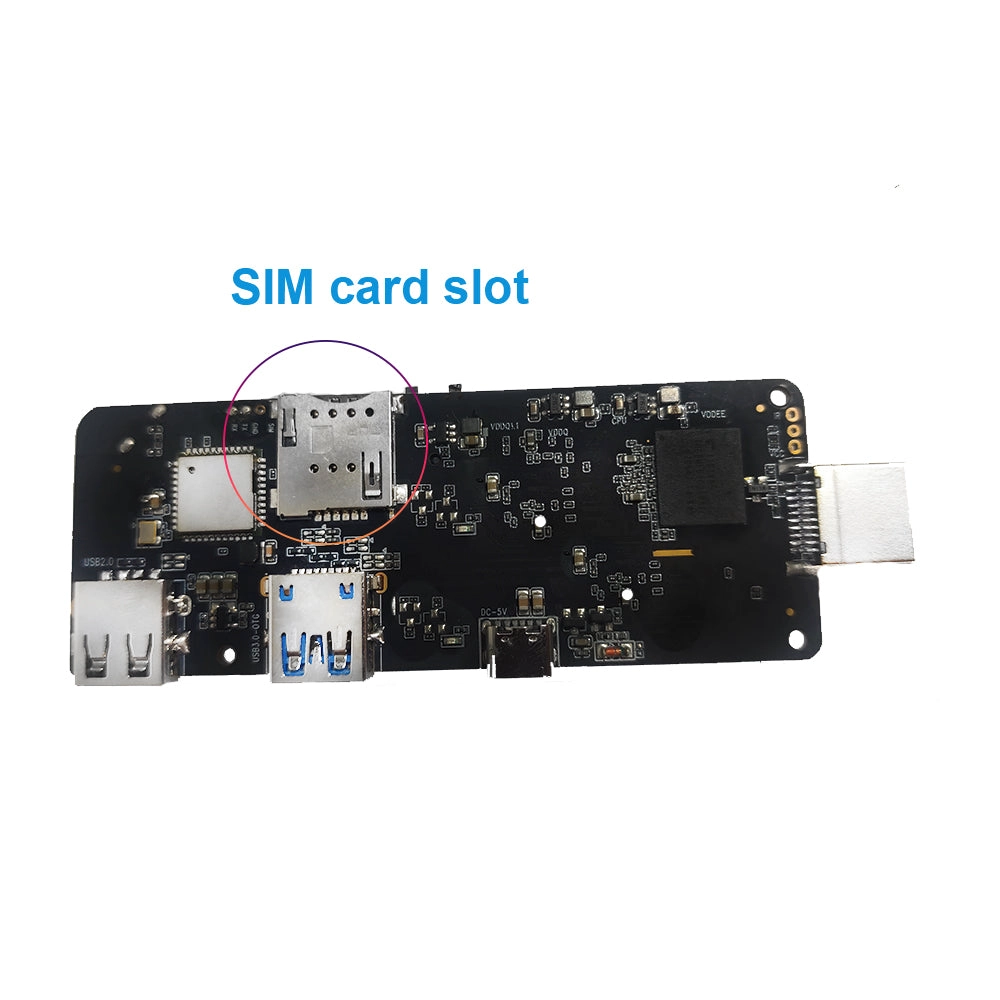
PCBA Layout
A commercial OTT TV Box may require modifications to:
-
DDR routing
-
Power delivery
-
Ethernet
-
USB
-
HDMI
-
Wi-Fi/BT RF
-
Storage
-
GPIO
-
Peripheral interfaces
Poor PCB layout can produce instability that cannot be corrected by changing Android applications.
For OEM/ODM customers, PCBA modification provides a path to optimize the platform around the actual deployment rather than accepting a generic board design.
Thermal Engineering
A TV Box may operate continuously for many hours.
That creates a different engineering requirement from a device used for occasional home streaming.
Thermal design can include:
-
Enlarged heatsinks
-
Thermal pads
-
Custom heat spreaders
-
Enclosure modifications
-
Airflow optimization
-
Fan-assisted cooling
-
SoC frequency optimization
-
Power-consumption tuning
For industrial or commercial deployments, sustained thermal behavior should be measured under actual workloads.
A useful validation procedure is not simply:
Boot → Play video → Pass
It should be closer to:
Cold boot → Network connection → 4K playback → DRM playback → Application switching → Sustained load → Thermal measurement → OTA test → Reboot → Recovery verification
That test sequence reveals problems that a retail demonstration will not.
What Should B2B Buyers Demand From an OTT TV Box Manufacturer?
A manufacturer should be able to discuss the following topics without redirecting the conversation to RAM and storage:
Hardware
-
SoC roadmap
-
PCBA architecture
-
DDR configuration
-
eMMC/NAND options
-
HDMI specification
-
Ethernet
-
Wi-Fi/BT
-
USB
-
Power design
-
Thermal design
Software
-
Android/AOSP version
-
BSP availability
-
Kernel version
-
Device drivers
-
Framework customization
-
SDK/API integration
-
Launcher customization
-
OTA architecture
Security
-
Secure boot
-
DRM
-
HDCP
-
Key provisioning
-
Protected media path
-
Application security
Manufacturing
-
PCBA modification
-
BOM control
-
Component lifecycle
-
Firmware version control
-
Production testing
-
Burn-in testing
-
Long-term supply
This is the difference between buying a TV Box and building an OTT platform.
Why SZTomato Takes an OEM/ODM Approach
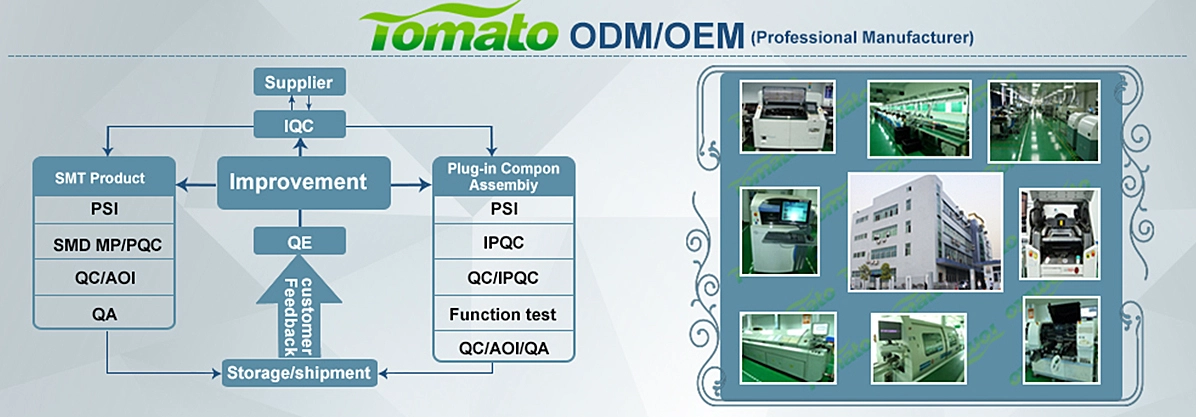
For B2B customers, SZTomato's value is not limited to supplying a finished Android box.
The platform can be adapted at multiple engineering layers.
PCBA Hardware Modification
The hardware can be adjusted for project-specific interfaces, memory, storage, connectivity, peripheral requirements, and mechanical constraints.
SDK/API Integration
Customer applications, middleware, CMS systems, device-management platforms, and proprietary APIs can be integrated into the target software architecture.
Custom UI/UX Firmware
The boot sequence, launcher, system interface, preinstalled applications, navigation logic, and user restrictions can be customized.
Android/Linux Kernel Optimization
Where the application requires it, kernel configuration, device drivers, power management, peripheral support, and hardware behavior can be optimized for the final platform.
OTA Update System
A commercial fleet needs a controlled update mechanism.
The OTA architecture can be designed around:
-
Firmware version management
-
Remote updates
-
Update groups
-
Scheduled deployment
-
Failure recovery
-
Rollback strategy
-
Application updates
Specialized Cooling
For 24/7 IPTV, hotel, digital signage, and industrial installations, thermal engineering can be adapted to the actual operating environment.
The result is a platform designed around the customer's application rather than a generic consumer product with a logo change.
So, What Is the Absolute Best OTT TV Box?
There is no universally best OTT TV Box.
There is, however, a best-fit OTT platform for a defined deployment.
For a standard 4K OTT product, a current-generation SoC with strong hardware video decoding, efficient process technology, reliable HDMI output, and appropriate DRM capability is a logical starting point.
For high-end 8K or advanced media-processing applications, a higher-performance platform such as the Amlogic S928X class may be appropriate. Amlogic explicitly positions the S928X for 8K UHD smart STB applications and lists support for AV1 and other major video formats.
For IPTV operators, hotel groups, digital signage providers, and system integrators, however, firmware control, middleware integration, OTA management, DRM/HDCP behavior, thermal stability, and long-term hardware support can matter more than raw benchmark scores.
The best OTT TV Box is therefore the one that passes the complete commercial deployment test:
Video performance + DRM + HDCP + firmware control + network reliability + thermal stability + OTA + lifecycle support + OEM/ODM engineering.
Final Recommendation for B2B Procurement Managers and System Integrators
Do not issue an RFQ that only asks:
“What is your best OTT TV Box, and how much does it cost?”
A stronger RFQ should specify:
-
Target video resolution and codecs
-
OTT/IPTV middleware
-
DRM requirements
-
HDCP requirements
-
HDMI behavior
-
RAM/storage
-
Ethernet/Wi-Fi requirements
-
Android/AOSP version
-
Application control
-
OTA requirements
-
Remote management
-
Operating temperature
-
Continuous operating hours
-
Required peripherals
-
Certification requirements
-
Annual volume
-
Expected product lifecycle
Then evaluate the manufacturer on its ability to modify the hardware, BSP, Android framework, firmware, thermal architecture, and production process.
That is the more defensible way to select an OTT TV Box for a commercial deployment.
For procurement managers and system integrators looking beyond generic retail hardware, SZTomato can support projects requiring custom PCBA, SDK/API integration, AOSP or Android firmware customization, OTA infrastructure, specialized cooling, and application-specific system engineering.
The objective is not to sell the box with the longest specification sheet.
The objective is to build an OTT TV Box platform that remains stable, controllable, updateable, and commercially viable after deployment.
