
What is the OTT TV Box device on TV?
What Is an OTT TV Box Device on Your TV? A Technical Guide for B2B Buyers
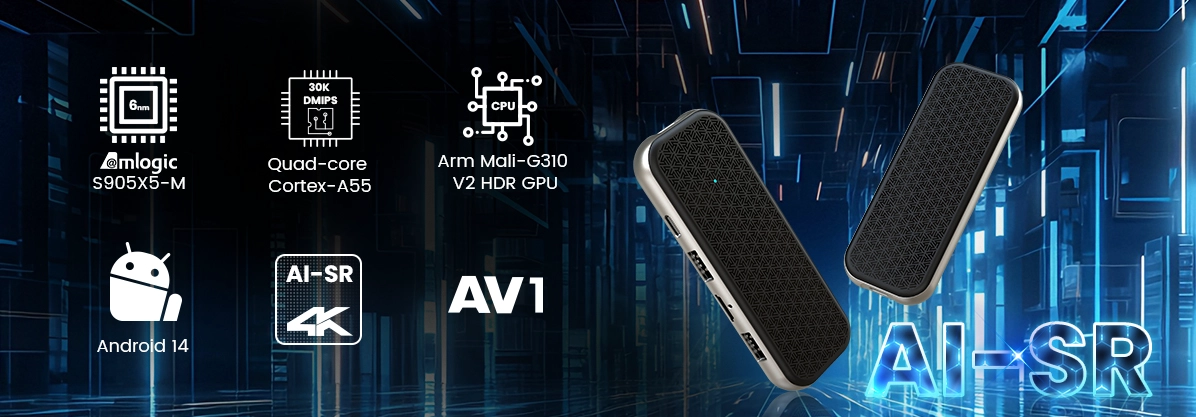
The transition from H.264-centric streaming to wider AV1 adoption is changing the hardware requirements of connected-TV devices. An OTT TV Box is no longer simply a small Android box that outputs video through HDMI. For commercial deployments, the device has become a combination of SoC-based video processing, DRM, networking, operating-system firmware, application middleware, remote device management, and thermal engineering.
For procurement managers and system integrators, the more useful question is not simply “What does an OTT TV Box do?” It is: Which hardware and software architecture can reliably deliver the required streaming service, resolution, codec, DRM, UI, connectivity, and lifecycle management at the target cost?
What Is an OTT TV Box?
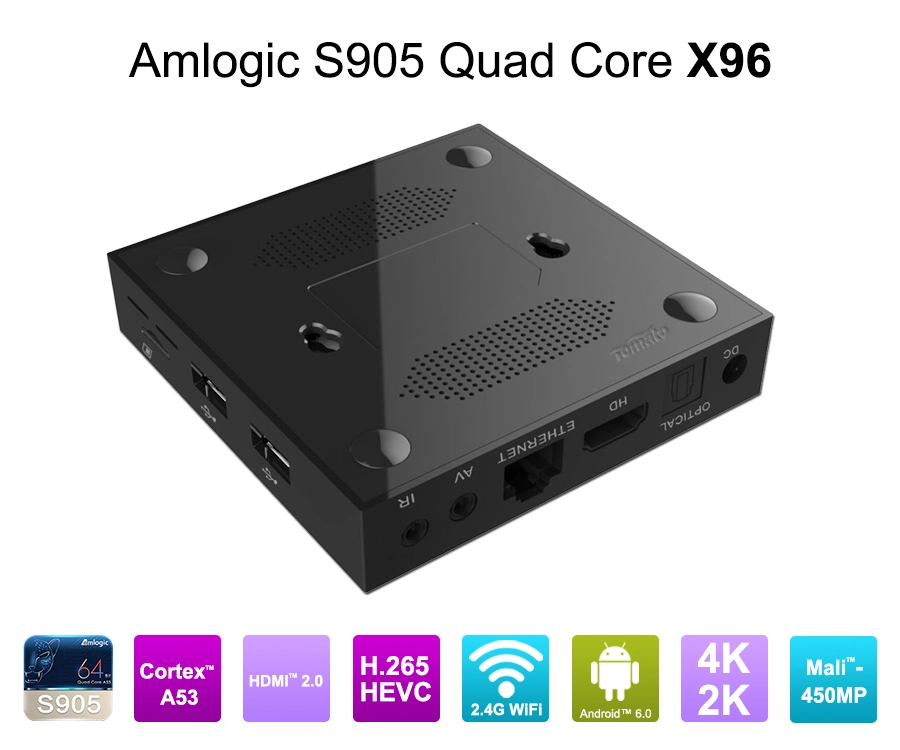
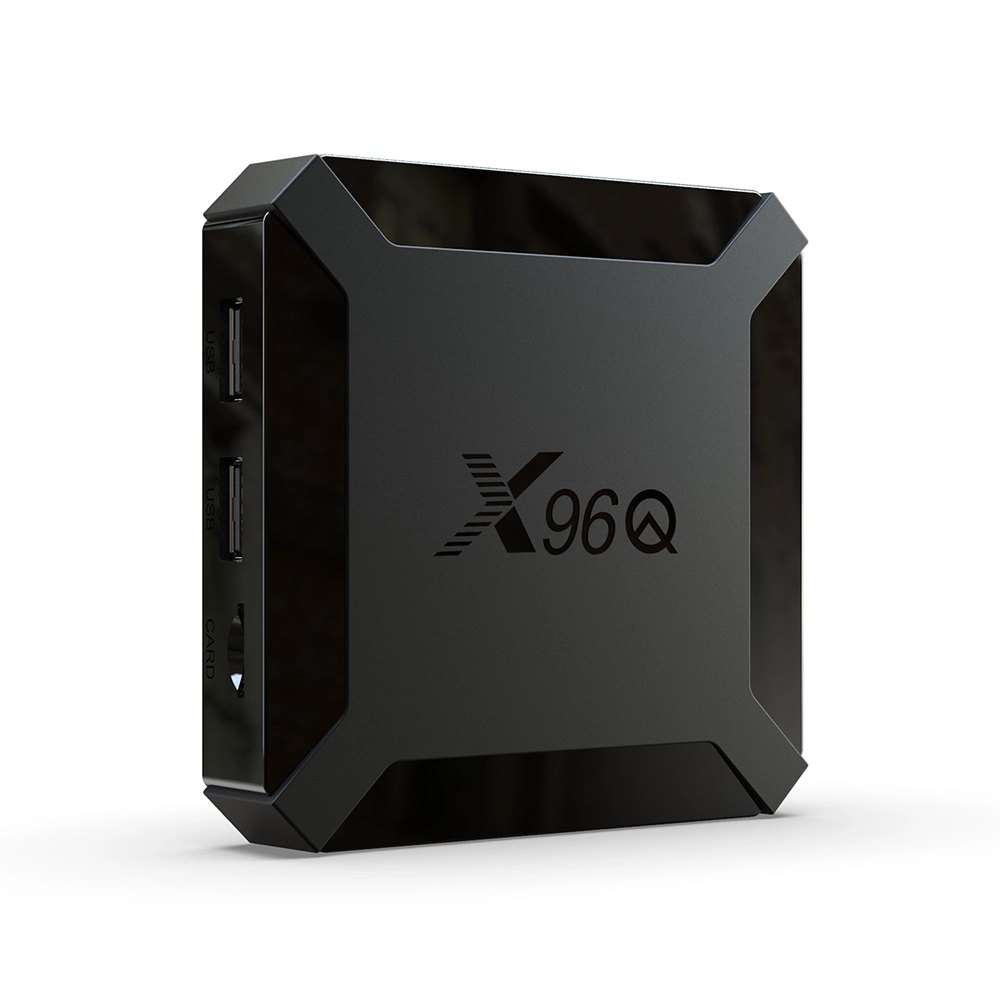
An OTT TV Box is a network-connected media device that receives video and other digital content over the internet rather than relying exclusively on traditional terrestrial, satellite, or cable television delivery.
OTT stands for Over-The-Top, meaning content is delivered directly through an IP network and does not necessarily depend on a conventional pay-TV distribution infrastructure.
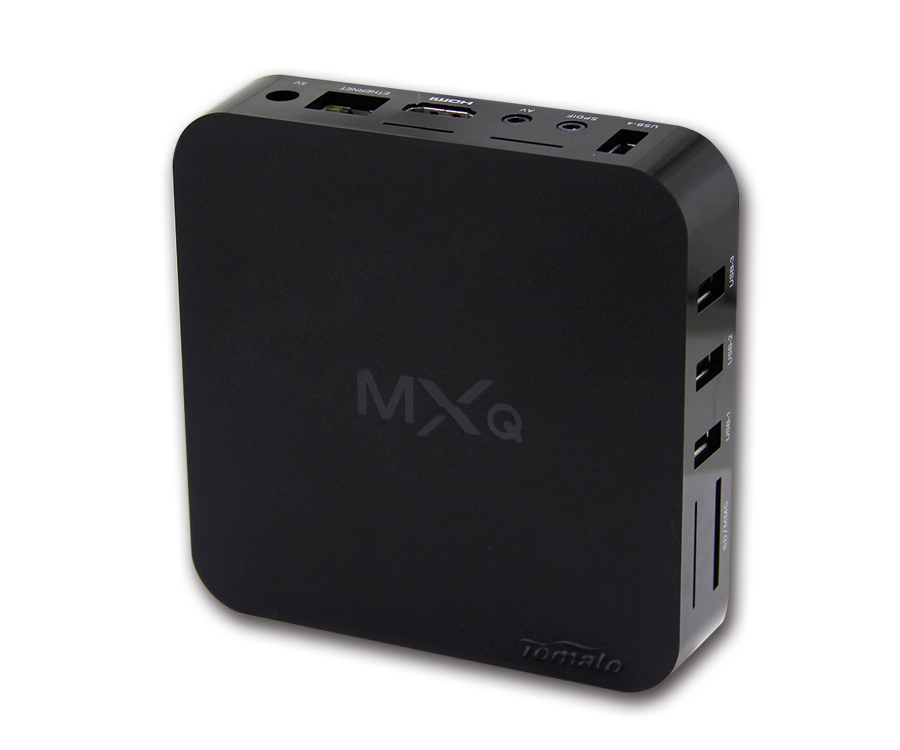
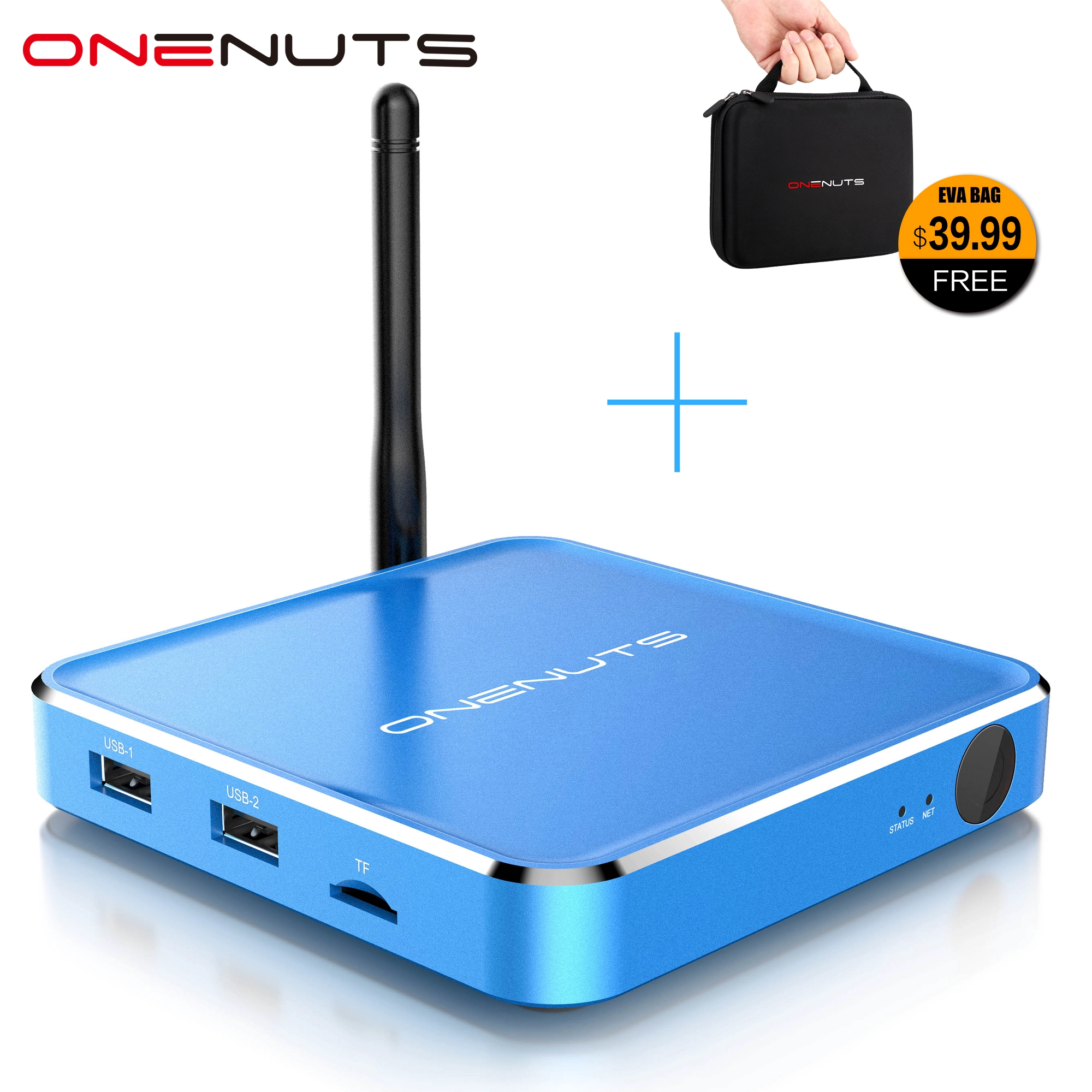
A typical OTT TV Box contains:
-
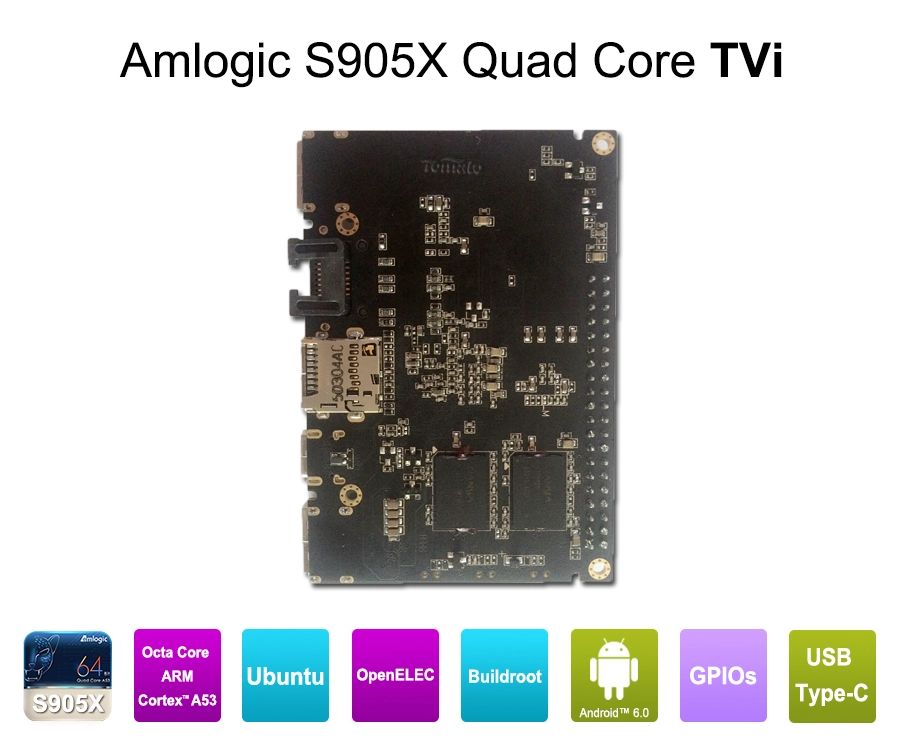
An ARM-based SoC
-
RAM and eMMC or UFS storage
-
Wi-Fi and/or Ethernet
-
HDMI output
-
USB interfaces
-
Bluetooth on many models
-
Android TV, AOSP, Linux, or another embedded OS
-
Video and audio codecs
-
DRM components
-
Streaming applications or middleware
-
OTA update functionality
-
Remote management capabilities for commercial projects
The basic architecture is straightforward:
Internet → Network Stack → Streaming Application → DRM/Media Framework → SoC Video Decoder → HDMI → TV/Display
The complexity sits inside each layer.
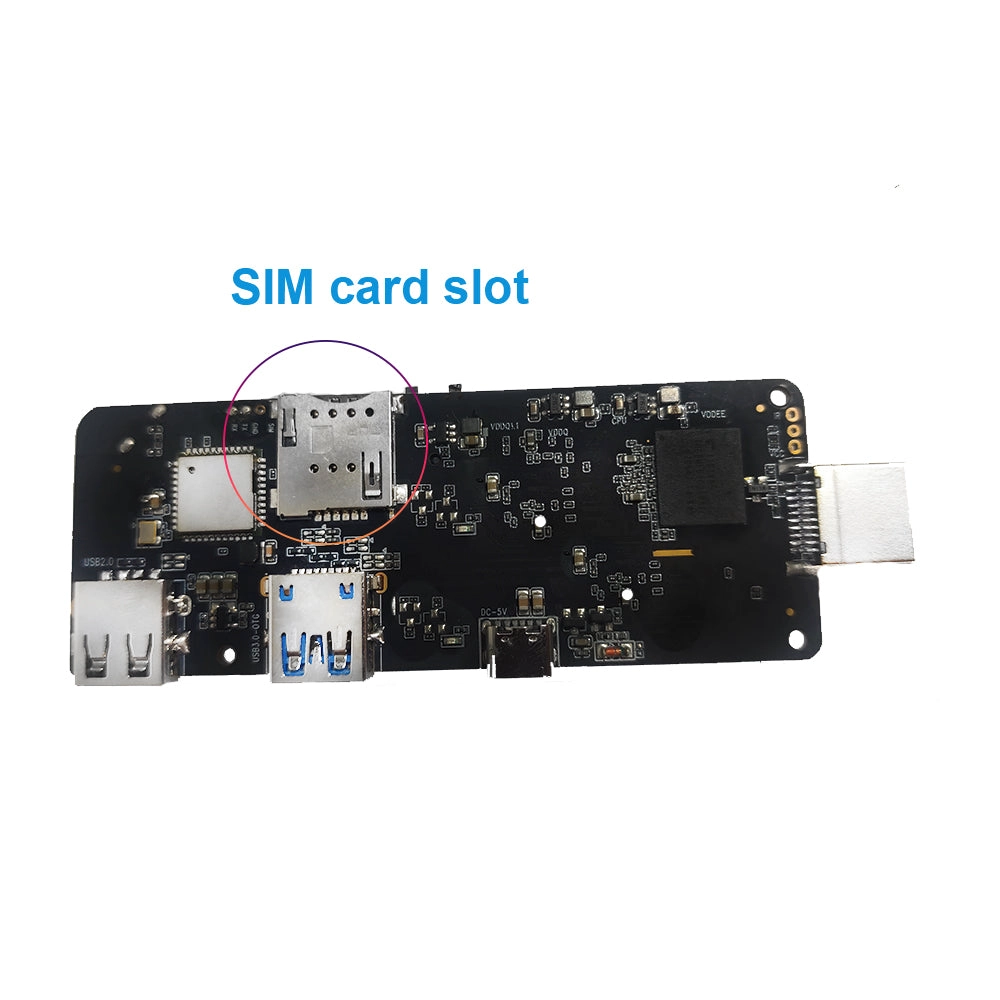
A modern SoC may include CPU cores, GPU, video decoder, video encoder, display controller, memory controller, and AI/NPU resources in a single package. The difference between a low-cost consumer box and a project-grade OTT platform often comes from how these resources are integrated and controlled rather than from the processor name alone.
OTT TV Box vs. Traditional Set-Top Box
The terms are sometimes used interchangeably, but they describe different deployment models.
| Device Type | Primary Delivery Method | Typical Use |
|---|---|---|
| Cable STB | Coaxial/cable network | Pay-TV services |
| Satellite STB | Satellite RF | Satellite television |
| IPTV STB | Managed IP network | Telecom/operator IPTV |
| OTT TV Box | Public or private internet | Streaming, OTT services |
| Android TV Box | Android-based platform | OTT, apps, multimedia |
| Digital Signage Player | IP/local content | Commercial displays |
There can be substantial overlap. An operator may deploy an Android-based box that supports both IPTV middleware and OTT applications. In that case, the distinction is defined by the service architecture rather than the enclosure.
How Does an OTT TV Box Work?
The user sees an application interface and a video stream. The device underneath performs several technical operations before a single frame reaches the television.
1. Network Connection
The box first establishes connectivity through Ethernet, Wi-Fi, or another supported network interface.
For consumer products, dual-band Wi-Fi may be sufficient. Commercial deployments can require Gigabit Ethernet, Wi-Fi 6, VLAN support, static IP configuration, captive-portal handling, or other network functions.
Network stability matters because video quality depends on more than nominal bandwidth.
A 4K stream can experience buffering even when the connection appears fast enough if the deployment has:
-
High packet loss
-
Excessive latency
-
Weak Wi-Fi coverage
-
DNS problems
-
Poor routing
-
Congested access points
-
Inconsistent CDN performance
For B2B projects, network validation should therefore be part of device qualification.
2. Application Requests the Content
The streaming application communicates with the content platform and requests the appropriate media stream.
Depending on the service architecture, the platform may use adaptive bitrate streaming such as HLS or MPEG-DASH.
The player continuously evaluates network conditions and may switch between different stream profiles.
For example:
4K → 1080p → 720p
when bandwidth becomes constrained.
This is why an OTT TV Box should not be evaluated solely by its maximum supported resolution. The complete media pipeline must be considered.
3. DRM Protects Premium Content
Premium streaming services frequently use digital rights management.
Common technologies include:
-
Widevine
-
PlayReady
-
FairPlay in relevant Apple ecosystems
-
Secure video paths
-
HDCP for protected HDMI output
DRM support is particularly important for B2B buyers planning commercial streaming deployments.
A box may decode 4K H.265 or AV1 technically, yet still fail to provide the desired commercial streaming service if the required DRM level, certification, secure boot chain, or application compatibility is absent.
This distinction is frequently overlooked during hardware procurement.
Video decoding capability does not automatically equal streaming-service compatibility.
4. The SoC Decodes the Video
The SoC receives compressed video and uses its hardware decoder to convert it into displayable frames.
Modern OTT platforms commonly need hardware acceleration for codecs such as:
-
H.264/AVC
-
H.265/HEVC
-
VP9
-
AV1
The exact supported profile, level, bit depth, frame rate, HDR format, and maximum resolution depend on the SoC and firmware implementation.
For example, a platform marketed as “4K” may have very different practical capabilities depending on whether it supports:
4K@60fps + HEVC + HDR + hardware decoding
or merely:
4K output with limited codec acceleration.
That distinction matters when selecting an OTT TV Box for long-term commercial deployment.
What Hardware Should an OTT TV Box Have?
There is no universal specification. The correct configuration depends on the application, content resolution, operating system, UI complexity, connectivity, and expected lifecycle.
SoC Selection
The SoC is the core decision.
For entry-level OTT products, a quad-core ARM platform may be sufficient.
For more demanding applications, buyers may require:
-
Octa-core CPU
-
Advanced Mali or equivalent GPU
-
4K@60fps decoding
-
AV1 hardware decoding
-
HDR processing
-
Multiple display outputs
-
Higher memory bandwidth
-
NPU acceleration
-
PCIe or high-speed peripheral interfaces
Amlogic and Rockchip platforms are widely used across embedded Android and Linux applications, but choosing between them should be based on the complete SDK, BSP, driver maturity, codec support, supply chain, and software-development requirements.
RAM and Storage
RAM affects application multitasking and UI responsiveness.
Typical project configurations may include:
-
2GB RAM for basic applications
-
4GB RAM for more demanding Android deployments
-
8GB or higher for advanced applications, AI workloads, or multi-service platforms
Storage commonly uses eMMC, although higher-performance storage architectures may be appropriate for more demanding systems.
The key procurement question is not “How much RAM can I get?”
It is:
How much memory does the target software stack actually require over the planned product lifecycle?
Over-specifying memory increases BOM cost. Under-specifying it creates software limitations that are difficult to fix after mass production.
Connectivity
A commercial OTT TV Box may require:
-
Wi-Fi 5 or Wi-Fi 6
-
10/100M Ethernet
-
Gigabit Ethernet
-
Bluetooth
-
USB 2.0/3.0
-
HDMI
-
Optional AV output
-
Optional M.2, PCIe, or other expansion interfaces
For hotel IPTV, education, digital signage, and managed entertainment systems, Ethernet can be preferable to Wi-Fi because predictable wired connectivity simplifies deployment and troubleshooting.
Why Firmware Matters More Than the Box Design
A common procurement mistake is comparing OTT TV Boxes primarily by enclosure, RAM, CPU frequency, and retail specifications.
For an OEM/ODM project, firmware can determine more of the final product experience than the plastic housing.
The firmware stack may include:
Bootloader → Linux/Android Kernel → BSP → HAL → Media Framework → System Services → Launcher → Applications → OTA System
Every layer can create compatibility problems.
Android and Linux Kernel Optimization
A customized OTT TV Box may require changes to:
-
Kernel configuration
-
Device tree
-
Display drivers
-
HDMI behavior
-
Ethernet/Wi-Fi drivers
-
Audio routing
-
Power management
-
Suspend/resume behavior
-
USB configuration
-
Thermal management
-
GPU acceleration
-
Hardware codec integration
A standard development board can demonstrate that an SoC works.
That does not mean it is ready for mass production.
Production firmware requires board-specific validation, driver stability, boot-time optimization, security configuration, and long-duration testing.
Custom UI/UX Firmware
For branded OTT services, a generic Android launcher is often insufficient.
An OEM platform can be customized with:
-
Branded launcher
-
Custom boot animation
-
Customized settings
-
Application pre-installation
-
Kiosk mode
-
Restricted user permissions
-
Operator-specific menus
-
Remote configuration
-
Custom multilingual interfaces
This becomes particularly important for hotels, telecom operators, IPTV providers, and enterprise entertainment systems where the device is part of the service rather than a standalone consumer product.
What Makes an OTT TV Box Suitable for Industrial or Commercial Deployment?
Consumer hardware and commercial hardware can look almost identical on a specification sheet.
Their engineering requirements are not identical.
A commercial deployment may require continuous operation for extended periods under elevated ambient temperatures. That changes the thermal and mechanical design requirements.
Specialized Cooling
Higher-performance SoCs generate more heat, particularly under sustained 4K decoding, GPU workloads, AI processing, or multiple concurrent applications.
Possible thermal solutions include:
-
Larger aluminum heatsinks
-
High-conductivity thermal pads
-
Customized heat spreaders
-
Metal enclosures
-
Optimized airflow
-
Passive cooling structures
-
Active cooling when necessary
Thermal design should be validated against the actual workload rather than idle temperature.
An OTT TV Box that performs well for a 20-minute test may throttle after several hours of continuous operation.
PCBA Hardware Modification
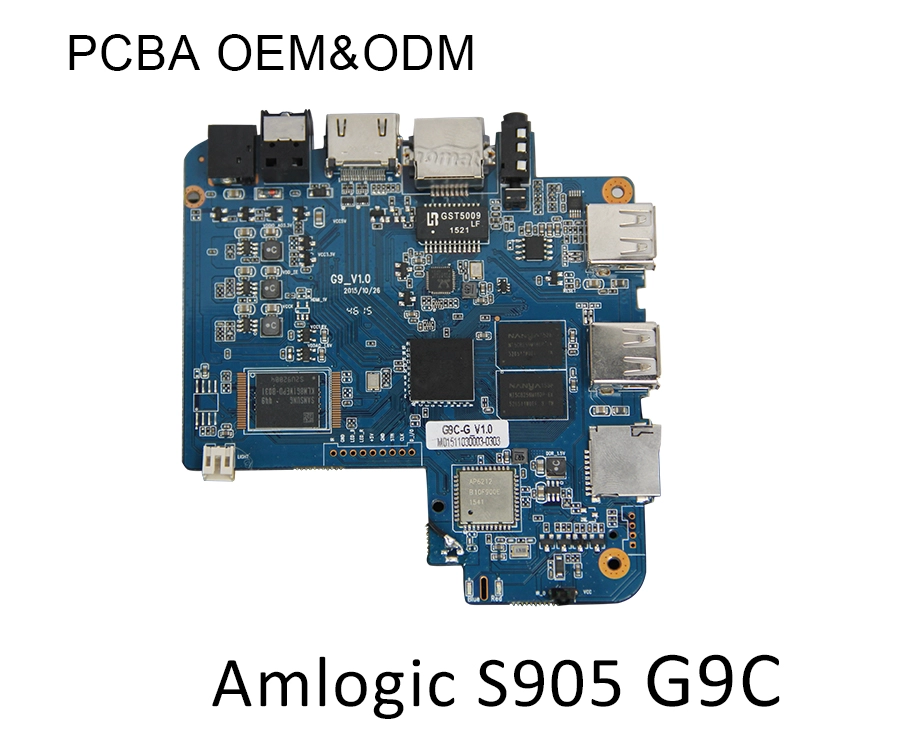
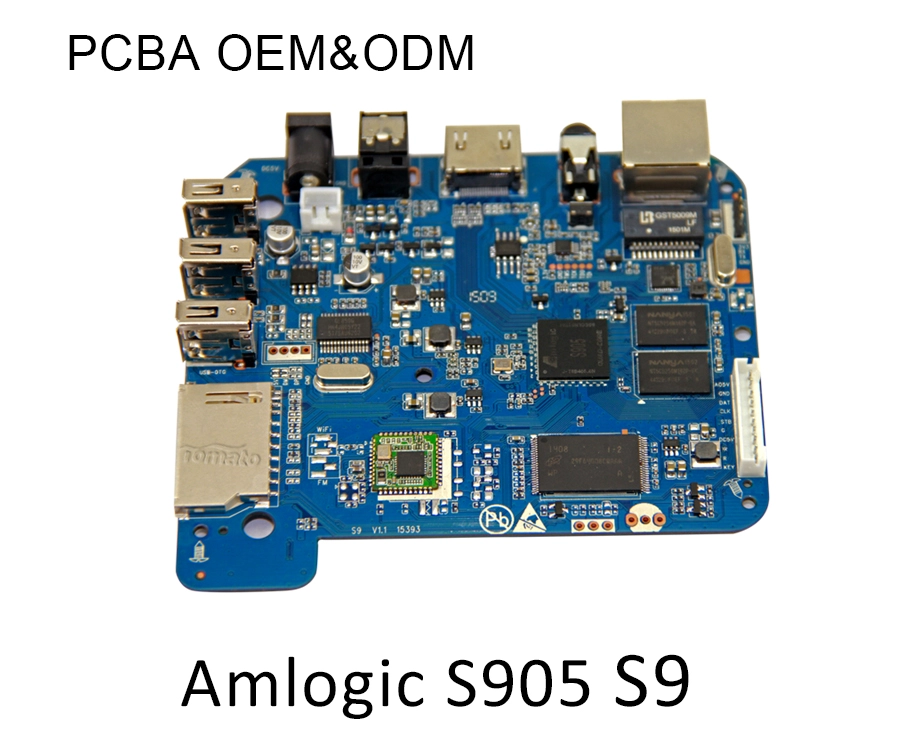
OEM/ODM projects often require changes to the standard PCBA.
Typical modifications include:
-
Memory configuration
-
eMMC capacity
-
Wi-Fi module
-
Ethernet controller
-
USB port configuration
-
HDMI interface
-
Audio circuit
-
GPIO
-
Power-management design
-
Antenna layout
-
Connector placement
-
PCB dimensions
-
Mounting holes
-
Industrial interfaces
PCBA layout also affects RF performance, signal integrity, thermal distribution, and mechanical compatibility.
For a high-volume project, modifying the board around the actual product requirement can be more effective than forcing a standard retail PCB into an unsuitable application.
How Should B2B Buyers Evaluate an OTT TV Box Supplier?
The supplier's engineering capability should be evaluated before the product price.
A serious technical evaluation should cover five areas.
1. Hardware Engineering
Ask whether the supplier can modify:
-
PCBA
-
Memory
-
Storage
-
Interfaces
-
Power design
-
Cooling system
-
Enclosure
A supplier that only changes the logo is not an OEM/ODM engineering partner.
2. Firmware Engineering
Verify whether the supplier can handle:
-
AOSP builds
-
Android BSP integration
-
Linux distributions
-
Kernel modification
-
Driver adaptation
-
Custom launcher
-
System-level application integration
-
OTA update systems
-
Factory provisioning
3. SDK and API Integration
Project requirements may include third-party middleware, device-management platforms, payment systems, IPTV middleware, advertising platforms, or enterprise applications.
The supplier should be able to integrate SDKs and APIs at the appropriate software layer rather than relying entirely on APK installation.
4. Remote Device Management
Large deployments need lifecycle management.
An OTT TV Box deployed across hundreds or thousands of locations may require:
-
Remote firmware updates
-
OTA application updates
-
Device status monitoring
-
Configuration management
-
Remote reboot
-
Log collection
-
Version control
-
Failure recovery
For operator and enterprise deployments, remote management can reduce field-service costs substantially.
5. Long-Term Supply and Firmware Maintenance
The product lifecycle does not end when the first shipment leaves the factory.
B2B buyers should clarify:
-
SoC availability
-
Memory supply
-
PCB revision control
-
Firmware maintenance
-
OTA infrastructure
-
Security patch strategy
-
Spare parts
-
Production consistency
-
Engineering-change procedures
A low initial BOM price is not necessarily the lowest total cost of ownership.
When Should You Choose an OEM/ODM OTT TV Box?
A standard OTT TV Box is usually sufficient when the application is straightforward and the required software environment already exists.
OEM/ODM becomes more valuable when the project requires one or more of the following:
-
A custom enclosure
-
Custom PCBA
-
Specific SoC
-
Custom memory/storage configuration
-
Branded Android firmware
-
Linux or Debian support
-
Custom launcher
-
IPTV middleware
-
DRM integration
-
Remote device management
-
Industrial cooling
-
Special interfaces
-
Large-scale deployment
-
Long product lifecycle
-
Operator-specific requirements
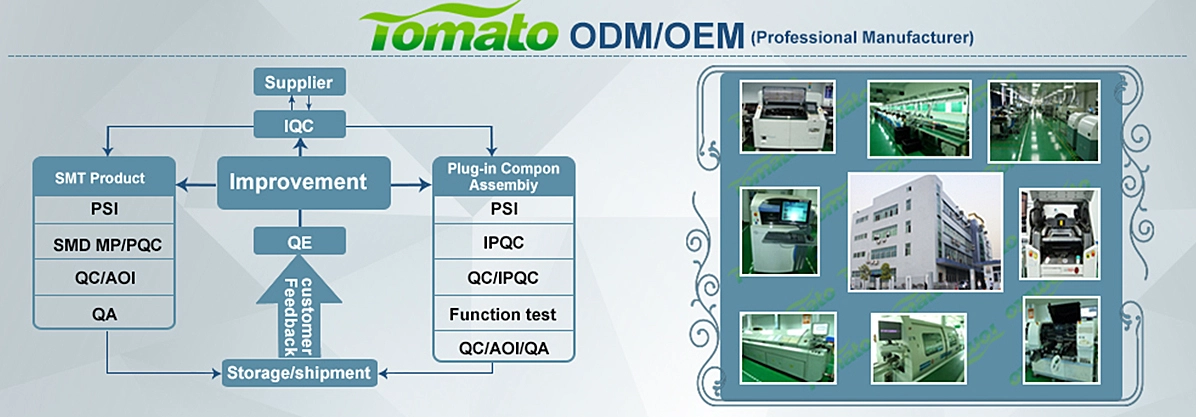
This is where a source manufacturer such as SZTomato provides a different value proposition from a retail TV Box distributor.
The engineering workflow can begin with the application requirements and work backward toward the hardware architecture:
Application → Software Stack → SoC → Memory → Interfaces → PCBA → Thermal Design → Enclosure → Firmware → Mass Production
That is the correct sequence for a serious B2B project.
OTT TV Box Market Direction: From Streaming Hardware to Managed Edge Platforms
The market is moving beyond the concept of a simple “streaming box.”
Several trends are reshaping product architecture.
AV1 Is Increasing the Importance of Hardware Decoding
AV1 can improve compression efficiency compared with older codecs, making hardware-accelerated decoding increasingly relevant for new OTT platforms.
For procurement teams, this means codec support should be checked at the hardware-decoder level rather than inferred from marketing language.
Android Is Becoming a Platform, Not Just an Operating System
For commercial products, Android can serve as the foundation for a complete application platform.
The device can combine:
-
OTT applications
-
IPTV middleware
-
Digital signage
-
Advertising
-
Device management
-
Enterprise applications
-
AI services
AOSP-based customization can provide greater control when a project does not require the full consumer Android TV ecosystem.
OTT Hardware Is Converging With Digital Signage
The same ARM platform can power both entertainment and commercial display applications.
An OTT TV Box may be configured to operate as:
-
Hotel TV player
-
IPTV terminal
-
Digital signage player
-
Restaurant menu display
-
Retail advertising terminal
-
Education media player
-
Corporate information screen
-
Smart-home multimedia hub
This convergence increases the value of flexible hardware and firmware architectures.
What Is the Best OTT TV Box for a B2B Project?
There is no single “best” OTT TV Box independent of the application.
The better question is:
What is the best OTT platform architecture for the required workload, software stack, deployment scale, and product lifecycle?
For a basic consumer application, a standard 4K Android device may be sufficient.
For an IPTV operator, DRM, middleware, remote management, network reliability, and OTA support may matter more.
For hotel deployments, custom UI, centralized management, casting, Ethernet, and long-term firmware maintenance may become the priority.
For digital signage, stability, kiosk control, scheduled content playback, thermal design, and remote monitoring may outweigh consumer streaming features.
For industrial applications, custom PCBA, Linux support, specialized interfaces, and passive cooling may become critical.
That is why experienced B2B buyers should evaluate the entire platform, not just the specification label on the product page.
Build the OTT TV Box Around Your Project Requirements
SZTomato approaches OTT TV Box development from an OEM/ODM engineering perspective rather than treating customization as a logo-printing exercise.
The engineering scope can include PCBA hardware modification, SoC and memory selection, SDK/API integration, custom UI/UX firmware, Android/AOSP or Linux system development, kernel optimization, OTA update systems, thermal engineering, and specialized cooling solutions for industrial deployments.
For system integrators and procurement managers, the practical advantage is control over the product architecture.
Instead of adapting your application to a generic retail box, the hardware and firmware can be designed around the application's actual requirements.
That approach is particularly relevant when the deployment involves thousands of devices, a long product lifecycle, operator-specific software, controlled firmware releases, or demanding environmental conditions.
If you are sourcing an OTT TV Box for IPTV, hotel TV, digital signage, telecom, enterprise, or a specialized embedded project, evaluate the SoC, PCBA, firmware, DRM, thermal design, OTA architecture, and long-term engineering support before comparing unit prices. Contact SZTomato to define the hardware and firmware architecture around your deployment requirements and develop an OEM/ODM platform suitable for mass production.
