
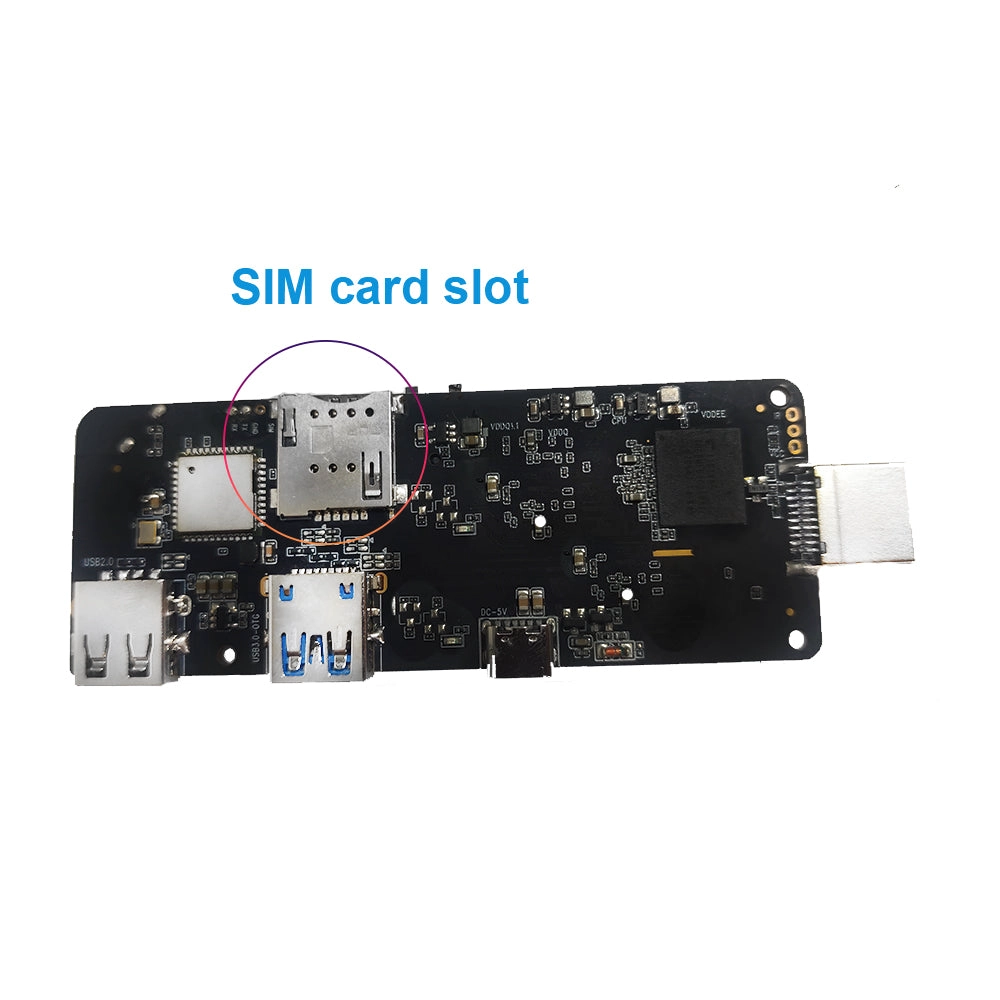
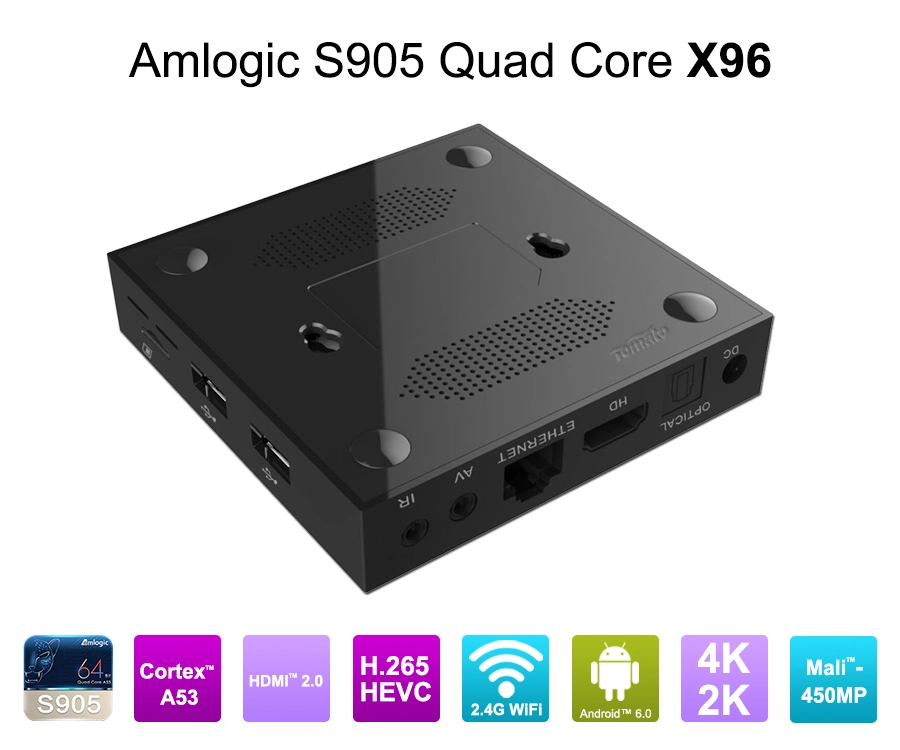
How to Get it Streaming Media Player?
How to Get the Right Streaming Media Player for a B2B Project
AV1 hardware decoding, 4K HDR output, Wi-Fi 6, and faster ARM SoCs have raised the baseline for modern streaming hardware. But buying a Streaming Media Player based on CPU frequency, RAM, or a “4K” label is still a common procurement mistake.
The real challenge is selecting a platform that can sustain the required video codecs, DRM, network protocols, operating system, applications, thermal load, and remote-management functions throughout the product lifecycle.
For B2B buyers, “How to get a Streaming Media Player?” should therefore be reframed as:
How do you source a Streaming Media Player that matches your application, software stack, deployment environment, and long-term supply requirements?
1. Start With the Application, Not the Hardware
The first step in getting the right Streaming Media Player is to define what the device must actually do.
A hotel TV terminal, IPTV client, retail signage player, enterprise meeting-room device, and consumer streaming player may all use HDMI and an ARM SoC, but their engineering requirements are different.
Define the Media Workload
Start with five questions:
-
What video resolution is required?
-
Which codecs must be hardware-decoded?
-
Which DRM or content-protection system is required?
-
Which operating system and applications must run?
-
How long and under what environmental conditions will the device operate?
For example, a 4K commercial player may require:
-
4K@60fps output
-
H.265/HEVC decoding
-
AV1 hardware decoding
-
HDR support
-
HDMI 2.0 or higher, depending on requirements
-
HDCP support
-
Gigabit Ethernet
-
Wi-Fi 6
-
4GB RAM
-
32GB or 64GB eMMC
-
Android or Linux
-
Remote OTA updates
A basic 1080p signage project does not necessarily need this configuration.
Over-specification increases BOM cost without creating business value. Under-specification creates performance problems that are expensive to correct after mass production.
Streaming Media Player vs. Digital Signage Player
The distinction is becoming less rigid.
A modern Android-based Streaming Media Player can run:
-
OTT streaming applications
-
IPTV middleware
-
Digital signage software
-
Advertising platforms
-
Video conferencing applications
-
Hotel TV interfaces
-
Enterprise applications
This convergence is one reason modular ARM platforms have become attractive to B2B system integrators.
2. Select the SoC Based on the Complete Media Pipeline
The SoC is the foundation of a Streaming Media Player.
However, procurement teams should avoid choosing a chip solely because it has a high CPU core count.
The relevant parameters include:
-
CPU architecture
-
GPU architecture
-
Video decoder
-
Video encoder
-
NPU capability
-
Memory bandwidth
-
Display controller
-
HDMI capabilities
-
ISP, where applicable
-
Hardware security
-
BSP maturity
-
Linux/Android SDK availability
-
Long-term supply
CPU Is Only One Part of the System
Streaming video is often heavily dependent on dedicated hardware blocks.
For example:
Network → Demux → Codec → Video Post-Processing → HDR → Display Engine → HDMI
If the video decoder cannot efficiently process the target codec, adding more CPU cores does not solve the underlying problem.
This is particularly relevant as AV1 adoption expands.
A suitable modern SoC may provide hardware acceleration for:
-
H.264/AVC
-
H.265/HEVC
-
VP9
-
AV1
But buyers must verify the supported resolution, frame rate, profile, bit depth, and HDR combinations.
“Supports AV1” is not a sufficiently precise engineering specification.
Amlogic and Rockchip Platforms
Amlogic and Rockchip both offer ARM-based platforms used across Android TV, OTT, digital signage, AI edge devices, and embedded multimedia applications.
The correct selection depends on the project.
An entry-level OTT application may prioritize low power consumption and cost.
A high-performance multimedia platform may prioritize:
-
4K/8K video processing
-
Multi-display capability
-
GPU performance
-
NPU acceleration
-
High-speed storage
-
PCIe expansion
-
Advanced networking
The supplier's BSP and SDK support can be as important as the silicon itself.
A technically capable SoC with immature software support can create a longer development cycle than a slightly less powerful processor with a mature BSP.
3. Check Firmware, DRM, HDMI, and Network Compatibility Before Ordering
This is where many B2B projects fail.
A hardware sample can play local 4K files and still be unsuitable for the target streaming service.
DRM and HDCP
Commercial streaming services may require DRM technologies such as Widevine or other platform-specific protection mechanisms.
HDCP is also important when protected content is transmitted through HDMI.
The complete chain can involve:
Application → DRM Framework → Secure Decoder → Display Pipeline → HDCP → Television
If one component is incompatible, the service may fail to deliver the expected resolution or may refuse playback entirely.
Therefore, procurement specifications should identify the required DRM level and certification requirements before hardware selection.
Android or Linux?
Android is attractive when the project requires:
-
Existing application ecosystems
-
Touch or remote-control interfaces
-
OTT applications
-
Custom launchers
-
Google-related services where applicable
-
Android application compatibility
Linux can be preferable when the application requires:
-
A controlled embedded environment
-
Lightweight system architecture
-
Custom middleware
-
Industrial interfaces
-
Debian/Ubuntu-based software
-
Long-term system-level control
For specialized projects, AOSP can provide a middle path by allowing deep Android customization without depending on the complete consumer-oriented software stack.
Kernel Optimization Is Part of Product Engineering
The kernel controls many of the hardware functions that determine real-world stability.
A customized Streaming Media Player may require optimization of:
-
HDMI
-
Ethernet
-
Wi-Fi
-
USB
-
Display drivers
-
Audio drivers
-
GPU
-
Video codec drivers
-
Power management
-
Suspend/resume
-
Thermal management
-
Device tree
-
Memory configuration
This is why firmware engineering should be evaluated as part of the supplier-selection process.
A factory capable of producing the PCB but unable to modify the BSP may not be suitable for a deeply customized project.
4. Decide Whether You Need Standard, OEM, or ODM Hardware
Once the technical requirements are clear, the sourcing model becomes easier to determine.
Standard Streaming Media Player
Choose a standard platform when:
-
The existing OS is acceptable
-
The enclosure is acceptable
-
Interfaces are standard
-
No major firmware changes are required
-
The application can be installed normally
-
The deployment volume is limited
This is the shortest path to market.
OEM Streaming Media Player
OEM is more appropriate when you need:
-
Brand identity
-
Custom packaging
-
Custom boot animation
-
Pre-installed applications
-
Custom launcher
-
Modified memory/storage configuration
-
Specific wireless modules
-
Customized enclosure
OEM changes the product around the customer's commercial requirements without necessarily redesigning every technical layer.
ODM Streaming Media Player
ODM is the stronger model when the project requires actual engineering changes.
Typical requirements include:
-
Custom PCBA
-
New PCB dimensions
-
Modified power architecture
-
Special connectors
-
Custom GPIO
-
Specific Ethernet configuration
-
Custom antenna layout
-
Industrial cooling
-
Linux/Android kernel modification
-
SDK/API integration
-
Custom firmware
-
OTA infrastructure
This is the point where working directly with a source manufacturer becomes more efficient than adapting an off-the-shelf retail product.
5. Why PCBA and Thermal Engineering Matter
A Streaming Media Player may look simple from the outside.
The internal engineering is not.
PCBA Modification
A B2B platform may require changes to:
-
PCB dimensions
-
Component placement
-
RAM
-
eMMC
-
Wi-Fi module
-
Ethernet PHY
-
USB interfaces
-
HDMI
-
Audio codec
-
Power-management IC
-
Antenna structure
-
Expansion interfaces
PCBA layout affects signal integrity, RF performance, power distribution, and thermal behavior.
For large projects, optimizing the board around the required interfaces can reduce unnecessary components and improve mechanical integration.
Industrial Cooling
Continuous multimedia processing produces sustained thermal loads.
This becomes more important when the device performs:
-
Continuous 4K playback
-
Multi-stream decoding
-
AI inference
-
GPU rendering
-
Digital signage playback
-
High-speed networking
-
Local data processing
Potential solutions include:
-
Aluminum heatsinks
-
Thermal pads
-
Heat spreaders
-
Metal enclosures
-
Passive cooling
-
Optimized airflow
-
Active cooling where necessary
The correct thermal design should be based on sustained workload and ambient temperature rather than a short laboratory benchmark.
Thermal throttling can reduce CPU/GPU performance, affect video processing, and shorten component life.
6. Build OTA and Remote Management Into the Architecture
A Streaming Media Player deployed at scale should not depend on technicians manually updating every device.
An enterprise-grade deployment may require:
-
OTA firmware updates
-
Application updates
-
Configuration management
-
Remote reboot
-
Device monitoring
-
Log collection
-
Version control
-
Rollback mechanisms
-
Device provisioning
For IPTV operators, hotels, digital signage networks, and enterprise deployments, remote management becomes a major component of total operating cost.
A well-designed OTA architecture should also account for:
-
Firmware signing
-
Secure update delivery
-
Version compatibility
-
Recovery partitions
-
Failed-update recovery
-
Staged deployment
The objective is not simply to update devices.
It is to update thousands of devices without turning a firmware release into a field-service project.
7. How to Evaluate a Streaming Media Player Supplier
Before requesting a final quotation, send the supplier a technical requirement document.
At minimum, specify:
| Category | Requirements to Define |
|---|---|
| SoC | CPU, GPU, decoder, NPU |
| Video | Resolution, FPS, codecs, HDR |
| DRM | Required DRM/certification level |
| HDMI | Version, output resolution, HDCP |
| RAM | Capacity and memory type |
| Storage | eMMC/UFS capacity |
| Network | Ethernet, Wi-Fi generation, Bluetooth |
| OS | Android, AOSP, Linux, Debian, Ubuntu |
| Firmware | Launcher, system UI, kernel modifications |
| Applications | Pre-installed APKs, middleware, SDK |
| OTA | Remote update and recovery requirements |
| PCBA | Board dimensions and interface requirements |
| Thermal | Ambient temperature and continuous workload |
| Enclosure | Plastic, metal, mounting requirements |
| Production | MOQ, lead time, lifecycle, quality control |
This document allows suppliers to quote against the same technical baseline.
It also exposes an important difference between manufacturers.
A trading company may provide a catalog and price.
An engineering-oriented OEM/ODM manufacturer can discuss BSP, kernel patches, device trees, codec drivers, PCBA changes, thermal margins, OTA architecture, and production validation.
For complex B2B projects, that distinction matters.
8. Where the Streaming Media Player Market Is Going
Three technical trends deserve particular attention.
AV1 Hardware Decoding
AV1 efficiency makes hardware acceleration increasingly relevant for new streaming platforms.
A future-proof player should therefore be evaluated for actual AV1 decoder capability rather than a generic codec-support statement.
Edge AI Integration
Higher-end multimedia SoCs increasingly include NPUs.
This enables a Streaming Media Player to evolve beyond video playback into an edge computing platform capable of:
-
AI video analysis
-
Voice processing
-
Object detection
-
Local recommendation engines
-
Intelligent signage
-
Computer vision
This creates opportunities for hybrid OTT, digital signage, and AI edge products.
One Platform, Multiple Applications
The same hardware architecture can support different firmware images for different markets.
For example:
Hardware Platform → Android OTT Firmware → IPTV Firmware → Digital Signage Firmware → Linux Industrial Firmware
This model allows an OEM manufacturer to reuse validated hardware while adapting the software stack to different vertical applications.
For B2B brands, this can reduce engineering cost and accelerate product-line expansion.
How to Get the Right Streaming Media Player From an OEM/ODM Manufacturer
The most effective sourcing process is not:
“Send me your best Streaming Media Player price.”
It is:
Application Requirements → Technical Specification → SoC Selection → PCBA Architecture → Firmware Development → Prototype → Validation → Certification → Mass Production
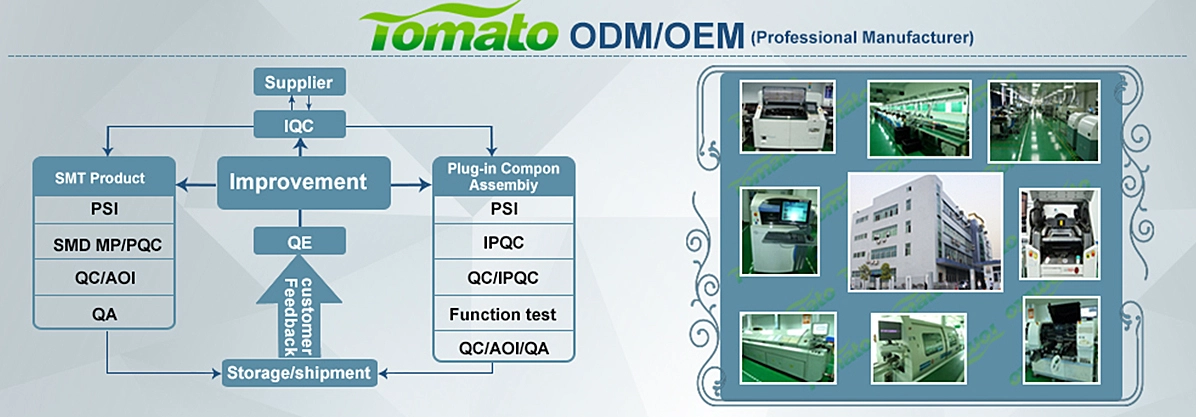
SZTomato can support this process at both hardware and firmware levels.
The engineering scope can include PCBA hardware modification, SoC and memory configuration, SDK/API integration, custom UI/UX firmware, Android/AOSP or Linux development, Linux/Android kernel optimization, OTA update systems, customized enclosure design, and specialized cooling solutions for industrial environments.
This approach is particularly suitable for IPTV operators, hotel TV providers, digital signage companies, telecom projects, system integrators, enterprise deployments, and brands that need control over their product architecture.
Final Recommendation for B2B Procurement Managers
If your requirement is simply to play Netflix-style consumer content on a television, a standard Streaming Media Player may be enough.
If the product will become part of a commercial service, the evaluation criteria change.
Prioritize:
SoC + codec capability + DRM/HDCP + BSP + firmware + connectivity + thermal design + OTA + lifecycle support.
Do not approve a platform solely because it has “4K,” “8GB RAM,” or an eight-core processor.
The right Streaming Media Player is the one whose hardware, firmware, security architecture, and lifecycle support match the actual deployment.
For procurement managers and system integrators planning a customized Streaming Media Player, IPTV terminal, hotel TV system, digital signage player, or industrial multimedia platform, contact SZTomato with your application, codec, OS, interface, volume, and deployment requirements. The engineering team can then define the appropriate SoC, PCBA, firmware, thermal architecture, and production configuration before you commit to a mass-production platform.
