

What are the features of a Streaming Media Player?
What Are the Features of a Commercial Streaming Media Player? An Enterprise Hardware Guide
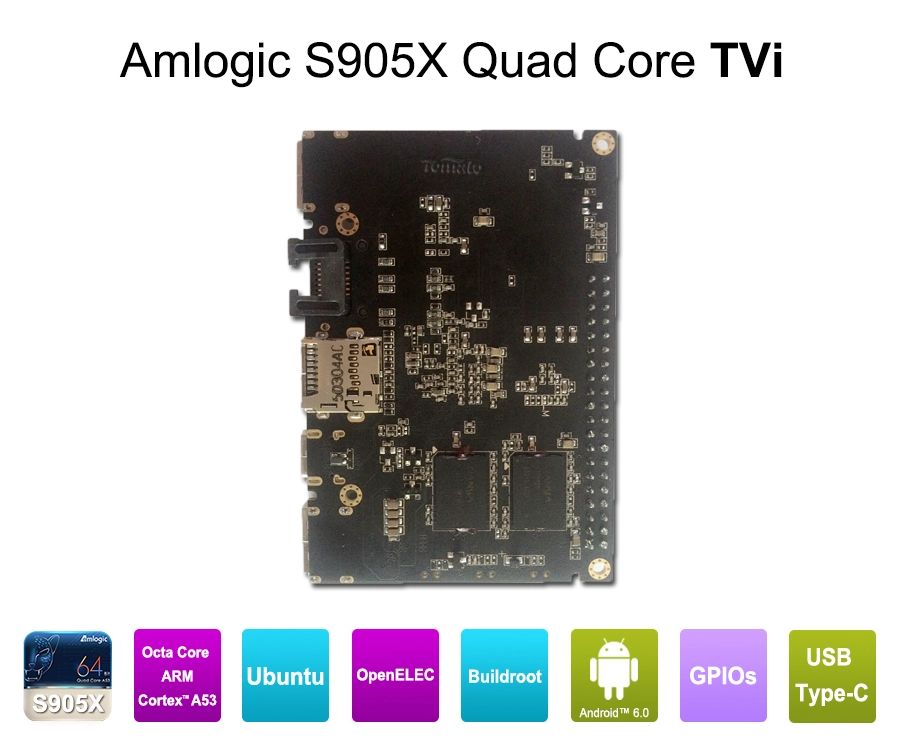
Deploying a fleet of retail-grade streaming media players into a 24/7 commercial environment mathematically guarantees a high point of failure. The breakdown rarely stems from the display panel; it originates on the media player’s printed circuit board assembly (PCBA) and within its locked, consumer-facing operating system.
System integrators building hotel IPTV networks or global digital signage grids cannot rely on hardware designed for intermittent residential use. To eliminate out-of-memory (OOM) kernel panics, thermal throttling, and network drops, procurement must evaluate a streaming media player based on its industrial feature set: firmware modularity, hardware-accelerated decoding, and continuous-duty hardware architectures.
1. Firmware-Level Control: AOSP and Boot-Strap Customization
A defining feature of an enterprise streaming media player is the absence of consumer bloatware. Retail devices run restricted versions of Android TV or Google TV, which force automatic updates, display third-party advertisements, and lock the bootloader.
Commercial deployments require a bare-metal Android Open Source Project (AOSP) foundation. This grants engineers root access to modify the Board Support Package (BSP) and tailor the operating system strictly for single-application performance.
-
Native Kiosk Mode: By modifying the build.prop file and system partitions, the streaming media player can bypass the standard launcher entirely, booting directly into a proprietary digital signage APK or MDM client.
-
Disabled Over-the-Air (OTA) Interruption: Commercial firmware disables forced OS updates. Firmware patching is strictly controlled via localized or private cloud OTA servers to ensure an update does not break custom software configurations.
-
Custom API & SDK Integration: Access to the system layer allows developers to write custom scripts for peripheral hardware, such as barcode scanners or RFID readers, directly into the firmware architecture.
2. Silicon Architecture and Dedicated Video Processing (VPU)
A commercial streaming media player does not rely solely on raw CPU clock speeds. Handling multi-zone 4K digital signage or low-latency multicast IPTV streams requires a System-on-Chip (SoC) with a heavily partitioned Video Processing Unit (VPU).
Relying on software decoding pushes CPU utilization above 80%, triggering thermal throttling. A true B2B streaming media player executes media playback at the hardware level, keeping CPU loads under 15%.
Required Decoding Specifications:
-
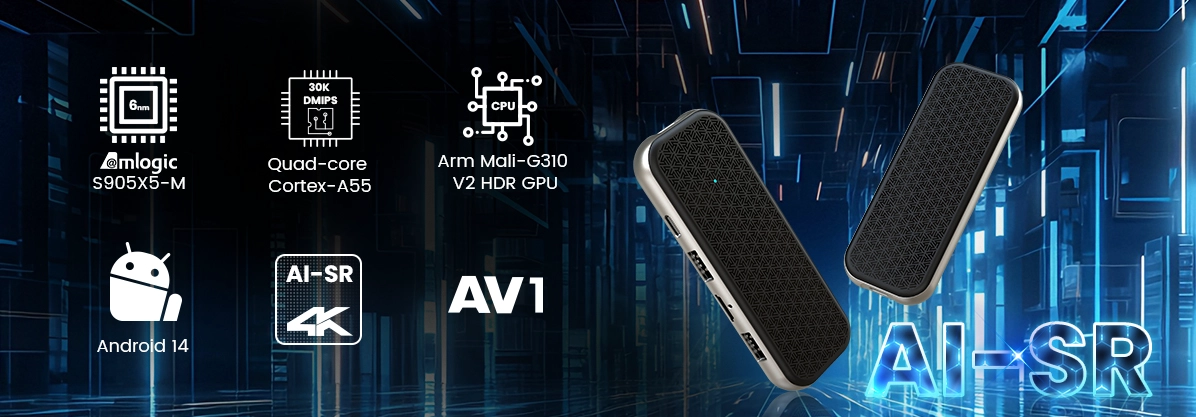
AV1 Hardware Decoding: Essential for modern bandwidth conservation, reducing network load by up to 30% compared to HEVC.
-
HEVC/H.265 10-bit: Support for 4K video at 60fps, ensuring smooth playback of high-bitrate localized content.
-
Hardware Scaling: Built-in display pipelines capable of downscaling or upscaling content natively without software interpolation.
3. Industrial I/O Topography and Edge Connectivity
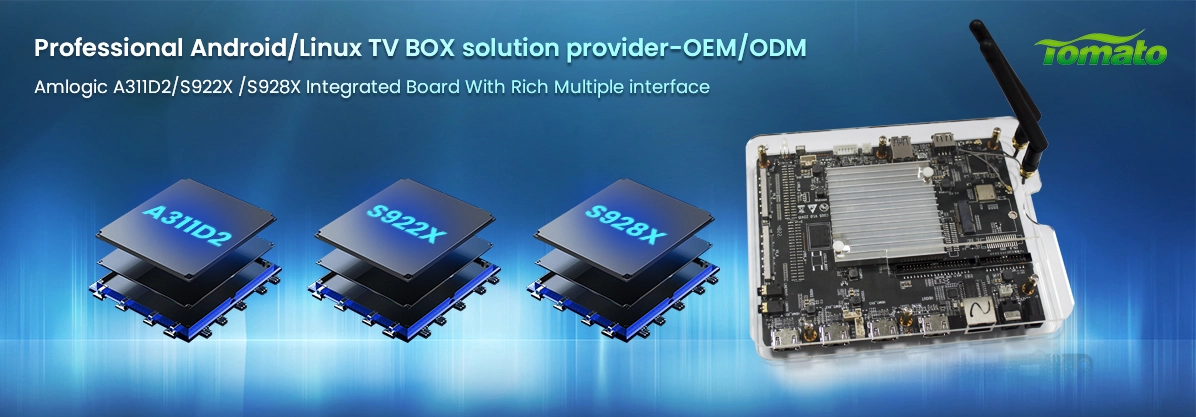
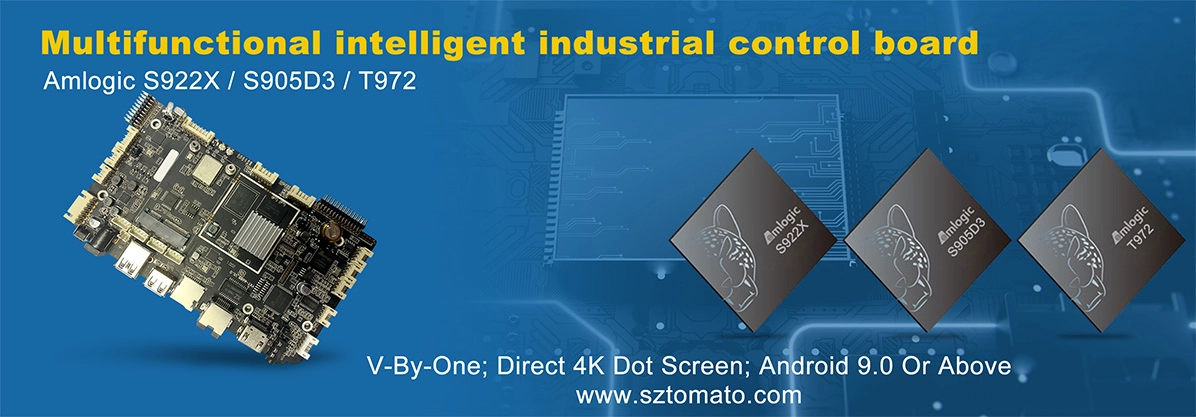
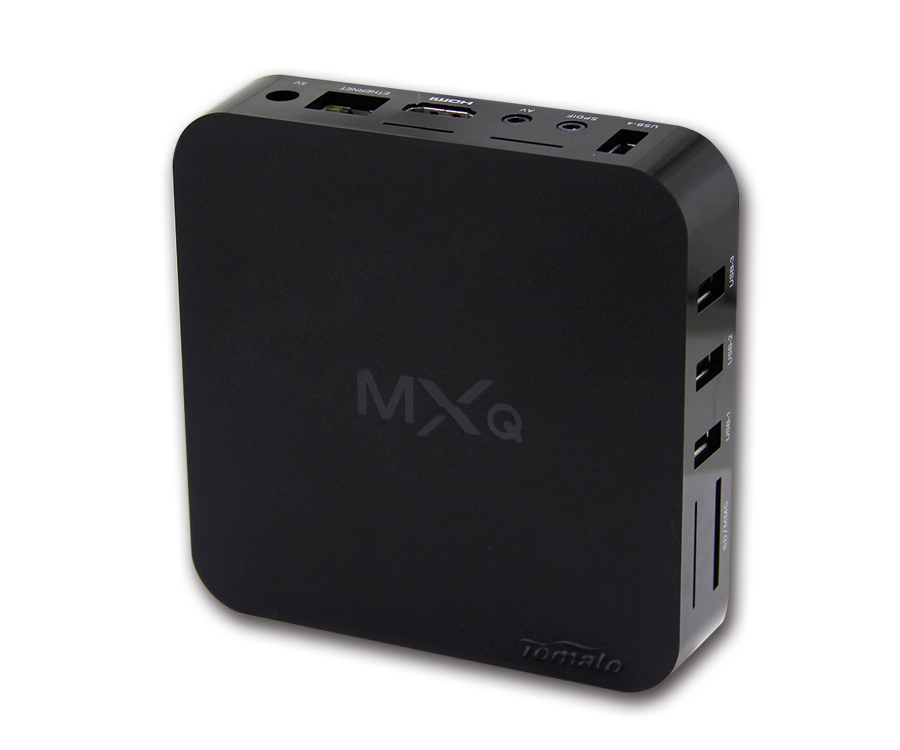
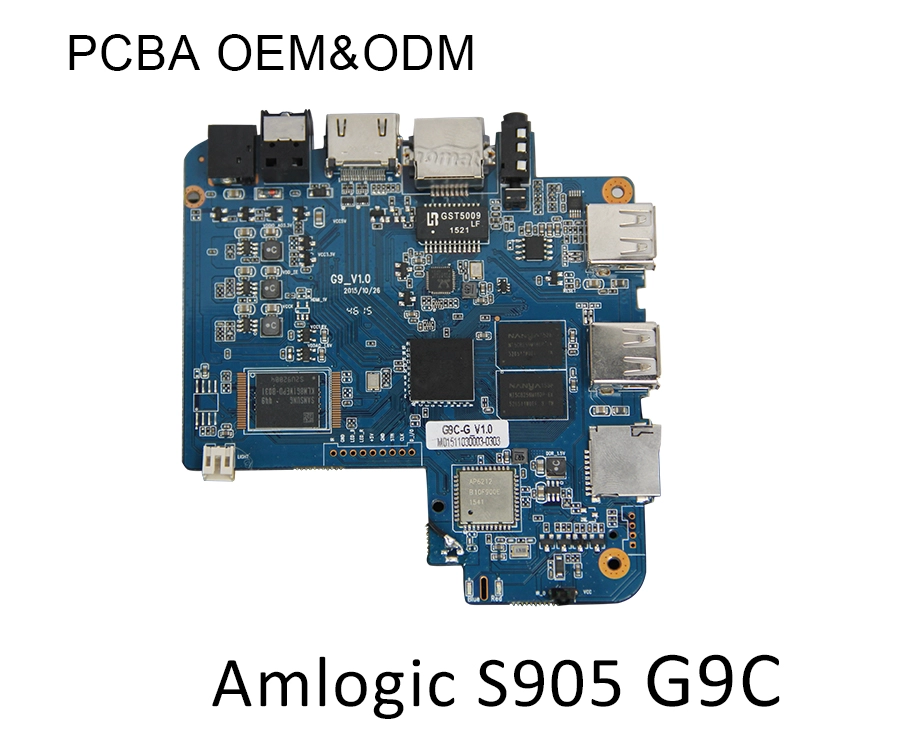
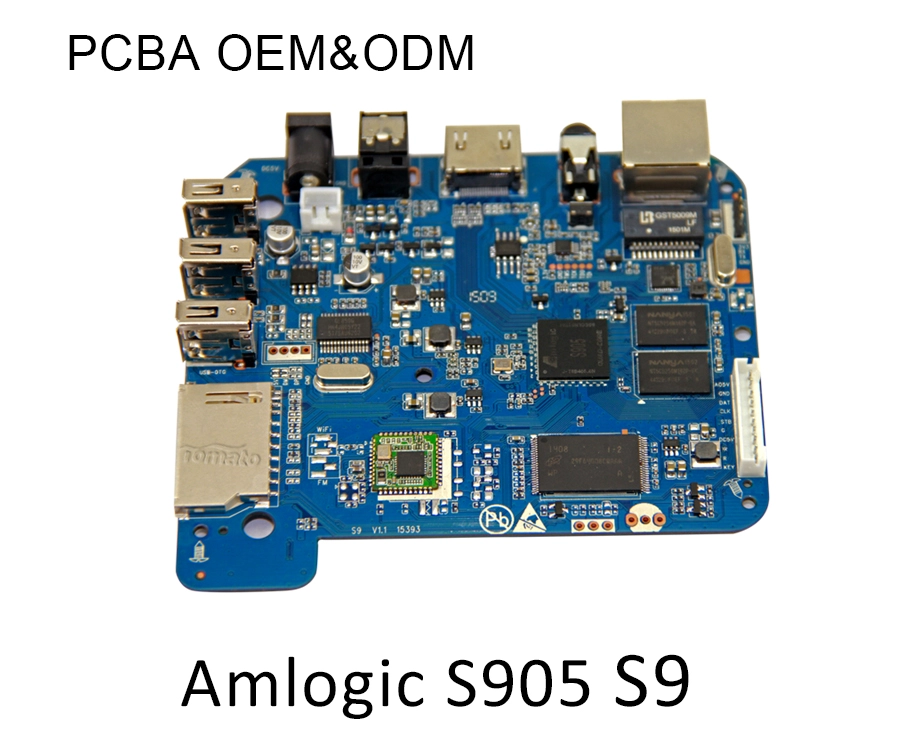
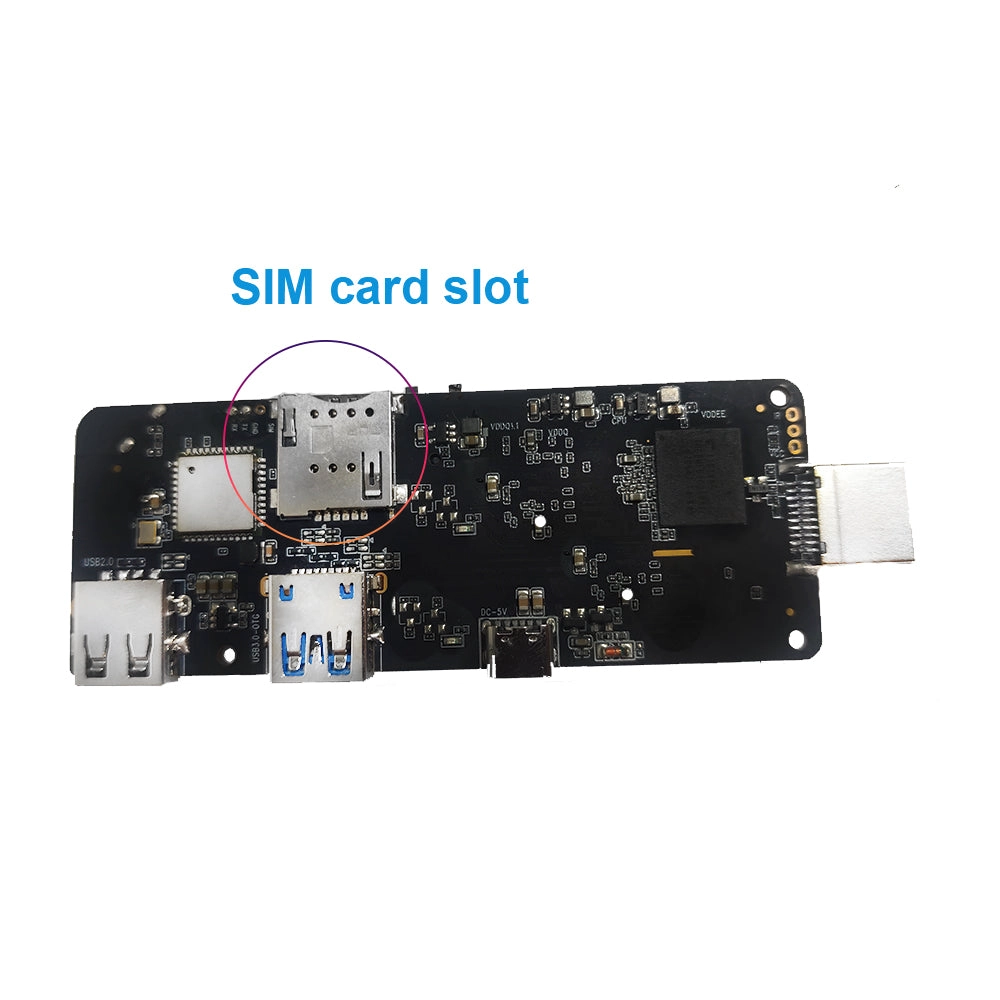
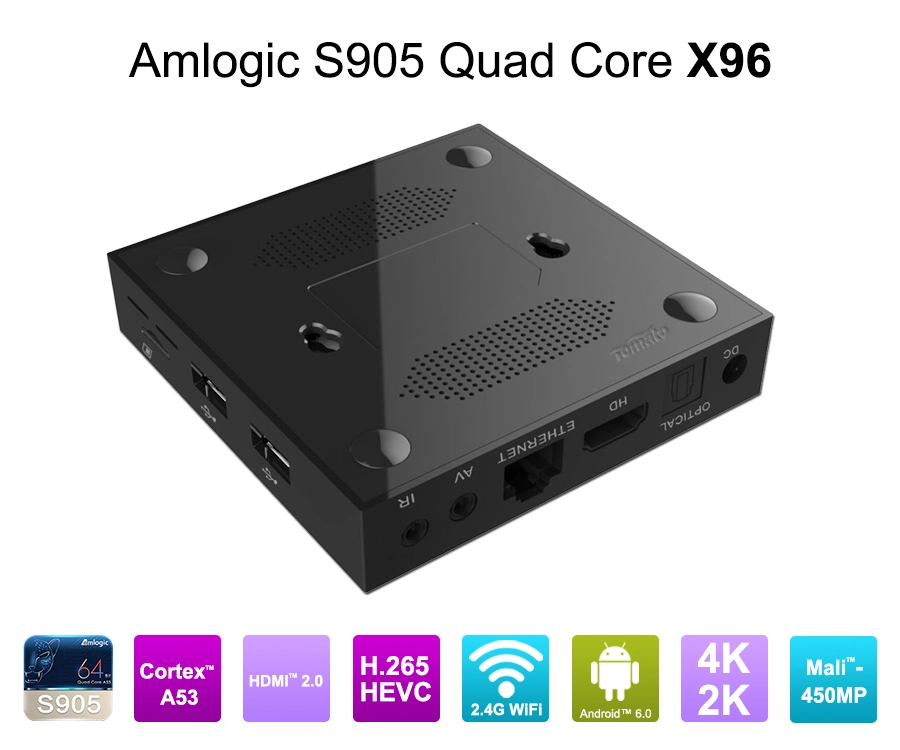
Consumer devices feature a single HDMI output and a basic Wi-Fi chip. An enterprise streaming media player acts as a localized edge computing node, requiring a highly specific Printed Circuit Board Assembly (PCBA) topology to interface with legacy and industrial equipment.
-
Gigabit Ethernet (RJ45): 100M Fast Ethernet is insufficient for multi-screen synchronous playback. A dedicated Gigabit controller ensures buffer-free delivery of 4K assets from local network-attached storage.
-
Serial Communication (RS232/UART): Physical serial ports or internal PCBA headers allow the media player to send hardline hex commands to the display panel, managing automated screen wake/sleep schedules independently of HDMI-CEC, which is notoriously unreliable across different TV brands.
-
Real-Time Clock (RTC) Battery: A dedicated RTC circuit maintains precise system time during facility power losses, ensuring scheduled content loops execute flawlessly the moment power returns, even if the network remains offline.
4. PCBA-Level Auto-Recovery and Thermal Engineering
The lifespan of a streaming media player is dictated by its heat dissipation and memory write endurance. A commercial feature set shifts the focus from aesthetics to thermal mass and fault tolerance.
Hardware Watchdog Timers (WDT)
Software crashes are inevitable in 24/7 deployments. An enterprise streaming media player integrates a physical watchdog timer circuit on the PCBA. If the kernel driver fails to "pet" the watchdog within a specified millisecond interval—indicating a system freeze—the hardware automatically interrupts the power rail and forces a hard reboot, eliminating the need for a technician truck roll.
High-Endurance eMMC 5.1 Storage
Streaming heavily fragmented video logs and caching dynamic HTML5 assets degrades cheap NAND flash memory rapidly. Commercial units require industrial-grade eMMC 5.1 or UFS storage modules with advanced wear-leveling algorithms to support thousands of Program/Erase (P/E) cycles without corrupting the file system.
Passive Thermal Dissipation
Instead of plastic enclosures with minimal venting, industrial players utilize heavy-gauge anodized aluminum chassis. The internal SoC is bonded to the aluminum casing via a high-conductivity phase-change thermal pad, creating a massive heatsink that pulls heat away from the silicon, keeping junction temperatures stable even when mounted behind hot commercial display panels.
Engineer Your Hardware Strategy
Procuring the right streaming media player requires aligning your software workload with an optimized PCBA and custom AOSP firmware. Sourcing generic hardware and attempting to apply enterprise software solutions retroactively results in high failure rates and escalating operational costs.
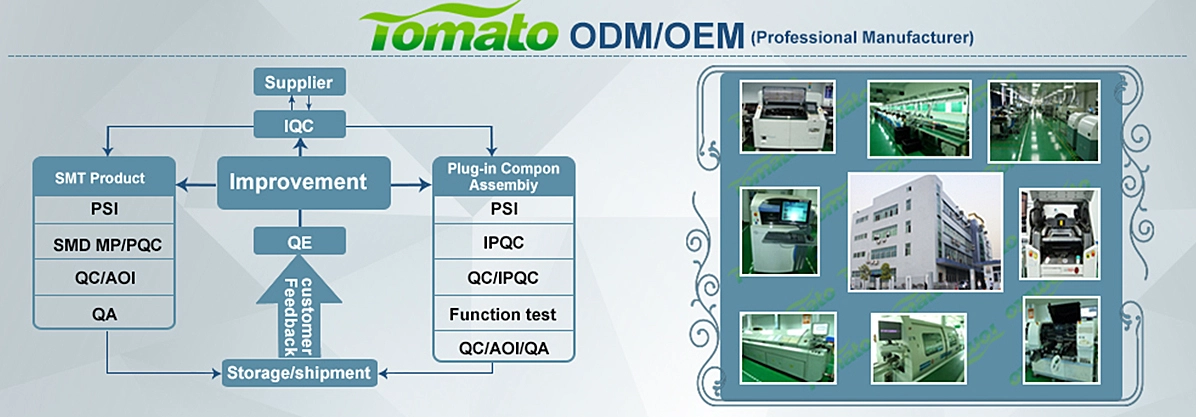
For customized hardware solutions tailored to specific commercial deployments, engage with an OEM/ODM engineering partner. From custom firmware compilation and AOSP root access to physical RS232 integration and bulk deployment capabilities, controlling the manufacturing layer is the only way to guarantee the long-term stability of your digital infrastructure.
