
What are the system requirements for a TV Box?
What Are the System Requirements for a TV Box in Enterprise Deployments?
A consistent 15% RMA rate in commercial digital signage networks is rarely a software issue; it is a symptom of misaligned hardware system requirements. When integrators deploy consumer-grade TV Box hardware into 24/7 enterprise environments, thermal throttling, eMMC read/write degradation, and memory leaks inevitably lead to catastrophic system failure.
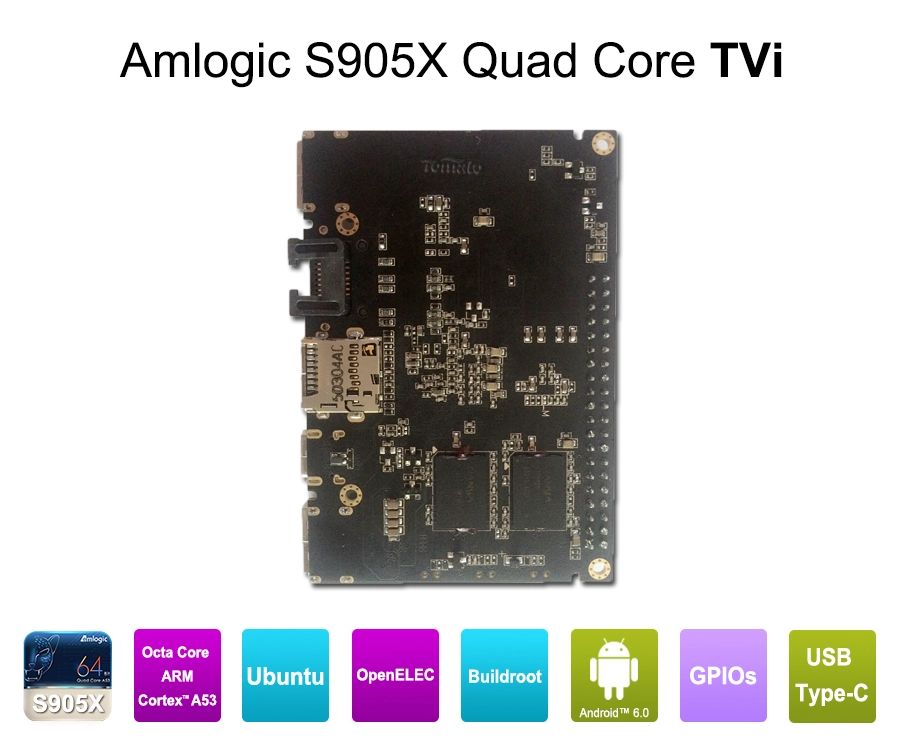
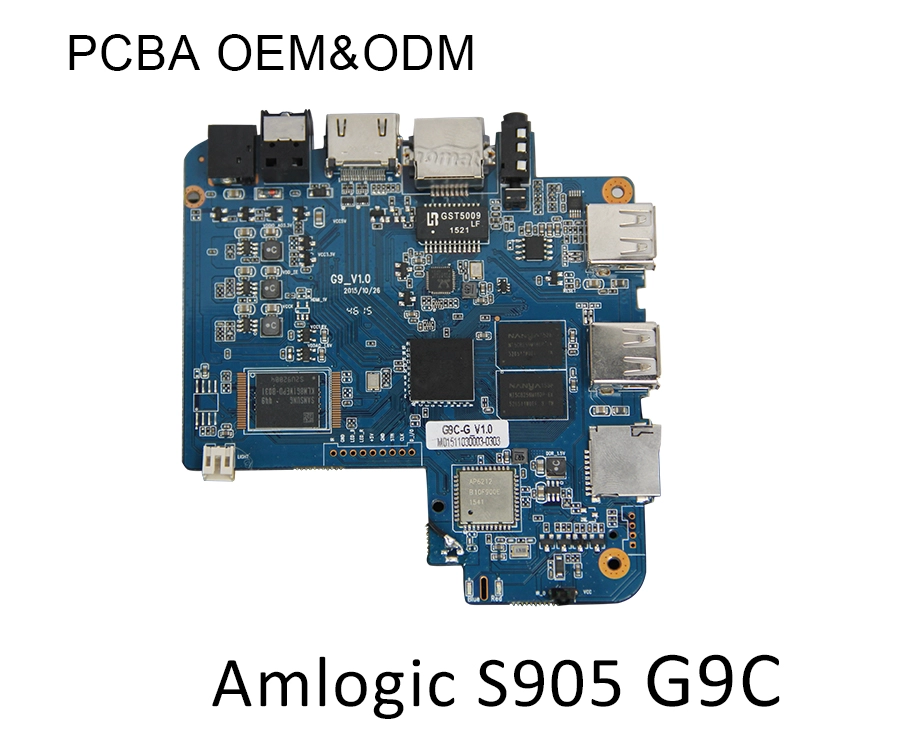
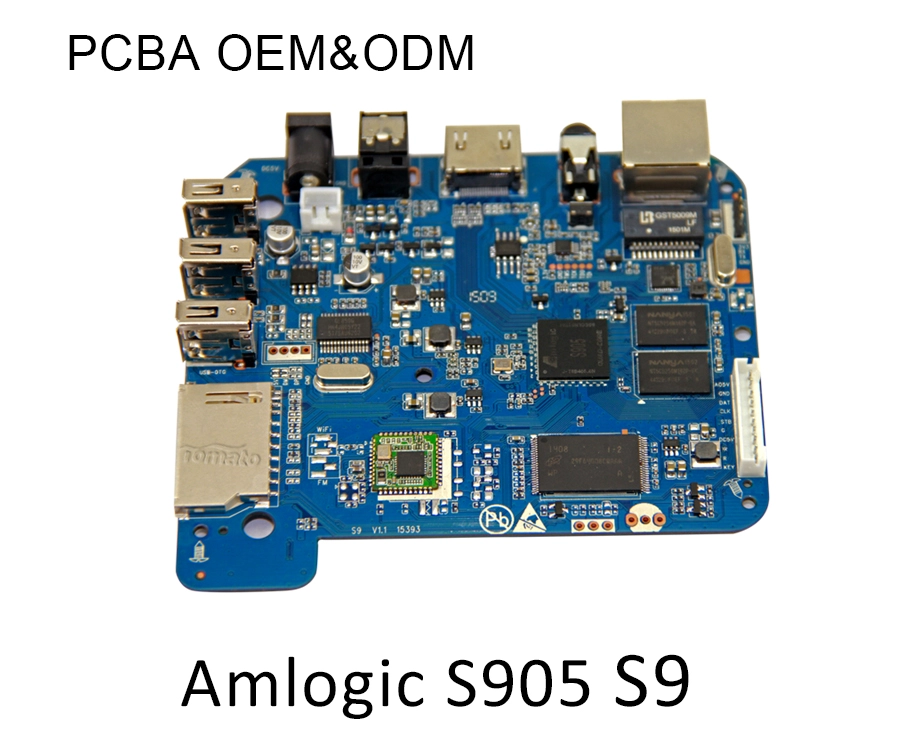
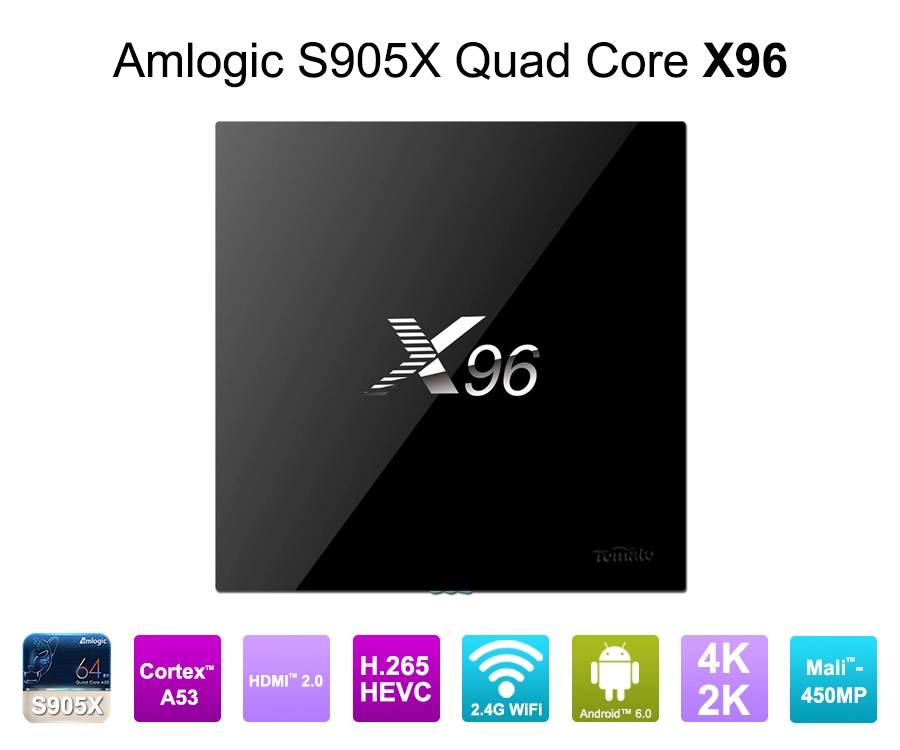
For B2B buyers and hardware integrators, defining the system requirements for a TV Box requires moving past superficial spec sheets. You must evaluate the System-on-Chip (SoC) architecture, the physical PCBA layout, and the underlying firmware infrastructure. Here is the technical framework for selecting and customizing TV Box hardware for scalable commercial deployments.
System-on-Chip (SoC) Architecture and Codec Standards
The processor dictates the operational ceiling of any media player. In 2026, core counts are a secondary metric to architecture efficiency and dedicated hardware decoding capabilities.
-
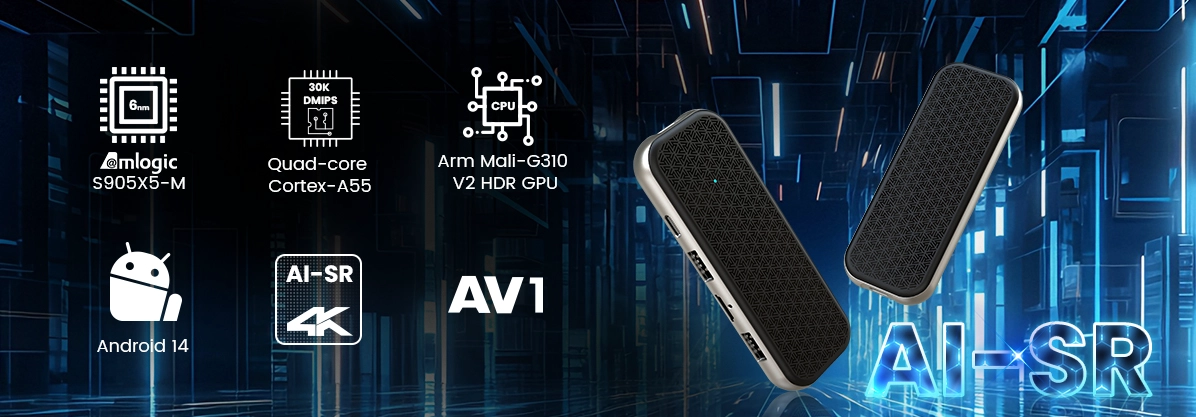
The AV1 Mandate: Any TV Box deployed for streaming, VOD, or IPTV must feature hardware-level AV1 decoding. AV1 provides 30% greater compression efficiency than HEVC (H.265), drastically reducing bandwidth overhead for network operators.
-
Silicon Selection for Use Cases:
-
IPTV and OTT Operators: Amlogic architectures (such as the S905X4 or the 8K-capable S928X) remain the industry standard due to their optimized video pipelines, conditional access (CAS) integration, and native Android TV OS support.
-
Complex Digital Signage: For deployments requiring dual-screen output or edge AI analytics (e.g., audience measurement), Rockchip processors (like the RK3568 or RK3588) provide superior industrial-grade interfaces and dedicated Neural Processing Units (NPUs).
-
Volatile and Non-Volatile Memory Tolerances
Memory constraints directly impact device longevity, particularly in applications that rely on heavy local caching or continuous looping video.
-
RAM (Random Access Memory): A baseline of 2GB LPDDR4 is sufficient for basic 1080p IPTV zapping. However, 4GB to 8GB is the minimum requirement for 4K digital signage rendering complex HTML5 widgets or running concurrent background applications. LPDDR4 and LPDDR5 are preferred over older DDR3 due to significantly lower voltage requirements and reduced thermal output.
-
Storage (eMMC vs. Flash): The standard 16GB or 32GB eMMC 5.x module is adequate for firmware and basic apps. However, for industrial digital signage that constantly downloads and overwrites localized media payloads, standard eMMC modules will suffer from rapid block degradation. High-endurance industrial eMMC or NVMe expansions are required to prevent read/write failure within the first two years of a deployment lifecycle.
Thermal Design Power (TDP) and PCBA Layout
Heat is the primary catalyst for SoC throttling and component failure in a TV Box. An optimal hardware specification is useless if the Printed Circuit Board Assembly (PCBA) and housing cannot dissipate heat.
-
Heat Sink Engineering: Relying on thin aluminum heat spreaders is a fatal flaw in 24/7 operational environments. Custom OEM projects require extruded aluminum heatsinks bonded directly to the SoC with high-conductivity thermal paste, rather than cheap thermal pads.
-
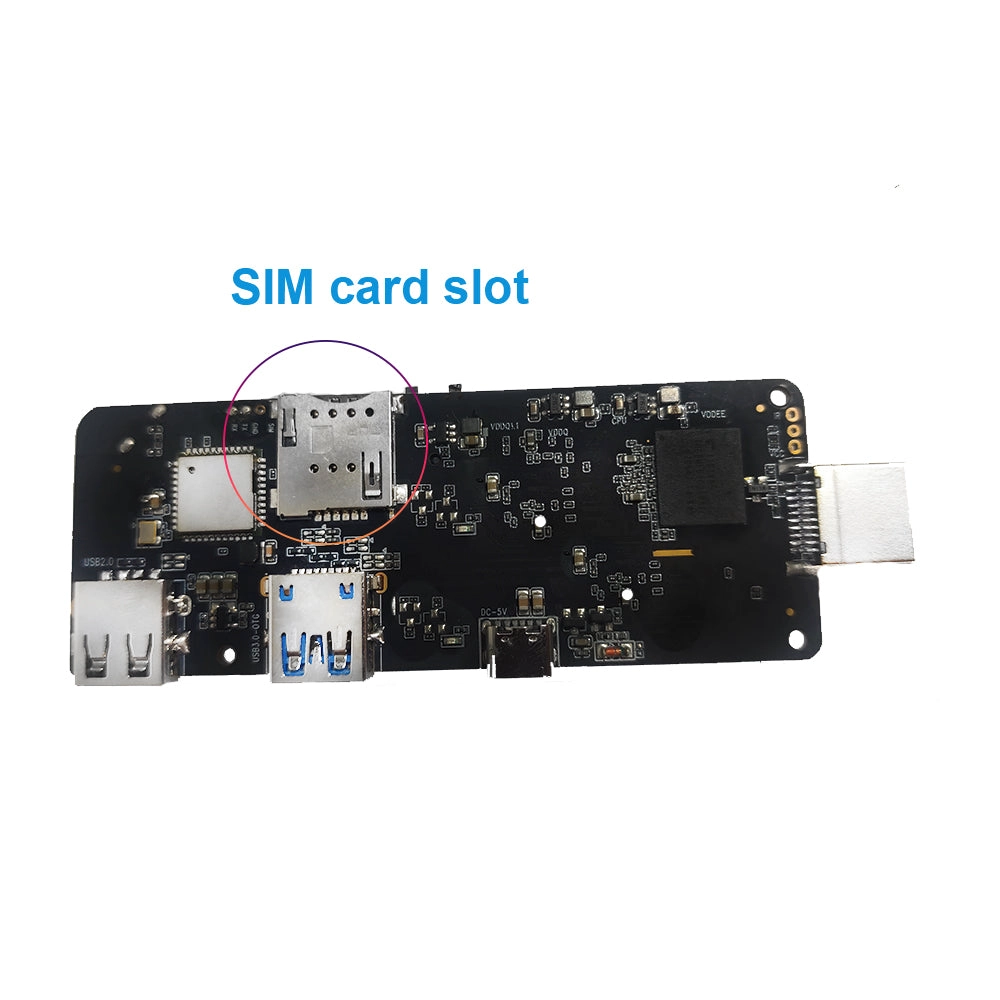
Component Spacing: A well-architected PCBA isolates the power management IC (PMIC) and the Wi-Fi/Bluetooth modules away from the primary SoC. Crowding these high-heat components leads to localized thermal hotspots, which degrade wireless signal integrity and trigger CPU clock-down events.
Firmware Customization and OS Integration
The most neglected system requirement is the firmware layer. Consumer Android builds (AOSP) are riddled with bloatware, unpredictable background processes, and user-facing update prompts that break enterprise networks.
For true B2B deployments, the firmware must be engineered to match the hardware:
-
Root Access and Kiosk Mode: System-level configurations must allow administrators to lock the device to a single application, disable the standard Android launcher, and block user access to settings menus.
-
Over-The-Air (OTA) Infrastructure: The TV Box must support secure, silent OTA updates managed via a centralized Mobile Device Management (MDM) platform. This prevents bricked devices caused by interrupted consumer-grade update loops.
-
Custom Boot Logos and Animations: At the BIOS/Bootloader level, the hardware should reflect the integrator's brand, ensuring a seamless, white-labeled experience from the moment power is applied.
Securing Your Hardware Supply Chain
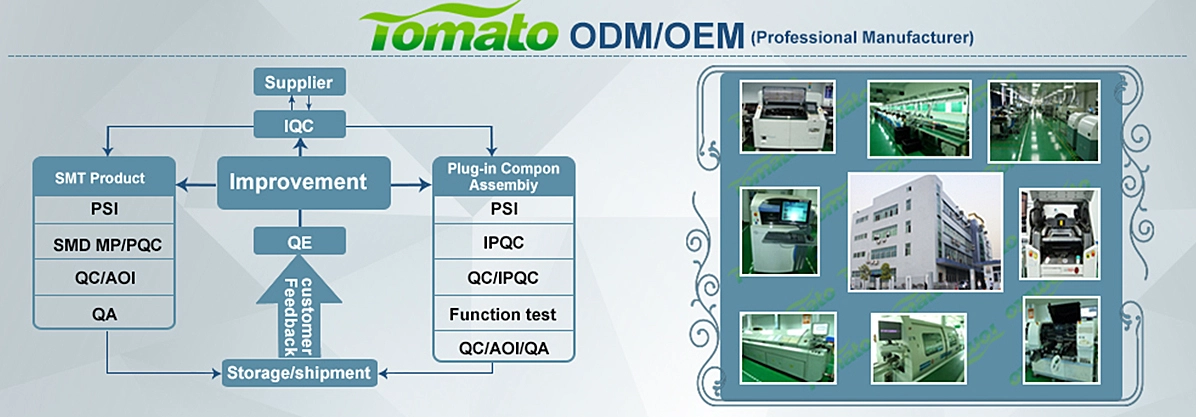
Specifying the correct system requirements is only the first phase; executing that specification at scale requires a capable manufacturing partner. At SZTomato, we provide end-to-end OEM and ODM services, from custom PCBA design and thermal engineering to deeply modified AOSP and Android TV OS firmware.
To discuss the specific hardware architecture, memory tolerances, and firmware modifications required for your next deployment, contact our engineering team to outline your project requirements.
