
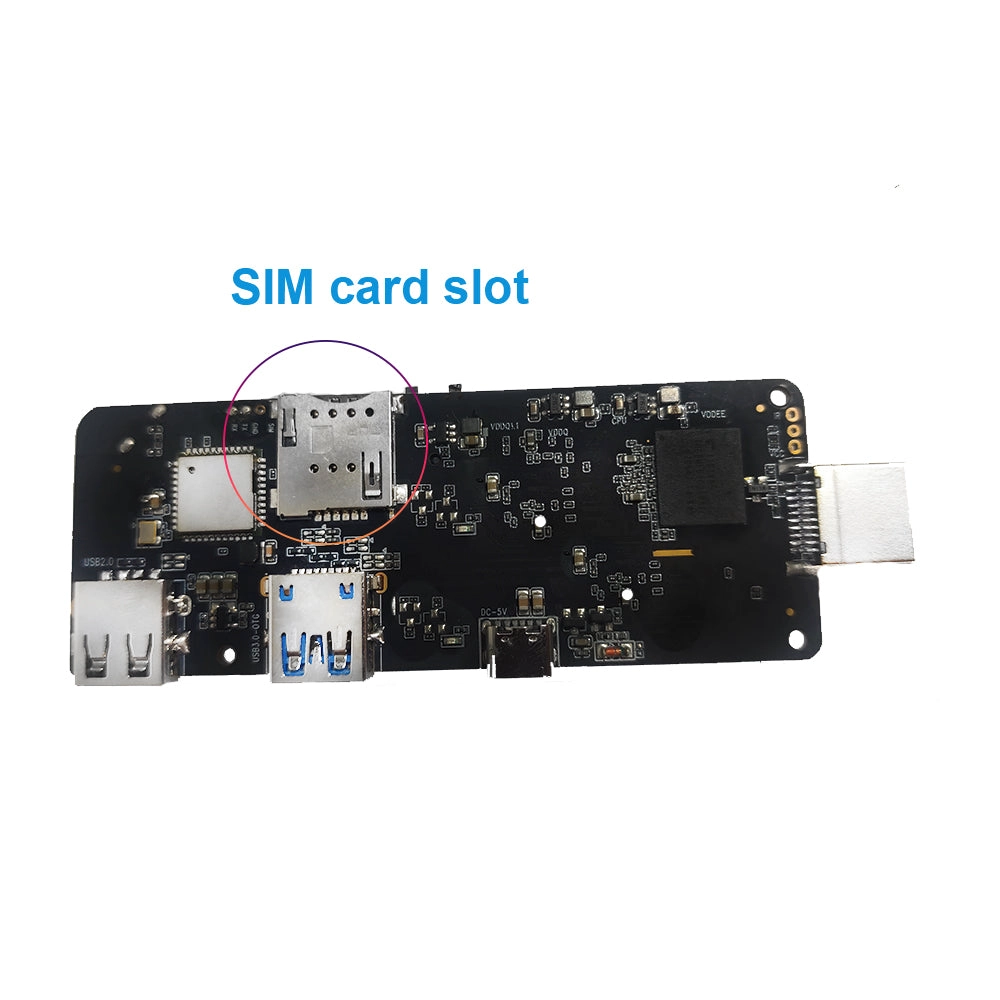
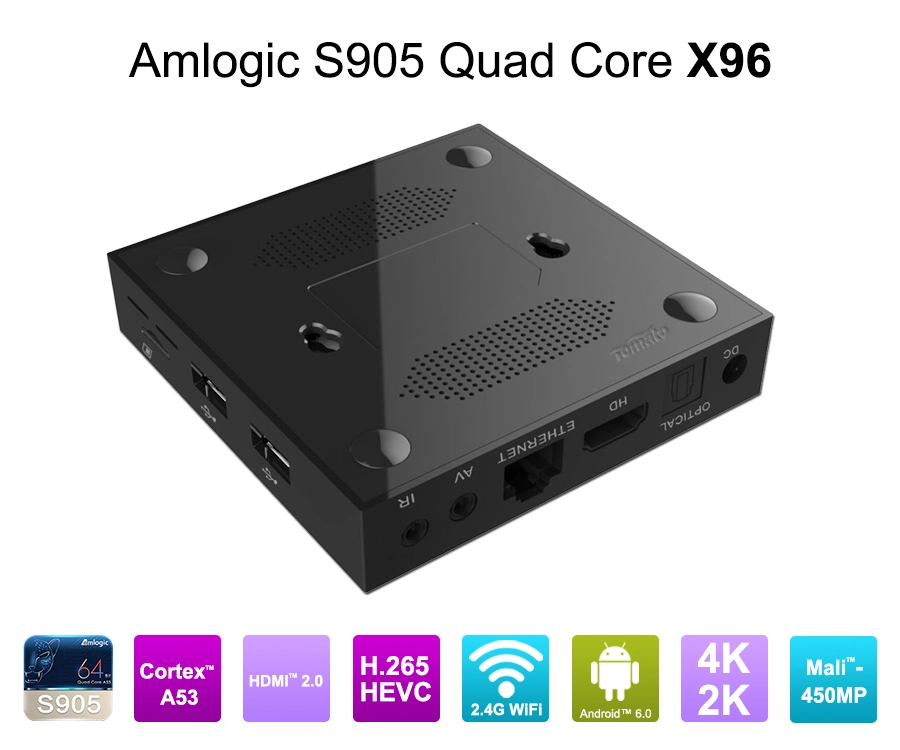
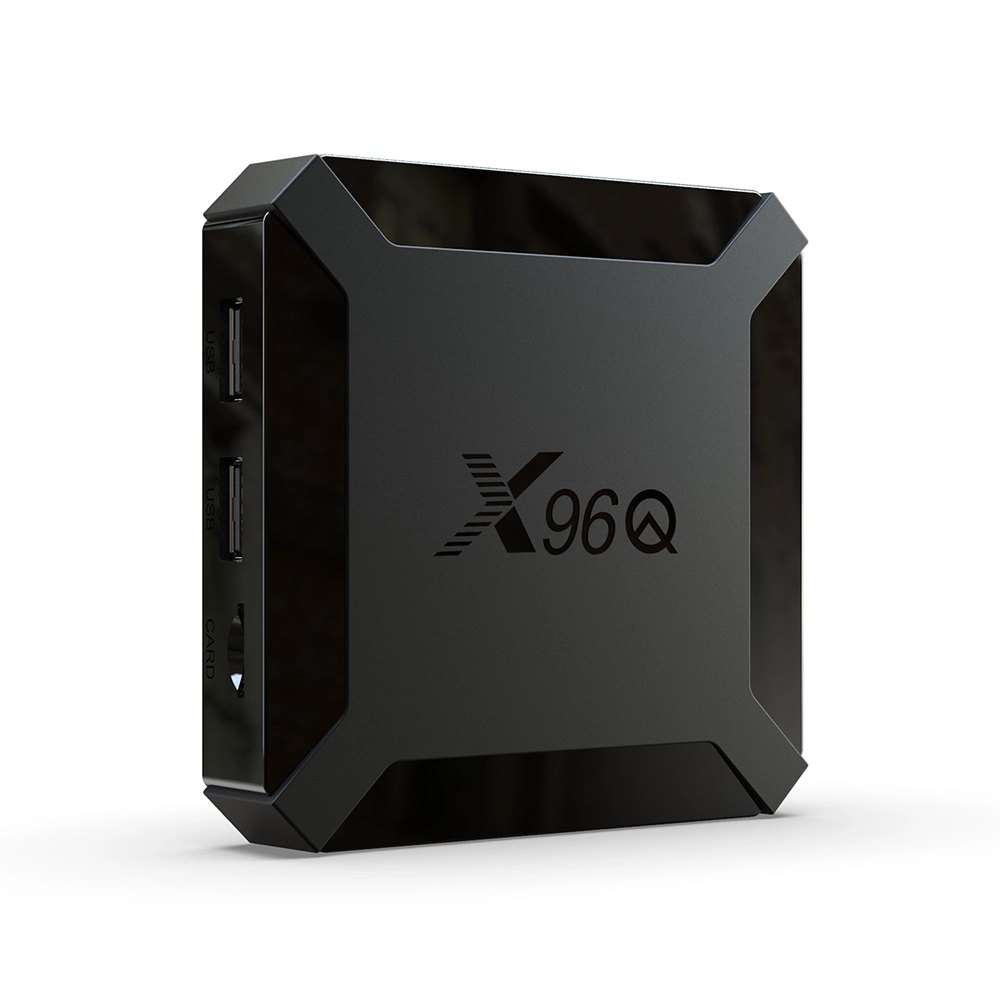
What does an Smart TV Box do?
In the ever-evolving world of digital entertainment, the Smart TV Box (also called Android TV Box, streaming box, or media box) has become indispensable for millions of households. But what exactly does a Smart TV Box do? And why should companies or end users care? In this article, we break down its capabilities in detail and explain how SZTomato supports custom solutions for brands.
The Core Functions of a Smart TV Box
Streaming and Online Video Delivery
A Smart TV Box’s primary role is to stream video and audio content from the internet directly to your television screen. It connects to platforms like Netflix, Disney+, Amazon Prime Video, YouTube, Hulu, and many others via apps and adaptive bitrate streaming protocols that adjust the quality based on network conditions.
Thanks to efficient video codecs (HEVC / H.265, AV1, VP9), high-end boxes can deliver stable 4K HDR video with low buffering even under varying bandwidth.
App Ecosystem & Software Flexibility
Unlike legacy set-top boxes, modern Smart TV Boxes host full app stores (e.g. Google Play, Aptoide, or custom versions) where users can download thousands of apps — video services, music, news, fitness, games, or productivity apps. They can also incorporate media-server clients (Plex, Kodi, Emby) to access local or networked libraries.
This software flexibility allows brands to differentiate via custom UI, preloaded app bundles, or vertical market apps (education, hospitality, corporate signage).
Local Media Playback & Storage
Smart TV Boxes often support USB ports, microSD or SD card slots, and external hard drives. Users can plug in storage media and play back locally stored photos, music, and video files — even without internet access. Many boxes support DLNA / UPnP / SMB network sharing to stream files from NAS drives or PCs.
This hybrid model (streaming + local) gives flexibility when bandwidth is limited or for private media collections.
Screen Mirroring, Casting & Second-Screen Integration
Modern boxes support casting or mirroring technologies like Google Cast, Miracast, or AirPlay to receive content from mobile phones, tablets, or computers. That means users can share presentations, slideshows, or mobile videos to the big screen instantly.
Some boxes also allow dual display or picture-in-picture modes, useful in business or educational settings.
Gaming, Emulation & Cloud Gaming
Smart TV Boxes aren’t just for video: many support casual gaming and retro emulation. Users can install Android games, connect Bluetooth controllers, and even run classic console emulators.
High-end models support cloud gaming services (e.g. NVIDIA GeForce Now, Xbox Cloud Gaming), turning the TV into a gaming console substitute.
Voice Control, AI Assistants & Smart-Home Integration
Premium boxes integrate with voice assistants (Google Assistant, Amazon Alexa) for hands-free control. You can launch an app, play a show, search content, or control smart-home devices (lights, thermostats, security cameras) directly from the TV interface.
In smart environments, the box becomes a hub bridging media and the Internet of Things.
Firmware Updates, Remote Management & Over-the-Air Upgrades
For product stability and security, Smart TV Boxes support remote over-the-air firmware updates. Enterprises and service providers can push patches, add new features, or manage multiple devices centrally.
This is critical in B2B or operator deployments (e.g. hospitality, digital signage).
Why Use a Smart TV Box Instead of a Smart TV?
Many modern TVs already include “smart” features, but there are strong reasons brands and users still prefer external boxes:
-
Upgradability & longevity: TV manufacturers often lock down OS and seldom update. A box can be upgraded or replaced more easily.
-
Hardware performance: Boxes often offer faster processors, more RAM, better cooling, or expanded ports compared to integrated TV chips.
-
Customization & branding: Brands can design a custom shell, UI, logo, or user experience more freely.
-
Cost efficiency: It’s more economical to produce or upgrade a box than redesign an entire smart TV.
-
Targeted use cases: Boxes can be tailored for hospitality, kiosks, education, or vertical markets where generic TV OS isn’t suitable.
Technical Specs & Considerations
System on Chip (SoC) & Video Decoding
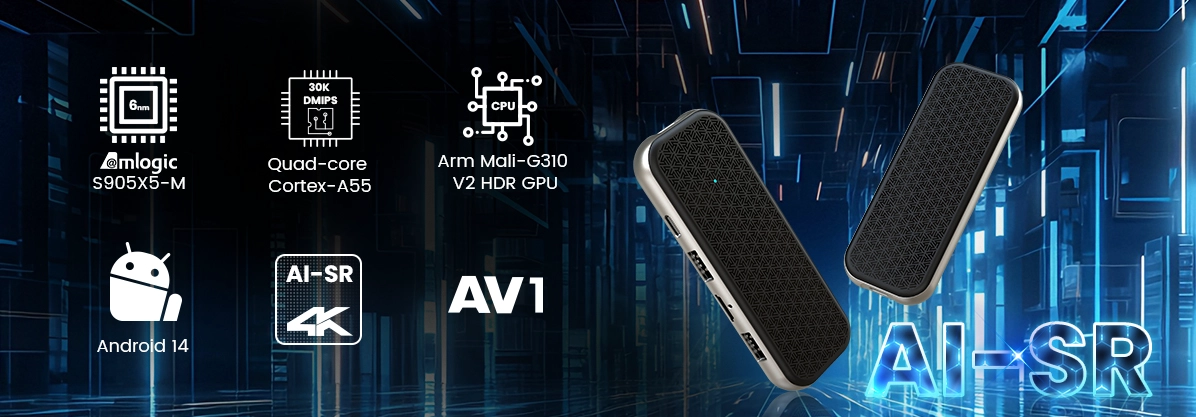
A robust Smart TV Box uses an SoC that integrates CPU cores, GPU, and dedicated video decoding hardware. Efficient decoding for HEVC / AV1 ensures smooth 4K playback at lower power and heat.
Memory & Storage
Typical configurations: 2–8 GB RAM, 8–128 GB flash storage. Expandability is a plus — microSD, USB, SATA interfaces help support app caches or local content.
Connectivity & Ports
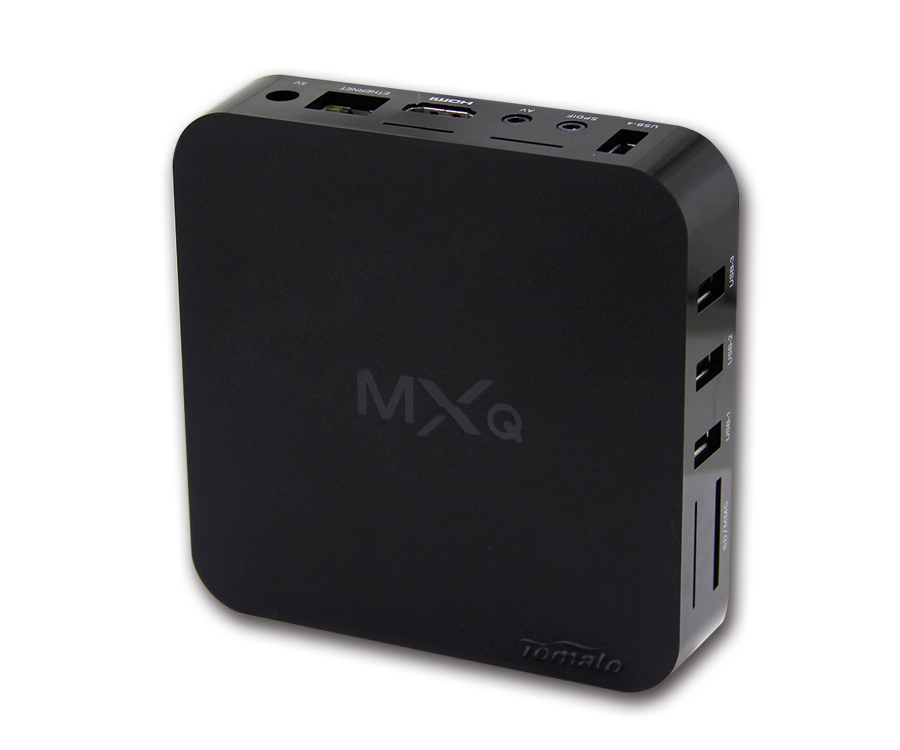
Essential hardware includes HDMI 2.0/2.1, Ethernet (Gigabit), dual-band WiFi, Bluetooth. Optional: IR blaster, USB 3.0, SPDIF, microSD, GPIO, or power over Ethernet for special deployments.
Cooling & Build Quality
To maintain steady performance, good thermal design (passive heatsinks, ventilation, or active fans) is essential. Industrial or metallic shells help in bulk installations.
Certification & Security
For branded media boxes, certification (Google’s Android TV, Widevine DRM, HDMI CEC, DLNA) is often required. Secure boot, encryption, and OTA patch support are also must-haves.
How SZTomato Helps Your Brand with Custom Smart TV Box Solutions
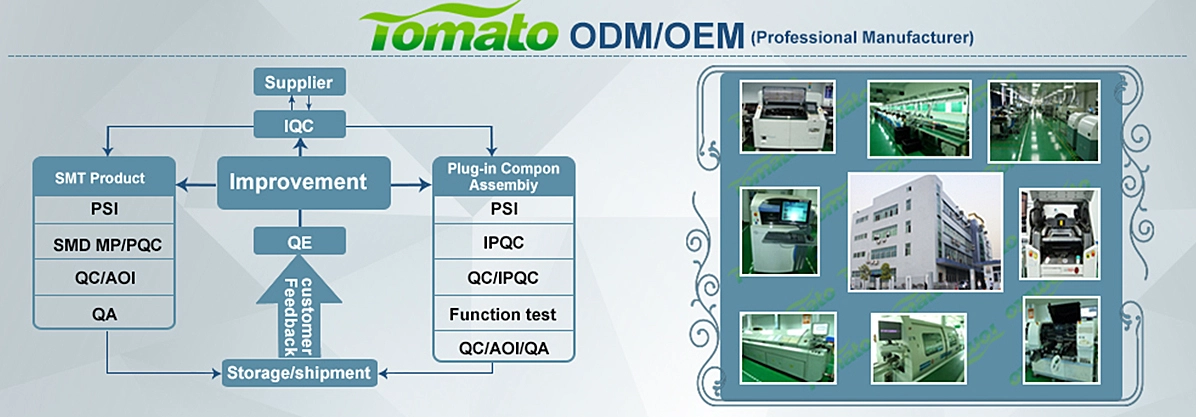
At SZTomato, we specialize in OEM / ODM solutions for Smart TV Boxes tailored to each client’s vision and market needs. Here's how we support you:
-
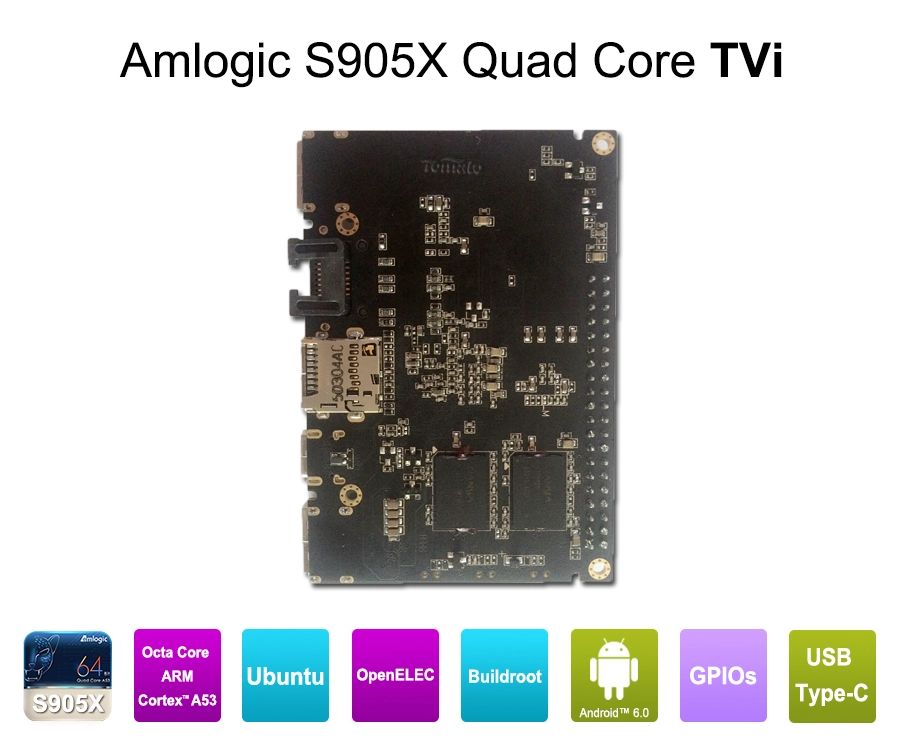
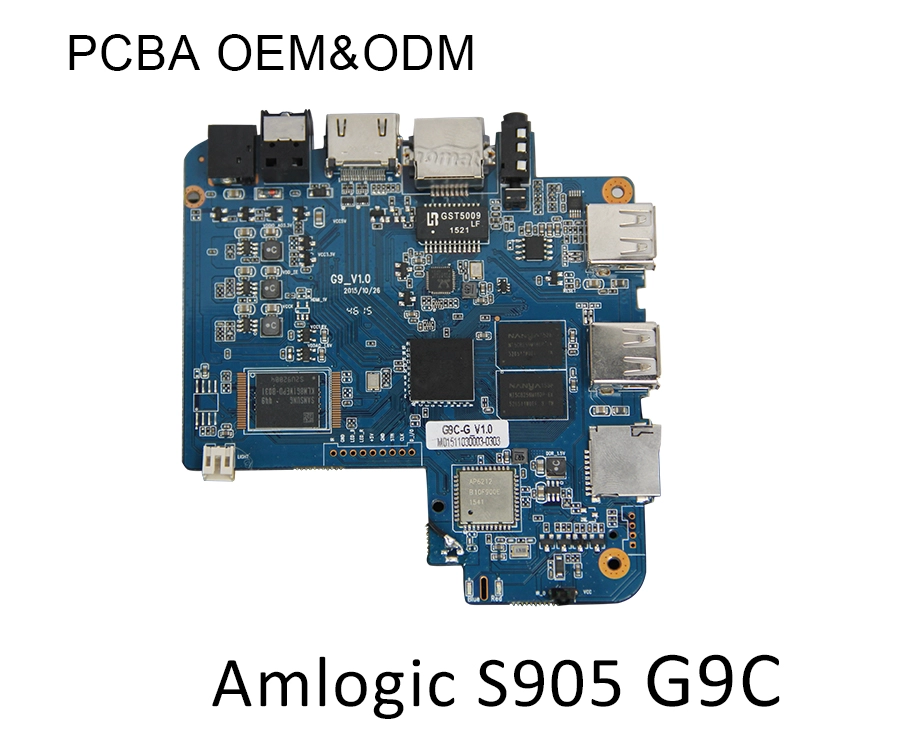
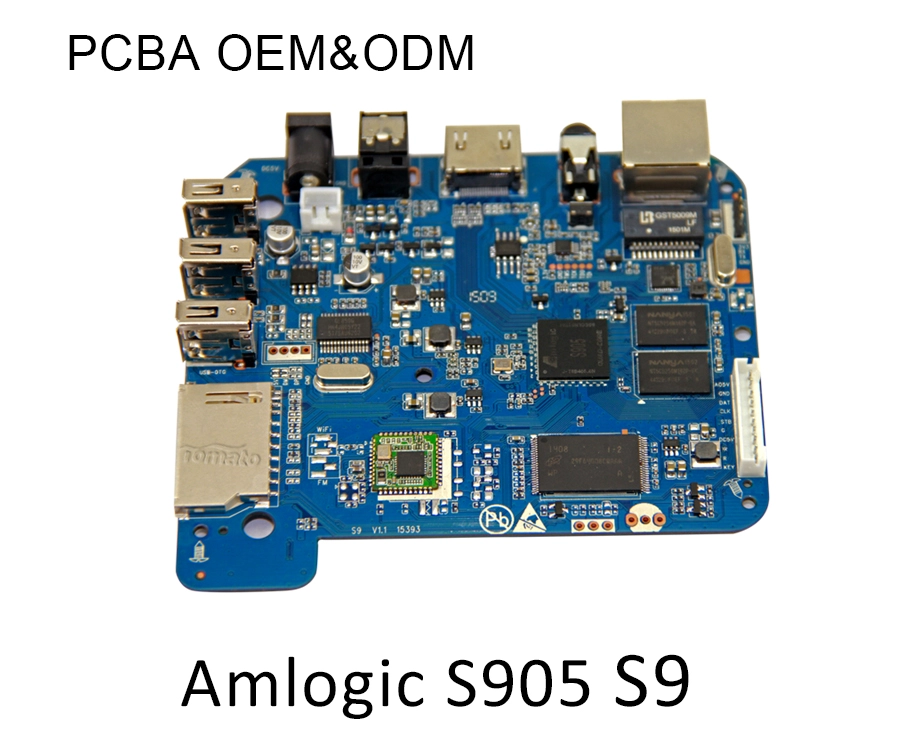
Custom hardware design: From shell, port layout, cooling, and PCBA to industrial or consumer grade design.
-
Software & UI branding: Preload your selected apps, customize UI, integrate logos, firmware with OTA support.
-
Compliance & certification: We assist in Widevine, DRM, HDMI, safety, emissions, regional compliance.
-
Batch deployment & remote management: Device management platforms to control firmware, monitor errors, push updates.
-
After-sales & support: Spare part sourcing, warranty logistics, and technical support to ensure smooth operations.
Whether you're a streaming service, digital signage provider, hotel chain, or consumer brand, SZTomato provides end-to-end Smart TV Box development tailored for your business.
Use Cases Across Industries
-
Consumer Streaming: Enhance an existing TV with upgraded features.
-
Hospitality & Hotel Rooms: Offer curated app sets, branded UI, remote management.
-
Digital Signage & Retail: Drive interactive displays, schedule content, mirror devices.
-
Education & Training: Deploy in classrooms or labs to mirror students’ devices or distribute content.
-
Gaming & Esports: Use boxes as streaming / gaming hubs in lounges or LAN cafés.
Best Practices & Tips
-
Choose a box with modular upgrade paths (memory, WiFi).
-
Ensure the SoC supports the video codecs you target.
-
Opt for robust cooling and build quality for reliability.
-
Use OTA and secure boot to maintain updates and security.
-
Test branding, UI, and localization before mass deployment.
-
Monitor real-world usage data to plan future feature updates.
Conclusion
A Smart TV Box is not just an accessory — it’s a bridge between legacy televisions and a modern, intelligent, multi-functional media platform. Organizations and brands benefit from its flexibility, upgradability, and customizability. At SZTomato, we partner with you to turn that potential into a market-ready product — tailored, certified, and dependable.
