What is an example of Digital Signage?
What Is an Example of Digital Signage? A Technical Guide to Real-World Deployments
A retail display that changes product prices, promotions, videos and inventory information from a central CMS is a practical example of Digital Signage. The screen itself is only the visible component. Behind it, a complete signage system typically includes a commercial display, media player, network connection, content management software and a playback application.
For B2B projects, the important question is not whether a screen can display an advertisement. It is whether the complete system can deliver the right content to the right endpoint, maintain synchronized playback, operate continuously and remain manageable after hundreds or thousands of devices are deployed.
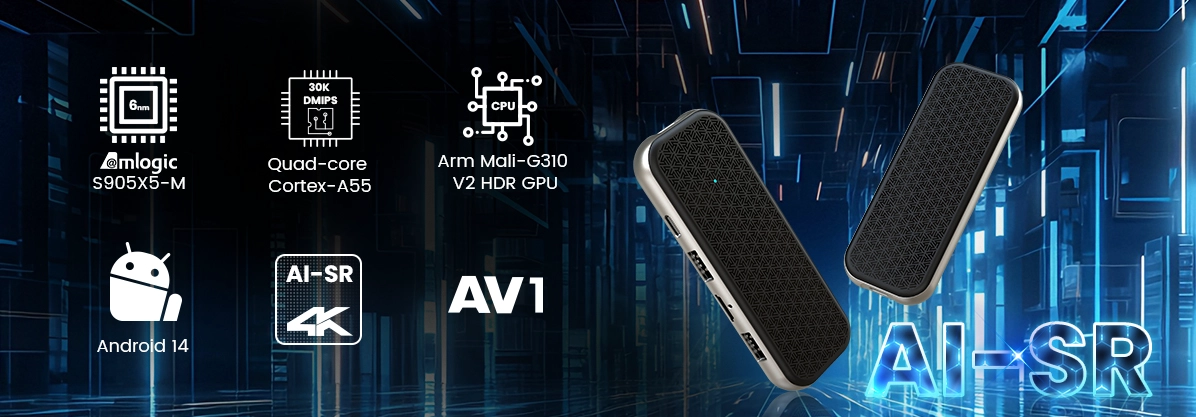
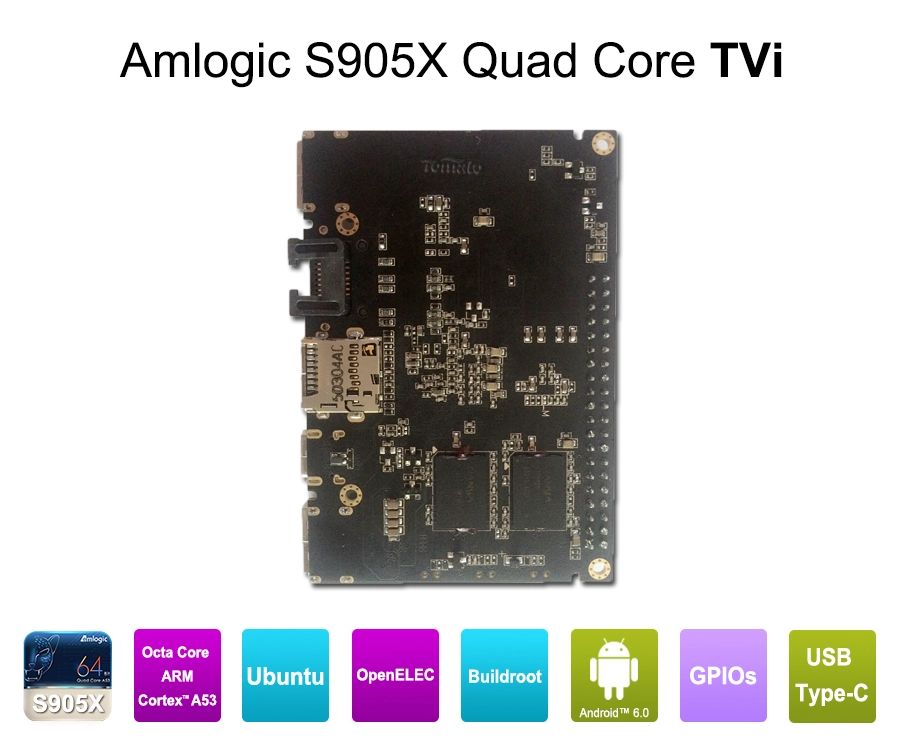
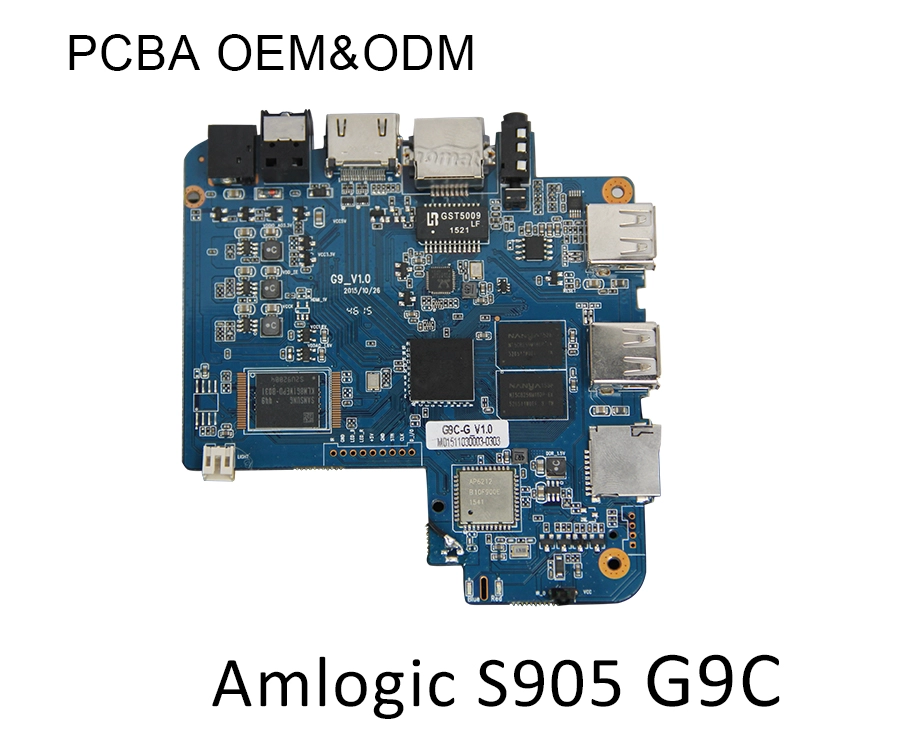
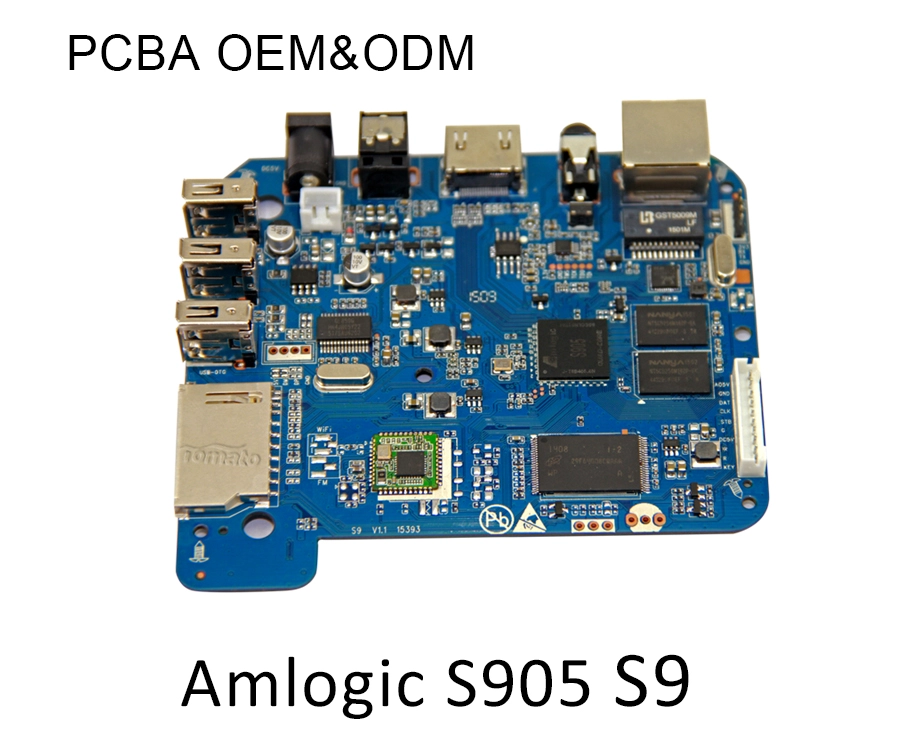
An Android-based Digital Signage player can provide the computing layer required for this architecture. Depending on the application, the platform may combine 4K video decoding, GPU rendering, network communication, local storage, peripheral control and customized firmware in a single embedded device.
A Retail Store Display Is a Simple Example of Digital Signage
Consider a supermarket with 100 stores.
Each store has several screens positioned near product shelves, checkout counters and promotional areas. Instead of printing posters manually, the retailer connects the screens to a Digital Signage CMS.
The system can schedule:
-
Product advertisements
-
Promotional videos
-
Price information
-
Brand campaigns
-
Discount announcements
-
Store announcements
-
Weather or news feeds
-
QR codes
-
Product availability
-
Time-sensitive promotions
A typical architecture looks like this:
CMS → Network → Digital Signage Player → HDMI → Display
The CMS manages content and schedules. The network distributes instructions and media. The Digital Signage player downloads or receives the content and renders it. The display provides the visual output.
This distinction is important because a commercial Digital Signage system is not simply a television playing a video.
A consumer TV may be capable of displaying the same 4K video, but it normally lacks the device management, remote configuration, automated content scheduling and fleet-level control required by a professional signage deployment.
Why an Android TV Box can work as a signage player
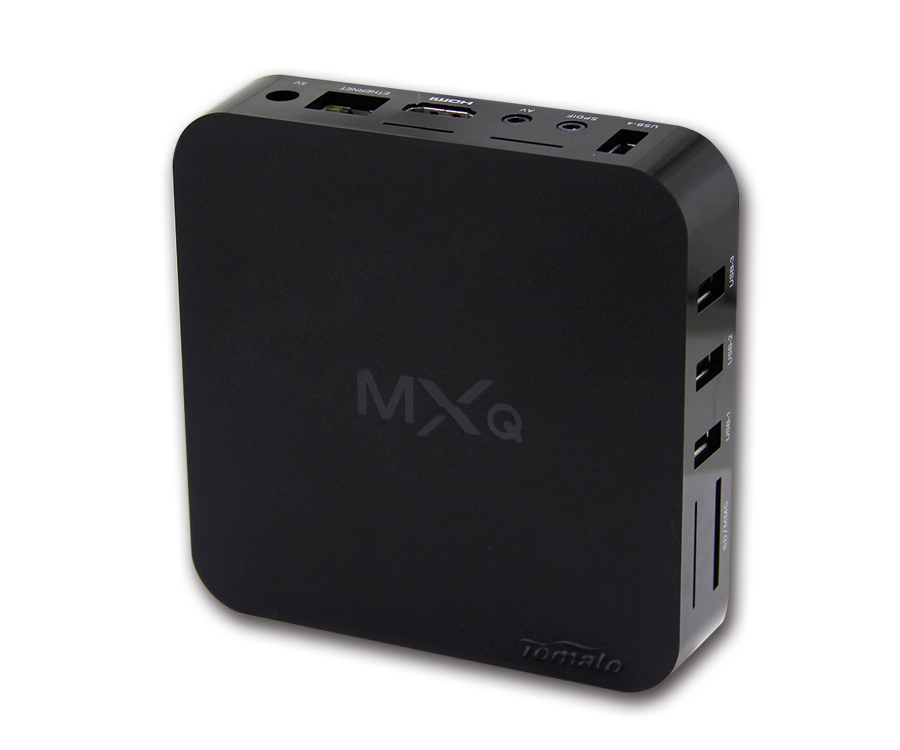
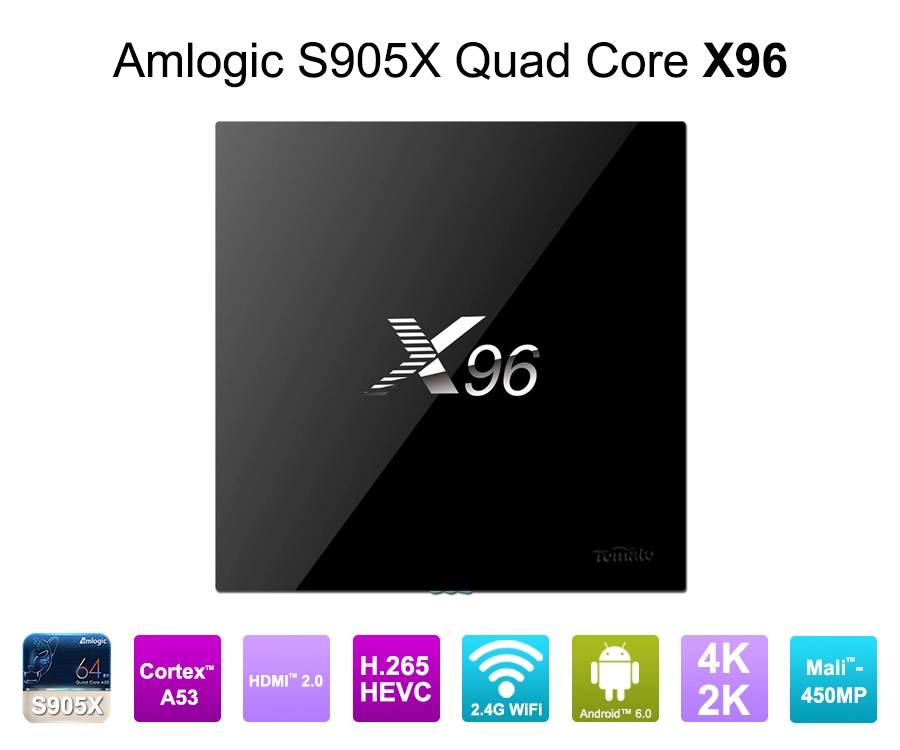
An Android TV Box can provide the processing platform between the CMS and display.
For example, a signage application can be configured to launch automatically after boot. The device can connect to the CMS, download scheduled content, cache media locally and continue playback if the network temporarily fails.
The hardware can also be selected according to the workload.
A basic advertising player may only need a quad-core ARM SoC, 2GB RAM and sufficient storage for local media. A more demanding installation may require 4K60 decoding, higher RAM capacity, Gigabit Ethernet, Wi-Fi 6, multiple USB ports or AI processing.
The correct specification therefore depends on the application rather than the generic label “Android TV Box.”
Other Common Digital Signage Examples
Retail is only one application. Digital Signage becomes more valuable when the content and device behavior are tied to a specific business workflow.
1. Hotel Digital Signage
Hotels use Digital Signage in lobbies, elevators, restaurants, conference areas and guest-service zones.
A hotel may display:
-
Welcome messages
-
Event schedules
-
Restaurant menus
-
Conference information
-
Promotional offers
-
Wayfinding information
-
Local attractions
-
Emergency announcements
The signage player may need to connect with hotel software, reservation systems or external APIs.
This is where SDK/API integration becomes more important than display resolution.
A project may require the Android device to receive data from a central server and dynamically generate content instead of playing a fixed video playlist.
2. Transportation Signage
Airports, railway stations and bus terminals use Digital Signage for passenger information.
A screen may display:
-
Departure information
-
Gate changes
-
Delays
-
Route information
-
Safety announcements
-
Emergency messages
-
Advertising
These applications introduce stricter requirements for uptime, network reliability and content priority.
An emergency message, for example, should be capable of overriding normal advertising content. The software architecture therefore needs priority scheduling rather than a simple sequential playlist.
3. Corporate and Office Signage
A corporate office can use Digital Signage to distribute internal information.
Screens may display:
-
Meeting-room schedules
-
Company announcements
-
KPI dashboards
-
Employee communications
-
Visitor information
-
Building alerts
In this environment, the signage system may need integration with calendars, enterprise databases or internal APIs.
The media player becomes an endpoint in the company's IT infrastructure rather than a standalone display device.
4. Education and Public-Sector Signage
Schools, universities, government buildings and public facilities can deploy signage for announcements, schedules, wayfinding and public information.
These deployments often involve large numbers of endpoints and long operating periods.
Remote device management becomes essential.
Administrators may need to know:
-
Whether a device is online
-
What content is currently playing
-
Whether storage is full
-
Whether the application has stopped
-
Device temperature
-
Network status
-
Firmware version
-
Last successful OTA update
Without centralized monitoring, maintaining hundreds of individual screens becomes a manual maintenance problem.
What Makes a Digital Signage System Different From a Normal TV?
The difference is the software and device-management layer.
A television is primarily designed to receive and display audiovisual content.
A Digital Signage endpoint is designed to execute a business-defined content workflow.
A professional system may include:
Content management
The CMS controls media files, playlists, schedules and device groups.
Remote management
Administrators can configure, reboot, update or monitor devices remotely.
Automatic recovery
Watchdog mechanisms can restart a failed application or recover the device after an abnormal shutdown.
Offline playback
Content can be cached locally so the screen continues working during temporary network interruptions.
OTA firmware updates
The operator can distribute validated firmware remotely instead of servicing every device individually.
Kiosk control
The system can restrict users from accessing Android settings or unrelated applications.
Custom UI/UX
The user interface can be designed around the project's workflow rather than a consumer launcher.
These functions require cooperation between the hardware, operating system, firmware and CMS.
That is why Digital Signage projects should be evaluated as embedded systems rather than as screen purchases.
How the Android Hardware Architecture Affects Digital Signage Performance
The media player determines how much processing capacity is available for video rendering, application logic and peripheral communication.
For a 4K advertising system, the SoC should be evaluated for actual codec support, maximum decode resolution and frame rate. H.264 and H.265 remain common requirements, while AV1 decoding is increasingly relevant for platforms distributing newer compressed media.
The GPU is responsible for UI composition, graphics rendering and accelerated workloads. If the signage application uses animated interfaces, multiple content zones or hardware-accelerated graphics, GPU capability can affect the final user experience.
Some newer platforms also integrate an NPU.
This can be useful when signage evolves from passive playback into interactive or AI-enabled applications such as:
-
Audience analytics
-
People counting
-
Heatmap generation
-
Object detection
-
Facial attribute analysis where legally permitted
-
Intelligent content triggering
-
Local computer vision
At this point, the device is no longer just a media player. It becomes an edge-computing endpoint.
Thermal design matters for 24/7 operation
A Digital Signage player may operate 16, 20 or 24 hours per day.
That changes the hardware design requirements.
A consumer box that performs well during short periods of video playback may not have the same thermal margin under continuous decoding, networking and GPU workloads.
Industrial deployments may therefore require:
-
Larger heatsinks
-
Improved thermal interfaces
-
Optimized PCBA component placement
-
Better enclosure ventilation
-
Fanless cooling
-
Temperature monitoring
-
Thermal throttling control
The enclosure also affects thermal performance. A compact enclosure installed behind a commercial display has a very different heat-dissipation environment from an open desktop installation.
When Should a Business Use a Customized Digital Signage Player?
Off-the-shelf hardware works when the application is standardized.
Customization becomes more appropriate when the project has specific requirements that cannot be satisfied by a retail device.
For example, a system integrator may require an Android signage player with:
-
A specific ARM SoC
-
4GB or 8GB RAM
-
High-capacity eMMC
-
Gigabit Ethernet
-
Wi-Fi 6
-
Multiple USB interfaces
-
RS-232
-
GPIO
-
Custom HDMI configuration
-
Camera connectivity
-
Custom enclosure
-
Dedicated heatsink
-
Secure boot
-
Custom launcher
-
Kiosk mode
-
OTA update infrastructure
-
Proprietary CMS integration
Changing the enclosure alone does not make a product an OEM platform.
Real OEM/ODM engineering may require changes to the PCBA layout, power architecture, thermal structure, peripheral interfaces and firmware.
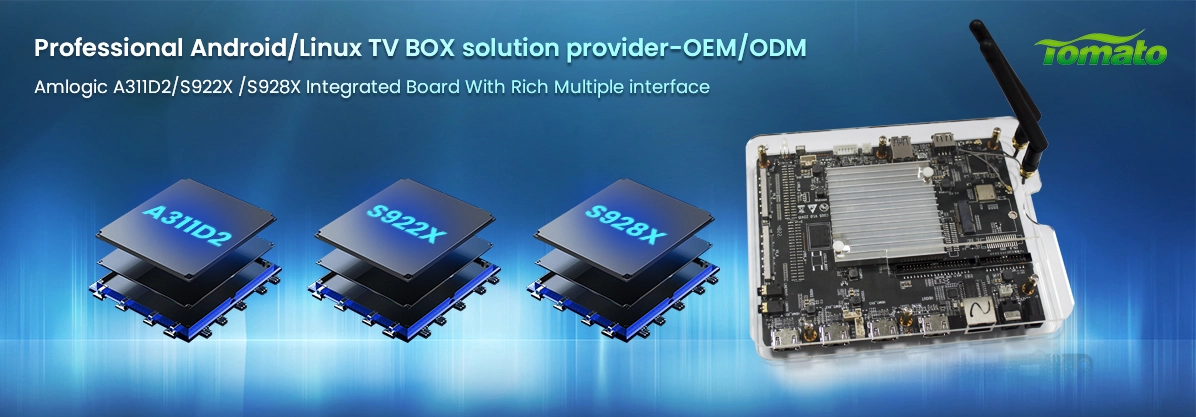
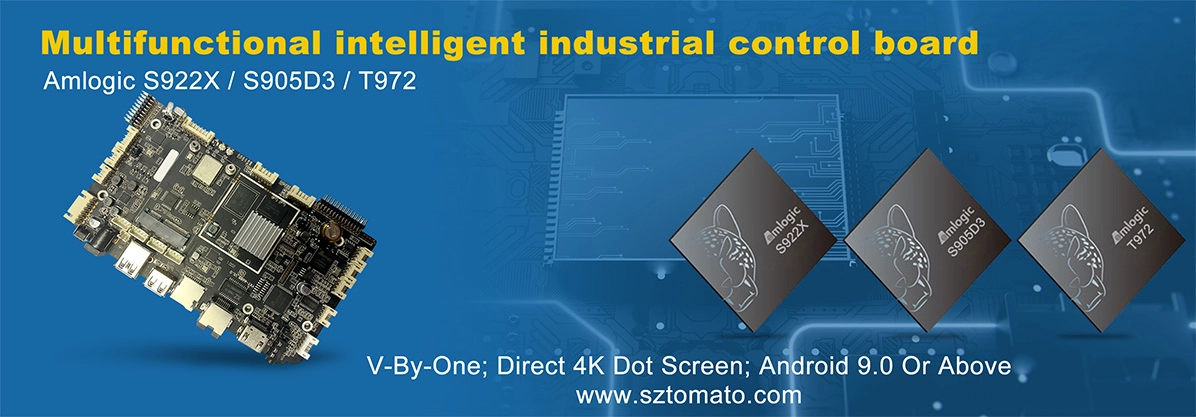
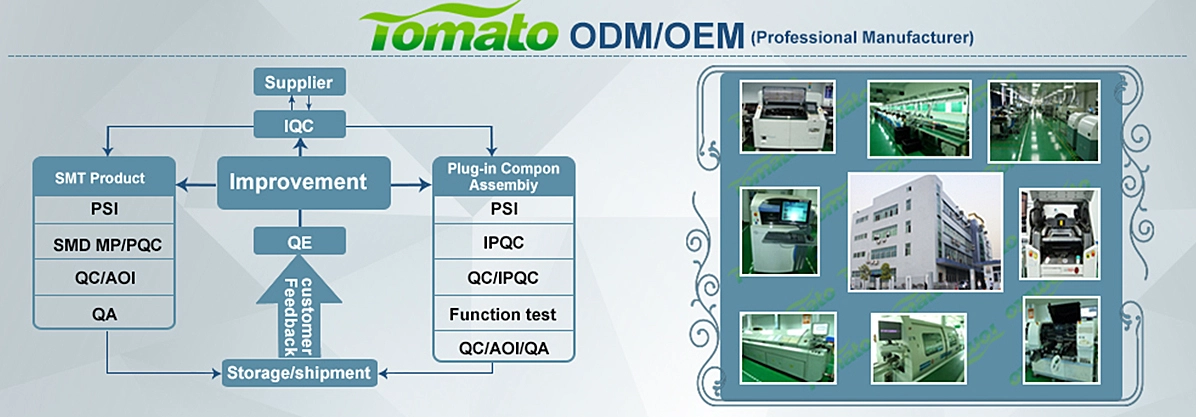
SZTomato supports this type of project through PCBA hardware modification, SDK/API integration, custom UI/UX firmware and specialized cooling solutions for industrial applications.
The software layer can also involve Android/Linux kernel optimization, hardware-driver integration and OTA update mechanisms.
For system integrators, this matters because the hardware should follow the project's software and operational requirements—not force the project to adapt to a fixed consumer device.
A Digital Signage Example Should Be Evaluated as a Complete System
Take the supermarket example again.
The visible screen is only one part of the deployment:
Display: provides the visual output.
Android Digital Signage player: decodes video, runs applications and communicates with the CMS.
CMS: manages content, playlists, schedules and device groups.
Network: transfers commands, media and telemetry.
Storage: caches content for reliable local playback.
Firmware: controls boot behavior, security, application startup and OTA updates.
Cooling system: maintains operating temperature during continuous workloads.
Remote management: allows operators to monitor and maintain the fleet.
This architecture explains why two displays with identical 4K resolution can have completely different project costs and operational results.
The display specification is only one part of the system.
For B2B buyers, the more useful question is therefore not simply:
“What is an example of Digital Signage?”
A better question is:
“What hardware and software architecture is required for the Digital Signage application we need to operate for the next three to five years?”
That question leads directly to the right SoC, RAM, storage, interfaces, firmware architecture, thermal design and management platform.
Choosing the Right Digital Signage Platform
For simple deployments, an integrated commercial display with built-in signage functionality can reduce hardware and installation complexity.
For projects requiring flexible display selection, custom applications, specialized interfaces, AI processing or long-term firmware control, an external Android-based Digital Signage player provides a more modular architecture.
For procurement managers and system integrators, the evaluation should cover the complete platform:
SoC capability → PCBA → memory/storage → video pipeline → operating system → firmware → CMS/API → thermal design → OTA management → long-term support
That approach prevents a common procurement mistake: selecting hardware based on screen resolution and RAM while overlooking the software and engineering requirements that determine whether a large signage fleet remains stable after deployment.
If your project requires a customized Digital Signage player rather than a generic Android TV Box, SZTomato can support the platform from hardware configuration and PCBA modification through firmware development, SDK/API integration, custom UI/UX, thermal engineering and production.
The objective is not simply to put content on a screen. It is to build a reliable, remotely manageable computing endpoint that can support the business workflow behind the screen.