
What is the Difference Between Android 12 and 14?
As the Android ecosystem continues to evolve, businesses involved in smart hardware manufacturing, integration, and distribution must stay updated with the latest Android operating system versions. With Android 14 now rolling out globally, many OEMs and B2B buyers are asking: What is the difference between Android 12 and 14?
Understanding these changes is crucial, especially for companies developing or sourcing Android-based devices such as TV boxes, set-top boxes, touch panels, and smart displays. This article breaks down the core differences between Android 12 and 14, highlighting the features, performance, and security upgrades that matter most in the B2B smart tech supply chain.
A Brief Overview of Android 12
Android 12, launched in 2021, was a major update that brought significant design changes and enhanced system controls. It introduced the Material You UI, improved privacy settings, and faster app responsiveness. It became a popular foundation for many embedded smart systems and TV boxes used in consumer and commercial environments.
Key Features of Android 12
-
Material You UI with customizable color palettes
-
Privacy Dashboard to manage app permissions
-
Faster performance and lower latency in UI rendering
-
Support for AVIF image format for better compression
-
Improved haptics and feedback for touch interfaces
While Android 12 was solid and stable, its primary focus was user interface personalization and privacy — something that appealed to smartphone users and consumer electronics.
What's New in Android 14?
Android 14, officially released in late 2023 and now increasingly used in smart devices in 2024 and 2025, focuses on system efficiency, accessibility, longer battery life, and broader device compatibility — especially for large displays and enterprise use cases.
Core Improvements in Android 14
-
Battery Efficiency Enhancements through restricted background activities
-
More Control Over App Permissions, including foreground/background media access
-
Larger Font Scaling (up to 200%) for accessibility compliance
-
Improved Support for Foldables and Large Displays
-
Enhanced System Health Reporting and Update Management
-
Support for Ultra HDR Images and lossless audio
For B2B applications, Android 14 offers a stronger foundation for building more secure, responsive, and energy-efficient smart devices.
Android 12 vs Android 14: A Comparative Breakdown
| Feature | Android 12 | Android 14 |
|---|---|---|
| UI Experience | Material You UI | Refined UI with larger font scaling |
| Privacy & Permissions | Basic Privacy Dashboard | Granular permission management |
| Battery Life & Power Use | Improved over Android 11 | Significantly optimized for longevity |
| Image & Audio Support | AVIF, standard audio | Ultra HDR, lossless audio, spatial audio |
| Large Screen Compatibility | Basic tablet and TV support | Full support for foldables, tablets, TVs |
| Background Task Management | Basic | Adaptive task restriction for efficiency |
| Update Support | Manual and standard OTA updates | Seamless updates with improved A/B slots |
Why This Matters for B2B Buyers and OEMs
If you're sourcing Android TV boxes, touch displays, or smart terminals from China, the Android version your hardware supports will directly affect long-term compatibility, security updates, and device performance.
Choosing Android 14 ensures:
-
Future-proofing your hardware with Google's latest compliance standards
-
Better integration with third-party enterprise apps and APIs
-
Compatibility with newer chipsets like Amlogic S905X4, RK3588, and Allwinner H618
-
Improved accessibility for global B2B markets, especially in education, healthcare, and hospitality
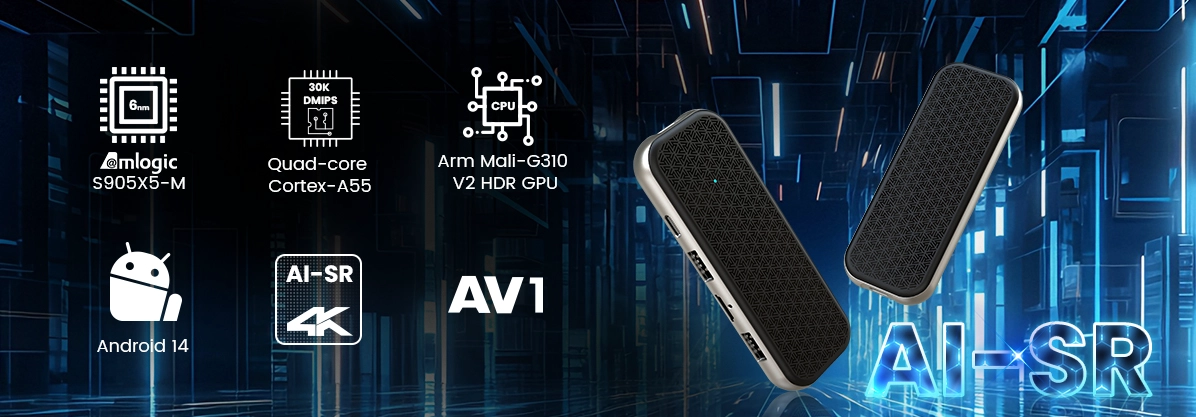
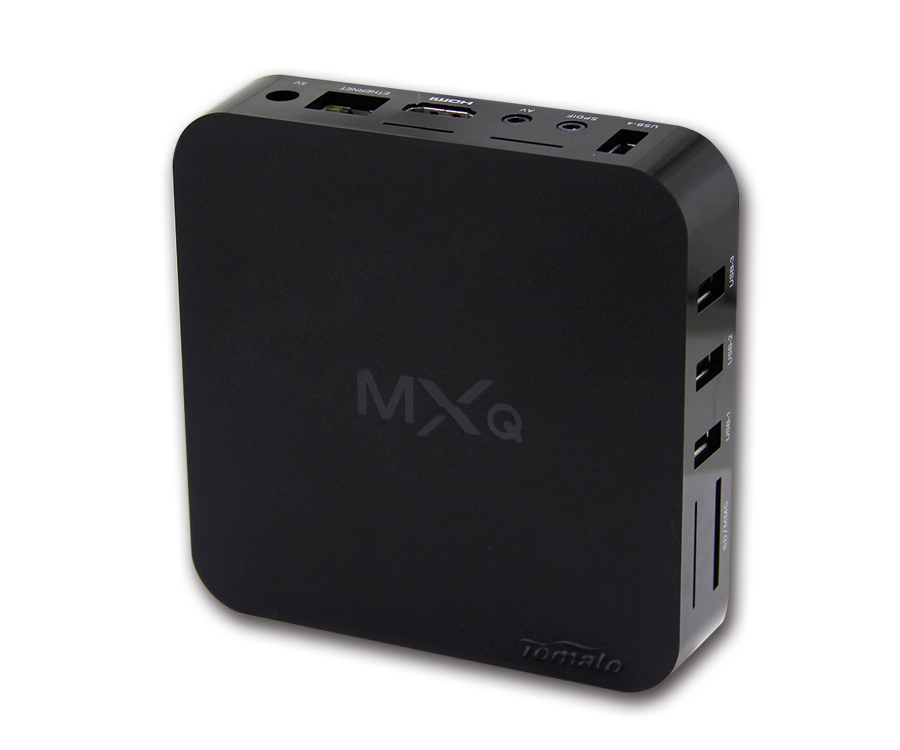
At SZ Tomato, we offer a full range of Android 14 TV boxes and embedded smart devices, optimized for business use and fully customizable for OEM branding.
Final Thoughts
The difference between Android 12 and 14 goes beyond surface-level UI changes. Android 14 delivers tangible improvements in energy management, security, system stability, and multimedia performance — all of which are key for professional-grade devices.
For any business looking to deploy Android-powered hardware in 2025, upgrading to Android 14 is not just an option — it's a smart investment in performance, security, and longevity.
