




What is the preferred Set-Top Box to TV connection?
In today's digital age, choosing the right Set-Top Box to TV connection is more important than ever. Whether you are a B2B reseller sourcing bulk units or a home user setting up a smart entertainment system, understanding how to properly connect your set-top box can make a significant difference in both picture and audio quality.
Why the Connection Method Matters
The way a set-top box connects to your TV directly affects:
-
Video and sound quality
-
Compatibility with modern or legacy TVs
-
User experience and ease of use
-
Equipment lifespan
B2B clients, especially those purchasing in volume for hospitality, healthcare, or educational industries, must choose connection types that ensure long-term reliability and minimal maintenance.
HDMI – The Gold Standard
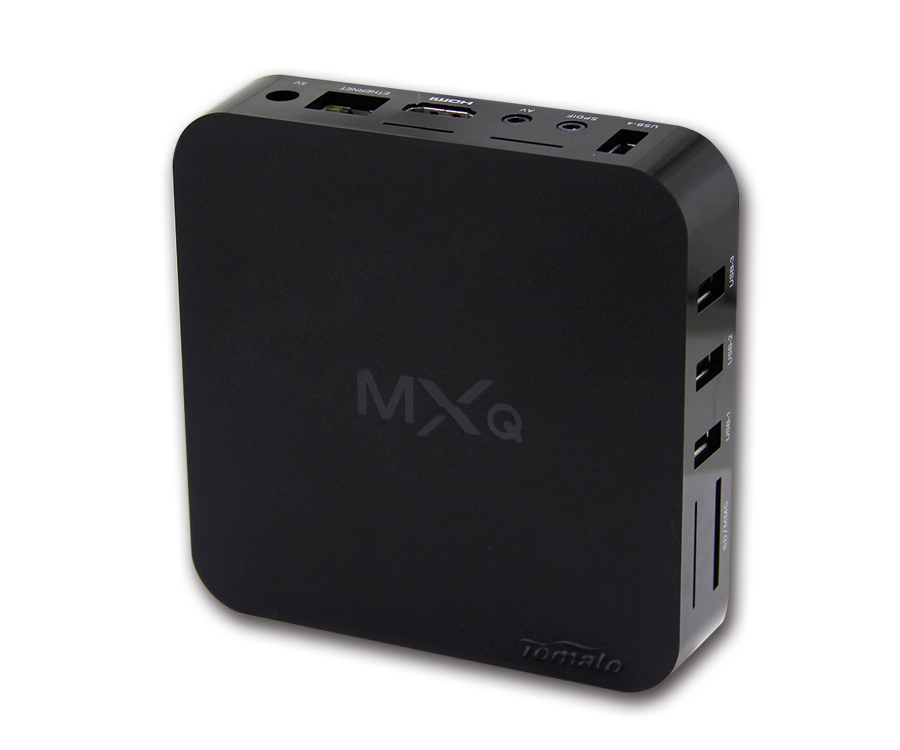
HDMI (High-Definition Multimedia Interface) is the most widely recommended method for Set-Top Box to TV connection today. It supports both high-definition video and digital audio with a single cable. This minimizes clutter while ensuring high performance.
Benefits of HDMI:
-
Supports up to 8K resolution
-
Transmits video and audio in one cable
-
Compatible with most modern TVs
-
Plug-and-play simplicity
When to Use HDMI:
Ideal for smart TVs, LED/LCD displays, projectors, and commercial installations requiring clean and professional setups.
AV (RCA) Cables – A Legacy Option
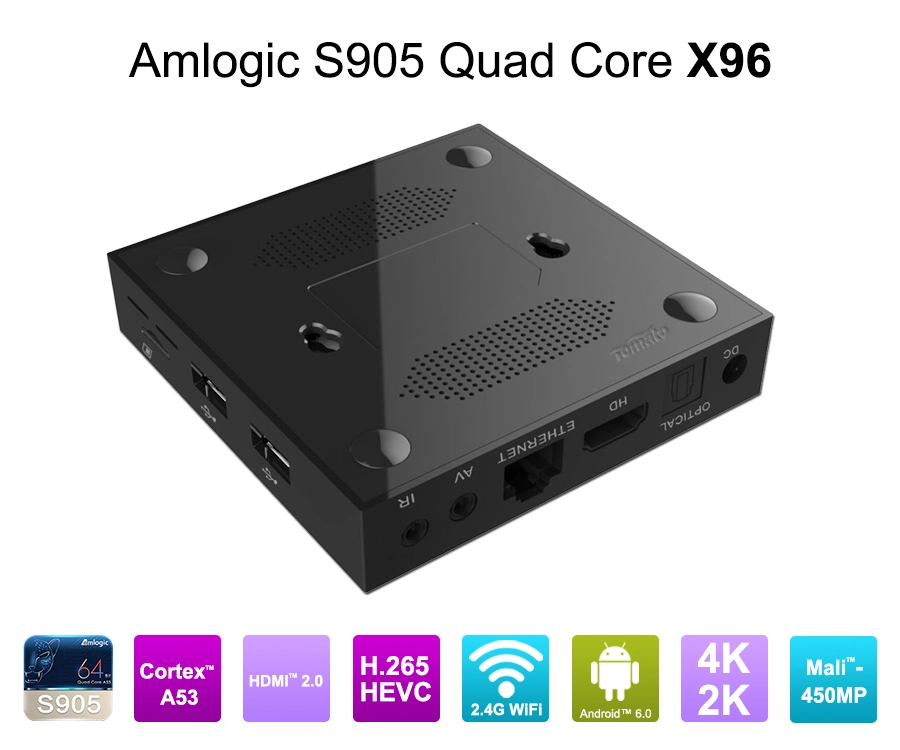
AV connections, often known as RCA or composite cables (red, white, and yellow), are common in older set-top boxes and CRT or legacy TVs. Though still used in some markets, they deliver standard-definition quality and are not ideal for HD viewing.
Advantages of AV Cables:
-
Compatible with older TV models
-
Affordable and widely available
-
Easy to install in analog environments
Limitations:
-
Poor image resolution
-
Separate cables for audio and video
-
Not suitable for modern content streaming or digital signage
Wireless Connection – The Modern Alternative
As streaming and IoT devices become more prevalent, some set-top boxes offer wireless connection via Wi-Fi or Bluetooth. This is especially useful for wall-mounted TVs or minimalist setups.
Wireless Connectivity Perks:
-
No physical cables required
-
Clean aesthetic for commercial spaces
-
Flexibility in device placement
However, wireless connections can be prone to interference, especially in environments with multiple devices competing for signal. For mission-critical applications (hotels, hospitals), a wired connection like HDMI remains superior.
How to Choose the Best Option
The preferred Set-Top Box to TV connection depends on your specific use case:
| Use Case | Recommended Connection |
|---|---|
| Modern Smart TVs | HDMI |
| Legacy Analog TVs | AV (RCA) |
| Wireless Home Streaming | Wireless (Wi-Fi) |
| B2B Installations (hotels, etc.) | HDMI |
| Budget-friendly deployments | AV (for cost savings) |
Tips for Optimal Setup
-
Check TV and Set-Top Box Ports: Ensure compatibility before choosing a connection method.
-
Use Quality Cables: Low-cost or damaged cables can affect signal quality.
-
Update Firmware: Ensure both your set-top box and smart TV have the latest software.
-
Secure the Connection: Avoid loose cables that may degrade over time.
Why Choose SZ Tomato for Set-Top Boxes?
At SZ Tomato, we offer a wide range of set-top boxes engineered for both performance and compatibility. Our products support HDMI, AV, and wireless connections—ensuring versatility across different user environments.
Whether you are a global distributor, system integrator, or tech retailer, our B2B solutions deliver:
-
High compatibility with TVs worldwide
-
Custom firmware options
-
Efficient, scalable logistics
-
CE, RoHS, FCC-certified units
Final Thoughts
Choosing the preferred Set-Top Box to TV connection isn't just a technical decision—it's a strategic one. For best results, HDMI remains the go-to choice for quality and reliability, while AV and wireless offer viable alternatives depending on your specific needs.
Partner with SZ Tomato to ensure your customers enjoy seamless connectivity and top-tier user experiences with every device.
