
What is the best way to Android Mini PC?
Android Mini PC: What Is the Best Way to Choose, Design and Deploy One?
The shift from conventional streaming boxes to compact edge-computing terminals is changing what buyers should expect from an Android Mini PC. New-generation SoCs are no longer selected only for CPU performance; multimedia engines, AI acceleration, I/O bandwidth, security architecture and long-term firmware support now determine whether a device can survive commercial deployment.
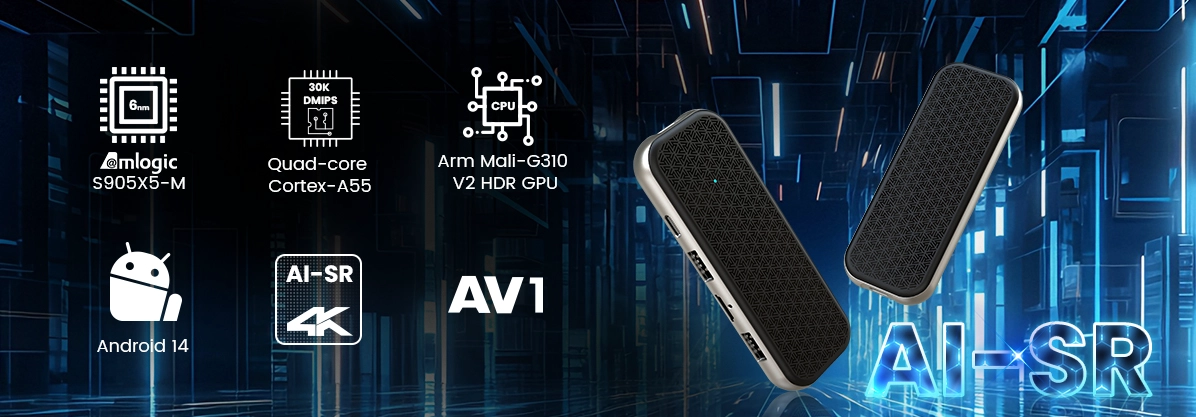
Amlogic’s current portfolio illustrates the direction of the market. The S905X5 is positioned as a 6nm flagship SoC for next-generation 4K UHD set-top boxes, while newer Amlogic platforms are expanding further into edge AI and intelligent vision applications.
For B2B buyers, therefore, the best Android Mini PC is not the model with the highest advertised RAM or CPU clock. It is the platform whose hardware, firmware, thermal design, interfaces and lifecycle management match the application.
What Is the Best Android Mini PC? Start With the Application, Not the Specification Sheet
The most common procurement mistake is to begin with memory and storage:
4GB RAM? 8GB? 128GB? Which CPU is faster?
That is backwards.
For a commercial Android Mini PC, the correct selection sequence is:
Application → workload → SoC → memory/storage → I/O → firmware → thermal design → lifecycle management.
An Android Mini PC used as a retail digital signage player has very different requirements from one used for hotel IPTV, industrial dashboards, video conferencing, edge AI or a multi-screen control terminal.
1. Match the SoC to the actual workload
For standard 4K multimedia workloads, an SoC with a dedicated video pipeline is usually more valuable than simply increasing CPU performance. Hardware decoding, HDR processing, display output, memory bandwidth and codec support need to be evaluated as a complete subsystem.
Amlogic currently positions the S905X5 as a 6nm platform for next-generation 4K UHD set-top boxes, while its broader product portfolio spans multimedia, digital signage and AI-oriented SoCs.
For B2B applications, the question should therefore be:
Can the SoC sustain the required workload under continuous operating conditions?
That means validating:
-
4K video decode and display output
-
H.265/HEVC and AV1 requirements where applicable
-
HDR pipeline behavior
-
GUI rendering performance
-
GPU acceleration
-
NPU capability for AI workloads
-
hardware interfaces required by the project
-
sustained performance under thermal load
AV1 adoption is also changing design requirements. A product that only passes a basic media playback demonstration may still fail when multiple video streams, browser rendering, digital signage content or GPU-accelerated UI are running simultaneously.
The correct approach is to test the complete use case rather than relying on a codec checkbox in a datasheet.
2. Choose RAM and storage according to software architecture
For Android Mini PC projects, memory requirements are often driven more by the firmware stack than by the CPU.
A lightweight AOSP device running one application can operate efficiently with a different memory profile from a device running:
-
Chromium-based web applications
-
IPTV middleware
-
digital signage CMS
-
remote management agents
-
DRM services
-
background monitoring software
-
AI inference
-
custom UI frameworks
Storage should be evaluated the same way.
A 32GB configuration may be sufficient for a controlled embedded terminal, while a commercial platform may require substantially more capacity for applications, logs, media assets, OTA packages and system recovery partitions.
The mistake is to purchase excess storage without defining its purpose. The better strategy is to establish a software bill of materials and lifecycle plan first, then define the memory and flash configuration.
The Best Android Mini PC Is Engineered as a System, Not Assembled From Off-the-Shelf Parts
A Mini PC that looks excellent on a product page can become a serious engineering problem after deployment.
The failure points are often beneath the enclosure:
PCBA layout, power delivery, signal integrity, thermal transfer, antenna placement and firmware integration.
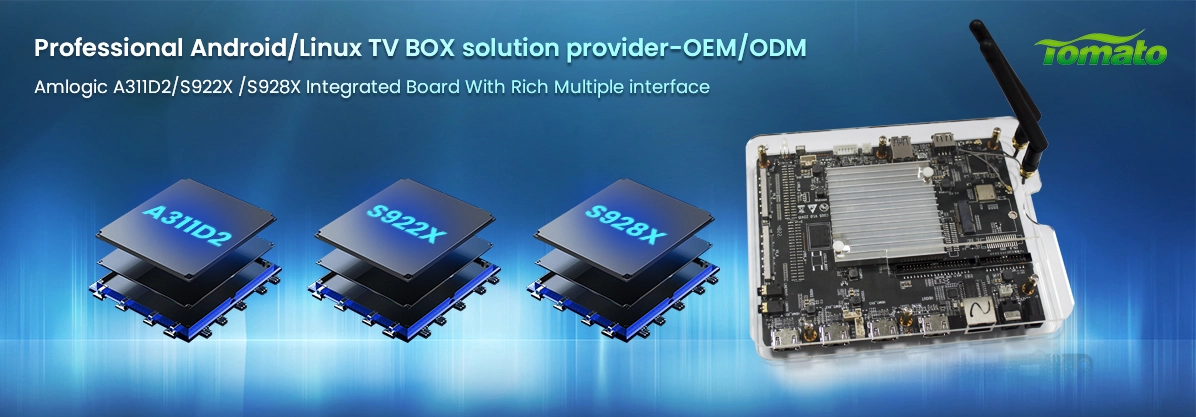
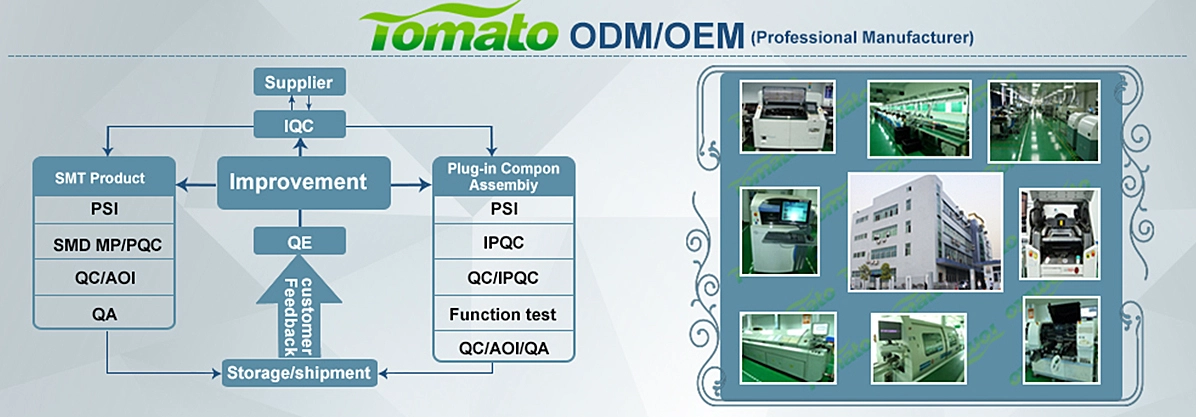
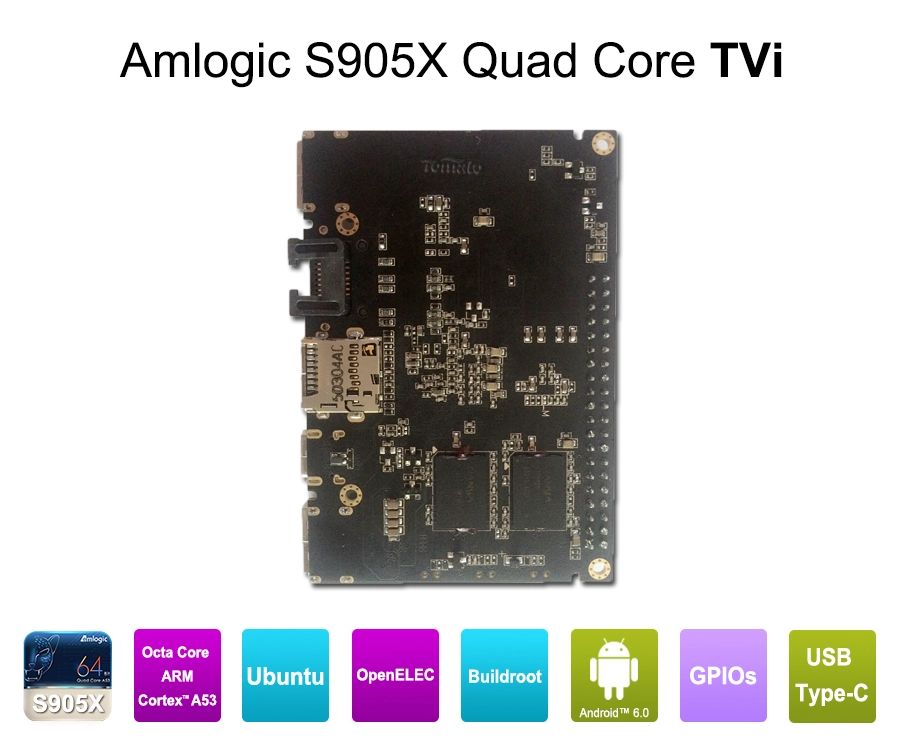
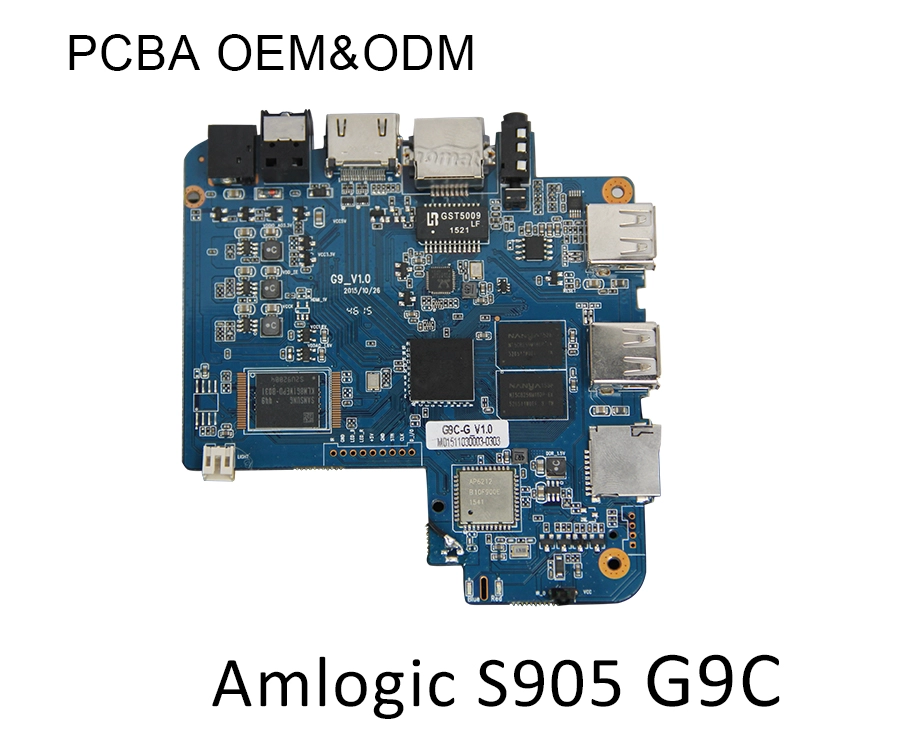
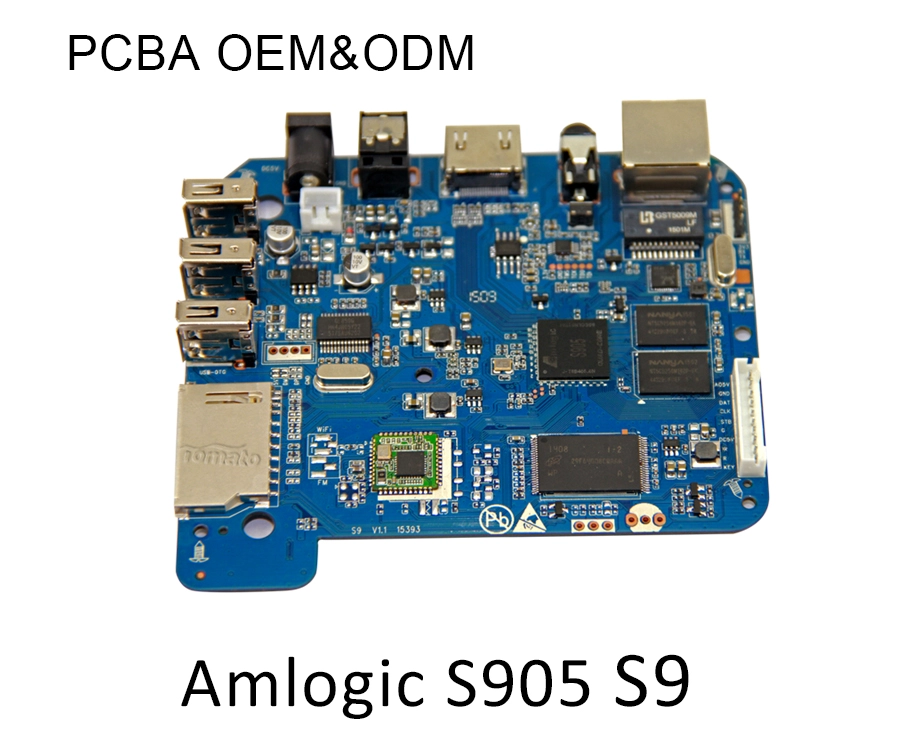
This is where OEM/ODM engineering becomes more important than a generic catalog model.
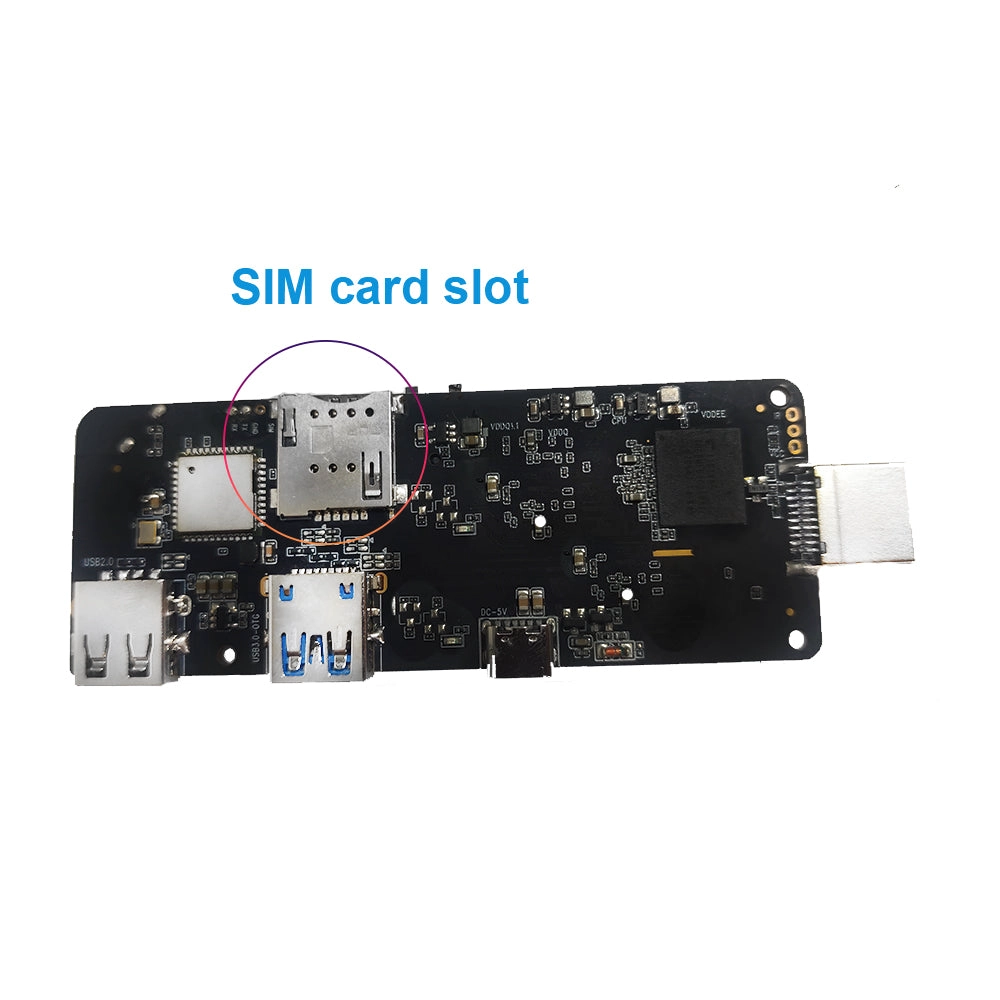
PCBA customization matters
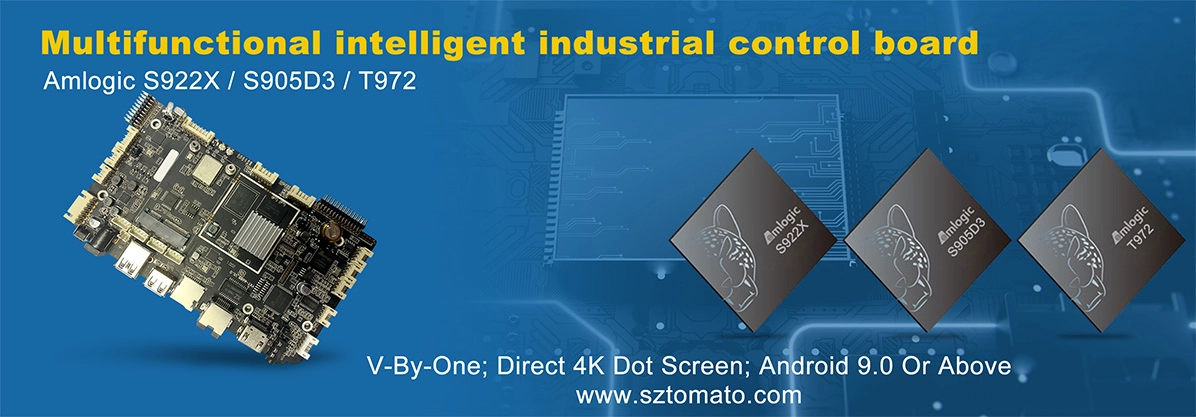
Commercial deployments frequently require I/O combinations that standard Android boxes do not provide.
A project may need:
-
multiple HDMI outputs
-
USB expansion
-
RS-232 or RS-485
-
GPIO
-
Ethernet with specific PHY requirements
-
M.2 or other expansion interfaces
-
audio input/output
-
industrial connectors
-
additional storage interfaces
-
custom power input
The correct solution is often a customized PCBA rather than adding external adapters.
PCBA modification also allows engineers to optimize:
-
power rail distribution
-
high-speed signal routing
-
EMI performance
-
memory layout
-
storage topology
-
connector placement
-
thermal interfaces
-
antenna isolation
For a large-volume B2B project, removing one external dongle or adapter from the BOM can improve both reliability and installation cost.
Thermal design is not optional
The phrase “fanless Android Mini PC” is attractive to buyers because it suggests silence and low maintenance. It does not automatically mean the device is suitable for continuous industrial operation.
Thermal engineering should consider:
SoC power consumption + enclosure volume + ambient temperature + workload duration + airflow conditions.
Under sustained video decoding, GPU rendering or AI inference, a small enclosure can accumulate heat rapidly.
A properly engineered solution may require:
-
enlarged heatsinks
-
thermal pads
-
copper thermal spreading
-
optimized airflow paths
-
metal enclosure structures
-
custom fan solutions
-
thermal throttling policies
-
workload-aware performance profiles
SZTomato can customize specialized cooling solutions for industrial and commercial installations instead of treating the standard consumer enclosure as the final mechanical design.
For equipment installed behind displays, inside cabinets or in confined industrial spaces, this is often more important than a nominal CPU benchmark.
Firmware Is the Real Differentiator in a Commercial Android Mini PC
A commercial buyer does not simply purchase hardware.
The buyer is effectively purchasing a device platform.
That platform includes the boot process, kernel, drivers, framework, system UI, application layer, update mechanism and remote management architecture.
This is why firmware engineering can have more commercial value than a small difference in CPU performance.
AOSP and Android kernel optimization
A B2B Android Mini PC may need substantial modification at several layers:
Bootloader → Linux kernel → HAL → Android framework → system services → launcher → application layer
Typical projects may require:
-
Linux/Android kernel optimization
-
custom device trees
-
display timing adjustments
-
USB and Ethernet driver integration
-
GPIO control
-
hardware watchdog
-
suspend/resume tuning
-
boot-time optimization
-
memory management tuning
-
power consumption optimization
-
custom system services
AOSP gives manufacturers a foundation, but the production device still requires engineering work around the board configuration, peripherals and customer software stack.
For example, a digital signage system may need a locked-down launcher, automatic application startup, watchdog recovery and remote maintenance functions that are irrelevant to a consumer Android TV box.
Custom UI/UX firmware creates a different product
A generic Android launcher makes one device look much like another.
For an OEM brand or project operator, that is often a commercial weakness.
Custom UI/UX firmware can control:
-
boot animation
-
launcher design
-
system menus
-
branding
-
navigation logic
-
restricted settings
-
application permissions
-
kiosk workflows
-
customer-specific integrations
SZTomato can customize the UI/UX layer and integrate customer applications, APIs and middleware directly into the firmware image.
That allows an Android Mini PC to behave like a purpose-built terminal rather than a repackaged retail device.
SDK and API integration should be defined before mass production
Another major issue appears after the hardware has been approved.
The customer discovers that the device must communicate with a CMS, IPTV middleware, cloud platform, POS system, device-management platform or AI service.
At that point, a generic firmware image becomes a bottleneck.
A better design integrates these interfaces at the platform level.
SZTomato supports SDK/API integration so the Android Mini PC can be adapted to customer software architecture rather than forcing the customer to redesign its software around an off-the-shelf box.
OTA, Security and Remote Management Determine Whether the Device Scales
A deployment of 100 devices is mostly an installation project.
A deployment of 10,000 devices is a lifecycle-management project.
That distinction changes the architecture.
OTA should be designed as part of the product
Android supports modern A/B and Virtual A/B OTA mechanisms designed to reduce update risk by maintaining a working system path during updates. AOSP documents rollback behavior, update verification and background update workflows as part of this architecture.
For commercial Android Mini PCs, the OTA architecture should support:
-
full firmware updates
-
incremental updates
-
version control
-
rollback
-
device authentication
-
update scheduling
-
failure reporting
-
region or customer segmentation
-
staged deployment
The objective is not simply to “support OTA.”
The objective is to make a firmware update safe enough that the customer can update thousands of deployed units without physically touching them.
AOSP also provides tooling for building full and incremental OTA packages, allowing manufacturers to establish controlled firmware-release processes.
Device management is part of the product definition
Android enterprise management capabilities can support unattended devices such as kiosks and digital signage endpoints. Android’s device-management architecture allows managed devices to be monitored remotely, including deployments where devices operate without direct user supervision.
For an Android Mini PC used in commercial environments, practical management functions can include:
-
remote reboot
-
application monitoring
-
configuration control
-
firmware updates
-
device health reporting
-
kiosk mode
-
application whitelisting
-
log collection
-
device identification
-
scheduled maintenance
This becomes critical in retail networks, hotel installations, transportation systems and geographically distributed signage deployments.
Security must be verified at the platform level
Security claims should never be reduced to “Android secure boot supported.”
A commercial procurement review should examine:
-
secure boot chain
-
verified boot
-
firmware signing
-
partition protection
-
encrypted communications
-
application permissions
-
debug interface control
-
factory-reset behavior
-
OTA authentication
-
certificate management
-
DRM requirements where applicable
HDMI and content protection should also be treated as compliance and implementation issues rather than marketing labels. HDMI Licensing Administrator states that the finished end-user product itself must satisfy the relevant licensing and compliance requirements; using licensed components alone does not automatically make the finished product a licensed HDMI product.
That distinction matters for Android Mini PCs used with protected commercial video services.
Android Mini PC Market Trend: From Streaming Device to Edge Computing Terminal
The strongest commercial opportunity is no longer limited to replacing desktop PCs.
The architecture is moving toward compact edge endpoints.
The same Android Mini PC can become:
Streaming terminal + digital signage player + kiosk + IoT gateway + AI endpoint
That transition is reflected in SoC development.
Amlogic’s current product portfolio includes platforms positioned for multimedia, digital signage and edge-AI applications, while the company has continued to introduce new AI-oriented SoCs in 2026.
This has an important procurement implication:
Do not buy only for today's application
A buyer planning a three-to-five-year product lifecycle should evaluate whether the platform can support the next software generation.
Examples include:
-
adding AI inference later
-
upgrading the CMS
-
moving from static signage to interactive content
-
adding local analytics
-
deploying browser-based applications
-
supporting new video codecs
-
integrating new peripherals
-
moving from single-screen to multi-display workflows
A slightly more capable hardware platform can therefore have a lower total cost of ownership than the cheapest initial configuration.
How B2B Buyers Should Evaluate an Android Mini PC
A practical evaluation framework should include five layers.
Hardware
Check the actual SoC, CPU/GPU/NPU architecture, memory technology, flash type, display output, networking, USB, serial interfaces, expansion interfaces and power architecture.
Thermal
Test sustained workloads rather than short benchmark bursts.
Run:
-
continuous 4K playback
-
GPU-heavy UI
-
browser workloads
-
CPU stress
-
AI inference where applicable
-
simultaneous network traffic
Monitor thermal behavior and performance stability.
Firmware
Confirm whether the vendor can modify:
-
boot animation
-
launcher
-
system applications
-
Android framework
-
kernel
-
drivers
-
OTA mechanism
-
device policies
-
customer APIs
A vendor that cannot modify firmware at source level may become a constraint later.
Manufacturing
Evaluate:
-
PCBA customization capability
-
tooling
-
enclosure modification
-
component lifecycle
-
test fixtures
-
burn-in testing
-
aging tests
-
production traceability
-
firmware programming
-
quality-control procedures
Lifecycle
Ask what happens after shipment.
A serious supplier should be able to explain:
Who owns the firmware source integration?
How are OTA packages released?
How are vulnerabilities patched?
How are hardware revisions managed?
How are customer-specific SKUs maintained?
These questions separate an engineering supplier from a trading company.
Why SZTomato Is a Better Fit for Customized Android Mini PC Projects
For standard retail purchases, a catalog device may be enough.
For OEM/ODM projects, the requirement is different.
SZTomato approaches the Android Mini PC as an integrated hardware-and-firmware platform, with customization spanning PCBA hardware modification, Android/AOSP firmware engineering, SDK/API integration, custom UI/UX, OTA systems and specialized thermal solutions.
That matters when a project requires:
-
a customized board design
-
additional industrial interfaces
-
customer-owned branding
-
custom launcher or kiosk software
-
integration with proprietary middleware
-
remote device management
-
customized OTA
-
Linux/Android kernel optimization
-
long-term firmware maintenance
-
industrial-grade thermal design
The key question for procurement teams is therefore not:
“What Android Mini PC has the best specification?”
It is:
“What Android Mini PC platform can be engineered around our application and maintained at production scale?”
That is the decision that determines development risk, field failure rate and total ownership cost.
Conclusion: The Best Android Mini PC Is the One Built Around the Business Case
There is no universally best Android Mini PC.
There is a best platform for a specific workload, deployment scale and software architecture.
For consumer streaming, the priorities may be multimedia efficiency and cost. For digital signage, stability, remote management and thermal performance become more important. For IPTV, DRM, networking, middleware compatibility and OTA management can outweigh raw benchmark scores. For industrial applications, I/O, cooling, enclosure design and firmware control may be decisive.
The strongest B2B strategy is to define the workload first, select the SoC second, and engineer the hardware and firmware around the deployment.
For procurement managers and system integrators building an Android Mini PC into a commercial product, kiosk, IPTV platform, digital signage system or edge-computing solution, SZTomato provides the more scalable path: custom hardware, firmware-level engineering and OEM/ODM integration rather than a generic off-the-shelf box.
The result is not simply an Android Mini PC with a different logo. It is a production-ready platform designed around the customer's technical and commercial requirements.
