

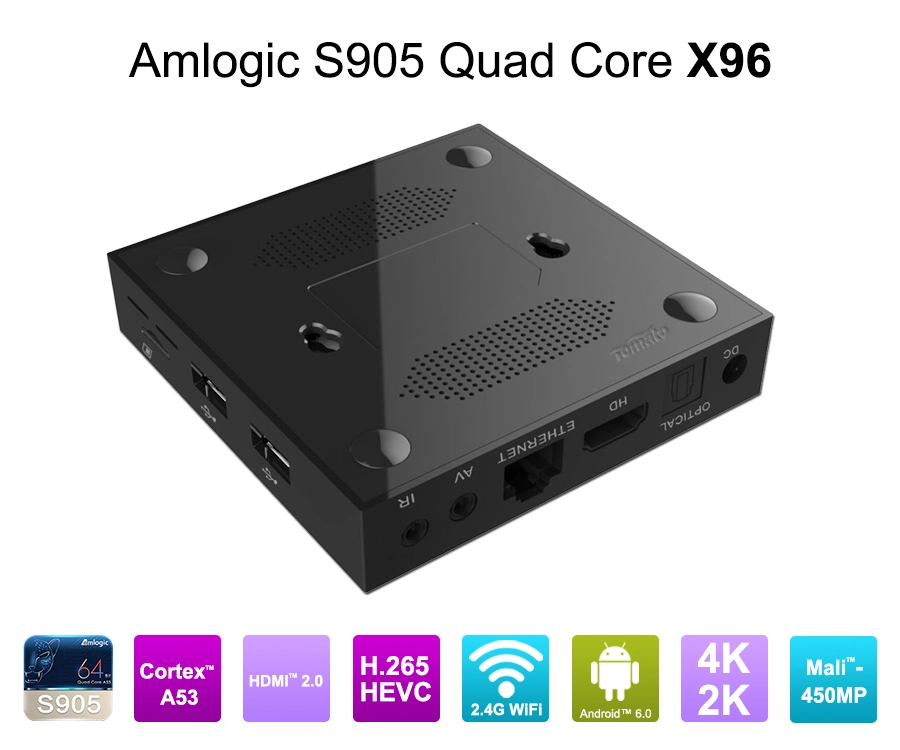
What is the best way to display digital signage?
What is the Best Way to Display Digital Signage? An Engineering Perspective
The shift toward the AV1 codec and 8K resolution has rendered standard retail media players obsolete for professional deployments. When you display digital signage in high-traffic commercial environments—such as airport wayfinding or synchronized QSR menu boards—the primary failure point is not the software, but the hardware’s inability to manage sustained thermal loads and I/O throughput. For B2B procurement managers, the "best" way to display content is through hardware engineered specifically for 24/7 uptime, featuring hardened kernels and modified PCBA architectures that eliminate the common pitfalls of consumer-grade electronics.
Industrial-Grade PCBA Layout and Thermal Mitigation
Retail-grade boxes are designed for intermittent use. Under the continuous load of high-bitrate video rendering, the SoC junction temperature quickly reaches its limit, triggering CPU throttling that manifests as dropped frames or system freezes.
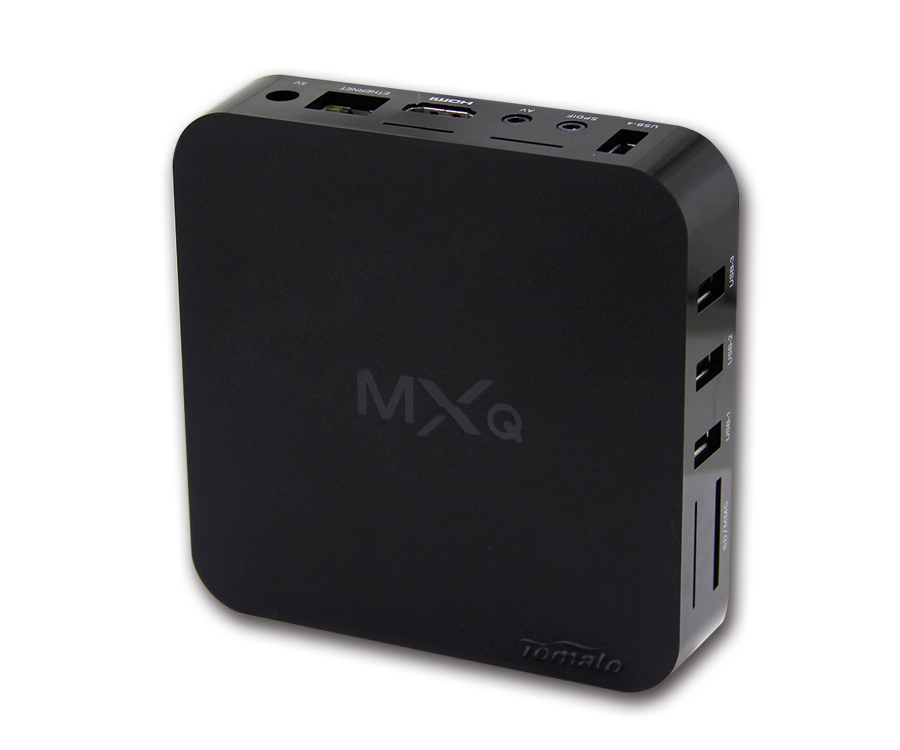
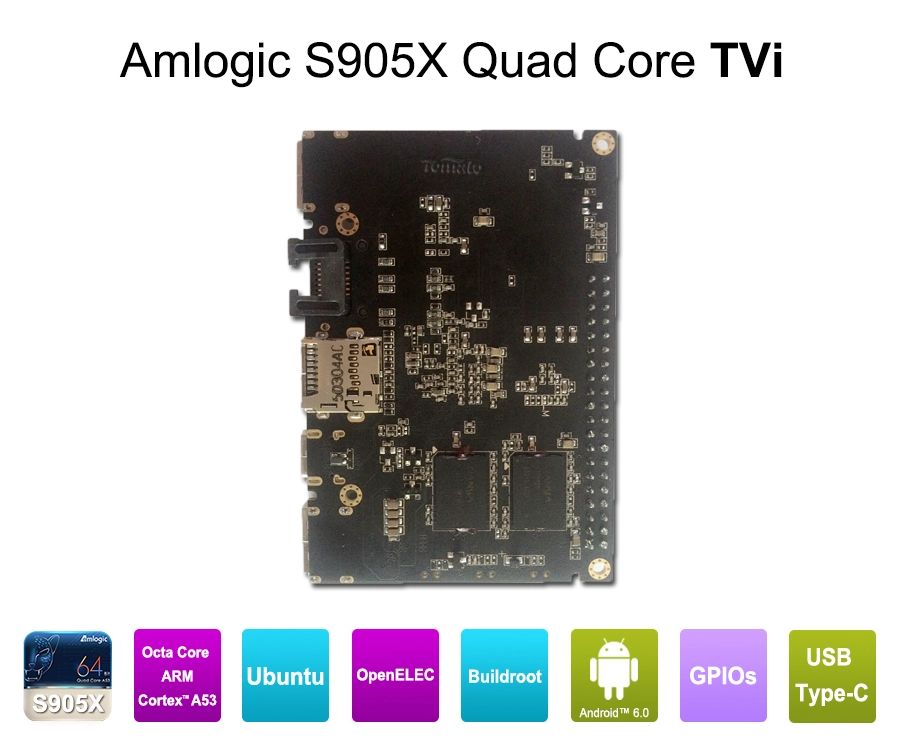
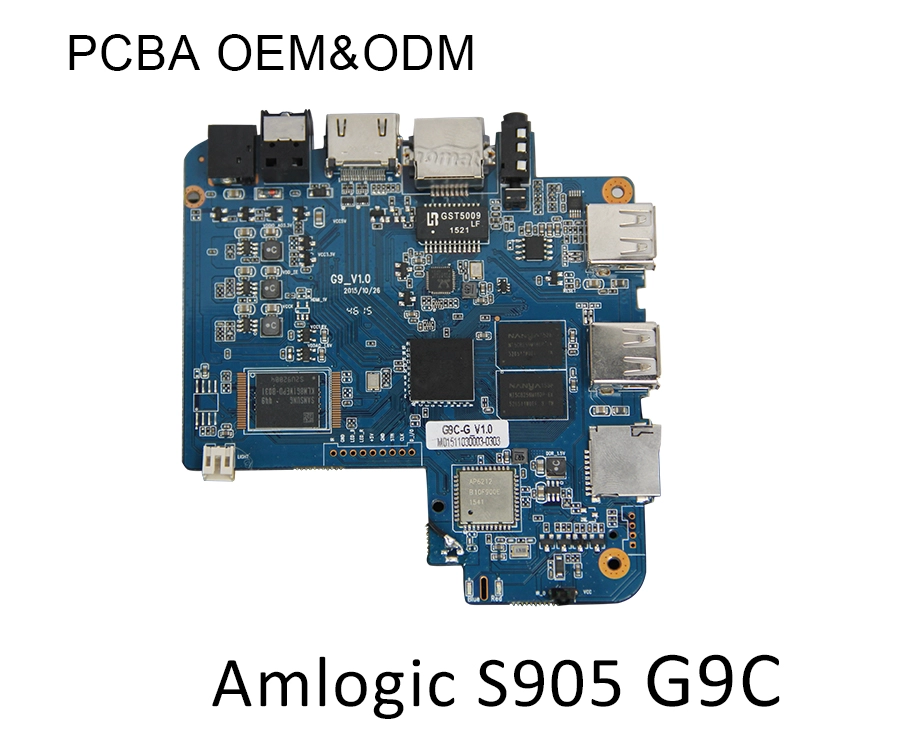
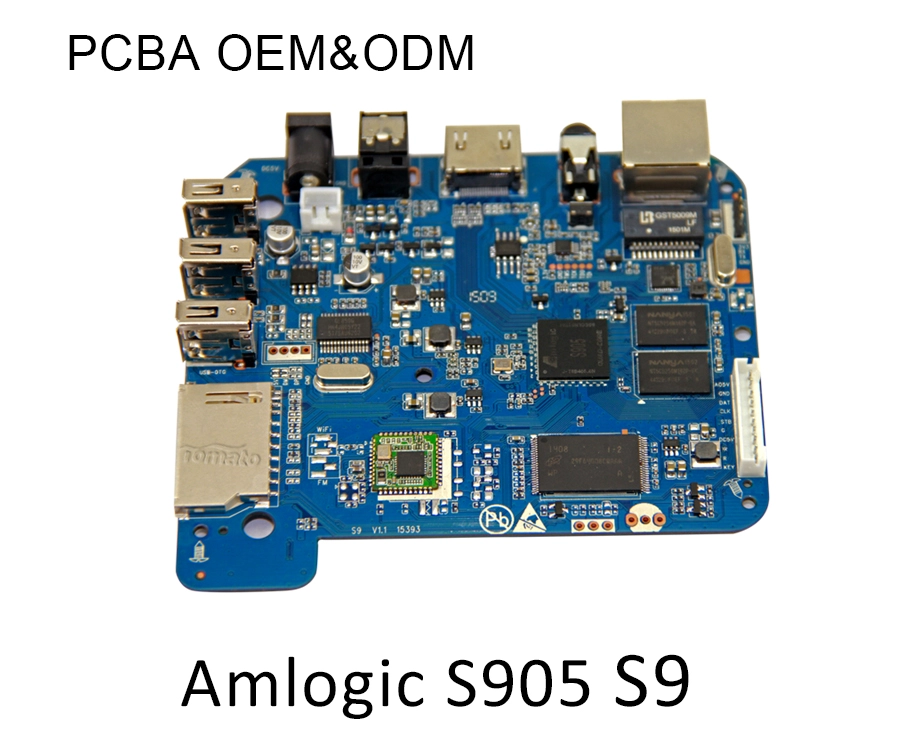
The superior method for digital signage deployment involves custom PCBA hardware modification. At SZTomato, we re-engineer the board layout to separate high-frequency components from power regulation circuits, reducing electromagnetic interference (EMI) and improving heat dissipation. We replace standard passive cooling with specialized cooling solutions for industrial use, incorporating CNC-machined aluminum heat sinks and high-coefficient thermal pads. This ensures that even in non-ventilated enclosures, the hardware maintains a stable operating temperature, preserving the lifespan of the eMMC storage and DDR4/DDR5 memory modules.
Deep Kernel Optimization for System Stability
A standard Android or Linux build is saturated with background processes, telemetry services, and auto-update triggers that can interrupt content playback or compromise network security. To reliably display digital signage, the operating system must be stripped of all non-essential functions.
We specialize in deep Linux and Android kernel optimization to create a "locked-down" environment. By modifying the bootloader and system root, we enable "True Kiosk Mode," where the device boots directly into the signage application at the hardware level, bypassing the standard OS launcher. Furthermore, we hardcode HDCP encryption and Widevine L1 certificates into the Trusted Execution Environment (TEE). This ensures that premium content is protected while preventing unauthorized APK installations that could serve as entry points for network intrusions.
Scaling via SDK Integration and Secure FOTA Infrastructure
The most significant operational cost in digital signage is not the initial purchase, but the "truck roll"—sending a technician to manually reset or update a frozen player. The best deployment strategy incorporates a robust, centralized management layer.
Through comprehensive SDK/API integration, we allow system integrators to bind their CMS (Content Management System) directly to the hardware’s GPIO and CEC ports. This enables remote power management and screen status monitoring. Crucially, we deploy a proprietary FOTA (Firmware-Over-The-Air) update system. This allows for silent, encrypted firmware patches to be pushed across a global fleet of thousands of units simultaneously. Whether it is a kernel-level security patch or a custom UI/UX firmware update, the process is executed without on-site intervention, ensuring your signage network remains synchronized and secure.
Technical Procurement for the 2026 Landscape
Effective digital signage requires moving away from the "disposable hardware" mindset. The best way to display digital signage is to invest in an OEM/ODM partnership that prioritizes firmware-level engineering and industrial build quality. By focusing on PCBA signal integrity, kernel-level stability, and remote scalability, B2B decision-makers can ensure a lower Total Cost of Ownership (TCO) and superior network uptime. Contact SZTomato to discuss architecting a custom hardware solution tailored to your specific signage environment.
