
What is the difference between a Google TV Box and a Smart TV Box?
Smart TV Box vs. Google TV Box: Technical Differences B2B Buyers Need to Know
The distinction between a Google TV Box and a Smart TV Box is no longer determined by video resolution or processor speed alone. The critical difference is the software platform, certification model, application ecosystem, and level of firmware control behind the device.
For distributors, IPTV operators, hospitality integrators, and OEM brand owners, choosing the wrong platform can create problems with DRM compatibility, OTA maintenance, application certification, UI customization, and long-term product lifecycle management. A Smart TV Box can be based on AOSP, Android TV, Linux, or another embedded platform, while a Google TV Box generally refers to hardware running the Google TV experience within Google's certified ecosystem.
What Is a Smart TV Box?
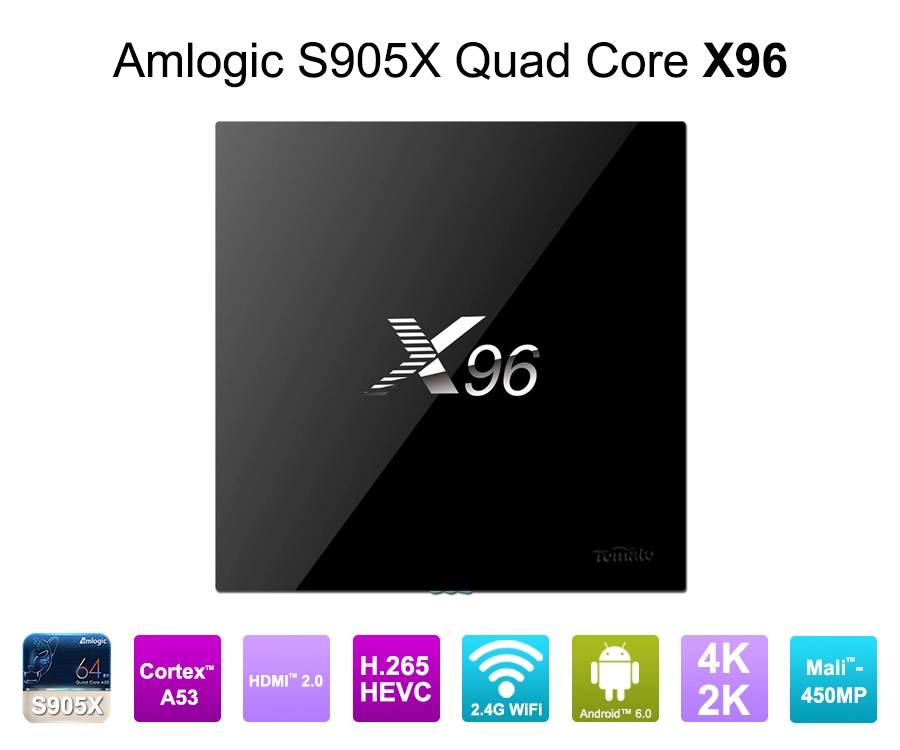
A Smart TV Box is a network-connected media device that adds smart functionality to a television or commercial display.
The term is broad. A Smart TV Box may use:
-
Android AOSP
-
Android TV
-
Google TV
-
Linux
-
Ubuntu
-
Debian
-
Customized embedded Linux
-
Operator-specific middleware
-
Proprietary OTT/IPTV platforms
This distinction matters because "Smart TV Box" describes a product category, while Google TV describes a much more specific software experience and ecosystem.
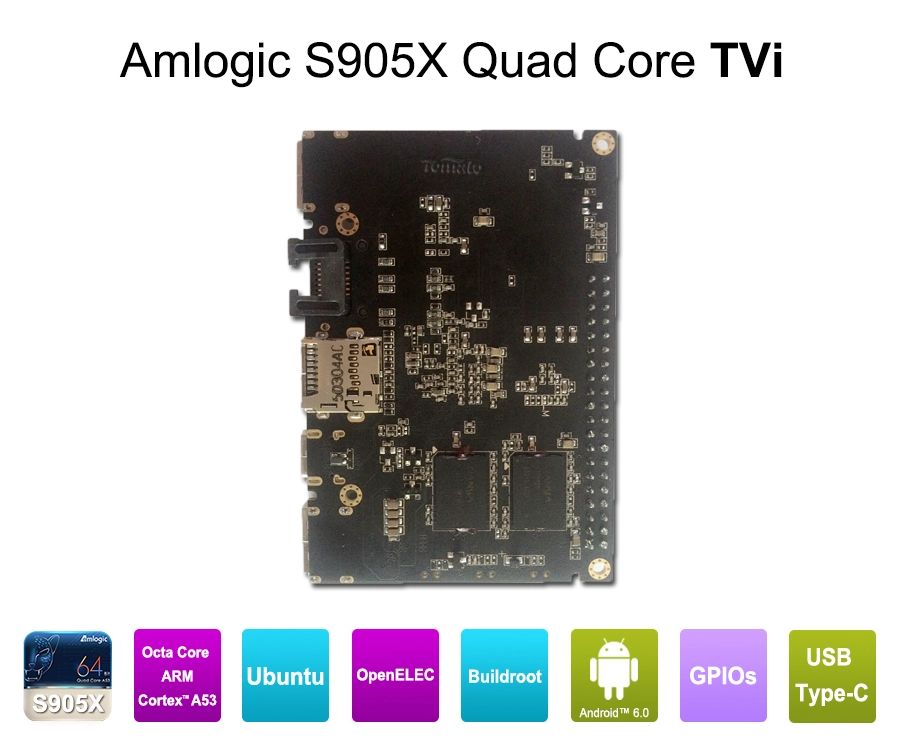
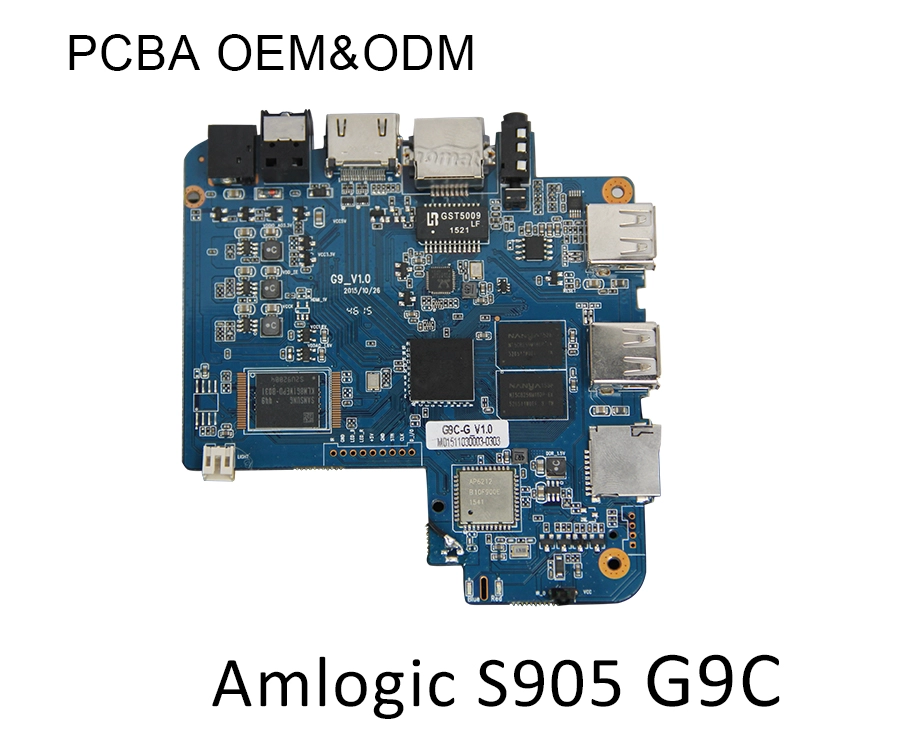
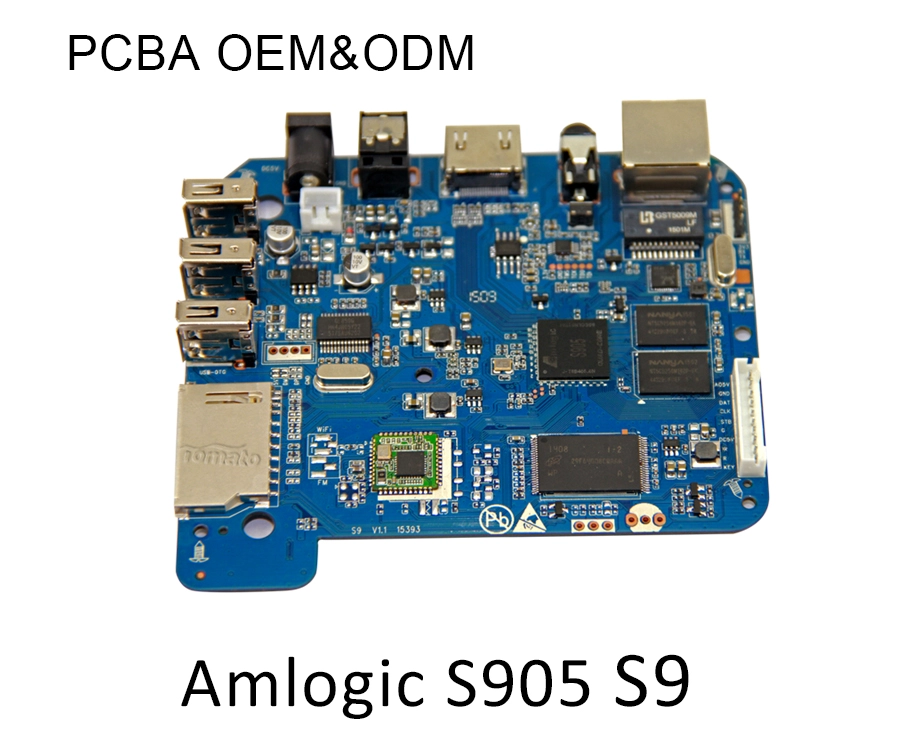
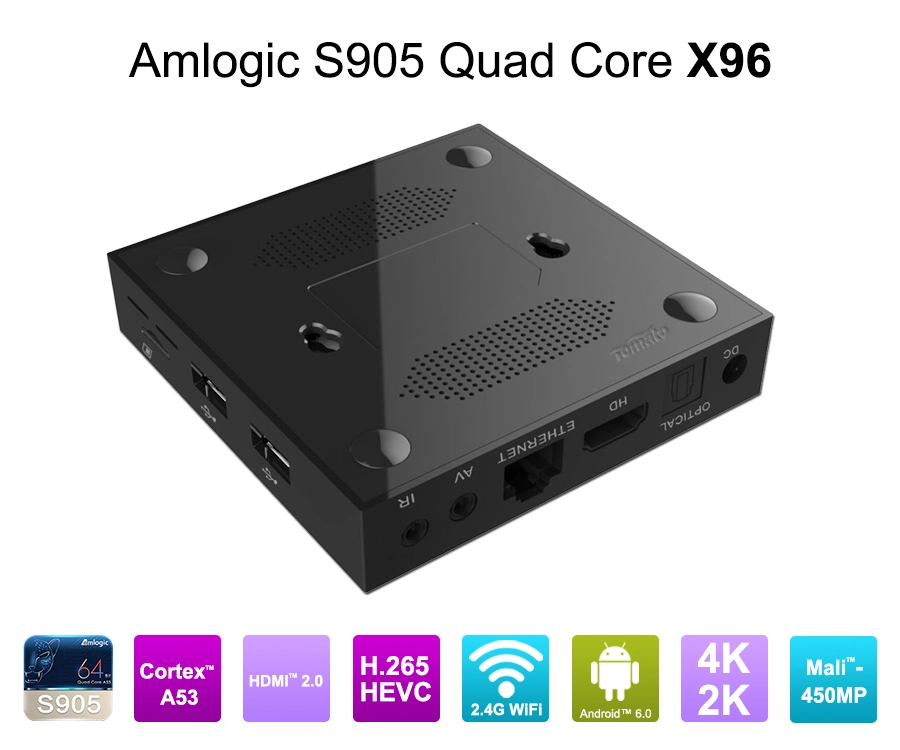
From a hardware perspective, a Smart TV Box can be built around SoCs from Amlogic, Rockchip, Allwinner and other embedded processor vendors. Depending on the target application, the PCBA may include:
-
Quad-core or octa-core ARM CPU
-
Integrated GPU
-
Dedicated NPU for edge AI
-
2GB–16GB RAM
-
eMMC or UFS storage
-
Gigabit Ethernet
-
Wi-Fi 5/6/6E
-
Bluetooth
-
HDMI 2.0/2.1
-
USB 2.0/3.0
-
AV1/H.265/VP9 decoding
-
Hardware video encoding
-
GPIO, RS-232, RS-485 or other industrial interfaces
For a consumer product, the primary concern may be Netflix, YouTube, Disney+, or other OTT applications. For B2B deployments, the requirements are often very different.
A hotel operator may require centralized device management. An IPTV provider may need middleware integration. A digital signage integrator may need kiosk mode, scheduled playback, remote monitoring, and automatic application updates.
That is where a customizable Smart TV Box becomes strategically different from a standard retail device.
Google TV Box vs. Smart TV Box: The Core Technical Differences
The most important mistake in procurement is assuming that Google TV is simply "newer Android."
It is more accurate to view the relationship this way:
Google TV is a specific Google TV user experience and ecosystem built on Android TV, while Smart TV Box is a broader hardware/product category.
1. Operating System and User Experience
A conventional Smart TV Box can run a manufacturer-customized AOSP build.
The manufacturer controls much of the software stack, including:
-
Launcher
-
System UI
-
Boot animation
-
Preinstalled applications
-
Device settings
-
OTA mechanism
-
Kiosk restrictions
-
Device management
-
Middleware integration
A Google TV device follows Google's certified software requirements and user-experience framework.
This creates a major trade-off.
Google TV provides ecosystem consistency and consumer familiarity.
A customizable Smart TV Box provides greater control over the product experience.
For a B2B customer developing a branded IPTV solution, hotel TV platform, or commercial display product, the second option can be more valuable.
2. Google Services and Application Ecosystem
Google TV devices generally target compatibility with Google's TV ecosystem and certified applications.
This can simplify access to applications and consumer services, but certification requirements also place constraints on the device architecture and software stack.
An AOSP-based Smart TV Box gives an OEM greater freedom to integrate:
-
Proprietary OTT applications
-
IPTV middleware
-
Custom launchers
-
Digital signage platforms
-
Remote device-management software
-
Enterprise applications
-
Private app stores
-
Operator-specific services
The important procurement question is therefore not:
"Does the box support Android?"
It is:
"Which Android build, certification level, API framework, DRM architecture, and application environment does the project actually require?"
That question eliminates many unsuitable suppliers before samples are even evaluated.
3. DRM, HDCP and Premium Streaming
Premium streaming introduces another major technical difference.
Commercial OTT platforms may require combinations of:
-
Widevine DRM
-
HDCP
-
Secure video path
-
Trusted execution environment
-
Hardware-backed key storage
-
Secure boot
-
Certified codecs
-
Application-level certification
A box can support 4K decoding and still fail to deliver a commercial streaming service at the expected resolution.
This is why 4K support does not automatically mean 4K OTT certification.
For B2B procurement, suppliers should provide clear documentation covering the intended DRM level, supported video codecs, HDCP version, HDMI capabilities, and application compatibility rather than relying on generic "4K Android TV Box" specifications.
When Should a Business Choose a Google TV Box?
Google TV makes strong commercial sense when the product is primarily consumer-facing and depends on the Google ecosystem.
Typical applications include:
Consumer OTT Products
If the objective is to launch a branded streaming device for consumers, a certified Google TV platform can provide a familiar interface and access to mainstream TV applications.
Retail Distribution
Retail buyers generally value:
-
Familiar UI
-
Voice search
-
Google ecosystem integration
-
Application availability
-
Standardized user experience
-
Easy installation
For these applications, the restrictions associated with certification may be acceptable because ecosystem compatibility is the priority.
Consumer Electronics Brands
A television or set-top-box brand entering the international market may prefer a standardized platform rather than maintaining an independent Android software ecosystem.
The trade-off is reduced firmware freedom.
A manufacturer cannot simply redesign every system component in the same way it can with a fully customized AOSP platform.
When Is a Customized Smart TV Box the Better Choice?
The situation changes when the device is part of a larger commercial system.
For example, a hotel may need a TV box that boots directly into its hospitality application. A telecom operator may require IPTV middleware integration. A digital signage company may need scheduled content playback across thousands of endpoints.
In these environments, software control becomes a procurement requirement rather than a cosmetic feature.
Custom UI/UX Firmware
A customized Smart TV Box can implement a branded launcher, custom navigation architecture, restricted settings, and application-specific workflows.
The firmware can be optimized around the actual deployment rather than a generic consumer interface.
SDK and API Integration
OEM/ODM engineering can integrate customer applications at the system level through:
-
Android SDK/API
-
AOSP framework modification
-
Device Owner APIs
-
Kiosk mode
-
Lock Task Mode
-
Default launcher configuration
-
Silent APK installation
-
Background application updates
-
Remote configuration
-
Middleware APIs
This is particularly useful for IPTV operators and digital signage integrators that need the device to behave as part of a managed infrastructure.
OTA Update Architecture
A commercial deployment may involve thousands of devices distributed across different regions.
An effective OTA architecture needs more than an "Update" button.
It should support:
-
Version control
-
Firmware signing
-
Staged deployment
-
Rollback
-
Regional update policies
-
Failure recovery
-
Remote diagnostics
-
Application updates
-
Configuration synchronization
Linux/Android kernel optimization and firmware architecture therefore have a direct effect on lifecycle cost.
How B2B Buyers Should Evaluate a Smart TV Box
A processor comparison is only the beginning.
A better evaluation framework consists of six layers.
| Evaluation Layer | Key Questions |
|---|---|
| SoC | CPU, GPU, NPU, codec and display capabilities |
| PCBA | Memory, storage, Ethernet, Wi-Fi, I/O and thermal design |
| OS | AOSP, Android TV, Google TV, Linux or customized firmware |
| Security | Secure Boot, DRM, HDCP, TEE and key management |
| Management | OTA, remote monitoring, device provisioning and diagnostics |
| Customization | UI/UX, SDK/API, middleware, branding and hardware modification |
This approach is particularly important when comparing products based on modern SoCs.
A processor with a high-performance NPU may be attractive for AI-enabled digital signage, computer vision, voice interaction, or local inference. But if the firmware cannot expose the required APIs or the thermal design cannot sustain the workload, the theoretical TOPS figure has limited commercial value.
Where OEM/ODM Engineering Changes the Equation
For projects requiring more than a standard retail configuration, the supplier's engineering capability becomes a decisive factor.
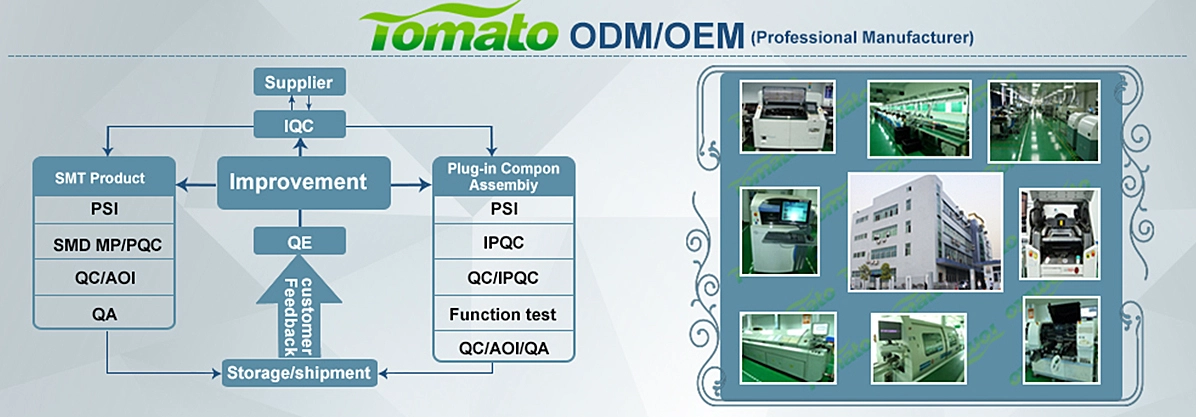
At SZTomato, Smart TV Box development can extend beyond enclosure branding and memory configuration.
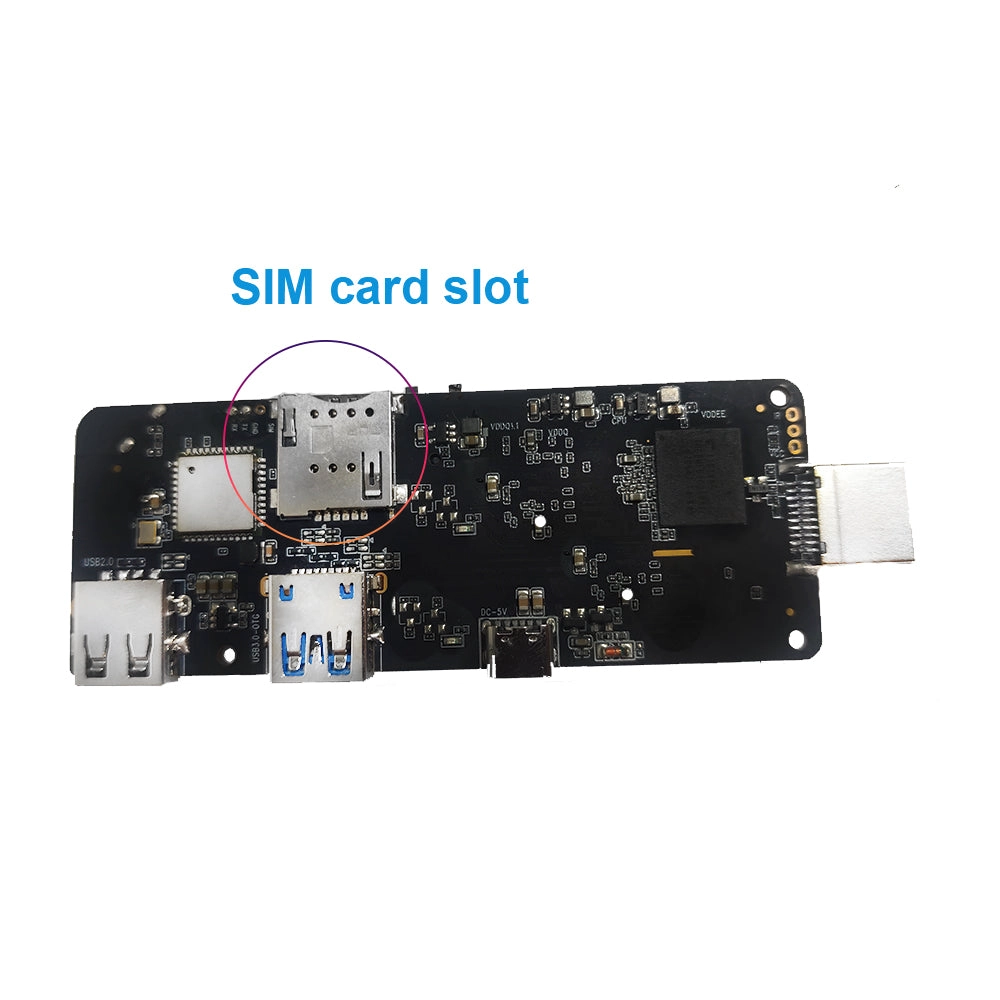
The engineering scope can include PCBA hardware modification, such as adjusting component selection, interfaces, memory configuration, power design, and board layout for a specific deployment.
Firmware customization can cover:
-
AOSP build configuration
-
Android/Linux kernel optimization
-
Custom launcher development
-
UI/UX modification
-
System application integration
-
SDK/API integration
-
OTA update architecture
-
Device management
-
Application preinstallation
-
Boot sequence customization
Thermal design is another frequently underestimated issue.
A box operating continuously inside a hotel cabinet, industrial enclosure, digital signage player, or commercial display installation has different thermal requirements from a consumer device used for two hours of streaming.
Specialized cooling solutions can therefore include heatsink optimization, thermal interface materials, enclosure airflow improvements, and other mechanical changes designed for sustained workloads.
For AI-enabled deployments, thermal engineering becomes even more important because continuous CPU, GPU, and NPU utilization can increase heat generation and affect long-term stability.
Google TV Box or Smart TV Box: Which One Should You Buy?
There is no universal winner.
The correct decision depends on the business model.
Choose a Google TV Box when the priority is a standardized consumer TV experience, Google ecosystem integration, and mainstream application compatibility.
Choose a customized Smart TV Box when the project requires control over hardware, firmware, UI/UX, applications, middleware, device management, or system integration.
For B2B buyers, the second question is often more important than the first:
Do you need a finished product, or do you need an engineered platform?
If the project requires a custom PCBA, proprietary launcher, IPTV middleware, remote OTA infrastructure, Linux/Android optimization, specialized cooling, or integration with an existing enterprise platform, a conventional retail Google TV Box may become a technical constraint.
An experienced OEM/ODM manufacturer can instead treat the Smart TV Box as an embedded computing platform and engineer the hardware and software around the customer's deployment requirements.
Conclusion: Select the Platform Around the Deployment
Google TV and Smart TV Box should not be evaluated as competing specifications on a retail shelf.
They represent different approaches to building a connected TV platform.
Google TV emphasizes ecosystem standardization. A customizable Smart TV Box emphasizes engineering flexibility.
For procurement managers, IPTV operators, digital signage companies, hospitality technology providers, and system integrators, the most important evaluation criteria are OS architecture, certification requirements, DRM, OTA management, hardware scalability, firmware control, and long-term customization capability.
SZTomato supports this engineering-oriented approach through OEM/ODM development, PCBA modification, SDK/API integration, custom UI/UX firmware, Android/Linux optimization, OTA architecture, and specialized thermal solutions.
If your project requires more than a standard Android TV Box, the right starting point is not a product catalog. Define the application, certification requirements, interfaces, firmware architecture, deployment scale, and lifecycle requirements first—then engineer the Smart TV Box around them.
