
What is the difference between an Internet TV Box and an Android TV Box?
Android TV Box vs. Internet TV Box: What’s the Real Difference?
The shift from H.264 to AV1, the adoption of newer Amlogic and Rockchip SoCs, and the growing demand for OTA-managed connected devices have changed what buyers should expect from a TV box. Yet Internet TV Box and Android TV Box are still often treated as interchangeable terms.
They are not.
For consumers, the distinction may seem minor. For importers, IPTV operators, system integrators, hotel groups, digital signage companies, and device brands, the difference affects hardware selection, operating-system control, application compatibility, DRM, firmware maintenance, remote management, and long-term product economics.
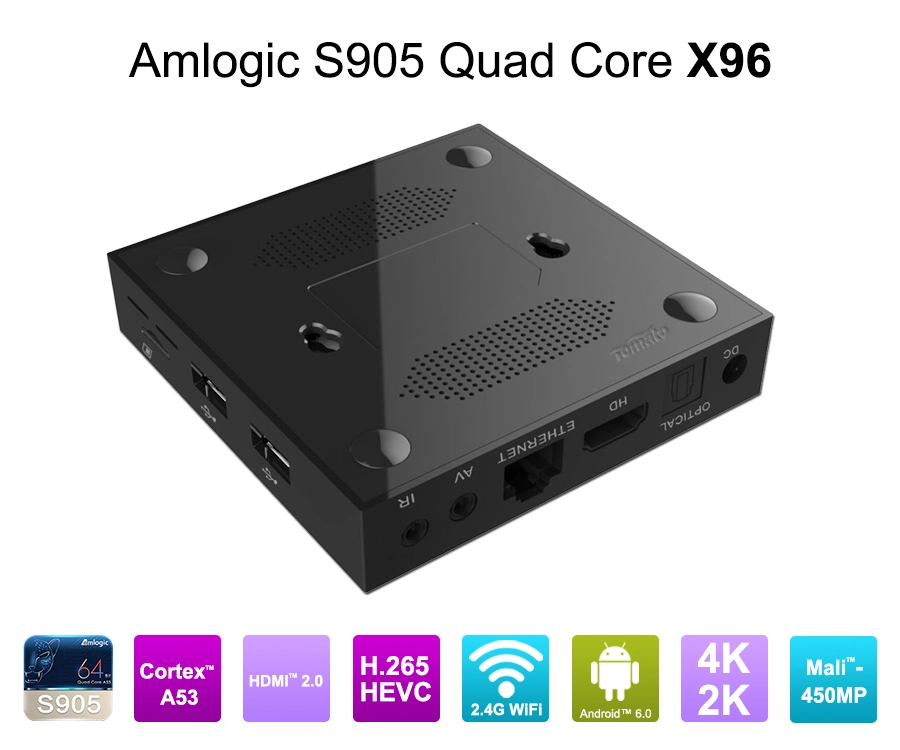
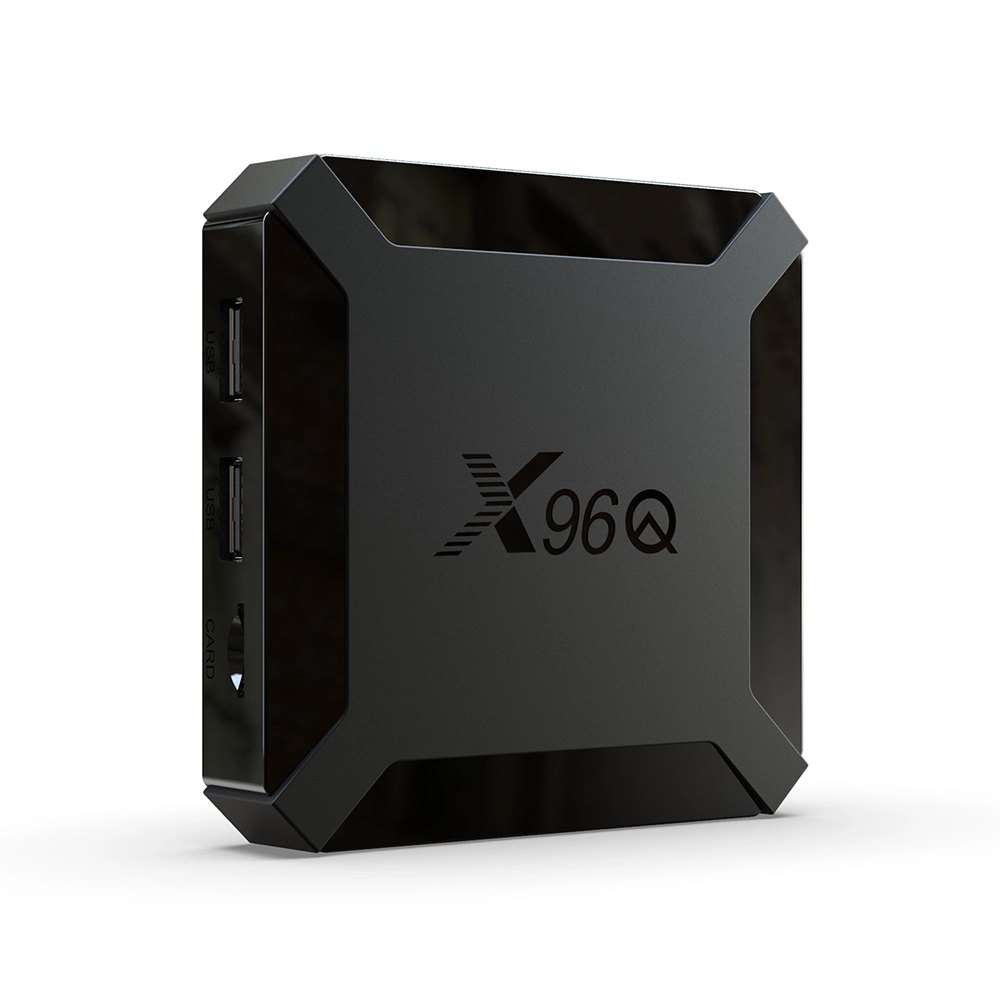
An Internet TV Box is primarily defined by its ability to deliver Internet-based television and media. An Android TV Box is defined more fundamentally by its operating system and software platform. An Android TV Box can be an Internet TV Box, but an Internet TV Box does not necessarily run Android.
What Is an Internet TV Box?
An Internet TV Box is a broad product category covering a set-top device that connects a television to Internet-based content.
Its core purpose is straightforward:
Network connectivity → content platform → television display.
Depending on the product, an Internet TV Box may support:
-
IPTV services
-
OTT video streaming
-
Internet television channels
-
Video-on-demand
-
Live TV applications
-
Local media playback
-
Web-based services
-
Operator-specific middleware
The operating system can vary. Some devices use Android, while others use Linux, embedded Linux, proprietary operating systems, or operator-specific software stacks.
This is the first important distinction:
“Internet TV Box” describes what the device is designed to do. “Android TV Box” describes the operating-system platform it uses.
Therefore, the two terms are not technically equivalent.
For a B2B buyer, using “Internet TV Box” as the primary specification is insufficient. The actual evaluation should start with the SoC, OS, SDK, DRM architecture, network stack, codec capability, memory configuration, firmware control and OTA infrastructure.
What Is an Android TV Box?
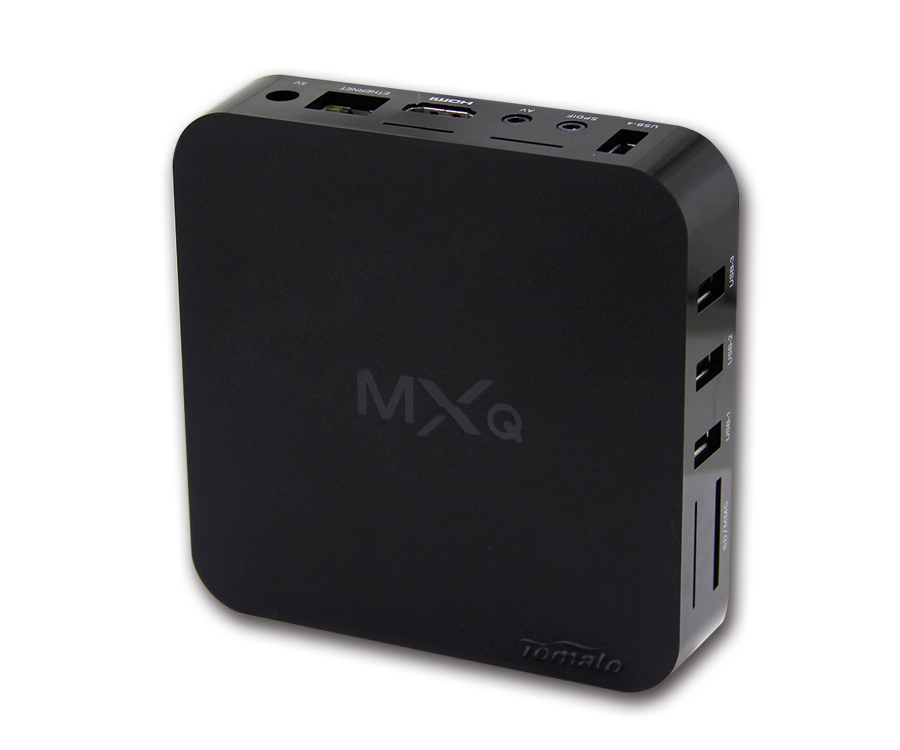
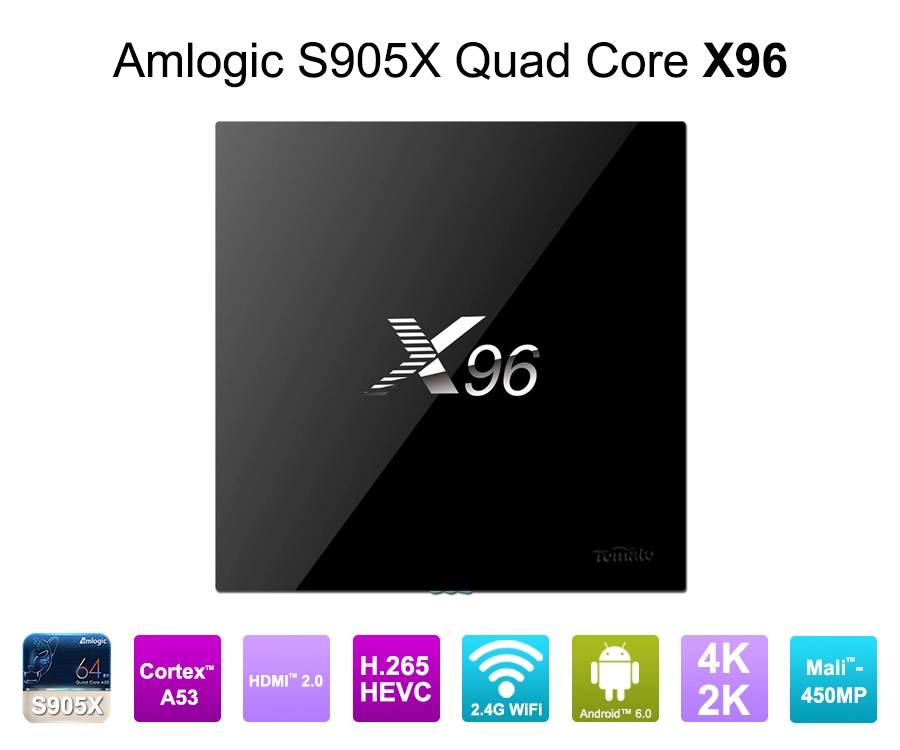
An Android TV Box is a TV-oriented set-top device built around the Android operating system or an Android-derived platform.
A typical commercial Android TV Box architecture includes:
ARM SoC → Android/Linux kernel → HAL → Android framework → system services → applications/UI
The SoC determines much of the hardware capability, while the Android software stack provides application compatibility and a configurable user environment.
Depending on the project, an Android TV Box may include:
-
Android TV or AOSP
-
Google-certified software components
-
Custom Android launcher
-
IPTV applications
-
OTT applications
-
DRM systems
-
HDMI output
-
Ethernet
-
Wi-Fi
-
Bluetooth
-
USB
-
AV1/H.265/VP9 decoding
-
OTA firmware updates
-
Remote device management
This makes Android particularly attractive for B2B projects where the device needs to become more than a simple streaming terminal.
For example, a distributor may require a customized launcher and branded UI. An IPTV operator may need middleware integration. A hotel project may require automatic application startup and restricted user access. A digital signage deployment may need kiosk functionality and centralized firmware management.
Those requirements move the project beyond basic streaming hardware.
Internet TV Box vs. Android TV Box: Technical Comparison
The easiest way to understand the difference is to compare their technical positioning.
| Feature | Internet TV Box | Android TV Box |
|---|---|---|
| Definition | Internet-connected TV/media device | TV box based on Android |
| Operating system | Android, Linux, proprietary OS, etc. | Android/AOSP/Android TV |
| IPTV support | Usually | Usually |
| OTT streaming | Usually | Usually |
| App ecosystem | Depends on OS | Broad Android ecosystem |
| Custom launcher | Depends on platform | Strong flexibility |
| Firmware customization | Platform-dependent | High with engineering support |
| SDK/API integration | Depends on manufacturer | Extensive Android APIs/SDKs |
| OTA updates | Possible | Highly configurable |
| DRM integration | Depends on platform | Commonly supported |
| Hardware customization | Manufacturer-dependent | Manufacturer-dependent |
| Digital signage applications | Possible | Strong |
| Kiosk mode | Platform-dependent | Strong with Android management APIs |
| Long-term software flexibility | Varies considerably | Generally high |
The table reveals why B2B buyers should avoid treating these two keywords as synonyms.
An Internet TV Box can be a relatively closed appliance.
An Android TV Box can be engineered as a programmable connected platform.
That distinction has direct commercial value.
Why Android TV Box Is More Flexible for B2B Projects
The strongest advantage of Android is not simply the number of applications available.
For an OEM/ODM project, the more important issue is software controllability.
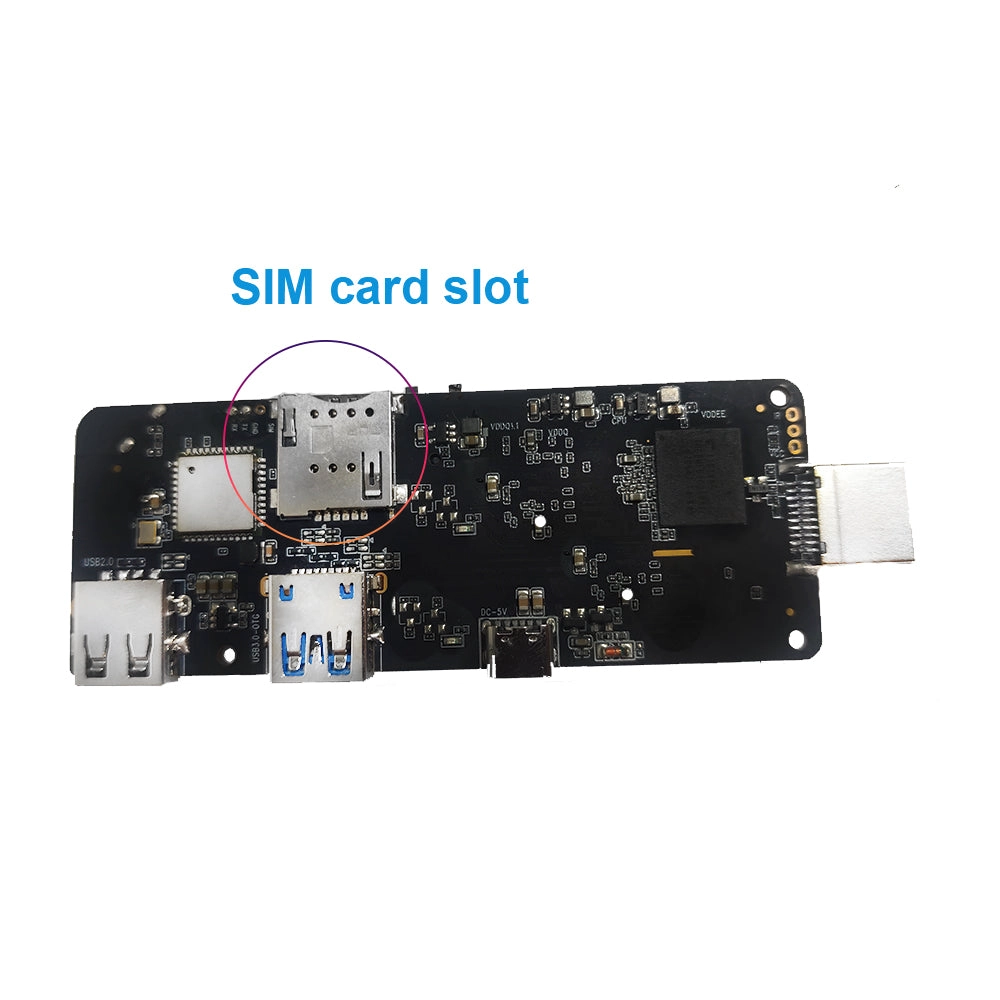
1. PCBA and SoC customization
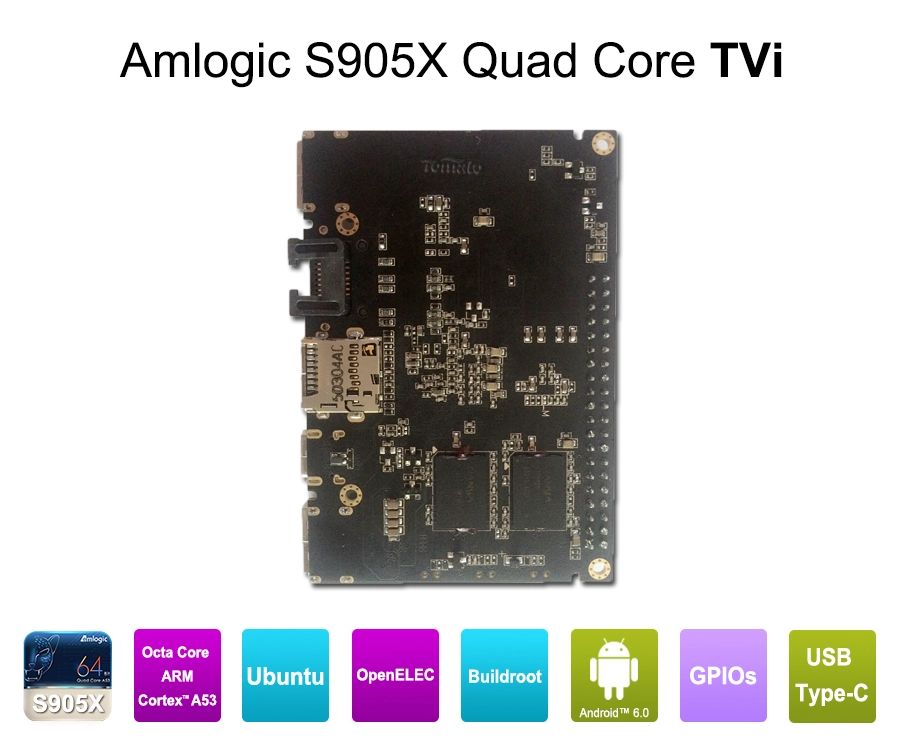
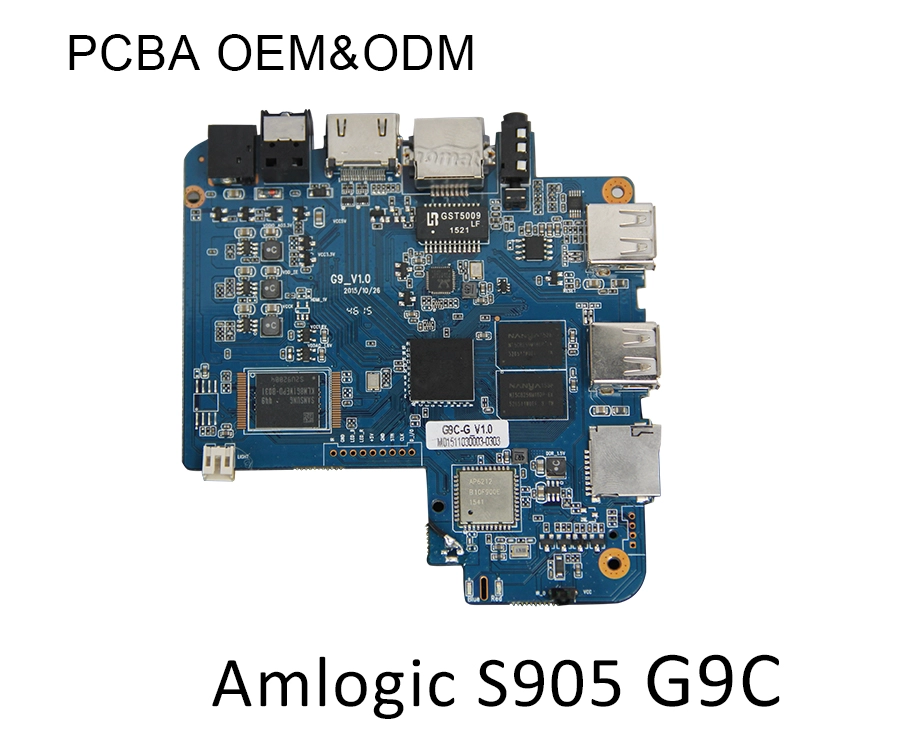
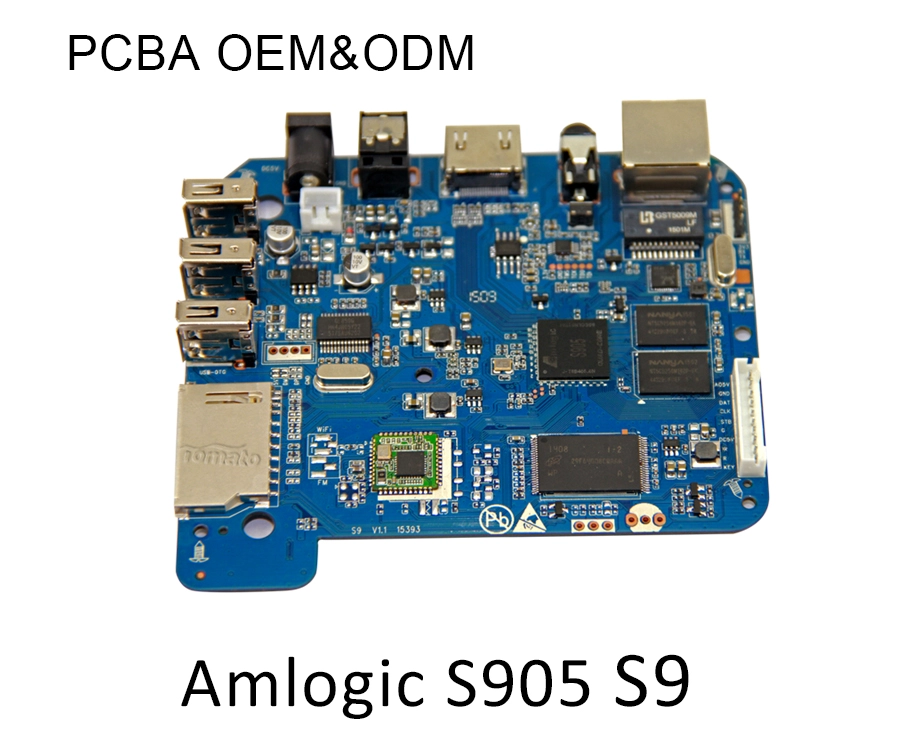
A professional Android TV Box manufacturer can modify the PCBA around the target application.
This may include:
-
SoC selection
-
DDR configuration
-
eMMC capacity
-
Ethernet controller
-
Wi-Fi/Bluetooth module
-
HDMI interface
-
USB configuration
-
GPIO requirements
-
Power-management architecture
-
Antenna design
-
Heat dissipation
-
Enclosure dimensions
For example, a standard consumer streaming box may prioritize low BOM cost.
A commercial IPTV deployment may instead require higher sustained thermal performance, dual Ethernet, additional USB interfaces or a specific wireless chipset.
That is where PCBA-level engineering becomes more important than simply selecting an Android TV Box from a catalog.
2. SDK and API integration
Android provides a mature development environment for integrating applications and services.
An OEM customer may require:
-
Custom IPTV middleware
-
Payment APIs
-
Device activation systems
-
Remote management platforms
-
Cloud APIs
-
Advertising systems
-
Content-management platforms
-
Digital signage software
-
Enterprise authentication
The box can therefore become an endpoint within a larger software ecosystem rather than functioning as an isolated streaming device.
3. Custom UI/UX firmware
For a private-label Android TV Box, the launcher is often part of the product identity.
A manufacturer can customize:
-
Boot animation
-
Launcher
-
Menu structure
-
System settings
-
Application placement
-
Remote-control behavior
-
Default applications
-
Wallpaper
-
Brand elements
-
OTA update mechanism
For B2B buyers, this matters because the same hardware platform can be transformed into different products for different markets.
A hotel operator does not necessarily need the same interface as an IPTV operator.
A digital signage integrator may not want a conventional Android TV launcher at all.
Android TV Box Is Also a Firmware Engineering Project
One common procurement mistake is to evaluate Android TV Boxes purely through CPU, RAM and storage specifications.
That approach is incomplete.
Two boxes using the same SoC can deliver very different commercial results because of differences in:
-
BSP quality
-
Kernel configuration
-
GPU drivers
-
Wi-Fi drivers
-
HDMI implementation
-
Video decoder configuration
-
Thermal management
-
DRM integration
-
System stability
-
OTA architecture
-
Application compatibility
For an OEM product, firmware quality can matter as much as hardware performance.
Android/Linux Kernel Optimization
The Linux kernel underneath Android controls critical hardware functions.
Kernel-level optimization may involve:
-
CPU frequency management
-
Memory management
-
Thermal control
-
Network drivers
-
USB drivers
-
Display subsystems
-
Power management
-
Peripheral support
Poor kernel configuration can produce instability even when the underlying SoC has sufficient processing capability.
This is particularly relevant for commercial deployments where a device may operate continuously for years.
Video Codec and DRM Are Critical
Streaming performance is not determined only by resolution.
Modern Android TV Box projects increasingly need to evaluate:
-
H.264
-
H.265/HEVC
-
VP9
-
AV1
-
4K decoding
-
8K decoding where applicable
-
HDR formats
-
HDCP
-
DRM level
-
Secure video path
AV1 adoption is particularly relevant for new hardware designs because newer SoCs increasingly include hardware-accelerated AV1 decoding.
That reduces CPU workload and can improve power efficiency compared with software decoding.
But codec support alone is not enough.
A commercial streaming project may also depend on DRM and HDCP implementation.
For protected content, the complete chain matters:
Content provider → DRM → secure decoding → HDCP → HDMI display
A box can advertise 4K output while still failing to satisfy the requirements of a particular streaming or operator platform.
For B2B procurement, this is why “4K Android TV Box” should never be treated as a sufficient technical specification.
When Should You Choose an Internet TV Box?
Choose an Internet TV Box as a broad category when the primary requirement is simply:
-
Internet-based television
-
IPTV
-
OTT streaming
-
Basic media playback
-
Operator-specific television services
If the operating system is not strategically important and the software environment is largely controlled by the service provider, Linux or another embedded platform may be perfectly adequate.
For a highly controlled operator deployment, a dedicated Linux-based platform can sometimes provide a smaller software footprint and tighter system control.
The important point is to define the project requirements first rather than selecting Android simply because it is popular.
When Should You Choose an Android TV Box?
Android becomes the stronger choice when the product requires software extensibility and ecosystem compatibility.
Typical applications include:
IPTV and OTT
Android provides a practical platform for IPTV applications, OTT applications, custom middleware and operator-specific interfaces.
Hotels
Hotel TV projects can use customized Android firmware to provide:
-
Guest information
-
Hotel services
-
Room controls
-
Video-on-demand
-
Advertising
-
Local applications
Digital Signage
An Android TV Box can also operate as a commercial media player.
With the appropriate software architecture, it can support:
-
Scheduled content playback
-
Remote content updates
-
Kiosk mode
-
Multi-screen applications
-
Advertising
-
Web applications
-
Cloud CMS platforms
Enterprise and Industrial Applications
Industrial deployments introduce additional requirements, including:
-
Long operating hours
-
Thermal stability
-
Controlled software updates
-
Remote diagnostics
-
Custom I/O
-
Enclosure modifications
-
Specialized cooling
A consumer box designed for intermittent home use may not be suitable for a 24/7 commercial environment.
How SZTomato Approaches Android TV Box OEM/ODM Projects
For serious B2B procurement, the important question is not simply:
“Can you supply an Android TV Box?”
The better question is:
“Can you modify the platform to meet our hardware, software and deployment requirements?”
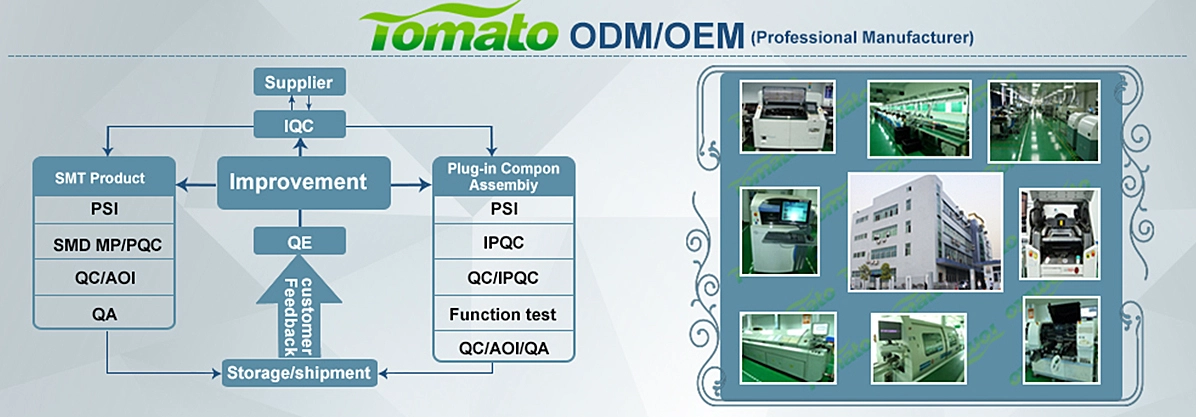
SZTomato's OEM/ODM approach covers the complete product layer, including PCBA hardware modification, SoC/platform selection, firmware development, SDK/API integration, custom UI/UX, OTA systems and application integration.
Projects can be engineered around different deployment requirements rather than forcing every customer into the same retail configuration.
This can include:
-
Customized PCBA layout
-
Memory and storage configuration
-
Wi-Fi/Bluetooth module selection
-
Android/AOSP firmware
-
Custom launcher and UI
-
SDK/API integration
-
OTA update infrastructure
-
Kernel and driver optimization
-
IPTV middleware integration
-
Remote management
-
Thermal and mechanical optimization
-
Specialized cooling solutions for industrial applications
For devices operating continuously under higher workloads, thermal engineering deserves particular attention.
A higher-performance SoC packed into a small enclosure can generate sustained heat that affects CPU frequency, system stability and component lifetime. Heatsink design, thermal pads, enclosure ventilation and airflow must therefore be considered together with the PCBA layout.
That is an engineering problem, not a marketing specification.
The Bottom Line: Internet TV Box Is a Category; Android TV Box Is a Platform
The difference can be summarized in one sentence:
An Internet TV Box is defined by its Internet-based TV/media function, while an Android TV Box is defined by its Android operating platform.
There is significant overlap, but they are not interchangeable technical terms.
For consumers, the distinction may have limited importance.
For B2B buyers, it affects almost everything downstream:
SoC → PCBA → OS → firmware → applications → DRM → OTA → remote management → lifecycle cost.
If the project requires a controlled, branded, scalable and customizable connected device, an Android TV Box is often the more versatile foundation.
But the operating system is only the starting point. The real differentiation comes from hardware engineering, firmware quality, SDK/API integration, thermal design and long-term product support.
For procurement managers and system integrators planning an IPTV, OTT, hotel TV, digital signage or enterprise deployment, evaluate the complete platform rather than comparing retail specifications alone. SZTomato can support the transition from standard Android TV Box hardware to a purpose-built OEM/ODM solution engineered around your software, connectivity, enclosure, thermal and deployment requirements.
