
What is the latest Google TV Box?
What Is the Latest Google TV Box? A 2026 Technical Guide for B2B Buyers
Google's transition from Chromecast to Google TV Streamer changed the reference point for the Google TV Box category. The current Google-branded streaming device is the Google TV Streamer (4K), which replaces Chromecast with Google TV and moves the platform toward higher storage, faster processing, Ethernet connectivity and smart-home integration. Google's current specification lists 4GB of memory, 32GB of storage, HDMI 2.1, Gigabit Ethernet, Wi-Fi 802.11ac, Bluetooth 5.1 and Android TV OS.
For B2B buyers, however, the more important question is not simply "Which Google TV Box is newest?"
The better question is:
What hardware and software architecture should a Google TV Box use to deliver the required Google TV experience, application compatibility, DRM, OTA lifecycle and commercial performance?
That distinction matters for importers, IPTV operators, system integrators, hotel groups and brands developing their own Google TV products.
What Is the Latest Google TV Box?
As of September 2026, the latest Google-branded dedicated streaming device is the Google TV Streamer (4K).
It is not a minor Chromecast refresh. Google positions it as the successor to Chromecast, with substantially more storage and memory and a broader role as both a streaming device and smart-home hub. Google specifies up to 4K HDR at 60fps, Dolby Vision, HDR10, HDR10+, HLG and Dolby Atmos. It also integrates Matter and functions as a Thread border router.
Its principal hardware specifications include:
| Specification | Google TV Streamer (4K) |
|---|---|
| Resolution | Up to 4K HDR, 60fps |
| Video | Dolby Vision, HDR10, HDR10+, HLG |
| Audio | Dolby Digital, Dolby Digital Plus, Dolby Atmos |
| RAM | 4GB |
| Storage | 32GB |
| Wi-Fi | 802.11ac, 2.4/5GHz |
| Bluetooth | 5.1 |
| Ethernet | Gigabit Ethernet |
| HDMI | HDMI 2.1 |
| Operating System | Android TV OS |
| Smart Home | Matter + Thread border router |
Google also states that the Google TV Streamer has a 22% faster processor than its predecessor and provides 4x the storage and 2x the memory of Chromecast with Google TV.
For a consumer, this is the straightforward answer to "What is the latest Google TV Box?"
For a B2B procurement manager, it is only the beginning.
Google TV Box Is Not the Same as an Android TV Box
One of the most common procurement errors is treating Google TV and Android TV as interchangeable product names.
They are closely related, but they operate at different layers.
Android TV OS is the underlying operating-system platform. Google TV is the user experience and content-discovery layer built on top of the Android TV platform.
This means a Google TV device is fundamentally an Android-based TV device, but an Android TV Box is not automatically a Google TV-certified device.
That distinction becomes critical when a buyer is sourcing from an OEM/ODM manufacturer.
A generic Android TV Box may run AOSP or another Android-derived build and provide access to Android applications. But if the project requires the official Google TV experience, Google services, Google Play, certified DRM, specific UX behavior and Google's compatibility requirements, the device needs to meet the applicable Google certification and platform requirements.
Google's own ecosystem demonstrates this distinction clearly: Google TV is available through dedicated streaming devices as well as televisions from a large network of partner manufacturers.
Therefore, buyers should distinguish three product categories:
-
AOSP Android TV Box — customizable Android-based hardware.
-
Android TV-certified device — Android TV platform with the required Google certification.
-
Google TV device — Android TV platform with the Google TV experience and associated Google requirements.
For OEM/ODM procurement, confusing these categories can create serious problems later in certification, DRM, application compatibility and mass production.
What Makes a Modern Google TV Box Different?
The next generation of Google TV hardware is not defined by a single CPU benchmark.
The platform has to handle four major workloads:
4K video processing + application execution + network connectivity + long-term software maintenance.
1. SoC and Video Pipeline
The SoC remains the foundation.
A modern Google TV Box should be evaluated for:
-
ARM CPU architecture
-
GPU performance
-
Hardware video decoding
-
AV1 support
-
H.265/HEVC
-
VP9
-
HDR processing
-
HDMI output capability
-
Memory bandwidth
-
ISP and display pipeline where applicable
-
Thermal performance
AV1 is particularly important in new hardware planning because streaming services increasingly use modern compression technologies to reduce bandwidth requirements.
However, "supports AV1" is not enough.
The buyer needs to determine whether AV1 decoding is implemented through dedicated hardware acceleration or relies on CPU resources.
Hardware decoding reduces processor load and can improve sustained playback efficiency.
2. Memory and Storage
Google's current Google TV Streamer provides 4GB RAM and 32GB storage.
That is an important reference point for product positioning.
Memory affects:
-
Launcher responsiveness
-
Application switching
-
Background processes
-
Browser workloads
-
Streaming application stability
-
Smart-home services
Storage affects:
-
Number of installed applications
-
Cached content
-
System partitions
-
OTA update space
-
Application data
-
Future firmware expansion
For commercial OEM products, storage should not be selected only according to the current application package.
The firmware lifecycle should be considered from the beginning.
A device that ships with 16GB of storage may appear cost-effective during the initial quotation stage but become restrictive after multiple firmware revisions and application updates.
Why Google TV Certification Matters for B2B Projects
A Google TV Box is more than an Android board with a Google-style launcher.
Certification and ecosystem compatibility can affect:
-
Google Play access
-
Google Assistant/Gemini functionality
-
DRM
-
Streaming application compatibility
-
HDCP
-
Widevine
-
System behavior
-
OTA requirements
-
Hardware compatibility
-
Regional deployment
Google's current Google TV platform is also moving toward AI-assisted television experiences. Google states that Gemini for TV is available on selected devices running Android 14 or later with at least 2GB of RAM, subject to country and language availability.
This creates a new consideration for hardware planning.
A device designed today should not be engineered only around today's streaming applications. Its CPU, RAM, storage, firmware architecture and thermal system need sufficient headroom for future platform requirements.
That is particularly important for a product expected to remain in the market for three to five years.
How to Select a Google TV Box for OEM/ODM Production
For B2B buyers, the correct procurement process starts with the application rather than the product name.
Step 1: Define the Google Platform Requirement
First determine whether the project requires:
-
AOSP
-
Android TV
-
Google TV
-
Google Mobile Services
-
Google Play
-
Certified DRM
-
Specific streaming applications
-
Operator-specific middleware
These requirements should be established before selecting the SoC.
A low-cost Android board cannot simply be converted into a fully certified Google TV product by installing a Google TV launcher.
Step 2: Select the SoC According to Workload
For a standard consumer streaming product, an efficient quad-core or octa-core platform may be sufficient.
For more demanding applications, the design may require:
-
Higher CPU performance
-
Stronger GPU capability
-
Hardware AV1 decoding
-
More RAM
-
Faster storage
-
Better thermal dissipation
-
Multiple display interfaces
-
AI acceleration
The right SoC is therefore determined by the workload, not by the highest benchmark number.
Step 3: Engineer the PCBA
This is where a real OEM/ODM project differs from catalog trading.
PCBA engineering may involve:
-
DDR routing
-
eMMC selection
-
PMIC configuration
-
Ethernet controller
-
Wi-Fi/BT module
-
RF layout
-
HDMI circuitry
-
USB interfaces
-
Power delivery
-
ESD protection
-
Thermal interfaces
A stable Google TV Box requires the hardware and firmware layers to be developed as one system.
Step 4: Build the Firmware Architecture
Firmware should be planned around the complete product lifecycle.
Key elements include:
-
Android/Linux kernel configuration
-
BSP integration
-
Hardware drivers
-
System applications
-
Launcher
-
OTA update mechanism
-
Factory reset strategy
-
Recovery partition
-
Logging
-
Remote diagnostics
-
Application management
For commercial deployments, OTA architecture is especially important.
An IPTV operator may have thousands or hundreds of thousands of devices in the field. Manually updating those devices is not a realistic maintenance strategy.
The firmware therefore needs a controlled OTA mechanism that can support version management, staged deployment, rollback and fault recovery.
How SZTomato Approaches Google TV Box OEM/ODM Development
The commercial value of an Android or Google TV Box is increasingly determined by engineering capability rather than enclosure design.
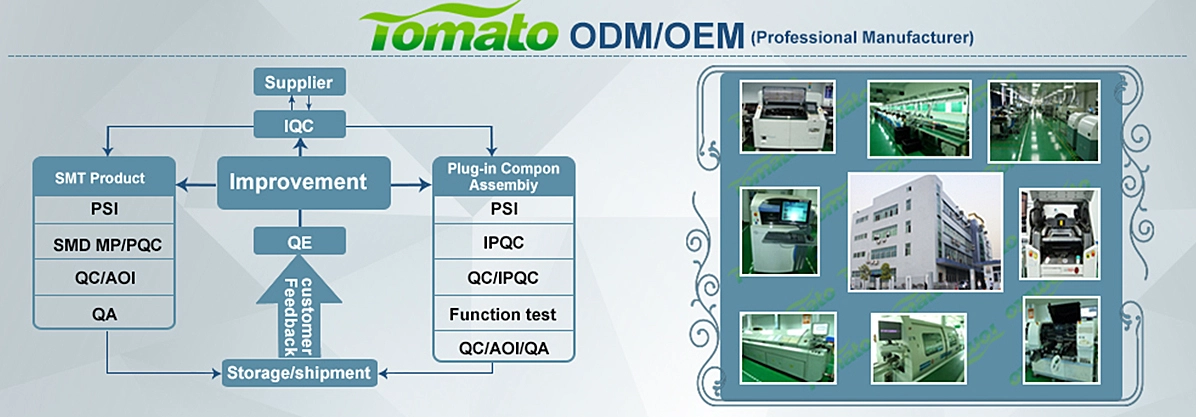
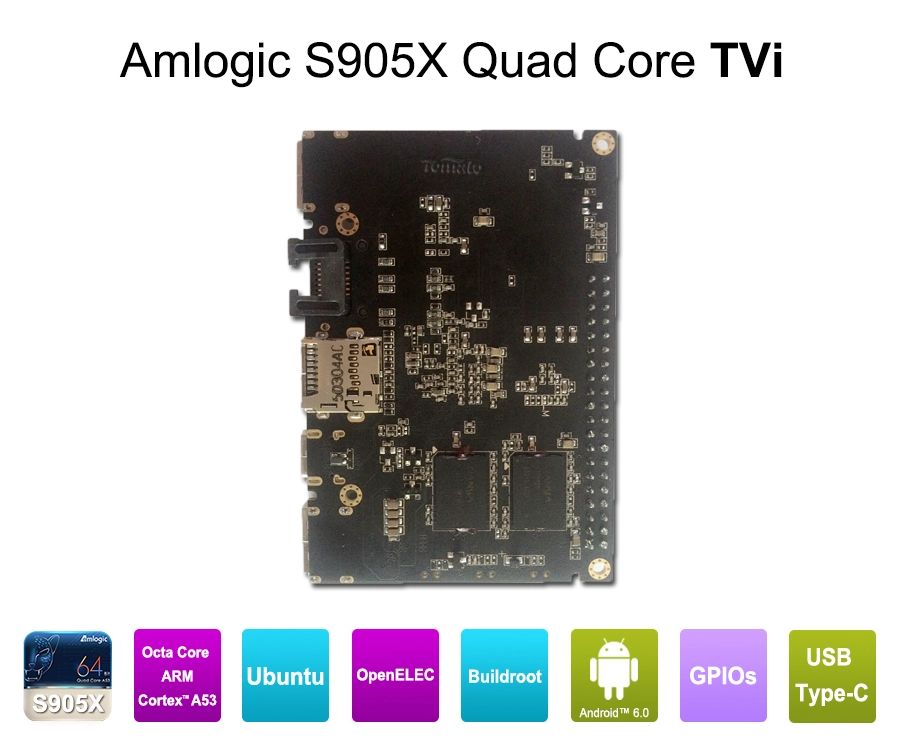
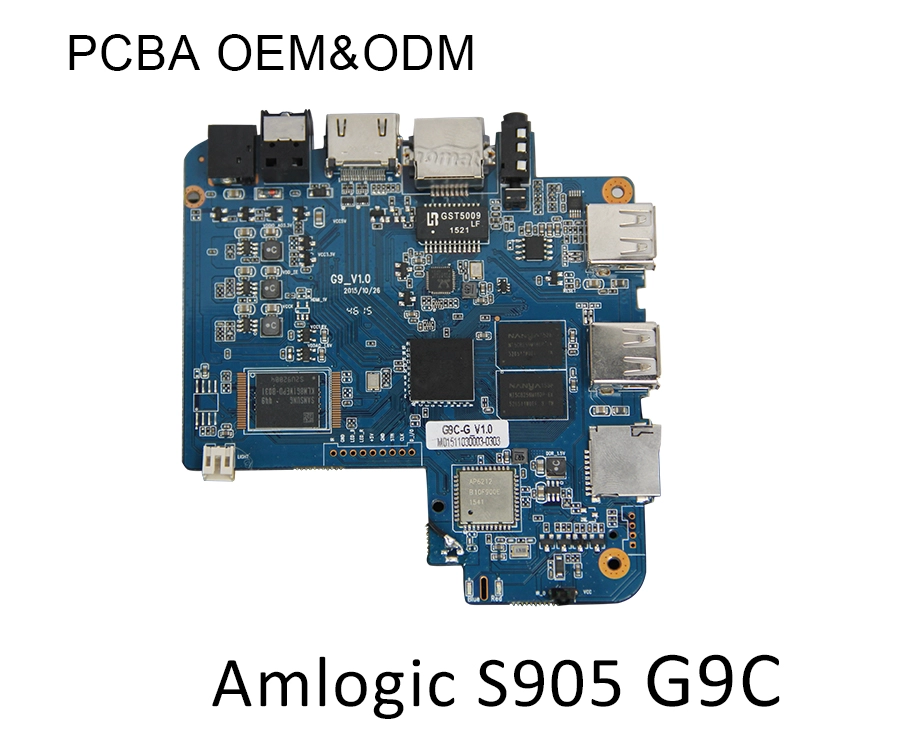
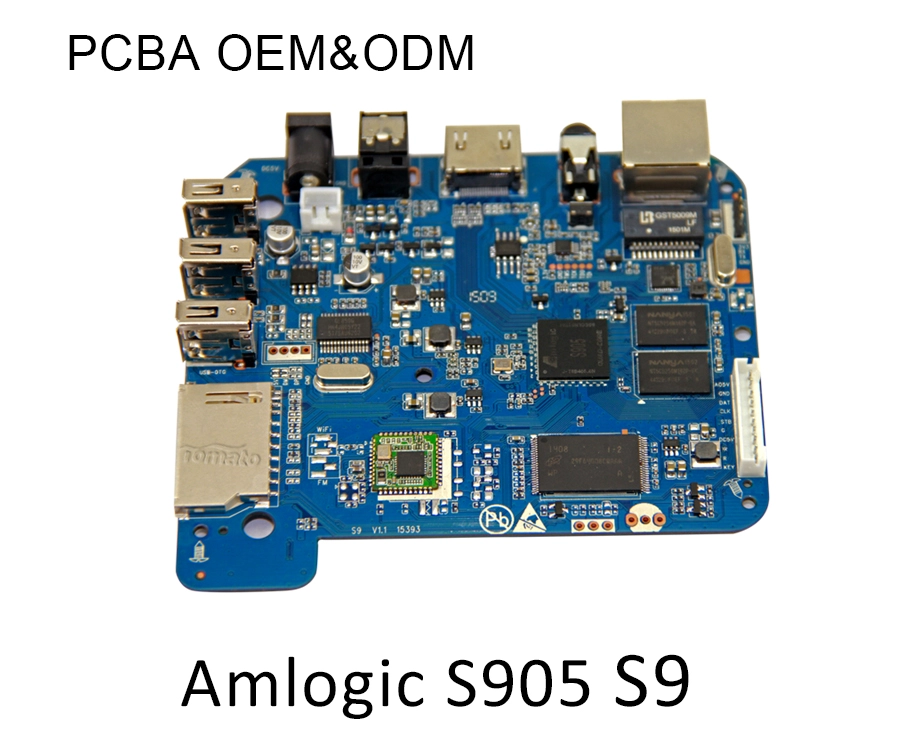
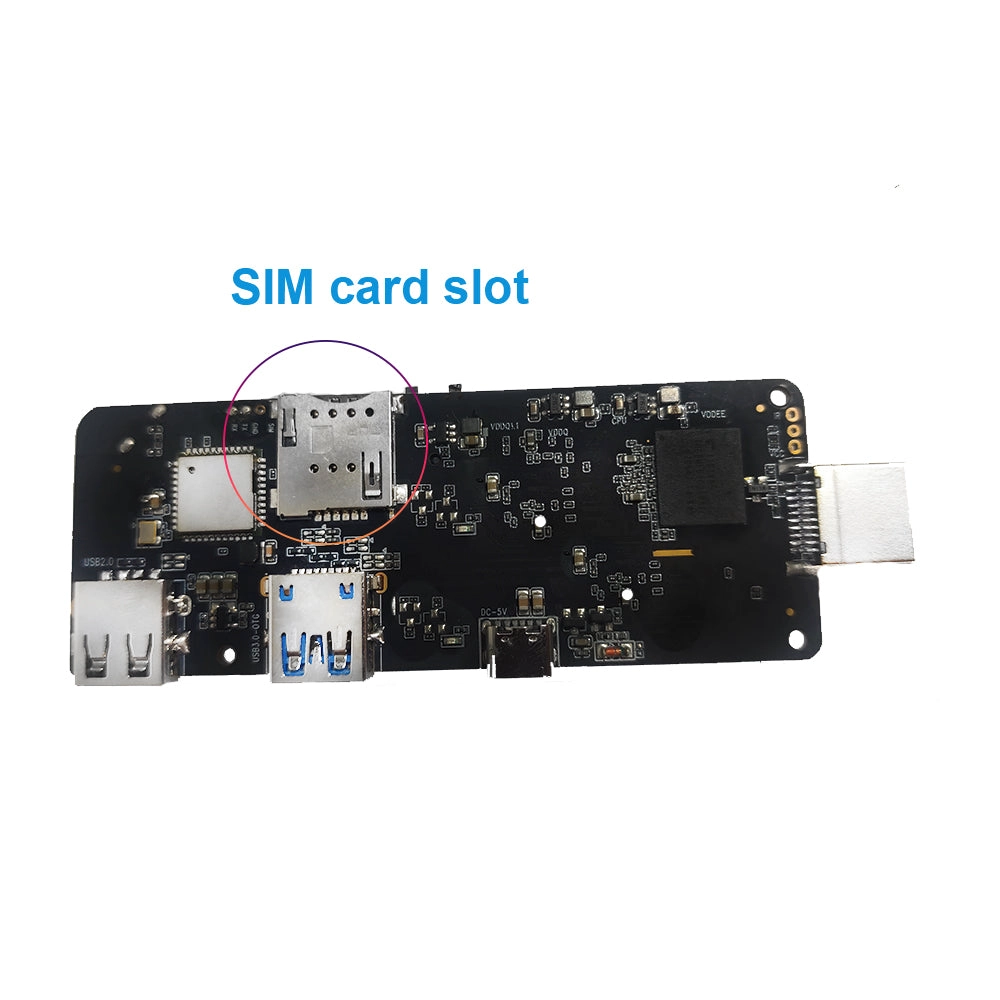
SZTomato's OEM/ODM approach can support projects across the hardware and firmware layers, including PCBA modification, SoC platform selection, SDK/API integration, custom UI/UX firmware, OTA architecture, Linux/Android kernel optimization and thermal engineering.
For example, a customer may require:
-
A custom PCBA based on a selected SoC
-
4GB/8GB RAM configurations
-
32GB/64GB/128GB storage
-
Specific Wi-Fi 6 or Ethernet configurations
-
Customized HDMI/USB interfaces
-
Branded launcher
-
Custom boot animation
-
IPTV middleware
-
Application pre-installation
-
Remote management
-
Custom OTA update system
-
Industrial enclosure
-
Higher-performance heatsink
-
Specialized cooling for 24/7 operation
The hardware should be designed around the software requirements instead of treating firmware as an afterthought.
This becomes particularly important when the device is deployed in hotels, IPTV networks, commercial displays, industrial environments or digital signage systems.
A consumer box may only need to remain responsive during normal home usage.
A commercial device may need to operate continuously for thousands of hours.
That changes the thermal design.
Heatsink dimensions, thermal pads, SoC surface temperature, enclosure airflow, PCB component placement and power-management configuration all become part of the product specification.
Google TV Streamer vs Custom Google TV Box
Google's own Google TV Streamer provides a useful reference design, but it is not automatically the best architecture for every commercial deployment.
The official product emphasizes consumer streaming and smart-home functionality, including 4K HDR, 32GB storage, Gigabit Ethernet, Matter and Thread.
An OEM customer may have completely different priorities.
For example:
| Requirement | Consumer Google TV Streamer | Custom OEM/ODM Project |
|---|---|---|
| Standard home streaming | Strong | Can be optimized |
| Branded launcher | Limited | Highly customizable |
| Custom PCBA | Fixed | Customizable |
| I/O configuration | Fixed | Project-specific |
| Industrial enclosure | Not the focus | Available |
| Specialized cooling | Consumer-oriented | Custom engineered |
| IPTV middleware | Application-dependent | Integratable |
| Enterprise management | Limited consumer focus | Can be designed around deployment |
| Custom OTA | Platform controlled | Project-specific architecture |
| Digital signage | Not primary purpose | Strong use case |
| Hotel TV | Not primary purpose | Custom deployment |
| Private-label hardware | No | Core OEM/ODM use case |
This is the strategic difference between buying a finished Google TV product and developing a Google TV-based commercial device.
What Should B2B Buyers Look for in 2026?
The Google TV market is moving toward three major technical directions.
1. More AI at the TV Endpoint
Google is already integrating Gemini into the Google TV experience.
This means future TV hardware will increasingly need to support AI-assisted search, recommendations, voice interaction and smart-home control.
For hardware designers, that makes compute headroom more valuable.
2. Better Network Connectivity
Gigabit Ethernet is becoming increasingly relevant for premium streaming and commercial deployments.
Google's current Google TV Streamer includes 10/100/1000 Mbps Ethernet.
For IPTV operators and commercial integrators, wired Ethernet can also provide more predictable network performance than relying entirely on wireless connectivity.
3. Longer Software Lifecycles
The next competitive advantage will not come only from faster processors.
It will come from maintaining devices after shipment.
A B2B Google TV Box should therefore be evaluated according to:
Hardware lifecycle + firmware lifecycle + OTA capability + application compatibility + remote management.
That is the real total cost of ownership.
Final Answer: What Is the Latest Google TV Box?
If the question refers specifically to Google's current dedicated streaming hardware, the answer is Google TV Streamer (4K). It is the successor to Chromecast and currently represents Google's flagship dedicated Google TV streaming device, with 4GB RAM, 32GB storage, 4K HDR output, HDMI 2.1, Gigabit Ethernet, Android TV OS and Gemini for TV capabilities.
But if the question comes from a B2B procurement manager, the more useful answer is different:
The latest Google TV Box is not necessarily the best Google TV Box for your project.
A hotel operator, IPTV provider, digital signage integrator or private-label brand may require different CPU performance, RAM, storage, interfaces, thermal characteristics, firmware behavior and management architecture.
The correct product should therefore be selected from the project backward:
Application requirements → Google platform requirements → SoC → PCBA → thermal design → firmware → certification → OTA → mass production.
That is the approach required to turn a standard Android TV Box platform into a commercially viable Google TV product.
For B2B procurement managers and system integrators looking beyond retail-ready hardware, SZTomato provides OEM/ODM engineering support covering PCBA modification, firmware customization, SDK/API integration, custom UI/UX, OTA systems and specialized thermal solutions. The objective is not simply to supply another Google TV Box, but to engineer a platform that fits the customer's application, deployment scale and product lifecycle.
