
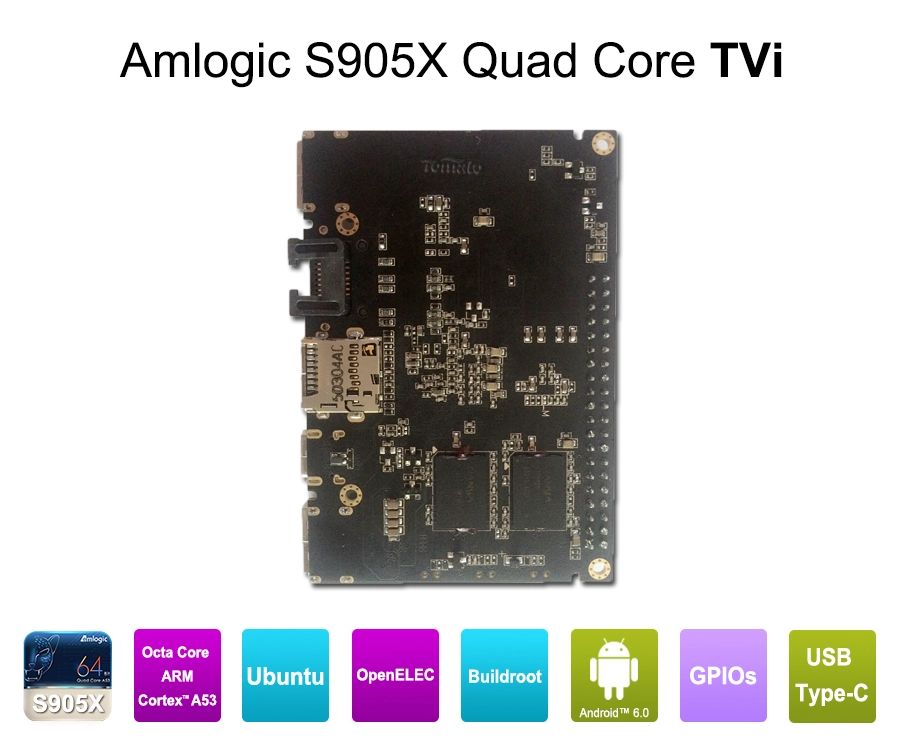
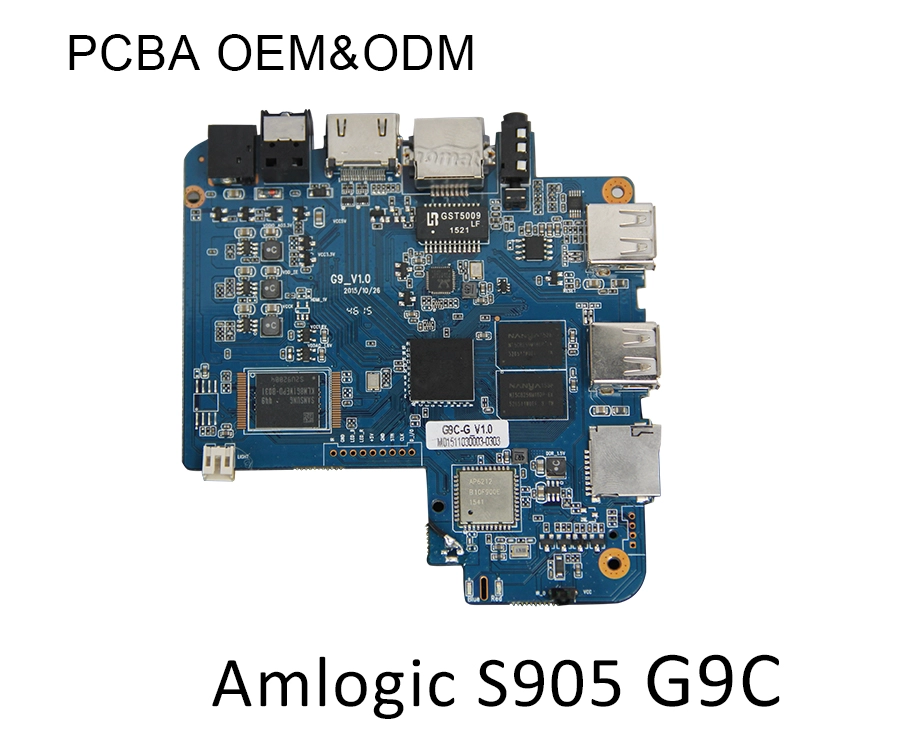
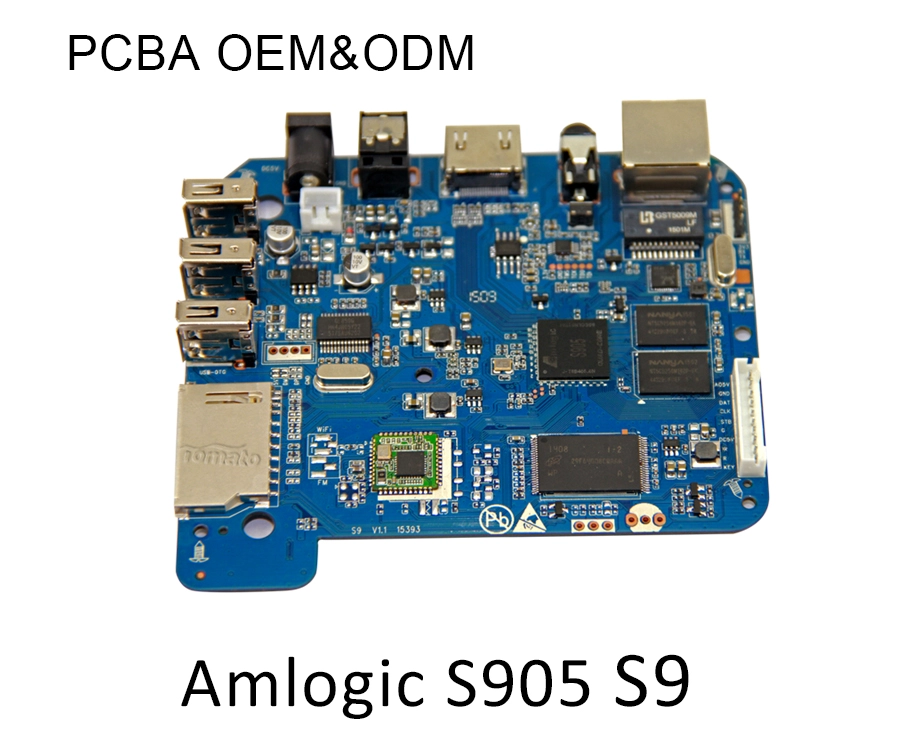
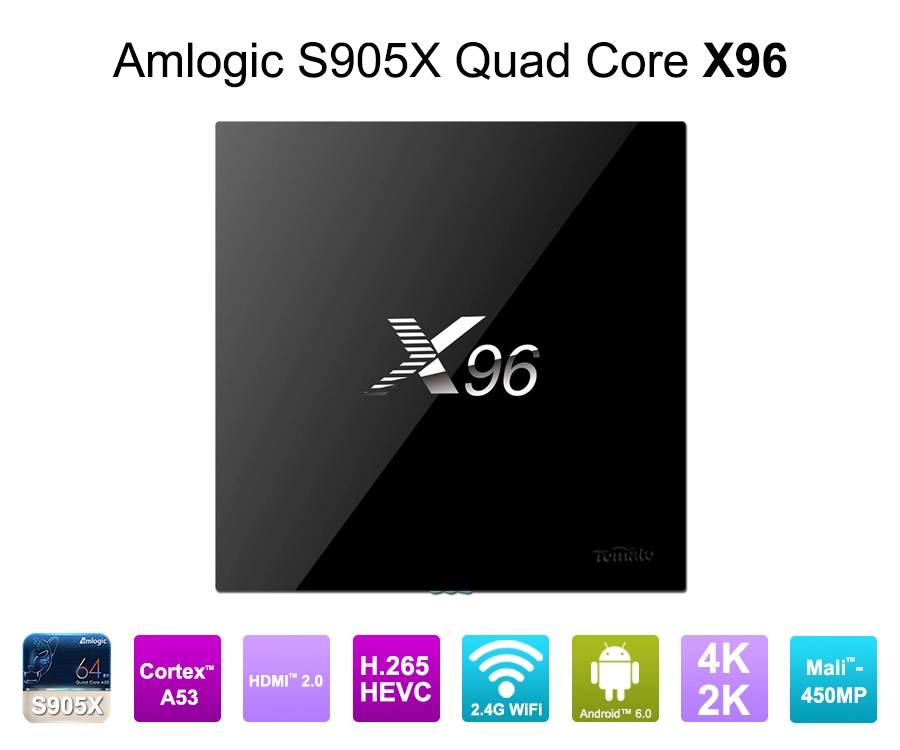
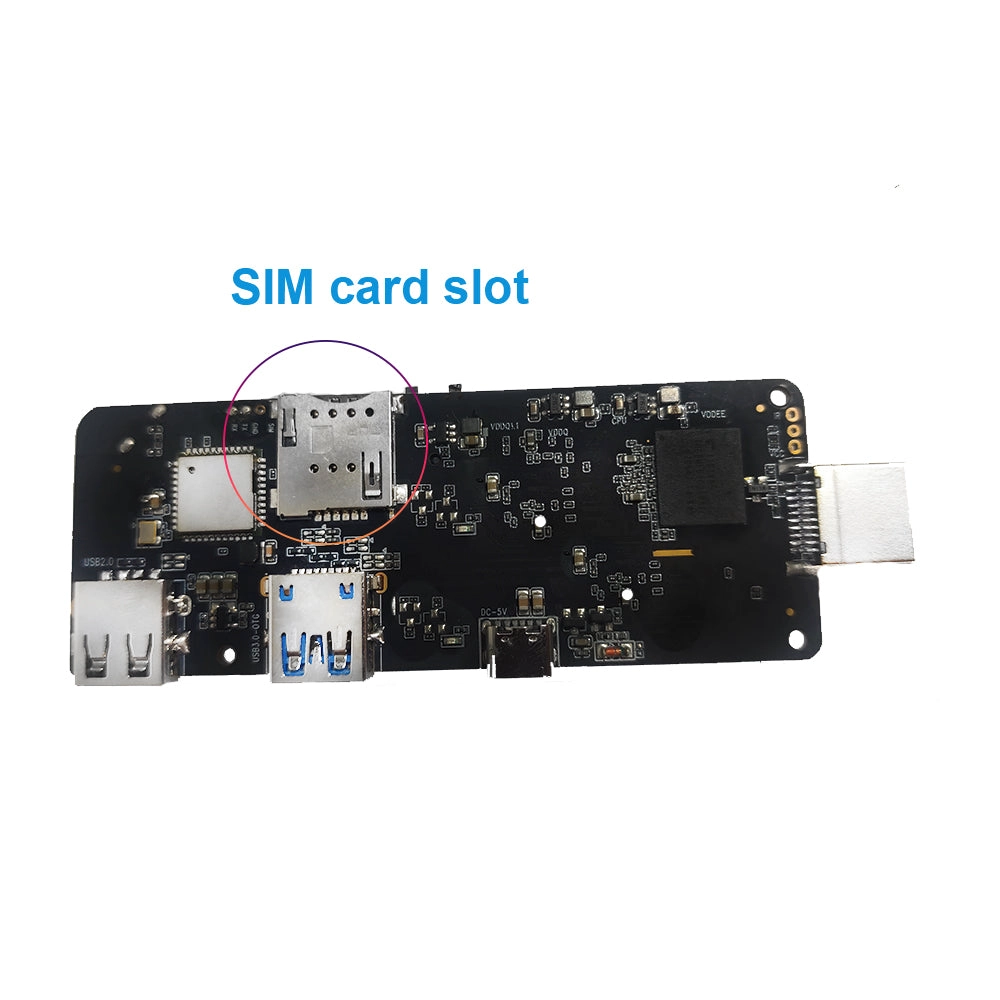
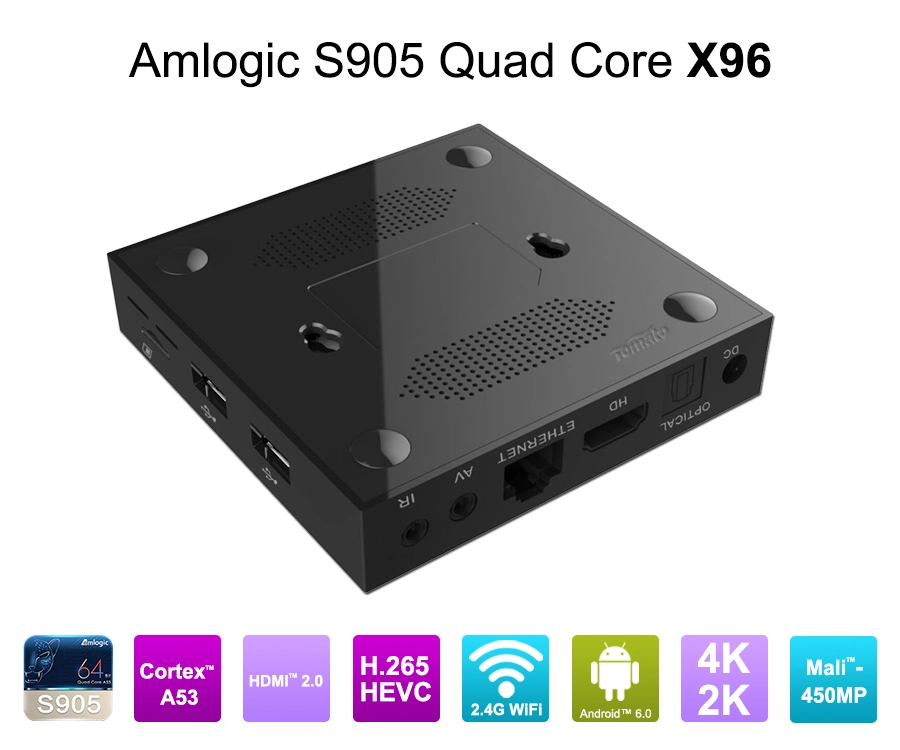
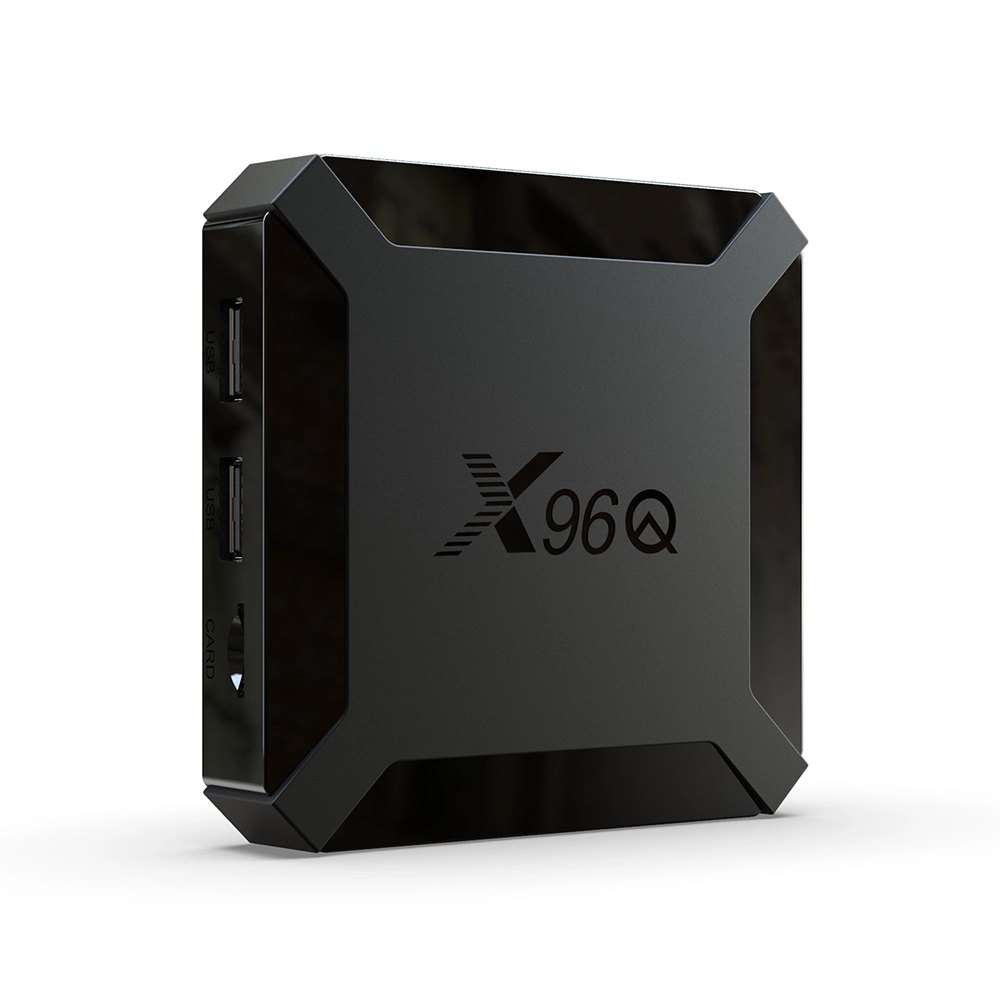
What is the spec of Android TV Box?
What Is the Spec of an Android TV Box? A Technical Guide for B2B Buyers
AV1 hardware decoding, Wi-Fi 6 connectivity, faster ARM SoCs and newer Android releases are pushing Android TV Box specifications well beyond the traditional “quad-core + 2GB RAM + 16GB storage” configuration.
But there is no single standard specification for an Android TV Box.
A low-cost IPTV box, a 4K OTT streaming device, a hotel TV terminal and an industrial digital signage player can all be sold as Android TV Boxes while having completely different hardware architectures.
For B2B buyers, the correct specification should therefore be evaluated as a complete system:
SoC + RAM + storage + video engine + connectivity + DRM + interfaces + thermal design + firmware + OTA management.
The processor number on a product datasheet is only one part of the equation.
What Are the Main Specifications of an Android TV Box?
A typical Android TV Box specification can be divided into nine technical layers.
| Specification | Typical B2B Configuration | Why It Matters |
|---|---|---|
| SoC | ARM quad-core or octa-core | CPU/GPU/video performance |
| RAM | 2GB–8GB | Multitasking and application stability |
| Storage | 16GB–128GB | Apps, firmware and data |
| Video | 4K60, H.265, VP9, AV1 | Streaming capability |
| HDMI | HDMI 2.0/2.1 depending on platform | Display output |
| Wi-Fi | Wi-Fi 5/6 | Wireless throughput |
| Ethernet | 100M/1GbE | IPTV and commercial networking |
| Bluetooth | BT 4.x/5.x depending on platform | Remote and peripherals |
| OS | Android TV, AOSP or Android-based platform | Application and customization |
| Firmware | OTA, launcher, drivers, APIs | Lifecycle management |
These figures should not be treated as universal standards. Android TV Box specifications vary according to SoC platform, application requirements and certification strategy.
1. SoC: The Most Important Hardware Specification
The SoC is the foundation of the Android TV Box.
It normally integrates:
-
ARM CPU cores
-
GPU
-
Video decoder
-
Video encoder
-
Display controller
-
Memory controller
-
Security subsystem
-
Peripheral interfaces
-
Sometimes NPU/AI acceleration
For a basic IPTV application, a cost-optimized quad-core ARM platform may be sufficient.
For a premium 4K streaming device, digital signage player or AI-enabled edge device, a more capable octa-core SoC may be justified.
The key point is that CPU core count alone is not a meaningful performance metric.
A four-core Cortex-A55 platform and a four-core platform based on a substantially different CPU architecture should not be assumed to deliver equivalent performance.
B2B buyers should examine:
-
CPU architecture
-
Process technology
-
CPU frequency
-
GPU architecture
-
Video engine
-
Memory bandwidth
-
NPU capability where required
-
Linux/Android BSP support
-
Vendor SDK maturity
-
Long-term software support
A technically strong SoC with poor BSP support can create more problems than a slightly slower platform with mature firmware.
2. RAM and Storage
RAM and storage are often confused because both appear under the memory specification.
They serve different functions.
RAM
Common Android TV Box configurations include:
-
2GB
-
4GB
-
8GB
2GB can be sufficient for basic streaming and controlled IPTV applications.
4GB provides more headroom for modern applications, customized launchers, background services and commercial software.
8GB becomes relevant when the device performs heavier workloads such as complex digital signage, browser applications, local AI processing or multiple background services.
However, more RAM does not automatically make an Android TV Box faster.
If the software only consumes 2GB, moving to 8GB may increase BOM cost without providing a meaningful user benefit.
Storage
Common storage configurations include:
-
16GB
-
32GB
-
64GB
-
128GB
Storage is particularly important for OEM projects because the firmware package itself can grow over the product lifecycle.
A commercial Android TV Box may require space for:
-
Android system partitions
-
Recovery
-
OTA A/B partitions
-
Pre-installed applications
-
Application data
-
Logs
-
Cache
-
Customer-specific software
For a long-lifecycle product, 32GB or 64GB may provide a more practical engineering margin than a minimal 16GB design.
The correct capacity should be calculated from the software architecture rather than selected purely according to retail price.
What Video Specifications Should an Android TV Box Have?
The phrase “4K Android TV Box” is insufficient as a technical specification.
A serious procurement specification should identify the actual decoding and output capabilities.
H.265, VP9 and AV1 Decoding
Modern Android TV Box platforms commonly support hardware decoding for codecs such as:
-
H.264/AVC
-
H.265/HEVC
-
VP9
-
AV1 on supported newer SoCs
The difference between software and hardware decoding is important.
Hardware decoding uses a dedicated video engine inside the SoC, reducing CPU utilization during video playback.
For 4K streaming, this can significantly affect:
-
CPU load
-
Power consumption
-
Thermal output
-
Playback stability
-
Sustained performance
AV1 is particularly important when designing a new-generation Android TV Box.
However, procurement teams should not accept “AV1 supported” without asking how the support is implemented.
The engineering specification should identify:
Codec → maximum resolution → maximum frame rate → bit depth → HDR capability → hardware acceleration.
For example, “AV1 4K60 hardware decoding” provides substantially more useful information than simply writing “AV1 supported.”
HDMI and HDCP
HDMI is another specification that needs more detail than a version number.
The actual design may need to consider:
-
HDMI version
-
Maximum resolution
-
Refresh rate
-
HDR
-
CEC
-
HDCP version
-
EDID handling
-
Audio formats
For protected streaming content, HDCP is particularly important.
The complete video path can involve:
Application → DRM → secure decoder → display subsystem → HDMI → HDCP → television
A device that can technically output 4K does not automatically meet the requirements of every commercial streaming platform.
This is one reason why B2B buyers should separate display resolution from commercial content compatibility.
HDR and Audio
Depending on the target market, an Android TV Box may require support for:
-
HDR10
-
HDR10+
-
HLG
-
Dolby Vision where licensed and supported
-
Dolby Digital
-
Dolby Digital Plus
-
Dolby Atmos where applicable
Again, the exact capability depends on the SoC, firmware, licensing and certification.
A datasheet should not imply that every Android TV Box can support every HDR or audio format simply because the HDMI interface supports high resolution.
What Connectivity Specifications Matter?
Network performance directly affects IPTV and OTT reliability.
A typical Android TV Box can include:
-
Wi-Fi 5
-
Wi-Fi 6
-
Bluetooth
-
100M Ethernet
-
Gigabit Ethernet
-
USB
-
HDMI
-
AV output on selected platforms
Wi-Fi
Wi-Fi 5 remains adequate for many consumer applications.
Wi-Fi 6 becomes more attractive for:
-
High-density residential environments
-
Hotels
-
Commercial deployments
-
Multiple concurrent devices
-
Higher-bandwidth streaming
But wireless throughput depends on more than the Wi-Fi chipset.
The actual design also depends on:
-
Antenna layout
-
RF matching
-
PCB trace design
-
Module selection
-
Enclosure material
-
Antenna position
-
Router environment
This is why PCBA and RF engineering can have a direct effect on real-world performance.
Ethernet
Ethernet is particularly valuable for IPTV, hotel and commercial deployments.
A 100M Ethernet interface may be sufficient for ordinary 4K streaming.
Gigabit Ethernet becomes more useful when the device handles:
-
High-bitrate media
-
Local network content
-
Digital signage assets
-
Large firmware packages
-
Network storage
-
Multiple enterprise services
For commercial installations, wired Ethernet also provides predictable connectivity that can be easier to manage than Wi-Fi.
Android TV OS vs AOSP: A Critical Specification Difference
“Android” on a datasheet does not tell a B2B buyer enough.
There is a significant difference between:
AOSP Android
and
Android TV / Google-certified platforms.
An AOSP Android TV Box can provide considerable customization freedom.
An OEM customer may modify:
-
Launcher
-
System UI
-
Boot animation
-
Settings
-
Default applications
-
Device policies
-
APIs
-
OTA mechanism
-
Hardware drivers
For controlled applications, AOSP can therefore be an attractive engineering platform.
However, a project requiring Google services, Google Play, official Google TV experiences or specific streaming certifications involves additional platform and certification requirements.
This distinction should be established before hardware development begins.
A manufacturer should never promise that an ordinary AOSP Android TV Box can simply be converted into a fully certified Google TV product by installing software.
How to Specify an Android TV Box for Different Applications
There is no universally optimal Android TV Box specification.
The correct configuration depends on the application.
Basic IPTV Box
A cost-optimized IPTV deployment may require:
-
Quad-core ARM SoC
-
2GB RAM
-
16GB storage
-
H.265 hardware decoding
-
4K output
-
100M Ethernet
-
Wi-Fi
-
Bluetooth
-
Customized IPTV application
The objective is low BOM cost and stable playback.
Premium OTT Android TV Box
A premium OTT product may justify:
-
Higher-performance ARM SoC
-
4GB RAM
-
32GB or more storage
-
AV1 hardware decoding
-
Wi-Fi 6
-
Gigabit Ethernet
-
Advanced HDR
-
HDMI 2.1 depending on platform requirements
-
DRM and HDCP support
-
Robust OTA infrastructure
Here, the focus shifts from minimum cost toward application compatibility and long-term platform capability.
Digital Signage Android Player
Digital signage introduces a different workload.
The specification may require:
-
Higher RAM
-
Faster storage
-
Stable 24/7 operation
-
Gigabit Ethernet
-
Multiple USB interfaces
-
Customized launcher
-
Kiosk mode
-
Remote management
-
CMS integration
-
Automatic application recovery
-
Watchdog functionality
-
Industrial thermal design
The device is no longer just a streaming box.
It becomes a managed edge computing terminal.
AI Android Box
For AI-enabled applications, CPU and GPU specifications are not enough.
An AI Android Box may require an integrated NPU with a defined TOPS rating and suitable software support.
The buyer should evaluate:
-
INT8/INT16/FP16 support
-
NPU SDK
-
AI framework compatibility
-
Model conversion tools
-
Memory bandwidth
-
Camera interfaces where required
-
Thermal headroom
A high TOPS figure without usable SDK support has limited commercial value.
Why Firmware Is Part of the Android TV Box Specification
A common procurement mistake is treating firmware as something that happens after the hardware is purchased.
For an OEM Android TV Box, firmware should be considered part of the product specification from day one.
Important firmware components include:
Linux/Android Kernel Optimization
Kernel engineering can affect:
-
CPU scheduling
-
Memory management
-
Thermal control
-
Wi-Fi drivers
-
Ethernet drivers
-
USB functionality
-
HDMI behavior
-
Power management
Custom UI/UX
A private-label Android TV Box may require:
-
Brand launcher
-
Custom boot logo
-
Customized settings
-
Application auto-start
-
Restricted menus
-
Custom remote-control functions
SDK/API Integration
Commercial projects may require integration with:
-
IPTV middleware
-
CMS
-
Cloud platforms
-
Device-management systems
-
Advertising platforms
-
Enterprise APIs
-
Smart-home systems
OTA Update Systems
OTA is essential for large deployments.
A mature OTA architecture should address:
-
Firmware version control
-
Remote deployment
-
Staged updates
-
Recovery
-
Rollback
-
Update verification
-
Failed-update handling
For a deployment involving thousands of devices, OTA is not a convenience feature.
It is part of the operating model.
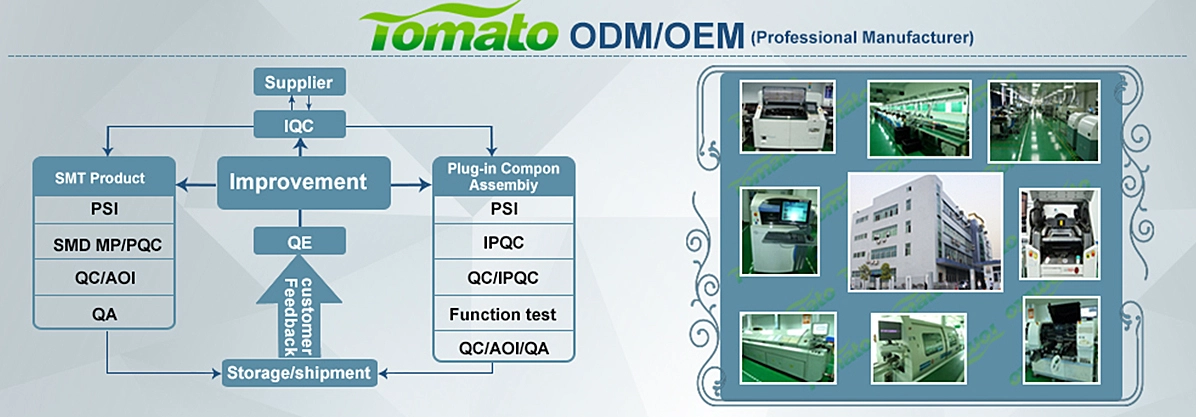
How SZTomato Builds an OEM Android TV Box
This is where a B2B OEM/ODM manufacturer creates a meaningful difference.
SZTomato approaches an Android TV Box as an integrated hardware and software platform rather than a generic retail SKU.
Depending on the project, engineering can cover:
-
SoC platform selection
-
PCBA hardware modification
-
DDR and eMMC configuration
-
Wi-Fi/Bluetooth module selection
-
RF and antenna optimization
-
HDMI and USB configuration
-
Android/AOSP firmware
-
Linux/Android kernel optimization
-
SDK/API integration
-
Custom UI/UX firmware
-
IPTV middleware
-
Application integration
-
OTA update systems
-
Remote device management
-
Enclosure modification
-
Thermal engineering
-
Specialized cooling solutions for industrial use
The PCBA layout should be developed around the final enclosure, interfaces and thermal requirements.
This is particularly important for high-performance SoCs.
When an Android TV Box operates continuously at high load, thermal throttling can reduce CPU and GPU frequency. The result may be playback instability, application crashes or degraded system responsiveness.
A suitable cooling solution can involve:
-
Larger heatsinks
-
Thermal pads
-
Optimized SoC-to-heatsink interfaces
-
Enclosure ventilation
-
Internal airflow
-
Component placement optimization
For industrial and commercial applications, thermal design should be validated under the expected operating environment rather than under short laboratory workloads.
What Is a Good Android TV Box Specification in 2026?
There is no single answer.
A practical baseline for a new B2B Android TV Box project could look like this:
| Component | Entry IPTV | Mainstream 4K | Advanced Commercial |
|---|---|---|---|
| CPU | Quad-core ARM | Quad/Octa-core ARM | High-performance Octa-core |
| RAM | 2GB | 4GB | 4GB–8GB+ |
| Storage | 16GB | 32GB | 64GB–128GB |
| Video | 4K H.265 | 4K H.265/VP9/AV1 | 4K/8K depending on SoC |
| Wi-Fi | Wi-Fi 5 | Wi-Fi 5/6 | Wi-Fi 6 or project-specific |
| Ethernet | 100M | 1GbE preferred | 1GbE |
| OS | AOSP/Android | Android TV/AOSP | Custom Android/AOSP |
| OTA | Basic | Required | Enterprise-grade |
| Thermal | Passive | Passive/optimized | Specialized cooling |
| Application | IPTV | OTT/IPTV | IPTV/OTT/signage/AI |
The important word is baseline.
The correct specification must still be calculated from the target software, application, certification requirements, expected lifetime and BOM target.
The Bottom Line: Specify the Platform, Not Just the Android TV Box
A good Android TV Box specification is not a list of impressive numbers.
It is a balanced architecture.
A 4K label does not guarantee good 4K playback.
8GB RAM does not compensate for a weak SoC.
Wi-Fi 6 does not guarantee high wireless throughput without proper RF engineering.
AV1 support does not necessarily mean efficient hardware decoding.
And an Android logo does not mean the device is Google-certified.
For B2B procurement, the correct evaluation sequence is:
Application → SoC → video engine → memory → connectivity → DRM/HDCP → PCBA → thermal design → firmware → OTA → certification → lifecycle support.
That approach reduces the risk of selecting hardware that looks competitive on a quotation sheet but becomes expensive during integration, certification or mass deployment.
For procurement managers, IPTV operators, distributors and system integrators, SZTomato can engineer Android TV Box platforms around the actual project requirements—from PCBA modification and SoC selection to firmware, SDK/API integration, custom UI/UX, OTA systems and industrial cooling.
The objective is not to sell the highest-spec Android TV Box.
It is to build the right Android TV Box for the application, deployment scale and product lifecycle.
