What is the latest TV Box?
What Is the Latest TV Box? A 2026 Guide to SoC, AV1, AI and OEM Development
The latest TV Box generation is moving beyond the familiar formula of “quad-core CPU + 4K output + Android.” The major shift is happening at the SoC level.
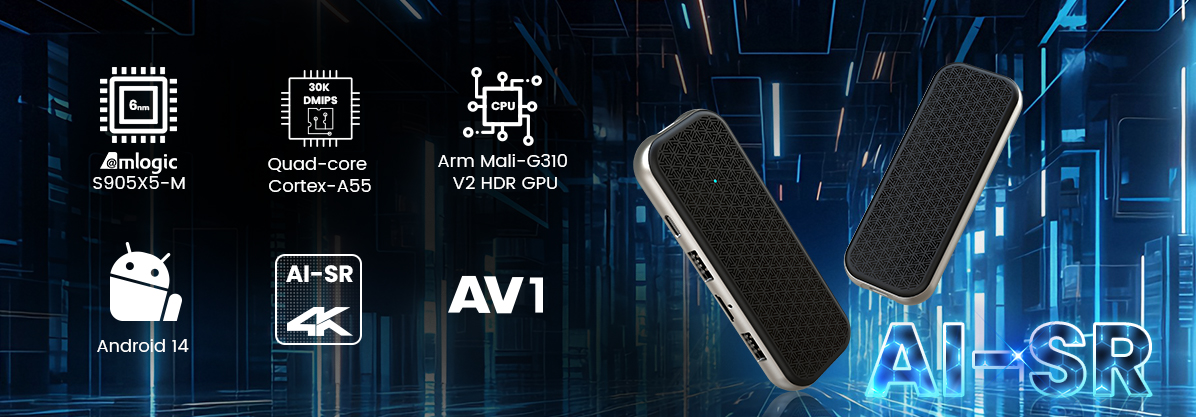
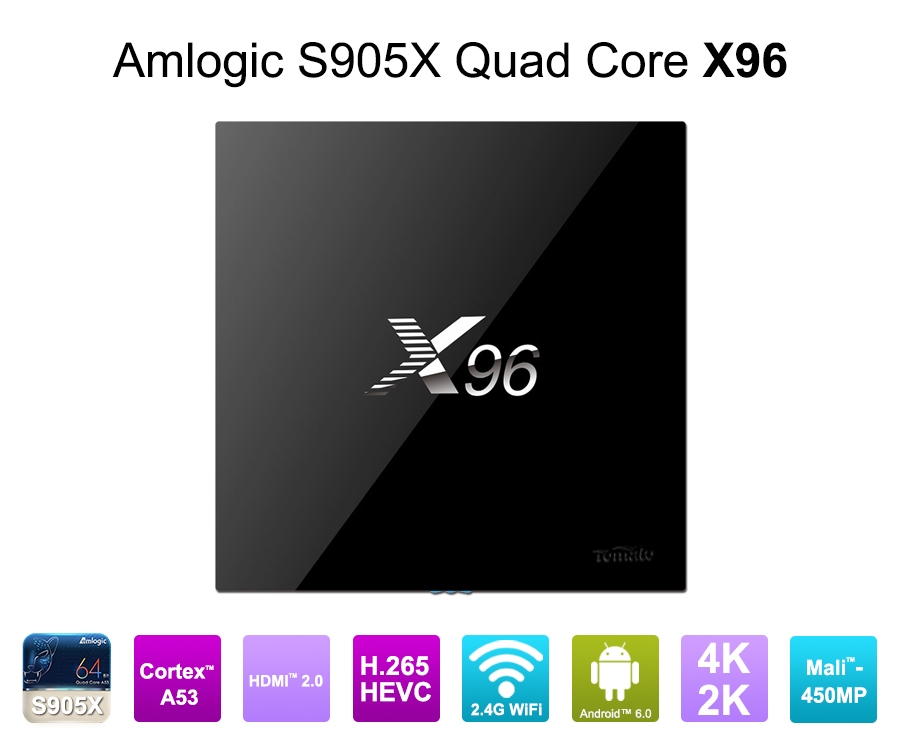
Amlogic’s S905X5 family is now one of the key platforms to watch for new 4K TV Box designs. The S905X5 is positioned as a 6nm flagship SoC for next-generation 4K UHD set-top boxes, while S905X5M-based devices are already appearing in 2026 TV Box and OTT deployments.
For B2B buyers, however, the question is not simply which TV Box has the newest processor. The better question is whether the platform can deliver the required video pipeline, connectivity, DRM, firmware control, thermal stability and customization capability over the product lifecycle.
What Is the Latest TV Box Technology in 2026?
For mainstream 4K TV Box development, Amlogic S905X5 and S905X5M represent an important current-generation platform.
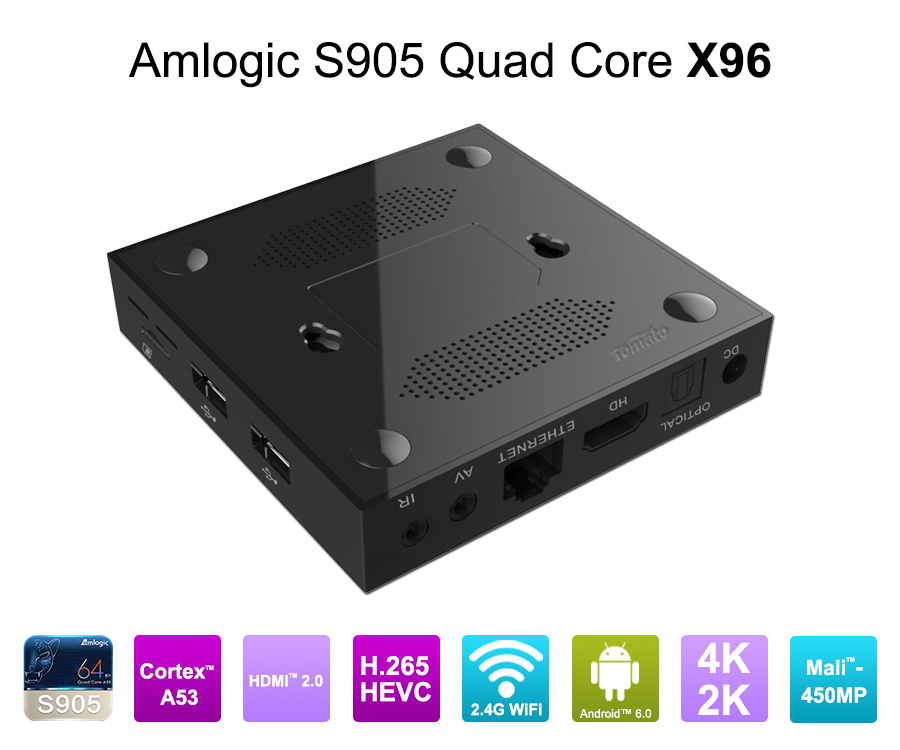
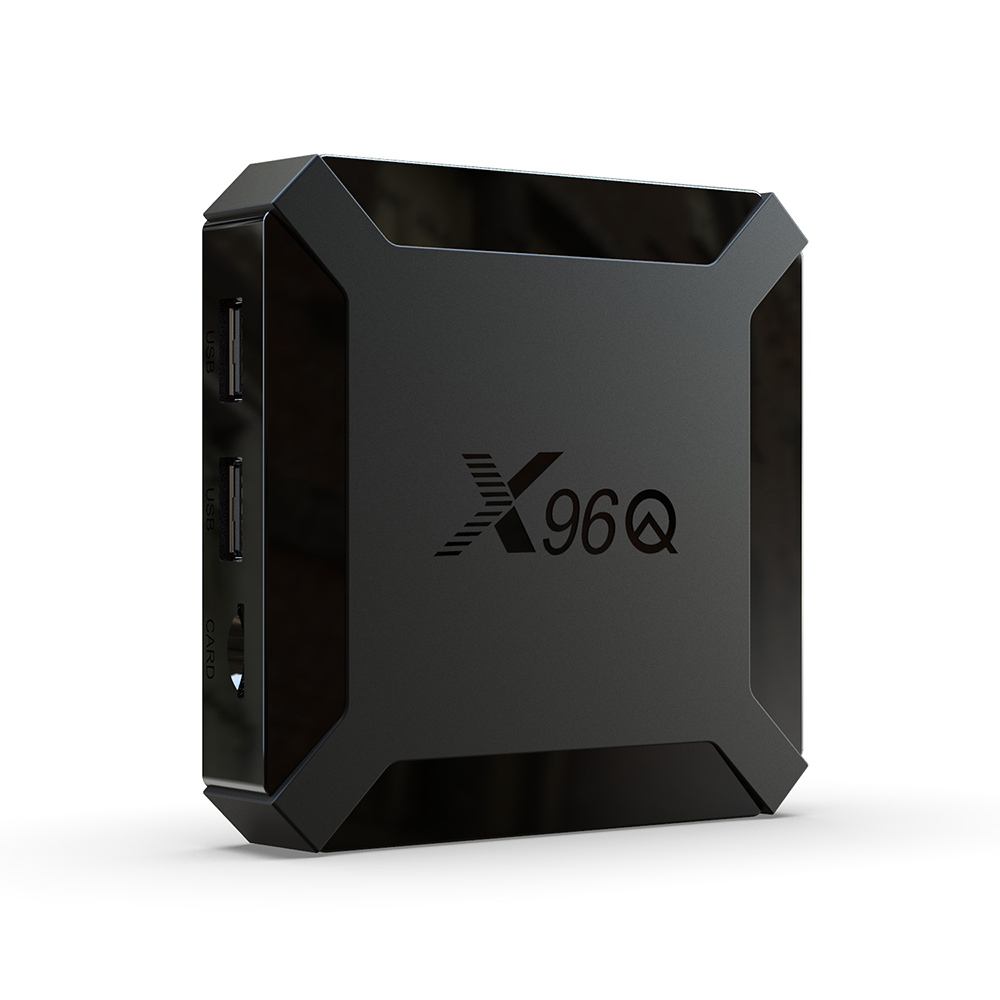
S905X5M-based TV Box products typically combine a modern ARM CPU architecture, Mali GPU, 4K@60 video processing, AV1 decoding, Wi-Fi 6-class connectivity and Android-based software. Commercial products using the platform are already available, including devices positioned around Google TV and 4K AV1 OTT applications.
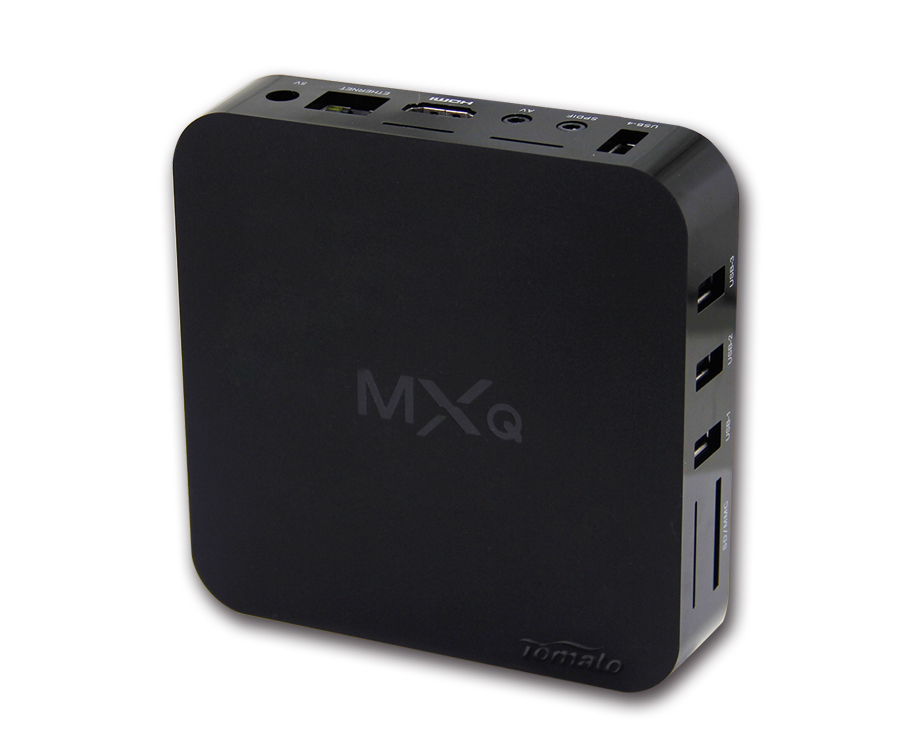
SZTomato's S905X5M TV Box configuration, for example, supports:
-
Quad-core ARM Cortex-A55 CPU
-
ARM G310 V2 GPU
-
2GB/4GB RAM options
-
16GB/32GB/64GB/128GB storage options
-
Android 14
-
Dual-band Wi-Fi
-
Bluetooth 5.x
-
AV1, VP9 and H.265 4K video decoding
-
HDR10/HDR10+ processing
-
HDMI 2.1-class output
-
Gigabit Ethernet options
These specifications illustrate an important point: a current TV Box is no longer defined by CPU frequency alone. Video decoding, memory bandwidth, GPU capability, networking and software integration determine whether the finished device can handle the target application.
Why AV1 Matters
AV1 has become a baseline consideration for new streaming hardware.
Google's Android compatibility requirements for television devices include AV1 decoding, alongside H.264, H.265 and VP9. This makes hardware AV1 support increasingly important when designing a TV Box intended for long-term OTT or streaming deployments.
Hardware AV1 decoding reduces the processing burden compared with relying on software decoding. For operators and streaming platforms, this can improve playback efficiency while supporting high-resolution content.
For an OEM project, the practical question is therefore not simply “Does the TV Box support AV1?” The engineering team should verify:
-
Maximum AV1 resolution and frame rate
-
Profile and level support
-
Hardware decoder behavior under sustained load
-
HDR compatibility
-
DRM interaction
-
Player and Android framework integration
-
Memory consumption during 4K playback
A specification sheet can say “AV1 supported” while the actual product experience still depends on the complete software and hardware implementation.
The Latest TV Box Is About the Entire Platform, Not Just the SoC
Choosing the latest chipset is only the first engineering decision.
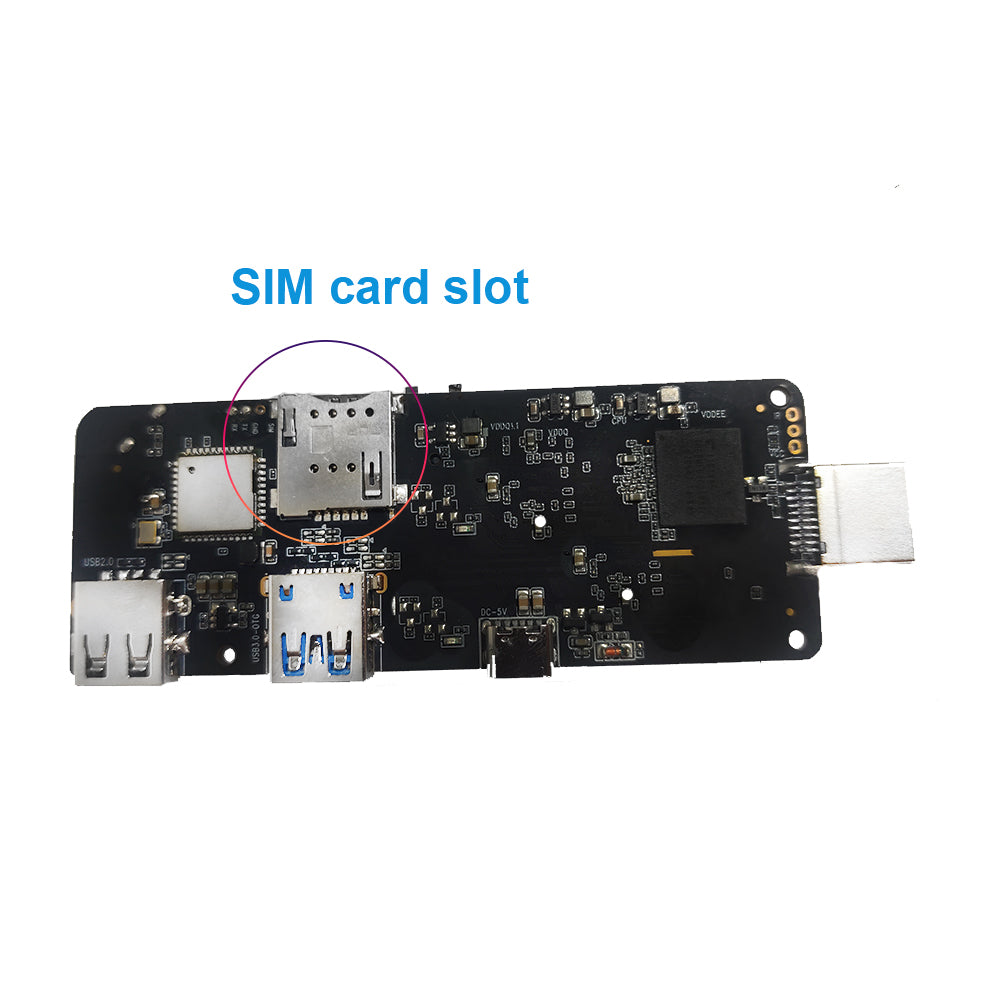
A TV Box designed for commercial deployment needs a balanced architecture covering the PCBA, power supply, storage, wireless module, thermal system, operating system and application layer.
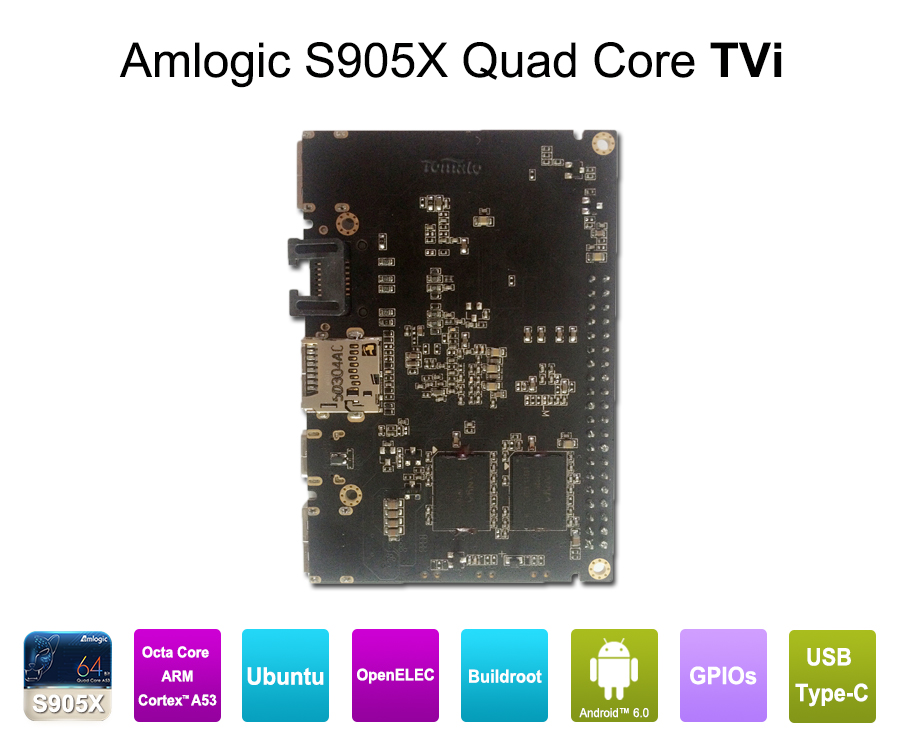
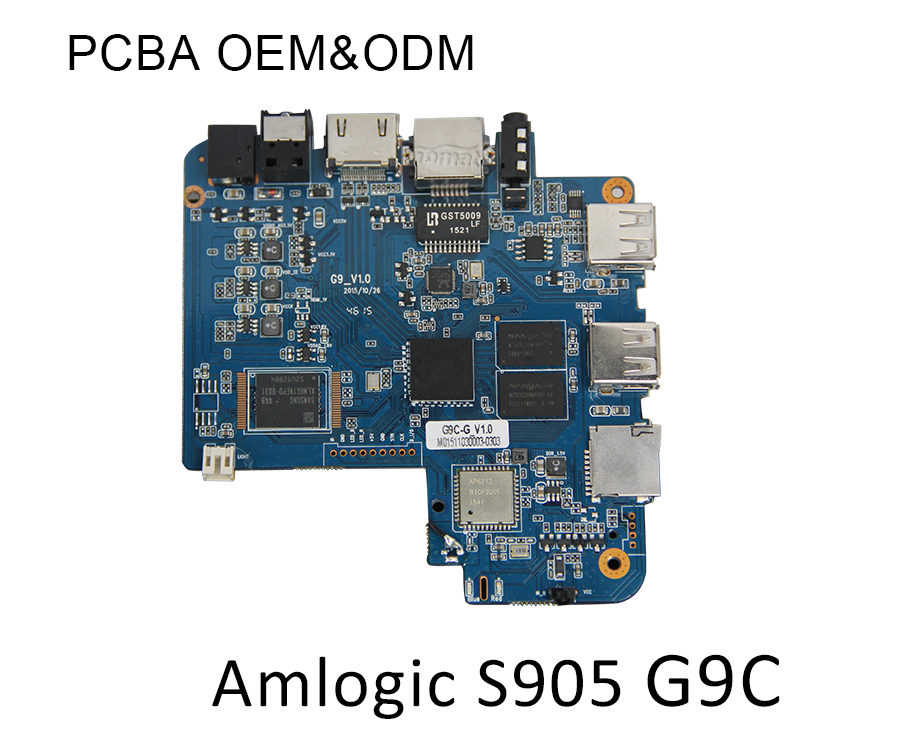
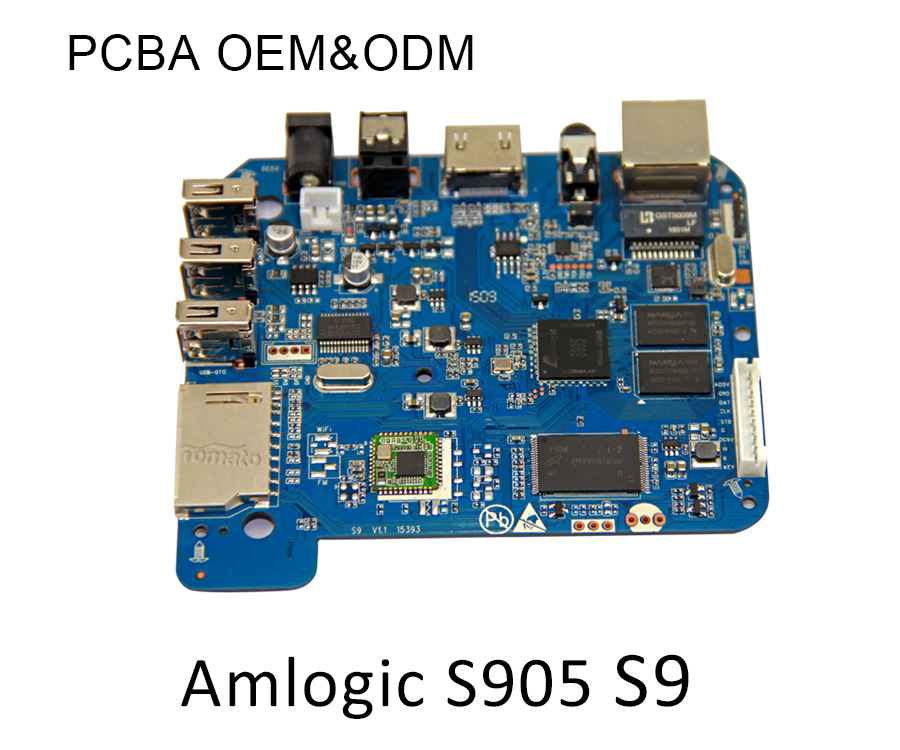
1. PCBA Design and Interface Configuration
Reference designs are useful for reducing development time, but they are rarely the optimal final solution for every project.
A commercial TV Box may require:
-
Additional USB interfaces
-
Gigabit Ethernet
-
RS-232 or UART
-
GPIO
-
MIPI-DSI
-
MIPI-CSI
-
Optical audio
-
Custom IR receiver
-
Different HDMI configurations
-
External antenna connectors
-
Industrial power input
-
Customized storage or RAM
This is where PCBA-level engineering becomes important.
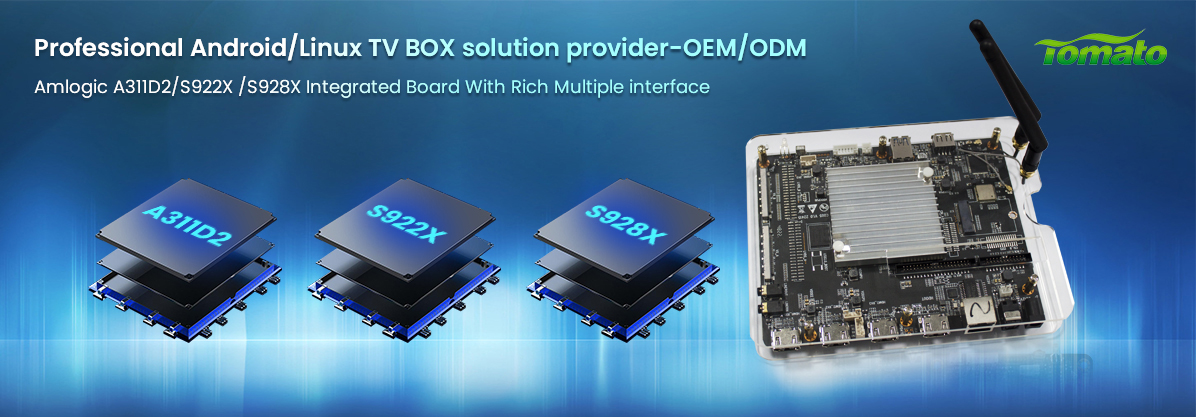
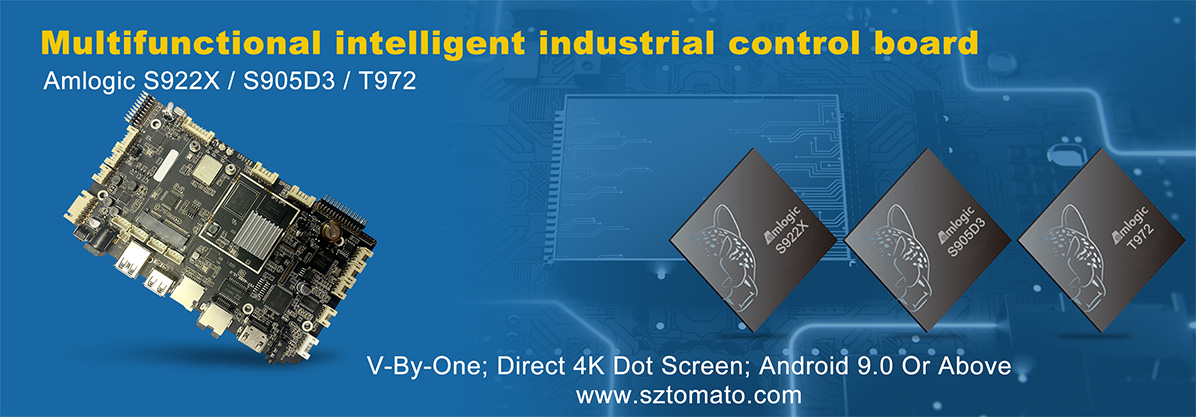
SZTomato can modify the PCBA layout according to project requirements instead of limiting the customer to a standard retail board. Component selection, power delivery, interface placement, wireless design and enclosure constraints can be evaluated together.
For system integrators, this approach is often more valuable than selecting a slightly faster retail TV Box that cannot expose the interfaces required by the project.
2. Firmware and Kernel Optimization
A modern TV Box is a software product as much as a hardware product.
The firmware stack may include:
-
Android framework customization
-
Linux/Android kernel optimization
-
Device-tree modification
-
Driver integration
-
Bootloader configuration
-
Custom launcher development
-
UI/UX customization
-
OTA update systems
-
Remote management
-
Application pre-installation
-
Network configuration
-
Power-management policies
For a branded TV Box, the launcher may need to follow the customer's visual identity. For an IPTV operator, the system may need to boot directly into an operator application. For a commercial project, unnecessary consumer applications may need to be removed completely.
This is why OEM and ODM capability should be evaluated at the firmware level rather than by enclosure customization alone.
How to Choose the Right Latest TV Box for a B2B Project
The best TV Box is not necessarily the newest retail model. It is the platform that matches the technical and commercial requirements of the deployment.
A useful selection process starts with five questions.
Video Requirements
Define the actual video workload first.
For example:
-
4K@60 playback
-
AV1 decoding
-
H.265/HEVC
-
VP9
-
HDR10/HDR10+
-
Dolby Vision where licensing and certification apply
-
Multi-channel audio
-
HDMI-CEC
-
HDCP requirements
A streaming service may prioritize AV1 and DRM. A hospitality project may prioritize stable HDMI output and centralized management. A digital signage application may need multiple displays or unusual resolutions rather than consumer streaming features.
Operating System Requirements
Android is not a single deployment model.
A project may need:
-
Android TV
-
Google TV
-
AOSP
-
Customized Android
-
Linux
-
Debian
-
Ubuntu
Google TV provides a consumer-oriented TV experience and ecosystem integration, while AOSP can provide substantially more control for specialized commercial applications. Android TV applications can also run on Google TV devices, subject to platform and application requirements.
For a B2B project, the decision should be based on certification, application compatibility, UI control, OTA management and long-term maintenance—not simply which interface looks better.
Connectivity Requirements
Wi-Fi 5 may be adequate for some deployments. New projects may justify Wi-Fi 6, especially where multiple devices operate in dense environments.
Ethernet remains important for professional deployments because wired networking provides predictable bandwidth and lower dependency on wireless conditions.
For an operator or enterprise project, engineers should also evaluate:
-
2.4GHz/5GHz performance
-
Antenna configuration
-
Bluetooth version
-
Gigabit Ethernet
-
USB bandwidth
-
Network boot or recovery requirements
-
Remote management architecture
Thermal Design
Higher SoC performance creates a corresponding thermal engineering requirement.
A TV Box operating continuously for 12–24 hours per day cannot be evaluated only through a short benchmark.
The engineering team should examine:
-
SoC temperature
-
Sustained CPU/GPU load
-
Heat-spreader design
-
Thermal interface material
-
Enclosure ventilation
-
Clock throttling
-
Ambient-temperature performance
-
Long-duration 4K playback
For industrial and commercial applications, SZTomato can develop specialized cooling solutions rather than treating the standard plastic enclosure as the complete thermal solution.
DRM and Content Protection
For commercial streaming, hardware capability is only one part of the equation.
DRM, HDCP, certification and application compatibility can determine whether premium content actually plays at the expected resolution.
A TV Box can have a powerful SoC and still fail a commercial deployment if the required DRM level, HDCP implementation or content certification is missing.
This is one of the most common mistakes in B2B TV Box procurement: comparing CPU, RAM and storage while ignoring the software and certification layer.
S905X5 vs S905X5M: Which Platform Makes More Sense?
S905X5 and S905X5M should not be treated as interchangeable simply because they belong to the same generation.
The appropriate choice depends on the target application, required interfaces, performance level, certification requirements, BOM target and expected production volume.
S905X5M is already being used in compact 4K OTT TV Box products with AV1 decoding and Wi-Fi 6 connectivity.
For mainstream 4K streaming products, S905X5M can provide a strong balance between performance, power consumption, board complexity and cost.
For more demanding products, the full S905X5 platform deserves evaluation where additional performance, AI capability or advanced media-processing requirements justify the higher platform specification. Amlogic currently lists both S905X5 and S905X5M among its product portfolio.
The correct decision should therefore come from the project specification rather than from the processor name alone.
What Makes a TV Box OEM Partner Future-Ready?
A TV Box OEM partner should be evaluated as an engineering supplier, not merely as an assembly factory.
Before placing a production order, B2B buyers should verify four capabilities.
First, can the factory modify the PCBA rather than simply change the enclosure?
Second, can its engineers integrate SDKs and APIs into the firmware?
Third, can it maintain customized Android/Linux firmware and OTA infrastructure?
Fourth, can it solve thermal, interface and mechanical problems when the standard reference design does not fit the project?
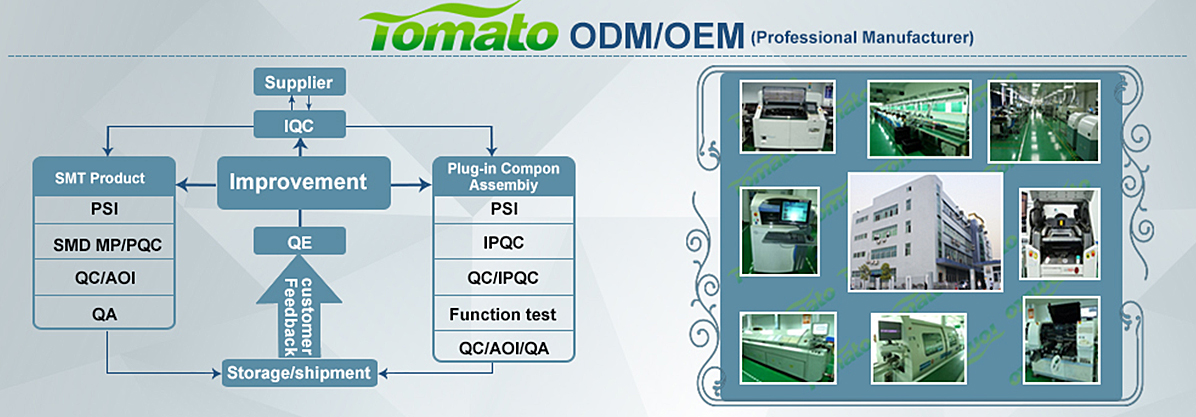
SZTomato supports OEM/ODM development across these areas, including PCBA hardware modification, SDK/API integration, custom UI/UX firmware and specialized cooling solutions for commercial and industrial applications.
This capability matters because the next TV Box project may require much more than a faster processor. A telecom operator may need customized middleware. A system integrator may require serial communication and remote management. A hotel solution may need a locked-down launcher. A digital signage project may require customized display interfaces and scheduled content playback.
The factory's ability to modify the underlying platform becomes a competitive advantage.
Conclusion: The Latest TV Box Should Be Selected by Project Requirements
In 2026, Amlogic S905X5 and S905X5M are among the most relevant current-generation platforms for new 4K TV Box development. AV1 hardware decoding, modern GPU architecture, improved connectivity and stronger Android platform capabilities are becoming standard considerations rather than optional specifications.
But “latest” does not automatically mean “best.”
For B2B procurement managers and system integrators, the better selection criteria are sustained performance, codec support, DRM, HDCP, connectivity, thermal stability, firmware control, certification and long-term OTA maintenance.
If your project requires a customized TV Box rather than a generic retail device, SZTomato can support the development process from SoC and PCBA selection through hardware modification, firmware customization, SDK/API integration, thermal engineering and mass production.
The right TV Box is the one that can be engineered around your product requirements today—and maintained as those requirements change tomorrow.