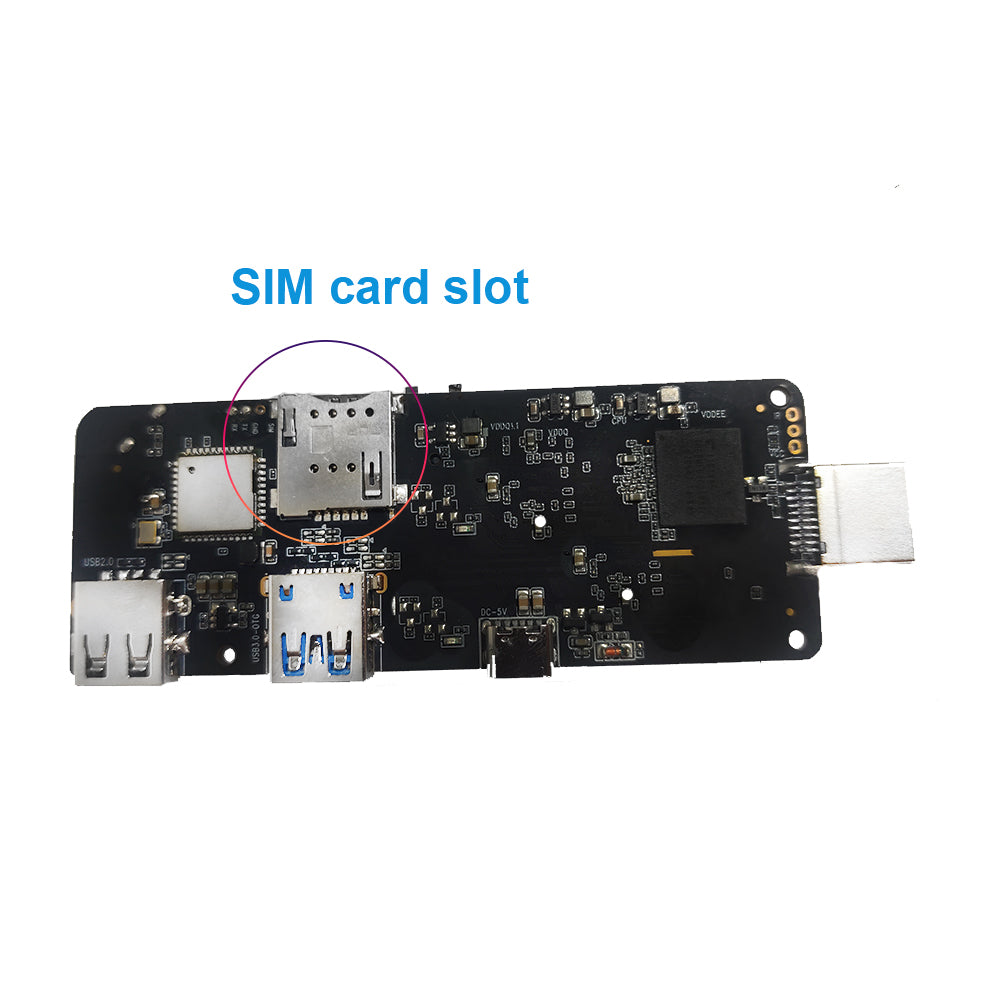
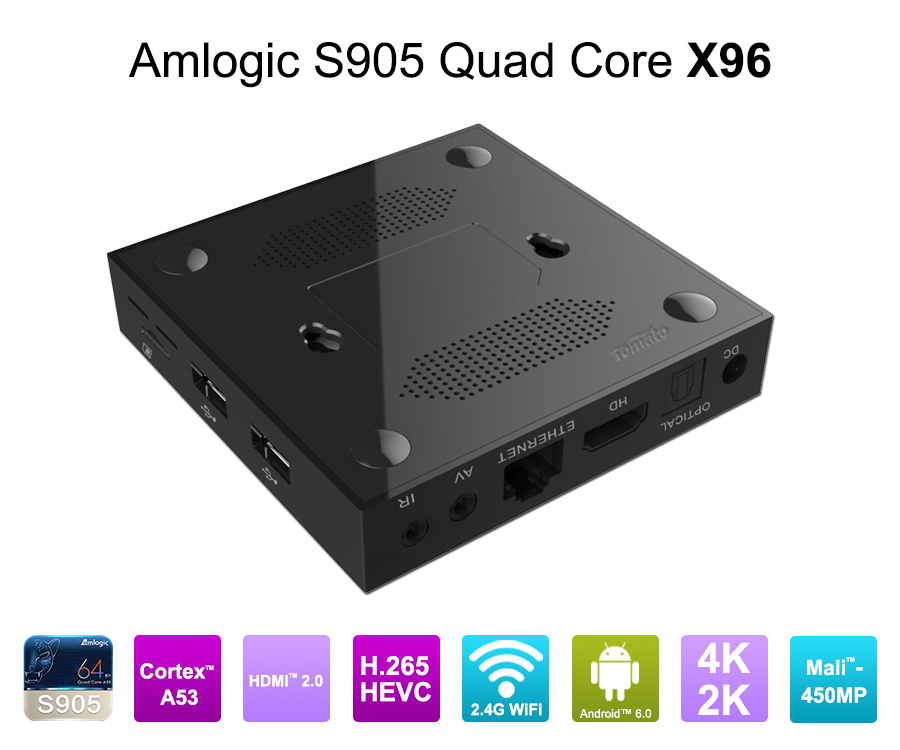
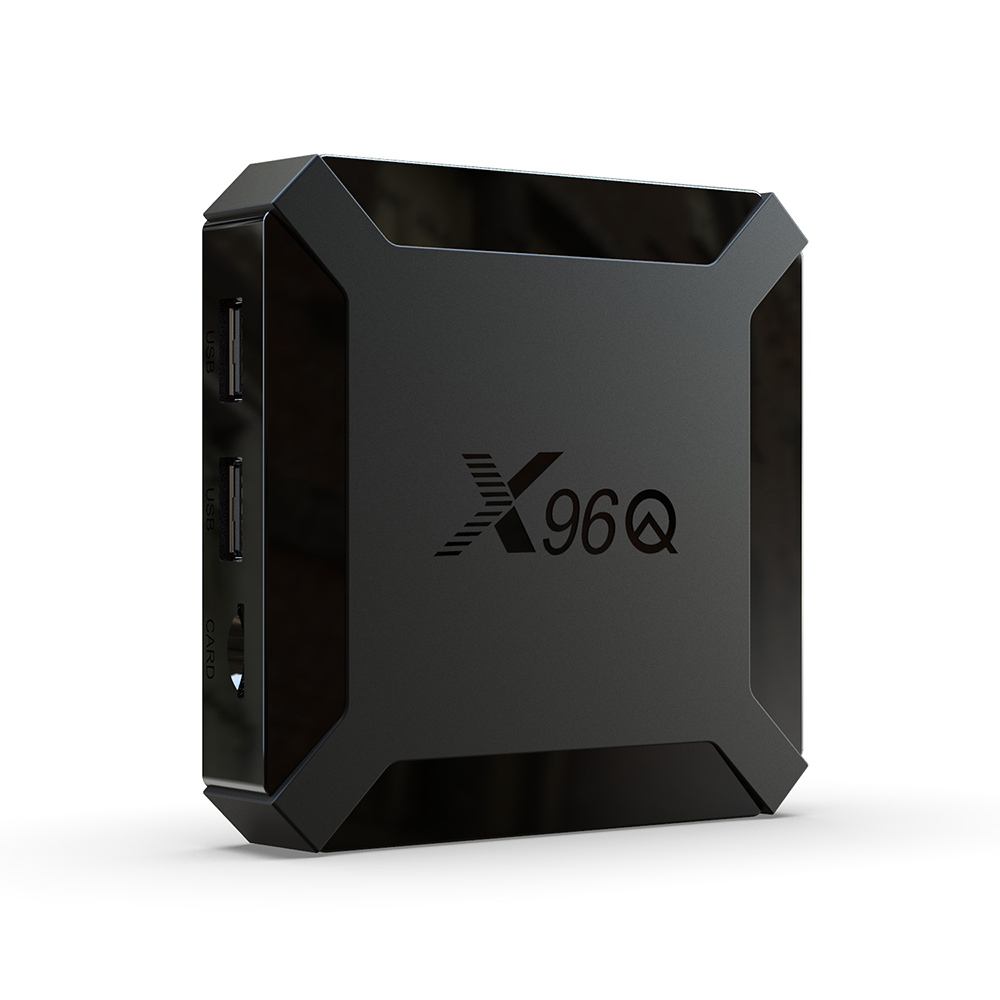
What is the spec of Set-Top Box (STB)?
What Is the Spec of a Set-Top Box (STB)? Key Specifications for OEM and Commercial Projects
The specification of a modern Set-Top Box (STB) is no longer defined by a simple combination of CPU, RAM and HDMI output. The shift toward AV1 streaming, 4K@60 playback, stronger content protection and long-term remote software management has changed how operators and system integrators evaluate STB hardware.
A current Set-Top Box may need to support hardware video decoding, HDCP encryption, DRM, Gigabit Ethernet, Wi-Fi 6, Bluetooth, customized Android or Linux firmware and OTA update systems. For commercial deployments, the PCBA layout, thermal design and software maintenance strategy can be more important than a higher benchmark score.
This guide explains the core specifications of a Set-Top Box (STB) and how B2B buyers should evaluate hardware platforms for IPTV, OTT, hospitality, digital signage and customized commercial projects.
1. What Are the Main Specifications of a Set-Top Box (STB)?
A professional STB specification should be evaluated as a complete hardware and software architecture.
The main categories include:
-
SoC and CPU architecture
-
GPU and AI processing capability
-
RAM and eMMC storage
-
Video decoding and encoding
-
Maximum display resolution
-
HDMI and HDCP support
-
Ethernet, Wi-Fi and Bluetooth
-
USB and expansion interfaces
-
Operating system and firmware
-
DRM and content protection
-
OTA update capability
-
Thermal design
-
Power supply and environmental requirements
The correct specification depends on the application. An IPTV operator, hotel system integrator and industrial digital signage project may all require a Set-Top Box, but their technical requirements can be completely different.
SoC and CPU Specifications
The SoC is the foundation of the Set-Top Box.
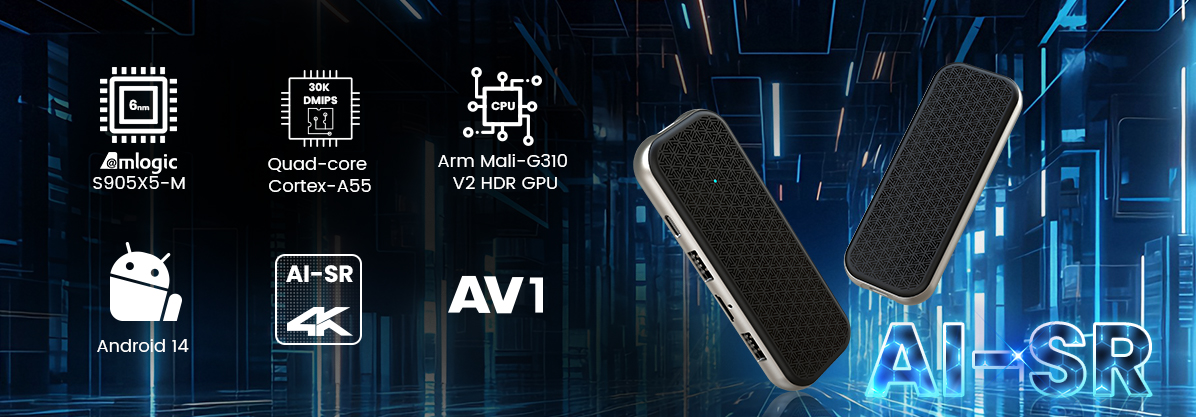
Current STB platforms commonly use ARM-based processors from suppliers such as Amlogic, Rockchip and Allwinner. Depending on the product position, the CPU configuration may range from quad-core Cortex-A55 architectures to higher-performance Cortex-A76-based heterogeneous processors.
For example, a mainstream 4K Set-Top Box can use a quad-core ARM Cortex-A55 platform, while a higher-performance commercial device may use a combination of Cortex-A76 and Cortex-A55 CPU cores.
CPU specifications should be evaluated according to the actual workload:
-
IPTV or OTT streaming
-
4K local playback
-
AV1 decoding
-
Multi-application operation
-
Digital signage
-
AI edge processing
-
SDK/API integration
-
Peripheral control
For standard streaming, selecting an oversized processor can unnecessarily increase the BOM cost and thermal load. For a system integration project, however, insufficient CPU performance can limit middleware, local services and future firmware development.
The best Set-Top Box specification is therefore based on workload analysis rather than maximum benchmark performance.
RAM and Storage Specifications
RAM and storage directly affect application performance, boot behavior and long-term firmware flexibility.
Common configurations include:
| Application | Typical RAM | Typical Storage |
|---|---|---|
| Basic IPTV STB | 2GB | 8GB–16GB |
| 4K OTT STB | 2GB–4GB | 16GB–32GB |
| Advanced Android STB | 4GB–8GB | 32GB–128GB |
| Commercial/Industrial Projects | Project-dependent | Project-dependent |
A commercial project should not select storage only according to the current application size.
OTA update packages, system partitions, recovery images, logs and future software features all consume storage capacity. Partition planning should therefore be part of the firmware engineering process.
2. What Video and Display Specifications Should an STB Support?
Video processing is one of the most important specifications of a Set-Top Box.
A modern 4K STB commonly supports hardware decoding for:
-
H.264/AVC
-
H.265/HEVC
-
VP9
-
AV1
The exact resolution and frame-rate capability depend on the SoC.
AV1 Hardware Decoding
AV1 has become an important specification for new streaming devices because major content platforms continue to improve codec efficiency and expand AV1 delivery.
For a new Set-Top Box project, buyers should verify more than the statement “AV1 supported.”
The engineering specification should confirm:
-
Maximum AV1 resolution
-
Maximum frame rate
-
Supported profile and level
-
HDR compatibility
-
Hardware decoder implementation
-
Memory usage during 4K playback
-
Compatibility with the target player and middleware
A software stack can become the bottleneck even when the SoC supports the codec at the hardware level.
4K, HDR and HDMI
A typical modern STB may support 4K output at up to 60Hz, but commercial requirements should also consider the complete display chain.
Important specifications include:
-
4K@60 output
-
HDMI version
-
HDR10
-
HDR10+
-
Dynamic range conversion
-
Color format
-
Color depth
-
HDMI-CEC
-
HDCP encryption
HDCP requirements are particularly important for premium content.
An STB may be technically capable of outputting 4K video but still fail a commercial content deployment if the required DRM and HDCP implementation does not match the service provider's security requirements.
For B2B procurement, content protection must be evaluated as part of the complete platform specification rather than as a secondary software feature.
3. How Do Network, Interface and PCBA Specifications Affect an STB Project?
The standard interfaces of a retail TV Box may not be sufficient for a commercial Set-Top Box project.
A customized STB may require:
-
Gigabit Ethernet
-
Dual-band Wi-Fi
-
Wi-Fi 6
-
Bluetooth 5.x
-
USB 2.0 or USB 3.0
-
UART
-
RS-232
-
GPIO
-
MIPI-DSI
-
MIPI-CSI
-
IR receiver
-
External antenna connectors
-
Optical audio
-
Customized power input
These requirements affect the PCBA layout.
Adding an interface after the board design is complete can require changes to routing, power delivery, component placement, signal integrity and the enclosure structure. This is why PCBA customization should be evaluated during the initial project stage.
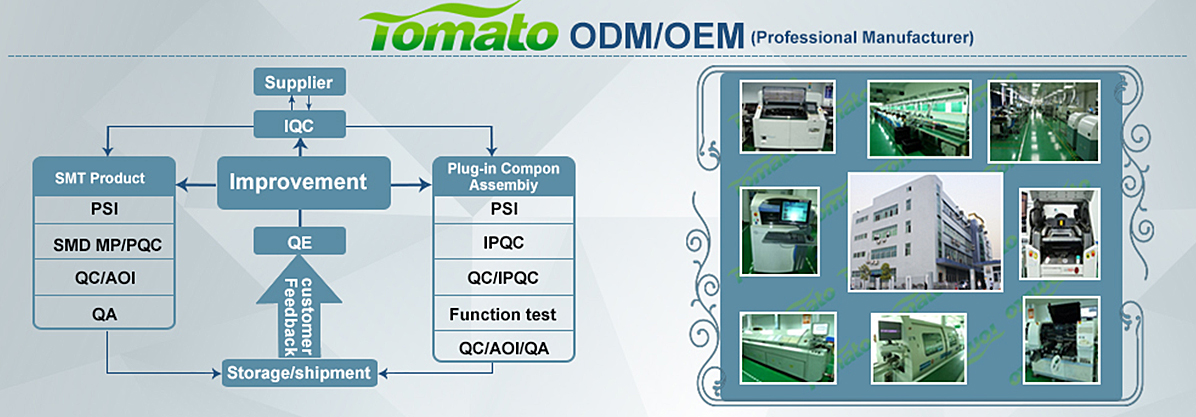
SZTomato supports PCBA hardware modification according to project requirements. Instead of limiting customers to a standard reference design, the engineering team can evaluate interface configuration, storage options, wireless modules, power architecture and mechanical constraints together.
For system integrators, this reduces the risk of selecting a standard Set-Top Box that later requires expensive external adapters or cannot support the required peripheral equipment.
SDK and API Integration
Commercial Set-Top Box projects often need to communicate with external systems.
Examples include:
-
IPTV middleware
-
Hotel management systems
-
Device management platforms
-
Advertising platforms
-
IoT systems
-
Payment systems
-
Enterprise applications
-
Remote monitoring platforms
SDK/API integration should therefore be considered during platform selection.
A factory that can only install an APK provides limited engineering flexibility. A project may instead require system-level API access, customized services, native libraries, drivers or modifications to the Android framework.
SZTomato supports SDK/API integration as part of its OEM/ODM development capability. Depending on the project architecture, this can include integration between customer software and the underlying device platform.
4. Why Are Firmware, OTA and Thermal Specifications Critical?
The hardware specification is only half of the STB design.
A commercial Set-Top Box can remain in deployment for several years. During that period, software requirements, security policies, applications and network conditions may change.
Custom Firmware and Kernel Optimization
A customized STB can require:
-
Android firmware customization
-
Linux distribution customization
-
Android framework modification
-
Linux/Android kernel optimization
-
Device-tree configuration
-
Driver integration
-
Bootloader configuration
-
Custom launcher development
-
Custom UI/UX firmware
-
Application pre-installation
-
Kiosk or locked-down operating modes
-
Automatic boot into a dedicated application
For example, a hotel STB may need a customized launcher and restricted user access. An IPTV operator may require direct boot into its middleware. An industrial project may require a simplified Linux environment rather than a consumer Android interface.
The operating system should therefore be selected according to the application architecture.
OTA Update Systems
An OTA update system is a core operational requirement for large deployments.
Without centralized firmware updates, maintenance becomes difficult when hundreds or thousands of devices are installed across different locations.
A professional OTA strategy should define:
-
Firmware version management
-
Incremental or full updates
-
Update scheduling
-
Failure recovery
-
Rollback capability
-
Device grouping
-
Security verification
-
Network recovery behavior
OTA design should begin before mass production. Changing the partition structure or update mechanism after thousands of STBs have been deployed can create significant maintenance risks.
Thermal Specifications for Continuous Operation
Consumer products may operate for several hours per day. Commercial and industrial STBs can operate continuously.
This changes the thermal requirement.
The engineering team should test:
-
SoC temperature
-
CPU and GPU sustained load
-
4K video decoding temperature
-
Thermal throttling behavior
-
Ambient operating temperature
-
Heat dissipation path
-
Thermal interface material
-
Heat spreader configuration
-
Enclosure ventilation
A short benchmark does not prove long-term stability.
For industrial or high-load applications, SZTomato can develop specialized cooling solutions based on the SoC, PCBA structure, enclosure and operating environment. The goal is to control sustained temperature rather than simply pass a short performance test.
How Should B2B Buyers Define the Right Set-Top Box Specification?
Before requesting a quotation, procurement managers and system integrators should prepare a project specification covering the following areas:
Hardware
-
Preferred SoC or performance target
-
CPU architecture
-
GPU requirements
-
AI/NPU requirements
-
RAM
-
Storage
-
Ethernet
-
Wi-Fi
-
Bluetooth
-
USB and expansion interfaces
-
Display outputs
-
Power requirements
Multimedia
-
Maximum resolution
-
Frame rate
-
H.264 support
-
H.265/HEVC support
-
VP9 support
-
AV1 support
-
HDR requirements
-
Audio requirements
-
HDMI and HDCP requirements
Software
-
Android, Android TV, Google TV, AOSP or Linux
-
Middleware requirements
-
Custom launcher
-
UI/UX requirements
-
SDK/API integration
-
Device management
-
OTA updates
-
Security requirements
Commercial Requirements
-
Target quantity
-
Production schedule
-
Product lifecycle
-
Certification requirements
-
Packaging
-
Branding
-
Custom enclosure
-
PCBA modification requirements
The more accurately these requirements are defined before hardware development, the lower the risk of redesign after prototype validation.
Conclusion: The Best Set-Top Box Specification Is Built Around the Deployment
There is no single specification that defines the best Set-Top Box (STB).
A basic IPTV deployment may only require a cost-efficient 4K hardware platform with stable H.265 and AV1 decoding. An OTT operator may require stronger DRM, HDCP and certification support. A system integrator may need customized PCBA interfaces, SDK/API integration and firmware-level control. An industrial application may prioritize Linux kernel optimization, extended interfaces and specialized cooling for continuous operation.
For B2B procurement managers and system integrators, the correct approach is to define the application first and then select the SoC, PCBA, interfaces, operating system and thermal architecture around that requirement.
SZTomato supports customized Set-Top Box OEM/ODM development, including PCBA hardware modification, SDK/API integration, custom UI/UX firmware, Linux/Android kernel optimization, OTA update planning and specialized cooling solutions for commercial and industrial projects.
If your project requires more than a standard retail STB, work with an engineering team that can modify the platform at both the hardware and firmware levels. That approach provides greater control over product differentiation, deployment stability and long-term maintenance.