

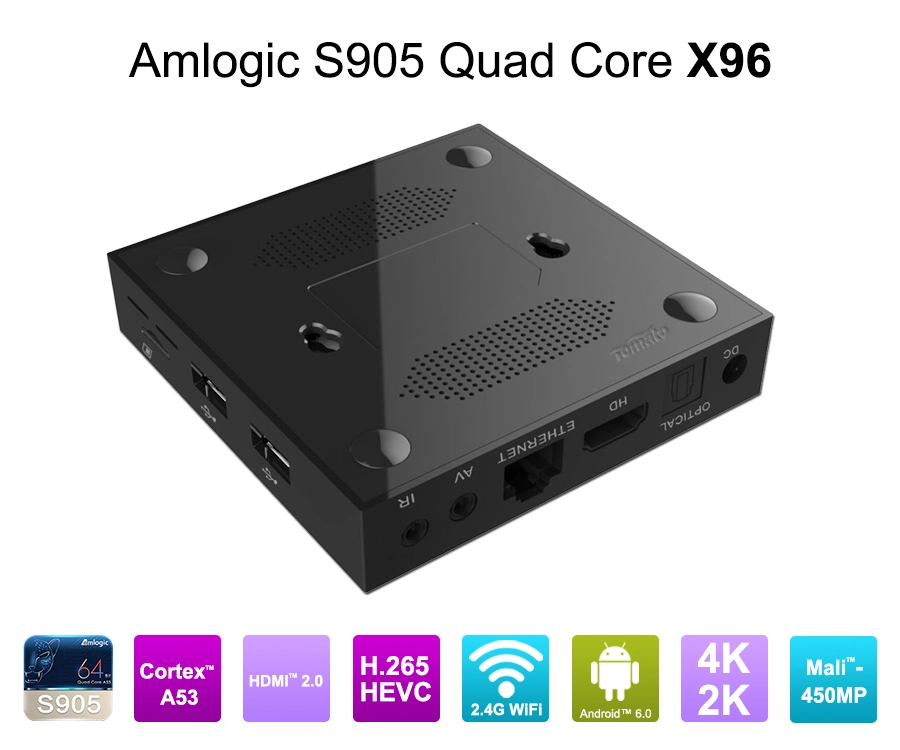
What is the lifespan of a TV Box?
Optimizing TV Box Lifespan for Enterprise Deployment TCO
In large-scale commercial deployments—encompassing IPTV networks, hotel infotainment systems, and digital signage displays—hardware lifecycle predictability dictates long-term profitability. While retail media streaming sticks are engineered for a 2-to-3-year consumer lifecycle characterized by intermittent usage, enterprise procurement teams require hardware that survives continuous 24/7 operation over a 5-to-7-year depreciation cycle. Premature hardware failure in the field triggers severe financial penalties, inflated maintenance overhead, and localized brand disruption.
Understanding the true lifespan of a commercial TV Box requires moving beyond speculative MTBF (Mean Time Between Failures) data sheets. It demands a granular analysis of how electronic components degrade under persistent thermal load and how firmware-level optimizations can mitigate hardware fatigue.
Technical Benchmarks: What Dictates Hardware Longevity?
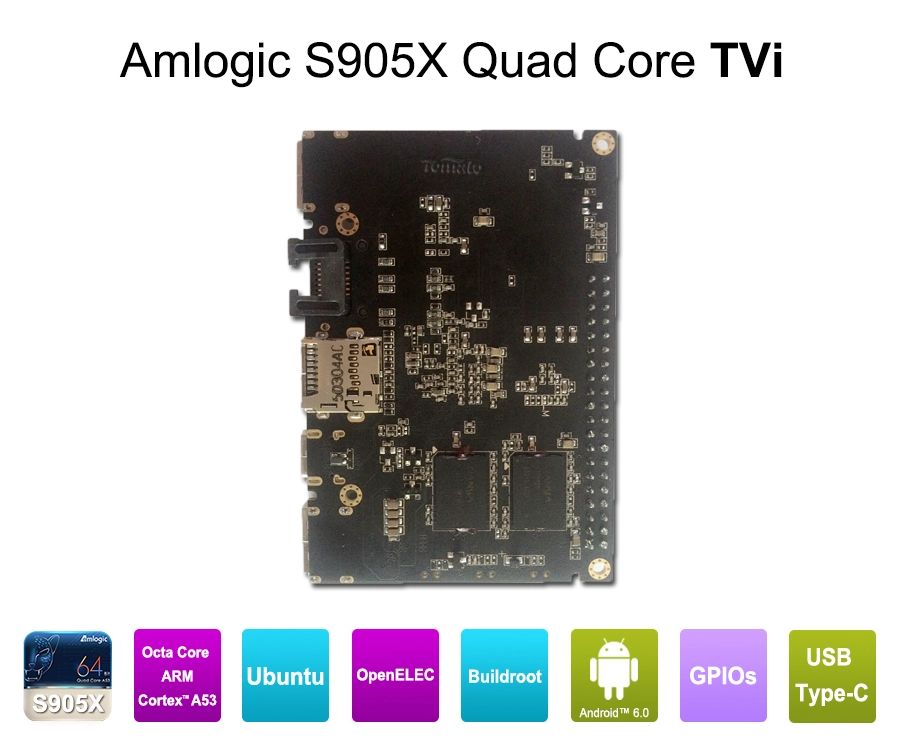
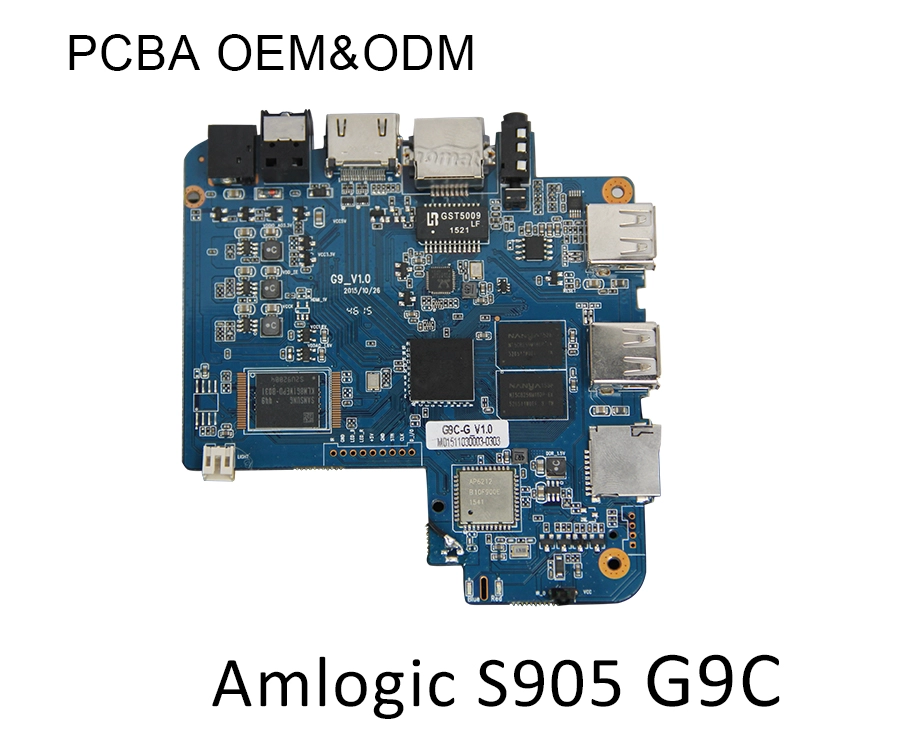
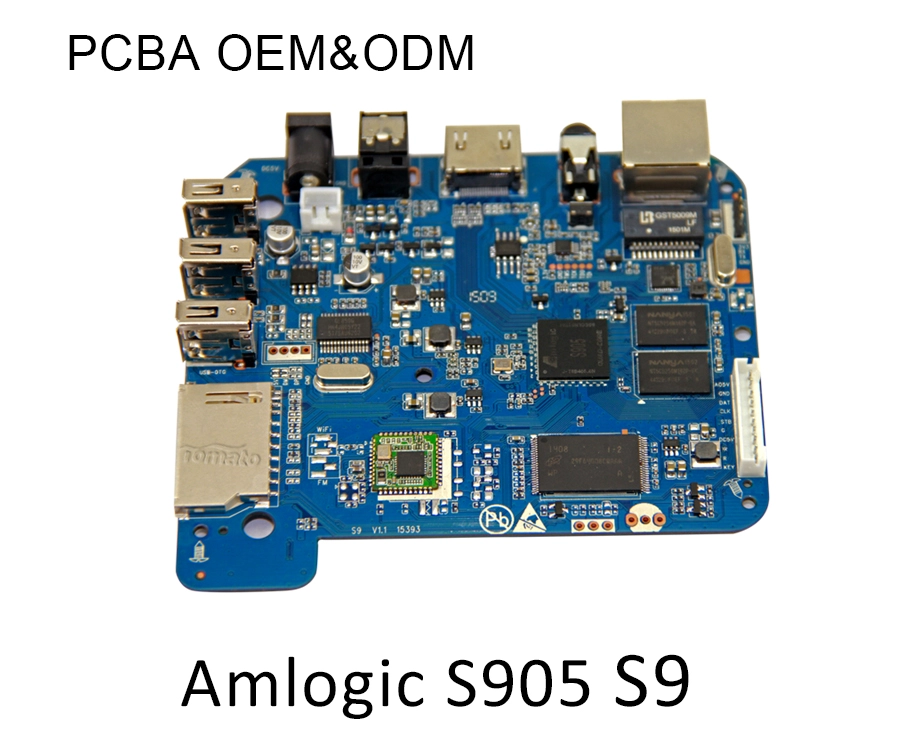
The operational lifespan of a media deployment is bounded by three critical hardware bottlenecks located directly on the Printed Circuit Board Assembly (PCBA): flash storage degradation, electrolytic capacitor breakdown, and System-on-Chip (SoC) thermal fatigue.
1. eMMC Flash Memory Read/Write Cycles
The primary software-driven killer of a TV Box is flash memory exhaustion. Standard consumer operating systems frequently execute log writing, application caching, and temporary file swapping directly onto the embedded MultiMediaCard (eMMC). Standard eMMC storage utilizes TLC (Triple-Level Cell) or MLC (Multi-Level Cell) architecture, which possesses a finite number of Program-Erase (P/E) cycles.
Under constant commercial operation, unoptimized firmware will exhaust these P/E cycles within 24 to 36 months, resulting in storage corruption, boot loops, and total device failure.
2. Junction Temperature and Thermal Throttling
Silicon degradation accelerates exponentially with heat. Mainstream SoCs from silicon vendors like Amlogic and Rockchip are engineered to operate safely up to specific junction temperatures (typically around 125°C). However, maintaining operating temperatures above 85°C continuously causes electromigration within the integrated circuits, gradually destabilizing the processor.
If the device enclosure and internal cooling metrics are poorly designed, the silicon will resort to aggressive thermal throttling, dropping processing frequencies and reducing rendering performance for high-bitrate 4K content.
Problem-Solution Framework: Engineering for a 7-Year Lifecycle
To double the field survival rate of a media endpoint, engineering teams must implement structural modifications at both the hardware component layer and within the core Android Open Source Project (AOSP) framework.
| Failure Vector | Consumer-Grade Baseline | Enterprise Engineering Solution |
| Storage Failure | Unmanaged eMMC caching; rapid P/E cycle depletion within 3 years. | Integration of High-Endurance eMMC with hardware wear-leveling; RAM-disk caching. |
| Thermal Degradation | Minimal stamped aluminum heatsink; high operating delta-T. | Oversized, die-cast aluminum thermal blocks paired with localized PCBA ventilation holes. |
| Capacitor Rupture | Standard liquid electrolytic capacitors sensitive to long-term voltage ripple. | 100% Solid Polymer Capacitors rated for higher operating hour thresholds at 105°C. |
Firmware-Driven Storage Preservation
To counteract eMMC wear, custom-engineered firmware mounts critical directory structures (such as /tmp and localized application logs) directly into the volatile system RAM (RAM-disk execution). By routing temporary, short-cycle read/write commands away from the physical eMMC flash cells, the system reserves the silicon's native P/E budget strictly for structural OS updates, effectively eliminating storage-based field failures.
Supply Chain Strategy: Sourcing for Continuous Reliability
Commercial deployment lifespans are also threatened by component obsolescence. Consumer electronics manufacturers cycle through hardware iterations every 12 to 18 months, abruptly dropping production for older architectures to focus on high-volume consumer trends.
For an enterprise operator, this creates a fragmentation crisis. If a deployment expansion requires matching hardware three years after the initial rollout, a standard retail supplier will cannot deliver identical configurations. This fractures the software ecosystem, forcing IT teams to maintain, patch, and debug entirely separate firmware branches across identical network environments.
Partnering with an established B2B OEM/ODM manufacturer avoids this bottleneck. Enterprise-focused manufacturers negotiate long-term component availability agreements with SoC suppliers (ensuring continuous silicon production lines for at least 5 to 7 years) and provide stable, version-locked PCBA schematics.
Securing Long-Term Operational Stability
Calculating the real value of an enterprise media endpoint requires auditing the internal component architecture and software design patterns that safeguard device lifespan. Relying on generic, mass-market hardware introduces systematic vulnerabilities that compromise fleet uptime.
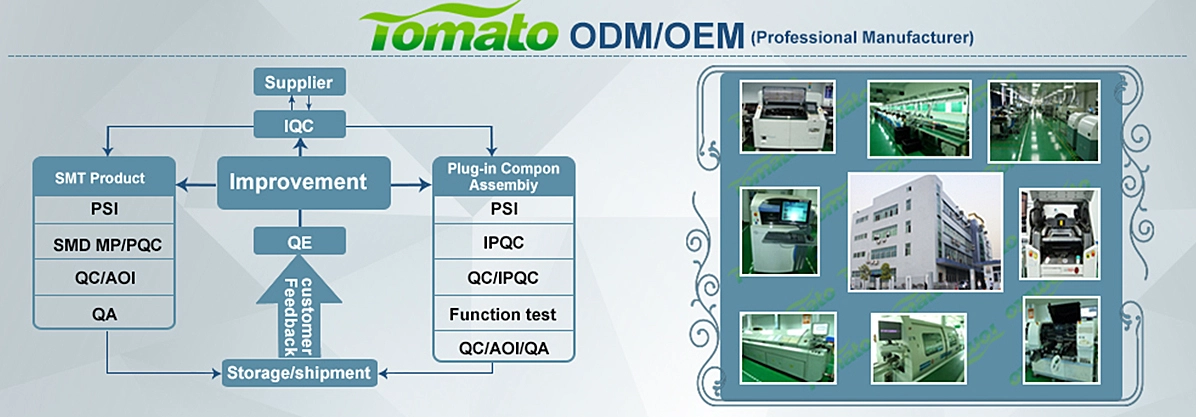
Achieving a sustained, multi-year lifecycle requires deep engineering collaboration. SZTomato delivers industry-certified OEM/ODM customization services for the Android TV Box and commercial digital signage sectors. By combining high-endurance PCBA hardware modification—including optimized solid capacitor layout and upgraded thermal dissipation geometry—with specialized AOSP firmware configurations that actively preserve flash memory health, we construct hardware built for industrial endurance. Visit www.sztomato.com to consult with our Senior SEO and Hardware Architects to audit, design, and future-proof your next endpoint deployment.
