
What is the preferred Android TV Box to TV connection?
Engineering the Optimal Android TV Box to Commercial Display Connection
Hardware synchronization failures in commercial AV deployments frequently trace back to standard display interfaces. When a systems integrator connects a retail-grade Android TV Box to a commercial panel, the resulting HDCP (High-bandwidth Digital Content Protection) handshake drops and EDID (Extended Display Identification Data) mismatches inevitably lead to blank screens and escalated support tickets.
The preferred connection strategy for enterprise deployments abandons consumer plug-and-play logic. Instead, it relies on locked audiovisual protocols and customized hardware interfaces engineered for 24/7 continuous operation. For B2B deployments, the optimal connection is a strictly managed HDMI interface paired with a dedicated control protocol, supported by firmware-level overrides.
The Foundation: HDMI 2.1 and EDID Firmware Management
For modern 4K and 8K deployments, HDMI 2.1 is the baseline physical connection, delivering the necessary 48 Gbps bandwidth for uncompressed high-resolution output. However, the physical cable is secondary to how the Android TV Box processes the display data.
In digital signage or kiosk environments, display panels are frequently power-cycled independently of the media player. A standard consumer device will lose its display settings if the monitor powers down, resulting in resolution scaling errors upon reboot.
The preferred enterprise solution involves EDID locking. Through custom AOSP firmware engineering, the Android TV Box is programmed to force a specific resolution and refresh rate (e.g., 4K at 60Hz), ignoring the hot-plug detect (HPD) pin signals from the HDMI cable. This firmware-level override ensures the graphics pipeline remains active and stable, regardless of the display panel's power state.
Automated Display Control: HDMI-CEC vs. Serial Interface (RS232)
A commercial Android TV Box must act as the primary control unit for the connected display, eliminating the need for separate remote controls. The preferred connection protocol for this automation depends on the project's scale and the display panel's capabilities.
1. The Standard Commercial Approach: HDMI-CEC
Consumer Electronics Control (CEC) allows the Android TV Box to transmit basic command codes over pin 13 of the HDMI cable. In hospitality deployments (hotel IP networks), a custom-engineered TV box utilizes CEC to automatically wake the television when the box boots, switch the TV to the correct HDMI input, and route volume commands to the TV's internal amplifier.
2. The Industrial Approach: RS232 Serial Control
For industrial control rooms, high-value retail displays, or outdoor signage, HDMI-CEC lacks the necessary granular control and error reporting. The superior connection method utilizes an RS232 serial interface.
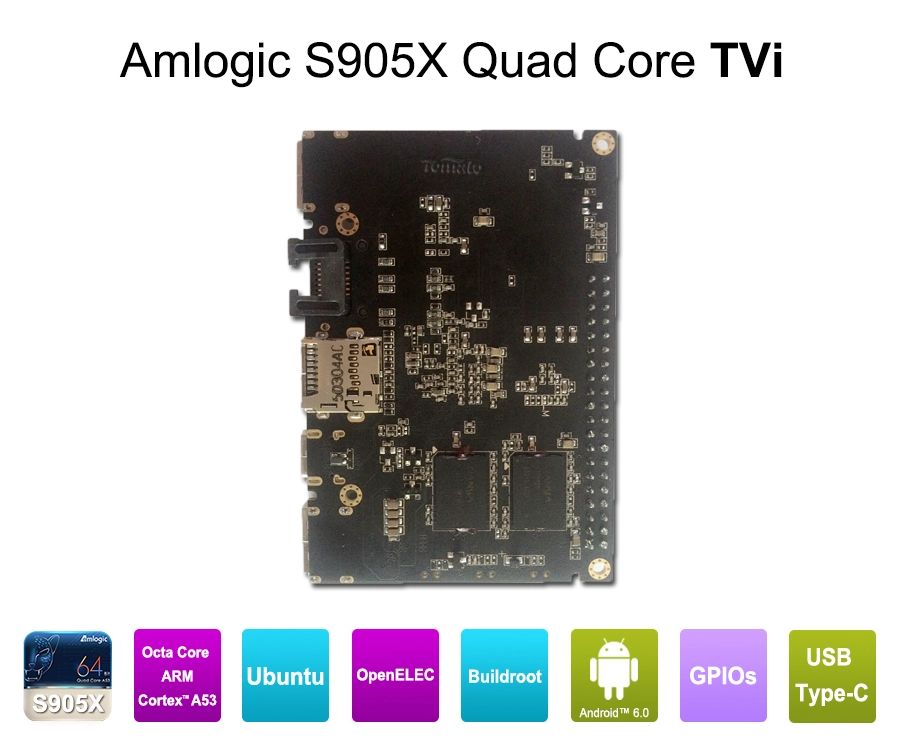
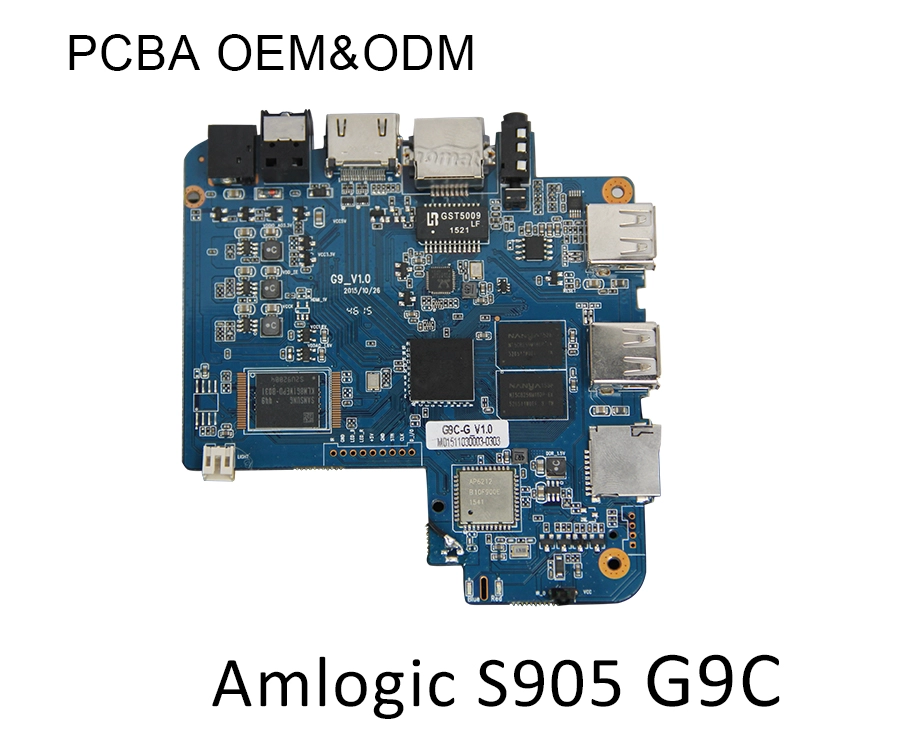
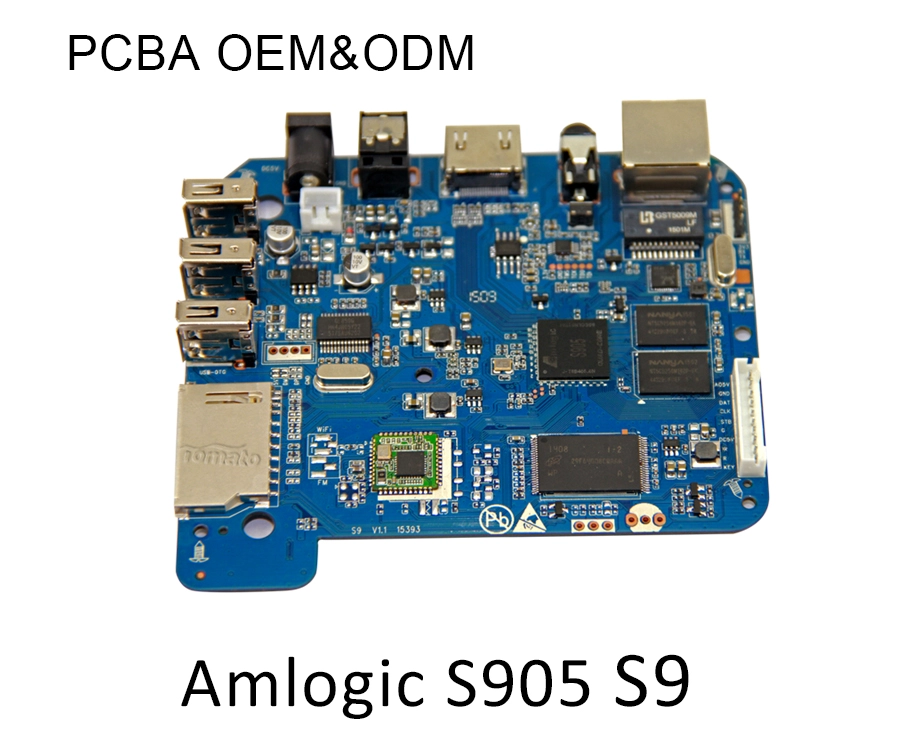
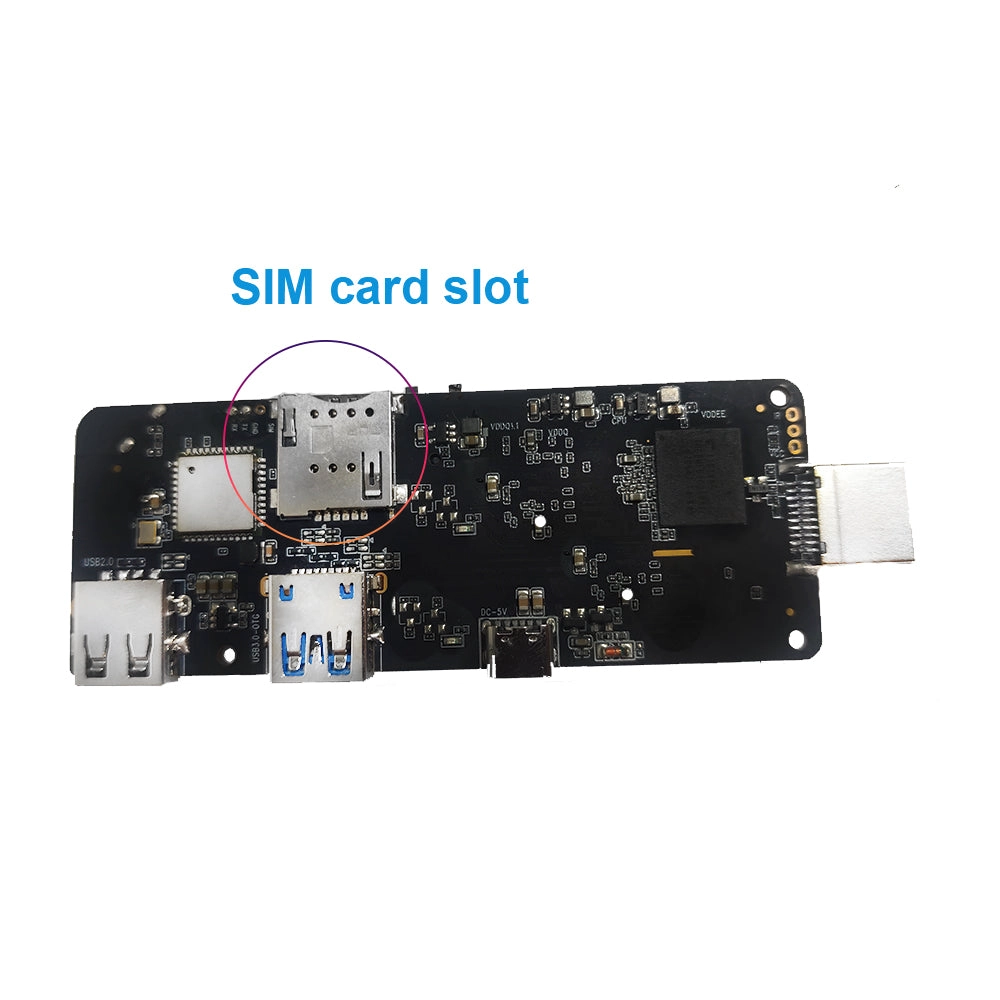
Because standard retail boxes lack serial output, this requires specific PCBA (Printed Circuit Board Assembly) modification. Hardware engineers integrate RS232 headers directly onto the motherboard. The custom firmware is then configured to transmit hexadecimal control codes directly to the commercial monitor, allowing the Android TV Box to command specific brightness levels, query panel temperature, and execute hard power-downs on a strict automated schedule.
Non-Standard and Legacy I/O Hardware Modifications
While HDMI handles standard external monitors, specialized B2B projects often utilize bare LCD panels or legacy hardware infrastructures that necessitate alternative connection strategies.
Original Design Manufacturing (ODM) partners solve these physical connection bottlenecks by modifying the base hardware architecture:
-
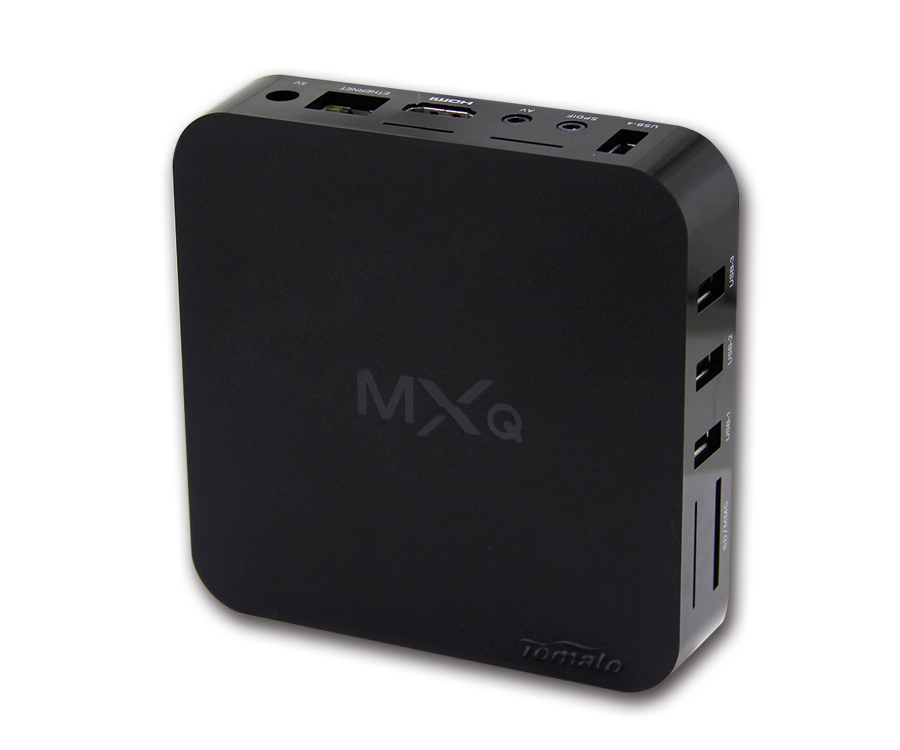
eDP and LVDS Integration: For integrated kiosks or all-in-one digital signage units, the Android TV Box motherboard is engineered with direct eDP (Embedded DisplayPort) or LVDS interfaces, bypassing standard external cabling entirely for a cleaner, vibration-resistant internal connection.
-
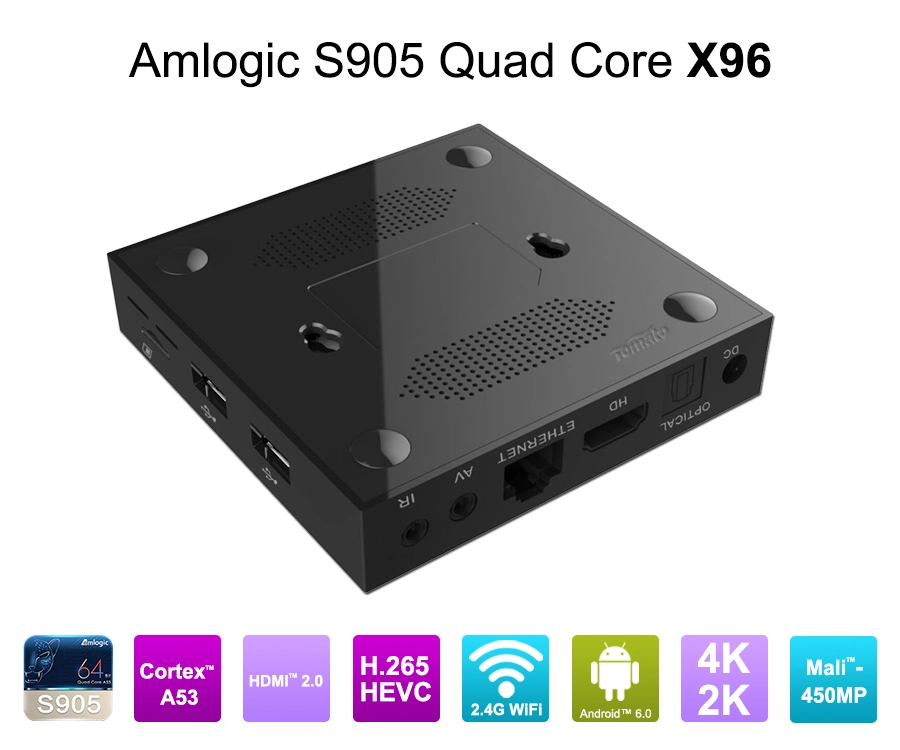
AV/Composite for Legacy Systems: In certain emerging markets or specific hospital infotainment upgrades, older CRT or early-generation LCD screens remain in use. Customizing the PCBA to include a 3.5mm AV out ensures backward compatibility while utilizing modern SoC processing power.
-
PoE (Power over Ethernet): While not a display connection, combining the network data and power supply into a single RJ45 connection simplifies the physical footprint behind the display panel, heavily reducing installation overhead.
Securing the Deployment Architecture
Selecting the right connection protocol requires aligning the hardware's physical output with the specific demands of the operational environment. Off-the-shelf consumer devices lack the robust I/O configurations and firmware control required to maintain an unbroken, zero-touch display connection.
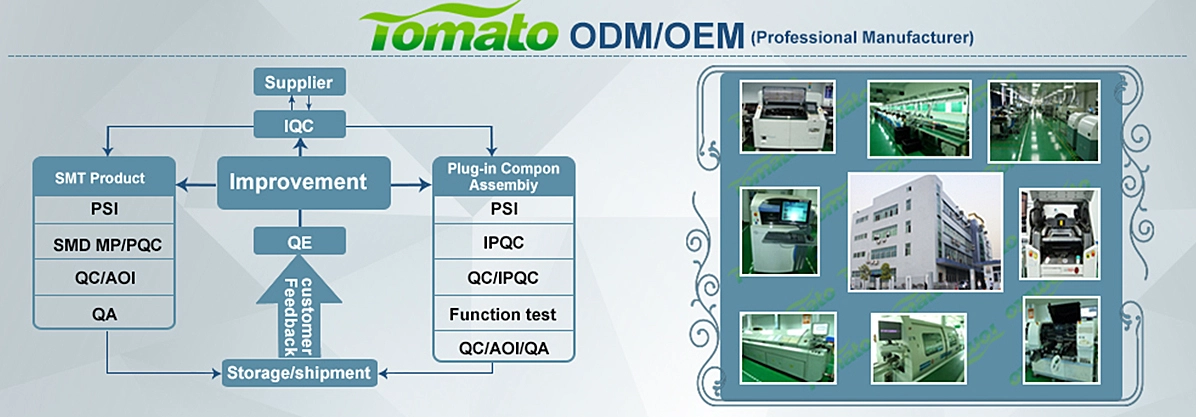
Achieving this level of integration requires direct collaboration with a specialized hardware manufacturer. SZTomato provides extensive OEM/ODM services for Android TV Box and digital signage applications. By combining rigorous PCBA modification with custom AOSP firmware engineering, we deliver endpoint hardware equipped with the precise physical interfaces and control protocols your commercial deployment demands. Visi www.sztomato.com to consult with our architecture team regarding your specific I/O requirements.
