

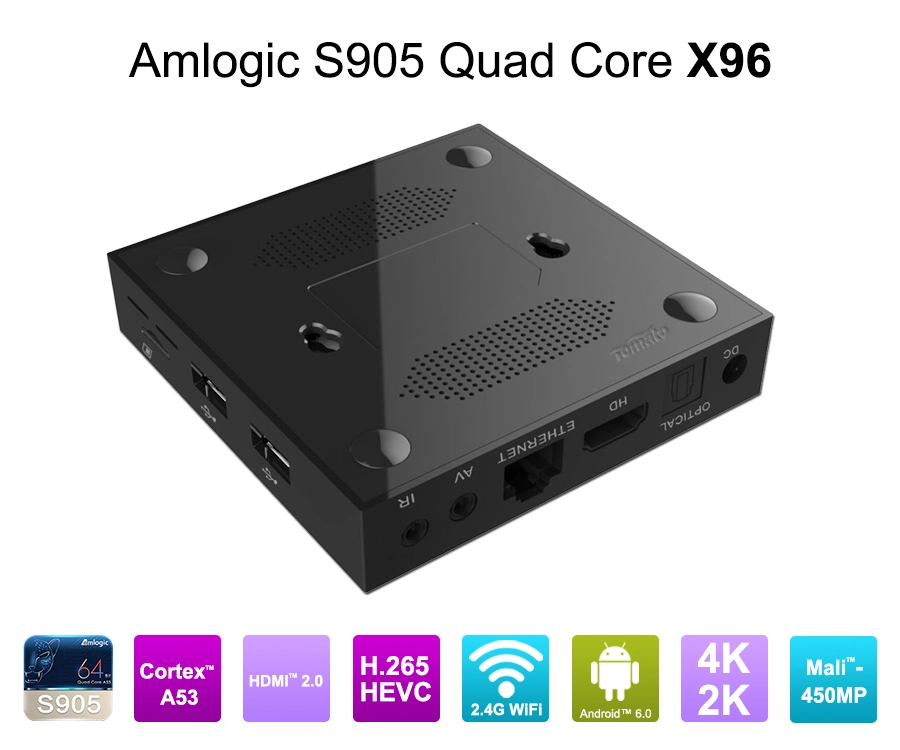
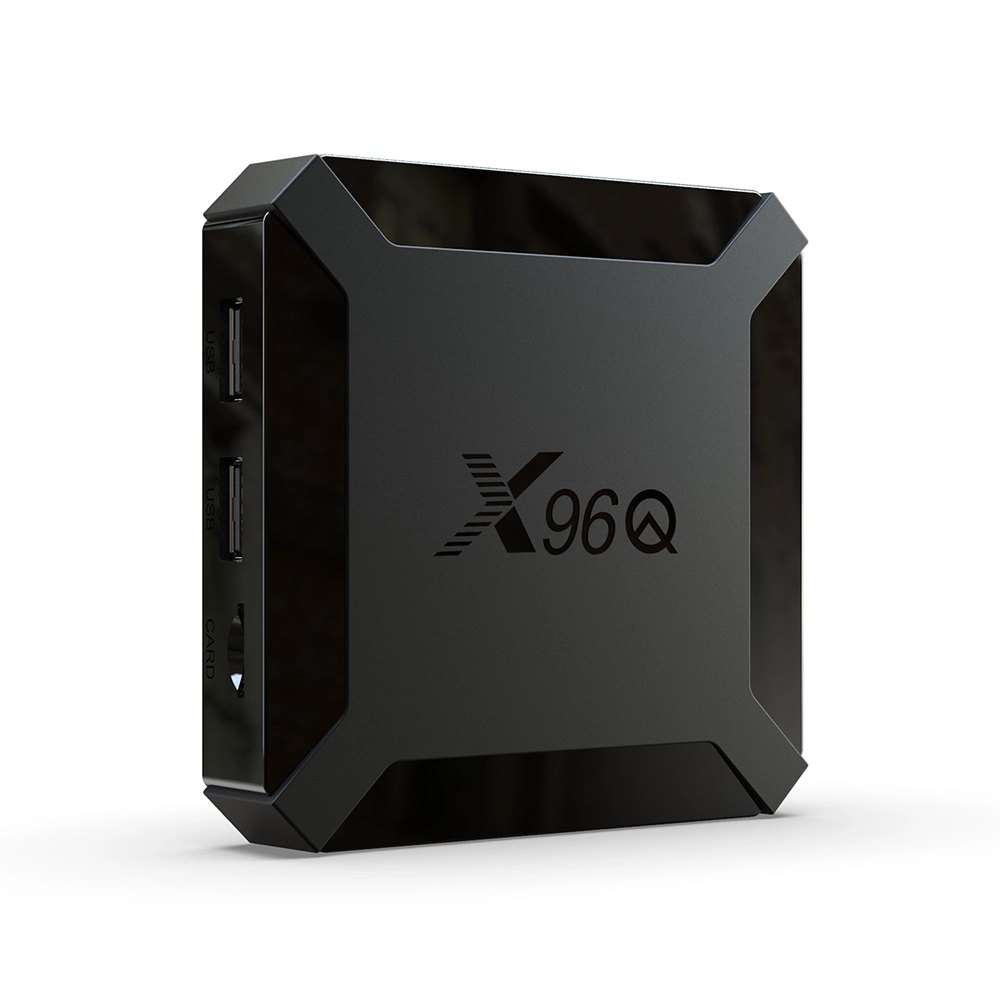
What is the use of an Internet TV Box?
What is the Use of an Internet TV Box in Enterprise Deployment?
Hardware commoditization has forced telecom operators, hospitality integrators, and digital signage providers to strictly evaluate their endpoint strategies. Deploying consumer-grade retail hardware in commercial environments inevitably creates bottlenecks in remote management, user interface control, and thermal stability. To mitigate these risks, systems integrators rely on the purpose-built Internet TV Box.
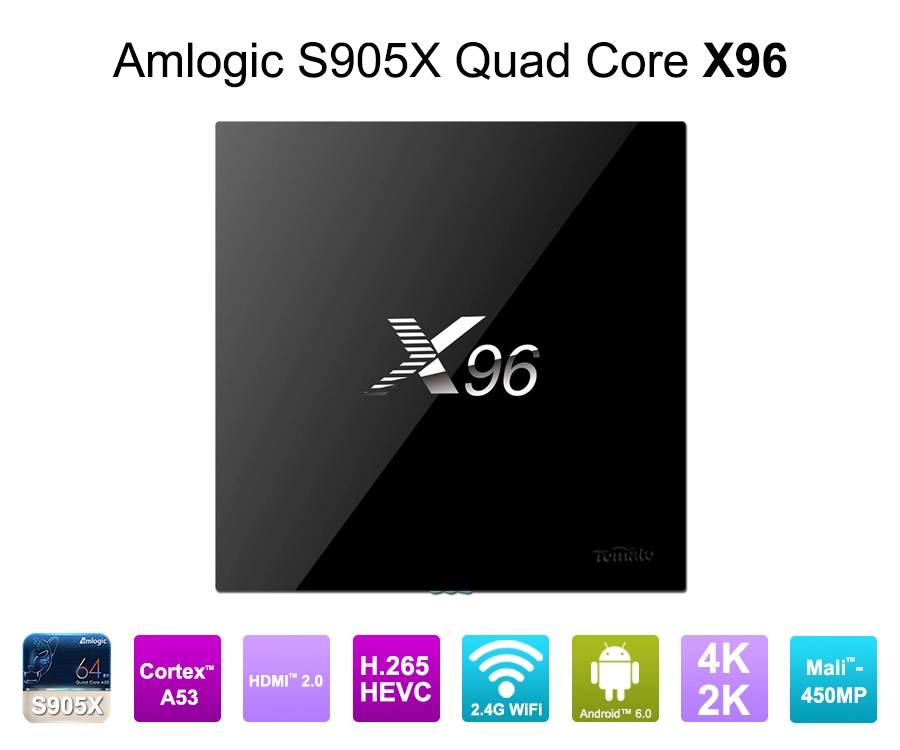
At its foundational level, an Internet TV Box decodes IP-based media streams and renders them for display output. However, in a B2B context, the use case extends far beyond simple media playback. It functions as a secure, autonomous edge device. Achieving this requires moving past generic retail models and engaging in rigorous OEM/ODM customization, focusing on PCBA modification and firmware-level engineering.
Beyond Retail: The Commercial Endpoint Strategy
The primary use of a commercial Internet TV Box is to provide a locked-down, managed environment for content delivery. Whether displaying 4K digital signage in a transport hub or serving VOD (Video on Demand) content in a hotel network, the device must operate with zero end-user intervention.
Retail devices prioritize app store access and broad consumer compatibility. B2B deployments require the opposite: strict application control, automated boot-to-app functionality, and proprietary API integration. This shift necessitates deep engineering collaboration with a capable hardware manufacturer.
Firmware-Level Engineering: The Core of B2B Customization
A successful deployment relies on a stable software architecture. Modifying the Android Open Source Project (AOSP) source code ensures the device serves its specific commercial purpose without the overhead of unnecessary consumer bloatware.
Kiosk Mode and UI Lockdown
For applications like digital signage or hospital infotainment, the user interface must be restricted. Firmware engineering allows developers to replace the standard Android launcher with a proprietary UI or a strict Kiosk Mode. This prevents end-users from navigating away from the intended application, modifying system settings, or installing unauthorized software.
DRM Integration and Content Security
ISPs and premium media operators require robust content protection. An enterprise-grade Internet TV Box must support hardware-level Digital Rights Management (DRM). Engineering teams integrate protocols such as Google Widevine L1, Microsoft PlayReady, and Verimatrix directly into the firmware, ensuring that high-value 4K video assets are decrypted securely and remain protected against piracy.
Custom OTA Servers and Fleet Management
Maintaining a fleet of thousands of remote devices requires an isolated infrastructure. Instead of relying on public update servers, ODM partners configure the firmware to ping proprietary Over-The-Air (OTA) servers. This gives network administrators granular control over when and how firmware patches, APK updates, and security protocols are pushed to the fleet, preventing forced updates during peak operational hours.
Hardware Architecture: PCBA Modification for Specific Verticals
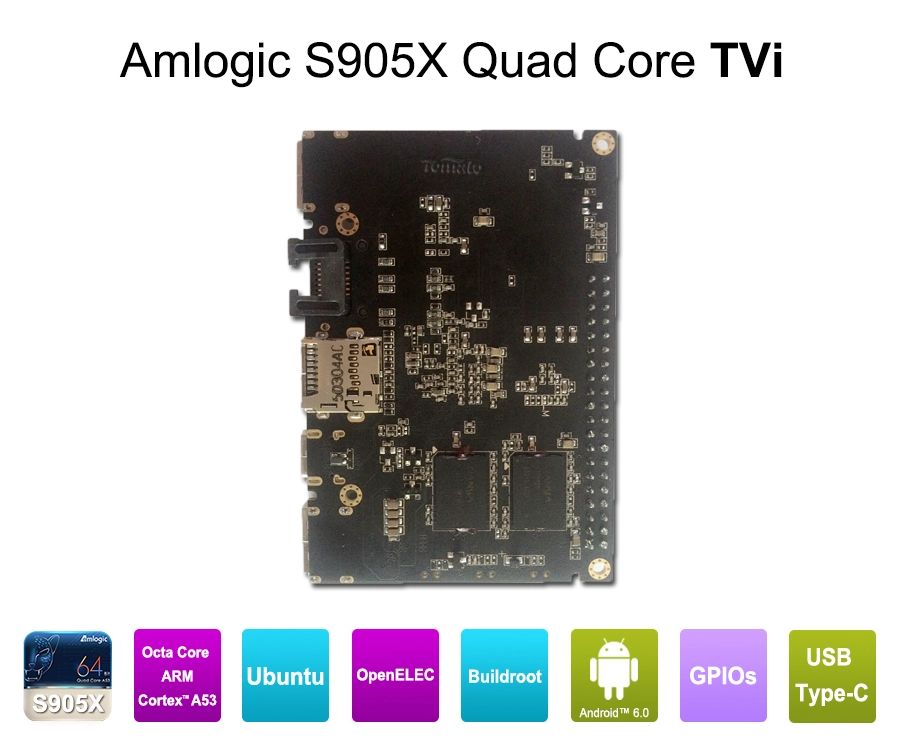
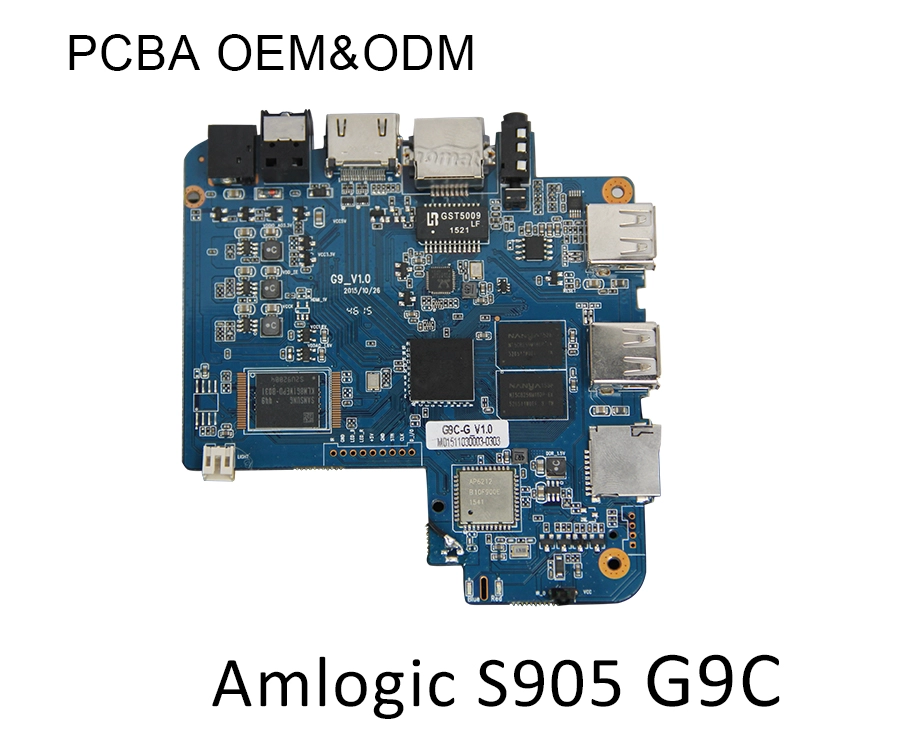
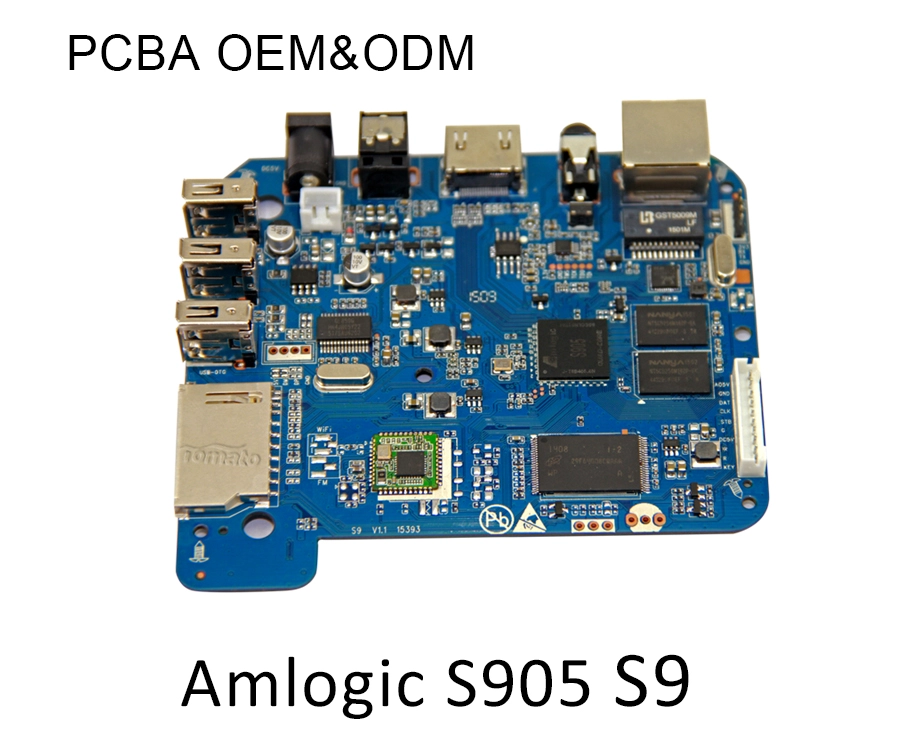
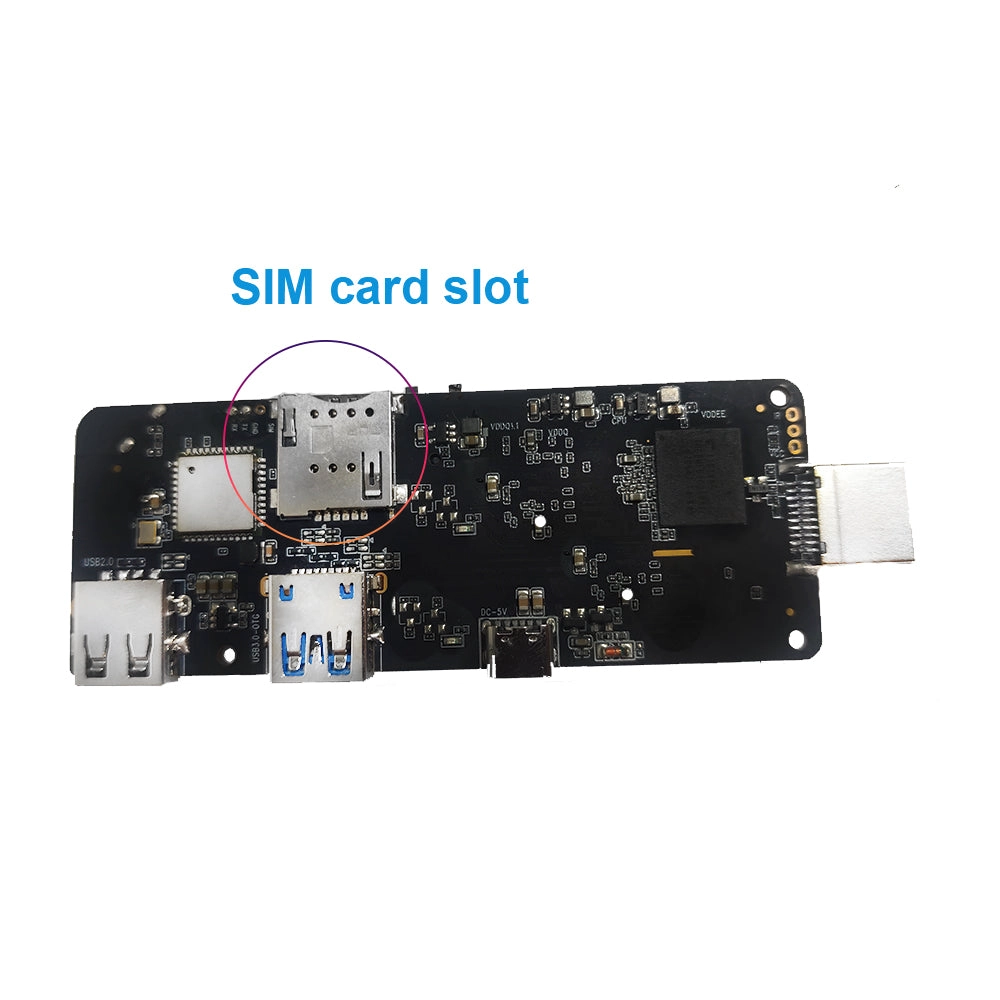
Software customization is only effective when supported by optimized hardware. While the System on a Chip (SoC)—typically from vendors like Amlogic or Rockchip—dictates processing limits, the Printed Circuit Board Assembly (PCBA) dictates connectivity and durability.
Commercial use cases often demand hardware modifications that standard retail units lack:
-
Legacy I/O Integration: Digital signage and industrial control systems frequently require RS232, RJ45 (with PoE capabilities), or specific GPIO pins to interface with existing legacy hardware.
-
Watchdog Timers: Hardware watchdogs are integrated into the PCBA to automatically reboot the device in the event of a critical software freeze, ensuring 24/7 uptime without manual intervention.
-
Thermal Optimization: Continuous 4K decoding generates significant heat. Custom tooling involves upgrading heat sinks and modifying the chassis airflow to prevent thermal throttling during continuous commercial operation.
Securing the Right OEM/ODM Manufacturing Partner
Executing a large-scale hardware deployment requires a manufacturer that understands the distinction between consumer manufacturing and B2B engineering. Evaluating a partner involves analyzing their supply chain stability, their direct relationship with SoC vendors, and their internal R&D capabilities for continuous firmware support.
Ready to engineer your custom endpoint solution? With 16 years of deep-rooted expertise in B2B cross-border electronics, SZTomato specializes in the firmware-level engineering and PCBA modification required for enterprise-grade Android TV Box and digital signage deployments. Visit www.sztomato.com to consult with our engineering architects and begin building hardware tailored to your precise network requirements.
