
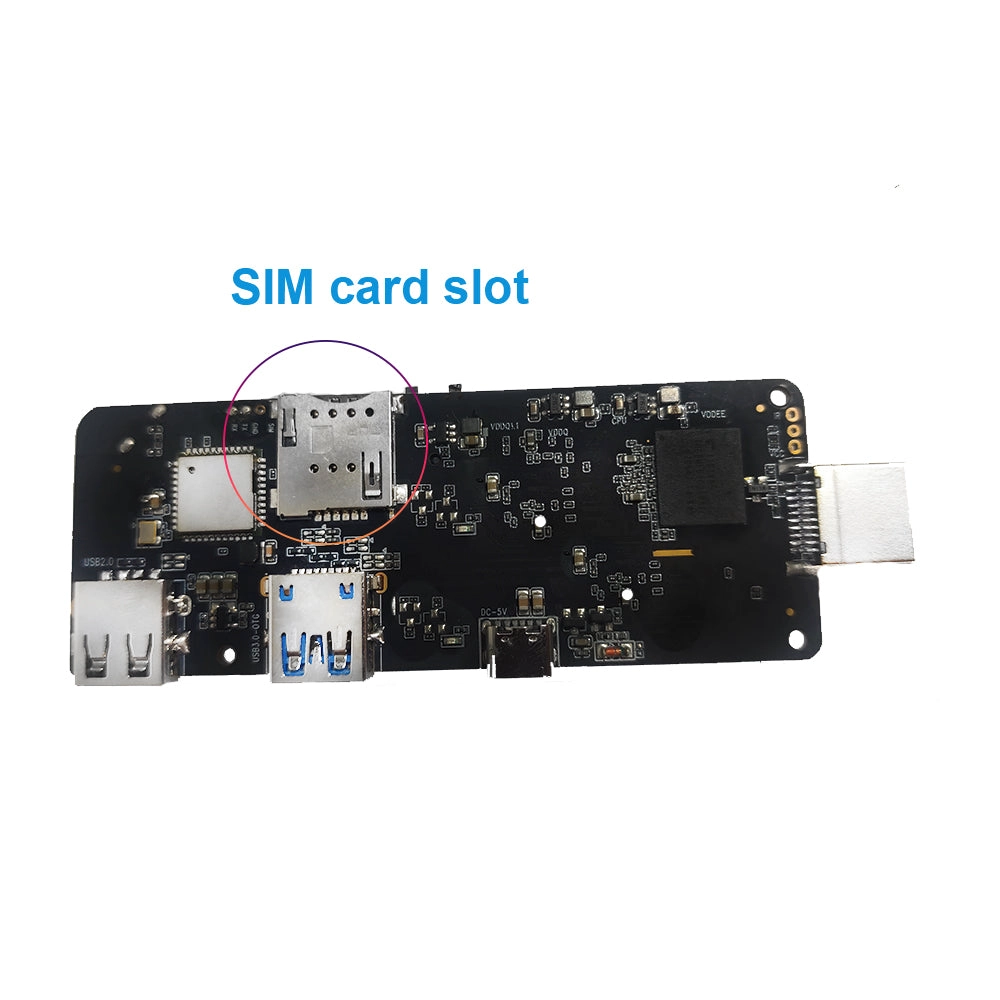
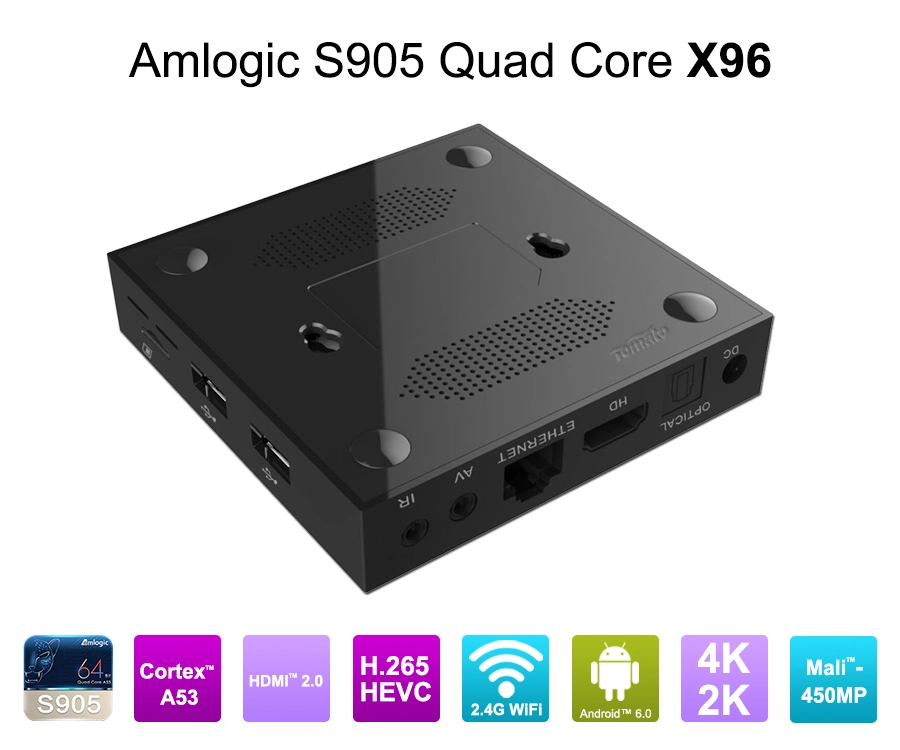
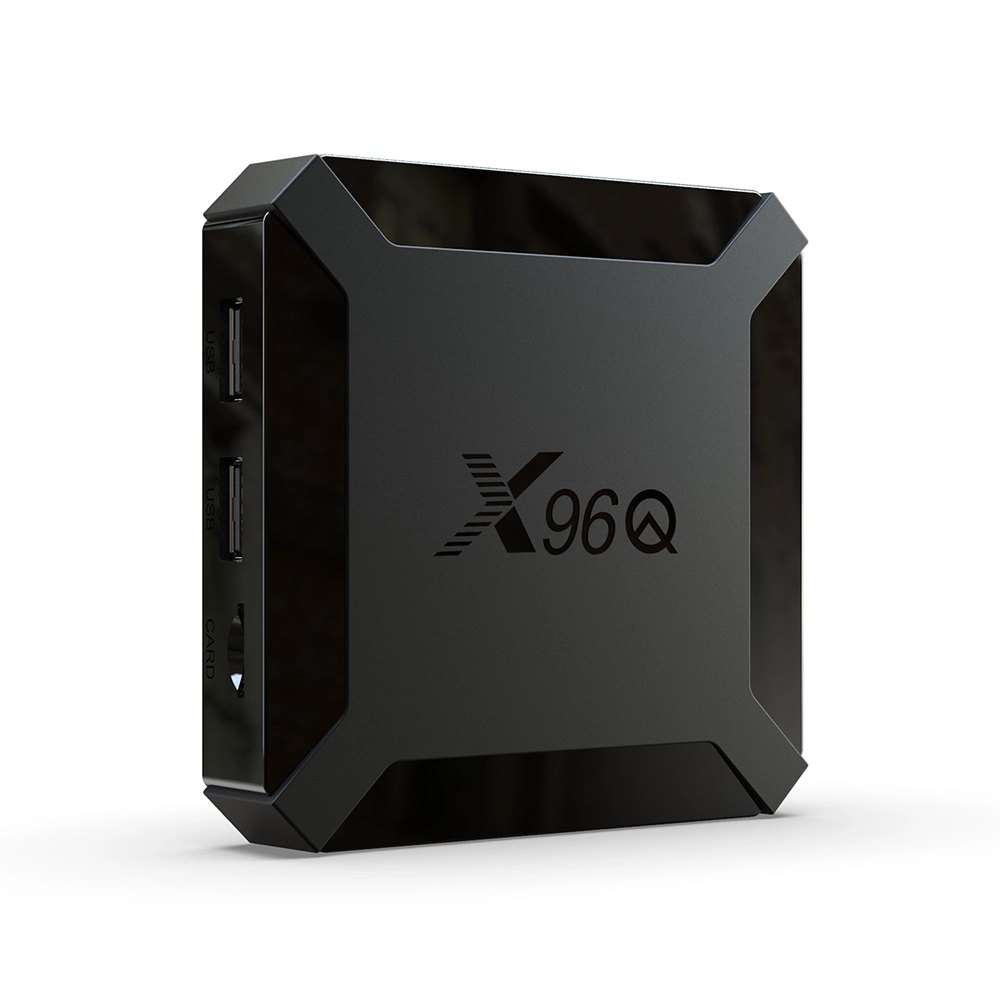
What is the lifespan of an Android Mini PC?
What is the Lifespan of an Android Mini PC? A B2B Durability and MTBF Analysis
In commercial environments—such as digital signage networks, interactive kiosk terminals, and edge-computing nodes—devices are expected to run 24/7/365. Under these intense operating conditions, deploying standard consumer-grade hardware is a costly mistake. When a retail-grade Android Mini PC is subjected to continuous execution, it typically suffers from silent hardware degradation long before its projected operational cycle is complete.
The true operational lifespan of an Android Mini PC is not a fixed number; it is a direct function of component thermal stress, flash-storage wear management, and operating system maintenance.
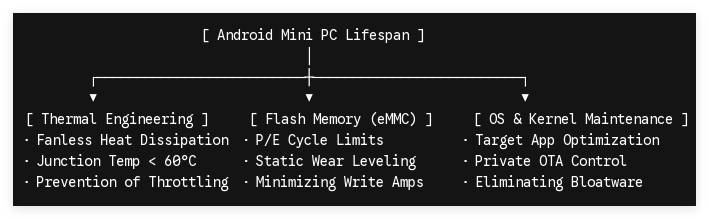
Understanding these engineering variables allows B2B system integrators and procurement managers to extend device deployments from a fragile 18-month replacement cycle to a reliable 5 to 7-year enterprise lifecycle.
1. The Primary Killer: Thermal Degradation and Junction Temperature
Thermal performance is the single most critical factor limiting the physical life of compact, fanless electronics. Standard consumer-grade mini PCs utilize cheap plastic enclosures and thin, unanchored aluminum foil heat spreaders.
Under continuous compute loops—such as driving high-bitrate AV1 or H.265 video walls—the internal junction temperature ($T_j$) of the System-on-Chip (SoC) quickly climbs.
The Consequences of High Thermal Stress
When an SoC operates consistently above 80°C, two destructive mechanisms occur:
-
Aggressive Thermal Throttling: The kernel automatically slashes the CPU and GPU clock speeds by up to 50% to prevent immediate silicon destruction. This results in dropped frames, stuttering UI, and software lag.
-
Solder Joint and Capacitor Fatigue: Repeated thermal cycling (heating up and cooling down) causes micro-fractures in the lead-free solder balls of the Ball Grid Array (BGA) package, leading to permanent hardware failure.
The Industrial Solution: Passive Extruded Aluminum Dissipation
To ensure an operational lifespan exceeding 50,000 hours, commercial-grade hardware must implement a chassis-as-heatsink design.
By coupling the ARM SoC (such as an Amlogic S905X4 or Rockchip RK3588) to a finned, extruded aluminum outer enclosure using high-performance phase-change Thermal Interface Materials (TIM), heat is dissipated directly into the surrounding air. This maintains the internal junction temperature below 58°C even under full processing load, preventing component degradation and eliminating the need for failure-prone mechanical fans.
2. Silicon and Storage Wear: Navigating eMMC P/E Cycle Limits
The virtual lifespan of an Android Mini PC is often limited by its storage. Unlike traditional enterprise servers using swappable NVMe drives, compact Android devices rely on soldered eMMC (embedded MultiMediaCard) or UFS flash memory.
The Math Behind Flash Memory Burnout
NAND flash memory has a finite number of Program/Erase (P/E) cycles before its oxide layer degrades and the cell can no longer reliably hold a charge. Industrial-grade eMMC 5.1 storage typically supports between 3,000 and 10,000 P/E cycles, whereas cheap consumer-grade storage may fail after fewer than 1,000 cycles.
The lifespan of the flash memory can be mathematically modeled using the following formula:

Mitigation Strategies in OEM/ODM Design
To prevent flash burnout caused by constant application logging, cached video streams, and database writes, several firmware and hardware level mitigations are utilized in B2B hardware:
-
Static and Dynamic Wear Leveling: The flash controller’s firmware actively distributes write operations evenly across all available block sectors. This prevents "hot spots" where a single, frequently updated sector (like a system log) burns out prematurely.
-
Over-Provisioning: Reserving 10% to 15% of the total flash capacity as unallocated space. This provides the controller with clean blocks for background garbage collection, drastically reducing the Write Amplification Factor (WAF).
-
RAM-Disks for Volatile Data: Configuring the custom Android kernel to mount temporary log files (/var/log or equivalent Android directories) directly into the volatile RAM instead of writing continuously to the physical eMMC.
3. Functional Obsolescence vs. Software-Level Lifespan
A device's physical hardware might be pristine, but if its software cannot adapt to modern protocols, security standards, or application updates, it becomes functionally obsolete.
[ Traditional Lifespan Curve ]
  Consumer STB: ──■ (18-24 Months: Out of memory, slow UI, unpatched OS)
  Industrial STB: ──────────────────────────────────────■ (5-7 Years: Lightweight OS, Private OTA patches)
Consumer Android Mini PCs are loaded with heavy, bloated user interfaces, unoptimized launchers, and background telemetry services that degrade performance over time.
Resolving Software Degradation with Kernel Optimization
Ensuring long-term operational viability requires complete control over the OS image:
-
Elimination of Bloatware: Designing a clean, lightweight AOSP (Android Open Source Project) build that contains only the essential system drivers and the target enterprise application. This minimizes memory usage and ensures consistent, snappy UI performance for years.
-
Locked Bootloaders and Custom APIs: Securing the kernel prevents unauthorized user access, malware installation, and memory-leaking background processes.
-
Controlled, Private OTA Update Networks: Instead of relying on public servers that push updates that can break legacy apps, system integrators route OS updates through a private, secure Over-The-Air (OTA) server. Updates are only applied when thoroughly validated, preserving system stability and uptime.
Secure a 7-Year Lifespan for Your Hardware Fleet with SZTomato
Minimizing truck rolls, downtime, and replacement costs in commercial deployments requires a hardware partner that designs for industrial endurance. Cheap, off-the-shelf Android devices will fail prematurely, destroying project margins.
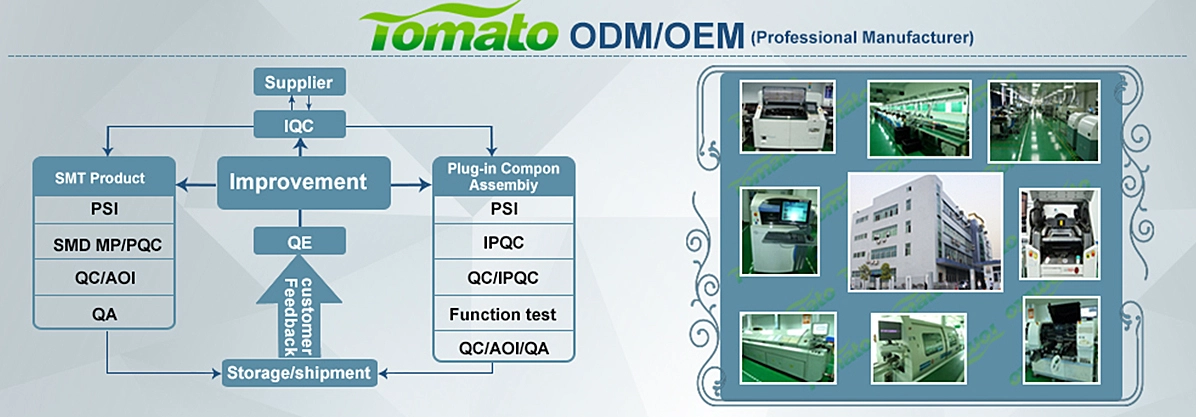
At Shenzhen Tomato Technology (SZTomato), we engineer and manufacture custom B2B Android Mini PCs, TV boxes, and digital signage boards with a focus on long-term field survivability. Our team has 16 years of expertise in hardware customization and firmware-level engineering:
-
Custom PCBA layouts incorporating hardware watchdogs, industrial-grade solid-state capacitors, and robust eMMC architectures with advanced wear leveling.
-
Thermal management optimization featuring fanless aluminum fin enclosures designed to withstand high-temperature industrial environments.
-
Tailored software solutions, including custom AOSP builds, custom launcher integrations, and private, enterprise-managed OTA platforms.
Let us design and manufacture the rugged, high-availability hardware platform your commercial network requires.
